

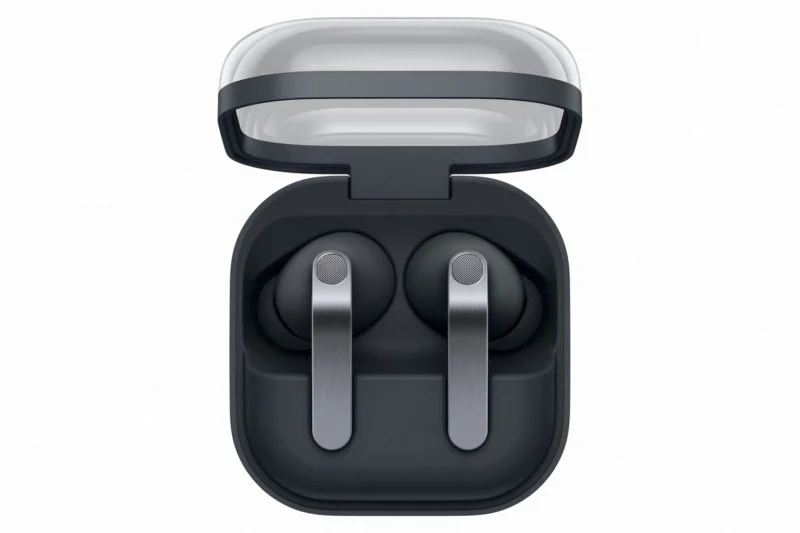
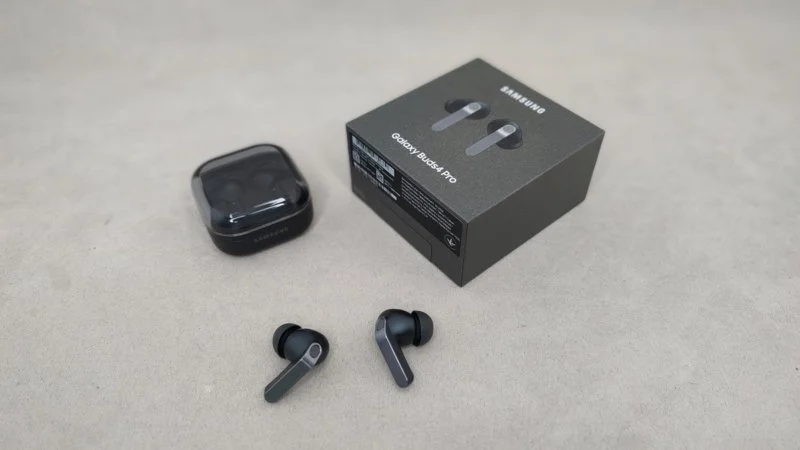
The Samsung Galaxy Buds 4 Pro for $249 is a huge step up from the Galaxy Buds 3 Pro. Samsung rethought the mistakes of the 3rd version. They fixed the design and removed those uncomfortable, angular stems. Now, using these earbuds is as comfy as AirPods Pro 3 or 2. And the sound, guys, it’s just something else. The 4 Pro exceeded my skeptical expectations. This model immediately entered the MyChooz gold league. Even with the basic AAC codec, it surpassed the Realme Buds Air 7 Pro, Huawei FreeBuds 4 Pro, and even, in some ways, the Technics EAH AZ-100. And that’s not even mentioning the AirPods Pro 3.
Overall, guys, this review turned out super interesting. These earbuds also have some downsides, so I recommend reading the whole review. Friends, please subscribe to MyChooz. It’s the best way to support the project. My name is Vladimir Papazov. Here, we talk about new earbuds and great sound. Links to official stores where you can buy these Samsungs are at the end of the review. Go check them out and buy if it’s relevant. These are affiliate links. THE PRICE STAYS THE SAME FOR YOU, NO OVERPAYING. For us, it’s a small percentage from sales. This helps us buy new models for reviews. We’re not a store. We buy most models with our own money to stay independent. Thanks for your support!
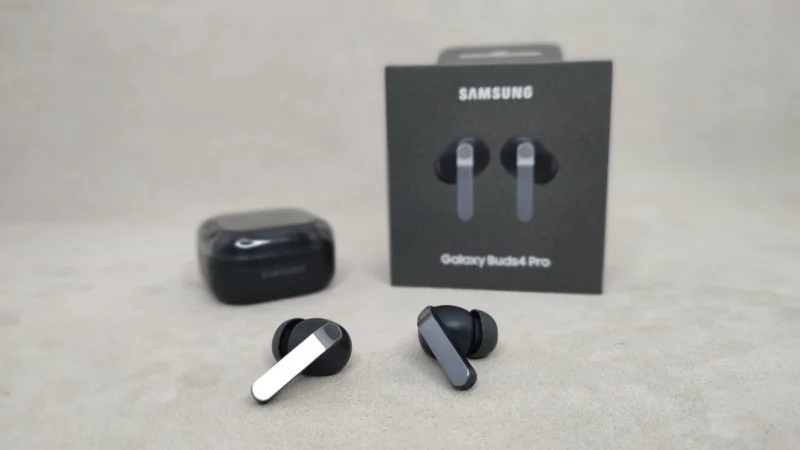
If Samsung’s mission was to create mass-market AirPods for Android, then mission accomplished. These are a great model for any Android phone. For flagship Samsung devices, they’re perfect. You get the proprietary, high-bitrate SSC UHQ audio codec and ecosystem perks. Things like a translator, Spatial Audio, low latency, pairing animations, and more. Even for iPhone users, there’s a lot to like about this model. That’s true even without a dedicated app. We’ll definitely mention the Galaxy Buds 4 Pro again in future reviews. It’s 100% going to be a bestseller in 2026. And spoiler alert: it’s 100% MyChooz approved.
Sound
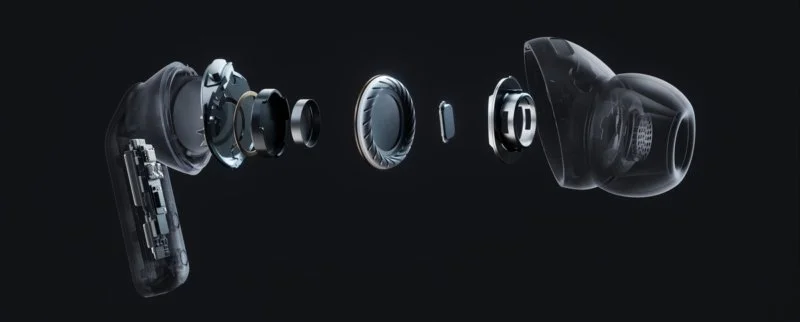
Sound. These earBuds FEature a new dual-driver setup. You get an 11mm dynamic driver and a 5.5mm tweeter. The previous generation had a 10.5mm dynamic driver and a 6.1mm tweeter. The bass is now stronger. A nice bonus is the excellent sound on basic codecs. It doesn’t even need EQ adjustments.
Codec. The earbuds support the proprietary SSC UHQ audio codec. It delivers 24-bit/96 kHz sound quality. This only works on Samsung S23, Flip, Fold 5 devices and newer. For other Samsung devices, the basic SSC codec is available. It offers 24-bit/48 kHz sound quality. If you own other Android or iOS devices, you only get the basic AAC, SBC, and LC3 codecs.
We got lucky! Viktor Ivanovich on our team has a flagship Samsung phone. He was able to test the sound with SSC UHQ and check out the proprietary features. The result? SSC UHQ adds 15% more detail to the sound. The rest of this review focuses on the basic AAC codec. Our whole team jumped on this review. You’ll find sound descriptions from three MyChooz authors below. Plus, a subscriber, Andrey, sent us these earbuds for testing. Big thanks to you, Andrey! Your help meant this review came out a month early.
Features. Most features are available on flagship Samsung devices. These include calls, audio, translator, voice assistant, and more. A full list of limitations and compatibility is detailed on the official Samsung website. BUT, when I tested them on an iPhone 15 Pro and a OnePlus 11, I didn’t feel like I needed any advanced features. By default, everything was more than enough.
We use our standard playlist to evaluate the sound.
More details on how we test earbudsTests are performed with a OnePlus 11 phone (Android) and iPhone 14 Pro (iOS), via streaming Deezer HiFi (about this subscription) in FLAC (1411 кбит/c) format.
My playlist – for testing earbuds:
- Michael Jackson – P.Y.T. (Pretty Young Thing). Pop-funk.
✅ Checking low-end and natural timbre – the timbre of the main bass synth should sound natural and be audible. The bass here is powerful, but shouldn’t overpower other frequency ranges.
✅ Checking detail retrieval and soundstage width – background vocals and percussion in the right channel should be clearly audible.
✅ Checking highs and natural treble timbre – the cymbals in this track should sound soft and natural, without grain. The drums in this song are recorded and mixed simply wonderfully (Jonathan Moffett – drum virtuoso). - Oasis – Don’t Go Away. Alternative rock, Brit Pop.
✅ Natural timbre check – the acoustic guitar sound should be natural.
✅ Low-end check – the kick drum, toms, and snare are quite recessed in this track, and with poor bass, drum fills will simply be inaudible.
✅ Mids check – Liam’s voice should sound open and not get congested; this track has a lot of live instruments that can easily overpower the mids and vocals, adding muddiness or a closed-in feel to the voice.
✅ Highs and natural timbre check – at the end of the song, there’s my favorite instrumental break with acoustic guitar and tambourine; they should be distinct from each other and sound natural, without grain or artificial timbre. - Twenty One Pilots – Backslide. Hip-Hop, Alternative Pop.
✅ Detail retrieval check. In this track, Tyler (as always) did a lot of background vocals with and without effects; they should be clearly separated from each other and audible.
✅ Soundstage width check – The shaker that appears and disappears, flowing from channel to channel, perfectly demonstrates the soundstage width. Same for the background vocals, which are well-separated across the channels. - Adele – Rolling in the Deep. Pop, Soul, Blues.
✅ Mids and vocal check – Adele’s voice here should be distinct, with a sense of presence, without veiled sound or muddiness. - Eagles – Hotel California (Live on MTV, 1994). Rock, country-rock. God bless whoever recorded and mixed this live performance.
✅ Soundstage width check – crowd sounds, background effects, instrument placement.
✅ Highs check – 2 shakers in the left and right channels should be clearly audible and not sound artificial.
More tracks I use for testing:
- Modern Talking – You’re My Heart, You’re My Soul. Europop.
Vocals shouldn’t be masked by the bassline, and the shaker should sound natural, without grain. - Eminem – Ass Like That. Hip-hop and Rap.
The heavy bassline shouldn’t overpower the vocals. Secondary ethnic instruments and backing vocals should be audible. - Bob Marley – Could You Be Loved. Reggae.
Cymbals shouldn’t have grain, vocals and backing vocals shouldn’t be masked by the lows, and the bassline should be clearly distinguishable. - Disturbed – Stricken. Alternative Metal and Heavy Metal.
The distorted guitar shouldn’t overpower the drums and vocals.
Cymbals shouldn’t get lost in the overall mix. - System of a Down – Radio/Video. Alternative Metal and Nu Metal.
The shaker should sound natural, without grain. The distorted guitar shouldn’t overpower the drums and Serj’s and Daron’s vocals.
The score is given according to our “Scores 3.0” methodology.
Sound — 50% of the score:
- Frequency balance in sound — how harmoniously the earbuds reproduce lows, mids, and highs.
- Soundstage — the ability of earbuds to create a sense of 3D volume and space in music.
- Detail retrieval or resolution — the ability of earbuds to convey the smallest nuances of sound with high precision.
- Naturalness or timbre balance — this is preserving the natural sound of instruments, sounds, and vocals.
Features and design — 50% of the score:
- Microphone quality.
- Active noise cancellation (ANC) and transparency mode.
- Battery life, controls, app, and other features.
- Build quality: wear comfort, durability, and design + available colors.
- Learn more about how, how we test and rate earbuds.
Sound rating:
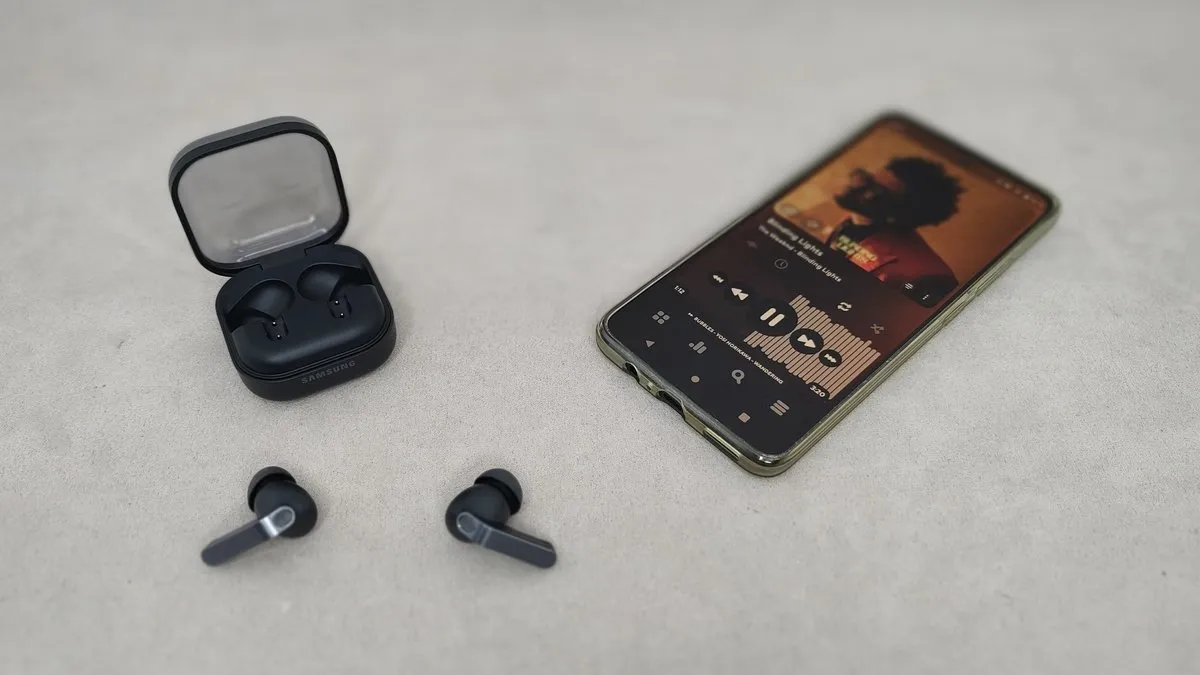
What genres are the Samsung Galaxy Buds 4 Pro best for? These earbuds are versatile. They handle vocal and instrumental genres best. For dance music and other bass-heavy genres, they lack some bass. For those genres, you should add a bit of low-end in the EQ.
Musical engagement? 8/10. The sound is pleasant and non-intrusive.
The Samsung Galaxy Buds 4 Pro volume is sufficient at 80%. If you need more volume, here’s how to increase it.
Hey guys, I invite you to the MyChooz HUB for the Samsung Galaxy Buds 4 Pro. It’s basically a forum thread, like 4pda or Reddit, but supercharged. The beta version is ready. I’m still coding and adding some features, but the hub is already useful. The idea is that here, as the MyChooz community, we share experiences. We talk about improving sound, EQ settings, choosing ear tips, and both positive and negative experiences. Basically, my goal is to have EVERYTHING useful about the Samsung Galaxy Buds 4 Pro, or any other model, in the hub. All in one place, neatly structured. Come join us! I’d love to chat and get your feedback.
Sound enhancement
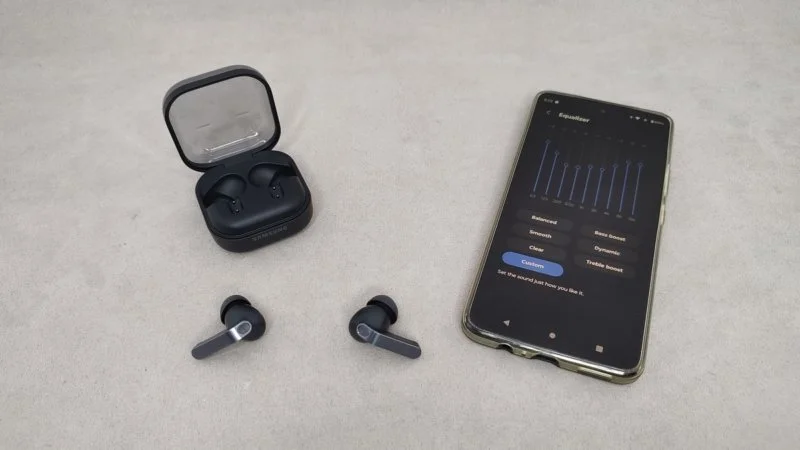
Sound with EQ – this is the sound rating after improvement, often with EQ tuning. For each model, we try to find a setting with the best sound output and without complicated steps for the user.
. 8.2 I recommend adding or reducing bass to your taste. Also, add some highs in the EQ.More details.
Sound with AAC – sound rating with the basic Bluetooth codec and without sound tuning.
. 9.13 About a 15% drop compared to the SSC UHQ codec.More about codecs.
Sound in games – This is how we rate sound quality in games. We check how much the sound pulls you into the game.
. 8 250 ms with the AAC codec. You can play, but the latency is noticeable.More details.
Comparison with competitors
Comparing the lineup: Samsung Galaxy Buds 4 Pro vs Samsung Galaxy Buds 3 Pro.
More detailsSamsung Galaxy Buds 4 Pro vs Samsung Galaxy Buds 3 Pro
Drivers are the drivers in your headphones that are responsible for creating sound.
DD + PM + BA – means that there are several different types of drivers in these headphones.
DD – “Dynamic Driver” dynamic driver (deep bass, natural sound).
PM – “Planar Magnetic Driver” planar driver (wide soundstage and fast response).
BA – “Balanced Armature Driver” armature driver (accuracy and detail retrieval).
BC – “Bone Conduction Driver” or bone-conduction driver, which transmits vibration to the body of the headphones, transmitting sound through the bone/cartilage to the inner ear.
LDAC – high quality, high speed (Sony).
SBC is the basic Bluetooth standard, low quality.
AAC – Apple standard, good quality, low latency.
aptX – Qualcomm standard, good quality, low latency.
LC3/LC3plus – new Bluetooth LE Audio codecs, efficient compression.
Codecs are audio compression formats that affect sound quality and latency.
Headphone battery life is the playback time without recharging, measured in hours. Manufacturers measure without active noise cancellation (ANC), at medium volume (50-70%) and usually with the AAC codec, as these parameters affect battery consumption. Actual time may vary from 1% to 50%, depending on volume, active noise cancellation features enabled, codec (LDAC or other) and environmental conditions (cold, hot). It is important to consider not only the claimed playback time, but also the charging time and fast charging support.
Bluetooth is a wireless data transmission standard.
Support for new audio technologies.
Improved connection stability.
Reduced power consumption.
Drivers are the drivers in your headphones that are responsible for creating sound.
DD + PM + BA – means that there are several different types of drivers in these headphones.
DD – “Dynamic Driver” dynamic driver (deep bass, natural sound).
PM – “Planar Magnetic Driver” planar driver (wide soundstage and fast response).
BA – “Balanced Armature Driver” armature driver (accuracy and detail retrieval).
BC – “Bone Conduction Driver” or bone-conduction driver, which transmits vibration to the body of the headphones, transmitting sound through the bone/cartilage to the inner ear.
LDAC – high quality, high speed (Sony).
SBC is the basic Bluetooth standard, low quality.
AAC – Apple standard, good quality, low latency.
aptX – Qualcomm standard, good quality, low latency.
LC3/LC3plus – new Bluetooth LE Audio codecs, efficient compression.
Codecs are audio compression formats that affect sound quality and latency.
Headphone battery life is the playback time without recharging, measured in hours. Manufacturers measure without active noise cancellation (ANC), at medium volume (50-70%) and usually with the AAC codec, as these parameters affect battery consumption. Actual time may vary from 1% to 50%, depending on volume, active noise cancellation features enabled, codec (LDAC or other) and environmental conditions (cold, hot). It is important to consider not only the claimed playback time, but also the charging time and fast charging support.
Bluetooth is a wireless data transmission standard.
Support for new audio technologies.
Improved connection stability.
Reduced power consumption.
Let me start by saying, next to the 4 Pro, the 3 Pro sounds like it’s coming from a barrel. Literally. It’s not that the 3 Pro is bad. It’s just that the 4 Pro is so good. The quality bar went way up. The Galaxy Buds 4 Pro is better than the 3 Pro in sound quality. This applies to all parameters. Especially in soundstage width, natural timbre, vocal presentation, and bass quality.
Feature-wise, the active noise cancellation got better. It’s not the reference-quality of the AirPods Pro 3. But it’s a solid 9 out of 10. Transparency mode is just as excellent. It’s a reference-quality 10 out of 10.
The microphone got better
Microphone: 9.5/10. In noisy conditions: 9/10. In quiet conditions: 10/10.
Microphone – 9/10. In quiet conditions – 10/10. In noisy conditions – 8/10.
The earbuds are more convenient to control now. It’s truly perfect. They went from a 6 out of 10 to a 10 out of 10. The build quality is more comfortable, prettier, and stronger.
The MyChooz pick is the 4 Pro. I don’t see any reason to buy the 3 Pro in 2026. Especially since the 3 Pro costs about $220. The price difference is $30.
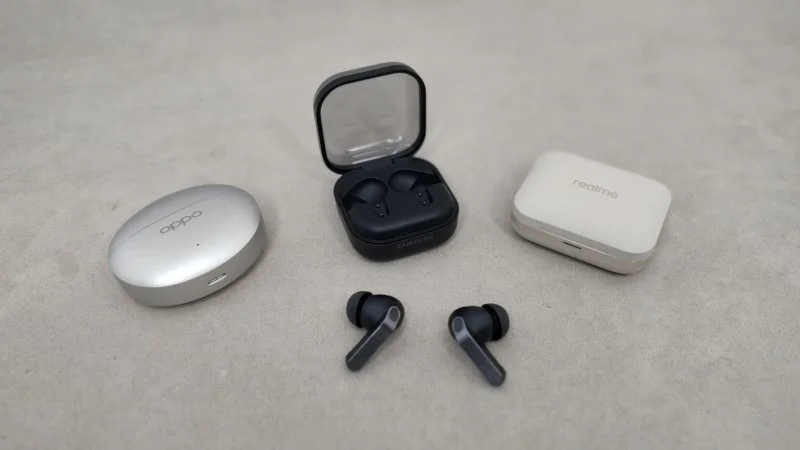
Comparing with competitors: Samsung Galaxy Buds 4 Pro vs OnePlus Buds 4 vs Realme Buds Air 7 Pro vs Huawei FreeBuds 4 Pro.
More detailsSamsung Galaxy Buds 4 Pro vs Realme Buds Air 7 Pro
Drivers are the drivers in your headphones that are responsible for creating sound.
DD + PM + BA – means that there are several different types of drivers in these headphones.
DD – “Dynamic Driver” dynamic driver (deep bass, natural sound).
PM – “Planar Magnetic Driver” planar driver (wide soundstage and fast response).
BA – “Balanced Armature Driver” armature driver (accuracy and detail retrieval).
BC – “Bone Conduction Driver” or bone-conduction driver, which transmits vibration to the body of the headphones, transmitting sound through the bone/cartilage to the inner ear.
LDAC – high quality, high speed (Sony).
SBC is the basic Bluetooth standard, low quality.
AAC – Apple standard, good quality, low latency.
aptX – Qualcomm standard, good quality, low latency.
LC3/LC3plus – new Bluetooth LE Audio codecs, efficient compression.
Codecs are audio compression formats that affect sound quality and latency.
Headphone battery life is the playback time without recharging, measured in hours. Manufacturers measure without active noise cancellation (ANC), at medium volume (50-70%) and usually with the AAC codec, as these parameters affect battery consumption. Actual time may vary from 1% to 50%, depending on volume, active noise cancellation features enabled, codec (LDAC or other) and environmental conditions (cold, hot). It is important to consider not only the claimed playback time, but also the charging time and fast charging support.
Bluetooth is a wireless data transmission standard.
Support for new audio technologies.
Improved connection stability.
Reduced power consumption.
Drivers are the drivers in your headphones that are responsible for creating sound.
DD + PM + BA – means that there are several different types of drivers in these headphones.
DD – “Dynamic Driver” dynamic driver (deep bass, natural sound).
PM – “Planar Magnetic Driver” planar driver (wide soundstage and fast response).
BA – “Balanced Armature Driver” armature driver (accuracy and detail retrieval).
BC – “Bone Conduction Driver” or bone-conduction driver, which transmits vibration to the body of the headphones, transmitting sound through the bone/cartilage to the inner ear.
LDAC – high quality, high speed (Sony).
SBC is the basic Bluetooth standard, low quality.
AAC – Apple standard, good quality, low latency.
aptX – Qualcomm standard, good quality, low latency.
LC3/LC3plus – new Bluetooth LE Audio codecs, efficient compression.
Codecs are audio compression formats that affect sound quality and latency.
Headphone battery life is the playback time without recharging, measured in hours. Manufacturers measure without active noise cancellation (ANC), at medium volume (50-70%) and usually with the AAC codec, as these parameters affect battery consumption. Actual time may vary from 1% to 50%, depending on volume, active noise cancellation features enabled, codec (LDAC or other) and environmental conditions (cold, hot). It is important to consider not only the claimed playback time, but also the charging time and fast charging support.
Bluetooth is a wireless data transmission standard.
Support for new audio technologies.
Improved connection stability.
Reduced power consumption.
For build quality and features, the Buds 4 Pro is better. Only Realme has better battery life. Otherwise, the Galaxy Buds 4 Pro is better. This includes the microphone, ANC, controls, and transparency mode. The ANC quality is comparable. But Realme’s ANC is more aggressive, suppressing more noise. The Galaxy Buds 4 Pro is softer and more pleasant.
Sound-wise, the Galaxy Buds 4 Pro is better in the lows. It’s also better in the mids by 0.5 points. And it’s better in soundstage by 2 points out of 10. For other criteria like highs, detail retrieval, and natural timbre, it’s a tie.
The MyChooz pick is the Samsung Galaxy Buds 4 Pro. This is if your budget allows for a $250 model. If not, then for under $200, the Realme Buds Air 7 Pro is still the best sound available today.
Samsung Galaxy Buds 4 Pro vs OnePlus Buds 4
Drivers are the drivers in your headphones that are responsible for creating sound.
DD + PM + BA – means that there are several different types of drivers in these headphones.
DD – “Dynamic Driver” dynamic driver (deep bass, natural sound).
PM – “Planar Magnetic Driver” planar driver (wide soundstage and fast response).
BA – “Balanced Armature Driver” armature driver (accuracy and detail retrieval).
BC – “Bone Conduction Driver” or bone-conduction driver, which transmits vibration to the body of the headphones, transmitting sound through the bone/cartilage to the inner ear.
LDAC – high quality, high speed (Sony).
SBC is the basic Bluetooth standard, low quality.
AAC – Apple standard, good quality, low latency.
aptX – Qualcomm standard, good quality, low latency.
LC3/LC3plus – new Bluetooth LE Audio codecs, efficient compression.
Codecs are audio compression formats that affect sound quality and latency.
Headphone battery life is the playback time without recharging, measured in hours. Manufacturers measure without active noise cancellation (ANC), at medium volume (50-70%) and usually with the AAC codec, as these parameters affect battery consumption. Actual time may vary from 1% to 50%, depending on volume, active noise cancellation features enabled, codec (LDAC or other) and environmental conditions (cold, hot). It is important to consider not only the claimed playback time, but also the charging time and fast charging support.
Bluetooth is a wireless data transmission standard.
Support for new audio technologies.
Improved connection stability.
Reduced power consumption.
Drivers are the drivers in your headphones that are responsible for creating sound.
DD + PM + BA – means that there are several different types of drivers in these headphones.
DD – “Dynamic Driver” dynamic driver (deep bass, natural sound).
PM – “Planar Magnetic Driver” planar driver (wide soundstage and fast response).
BA – “Balanced Armature Driver” armature driver (accuracy and detail retrieval).
BC – “Bone Conduction Driver” or bone-conduction driver, which transmits vibration to the body of the headphones, transmitting sound through the bone/cartilage to the inner ear.
LDAC – high quality, high speed (Sony).
SBC is the basic Bluetooth standard, low quality.
AAC – Apple standard, good quality, low latency.
aptX – Qualcomm standard, good quality, low latency.
LC3/LC3plus – new Bluetooth LE Audio codecs, efficient compression.
Codecs are audio compression formats that affect sound quality and latency.
Headphone battery life is the playback time without recharging, measured in hours. Manufacturers measure without active noise cancellation (ANC), at medium volume (50-70%) and usually with the AAC codec, as these parameters affect battery consumption. Actual time may vary from 1% to 50%, depending on volume, active noise cancellation features enabled, codec (LDAC or other) and environmental conditions (cold, hot). It is important to consider not only the claimed playback time, but also the charging time and fast charging support.
Bluetooth is a wireless data transmission standard.
Support for new audio technologies.
Improved connection stability.
Reduced power consumption.

Sound-wise, the OnePlus Buds 4 has an even bigger drop in quality with basic codecs. Key differences include a bassier sound. It’s also less transparent and spacious. Plus, it’s more demanding on the source device. You’ll notice excessive reverberation on MediaTek devices. The Galaxy Buds 4 Pro is less demanding on the source. It sounds better on MediaTek devices.
For ANC, the OnePlus Buds 4 is about 10-15% worse. And transparency mode is 30-40% worse. You hear less of your surroundings. Your own voice also sounds more ‘in your head’.
MyChooz – Samsung Galaxy Buds 4 Pro.
Samsung Galaxy Buds 4 Pro vs Huawei FreeBuds 4 Pro
Drivers are the drivers in your headphones that are responsible for creating sound.
DD + PM + BA – means that there are several different types of drivers in these headphones.
DD – “Dynamic Driver” dynamic driver (deep bass, natural sound).
PM – “Planar Magnetic Driver” planar driver (wide soundstage and fast response).
BA – “Balanced Armature Driver” armature driver (accuracy and detail retrieval).
BC – “Bone Conduction Driver” or bone-conduction driver, which transmits vibration to the body of the headphones, transmitting sound through the bone/cartilage to the inner ear.
LDAC – high quality, high speed (Sony).
SBC is the basic Bluetooth standard, low quality.
AAC – Apple standard, good quality, low latency.
aptX – Qualcomm standard, good quality, low latency.
LC3/LC3plus – new Bluetooth LE Audio codecs, efficient compression.
Codecs are audio compression formats that affect sound quality and latency.
Headphone battery life is the playback time without recharging, measured in hours. Manufacturers measure without active noise cancellation (ANC), at medium volume (50-70%) and usually with the AAC codec, as these parameters affect battery consumption. Actual time may vary from 1% to 50%, depending on volume, active noise cancellation features enabled, codec (LDAC or other) and environmental conditions (cold, hot). It is important to consider not only the claimed playback time, but also the charging time and fast charging support.
Bluetooth is a wireless data transmission standard.
Support for new audio technologies.
Improved connection stability.
Reduced power consumption.
Drivers are the drivers in your headphones that are responsible for creating sound.
DD + PM + BA – means that there are several different types of drivers in these headphones.
DD – “Dynamic Driver” dynamic driver (deep bass, natural sound).
PM – “Planar Magnetic Driver” planar driver (wide soundstage and fast response).
BA – “Balanced Armature Driver” armature driver (accuracy and detail retrieval).
BC – “Bone Conduction Driver” or bone-conduction driver, which transmits vibration to the body of the headphones, transmitting sound through the bone/cartilage to the inner ear.
LDAC – high quality, high speed (Sony).
SBC is the basic Bluetooth standard, low quality.
AAC – Apple standard, good quality, low latency.
aptX – Qualcomm standard, good quality, low latency.
LC3/LC3plus – new Bluetooth LE Audio codecs, efficient compression.
Codecs are audio compression formats that affect sound quality and latency.
Headphone battery life is the playback time without recharging, measured in hours. Manufacturers measure without active noise cancellation (ANC), at medium volume (50-70%) and usually with the AAC codec, as these parameters affect battery consumption. Actual time may vary from 1% to 50%, depending on volume, active noise cancellation features enabled, codec (LDAC or other) and environmental conditions (cold, hot). It is important to consider not only the claimed playback time, but also the charging time and fast charging support.
Bluetooth is a wireless data transmission standard.
Support for new audio technologies.
Improved connection stability.
Reduced power consumption.
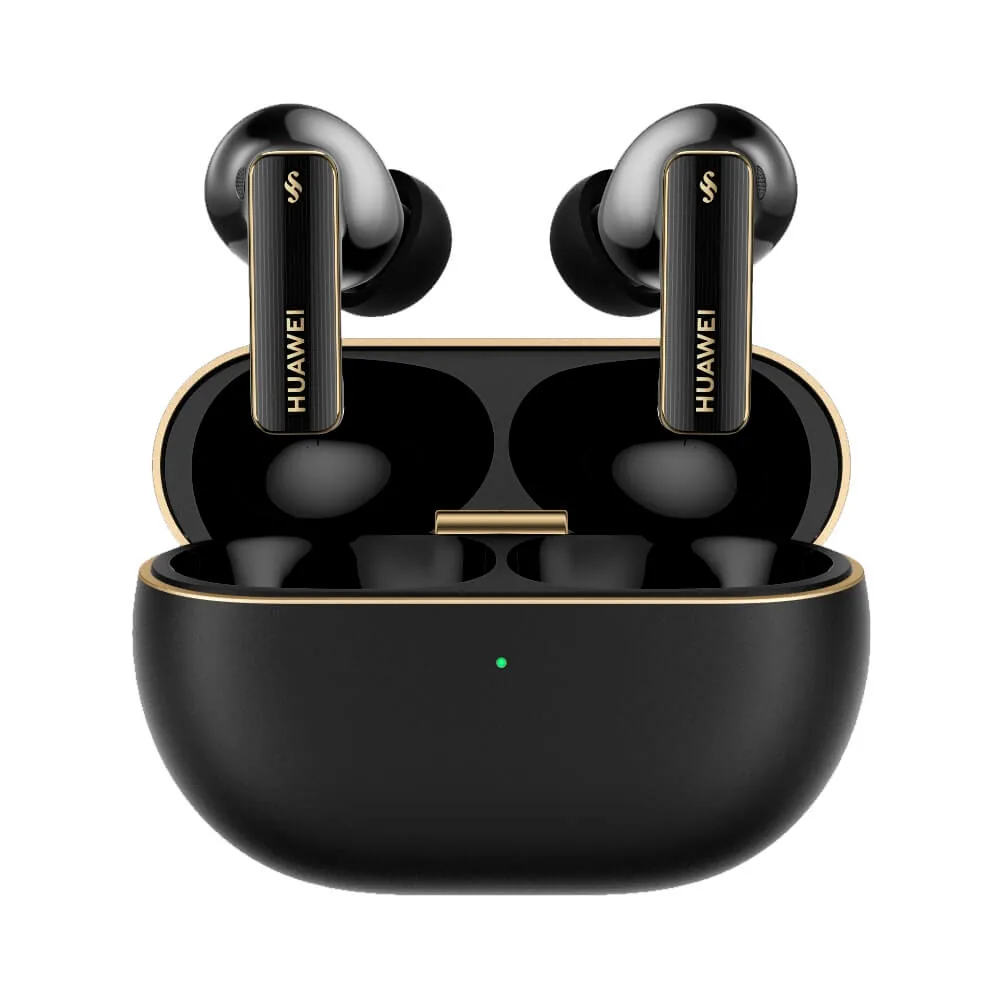
Samsung is only worse in microphone quality. Sound-wise, Huawei is slightly better in all parameters. Sometimes by half a point, sometimes by a quarter.
MyChooz – Samsung Galaxy Buds 4 Pro.
Comparing with reference models: Samsung Galaxy Buds 4 Pro vs Apple AirPods Pro 3 vs Technics EAH-AZ100.
More detailsSamsung Galaxy Buds 4 Pro vs Apple AirPods Pro 3
Drivers are the drivers in your headphones that are responsible for creating sound.
DD + PM + BA – means that there are several different types of drivers in these headphones.
DD – “Dynamic Driver” dynamic driver (deep bass, natural sound).
PM – “Planar Magnetic Driver” planar driver (wide soundstage and fast response).
BA – “Balanced Armature Driver” armature driver (accuracy and detail retrieval).
BC – “Bone Conduction Driver” or bone-conduction driver, which transmits vibration to the body of the headphones, transmitting sound through the bone/cartilage to the inner ear.
LDAC – high quality, high speed (Sony).
SBC is the basic Bluetooth standard, low quality.
AAC – Apple standard, good quality, low latency.
aptX – Qualcomm standard, good quality, low latency.
LC3/LC3plus – new Bluetooth LE Audio codecs, efficient compression.
Codecs are audio compression formats that affect sound quality and latency.
Headphone battery life is the playback time without recharging, measured in hours. Manufacturers measure without active noise cancellation (ANC), at medium volume (50-70%) and usually with the AAC codec, as these parameters affect battery consumption. Actual time may vary from 1% to 50%, depending on volume, active noise cancellation features enabled, codec (LDAC or other) and environmental conditions (cold, hot). It is important to consider not only the claimed playback time, but also the charging time and fast charging support.
Bluetooth is a wireless data transmission standard.
Support for new audio technologies.
Improved connection stability.
Reduced power consumption.
Drivers are the drivers in your headphones that are responsible for creating sound.
DD + PM + BA – means that there are several different types of drivers in these headphones.
DD – “Dynamic Driver” dynamic driver (deep bass, natural sound).
PM – “Planar Magnetic Driver” planar driver (wide soundstage and fast response).
BA – “Balanced Armature Driver” armature driver (accuracy and detail retrieval).
BC – “Bone Conduction Driver” or bone-conduction driver, which transmits vibration to the body of the headphones, transmitting sound through the bone/cartilage to the inner ear.
LDAC – high quality, high speed (Sony).
SBC is the basic Bluetooth standard, low quality.
AAC – Apple standard, good quality, low latency.
aptX – Qualcomm standard, good quality, low latency.
LC3/LC3plus – new Bluetooth LE Audio codecs, efficient compression.
Codecs are audio compression formats that affect sound quality and latency.
Headphone battery life is the playback time without recharging, measured in hours. Manufacturers measure without active noise cancellation (ANC), at medium volume (50-70%) and usually with the AAC codec, as these parameters affect battery consumption. Actual time may vary from 1% to 50%, depending on volume, active noise cancellation features enabled, codec (LDAC or other) and environmental conditions (cold, hot). It is important to consider not only the claimed playback time, but also the charging time and fast charging support.
Bluetooth is a wireless data transmission standard.
Support for new audio technologies.
Improved connection stability.
Reduced power consumption.
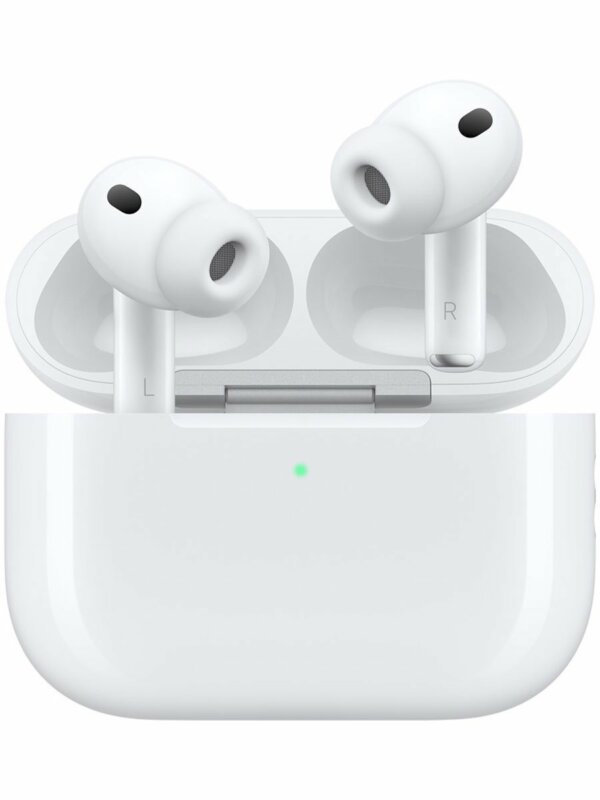
Sound-wise, Samsung is better in all parameters. Apple is better at active noise cancellation. However, the ANC quality in Samsung is enough for my needs.
The fit is better with the Galaxy Buds 4 Pro. It’s more comfortable for my ears.
The MyChooz pick is the Samsung Galaxy Buds 4 Pro. Plus, there’s an app for Android devices.
Samsung Galaxy Buds 4 Pro vs Technics EAH-AZ100
Drivers are the drivers in your headphones that are responsible for creating sound.
DD + PM + BA – means that there are several different types of drivers in these headphones.
DD – “Dynamic Driver” dynamic driver (deep bass, natural sound).
PM – “Planar Magnetic Driver” planar driver (wide soundstage and fast response).
BA – “Balanced Armature Driver” armature driver (accuracy and detail retrieval).
BC – “Bone Conduction Driver” or bone-conduction driver, which transmits vibration to the body of the headphones, transmitting sound through the bone/cartilage to the inner ear.
LDAC – high quality, high speed (Sony).
SBC is the basic Bluetooth standard, low quality.
AAC – Apple standard, good quality, low latency.
aptX – Qualcomm standard, good quality, low latency.
LC3/LC3plus – new Bluetooth LE Audio codecs, efficient compression.
Codecs are audio compression formats that affect sound quality and latency.
Headphone battery life is the playback time without recharging, measured in hours. Manufacturers measure without active noise cancellation (ANC), at medium volume (50-70%) and usually with the AAC codec, as these parameters affect battery consumption. Actual time may vary from 1% to 50%, depending on volume, active noise cancellation features enabled, codec (LDAC or other) and environmental conditions (cold, hot). It is important to consider not only the claimed playback time, but also the charging time and fast charging support.
Bluetooth is a wireless data transmission standard.
Support for new audio technologies.
Improved connection stability.
Reduced power consumption.
Drivers are the drivers in your headphones that are responsible for creating sound.
DD + PM + BA – means that there are several different types of drivers in these headphones.
DD – “Dynamic Driver” dynamic driver (deep bass, natural sound).
PM – “Planar Magnetic Driver” planar driver (wide soundstage and fast response).
BA – “Balanced Armature Driver” armature driver (accuracy and detail retrieval).
BC – “Bone Conduction Driver” or bone-conduction driver, which transmits vibration to the body of the headphones, transmitting sound through the bone/cartilage to the inner ear.
LDAC – high quality, high speed (Sony).
SBC is the basic Bluetooth standard, low quality.
AAC – Apple standard, good quality, low latency.
aptX – Qualcomm standard, good quality, low latency.
LC3/LC3plus – new Bluetooth LE Audio codecs, efficient compression.
Codecs are audio compression formats that affect sound quality and latency.
Headphone battery life is the playback time without recharging, measured in hours. Manufacturers measure without active noise cancellation (ANC), at medium volume (50-70%) and usually with the AAC codec, as these parameters affect battery consumption. Actual time may vary from 1% to 50%, depending on volume, active noise cancellation features enabled, codec (LDAC or other) and environmental conditions (cold, hot). It is important to consider not only the claimed playback time, but also the charging time and fast charging support.
Bluetooth is a wireless data transmission standard.
Support for new audio technologies.
Improved connection stability.
Reduced power consumption.
The Technics AZ100 is better in highs and natural timbre. It’s a 10 out of 10. Samsung is better in other parameters. Especially in soundstage, it’s better by 2 points out of 10. For features and build quality, my choice is the Samsung Galaxy Buds 4 Pro.
MyChooz – Samsung Galaxy Buds 4 Pro.
Features
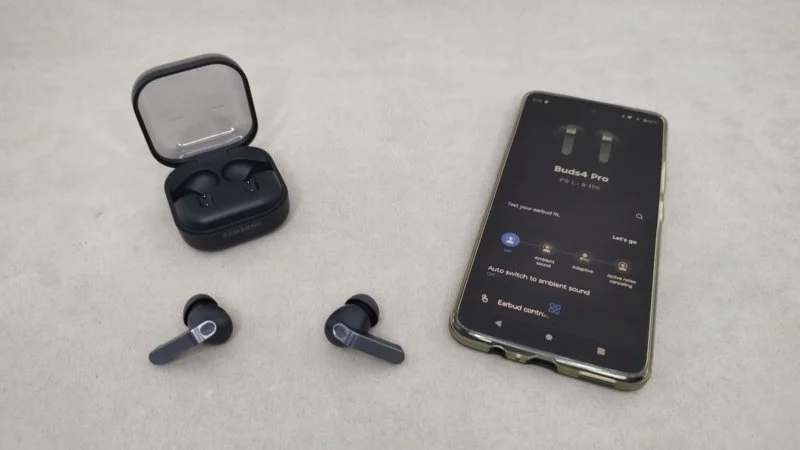
Microphone – We assess speech transmission quality by testing the microphone in two main scenarios: quiet and noisy environments.
Quiet environment – This involves recording indoors with minimal background noise. Noisy environment – This means recording outdoors near a six-lane road with maximum traffic noise.
. 9.50 In quiet environments: 10 In noisy environments: 9 Gorgeous quality, turned out better than the Galaxy Buds 3 Pro. Fell just short of the reference set by Huawei.Microphone – We assess speech transmission quality by testing the microphone in two main scenarios: quiet and noisy environments.
Quiet environment – This involves recording indoors with minimal background noise. Noisy environment – This means recording outdoors near a six-lane road with maximum traffic noise.
. 9.75 In quiet conditions: 9.5 In noisy conditions: 10Active noise cancellation (ANC) lets headphones use microphones and signal processing to cut out external noise like traffic, street hum, or office chatter, so you can hear your music or calls better without cranking the volume. Good ANC significantly cuts low-frequency hum from things like engines or air conditioners, barely presses on your ears, and minimally distorts the sound. Weak ANC, on the other hand, only removes some of the noise or creates an unpleasant “vacuum” effect and artifacts.
. 9 Gorgeous quality, with a significant leap after the 3 Pro. Not the reference that the Apple AirPods 3 Pro are, but a solid 9. The operation mode is gentle, with no pressure on the ears. You can enable ANC for a single earbud in the settings.Transparency mode uses the earbuds’ microphones to pipe in ambient sound, letting you hear announcements, conversations, or traffic without removing them. A good implementation sounds natural and clear, without adding noise or echo, whereas a poor one makes the outside world sound flat, metallic, or unnervingly quiet.
. 9.5 Reference-grade. There is a slight background noise and digital processing. A mild sense of your voice bouncing inside your head. Talking while wearing the earbuds is comfortable. You can enable extra transparency boost in the settings. You can also set up to three names for automatic transparency activation when people around you say your name.Battery life is the actual playback time you get from the earbuds and their charging case on a single charge during typical volume and usage scenarios (music, video, calls), not just the marketing numbers. Good battery life means you can easily get through a day or several without needing an outlet, and it doesn’t drop significantly with noise cancellation and high-quality codecs enabled. Poor battery life, on the other hand, requires frequent recharging and noticeably decreases when you crank up the volume.
. 9 Claimed up to 7 hours and 30 hours with the charging case. In our tests using the AAC codec, the earbuds lasted 10 hours and 36 minutes. Wireless charging is included.Learn more.
Controls — how easily and reliably the headphones respond to your presses and gestures for pausing, adjusting volume, switching tracks, changing modes, and activating your voice assistant. Good controls feel intuitive, work without fail, and avoid accidental inputs; bad controls will miss commands, lag, or simply ignore your gestures.
. 9 Touch-based and very convenient — via taps and swipes on the touch area located on the stem. Everything you need is there: volume via up and down swipes, ANC/transparency via a press and hold. Single tap for play/pause, answer/end call. Double tap for track forward. Triple tap for track backward. It works perfectly. There is support for voice control of the player and calls. Actions are precise, with no haptic feedback. You cannot remap the controls, which is a minor downside.Learn more.
The app, which is the proprietary software you use to tweak sound, controls, noise cancellation, firmware updates, and other features. A good app is stable, well-organized, and actually lets you customize things; a bad one glitches, lacks features, or feels like it’s just there for show.
. 8 Galaxy Wearable, available only on Android. On Samsung devices, the app is built into the system. Available settings include: an equalizer, readouts of messages aloud, and finding earbuds by sound. Owners of Samsung flagship devices get more features: charging case battery level, spatial audio, codec selection, translator, and voice assistant.Learn more.
Connection stability — how well the headphones hold onto their Bluetooth signal without dropping out, lagging, or glitching in everyday situations like busy streets, public transport, or even at home with a Wi-Fi router nearby. Good stability means the audio won’t stutter when you turn your head or cut out in crowded areas. Poor stability, on the other hand, will show up as frequent dropouts, stuttering, audio-video sync issues, and problems reconnecting.
. 10 Within 10 meters, the signal is stable using basic codecs. Bluetooth version 6.1.What Samsung users get and everyone else does not:
| High-resolution codec | SSC UHQ (24-bit/96 kHz) | SSC (24-bit/48 kHz) | AAC, SBC, LC3 (if LE Audio is supported) | AAC, SBC |
| Galaxy AI (Live Translate) | Yes | Yes (with the latest One UI) | No | No |
| 360 Audio (Spatial Audio) | Yes | Yes | No | No |
| Seamless switching (auto-switch) | Yes (between Samsung devices) | Yes (between Samsung devices) | No | No |
| Auracast (Audio Sharing) | Yes | No (no hardware LE Audio) | Yes (if LE Audio is supported) | No |
| Recording 360 Audio in videos | Yes | Yes | No | No |
| Game Mode (low latency) | Yes | Yes | No | No |
| Access to settings (ANC, EQ, Gestures) | Native integration | Wearable app | Wearable app | No (default only) |
Important features and sensors:
- Multipoint – no. There is an Auto Switch feature – switching between devices with the Galaxy Wearable app installed, logged into the same account.
- Auto-pause when removing earbuds – yes.
- Google Fast Pair support – no.
- Swift Pair for Windows support – no.
Functions verdict
Overall feature score — this is the overall score for all device features. This score comes from individual feature ratings (battery life, controls, app, connection stability, and others) and shows how easy and smart the device is for daily use.
. 9.25 Active noise cancellation is excellent — 9 out of 10, sitting just behind the AirPods Pro 3 reference. It handles street noise, laptop hum, and PC fans well. Transparency is reference-grade with a slight sense of digital processing. Battery life in our tests on basic codecs is 8-10 hours. Controls are touch-based, with voice control for the player and calls. The companion app is user-friendly and available exclusively for Android devices. Some features are restricted to Samsung devices only.Build quality
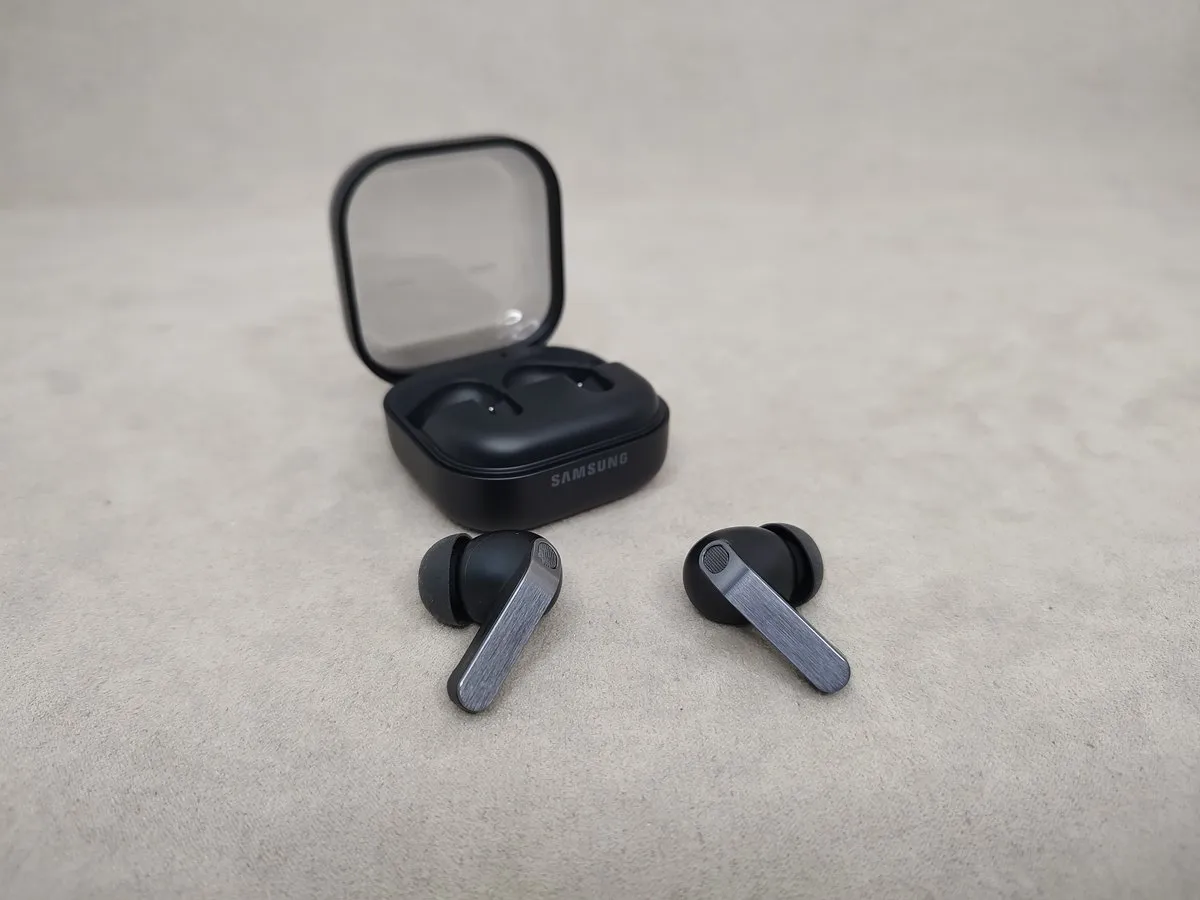
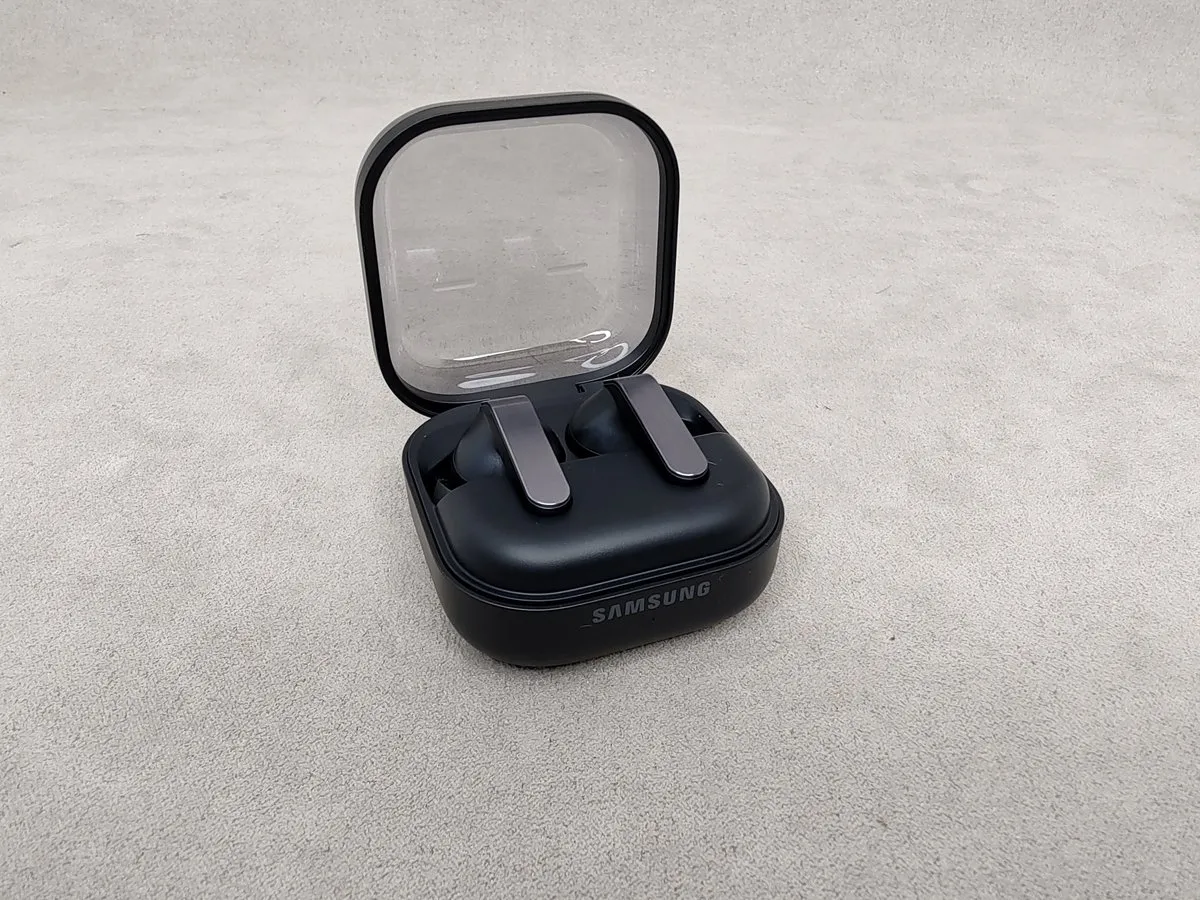
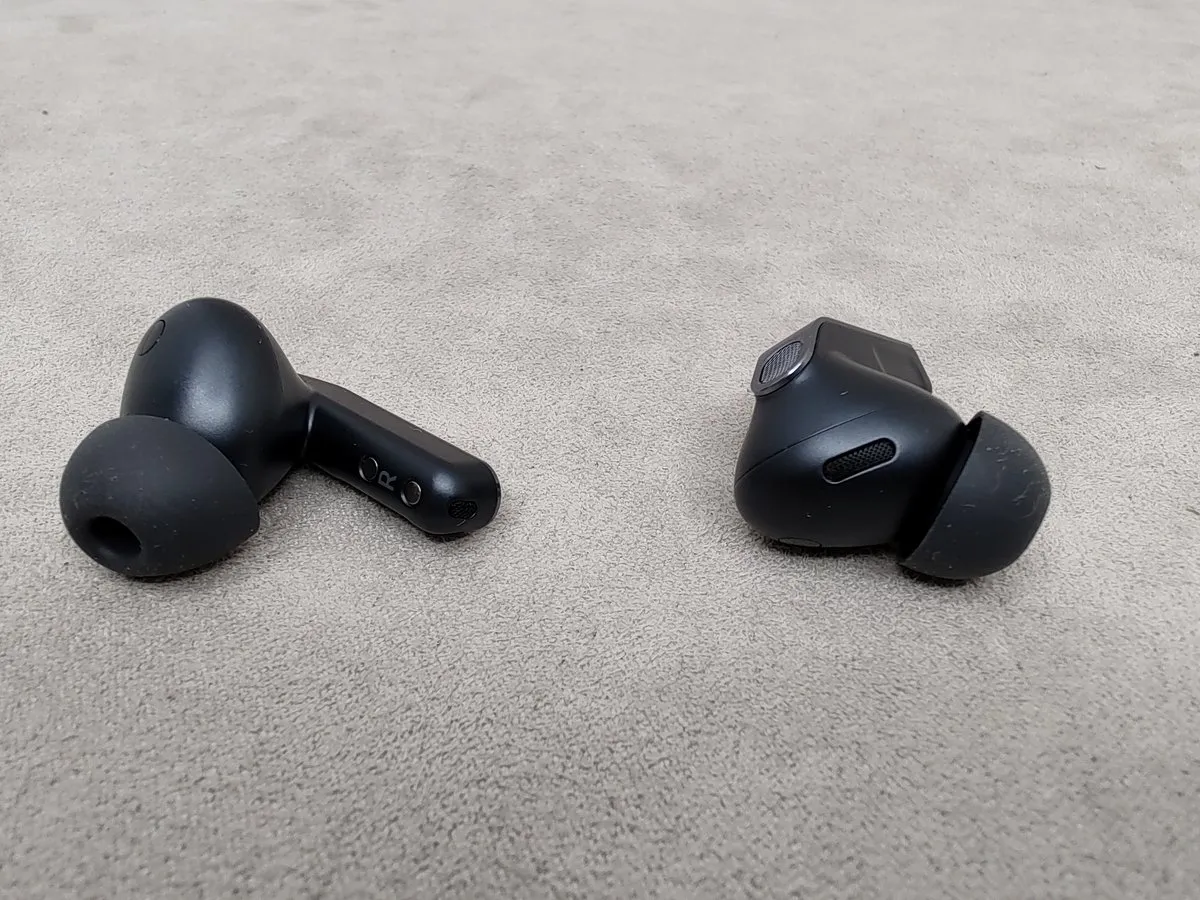
Comfort is how the earbuds feel during extended wear: ear pressure, fit, weight, and ventilation. A comfortable model doesn’t chafe, squeeze the ear canal or head, and doesn’t cause fatigue even after a couple of hours; an uncomfortable one quickly reminds you of itself through pain, heat, or a “plugged” feeling in the ears.
. 9 The earbuds are very comfortable, and the stock ear tips out of the box fit me. After two hours of use, there is minor fatigue, but no tangible discomfort. The earbuds are light, do not put pressure on the ears, and the charging case is compact (51 x 51 x 28.3 mm) and easily fits into any pocket. Taking the earbuds out of the charging case requires a little effort, but it is more convenient compared to the previous generation.Design – This covers how the earbuds look and how well-thought-out their shape is. I’m talking about how they appear in your ears, how versatile they are with different outfits, and whether they look cheap. A good design blends a neat appearance with a comfortable shape and practical touches, like non-marking plastic or a well-designed charging case. Conversely, a bad design will snag on your clothes, scratch easily, and just look out of place.
. 7.5 Samsung Galaxy Buds 4 Pro are released in black, white, and rose gold colors.Vladimir Papazov: 9 out of 10. Visually, I really liked the earbuds. They look original, minimalistic, and beautiful. Lay 50 models out on a table, and your eyes will instantly be drawn to the Samsungs.
Alexander Moiseenko: 6 out of 10. Visually, the earbuds look strange, and the metal insert feels out of place. I did not like the appearance.
Build verdict
Final build quality score is the overall score for build quality and materials: comfort, durability, and design. It shows how nice the device is to hold and use, and how long it will last.
. 8.25 The earbuds are very comfortable, and the charging case is compact. After a couple of hours of use, there is only minor fatigue. The build is solid and reliable, though the finish is a fingerprint magnet. Available in 3 colors: gray, white, and rose gold. Personally, I liked the design, but part of our team did not. How about you?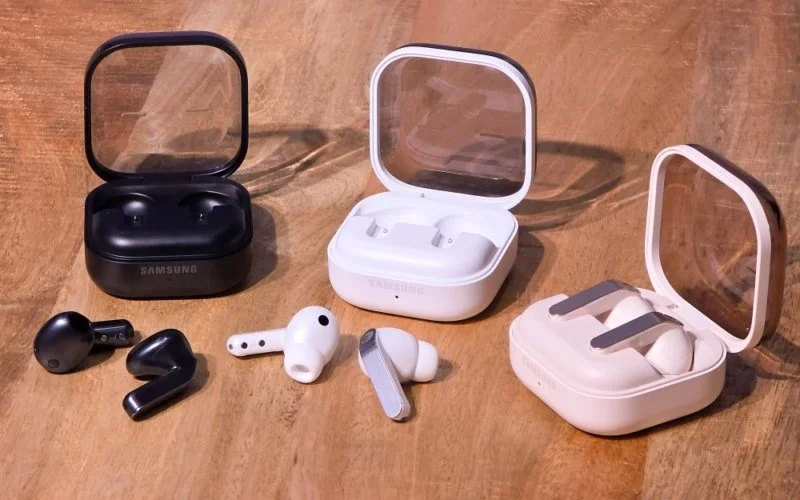
Summary
Is the Samsung Galaxy Buds 4 Pro for $249 a MyChooz pick? Yes, it’s 100% a MyChooz pick. I really liked these earbuds based on three main criteria. Sound. Features. Build quality. I confidently recommend them to all Android users. Also to all Apple users. For Samsung users, they are simply the perfect option.
Buy Samsung Galaxy Buds 4 Pro
Main reason to buy: reference-quality sound and functionality. This applies not just to flagship Samsung devices. It works great on all devices. You get reference-quality transparency mode and excellent active noise cancellation. They are like AirPods, but with upgraded sound. And they work for all ecosystems. You get voice control for the player. And it reads notifications. Drawbacks include artificial ecosystem limitations. You only get basic codecs with a 15% quality drop. There’s no low latency mode. No translator or voice assistant. No Spatial Audio, Auracast, or seamless device switching. There are minor sound flaws in the highs. Everything else is just top-notch.
Yes, on non-Samsung devices, you don’t get the bonus of the top SSC UHD codec. And you don’t get all the features. After several days of testing, I never needed these features. For me, the value of animations, a translator, Spatial Audio, and everything else is almost zero. Honestly, I would like to have SSC UHD. But even without it, the sound is gold league. The overall rating is on par with the Technics EAH-AZ100 and Noble FoKus Rex 5.
For iPhone, there’s no app. You only get sound from the earbuds. If the available app features aren’t important to you, then consider buying these earbuds. You can replace the proprietary EQ with a third-party one.
The build quality of the new Samsung Galaxy Buds 4 Pro is more convenient. It’s easier to take the earbuds out and put them back in the charging case. You can’t open the charging case with one hand like the Apple AirPods Pro 3. But that’s my only minor drawback. Everything else is great. Let me know what you think about the build quality. Our author, Alexander Moiseenko, thinks the design got worse. He says it looks like a beginner designer’s first project. I don’t agree with that =)
- Top-tier sound, reference-grade with the proprietary SSC UHD codec.
- Includes a translator, voice assistant, and spatial audio.
- Reference-grade transparency, activation by pronouncing your name.
- The SSC UHD codec, translator, voice assistant, and spatial audio only work on Samsung flagship devices.
- No companion app for Apple.
Thanks, friends, for 740 likes on the news video! The review threshold was 500, so I know you’re really interested in this model. Huge thanks to our subscriber Andrey for personally providing his Galaxy Buds 4 Pro. Because of him, this review came out a week after the news, not a month later.
Samsung Galaxy Buds 4 Pro use cases. Street, gaming, calls – yes. For sports – yes. For audiophiles – yes.
What are the alternatives?
- Under $150: CREATIVE Aurvana Ace3. Good sound accuracy and detail retrieval. Worse ANC and transparency mode.
- Under $350: Technics EAH-AZ100. Slightly better sound. It has the LDAC codec. Worse ANC and transparency mode.
- Under $450: Noble Audio Fokus REX5. Better sound in the highs and detail retrieval. Worse ANC and transparency mode.
Definitely write what you think about the new Samsung Galaxy Buds 4 Pro. I’d love to chat with you in the comments. Enjoy your sound, and I’ll see you on MyChooz. Bye!
Samsung Galaxy Buds 4 Pro – Specs:
- Release date: February 25, 2026.
- Launch price: $249.
- Build: in-ear, wireless.
- Drivers: 11mm dynamic and 5.5mm tweeter.
- Codecs: SSC UHQ, SSC, AAC, SBC, and LC3.
- Bluetooth: 6.1.
- Active noise cancellation (ANC): Yes.
- Transparency mode: Yes.
- Controls: Touch controls on the stems and through the app.
- Battery life: Up to 7 hours for the earbuds, and up to 30 hours with the charging case.
- App: Samsung Galaxy Wearable.
- Additional features: Spatial Audio, real-time translation, head gestures for call control, ultra-wideband signal for finding them.
- Dust and water resistance: IP57.
- Materials: Plastic.
- Weight: Each earbud is about 5.1g, and the charging case is around 44.3g.
- Dimensions: Each earbud is 18.1 x 19.6 x 30.9 mm. The charging case is 51 x 51 x 28.3 mm.
- Microphones: 6 total, 3 on each earbud.
What’s in the box
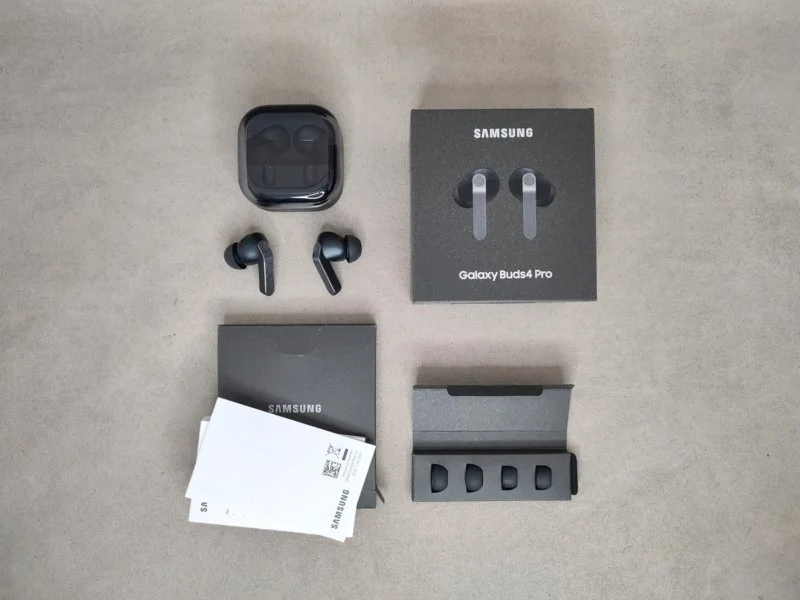
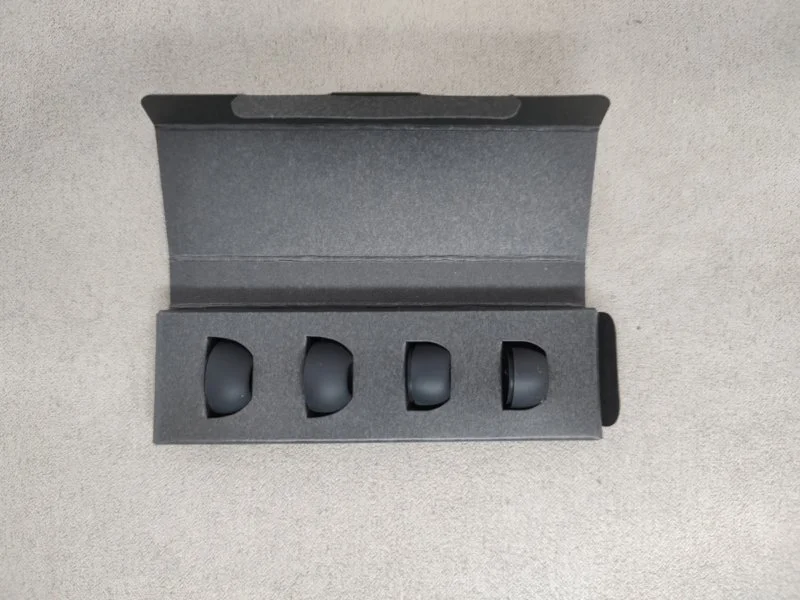
- Galaxy Buds 4 Pro earbuds
- Charging case
- Replaceable silicone ear tips (3 sizes: S, M, L)
- Documentation (quick start guide, warranty card)
Popular questions:
Samsung Galaxy Buds 4 Pro – how to connect wireless earbuds?
1. Open your Bluetooth settings. Select the ‘add new device’ menu.2. Open the charging case. The earbuds might automatically enter pairing mode the first time you connect them. If not, press and hold the button on the case for 3-5 seconds with the lid open.3. Wait for the earbuds to appear in the list and select them.
Still have a question about the Samsung Galaxy Buds 4 Pro?
Ask your question in the comments, and I’ll answer you.
