

Here are the best wireless earbuds of 2026, folks, covering all in-ear TWS models. I’ve compiled a list of Bluetooth earbuds from 2026 and previous years.
EMMA — Experts + Methodology + MyChoozers + Algorithm.
Every model goes through identical tests; the score is calculated automatically with fixed weights — a spot in the rating cannot be bought.
TOP 20 Best Wireless Earbuds 2026 — Ranking:
Here’s how sound quality stacks up against price:
Below each model, you’ll find links to the official AliExpress stores where I purchased these top earbuds. These are genuine products, not fakes. Feel free to click if you’re interested.
The best wireless earbuds of 2026 excel in sound, features, and build quality. Their ranking is determined by: sound quality (50%), microphone quality (12.5%), noise cancellation and transparency mode (12.5%), controls, app, battery life, and stability (12.5%), plus comfort, design, and durability (12.5%). Learn more about our rating methodology here. These are the key factors for choosing the best wireless earbuds, with more selection advice at the end of the ranking.
1. Samsung Galaxy Buds 4 Pro 8.99Best Wireless Earbuds for Phone – Samsung, Android, and iPhone
Drivers are the drivers in your headphones that are responsible for creating sound.
DD + PM + BA – means that there are several different types of drivers in these headphones.
DD – “Dynamic Driver” dynamic driver (deep bass, natural sound).
PM – “Planar Magnetic Driver” planar driver (wide soundstage and fast response).
BA – “Balanced Armature Driver” armature driver (accuracy and detail retrieval).
BC – “Bone Conduction Driver” or bone-conduction driver, which transmits vibration to the body of the headphones, transmitting sound through the bone/cartilage to the inner ear.
LDAC – high quality, high speed (Sony).
SBC is the basic Bluetooth standard, low quality.
AAC – Apple standard, good quality, low latency.
aptX – Qualcomm standard, good quality, low latency.
LC3/LC3plus – new Bluetooth LE Audio codecs, efficient compression.
Codecs are audio compression formats that affect sound quality and latency.
Headphone battery life is the playback time without recharging, measured in hours. Manufacturers measure without active noise cancellation (ANC), at medium volume (50-70%) and usually with the AAC codec, as these parameters affect battery consumption. Actual time may vary from 1% to 50%, depending on volume, active noise cancellation features enabled, codec (LDAC or other) and environmental conditions (cold, hot). It is important to consider not only the claimed playback time, but also the charging time and fast charging support.
Bluetooth is a wireless data transmission standard.
Support for new audio technologies.
Improved connection stability.
Reduced power consumption.
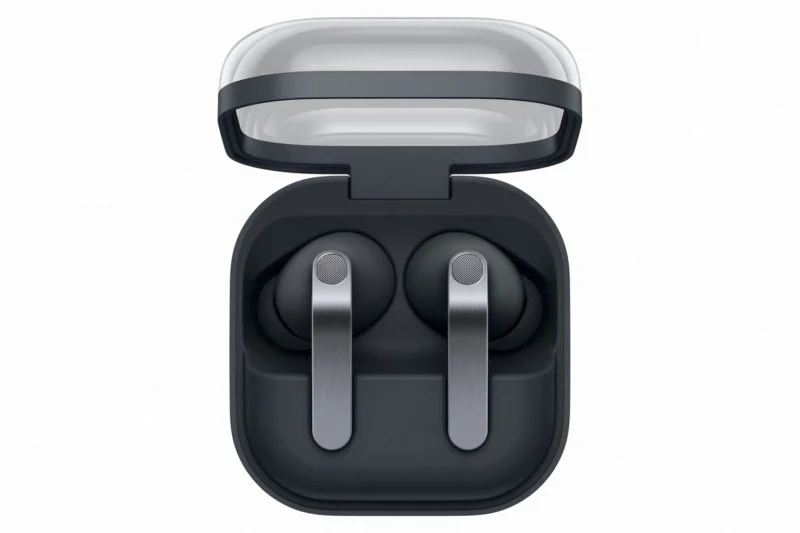
Samsung Galaxy Buds 4 Pro are a fantastic upgrade to the 3 Pro. They offer reference-level sound, features, and a very comfortable build, earning a perfect score. This applies not just to Samsung phones but to all Android and Apple devices. You get reference transparency mode and excellent noise cancellation, plus a great microphone. They’re like AirPods but with enhanced sound and compatibility across all ecosystems.
The downsides include artificial ecosystem restrictions for non-Samsung devices: basic codecs result in a 15% sound quality drop, there’s no low-latency mode, and features like the translator, voice assistant, spatial audio, Auracast, and seamless device switching are absent. Minor flaws appear in the high-frequency sound. Everything else is top-notch.
- Top-tier sound, reference-grade with the proprietary SSC UHD codec.
- Includes a translator, voice assistant, and spatial audio.
- Reference-grade transparency, activation by pronouncing your name.
- The SSC UHD codec, translator, voice assistant, and spatial audio only work on Samsung flagship devices.
- No companion app for Apple.
The final sound score is calculated using this formula:
Frequency balance + Detail retrieval + Soundstage + Natural timbre / 4 = Final Sound Score.
. 9.13 A massive soundstage, punchy bass, and forward vocals that stay distinct from other instruments, paired with gorgeous detail retrieval. The main downside of the sound is probably the highs, as I found them slightly lacking in both quality and quantity. The main plus of the sound is everything else, and the soundstage is a literal reference-quality 10 out of 10.Learn more.
Microphone – We assess speech transmission quality by testing the microphone in two main scenarios: quiet and noisy environments.
Quiet environment – This involves recording indoors with minimal background noise. Noisy environment – This means recording outdoors near a six-lane road with maximum traffic noise.
. 9.50 In quiet environments: 10 In noisy environments: 9 Gorgeous quality, turned out better than the Galaxy Buds 3 Pro. Fell just short of the reference set by Huawei.Overall feature score — this is the overall score for all device features. This score comes from individual feature ratings (battery life, controls, app, connection stability, and others) and shows how easy and smart the device is for daily use.
. 9.25 Active noise cancellation is excellent — 9 out of 10, sitting just behind the AirPods Pro 3 reference. It handles street noise, laptop hum, and PC fans well. Transparency is reference-grade with a slight sense of digital processing. Battery life in our tests on basic codecs is 8-10 hours. Controls are touch-based, with voice control for the player and calls. The companion app is user-friendly and available exclusively for Android devices. Some features are restricted to Samsung devices only.Learn more.
Final build quality score is the overall score for build quality and materials: comfort, durability, and design. It shows how nice the device is to hold and use, and how long it will last.
. 8.25 The earbuds are very comfortable, and the charging case is compact. After a couple of hours of use, there is only minor fatigue. The build is solid and reliable, though the finish is a fingerprint magnet. Available in 3 colors: gray, white, and rose gold. Personally, I liked the design, but part of our team did not. How about you?Learn more.
2. Technics EAH-AZ100 8.88Best Wireless Earbuds 2026 — with the best sound under $350
Drivers are the drivers in your headphones that are responsible for creating sound.
DD + PM + BA – means that there are several different types of drivers in these headphones.
DD – “Dynamic Driver” dynamic driver (deep bass, natural sound).
PM – “Planar Magnetic Driver” planar driver (wide soundstage and fast response).
BA – “Balanced Armature Driver” armature driver (accuracy and detail retrieval).
BC – “Bone Conduction Driver” or bone-conduction driver, which transmits vibration to the body of the headphones, transmitting sound through the bone/cartilage to the inner ear.
LDAC – high quality, high speed (Sony).
SBC is the basic Bluetooth standard, low quality.
AAC – Apple standard, good quality, low latency.
aptX – Qualcomm standard, good quality, low latency.
LC3/LC3plus – new Bluetooth LE Audio codecs, efficient compression.
Codecs are audio compression formats that affect sound quality and latency.
Headphone battery life is the playback time without recharging, measured in hours. Manufacturers measure without active noise cancellation (ANC), at medium volume (50-70%) and usually with the AAC codec, as these parameters affect battery consumption. Actual time may vary from 1% to 50%, depending on volume, active noise cancellation features enabled, codec (LDAC or other) and environmental conditions (cold, hot). It is important to consider not only the claimed playback time, but also the charging time and fast charging support.
Bluetooth is a wireless data transmission standard.
Support for new audio technologies.
Improved connection stability.
Reduced power consumption.
The Technics EAH-AZ100 are the best-sounding wireless earbuds under $350. They rank second for sound quality among all TWS models and first overall when considering sound, features, and build. This model has no critical flaws.
- Reference-quality sound among true wireless earbuds
- Comfortable and pleasing build quality
- Average active noise cancellation
- Minor drawbacks include slightly distant vocals, minor app and build quality issues, and an average microphone.
The final sound score is calculated using this formula:
Frequency balance + Detail retrieval + Soundstage + Natural timbre / 4 = Final Sound Score.
. 9.31 Reference-quality sound. You get naturalness, soundstage, detail retrieval, and highs as the main pros. The trade-off is slightly recessed mids and vocals. You might also notice a slight lack of bass quantity and quality.Learn more.
Microphone – We assess speech transmission quality by testing the microphone in two main scenarios: quiet and noisy environments.
Quiet environment – This involves recording indoors with minimal background noise. Noisy environment – This means recording outdoors near a six-lane road with maximum traffic noise.
. 8.00 Got better than the AZ80. In quiet conditions: 8 In noisy environments: 8Overall feature score — this is the overall score for all device features. This score comes from individual feature ratings (battery life, controls, app, connection stability, and others) and shows how easy and smart the device is for daily use.
. 8.08 Active noise cancellation is enough to suppress road noise, and it is above average. Transparency is great, making conversations with a person comfortable. Battery life is stellar at 10 hours and 28 hours with the charging case, dropping to 7 and 18 hours respectively when using LDAC + ANC under the same conditions. Controls are convenient and touch-based, but take some getting used to. The app is great, and I recommend selecting the LDAC codec and tuning the EQ inside it.Learn more.
Final build quality score is the overall score for build quality and materials: comfort, durability, and design. It shows how nice the device is to hold and use, and how long it will last.
. 9.00 Comfortable, durable, and pleasant-looking. They fit well, though you’ll notice a slight sensation of earbuds in your ears. The charging case is compact, and the build feels solid. IPx4 dust and water resistance applies only to the earbuds. The earbuds look nice, even if they’re nothing special.Learn more.
3. Noble Audio Fokus REX5 8.89Best Wireless TWS Earbuds — #1 for Sound Quality
Drivers are the drivers in your headphones that are responsible for creating sound.
DD + PM + BA – means that there are several different types of drivers in these headphones.
DD – “Dynamic Driver” dynamic driver (deep bass, natural sound).
PM – “Planar Magnetic Driver” planar driver (wide soundstage and fast response).
BA – “Balanced Armature Driver” armature driver (accuracy and detail retrieval).
BC – “Bone Conduction Driver” or bone-conduction driver, which transmits vibration to the body of the headphones, transmitting sound through the bone/cartilage to the inner ear.
LDAC – high quality, high speed (Sony).
SBC is the basic Bluetooth standard, low quality.
AAC – Apple standard, good quality, low latency.
aptX – Qualcomm standard, good quality, low latency.
LC3/LC3plus – new Bluetooth LE Audio codecs, efficient compression.
Codecs are audio compression formats that affect sound quality and latency.
Headphone battery life is the playback time without recharging, measured in hours. Manufacturers measure without active noise cancellation (ANC), at medium volume (50-70%) and usually with the AAC codec, as these parameters affect battery consumption. Actual time may vary from 1% to 50%, depending on volume, active noise cancellation features enabled, codec (LDAC or other) and environmental conditions (cold, hot). It is important to consider not only the claimed playback time, but also the charging time and fast charging support.
Bluetooth is a wireless data transmission standard.
Support for new audio technologies.
Improved connection stability.
Reduced power consumption.
Noble Audio Fokus REX5 are the top TWS earbuds for sound quality on MyChooz. Their standout feature is reference sound in key areas: detail, naturalness, and soundstage. They outperform the Technics EAH-AZ100, and their five drivers are more than just for show. You’ll want to tweak the sound with the EQ, and I’ll cover sound tuning and ear tip selection in the full review. Downsides: noise cancellation, transparency, and microphone performance are on par with models under $100.
Overall, this model is for anyone seeking the absolute best in-ear TWS earbuds with uncompromising sound.
- Best sound, reference-level detail retrieval among true wireless earbuds
- Metal housing for both the charging case and earbuds
- 2 equalizers with combinable settings; Audiodo personal sound tuning
- Retention relies on ear tips. You have to adjust the earbuds if the tips do not fit properly
- Earbuds cool down quickly in the cold
- Average functionality
The final sound score is calculated using this formula:
Frequency balance + Detail retrieval + Soundstage + Natural timbre / 4 = Final Sound Score.
. 9.58 The Noble FoKus REX5 put out the highest level of sound quality of any true wireless earbuds I’ve ever heard. Now it’s the reference, scoring 0.5 points higher than the Technics EAH-AZ100. Still, it’s not a reference across the board. The overall presentation is wide, detailed, bright, and clean, featuring a 3D effect. The highlights include reference mids, reference detail retrieval, and soundstage for wireless earbuds. There are flaws in the sound, though, with the main one being that the highs can occasionally turn harsh.Learn more.
Microphone – We assess speech transmission quality by testing the microphone in two main scenarios: quiet and noisy environments.
Quiet environment – This involves recording indoors with minimal background noise. Noisy environment – This means recording outdoors near a six-lane road with maximum traffic noise.
. 7.50 In quiet environments: 8 In noisy environments: 7Overall feature score — this is the overall score for all device features. This score comes from individual feature ratings (battery life, controls, app, connection stability, and others) and shows how easy and smart the device is for daily use.
. 7.68 Noise cancellation cuts out light background noise, while transparency mode barely gets the job done for casual chats. Battery life spanned 4.5 to 7.5 hours in testing, depending on the codec. You get 3 touch-controlled actions: play/pause, track switching, and volume. The app keeps things straightforward by offering two EQs and personal sound tuning.Learn more.
Final build quality score is the overall score for build quality and materials: comfort, durability, and design. It shows how nice the device is to hold and use, and how long it will last.
. 9.00 Choosing the right ear tips is important because the earbuds rely on them for stability in your ears. They’re comfortable overall, and I didn’t feel any discomfort after 2 hours of use. The metal build uses solid materials with no issues. They look clean and nice, and the bright color scheme isn’t off-putting.Learn more.
4. Apple Airpods Pro 3 8.64Best Wireless Earbuds for iPhone and Apple Devices
Drivers are the drivers in your headphones that are responsible for creating sound.
DD + PM + BA – means that there are several different types of drivers in these headphones.
DD – “Dynamic Driver” dynamic driver (deep bass, natural sound).
PM – “Planar Magnetic Driver” planar driver (wide soundstage and fast response).
BA – “Balanced Armature Driver” armature driver (accuracy and detail retrieval).
BC – “Bone Conduction Driver” or bone-conduction driver, which transmits vibration to the body of the headphones, transmitting sound through the bone/cartilage to the inner ear.
LDAC – high quality, high speed (Sony).
SBC is the basic Bluetooth standard, low quality.
AAC – Apple standard, good quality, low latency.
aptX – Qualcomm standard, good quality, low latency.
LC3/LC3plus – new Bluetooth LE Audio codecs, efficient compression.
Codecs are audio compression formats that affect sound quality and latency.
Headphone battery life is the playback time without recharging, measured in hours. Manufacturers measure without active noise cancellation (ANC), at medium volume (50-70%) and usually with the AAC codec, as these parameters affect battery consumption. Actual time may vary from 1% to 50%, depending on volume, active noise cancellation features enabled, codec (LDAC or other) and environmental conditions (cold, hot). It is important to consider not only the claimed playback time, but also the charging time and fast charging support.
Bluetooth is a wireless data transmission standard.
Support for new audio technologies.
Improved connection stability.
Reduced power consumption.
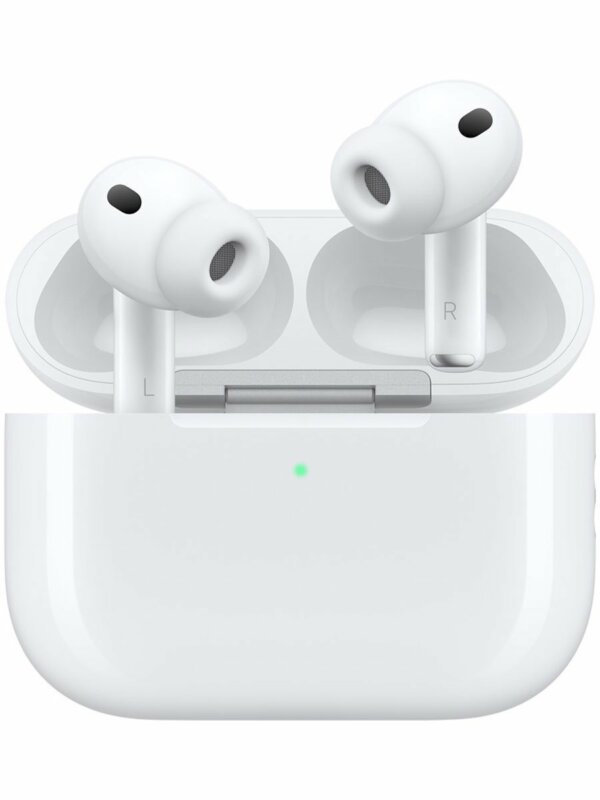
Apple AirPods Pro 3 are the best TWS earbuds for Apple devices. They offer near-flagship sound, a reference microphone, excellent active noise cancellation, transparency mode, and controls. While they have no critical flaws, the fit might not be perfect for everyone, and some features are exclusive to Apple devices.
- The sound quality is near-flagship, and it’s a mile better than the 2 Pro.
- Microphone — reference-quality
- Noise cancellation and transparency mode are reference-quality.
- Controls — reference-quality
- Battery life is up by 2 hours, hitting 8 hours with ANC on.
- Build quality is comfortable and beautiful
- While the fit is more comfortable than before, it won’t work for everyone.
- The app and other features are limited to Apple devices only.
- Minor drawback: the charging case scratches very easily.
The final sound score is calculated using this formula:
Frequency balance + Detail retrieval + Soundstage + Natural timbre / 4 = Final Sound Score.
. 8.50 With EQ tuning, you can push them to a 9. You get excellent sound quality on par with top-tier models from Sony, Sennheiser, Bose, and others. A strong point is the significantly enhanced detail retrieval, soundstage, and natural timbre. The presentation closely resembles the AirPods Pro 2, but it’s as if the window you’re looking through has been enlarged and thoroughly cleaned. Ultimately, this is sound you won’t have to be ashamed of. It represents a huge jump of +1.5 points compared to the Pro 2, though it still falls short of the u003ca href=u0022https://mychooz.com/en/reviews/review-realme-buds-air-7-pro-106443u0022 data-type=u0022postu0022 data-id=u0022105907u0022u003eRealme Buds Air 7 Prou003c/au003e, u003ca href=u0022https://mychooz.com/en/reviews/huawei-freebuds-pro-4-vs-3-review-109717u0022 data-type=u0022postu0022 data-id=u0022101014u0022u003eHuawei Freebuds Pro 4u003c/au003e, or the u003ca href=u0022https://mychooz.com/en/reviews/technics-eah-az100-2025-109487u0022 data-type=u0022postu0022 data-id=u0022108610u0022u003eTechnics EAH-AZ100u003c/au003e reference, while coming close.Read more.
Microphone – We assess speech transmission quality by testing the microphone in two main scenarios: quiet and noisy environments.
Quiet environment – This involves recording indoors with minimal background noise. Noisy environment – This means recording outdoors near a six-lane road with maximum traffic noise.
. 9.00 In quiet conditions: 10 In noisy conditions: 8 The microphone quality is simply superb, setting a new benchmark. Initially, I thought I’d accidentally recorded audio through my iPhone. The “voice isolation” feature is present, which improves voice quality in noisy environments by cutting out background noise.Overall feature score — this is the overall score for all device features. This score comes from individual feature ratings (battery life, controls, app, connection stability, and others) and shows how easy and smart the device is for daily use.
. 9.00 The active noise cancellation, transparency mode, and controls are all reference-level. You get up to 8 hours of playback without noise cancellation and spatial audio, and up to 24 hours with the charging case. Since there’s no dedicated app, all features are built into the OS, meaning Android users will need third-party apps to configure these earbuds.Learn more.
Final build quality score is the overall score for build quality and materials: comfort, durability, and design. It shows how nice the device is to hold and use, and how long it will last.
. 8.43 The earbuds offer an ideal fit with zero fatigue even after 5 hours of use. That said, the design won’t suit everyone, so it’s a good idea to try them on before buying. The build is flawless just like in previous generations, except that the plastic scratches immediately. You’ll want to use a case cover right away. The design is minimalist with nothing extra.Read more.
5. HUAWEI FreeBuds Pro 4 8.52The absolute best wireless earbuds 2026 — for sound quality and features
Drivers are the drivers in your headphones that are responsible for creating sound.
DD + PM + BA – means that there are several different types of drivers in these headphones.
DD – “Dynamic Driver” dynamic driver (deep bass, natural sound).
PM – “Planar Magnetic Driver” planar driver (wide soundstage and fast response).
BA – “Balanced Armature Driver” armature driver (accuracy and detail retrieval).
BC – “Bone Conduction Driver” or bone-conduction driver, which transmits vibration to the body of the headphones, transmitting sound through the bone/cartilage to the inner ear.
LDAC – high quality, high speed (Sony).
SBC is the basic Bluetooth standard, low quality.
AAC – Apple standard, good quality, low latency.
aptX – Qualcomm standard, good quality, low latency.
LC3/LC3plus – new Bluetooth LE Audio codecs, efficient compression.
Codecs are audio compression formats that affect sound quality and latency.
Headphone battery life is the playback time without recharging, measured in hours. Manufacturers measure without active noise cancellation (ANC), at medium volume (50-70%) and usually with the AAC codec, as these parameters affect battery consumption. Actual time may vary from 1% to 50%, depending on volume, active noise cancellation features enabled, codec (LDAC or other) and environmental conditions (cold, hot). It is important to consider not only the claimed playback time, but also the charging time and fast charging support.
Bluetooth is a wireless data transmission standard.
Support for new audio technologies.
Improved connection stability.
Reduced power consumption.
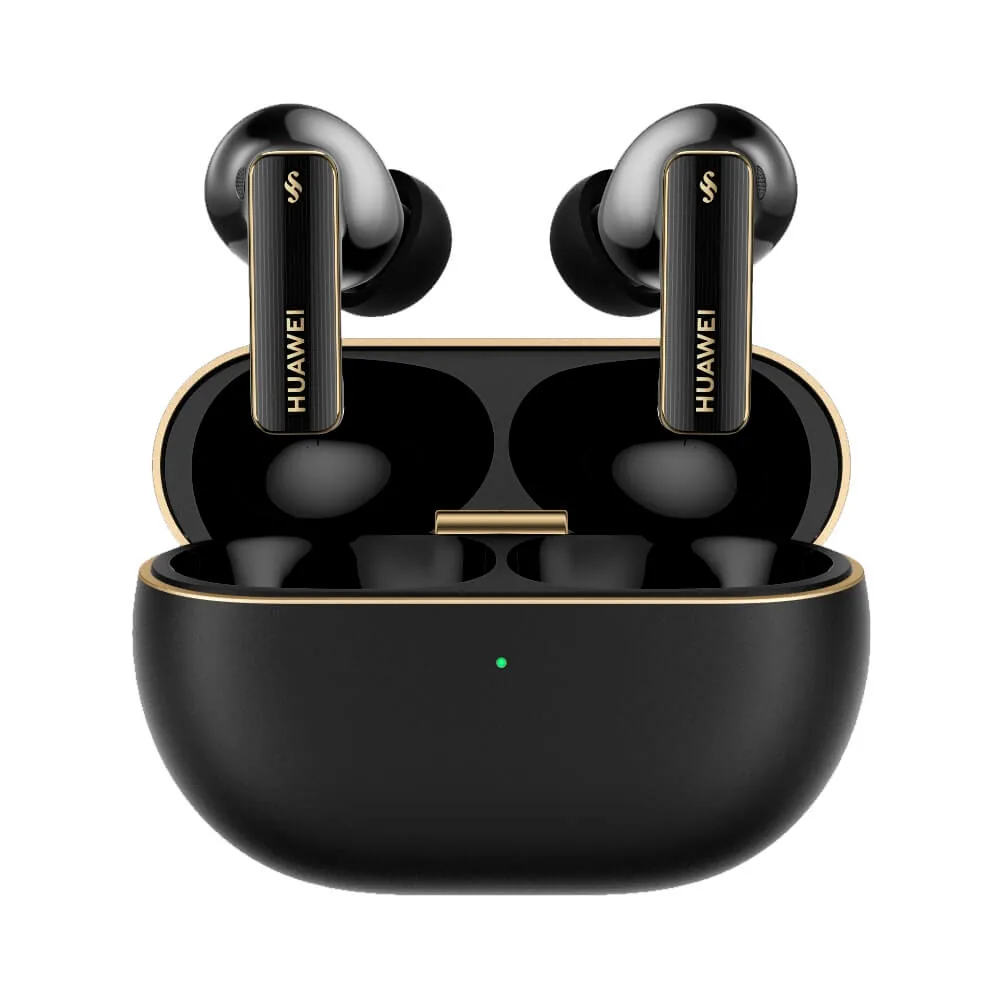
Huawei Freebuds Pro 4 stand out as the best wireless earbuds under $200 based on 32 testing parameters on MyChooz. They strike an excellent balance of sound, features, and build, complemented by a reference microphone. Downsides: certain features like the L2HC codec, spatial audio, translator, and voice assistant only work with proprietary devices running HarmonyOS.
- Top-tier sound
- Reference-quality microphone
- Top-tier controls
- Proprietary L2HC codec, translator, assistant, and other features only work on devices running HarmonyOS
- Not critical: the soundstage lacks width in its presentation, and highs sound grainy in places
The final sound score is calculated using this formula:
Frequency balance + Detail retrieval + Soundstage + Natural timbre / 4 = Final Sound Score.
. 8.46 The wireless earbuds provide great mids and clear vocals. The tone of voices and instruments is fairly natural, with no distortion or artificial sheen. Detail retrieval is good enough to enjoy live instruments. The downsides include a slight lack of bass and a somewhat narrow soundstage.Learn more.
Microphone – We assess speech transmission quality by testing the microphone in two main scenarios: quiet and noisy environments.
Quiet environment – This involves recording indoors with minimal background noise. Noisy environment – This means recording outdoors near a six-lane road with maximum traffic noise.
. 9.75 In quiet conditions: 9.5 In noisy conditions: 10Overall feature score — this is the overall score for all device features. This score comes from individual feature ratings (battery life, controls, app, connection stability, and others) and shows how easy and smart the device is for daily use.
. 8.52 This is a strong suit of the model and the manufacturer in general. Noise cancellation and transparency are sufficient for work. Battery life in our tests reached up to 6.5 hours factoring in the codec. Convenient touch controls, swipes, and head gestures. And the app is not overloaded with unnecessary features. The only catch is that on Android, the app must be installed manually after downloading it from the Huawei website.Learn more.
Final build quality score is the overall score for build quality and materials: comfort, durability, and design. It shows how nice the device is to hold and use, and how long it will last.
. 8.67 The wireless earbuds offer a comfortable fit without noticeable discomfort. No complaints about build quality or materials. However, the housing of the wireless earbuds is a fingerprint magnet, and scratches on the charging case become visible after a week of use. They look good, though the gold plating and branding look a bit excessive. Available in 3 colors.Learn more.
6. ANKER SoundCore Liberty 5 Pro 8.51BEST TWS Earbuds for Functionality
Drivers are the drivers in your headphones that are responsible for creating sound.
DD + PM + BA – means that there are several different types of drivers in these headphones.
DD – “Dynamic Driver” dynamic driver (deep bass, natural sound).
PM – “Planar Magnetic Driver” planar driver (wide soundstage and fast response).
BA – “Balanced Armature Driver” armature driver (accuracy and detail retrieval).
BC – “Bone Conduction Driver” or bone-conduction driver, which transmits vibration to the body of the headphones, transmitting sound through the bone/cartilage to the inner ear.
LDAC – high quality, high speed (Sony).
SBC is the basic Bluetooth standard, low quality.
AAC – Apple standard, good quality, low latency.
aptX – Qualcomm standard, good quality, low latency.
LC3/LC3plus – new Bluetooth LE Audio codecs, efficient compression.
Codecs are audio compression formats that affect sound quality and latency.
Headphone battery life is the playback time without recharging, measured in hours. Manufacturers measure without active noise cancellation (ANC), at medium volume (50-70%) and usually with the AAC codec, as these parameters affect battery consumption. Actual time may vary from 1% to 50%, depending on volume, active noise cancellation features enabled, codec (LDAC or other) and environmental conditions (cold, hot). It is important to consider not only the claimed playback time, but also the charging time and fast charging support.
Bluetooth is a wireless data transmission standard.
Support for new audio technologies.
Improved connection stability.
Reduced power consumption.
The SoundCore Liberty 5 Pro focuses on features comparable to reference models across the board. Cumulatively, they rank just behind the Liberty 5 Pro Max. If features are your priority, either the Liberty 5 Pro or 5 Pro Max is a great choice. The sound is decent but unremarkable, providing a comfortable background listening experience for daily use. The improvement over the Liberty 4 Pro is minimal, and they don’t even reach the performance of the 3 Pro.
- Comfortable, balanced sound.
- Reference-quality features.
- Comfortable fit.
- Sound is marginally better than the previous generation.
- Companion app uses up to 1.9 GB of RAM.
The final sound score is calculated using this formula:
Frequency balance + Detail retrieval + Soundstage + Natural timbre / 4 = Final Sound Score.
. 8.25 Traditionally bass-forward, though the low-end quantity is dialed back compared to previous generations. Out of the box, the sound profile is neither boring nor harsh. It makes for comfortable background listening for everyday use. It is moderately detailed and natural. What drags the score down is the lack of clarity and the soundstage. It feels somewhat like going to a concert and listening from behind the curtain or sitting in the very last side seats. Solid sound without critical flaws, pleasantly mellow overall, especially once you tweak the EQ. The Liberty 5 Pro lands in the MyChooz silver league.Learn more.
Microphone – We assess speech transmission quality by testing the microphone in two main scenarios: quiet and noisy environments.
Quiet environment – This involves recording indoors with minimal background noise. Noisy environment – This means recording outdoors near a six-lane road with maximum traffic noise.
. 9.75 In quiet environments: 9.5 In noisy environments: 10 In quiet conditions, the voice is detailed and clear with minimal distortion. In noisy environments with a handheld vacuum cleaner running in the background, the voice sounds unnatural and heavily processed. Meanwhile, background noise is isolated, and speech remains intelligible.Learn more.
Overall feature score — this is the overall score for all device features. This score comes from individual feature ratings (battery life, controls, app, connection stability, and others) and shows how easy and smart the device is for daily use.
. 9.19 A strong suit of these earbuds that matches the reference models in almost every way. The only downside is the RAM consumption of the app, which goes up to 1.9 GB, averaging around 1.5 GB. That is a lot; for comparison, the companion app for Noble earbuds uses about 110 MB.Learn more.
Final build quality score is the overall score for build quality and materials: comfort, durability, and design. It shows how nice the device is to hold and use, and how long it will last.
. 8.17 Sturdy, with no visible flaws, on par with the previous generation. The earbuds feature less gloss so fingerprints are barely visible, though the case screen gets dirty more easily. The earbuds are comfortable, don’t put pressure on your ears, and fit securely. The case and earbuds look great, and I really liked the design.Learn more.
7. OnePlus Buds 4 8.47Best Wireless Earbuds with Bass Sound — New for 2025
Drivers are the drivers in your headphones that are responsible for creating sound.
DD + PM + BA – means that there are several different types of drivers in these headphones.
DD – “Dynamic Driver” dynamic driver (deep bass, natural sound).
PM – “Planar Magnetic Driver” planar driver (wide soundstage and fast response).
BA – “Balanced Armature Driver” armature driver (accuracy and detail retrieval).
BC – “Bone Conduction Driver” or bone-conduction driver, which transmits vibration to the body of the headphones, transmitting sound through the bone/cartilage to the inner ear.
LDAC – high quality, high speed (Sony).
SBC is the basic Bluetooth standard, low quality.
AAC – Apple standard, good quality, low latency.
aptX – Qualcomm standard, good quality, low latency.
LC3/LC3plus – new Bluetooth LE Audio codecs, efficient compression.
Codecs are audio compression formats that affect sound quality and latency.
Headphone battery life is the playback time without recharging, measured in hours. Manufacturers measure without active noise cancellation (ANC), at medium volume (50-70%) and usually with the AAC codec, as these parameters affect battery consumption. Actual time may vary from 1% to 50%, depending on volume, active noise cancellation features enabled, codec (LDAC or other) and environmental conditions (cold, hot). It is important to consider not only the claimed playback time, but also the charging time and fast charging support.
Bluetooth is a wireless data transmission standard.
Support for new audio technologies.
Improved connection stability.
Reduced power consumption.

OnePlus Buds 4 are the best wireless earbuds for bass-heavy sound in 2026. Their main draw is top-tier bass right out of the box, no EQ needed. While they’re slightly behind the Realme Buds Air 7 Pro in sound, they make up for it with features and build quality. They have no critical flaws. LHDC 5.0 codec support and a Snapdragon mobile platform source are recommended, as the sound is noticeably worse on MediaTek devices.
- You get top-tier bass without touching EQ settings.
- Comfortable fit
- The sound quality improves with the golden hearing profile.
- Minor drawback: the translator only works on OnePlus phones.
- Desirable support for the LHDC 5.0 codec
- On devices with MediaTek chips, the sound is worse than on Snapdragon.
The final sound score is calculated using this formula:
Frequency balance + Detail retrieval + Soundstage + Natural timbre / 4 = Final Sound Score.
. 8.58 The sound emphasizes pleasant bass and treble, offering a naturally balanced, top-tier experience without artificiality or grain. You’ll find enough detail to pick out instrument textures, even in complex, dynamic tracks. The soundstage is spacious with good separation between vocals and instruments. However, the abundant bass can sometimes fill the stage too much, reducing mid-range transparency and slightly diminishing detail and texture.Learn more.
Microphone – We assess speech transmission quality by testing the microphone in two main scenarios: quiet and noisy environments.
Quiet environment – This involves recording indoors with minimal background noise. Noisy environment – This means recording outdoors near a six-lane road with maximum traffic noise.
. 8.50 In quiet conditions: 9 In noisy conditions: 8 No changes compared to the OnePlus Buds 3, and identical to the Oppo Enco Free 4. I’ve added a third, wind-focused test as requested in the comments.Overall feature score — this is the overall score for all device features. This score comes from individual feature ratings (battery life, controls, app, connection stability, and others) and shows how easy and smart the device is for daily use.
. 8.33 Active noise cancellation cuts background noise effectively, and transparency mode is usable for conversations. Battery life in our tests reached up to 11 hours and up to 56 hours with the charging case, depending on the codec. Touch controls support 5 actions per earphone, including swipes. The app is straightforward without unnecessary bloatware, and includes a translator for 22 languages on OnePlus phones.Learn more.
Final build quality score is the overall score for build quality and materials: comfort, durability, and design. It shows how nice the device is to hold and use, and how long it will last.
. 8.40 You can wear these headphones for 2-3 hours straight without ear fatigue, thanks to the included ear tips. They feel solid and reliable, with a nice matte finish. But honestly, the design is uninspired, and that initial wow factor disappears after a couple of weeks.Learn more.
8. Realme Buds Air 7 Pro 8.47Best Budget Wireless Earbuds for SOUND 2025 — under $300
Drivers are the drivers in your headphones that are responsible for creating sound.
DD + PM + BA – means that there are several different types of drivers in these headphones.
DD – “Dynamic Driver” dynamic driver (deep bass, natural sound).
PM – “Planar Magnetic Driver” planar driver (wide soundstage and fast response).
BA – “Balanced Armature Driver” armature driver (accuracy and detail retrieval).
BC – “Bone Conduction Driver” or bone-conduction driver, which transmits vibration to the body of the headphones, transmitting sound through the bone/cartilage to the inner ear.
LDAC – high quality, high speed (Sony).
SBC is the basic Bluetooth standard, low quality.
AAC – Apple standard, good quality, low latency.
aptX – Qualcomm standard, good quality, low latency.
LC3/LC3plus – new Bluetooth LE Audio codecs, efficient compression.
Codecs are audio compression formats that affect sound quality and latency.
Headphone battery life is the playback time without recharging, measured in hours. Manufacturers measure without active noise cancellation (ANC), at medium volume (50-70%) and usually with the AAC codec, as these parameters affect battery consumption. Actual time may vary from 1% to 50%, depending on volume, active noise cancellation features enabled, codec (LDAC or other) and environmental conditions (cold, hot). It is important to consider not only the claimed playback time, but also the charging time and fast charging support.
Bluetooth is a wireless data transmission standard.
Support for new audio technologies.
Improved connection stability.
Reduced power consumption.
Realme Buds Air 7 Pro are the best budget wireless earbuds for sound. They offer the best sound under $300, with live and synchronous translation that isn’t tied to your phone manufacturer. Downsides include a large earbud design that might not fit everyone, and we’ve seen many reliability complaints on social media, though they are the most popular model among our users.
- Best sound in wireless earbuds under $300
- Live and simultaneous translation
- Reference-level battery life
- Some user complaints regarding reliability
- Average ANC and transparency mode
The final sound score is calculated using this formula:
Frequency balance + Detail retrieval + Soundstage + Natural timbre / 4 = Final Sound Score.
. 9.00 Support for LHDC 5.0 puts these earbuds on par with models costing up to $300. You get an optimal frequency balance alongside a spacious soundstage with great width and depth. The sound is moderately detailed and natural. Note that the first batches of the Chinese version suffer from an excess of highs, while the global version avoids this issue.Learn more.
Microphone – We assess speech transmission quality by testing the microphone in two main scenarios: quiet and noisy environments.
Quiet environment – This involves recording indoors with minimal background noise. Noisy environment – This means recording outdoors near a six-lane road with maximum traffic noise.
. 8.00 In quiet environments: 9 In noisy environments: 7Overall feature score — this is the overall score for all device features. This score comes from individual feature ratings (battery life, controls, app, connection stability, and others) and shows how easy and smart the device is for daily use.
. 7.75 Noise cancellation and transparency mode are just okay. In our tests, battery life hit up to 10 hours, factoring in the codec. Basic playback and calls are handled by the touch controls. The app is straightforward, offering an EQ, personalized sound tuning, and a translator.Learn more.
Final build quality score is the overall score for build quality and materials: comfort, durability, and design. It shows how nice the device is to hold and use, and how long it will last.
. 8.20 The headphones fit securely, and I could wear them for 2-3 hours without any discomfort. Build quality and materials are flawless, and I really liked the design. They come in four colors.Learn more.
9. Nothing Ear ( 3 ) 2025 8.44Beautiful Wireless Earbuds for Phone — with a microphone in the case
Drivers are the drivers in your headphones that are responsible for creating sound.
DD + PM + BA – means that there are several different types of drivers in these headphones.
DD – “Dynamic Driver” dynamic driver (deep bass, natural sound).
PM – “Planar Magnetic Driver” planar driver (wide soundstage and fast response).
BA – “Balanced Armature Driver” armature driver (accuracy and detail retrieval).
BC – “Bone Conduction Driver” or bone-conduction driver, which transmits vibration to the body of the headphones, transmitting sound through the bone/cartilage to the inner ear.
LDAC – high quality, high speed (Sony).
SBC is the basic Bluetooth standard, low quality.
AAC – Apple standard, good quality, low latency.
aptX – Qualcomm standard, good quality, low latency.
LC3/LC3plus – new Bluetooth LE Audio codecs, efficient compression.
Codecs are audio compression formats that affect sound quality and latency.
Headphone battery life is the playback time without recharging, measured in hours. Manufacturers measure without active noise cancellation (ANC), at medium volume (50-70%) and usually with the AAC codec, as these parameters affect battery consumption. Actual time may vary from 1% to 50%, depending on volume, active noise cancellation features enabled, codec (LDAC or other) and environmental conditions (cold, hot). It is important to consider not only the claimed playback time, but also the charging time and fast charging support.
Bluetooth is a wireless data transmission standard.
Support for new audio technologies.
Improved connection stability.
Reduced power consumption.
The Nothing Ear (3) 2025 are stylish wireless earbuds with a premium build and top-tier functionality. Their main appeal is excellent sound, but make sure to update the firmware. Out of the box, they offer a balanced frequency response and a directional microphone in the case for calls in noisy environments. Downsides: average noise cancellation and transparency.
- Top-tier sound
- Detailed microphone with excellent voice isolation
- Reference-grade companion app
- Average noise cancellation and transparency
- Bright sound prior to firmware update
- Inflated price on certain marketplaces
The final sound score is calculated using this formula:
Frequency balance + Detail retrieval + Soundstage + Natural timbre / 4 = Final Sound Score.
. 8.38 The sound really shines in the mids and its naturalness, with vocals sounding intimate and transparent. While the sound might be a touch unnatural, it avoids sounding artificial. The bass is also good and detailed. On the flip side, the highs can be a bit too bright, which can make the sound fatiguing, especially with tracks heavy on percussion. Updating the firmware is a good idea, as it makes the sound balance more pleasant.Learn more.
Microphone – We assess speech transmission quality by testing the microphone in two main scenarios: quiet and noisy environments.
Quiet environment – This involves recording indoors with minimal background noise. Noisy environment – This means recording outdoors near a six-lane road with maximum traffic noise.
. 8.80 In quiet conditions: 8.6 In noisy conditions: 9 In quiet settings, the balance shifts slightly and noise cancellation filters out background sounds while keeping your voice clear. In noisy environments, you get top-tier voice isolation and total noise blocking, though your voice can sound a bit muffled at times, even if speech remains easy to make out.Learn more.
Overall feature score — this is the overall score for all device features. This score comes from individual feature ratings (battery life, controls, app, connection stability, and others) and shows how easy and smart the device is for daily use.
. 8.28 Noise cancellation and transparency mode offer minimal usability, making them the weakest aspect of the wireless earbuds. Playback time in our tests reaches up to 9.5 hours, and up to 38 hours with the charging case when using the codec. You get comfortable stem-pinch controls and a reference-quality app for usability and features.Read more.
Final build quality score is the overall score for build quality and materials: comfort, durability, and design. It shows how nice the device is to hold and use, and how long it will last.
. 8.83 The earbuds are comfortable, though fatigue sets in after 2 hours. The build quality is sturdy and reliable, with flawless assembly. The exterior look is great and stands out from the competition.Learn more.
10. Realme Buds Air 8 Pro 8.31Top Earbuds with Connection to 3 Devices
Drivers are the drivers in your headphones that are responsible for creating sound.
DD + PM + BA – means that there are several different types of drivers in these headphones.
DD – “Dynamic Driver” dynamic driver (deep bass, natural sound).
PM – “Planar Magnetic Driver” planar driver (wide soundstage and fast response).
BA – “Balanced Armature Driver” armature driver (accuracy and detail retrieval).
BC – “Bone Conduction Driver” or bone-conduction driver, which transmits vibration to the body of the headphones, transmitting sound through the bone/cartilage to the inner ear.
LDAC – high quality, high speed (Sony).
SBC is the basic Bluetooth standard, low quality.
AAC – Apple standard, good quality, low latency.
aptX – Qualcomm standard, good quality, low latency.
LC3/LC3plus – new Bluetooth LE Audio codecs, efficient compression.
Codecs are audio compression formats that affect sound quality and latency.
Headphone battery life is the playback time without recharging, measured in hours. Manufacturers measure without active noise cancellation (ANC), at medium volume (50-70%) and usually with the AAC codec, as these parameters affect battery consumption. Actual time may vary from 1% to 50%, depending on volume, active noise cancellation features enabled, codec (LDAC or other) and environmental conditions (cold, hot). It is important to consider not only the claimed playback time, but also the charging time and fast charging support.
Bluetooth is a wireless data transmission standard.
Support for new audio technologies.
Improved connection stability.
Reduced power consumption.
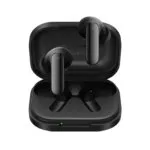
The main reason to buy these is their top-tier sound, even with the AAC codec, triple multipoint support, a reference microphone, translator, and built-in voice assistant. The main reasons not to buy are that the LHDC codec might not work before release, the glossy accents attract fingerprints, and the sound is worse than the previous generation.
- Top-tier and engaging sound
- Live and simultaneous translation, voice assistant
- Simultaneous connection to three devices
- LHDC codec doesn’t work
- Glossy finish gets dirty quickly
The final sound score is calculated using this formula:
Frequency balance + Detail retrieval + Soundstage + Natural timbre / 4 = Final Sound Score.
. 8.25 Realme Buds Air 8 Pro are great earbuds when judged independently of the rest of the Realme Buds Air lineup. I enjoyed the sound. However, compared directly to the 7 Pro, the 8 Pro sounds 0.67 out of 10 points worse on the latest 1.1.0.85 firmware using the LHDC 5.0 codec. The 8 Pro falls short in 4 out of 6 criteria, matching in 2. The main drops are in the mids, detail retrieval, and soundstage (-1 each). Highs drop by 0.5 due to a lack of quantity, while bass and naturalness stay on par with the 7 Pro.The difference in sound is noticeable in a direct comparison. If you listen to the 8 Pro on its own, it sounds fantastic, and you’ll thoroughly enjoy it without noticing any major flaws. But the moment you compare them, it becomes obvious within the first 10 seconds that the 7 Pro is better. Ultimately, if I had both models on my desk, I would pick the 7 Pro without hesitation. Wider soundstage, closer and clearer vocals, more detail—overall, the 7 Pro feels like the newer model, while the 8 Pro feels like last year’s.
Learn more.
Microphone – We assess speech transmission quality by testing the microphone in two main scenarios: quiet and noisy environments.
Quiet environment – This involves recording indoors with minimal background noise. Noisy environment – This means recording outdoors near a six-lane road with maximum traffic noise.
. 9.50 In quiet environments: 9 In noisy environments: 10 The microphone is improved over the 7 Pro, performing wonderfully in noisy environments.Overall feature score — this is the overall score for all device features. This score comes from individual feature ratings (battery life, controls, app, connection stability, and others) and shows how easy and smart the device is for daily use.
. 8.60 Active noise cancellation suppresses light background noise. Transparency mode starts off performing like high-end flagships before sharply dropping in quality after 5 seconds. Battery life in our tests reached 11.5 hours and 48 hours with the case. Touch controls support 3 actions per earbud plus volume swiping. The companion app includes sound and control settings, specifically dynamic audio and the golden sound profile.Learn more.
Final build quality score is the overall score for build quality and materials: comfort, durability, and design. It shows how nice the device is to hold and use, and how long it will last.
. 8.00 Comfortable, the default medium ear tips fit right out of the box. No discomfort after a couple of hours of use. Build has no defects, and the materials feel high-end both visually and tactilely. The experience is only marred by the fingerprint-magnet glossy finish. They essentially created a mirror surface that smudges the moment you look at it, requiring constant wiping. The appearance of the earbuds and case is great. Available in black and white.Learn more.
11. OnePlus Buds Pro 3 8.27Best Wireless Earbuds in 2024 — a legendary model
Drivers are the drivers in your headphones that are responsible for creating sound.
DD + PM + BA – means that there are several different types of drivers in these headphones.
DD – “Dynamic Driver” dynamic driver (deep bass, natural sound).
PM – “Planar Magnetic Driver” planar driver (wide soundstage and fast response).
BA – “Balanced Armature Driver” armature driver (accuracy and detail retrieval).
BC – “Bone Conduction Driver” or bone-conduction driver, which transmits vibration to the body of the headphones, transmitting sound through the bone/cartilage to the inner ear.
LDAC – high quality, high speed (Sony).
SBC is the basic Bluetooth standard, low quality.
AAC – Apple standard, good quality, low latency.
aptX – Qualcomm standard, good quality, low latency.
LC3/LC3plus – new Bluetooth LE Audio codecs, efficient compression.
Codecs are audio compression formats that affect sound quality and latency.
Headphone battery life is the playback time without recharging, measured in hours. Manufacturers measure without active noise cancellation (ANC), at medium volume (50-70%) and usually with the AAC codec, as these parameters affect battery consumption. Actual time may vary from 1% to 50%, depending on volume, active noise cancellation features enabled, codec (LDAC or other) and environmental conditions (cold, hot). It is important to consider not only the claimed playback time, but also the charging time and fast charging support.
Bluetooth is a wireless data transmission standard.
Support for new audio technologies.
Improved connection stability.
Reduced power consumption.
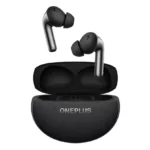
OnePlus Buds Pro 3 were the best TWS earbuds of 2024. However, after the release of the OnePlus Buds 4, buying the Pro 3 is pointless as the 4th version offers superior sound. The Pro 3 still scores a very good 8.5/10, especially considering its $120 price. I’ve included this model to clarify the status of a favorite I’ve often recommended. The expected OnePlus Buds Pro 4 didn’t arrive this year; we’ll see what happens in 2026.
- Top-tier sound among TWS
- Not demanding on mobile platform — Snapdragon or MTK
- Full support for the LHDC 3.0 audio codec
- Poor transparency mode
- The OnePlus Buds 4 exist — better and cheaper
The final sound score is calculated using this formula:
Frequency balance + Detail retrieval + Soundstage + Natural timbre / 4 = Final Sound Score.
. 8.43 The bass goes reasonably deep while staying bright, with slightly recessed mids and, most importantly, the right frequency balance. It’s the kind of sound where you just pick the right size ear tips, pop them in, and enjoy your music. The app features decent EQ presets—I recommend giving the ‘clarity’ preset a try. The overall sound is detailed, naturally timbred, and has a wide soundstage.Learn more.
Microphone – We assess speech transmission quality by testing the microphone in two main scenarios: quiet and noisy environments.
Quiet environment – This involves recording indoors with minimal background noise. Noisy environment – This means recording outdoors near a six-lane road with maximum traffic noise.
. 8.40 In quiet conditions: 8.8 In noisy conditions: 8 The manufacturer claims the AI Clear Call algorithm shields calls from wind and background noise via three built-in microphones and a wind-reduction design. Surprisingly, it actually works.Overall feature score — this is the overall score for all device features. This score comes from individual feature ratings (battery life, controls, app, connection stability, and others) and shows how easy and smart the device is for daily use.
. 8.05 Active noise cancellation suppresses light background noise, transparency is poor and unsuitable for use. Battery life is up to 10 hours and 43 hours with the case. Touch controls feature standard actions for managing calls and media playback. The app is user-friendly and not overloaded with unnecessary features.Learn more.
Final build quality score is the overall score for build quality and materials: comfort, durability, and design. It shows how nice the device is to hold and use, and how long it will last.
. 8.17 The headphones are comfortable as long as you pick the right ear tips. The build quality is sturdy and reliable. I liked the look of both the earbuds and the charging case. You can choose between 2 colors: black and white.Learn more.
12. Huawei Freebuds 5 Pro 8.21Wireless TWS Earbuds with Reference Microphone, Top Functionality, and Good Sound
Drivers are the drivers in your headphones that are responsible for creating sound.
DD + PM + BA – means that there are several different types of drivers in these headphones.
DD – “Dynamic Driver” dynamic driver (deep bass, natural sound).
PM – “Planar Magnetic Driver” planar driver (wide soundstage and fast response).
BA – “Balanced Armature Driver” armature driver (accuracy and detail retrieval).
BC – “Bone Conduction Driver” or bone-conduction driver, which transmits vibration to the body of the headphones, transmitting sound through the bone/cartilage to the inner ear.
LDAC – high quality, high speed (Sony).
SBC is the basic Bluetooth standard, low quality.
AAC – Apple standard, good quality, low latency.
aptX – Qualcomm standard, good quality, low latency.
LC3/LC3plus – new Bluetooth LE Audio codecs, efficient compression.
Codecs are audio compression formats that affect sound quality and latency.
Headphone battery life is the playback time without recharging, measured in hours. Manufacturers measure without active noise cancellation (ANC), at medium volume (50-70%) and usually with the AAC codec, as these parameters affect battery consumption. Actual time may vary from 1% to 50%, depending on volume, active noise cancellation features enabled, codec (LDAC or other) and environmental conditions (cold, hot). It is important to consider not only the claimed playback time, but also the charging time and fast charging support.
Bluetooth is a wireless data transmission standard.
Support for new audio technologies.
Improved connection stability.
Reduced power consumption.
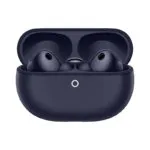
The main reason to buy: good, unobtrusive sound, a reference-level microphone, and convenient controls. They offer good noise cancellation and top-tier transparency mode. Downsides: the sound is just above average, and most features are tied to HarmonyOS – translator, voice recorder, voice assistant, etc.
- Nothing in the sound is repulsive.
- Reference-level microphone.
- Good noise cancellation and an excellent transparency mode.
- Comfortable build, pleasing design.
- Third-league sound quality (7-8 points) at a first-league price of $200.
- Voice assistant, translator, voice recorder, hearing protection, and other proprietary features only work on HarmonyOS devices.
The final sound score is calculated using this formula:
Frequency balance + Detail retrieval + Soundstage + Natural timbre / 4 = Final Sound Score.
. 7.21 Huawei Freebuds 5 Pro — the bass is lacking, highs too, and the mids are pushed back, yet none of these issues are critical. Listening to music is generally pleasant, and you only start realizing there are flaws in the sound during a direct comparison with the 4 Pro or benchmarks like Technics EAH-AZ100 or Noble FoKus Rex 5. The strong suit of this model is probably that nothing in the sound bothers you, but nothing excites you either. For $200, you expect first-league performance (9-10 points), or at least second-league (8-9). But here we get the third bronze league (7-8 points), the level of $50-100 models. If this model cost $50 — take my money, buy two, mostly for the features rather than the sound. But $150-200… No, thanks. And yes, compared to the Huawei Freebuds 4 Pro, this is unfortunately a step backward in sound quality.Learn more.
Microphone – We assess speech transmission quality by testing the microphone in two main scenarios: quiet and noisy environments.
Quiet environment – This involves recording indoors with minimal background noise. Noisy environment – This means recording outdoors near a six-lane road with maximum traffic noise.
. 9.75 Quiet 9.5 Noisy 10 Microphone quality hasn’t changed at all; it’s top-tier.Overall feature score — this is the overall score for all device features. This score comes from individual feature ratings (battery life, controls, app, connection stability, and others) and shows how easy and smart the device is for daily use.
. 9.13 Noise cancellation is good, becoming slightly better compared to the 4 Pro. Transparency mode improved by 1 point, making conversations comfortable. Battery life increased to up to 9h of playback and up to 38h with the charging case. Controls are reference-grade, featuring touch and pinch gestures. The app is good, and I recommend selecting the LDAC codec in it and tuning the EQ following my example.Learn more.
Final build quality score is the overall score for build quality and materials: comfort, durability, and design. It shows how nice the device is to hold and use, and how long it will last.
. 9.33 The model is comfortable, lasting 2-3 hours without discomfort, and durability is great. The design is distinctive; the charging case now resembles the OnePlus Buds 3 Pro and looks worse in my opinion than the 4 Pro. The wireless earbuds themselves became slightly prettier and more compact.Learn more.
13. Samsung Galaxy Buds 3 Pro 8.18Best Samsung Earbuds — Proprietary Samsung SSC, SSC-UHQ
Drivers are the drivers in your headphones that are responsible for creating sound.
DD + PM + BA – means that there are several different types of drivers in these headphones.
DD – “Dynamic Driver” dynamic driver (deep bass, natural sound).
PM – “Planar Magnetic Driver” planar driver (wide soundstage and fast response).
BA – “Balanced Armature Driver” armature driver (accuracy and detail retrieval).
BC – “Bone Conduction Driver” or bone-conduction driver, which transmits vibration to the body of the headphones, transmitting sound through the bone/cartilage to the inner ear.
LDAC – high quality, high speed (Sony).
SBC is the basic Bluetooth standard, low quality.
AAC – Apple standard, good quality, low latency.
aptX – Qualcomm standard, good quality, low latency.
LC3/LC3plus – new Bluetooth LE Audio codecs, efficient compression.
Codecs are audio compression formats that affect sound quality and latency.
Headphone battery life is the playback time without recharging, measured in hours. Manufacturers measure without active noise cancellation (ANC), at medium volume (50-70%) and usually with the AAC codec, as these parameters affect battery consumption. Actual time may vary from 1% to 50%, depending on volume, active noise cancellation features enabled, codec (LDAC or other) and environmental conditions (cold, hot). It is important to consider not only the claimed playback time, but also the charging time and fast charging support.
Bluetooth is a wireless data transmission standard.
Support for new audio technologies.
Improved connection stability.
Reduced power consumption.
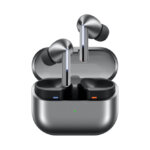
The main reason to buy: top-tier sound even with the AAC codec, reference transparency, and a durable, reliable build. However, these earbuds only make sense with flagship Samsung devices to access the top SSC-UHQ codec, translator, spatial audio, and other proprietary features. For non-flagship Samsung devices, you’ll only get the regular SSC codec and lose access to other features. They are definitely not recommended for Android or iOS users.
- Top-tier sound on Samsung flagship devices.
- Reference-grade transparency mode for true wireless earbuds.
- Sturdy and reliable build.
- The companion app lacks information. No app for iPhone.
- Awkward triangular earbud stems.
- AI translation, 360 Audio, audio switching — only work on Samsung flagship devices.
- SSC codec at 96 kHz and 24-bit — only works on Samsung flagship devices.
The final sound score is calculated using this formula:
Frequency balance + Detail retrieval + Soundstage + Natural timbre / 4 = Final Sound Score.
. 8.33 Detailed and engaging, just slightly lacking in the low-frequency department. Frequency-wise, I would describe the sound as moderately balanced and V-shaped. Superb detail retrieval thanks to the dual-driver system and planar tweeter. Soundstage is wider than the head. Excellent timbre reproduction without distortion for both instruments and vocals. Most importantly, drum hardware sounds natural. The kick drum and bass are not boomy. The earbuds offer a high level of musical engagement. Once you put them on, you want to listen to more and more tracks, and the listening experience is far from background noise. Everything is listened to in one go, which is an important factor.Learn more.
Microphone – We assess speech transmission quality by testing the microphone in two main scenarios: quiet and noisy environments.
Quiet environment – This involves recording indoors with minimal background noise. Noisy environment – This means recording outdoors near a six-lane road with maximum traffic noise.
. 8.00 In quiet environments: 8 In noisy environments: 8Overall feature score — this is the overall score for all device features. This score comes from individual feature ratings (battery life, controls, app, connection stability, and others) and shows how easy and smart the device is for daily use.
. 8.05 The earbuds feature average active noise cancellation, suppressing light ambient noise. Transparency mode is reference-grade. Battery life is up to 7 hours and up to 30 hours with the charging case. Touch controls support up to 5 taps with basic playback and call management. Features in the companion app are only available to Samsung flagship devices, while for other Android devices, the app is practically useless.Learn more.
Final build quality score is the overall score for build quality and materials: comfort, durability, and design. It shows how nice the device is to hold and use, and how long it will last.
. 8.00 The earbud fit is comfortable; the large ear tips from the box fit me well. The build is solid and reliable with IP57 dust and water resistance. Only the design is awkward. The earbuds look good and stand out among competitors. 2 colors to choose from.Learn more.
14. Sennheiser Momentum True Wireless 4 8.17Wireless Bluetooth Earbuds for $299 — Balanced Sound and Features
Drivers are the drivers in your headphones that are responsible for creating sound.
DD + PM + BA – means that there are several different types of drivers in these headphones.
DD – “Dynamic Driver” dynamic driver (deep bass, natural sound).
PM – “Planar Magnetic Driver” planar driver (wide soundstage and fast response).
BA – “Balanced Armature Driver” armature driver (accuracy and detail retrieval).
BC – “Bone Conduction Driver” or bone-conduction driver, which transmits vibration to the body of the headphones, transmitting sound through the bone/cartilage to the inner ear.
LDAC – high quality, high speed (Sony).
SBC is the basic Bluetooth standard, low quality.
AAC – Apple standard, good quality, low latency.
aptX – Qualcomm standard, good quality, low latency.
LC3/LC3plus – new Bluetooth LE Audio codecs, efficient compression.
Codecs are audio compression formats that affect sound quality and latency.
Headphone battery life is the playback time without recharging, measured in hours. Manufacturers measure without active noise cancellation (ANC), at medium volume (50-70%) and usually with the AAC codec, as these parameters affect battery consumption. Actual time may vary from 1% to 50%, depending on volume, active noise cancellation features enabled, codec (LDAC or other) and environmental conditions (cold, hot). It is important to consider not only the claimed playback time, but also the charging time and fast charging support.
Bluetooth is a wireless data transmission standard.
Support for new audio technologies.
Improved connection stability.
Reduced power consumption.
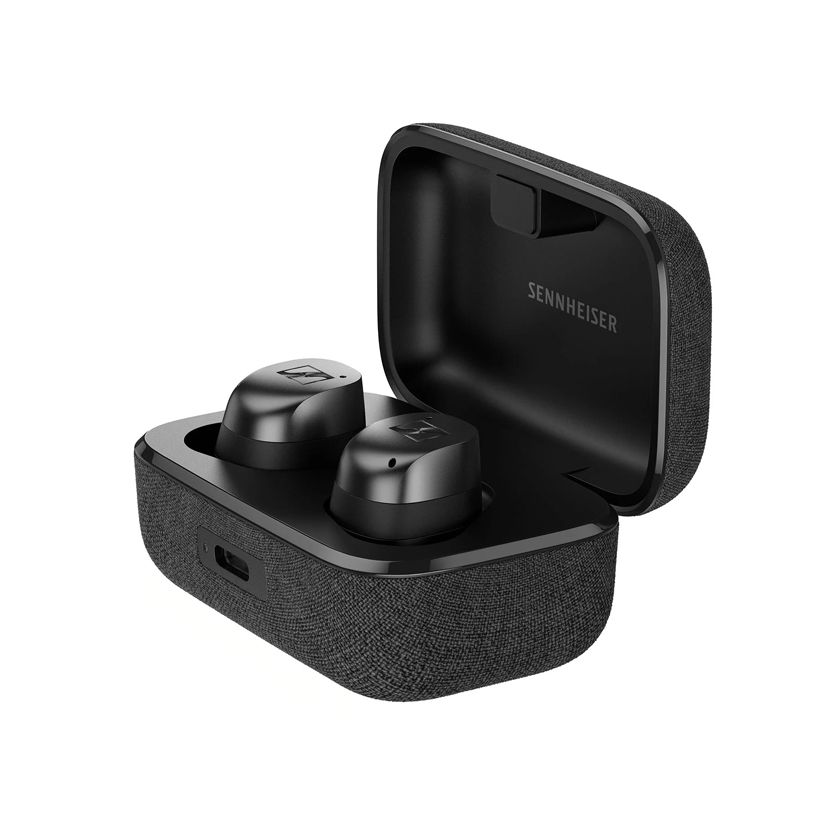
Sennheiser Momentum True Wireless 4 are wireless Bluetooth earbuds for those with aptX-compatible phones who enjoy balanced sound without excessive bass. The Sennheisers deliver natural, detailed sound with a decent soundstage. They feature sharp, natural bass and bright highs that can occasionally be intense on certain tracks. They also offer good ANC, excellent transparency, a good microphone, and an excellent app, controls, and battery life. If balanced sound is what you’re after, the Sennheiser Momentum True Wireless 4 are a great choice.
- Pleasant and engaging sound
- Sturdy and reliable build quality
- Top-tier transparency mode
- Transparency mode has background hiss and rustling noise.
- The bud-style design won’t fit everyone comfortably.
The final sound score is calculated using this formula:
Frequency balance + Detail retrieval + Soundstage + Natural timbre / 4 = Final Sound Score.
. 8.19 This is the best option for anyone looking for a balance between analytical sound and musicality. They are best suited for genres like classical, folk, blues, jazz, instrumentals, vocals, and so on. The sound quality has reached top-tier levels, brilliant even if not the absolute best. The earbuds have broken into the 8+ scoring league. Sennheiser has taken steps in the right direction compared to the 3rd version. After properly selecting ear tips and using the aptX Adaptive codec, you will get a sound you will truly enjoy.Learn more.
Microphone – We assess speech transmission quality by testing the microphone in two main scenarios: quiet and noisy environments.
Quiet environment – This involves recording indoors with minimal background noise. Noisy environment – This means recording outdoors near a six-lane road with maximum traffic noise.
. 8.00 In quiet environments: 9 In noisy environments: 7Overall feature score — this is the overall score for all device features. This score comes from individual feature ratings (battery life, controls, app, connection stability, and others) and shows how easy and smart the device is for daily use.
. 8.21 Active noise cancellation mostly suppresses low-frequency noise, accompanied by a comfortable transparency mode. Earbud battery life is 7.5 hours and 30 hours with the charging case. Touch controls handle 4 actions per earbud for managing the player and environment. The app is convenient, functional, and regularly updated.Learn more.
Final build quality score is the overall score for build quality and materials: comfort, durability, and design. It shows how nice the device is to hold and use, and how long it will last.
. 8.07 The earbuds are bulky, and the bud form factor will not suit everyone. Assembly and materials have zero complaints, and the construction is sturdy and reliable. They look good, without causing any particular excitement. Available in 4 colors.Learn more.
15. Soundpeats Capsule 3 Pro Plus 8.16Best Wireless Earbuds Under $80 — for Openness and Sound Detail
Drivers are the drivers in your headphones that are responsible for creating sound.
DD + PM + BA – means that there are several different types of drivers in these headphones.
DD – “Dynamic Driver” dynamic driver (deep bass, natural sound).
PM – “Planar Magnetic Driver” planar driver (wide soundstage and fast response).
BA – “Balanced Armature Driver” armature driver (accuracy and detail retrieval).
BC – “Bone Conduction Driver” or bone-conduction driver, which transmits vibration to the body of the headphones, transmitting sound through the bone/cartilage to the inner ear.
LDAC – high quality, high speed (Sony).
SBC is the basic Bluetooth standard, low quality.
AAC – Apple standard, good quality, low latency.
aptX – Qualcomm standard, good quality, low latency.
LC3/LC3plus – new Bluetooth LE Audio codecs, efficient compression.
Codecs are audio compression formats that affect sound quality and latency.
Headphone battery life is the playback time without recharging, measured in hours. Manufacturers measure without active noise cancellation (ANC), at medium volume (50-70%) and usually with the AAC codec, as these parameters affect battery consumption. Actual time may vary from 1% to 50%, depending on volume, active noise cancellation features enabled, codec (LDAC or other) and environmental conditions (cold, hot). It is important to consider not only the claimed playback time, but also the charging time and fast charging support.
Bluetooth is a wireless data transmission standard.
Support for new audio technologies.
Improved connection stability.
Reduced power consumption.
Soundpeats Capsule 3 Pro Plus are the best wireless earbuds under $80. Compared to the OnePlus Buds 3, they offer more detailed and balanced sound with less emphasis on low frequencies. Soundpeats provide rich, detailed audio with a deep bass foundation, distinct mids, and clear highs.
- Top-tier detail retrieval and soundstage width
- Deep bass
- Solid and reliable build quality
- Bright and harsh highs
- Fingerprint-prone finish
- Mediocre features and companion app
The final sound score is calculated using this formula:
Frequency balance + Detail retrieval + Soundstage + Natural timbre / 4 = Final Sound Score.
. 8.71 The headphones cover a wide frequency range and pull out top-tier detail. The sound immediately captivates with deep bass, expressive mids, and clean highs. You can separate primary and secondary parts, and subtle micro-details stay audible. The soundstage is wide with accurate instrument placement in space. The tuning leans moderately natural and bright, though the highs get fatiguing quickly.Learn more.
Microphone – We assess speech transmission quality by testing the microphone in two main scenarios: quiet and noisy environments.
Quiet environment – This involves recording indoors with minimal background noise. Noisy environment – This means recording outdoors near a six-lane road with maximum traffic noise.
. 7.50 In quiet conditions: 8 In noisy conditions: 7Overall feature score — this is the overall score for all device features. This score comes from individual feature ratings (battery life, controls, app, connection stability, and others) and shows how easy and smart the device is for daily use.
. 7.52 A weak point ofel earbuds. The active noise cancellation barely suppresses background noise, and the transparency mode is just barely usable. Touch controls support 4 actions for basic media playback and calls. The app is clumsy, with the only genuinely useful feature being a 10-band EQ.Read more.
Final build quality score is the overall score for build quality and materials: comfort, durability, and design. It shows how nice the device is to hold and use, and how long it will last.
. 7.73 The earbuds fit securely in larger ears using the included ear tips. Minor fatigue sets in after a couple of hours of use. The build of the earbuds and the case feels unibody, solid, and reliable. The finish is a fingerprint magnet and gets dirty quickly. The earbuds look nice, though I find the gold accents unnecessary.Read more.
16. Noble Audio Osprey 8.15Best TWS Earbuds — Bass-Heavy and Bright Sound
Drivers are the drivers in your headphones that are responsible for creating sound.
DD + PM + BA – means that there are several different types of drivers in these headphones.
DD – “Dynamic Driver” dynamic driver (deep bass, natural sound).
PM – “Planar Magnetic Driver” planar driver (wide soundstage and fast response).
BA – “Balanced Armature Driver” armature driver (accuracy and detail retrieval).
BC – “Bone Conduction Driver” or bone-conduction driver, which transmits vibration to the body of the headphones, transmitting sound through the bone/cartilage to the inner ear.
LDAC – high quality, high speed (Sony).
SBC is the basic Bluetooth standard, low quality.
AAC – Apple standard, good quality, low latency.
aptX – Qualcomm standard, good quality, low latency.
LC3/LC3plus – new Bluetooth LE Audio codecs, efficient compression.
Codecs are audio compression formats that affect sound quality and latency.
Headphone battery life is the playback time without recharging, measured in hours. Manufacturers measure without active noise cancellation (ANC), at medium volume (50-70%) and usually with the AAC codec, as these parameters affect battery consumption. Actual time may vary from 1% to 50%, depending on volume, active noise cancellation features enabled, codec (LDAC or other) and environmental conditions (cold, hot). It is important to consider not only the claimed playback time, but also the charging time and fast charging support.
Bluetooth is a wireless data transmission standard.
Support for new audio technologies.
Improved connection stability.
Reduced power consumption.
Noble Audio Osprey is a budget-friendly alternative to the popular Noble FoKus REX5, costing $200 instead of $450. While they share a similar look, the Osprey simplifies the sound experience with two drivers instead of five and lacks EQ and personal sound tuning. The sound difference is significant: the FoKus Osprey sounds like it’s worth its full price but falls short in frequency balance, detail retrieval, and soundstage. Comparing the two is like comparing airflow through a slightly open window versus a fully open one. The Osprey’s advantages are more emphasized bass and less harsh highs, making it a suitable option for great sound if the REX5 is out of budget. Functionality is average and feels like an afterthought, with the budget focused on sound and build.
- Moderately bright sound with deep bass.
- Sturdy and reliable construction.
- Stable signal with the LDAC codec.
- Functionality is average, featuring poor transparency and a companion app with little utility.
The final sound score is calculated using this formula:
Frequency balance + Detail retrieval + Soundstage + Natural timbre / 4 = Final Sound Score.
. 8.83 Dynamic – bass and percussion are emphasized without throwing things off balance. The exception is tracks packed with percussion like Oasis – Dont Go Away. In such tracks, you feel a “taste” of metallic sheen and minor fatigue. Additionally, the mid-range lacks transparency, which can be fine-tuned via the EQ or left as is. The soundstage feels noticeably smaller compared to the REX5. Otherwise, the sound is spacious, detailed, and natural. Just right for focused listening. Noble Audio Osprey confidently land in the silver league of MyChooz.Learn more.
Microphone – We assess speech transmission quality by testing the microphone in two main scenarios: quiet and noisy environments.
Quiet environment – This involves recording indoors with minimal background noise. Noisy environment – This means recording outdoors near a six-lane road with maximum traffic noise.
. 7.00 In quiet environments: 7 In noisy environments: 7Overall feature score — this is the overall score for all device features. This score comes from individual feature ratings (battery life, controls, app, connection stability, and others) and shows how easy and smart the device is for daily use.
. 7.23 Implemented as an afterthought. Among the nice aspects are signal stability and zero audio drops with LDAC quality preset at a distance of 1-2 m. Active noise cancellation works if you pick the right ear tips, and battery life is up to 9 hours with the AAC codec. Transparency mode is poorly suited for actual use, touch controls trigger every other time – usually when you don’t want them to, and the official app offers nothing useful.Learn more.
Final build quality score is the overall score for build quality and materials: comfort, durability, and design. It shows how nice the device is to hold and use, and how long it will last.
. 7.83 They feel sturdy and dependable in hand, and metal construction is uncommon for true wireless earbuds. Assembly, materials, and appearance entirely echo the REX5. They look good, though they lack any unique character. The earbuds are pleasant as long as you select the correct size and ear tips; otherwise, they won’t remain in place or you’ll always feel the need to reposition them.Learn more.
17. Bose QuietComfort Ultra Earbuds 8.10Best Wireless Earbuds with Noise Cancellation — for Sports
Drivers are the drivers in your headphones that are responsible for creating sound.
DD + PM + BA – means that there are several different types of drivers in these headphones.
DD – “Dynamic Driver” dynamic driver (deep bass, natural sound).
PM – “Planar Magnetic Driver” planar driver (wide soundstage and fast response).
BA – “Balanced Armature Driver” armature driver (accuracy and detail retrieval).
BC – “Bone Conduction Driver” or bone-conduction driver, which transmits vibration to the body of the headphones, transmitting sound through the bone/cartilage to the inner ear.
LDAC – high quality, high speed (Sony).
SBC is the basic Bluetooth standard, low quality.
AAC – Apple standard, good quality, low latency.
aptX – Qualcomm standard, good quality, low latency.
LC3/LC3plus – new Bluetooth LE Audio codecs, efficient compression.
Codecs are audio compression formats that affect sound quality and latency.
Headphone battery life is the playback time without recharging, measured in hours. Manufacturers measure without active noise cancellation (ANC), at medium volume (50-70%) and usually with the AAC codec, as these parameters affect battery consumption. Actual time may vary from 1% to 50%, depending on volume, active noise cancellation features enabled, codec (LDAC or other) and environmental conditions (cold, hot). It is important to consider not only the claimed playback time, but also the charging time and fast charging support.
Bluetooth is a wireless data transmission standard.
Support for new audio technologies.
Improved connection stability.
Reduced power consumption.
Bose QuietComfort Ultra Earbuds are the best noise-canceling earbuds of 2025 among in-ear TWS models and a benchmark on mychooz.com. Key reasons to buy include benchmark noise cancellation, pleasant bassy sound, a comfortable fit for sports, and the best spatial audio mode. Sound quality improves by up to 15% with the aptX Adaptive codec. Downsides: poor microphone noise cancellation and an inconvenient proprietary app.
- Reference-quality noise cancellation for true wireless earbuds
- Top-tier low-end sound
- Best spatial audio implementation
- Comfortable fit for running and workouts.
- Poor microphone noise cancellation
- Clunky companion app
- IPx4 dust and water resistance. No case protection.
The final sound score is calculated using this formula:
Frequency balance + Detail retrieval + Soundstage + Natural timbre / 4 = Final Sound Score.
. 8.26 The low-frequency response has a slight excess of bass and mids. If you want, you can tweak the sound using the proprietary EQ to get a comfortable profile for focused listening. Vocals and instruments come through clearly, without any noticeable artificiality or grain. The only downside is a somewhat congested soundstage, just a bit wider than your head. Otherwise, you get good detail in width and depth, with solid separation.Learn more.
Microphone – We assess speech transmission quality by testing the microphone in two main scenarios: quiet and noisy environments.
Quiet environment – This involves recording indoors with minimal background noise. Noisy environment – This means recording outdoors near a six-lane road with maximum traffic noise.
. 6.50 In quiet conditions: 9 In noisy conditions: 4 Each earbud packs 4 microphones and noise cancellation. In a quiet room, recordings come through detailed and clear, though with a slight echo. Put them to work in a noisy environment with a vacuum cleaner, and your voice becomes indistinguishable – the noise cancellation just doesn’t cut it. We’ll run a follow-up test near a road later.Overall feature score — this is the overall score for all device features. This score comes from individual feature ratings (battery life, controls, app, connection stability, and others) and shows how easy and smart the device is for daily use.
. 7.92 The earbuds feature reference-grade active noise cancellation, and the transparency mode matches the benchmark. Battery life is claimed at 6 hours, pushing to 24 hours with the charging case. The controls are convenient for basic playback management. The app is clunky, duplicating functions 2 to 3 times. Connection stability is solid, with aptX Adaptive experiencing rare stutters at a distance of 8-9 meters.Learn more.
Final build quality score is the overall score for build quality and materials: comfort, durability, and design. It shows how nice the device is to hold and use, and how long it will last.
. 8.00 The earbuds fit securely and won’t fall out during runs or workouts. After 2 to 3 hours of listening, minor fatigue sets in. The materials and build quality are flawless, though the coating picks up scuffs and gets dirty fast. They look fine, but they don’t spark much excitement.Learn more.
18. Anker SoundCore Liberty 4 Pro 8.04Wireless Earbuds for Android Phones — Most Bass-Heavy
Drivers are the drivers in your headphones that are responsible for creating sound.
DD + PM + BA – means that there are several different types of drivers in these headphones.
DD – “Dynamic Driver” dynamic driver (deep bass, natural sound).
PM – “Planar Magnetic Driver” planar driver (wide soundstage and fast response).
BA – “Balanced Armature Driver” armature driver (accuracy and detail retrieval).
BC – “Bone Conduction Driver” or bone-conduction driver, which transmits vibration to the body of the headphones, transmitting sound through the bone/cartilage to the inner ear.
LDAC – high quality, high speed (Sony).
SBC is the basic Bluetooth standard, low quality.
AAC – Apple standard, good quality, low latency.
aptX – Qualcomm standard, good quality, low latency.
LC3/LC3plus – new Bluetooth LE Audio codecs, efficient compression.
Codecs are audio compression formats that affect sound quality and latency.
Headphone battery life is the playback time without recharging, measured in hours. Manufacturers measure without active noise cancellation (ANC), at medium volume (50-70%) and usually with the AAC codec, as these parameters affect battery consumption. Actual time may vary from 1% to 50%, depending on volume, active noise cancellation features enabled, codec (LDAC or other) and environmental conditions (cold, hot). It is important to consider not only the claimed playback time, but also the charging time and fast charging support.
Bluetooth is a wireless data transmission standard.
Support for new audio technologies.
Improved connection stability.
Reduced power consumption.
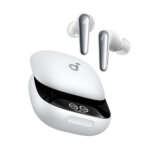
SoundCore Liberty 4 Pro are the best wireless earbuds for Android phones, particularly for their low-frequency sound. The main draw is pleasant bass, good noise cancellation and microphone performance in quiet settings, and a convenient charging case with a screen. Downsides: lack of detail and naturalness in the mids, the case screen offers limited information, and our unit experienced a 30% earbud battery degradation over a year.
- Pleasant low-frequency sound
- Top-tier microphone in a quiet environment
- Convenient screen on the charging case
- Over the year, battery capacity has dropped to 30%
- The mids and highs lack detail and naturalness.
- The screen on the charging case is not very informative
The final sound score is calculated using this formula:
Frequency balance + Detail retrieval + Soundstage + Natural timbre / 4 = Final Sound Score.
. 7.88 The sound heavily emphasizes the low frequencies, almost to the point of being overstuffed. Bass slightly overpowers the mids, and the overall sound lacks clarity. Highs are bright but lack expressiveness. You can still pick out the main and secondary elements, though. The sound is moderately natural, with some grain in the highs and boomy lows. The soundstage is a bit wider than your head, creating a false sense of spaciousness.Learn more.
Microphone – We assess speech transmission quality by testing the microphone in two main scenarios: quiet and noisy environments.
Quiet environment – This involves recording indoors with minimal background noise. Noisy environment – This means recording outdoors near a six-lane road with maximum traffic noise.
. 8.00 In quiet conditions: 9.5 In noisy conditions: 6.5 The SoundCore Liberty 4 Pro’s microphone works perfectly in quiet environments. However, in very noisy conditions, like near a busy road, its digital noise reduction cuts out a lot of words.Overall feature score — this is the overall score for all device features. This score comes from individual feature ratings (battery life, controls, app, connection stability, and others) and shows how easy and smart the device is for daily use.
. 8.33 Noise cancellation is well-suited for office and outdoor use, and transparency mode makes chatting while wearing the earbuds convenient. Battery life is up to 10 hours and 40 hours with the case. However, after 7 months of intermittent use for testing, earbud battery capacity dropped by up to 50% — giving 4-6 hours depending on the codec. Touch controls offer 5 actions per earbud, and you can adjust ambient sound via the case screen. The companion app features custom sound profiling, a voice assistant, and a translator that aren’t locked to the earbud brand.Learn more.
Final build quality score is the overall score for build quality and materials: comfort, durability, and design. It shows how nice the device is to hold and use, and how long it will last.
. 8.00 The headphones are comfortable, and I wore them for over three hours without any issues. Build quality and materials are top-notch, though the lid has a slight wobble. While the headphones themselves look pretty ordinary, the charging case is more attractive. They come in four colors.Learn more.
19. Sony WF-1000XM5 7.98Best Wireless Earbuds — for Noise Cancellation
Drivers are the drivers in your headphones that are responsible for creating sound.
DD + PM + BA – means that there are several different types of drivers in these headphones.
DD – “Dynamic Driver” dynamic driver (deep bass, natural sound).
PM – “Planar Magnetic Driver” planar driver (wide soundstage and fast response).
BA – “Balanced Armature Driver” armature driver (accuracy and detail retrieval).
BC – “Bone Conduction Driver” or bone-conduction driver, which transmits vibration to the body of the headphones, transmitting sound through the bone/cartilage to the inner ear.
LDAC – high quality, high speed (Sony).
SBC is the basic Bluetooth standard, low quality.
AAC – Apple standard, good quality, low latency.
aptX – Qualcomm standard, good quality, low latency.
LC3/LC3plus – new Bluetooth LE Audio codecs, efficient compression.
Codecs are audio compression formats that affect sound quality and latency.
Headphone battery life is the playback time without recharging, measured in hours. Manufacturers measure without active noise cancellation (ANC), at medium volume (50-70%) and usually with the AAC codec, as these parameters affect battery consumption. Actual time may vary from 1% to 50%, depending on volume, active noise cancellation features enabled, codec (LDAC or other) and environmental conditions (cold, hot). It is important to consider not only the claimed playback time, but also the charging time and fast charging support.
Bluetooth is a wireless data transmission standard.
Support for new audio technologies.
Improved connection stability.
Reduced power consumption.
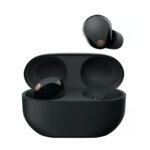
Sony WF-1000XM5 are the best wireless earbuds for noise cancellation in 2026, despite being released in 2023. They offer low-frequency sound with slightly recessed mids and lacking highs. The most significant downside is their uncomfortable build.
- Top-tier low-frequency sound
- Top-tier active noise cancellation and transparency mode
- Battery capacity hasn’t changed in 2 years
- Active noise cancellation doesn’t work as well if you don’t use the right ear tips
- The earbud form factor might not fit everyone
The final sound score is calculated using this formula:
Frequency balance + Detail retrieval + Soundstage + Natural timbre / 4 = Final Sound Score.
. 7.97 Low-frequency, moderately bright, full-bodied, and smooth. The low end takes center stage without bleeding into the mids and highs. The bass is well-controlled, pleasant, and velvety. Vocals are easy to follow without straining, sitting right on the surface in a natural, harmonious, and pleasant way. The treble lacks a bit in quantity. Detail retrieval is excellent, making every single instrument stand out clearly. The soundstage stretches wider than your head, and the sound feels natural with no digital grain or harshness.Learn more.
Microphone – We assess speech transmission quality by testing the microphone in two main scenarios: quiet and noisy environments.
Quiet environment – This involves recording indoors with minimal background noise. Noisy environment – This means recording outdoors near a six-lane road with maximum traffic noise.
. 7.00 In quiet environments: 8 In noisy environments: 6 Good, matching the performance of the Sony WF-1000XM4 with zero differences in sound.Overall feature score — this is the overall score for all device features. This score comes from individual feature ratings (battery life, controls, app, connection stability, and others) and shows how easy and smart the device is for daily use.
. 8.00 The active noise cancellation is top-tier, and with the right ear tips, these earbuds can rival the best. The transparency mode is convenient, making it comfortable to chat while wearing them. Battery life, considering the codec, lasted up to 10 hours in our tests, and 29 hours with the charging case. Controls are touch-based – 4 actions for the left earbud and 5 for the right. The app is packed with useful settings, though its menu structure is illogical and takes time to learn.Learn more.
Final build quality score is the overall score for build quality and materials: comfort, durability, and design. It shows how nice the device is to hold and use, and how long it will last.
. 8.00 These headphones are comfortable enough for a couple of hours of listening without any issues. Getting the right ear tips is key, since they’re responsible for keeping the buds secure. The build quality is solid, though the finish picks up fingerprints and scratches pretty easily. They look decent, if a bit understated, and come in three color options.Learn more.
20. Xiaomi Buds 5 Pro 7.57In-ear Earbuds with Noise Cancellation — Good for Android
Drivers are the drivers in your headphones that are responsible for creating sound.
DD + PM + BA – means that there are several different types of drivers in these headphones.
DD – “Dynamic Driver” dynamic driver (deep bass, natural sound).
PM – “Planar Magnetic Driver” planar driver (wide soundstage and fast response).
BA – “Balanced Armature Driver” armature driver (accuracy and detail retrieval).
BC – “Bone Conduction Driver” or bone-conduction driver, which transmits vibration to the body of the headphones, transmitting sound through the bone/cartilage to the inner ear.
LDAC – high quality, high speed (Sony).
SBC is the basic Bluetooth standard, low quality.
AAC – Apple standard, good quality, low latency.
aptX – Qualcomm standard, good quality, low latency.
LC3/LC3plus – new Bluetooth LE Audio codecs, efficient compression.
Codecs are audio compression formats that affect sound quality and latency.
Headphone battery life is the playback time without recharging, measured in hours. Manufacturers measure without active noise cancellation (ANC), at medium volume (50-70%) and usually with the AAC codec, as these parameters affect battery consumption. Actual time may vary from 1% to 50%, depending on volume, active noise cancellation features enabled, codec (LDAC or other) and environmental conditions (cold, hot). It is important to consider not only the claimed playback time, but also the charging time and fast charging support.
Bluetooth is a wireless data transmission standard.
Support for new audio technologies.
Improved connection stability.
Reduced power consumption.
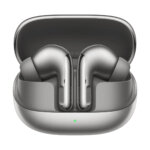
The main reason to buy: top-tier active noise cancellation, a top-tier microphone in quiet conditions, and a built-in voice recorder. Downsides: sound is slightly above average, and controls are inconvenient. The translator and increased bitrate only work on select Xiaomi phones. Additionally, the charging case feels cheaply made, worth about $20-25.
- Top-tier active noise cancellation
- Top-tier microphone in quiet conditions
- Built-in voice recorder
- Sound is slightly above average
- Uncomfortable controls
- The translator and some other features are exclusive to certain Xiaomi devices.
The final sound score is calculated using this formula:
Frequency balance + Detail retrieval + Soundstage + Natural timbre / 4 = Final Sound Score.
. 7.25 The headphones offer decent mids and highs, with naturalness and detail. The main sonic drawback is a strong emphasis on the low frequencies and a narrow soundstage, giving the sound a somewhat unnatural, bass-heavy tint. The EQ helps fix this somewhat.Learn more.
Microphone – We assess speech transmission quality by testing the microphone in two main scenarios: quiet and noisy environments.
Quiet environment – This involves recording indoors with minimal background noise. Noisy environment – This means recording outdoors near a six-lane road with maximum traffic noise.
. 7.75 In quiet conditions: 9 In noisy conditions: 6.5Overall feature score — this is the overall score for all device features. This score comes from individual feature ratings (battery life, controls, app, connection stability, and others) and shows how easy and smart the device is for daily use.
. 8.00 The active noise cancellation is top-tier, though it falls just a bit short of the absolute best. Transparency mode is less impressive, but you can still hold a conversation. In our tests, the earbuds lasted up to 8 hours and 48 minutes, with the charging case extending that to a total of 42 hours. The controls offer five actions per earbud, activated by squeezing the stem, which I found inconvenient. The companion app is refreshingly focused, offering useful features like a voice recorder without unnecessary clutter.Learn more.
Final build quality score is the overall score for build quality and materials: comfort, durability, and design. It shows how nice the device is to hold and use, and how long it will last.
. 7.73 The earbuds are comfortable with the included ear tips, though fatigue does set in after a couple of hours. Build quality and materials are flawless on the earbuds themselves. However, the charging case feels a bit flimsy, as if they skimped on materials there. The earbuds look good, but not particularly exciting.Learn more.
Which wireless earbuds are best to buy?
- Determine the use case and form factor Choose between over-ear, on-ear, or in-ear models based on your listening environment (home, office, sports, travel). The form factor directly impacts comfort, passive isolation, and ANC effectiveness.
- Check support for current codecs and Bluetooth version. For high-quality sound and low latency, look for LDAC, aptX Adaptive/LL, or LC3 (LE Audio). Older SBC/AAC codecs limit detail retrieval. Updated BT 5.3/5.4 enhances stability and reduces power consumption. Ensure your phone supports the chosen codec.
- Evaluate battery life and charging method Aim for at least 6–8 hours of playback for the earbuds themselves or 30 hours total with the charging case for TWS, and 20+ hours for over-ear headphones. Fast and wireless charging support saves time and reduces cable clutter.
- Compare ANC/transparency quality and smart features. Modern models offer adaptive noise cancellation, spatial audio, multipoint, and personalized EQ; verify all features are available in your app (iOS/Android).
- Match price with measured quality Rely on independent frequency response charts, THD, and latency data, not just marketing claims. Compare the cost against the feature set and real-world performance in review rankings to find the best “price/sound/comfort” balance and avoid overpaying.
