

This roundup of over-ear headphones includes the best wireless models according to Mychooz.com. These headphones feature wide and deep earcups, plus a headband adjustable across a wide range. The list includes models from various manufacturers: Edifier, Ugreen, 1More, SoundPEATS, EarFun, OneOdio, HAYLOU, and Hoco. These are the top over-ear headphones for sound quality, active noise cancellation, comfort, and ease of use.
The ranking of wireless over-ear headphones is weighted by: sound quality (50%), microphone quality (12.5%), noise cancellation and transparency quality (12.5%), controls, app, battery life (12.5%), and comfort, design, durability (12.5%). These are the main criteria for evaluating the best Bluetooth headphones. Wired headphones are evaluated based on sound quality, comfort, durability, and extra features. Learn more about how we assign scores. The cheapest over-ear Bluetooth headphones go for $18, while the most expensive are $78.
EMMA — Experts + Methodology + MyChoozers + Algorithm.
Every model goes through identical tests; the score is calculated automatically with fixed weights — a spot in the rating cannot be bought.
How to get high-resolution codecs in wireless headphones: LDAC, LHDC, aptX Adaptive, aptX Lossless, etc.?
Learn moreClever phone manufacturers like Huawei, Samsung, Realme, Apple, and others do everything they can to pull us into their ecosystem. When it comes to headphones, this manifests as a ‘proprietary’ codec, which is only available on a proprietary smartphone (usually the top-tier, meaning expensive) and offers additional functionality. It all boils down to a simple message: ‘Want maximum sound quality and maximum features? PAY!’ Huawei has L2HC 4.0, Samsung has SSC and SSC-UHQ. Among the more common ones, Realme, Oneplus, Oppo, and Xiaomi use LHDC 5.0.
If your headphones support the required codec, but your phone, tablet, or PC doesn’t, you can use a USB adapter. A device the size of a Bluetooth adapter connects to your phone or PC’s port. Then, your headphones connect to the adapter and receive the signal with the appropriate codec.
Which adapter to choose?
- QCC Dongle Pro2 – if you need it all at once. The adapter supports: LHDC 5.0, LDAC, aptX Adaptive, aptX HD, aptX Lossless; LE Audio and Auracast are declared.
- FiiO Air Link – a universal adapter, just cheaper. Codec support: SBC, aptX, aptX Low Latency, aptX HD, aptX Adaptive, LDAC, and aptX Lossless.
- 1Mii B03Pro – a desktop option with a transmitter and receiver. Supports: SBC, AAC, aptX, aptX HD, aptX LL, aptX Adaptive.
- UGREEN BT701 – a compact universal option. Codec support: Classic Bluetooth: SBC, aptX, aptX HD, aptX Adaptive-LL, aptX Adaptive-HQ. LE Audio: Auracast, Unicast-Low Latency, Unicast-Lossless.
- UGREEN BT501 – a simplified version of the BT701. Supports: SBC, aptX, aptX Low Latency, aptX HD, aptX Adaptive.
See our ranking for more details on USB adapters — Best Bluetooth Adapters for Computers and Headphones.
More details on the LDAC codec, relevant for all low-compression codecs: compatibility, real quality improvement, where the codec works, etc.
Learn moreThe LDAC codec was developed by Sony and is used in most of the manufacturer’s proprietary audio equipment.
Compatibility. The LDAC codec is the second most accessible audio codec on Android after AAC and SBC. With the LDAC codec, the sound is less compressed and more detailed, and the best sound quality is achieved with the ‘quality’ preset at a bitrate of 909/990 Kbps. The codec appeared in Android 8.0 and is supported by all phones and tablets, except for some models where the manufacturer has removed the codec from the system or the codec is hardware-locked. Therefore, in 99.9% of cases, an Android source is compatible with headphones that have the LDAC codec.
Impact on Sound, Expectation vs. Reality. Often, some potential owners of headphones with the LDAC codec mistakenly believe the codec’s presence guarantees high-quality sound. The formula ‘source with LDAC’ + ‘headphones with LDAC’ = ‘quality sound’ doesn’t always work. The codec acts as a ‘data packer,’ and the better the codec’s parameters, the fewer data losses during unpacking. The sound system plays a key role: type and number of drivers, driver design, DACs and amplifiers, acoustic design, and other hidden parameters – software and hardware. If any element in this system doesn’t work correctly – due to cost-saving components or design flaws – the codec’s efficiency decreases. How else could it be? If the sound system can’t handle it, the codec won’t help.
Where does the LDAC codec work? Usually, the codec doesn’t work in headphones under $50, or the quality improvement is minimal. A noticeable improvement is more often found in headphones priced at $100+.
The quality improvement, and don’t be surprised by this, is more often noticeable in mid-range models and above. This is because the lower the production cost, the more limitations there are. At the same time, a high price for headphones is not always an objective indicator of potential quality; there are models with cheap production and high markups. And this markup usually goes into the pockets of the company’s shareholders or is distributed among famous personalities from the music and film industries. Therefore, there are exceptions in models that are cheaper or more expensive.
Real Improvement with LDAC Codec. Based on our experience with tested headphones with different driver types and designs, the improvement ranges from 1-3% to 15-20%. This is an approximate value, as tests rely on hearing. I haven’t encountered any measurement devices for quality yet. At least, none that I’ve come across.
It’s important to understand two main points. First, with the LDAC codec, you get an improvement in detail retrieval. Naturalness doesn’t improve, nor does the soundstage. The sound balance also doesn’t change.
Second, the percentage improvement varies for each pair of headphones. A 15-20% improvement in headphones with an overall score of 5-6 out of 10 is nowhere near comparable to a 3-5% improvement in headphones scoring 8-9. Therefore, when you notice a significant improvement with the codec, it’s worth checking the overall sound score.
Which codec is better – LDAC or LHDC?
Learn moreLDAC is better in terms of availability, LHDC is better in terms of capabilities.
| Maximum bitrate | Up to 990 kbps | Up to 900 kbps (V 3/4), up to 1000 kbps (v5) |
| Maximum frequency / Bitrate | 24 bit / 96 kHz | 24 bit / 96 kHz (v3/v4), up to 24 bit / 192 kHz (v5) |
| Bitrate control | 330 / 660 / 990 kbps, adaptive bitrate – 330-990 kbps. | 400 / 500 / 900 / 1000 kbps, adaptive bitrate – 128-1000 kbps. |
| Audio latency | ~160–200 ms | ~200 ms (there is an LLAC / LHDC LL mode with low latency up to 30 ms |
| Integration into Android | Native support with Android 8.0+ | Basic structure in AOSP with Android 10, native support v5 with Android 17 |
| Lossless mode | No | LHDC 5.0 claims lossless |
The characteristics of both codecs are comparable, with more in favor of LHDC. More parameters are available for adjustment, higher sampling frequency, and there are switches for LHDC lossless and audio latency reduction.
However, LDAC is far ahead in terms of prevalence. The codec appeared on Android version 8.0+, so you don’t have to worry about compatibility. More headphones on the market support LDAC across various price categories. More USB adapters support LDAC. For comparison, there are only 2 USB adapters for LHDC, and only one works without issues. Although, in the future, LHDC may catch up to LDAC in prevalence and even surpass it. More flexible licensing and minimal royalty fees will quickly popularize the LHDC codec among manufacturers.
In terms of signal stability, both codecs are on the same level.
In terms of sound, both codecs provide the same quality, and you’ll have to listen closely to discern the difference. This is if the headphones support both LDAC and LHDC. Therefore, you should focus on the sound system first, and then the codec. More on codecs.
Which codec is better – aptX, aptX HD, aptX Adaptive, or aptX Lossless?
Learn moreComparative table of main codec parameters:
| Launch year | < 2009 | 2016 | 2018 | 2021 |
| Bitrate | 352 kbps | 576 kbps | 279–420 kbps (dynamic) | ~1.1–1.2 Mbps (dynamic, up to 860 kbps lossy + lossless layer) |
| Bit depth | 16-bit | 24-bit | 16 / 24-bit | 16 / 24-bit |
| Sampling frequency | 44.1 / 48 kHz | 44.1 / 48 kHz | 44.1 / 48 / 96 kHz | 44.1 / 48 / 96 kHz |
| Compression type | Lossy (4:1) | Lossy (4:1) | Lossy (5:1–10:1, adaptive) | Lossless CD (16/44.1) + lossy Hi-Res |
| Signal latency | ~150–200 ms | ~150–200 ms | ≈ 50–80 ms | ~80 ms |
| aptX Voice | No | No | Yes | Yes |
From the table, it’s not hard to understand that aptX Lossless is the best codec. However, aptX Lossless is not a standalone codec but an add-on for aptX Adaptive. There is no choice of sound quality parameters in Android settings, and aptX Lossless itself only activates under specific conditions:
- Support for Snapdragon Sound by both the phone and headphones.
- Clear airwaves – no Bluetooth or Wi-Fi interference.
- aptX Lossless option enabled – if such an option exists in the phone’s settings.
If the conditions are not met, and having only one SoC with aptX Lossless support is insufficient, then the audio is transmitted via the aptX Adaptive codec. The aptX Adaptive codec also activates in the presence of interference. Often, neighboring Wi-Fi networks in apartment buildings are enough.
More on audio codecs.
TOP-13: Best Over-Ear Headphones Under $100 – Ranking (2026):
1. 1MORE Sonoflow Pro HQ51 7.69Best Over-Ear Headphones Under $100
Drivers are the drivers in your headphones that are responsible for creating sound.
DD + PM + BA – means that there are several different types of drivers in these headphones.
DD – “Dynamic Driver” dynamic driver (deep bass, natural sound).
PM – “Planar Magnetic Driver” planar driver (wide soundstage and fast response).
BA – “Balanced Armature Driver” armature driver (accuracy and detail retrieval).
BC – “Bone Conduction Driver” or bone-conduction driver, which transmits vibration to the body of the headphones, transmitting sound through the bone/cartilage to the inner ear.
LDAC – high quality, high speed (Sony).
SBC is the basic Bluetooth standard, low quality.
AAC – Apple standard, good quality, low latency.
aptX – Qualcomm standard, good quality, low latency.
LC3/LC3plus – new Bluetooth LE Audio codecs, efficient compression.
Codecs are audio compression formats that affect sound quality and latency.
Headphone battery life is the playback time without recharging, measured in hours. Manufacturers measure without active noise cancellation (ANC), at medium volume (50-70%) and usually with the AAC codec, as these parameters affect battery consumption. Actual time may vary from 1% to 50%, depending on volume, active noise cancellation features enabled, codec (LDAC or other) and environmental conditions (cold, hot). It is important to consider not only the claimed playback time, but also the charging time and fast charging support.
Bluetooth is a wireless data transmission standard.
Support for new audio technologies.
Improved connection stability.
Reduced power consumption.
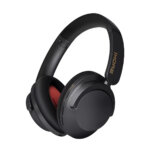
1More SonoFlow Pro – the best over-ear headphones in 2026 under $100. It stands out for its superior sound among over-ear models under $100, with a bass bias and 100 hours of battery life. The SonoFlow Pro HQ51 is essentially the Realme Buds Air 7 Pro, but for the over-ear market. And with the LDAC codec, you get up to 20% better quality compared to AAC. Don’t confuse these with the 1MORE Sonoflow headphones released in 2022; this model usually has the HQ51 prefix and is from 2024.
- Best sound under $100
- Best noise cancellation under $100
- Long battery life up to 100 h.
- Holds securely on the head – suitable for running
- Wired audio only via 2.5/3.5 mm jack.
- No dust and water resistance.
- Minor cons: outdated app design, LDAC bitrate does not noticeably impact quality
The final sound score is calculated using this formula:
Frequency balance + Detail retrieval + Soundstage + Natural timbre / 4 = Final Sound Score.
. 7.28 Leaning toward the low end. Bass is powerful, punchy, and moderately textured. There is a slight mid-range setback, and a veil sits between you and the vocalist. Treble can sometimes feel lacking, but nothing critical. Frequency balance-wise, the model is pleasant, though I recommend tuning the EQ in the companion app to boost the mids and highs, and dial back the bass to taste. The main highlight of the sound, in my view, is that you feel depth and space. It is a 3D image, wide and deep. The sound is not boring and very engaging; you just want to keep listening to your favorite music.Read more.
Microphone – We assess speech transmission quality by testing the microphone in two main scenarios: quiet and noisy environments.
Quiet environment – This involves recording indoors with minimal background noise. Noisy environment – This means recording outdoors near a six-lane road with maximum traffic noise.
. 7.20 In quiet conditions: 7.4 In noisy conditions: 7Read more.
Overall feature score — this is the overall score for all device features. This score comes from individual feature ratings (battery life, controls, app, connection stability, and others) and shows how easy and smart the device is for daily use.
. 7.83 Good-quality microphone. ANC is not top-tier like Bose or Sony, but it deserves a 7.8 out of 10. It suppresses lows well, mids slightly worse, and highs even worse. Transparency scores a 7. Not super, but you won’t need to take off the headphones to talk. Battery life is 100 hours. No wireless charging. Controls are convenient, though button-based and requiring some getting used to. That actually pleased me, since touch controls on budget gear are often just bad. The layout is as follows. In the companion app, you can tweak the EQ, enable the LDAC codec for Android, and turn on low latency mode for gaming.Read more.
Final build quality score is the overall score for build quality and materials: comfort, durability, and design. It shows how nice the device is to hold and use, and how long it will last.
. 8.50 The earbuds are comfortable, lasting 1-2 hours without discomfort. Available in 5 colors. Matte plastic. Decent build, with no obvious defects found during a month of testing. The design is styled after older Sony models, which is an acquired taste, but nothing off-putting.Read more.
2. CMF Headphone Pro 7.57TOP Wireless Headphones for Control Convenience Under $200
Drivers are the drivers in your headphones that are responsible for creating sound.
DD + PM + BA – means that there are several different types of drivers in these headphones.
DD – “Dynamic Driver” dynamic driver (deep bass, natural sound).
PM – “Planar Magnetic Driver” planar driver (wide soundstage and fast response).
BA – “Balanced Armature Driver” armature driver (accuracy and detail retrieval).
BC – “Bone Conduction Driver” or bone-conduction driver, which transmits vibration to the body of the headphones, transmitting sound through the bone/cartilage to the inner ear.
LDAC – high quality, high speed (Sony).
SBC is the basic Bluetooth standard, low quality.
AAC – Apple standard, good quality, low latency.
aptX – Qualcomm standard, good quality, low latency.
LC3/LC3plus – new Bluetooth LE Audio codecs, efficient compression.
Codecs are audio compression formats that affect sound quality and latency.
Headphone battery life is the playback time without recharging, measured in hours. Manufacturers measure without active noise cancellation (ANC), at medium volume (50-70%) and usually with the AAC codec, as these parameters affect battery consumption. Actual time may vary from 1% to 50%, depending on volume, active noise cancellation features enabled, codec (LDAC or other) and environmental conditions (cold, hot). It is important to consider not only the claimed playback time, but also the charging time and fast charging support.
Bluetooth is a wireless data transmission standard.
Support for new audio technologies.
Improved connection stability.
Reduced power consumption.

It offers immersive sound and convenient adjustment of low or high frequencies with a slider, controls on par with the reference Nothing Headphone (1), a good transparency mode, and up to 100 hours of battery life. Downsides include average microphone quality and active noise cancellation, plus excessive bass out of the box.
- Reference-quality controls among over-ear models
- Convenient sound tuning via slider
- Top-tier transparency mode
- Average microphone
- Excessive bass out of the box
The final sound score is calculated using this formula:
Frequency balance + Detail retrieval + Soundstage + Natural timbre / 4 = Final Sound Score.
. 7.25 The sound is excessively low-frequency with muffled mids and subdued highs, which quickly becomes fatiguing. However, the soundstage is spacious, quite detailed, and natural. Moreover, the headphones respond well to EQ adjustments. Simply lower the bass or boost the highs. The dynamic slider on the left earcup helps.Learn more.
Microphone – We assess speech transmission quality by testing the microphone in two main scenarios: quiet and noisy environments.
Quiet environment – This involves recording indoors with minimal background noise. Noisy environment – This means recording outdoors near a six-lane road with maximum traffic noise.
. 5.75 In quiet conditions: 6.5 In noisy conditions: 5 In quiet conditions, the voice sounds muffled with excessive reverberation. Artifacts resembling an echo are audible. In noisy conditions, the voice is muted while background noise remains distinct and audible. These headphones are not well-suited for calls.Overall feature score — this is the overall score for all device features. This score comes from individual feature ratings (battery life, controls, app, connection stability, and others) and shows how easy and smart the device is for daily use.
. 7.47 Active noise cancellation is enough to muffle light background noise, with passive isolation doing most of the blocking. Transparency mode is comfortable, allowing you to converse freely while wearing the headphones. Battery life matches the manufacturer’s claims and even exceeds them slightly in our tests, reaching 77 hours instead of 70 hours over LDAC. Control performance is top-tierRead more.
Final build quality score is the overall score for build quality and materials: comfort, durability, and design. It shows how nice the device is to hold and use, and how long it will last.
. 8.50 Comfortable, though there is a slight discomfort for the first 20 minutes, after which you get used to them. No complaints about build quality and materials, and the construction feels solid. The only drawback is the fingerprint-prone glossy plastic finish. The headphones look stylish and come in 3 colors. You can optionally buy ear pads in another color and swap them on the go.Read more.
3. Ugreen Studio Pro 7.37Best Over-Ear Wireless Headphones – Best Budget Sound
Drivers are the drivers in your headphones that are responsible for creating sound.
DD + PM + BA – means that there are several different types of drivers in these headphones.
DD – “Dynamic Driver” dynamic driver (deep bass, natural sound).
PM – “Planar Magnetic Driver” planar driver (wide soundstage and fast response).
BA – “Balanced Armature Driver” armature driver (accuracy and detail retrieval).
BC – “Bone Conduction Driver” or bone-conduction driver, which transmits vibration to the body of the headphones, transmitting sound through the bone/cartilage to the inner ear.
LDAC – high quality, high speed (Sony).
SBC is the basic Bluetooth standard, low quality.
AAC – Apple standard, good quality, low latency.
aptX – Qualcomm standard, good quality, low latency.
LC3/LC3plus – new Bluetooth LE Audio codecs, efficient compression.
Codecs are audio compression formats that affect sound quality and latency.
Headphone battery life is the playback time without recharging, measured in hours. Manufacturers measure without active noise cancellation (ANC), at medium volume (50-70%) and usually with the AAC codec, as these parameters affect battery consumption. Actual time may vary from 1% to 50%, depending on volume, active noise cancellation features enabled, codec (LDAC or other) and environmental conditions (cold, hot). It is important to consider not only the claimed playback time, but also the charging time and fast charging support.
Bluetooth is a wireless data transmission standard.
Support for new audio technologies.
Improved connection stability.
Reduced power consumption.
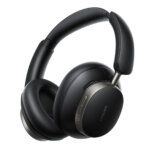
Ugreen Studio Pro – the best budget over-ear headphones, often found for up to $30-35 on AliExpress sales. It offers up to 120 hours of battery life and the best sound under $70-80 after EQ tuning; check our full review for settings. With the LDAC codec, you get up to 10-15% better sound.
- Best sound under $70-80 with EQ tuning
- Reference-level battery life – up to 120 hours of playback
- Ear cups press against the ears
- Companion app has bugs and requires manual installation
The final sound score is calculated using this formula:
Frequency balance + Detail retrieval + Soundstage + Natural timbre / 4 = Final Sound Score.
. 7.13 These headphones deliver great sound that easily tops budget models, matching your EQ adjustments. The main highlight is the detailed mid-range, offering clear vocals and instruments alongside strong detail retrieval that outperforms some models under $70. The primary sound drawback is naturalness, as the presentation feels slightly unnatural with mild artificial timbre and grain. The Ugreen Studio Pro makes the best pick for anyone seeking all-around headphones across various genres, turning this into an absolute hit among budget models under $40 given the price.Read more.
Microphone – We assess speech transmission quality by testing the microphone in two main scenarios: quiet and noisy environments.
Quiet environment – This involves recording indoors with minimal background noise. Noisy environment – This means recording outdoors near a six-lane road with maximum traffic noise.
. 7.50 In quiet conditions: 8 In noisy conditions: 7Read more.
Overall feature score — this is the overall score for all device features. This score comes from individual feature ratings (battery life, controls, app, connection stability, and others) and shows how easy and smart the device is for daily use.
. 7.46 The feature set is decent, highlighted most by a battery life reaching up to 120 hours, alongside functional active noise cancellation, an average microphone, and a mediocre companion app packed with flaws.Read more.
Final build quality score is the overall score for build quality and materials: comfort, durability, and design. It shows how nice the device is to hold and use, and how long it will last.
. 7.83 No complaints about build quality and materials, though the ear cups clamp a bit too tightly.Read more.
4. UGREEN HiTune Max5c 7.05Best Cheap Large Headphones Under $30
Drivers are the drivers in your headphones that are responsible for creating sound.
DD + PM + BA – means that there are several different types of drivers in these headphones.
DD – “Dynamic Driver” dynamic driver (deep bass, natural sound).
PM – “Planar Magnetic Driver” planar driver (wide soundstage and fast response).
BA – “Balanced Armature Driver” armature driver (accuracy and detail retrieval).
BC – “Bone Conduction Driver” or bone-conduction driver, which transmits vibration to the body of the headphones, transmitting sound through the bone/cartilage to the inner ear.
LDAC – high quality, high speed (Sony).
SBC is the basic Bluetooth standard, low quality.
AAC – Apple standard, good quality, low latency.
aptX – Qualcomm standard, good quality, low latency.
LC3/LC3plus – new Bluetooth LE Audio codecs, efficient compression.
Codecs are audio compression formats that affect sound quality and latency.
Headphone battery life is the playback time without recharging, measured in hours. Manufacturers measure without active noise cancellation (ANC), at medium volume (50-70%) and usually with the AAC codec, as these parameters affect battery consumption. Actual time may vary from 1% to 50%, depending on volume, active noise cancellation features enabled, codec (LDAC or other) and environmental conditions (cold, hot). It is important to consider not only the claimed playback time, but also the charging time and fast charging support.
Bluetooth is a wireless data transmission standard.
Support for new audio technologies.
Improved connection stability.
Reduced power consumption.
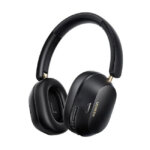
UGREEN HiTune Max5c – the best cheap large headphones under $30 among all models. It boasts excellent mids and pleasant highs, offering the best naturalness and detail retrieval among budget models. Wired audio transmission via USB-C is available without loss of sound quality. And with the LDAC codec, you get up to 15% improvement in sound quality. The main drawback of the model is excessive bass out of the box.
5. Edifier ES850NB 7.04Excellent Budget Large Headphones – with Balanced Sound
Drivers are the drivers in your headphones that are responsible for creating sound.
DD + PM + BA – means that there are several different types of drivers in these headphones.
DD – “Dynamic Driver” dynamic driver (deep bass, natural sound).
PM – “Planar Magnetic Driver” planar driver (wide soundstage and fast response).
BA – “Balanced Armature Driver” armature driver (accuracy and detail retrieval).
BC – “Bone Conduction Driver” or bone-conduction driver, which transmits vibration to the body of the headphones, transmitting sound through the bone/cartilage to the inner ear.
LDAC – high quality, high speed (Sony).
SBC is the basic Bluetooth standard, low quality.
AAC – Apple standard, good quality, low latency.
aptX – Qualcomm standard, good quality, low latency.
LC3/LC3plus – new Bluetooth LE Audio codecs, efficient compression.
Codecs are audio compression formats that affect sound quality and latency.
Headphone battery life is the playback time without recharging, measured in hours. Manufacturers measure without active noise cancellation (ANC), at medium volume (50-70%) and usually with the AAC codec, as these parameters affect battery consumption. Actual time may vary from 1% to 50%, depending on volume, active noise cancellation features enabled, codec (LDAC or other) and environmental conditions (cold, hot). It is important to consider not only the claimed playback time, but also the charging time and fast charging support.
Bluetooth is a wireless data transmission standard.
Support for new audio technologies.
Improved connection stability.
Reduced power consumption.
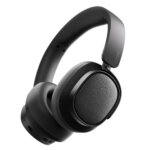
Edifier ES850NB – excellent budget headphones with a good balance of sound and features. It offers good bass sound, 90 hours of battery life, and noise cancellation that’s slightly inferior to the 1More SonoFlow Pro. With the LDAC codec, the quality improvement is up to 15-20% compared to AAC.
- Suitable for daily listening with the EQ
- Quality active noise cancellation
- Convenient and useful companion app
- Ear cups press hard against the ears
- Aggressive microphone noise cancellation
- Minor flaws: useless spatial audio, 4-band proprietary EQ
The final sound score is calculated using this formula:
Frequency balance + Detail retrieval + Soundstage + Natural timbre / 4 = Final Sound Score.
. 7.00 Out of the box, the sound is good for casual background listening. At the same time, the sound is boring and gets tiring quickly. You’ll immediately want to dive into the EQ and tweak the sound. The main highlight of the sound is naturalness, lows, and mids. Bass is decently detailed. Vocals are clear and recognizable, and the vocalist sounds like they are in the same room. In some tracks, vocals come across as if coming from the corner of the room. There is some synthetic coloration in the sound, though not critically so. The main drawbacks are the soundstage and detail retrieval. The sound feels localized inside the head without scale and space. Lacks airiness and detail, feeling as though you’re listening behind a closed door.Learn more.
Microphone – We assess speech transmission quality by testing the microphone in two main scenarios: quiet and noisy environments.
Quiet environment – This involves recording indoors with minimal background noise. Noisy environment – This means recording outdoors near a six-lane road with maximum traffic noise.
. 5.50 In quiet conditions: 7 In noisy conditions: 4Learn more.
Overall feature score — this is the overall score for all device features. This score comes from individual feature ratings (battery life, controls, app, connection stability, and others) and shows how easy and smart the device is for daily use.
. 7.08 The microphone is good, but in noisy environments, noise processing is aggressive and some words are muffled. Noise cancellation and transparency are slightly inferior to the 1MORE Sonoflow. The headphone controls are convenient. There is a quick conversation mode; you can turn on transparency by placing your hand on the back of the right ear cup. The app is user-friendly, and battery life is up to 92 hours.Learn more.
Final build quality score is the overall score for build quality and materials: comfort, durability, and design. It shows how nice the device is to hold and use, and how long it will last.
. 7.07 Build quality and materials without flaws. The fit is good, except the ear cups squeeze a bit. 4 colors to choose from.Learn more.
6. HAYLOU S40 6.85Over-Ear Closed-Back Bluetooth Headphones – for PC and Phone
Drivers are the drivers in your headphones that are responsible for creating sound.
DD + PM + BA – means that there are several different types of drivers in these headphones.
DD – “Dynamic Driver” dynamic driver (deep bass, natural sound).
PM – “Planar Magnetic Driver” planar driver (wide soundstage and fast response).
BA – “Balanced Armature Driver” armature driver (accuracy and detail retrieval).
BC – “Bone Conduction Driver” or bone-conduction driver, which transmits vibration to the body of the headphones, transmitting sound through the bone/cartilage to the inner ear.
LDAC – high quality, high speed (Sony).
SBC is the basic Bluetooth standard, low quality.
AAC – Apple standard, good quality, low latency.
aptX – Qualcomm standard, good quality, low latency.
LC3/LC3plus – new Bluetooth LE Audio codecs, efficient compression.
Codecs are audio compression formats that affect sound quality and latency.
Headphone battery life is the playback time without recharging, measured in hours. Manufacturers measure without active noise cancellation (ANC), at medium volume (50-70%) and usually with the AAC codec, as these parameters affect battery consumption. Actual time may vary from 1% to 50%, depending on volume, active noise cancellation features enabled, codec (LDAC or other) and environmental conditions (cold, hot). It is important to consider not only the claimed playback time, but also the charging time and fast charging support.
Bluetooth is a wireless data transmission standard.
Support for new audio technologies.
Improved connection stability.
Reduced power consumption.
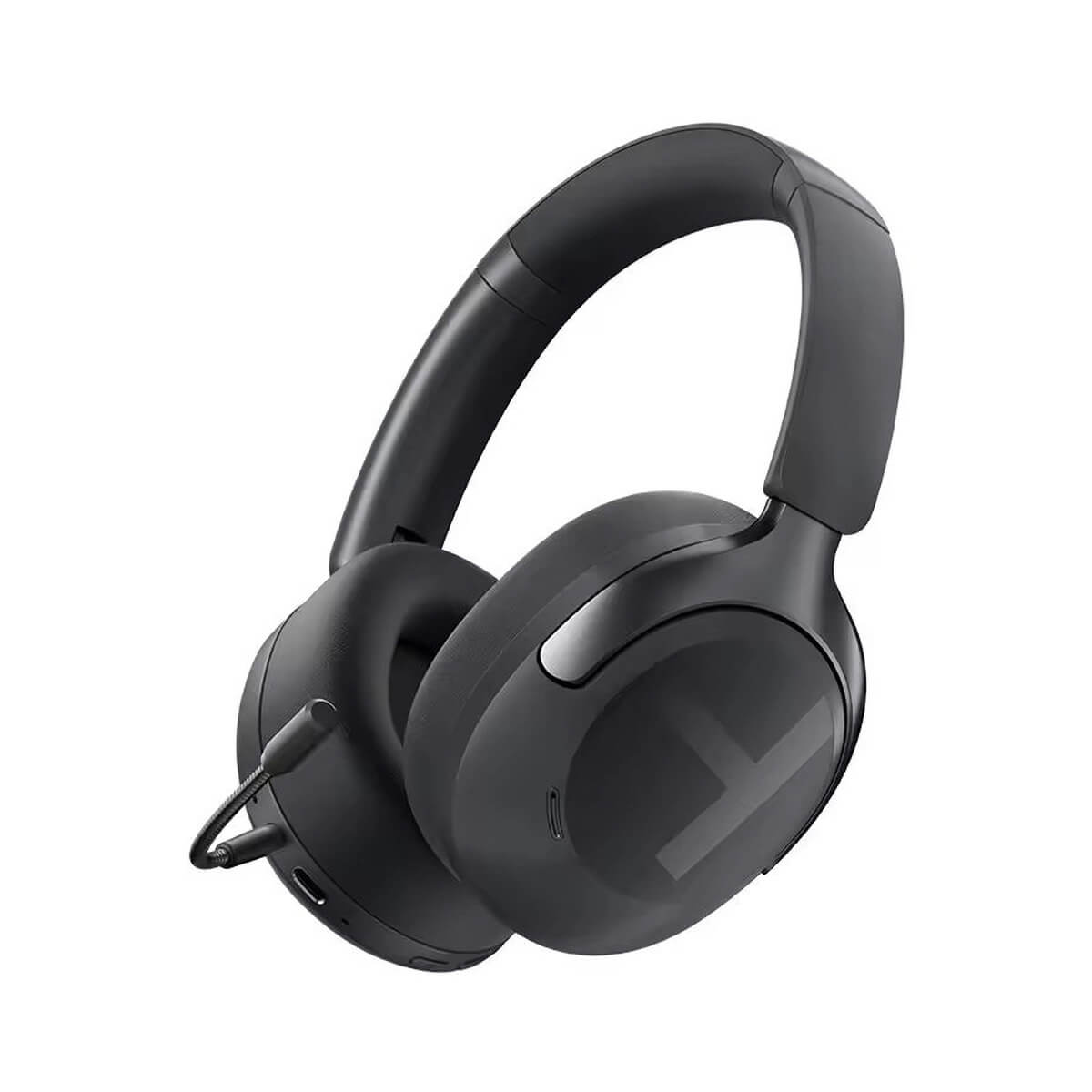
HAYLOU S40 – closed-back Bluetooth over-ear headphones with an external microphone and Bluetooth 6.0. These headphones resemble the Ugreen Studio Pro but with enhanced noise cancellation, ranking #2 in noise cancellation quality under $100. With the LDAC codec, you get up to 15-20% quality improvement. It’s important to tune the EQ; recommendations are in the review.
- #2 for noise cancellation under $100
- Sound tuning potential via EQ
- Optional external boom microphone
- Boxy sound without EQ
- Useless companion app
The final sound score is calculated using this formula:
Frequency balance + Detail retrieval + Soundstage + Natural timbre / 4 = Final Sound Score.
. 6.58 Out of the box, the sound is muffled and muddy. At the same time, the headphones have great potential for EQ tuning. Tuning in the full review improves detail retrieval and sonic clarity. The muffled quality clears up, and background instruments become easier to hear.Read more.
Microphone – We assess speech transmission quality by testing the microphone in two main scenarios: quiet and noisy environments.
Quiet environment – This involves recording indoors with minimal background noise. Noisy environment – This means recording outdoors near a six-lane road with maximum traffic noise.
. 5.50 In quiet conditions: 7 In noisy conditions: 4 Recording is better with the boom mic.Learn more.
Overall feature score — this is the overall score for all device features. This score comes from individual feature ratings (battery life, controls, app, connection stability, and others) and shows how easy and smart the device is for daily use.
. 6.79 Active noise cancellation is a strong suit of these headphones. It matches the top models in this ranking. Transparency mode is average, allowing you to hold a conversation while wearing the headphones. Plus, there is a quick transparency mode if you place your hand on the back of the right earcup. The microphone is good, though unpleasant clicks can occur, and speech is harder to understand in noisy conditions. The quality of the external microphone is slightly better. The weakest aspect of the features is the companion app: clunky, poorly translated, and minimally useful.Learn more.
Final build quality score is the overall score for build quality and materials: comfort, durability, and design. It shows how nice the device is to hold and use, and how long it will last.
. 7.60 Build quality and materials are good. The fit is good with light clamping force on the earcups, making you want to take a break after about an hour.Learn more.
7. Kiwi Ears Ardor 6.83Battery Life, Comfort, and V-Shaped Sound for $69.99
Drivers are the drivers in your headphones that are responsible for creating sound.
DD + PM + BA – means that there are several different types of drivers in these headphones.
DD – “Dynamic Driver” dynamic driver (deep bass, natural sound).
PM – “Planar Magnetic Driver” planar driver (wide soundstage and fast response).
BA – “Balanced Armature Driver” armature driver (accuracy and detail retrieval).
BC – “Bone Conduction Driver” or bone-conduction driver, which transmits vibration to the body of the headphones, transmitting sound through the bone/cartilage to the inner ear.
LDAC – high quality, high speed (Sony).
SBC is the basic Bluetooth standard, low quality.
AAC – Apple standard, good quality, low latency.
aptX – Qualcomm standard, good quality, low latency.
LC3/LC3plus – new Bluetooth LE Audio codecs, efficient compression.
Codecs are audio compression formats that affect sound quality and latency.
Headphone battery life is the playback time without recharging, measured in hours. Manufacturers measure without active noise cancellation (ANC), at medium volume (50-70%) and usually with the AAC codec, as these parameters affect battery consumption. Actual time may vary from 1% to 50%, depending on volume, active noise cancellation features enabled, codec (LDAC or other) and environmental conditions (cold, hot). It is important to consider not only the claimed playback time, but also the charging time and fast charging support.
Bluetooth is a wireless data transmission standard.
Support for new audio technologies.
Improved connection stability.
Reduced power consumption.
The Kiwi Ears Ardor uses a dual dynamic driver system—40mm + 10mm: the main driver handles bass and foundation, while the secondary driver handles mids and treble. Connectivity is via Bluetooth 5.4 with SBC and AAC support—no Hi-Res codecs, but it does have multipoint mode for simultaneous connection to two devices. Wired mode via 3.5mm is also available. The sound is exactly as I expected: no surprises. It’s typical mass-market tuning—with emphasized lows, weakened mids, and smoothed treble. Formally, everything is in place, but in practice, the sound is congested, lacking attack, punch, and dynamic flair.
Alternative to Kiwi Ears Aventus – watch the review. Aggressive Bass, Effective Noise Cancellation, and Brutal Design for $49.49
- Battery life
- Comfort
- Congested sound
The final sound score is calculated using this formula:
Frequency balance + Detail retrieval + Soundstage + Natural timbre / 4 = Final Sound Score.
. 6.46 The sound is warm, but in complex tracks, smearing quickly emerges: transient response is almost absent, and dynamic range is limited.The primary advantage of the sound is typical mass-market tuning: some might enjoy the “boombox effect” for background and casual listening, plus a comfortable fit that allows for long listening sessions without fatigue. The primary disadvantage of the sound is congestion and smeared low frequencies, lack of air and dynamics, which reduces realism and engagement.
Learn more.
Microphone – We assess speech transmission quality by testing the microphone in two main scenarios: quiet and noisy environments.
Quiet environment – This involves recording indoors with minimal background noise. Noisy environment – This means recording outdoors near a six-lane road with maximum traffic noise.
. 7.25 In quiet conditions: 7.5 In noisy conditions: 7Overall feature score — this is the overall score for all device features. This score comes from individual feature ratings (battery life, controls, app, connection stability, and others) and shows how easy and smart the device is for daily use.
. 6.83 Noise cancellation confidently cuts off low-frequency transport hum and background noise, but mids/highs remain partially audible, and transparency works, but not ideally for conversations while music is playing. Battery life is up to ~140 h without ANC and about ~72 h with ANC, with fast charging support. Controls are reliable push-button ones: physical buttons avoid accidental touches. There is no app, no EQ is provided, and there is a gaming mode, but its latency-reducing effect is not noticeable in all scenarios.Learn more.
Final build quality score is the overall score for build quality and materials: comfort, durability, and design. It shows how nice the device is to hold and use, and how long it will last.
. 7.77 For an over-ear model, weight is critical, and here the Ardor wins — just 325 g is virtually unnoticeable on the head. Clamping force is soft, causing no discomfort even after 3 hours, but dense eco-leather ear pads quickly heat up the ears due to a lack of ventilation. The body is entirely made of matte plastic: it doesn’t squeak, but feels budget. The build is neat, and the foldable design makes them convenient to carry, though the hinges require careful handling.Learn more.
8. Edifier W830NB 6.81Best Over-Ear Wireless Headphones 2026 Under $60 – with the Best Balanced Sound
Drivers are the drivers in your headphones that are responsible for creating sound.
DD + PM + BA – means that there are several different types of drivers in these headphones.
DD – “Dynamic Driver” dynamic driver (deep bass, natural sound).
PM – “Planar Magnetic Driver” planar driver (wide soundstage and fast response).
BA – “Balanced Armature Driver” armature driver (accuracy and detail retrieval).
BC – “Bone Conduction Driver” or bone-conduction driver, which transmits vibration to the body of the headphones, transmitting sound through the bone/cartilage to the inner ear.
LDAC – high quality, high speed (Sony).
SBC is the basic Bluetooth standard, low quality.
AAC – Apple standard, good quality, low latency.
aptX – Qualcomm standard, good quality, low latency.
LC3/LC3plus – new Bluetooth LE Audio codecs, efficient compression.
Codecs are audio compression formats that affect sound quality and latency.
Headphone battery life is the playback time without recharging, measured in hours. Manufacturers measure without active noise cancellation (ANC), at medium volume (50-70%) and usually with the AAC codec, as these parameters affect battery consumption. Actual time may vary from 1% to 50%, depending on volume, active noise cancellation features enabled, codec (LDAC or other) and environmental conditions (cold, hot). It is important to consider not only the claimed playback time, but also the charging time and fast charging support.
Bluetooth is a wireless data transmission standard.
Support for new audio technologies.
Improved connection stability.
Reduced power consumption.
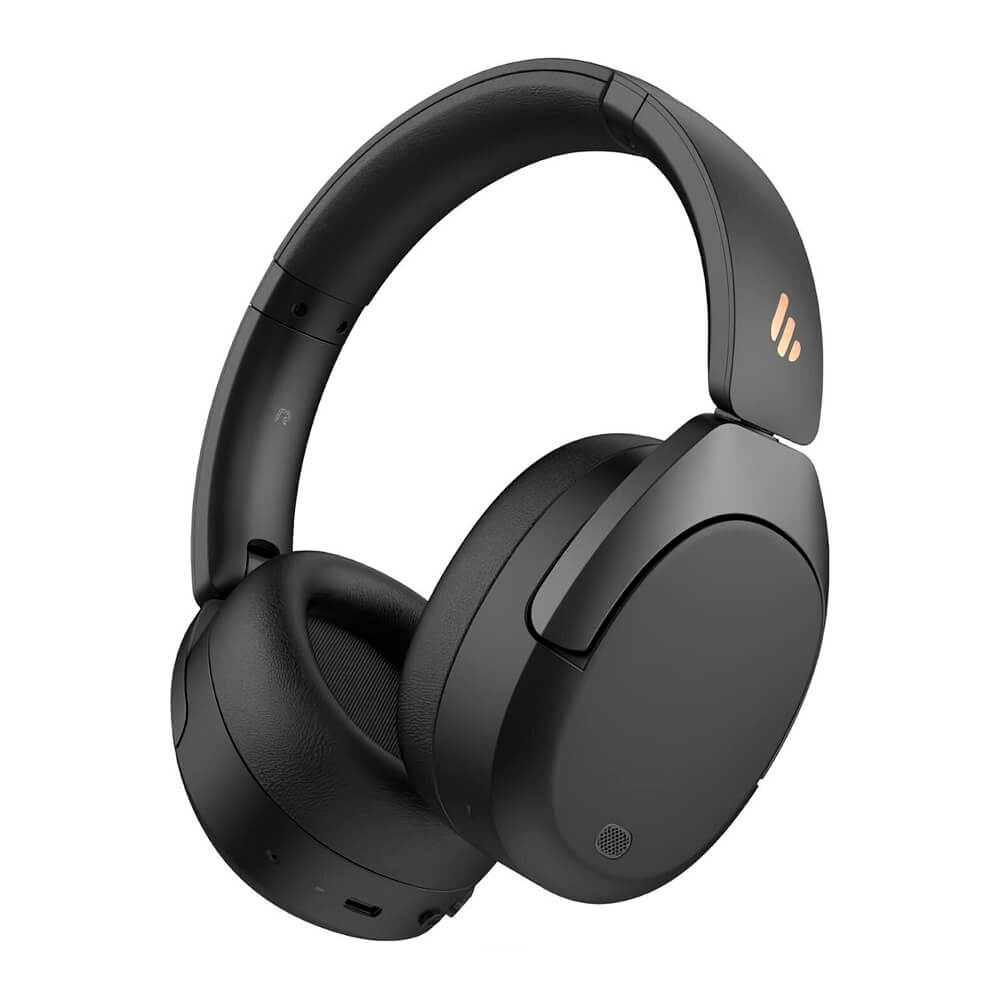
Edifier W830NB – the best over-ear wireless headphones under $60 with an optimal balance of price and features. It offers the best natural sound among models under $70. With the LDAC codec, you get up to 10-15% better sound. Critical drawbacks include a lack of bass and a narrow soundstage.
- Best natural timbre under $50
- Battery life up to 96 hrs
- Minimal ear cup pressure on the ears
- Bass-light even with the EQ.
- Narrow soundstage.
The final sound score is calculated using this formula:
Frequency balance + Detail retrieval + Soundstage + Natural timbre / 4 = Final Sound Score.
. 6.70 The Edifier W830NB features the most detailed sound under $100 among all the models I’ve heard. This is the best option for those who prefer a drier and more analytical sound rather than an engaging, bass-heavy, and musical one. The headphones pleasantly surprised me with their detail and natural timbre. Lows were lacking and highs are excessive; fixing this in the EQ will be mandatory for many. This is not an audiophile model; it is far from a reference. But for its money, the level is superb. Edifier will give you more detail than the best model under $50Learn more.
Microphone – We assess speech transmission quality by testing the microphone in two main scenarios: quiet and noisy environments.
Quiet environment – This involves recording indoors with minimal background noise. Noisy environment – This means recording outdoors near a six-lane road with maximum traffic noise.
. 6.00 In quiet conditions: 7 In noisy conditions: 5Learn more.
Overall feature score — this is the overall score for all device features. This score comes from individual feature ratings (battery life, controls, app, connection stability, and others) and shows how easy and smart the device is for daily use.
. 6.75 The microphone is good and legible, though it can cut off half a word in loud environments, making it better to switch to the phone then. You get functional noise cancellation, a comfortable transparency mode for conversations, a functional companion app, and up to 96 hours of battery life.Learn more.
Final build quality score is the overall score for build quality and materials: comfort, durability, and design. It shows how nice the device is to hold and use, and how long it will last.
. 7.17 No obvious drawbacks. The build quality and materials are great. The fit is good, and the ear cups put almost no pressure on the ears.Learn more.
9. Final Audio UX1000 6.76Best Over-Ear Headphones Under $50 – for Sound
Drivers are the drivers in your headphones that are responsible for creating sound.
DD + PM + BA – means that there are several different types of drivers in these headphones.
DD – “Dynamic Driver” dynamic driver (deep bass, natural sound).
PM – “Planar Magnetic Driver” planar driver (wide soundstage and fast response).
BA – “Balanced Armature Driver” armature driver (accuracy and detail retrieval).
BC – “Bone Conduction Driver” or bone-conduction driver, which transmits vibration to the body of the headphones, transmitting sound through the bone/cartilage to the inner ear.
LDAC – high quality, high speed (Sony).
SBC is the basic Bluetooth standard, low quality.
AAC – Apple standard, good quality, low latency.
aptX – Qualcomm standard, good quality, low latency.
LC3/LC3plus – new Bluetooth LE Audio codecs, efficient compression.
Codecs are audio compression formats that affect sound quality and latency.
Headphone battery life is the playback time without recharging, measured in hours. Manufacturers measure without active noise cancellation (ANC), at medium volume (50-70%) and usually with the AAC codec, as these parameters affect battery consumption. Actual time may vary from 1% to 50%, depending on volume, active noise cancellation features enabled, codec (LDAC or other) and environmental conditions (cold, hot). It is important to consider not only the claimed playback time, but also the charging time and fast charging support.

Final Audio UX1000 surprised me with its sound—a calm presentation, without bloated bass or bright highs. It has decent out-of-the-box sound on basic codecs with tuning potential. The build is light, comfortable, and stays securely on the head, making the headphones suitable for daily background listening, audiobooks, or runs. The weak side is features. Essentially, besides basic active noise cancellation and 70 hours of battery life, there’s nothing else. There’s not even wired connection via cable. Otherwise, the model has no critical drawbacks.
- Calm sound presentation, without heavy bass or bright highs.
- Lightweight and comfortable build with a secure fit on the head.
- No wired connection or lossless audio codecs.
- Useless functionality: poor transparency mode, no companion app, basic controls.
The final sound score is calculated using this formula:
Frequency balance + Detail retrieval + Soundstage + Natural timbre / 4 = Final Sound Score.
. 7.27 The sound emphasizes the mid-range, with slightly subdued lows and highs. It’s not impressive but not off-putting, making it more suitable for background listening. With an equalizer, the sound is more interesting, although it doesn’t reach the level for critical listening. The Final Audio UX1000 lands in the bronze league of MyChooz.Learn more.
Microphone – We assess speech transmission quality by testing the microphone in two main scenarios: quiet and noisy environments.
Quiet environment – This involves recording indoors with minimal background noise. Noisy environment – This means recording outdoors near a six-lane road with maximum traffic noise.
. 5.00 In quiet conditions: 5 In noisy conditions: 5 The recorded voice sounds muffled, though speech can be understood if you listen closely. In noisy environments, quality does not change noticeably, except that the sound of a handheld vacuum cleaner can be heard in the background. In both cases, volume is low and the recording is excessively quiet.Overall feature score — this is the overall score for all device features. This score comes from individual feature ratings (battery life, controls, app, connection stability, and others) and shows how easy and smart the device is for daily use.
. 5.17 At a basic level. The only standouts are functional noise cancellation and up to 70 hours of battery life. There is multipoint for 2 devices and physical buttons with basic media player controls. There is nothing else, not even a companion app.Read more.
Final build quality score is the overall score for build quality and materials: comfort, durability, and design. It shows how nice the device is to hold and use, and how long it will last.
. 7.90 Looks sturdy and reliable, with no complaints about the build. The design is foldable, and the earcups fold inward under the headband. The headphones are lightweight and comfortable, though there is slightly too little space inside the earcups for large ears. They hold onto the head firmly and do not fall off during active movement like running or jumping.Read more.
10. SoundPEATS Space 6.74Best Over-Ear Wireless Headphones – Most Long-Lasting Battery
Drivers are the drivers in your headphones that are responsible for creating sound.
DD + PM + BA – means that there are several different types of drivers in these headphones.
DD – “Dynamic Driver” dynamic driver (deep bass, natural sound).
PM – “Planar Magnetic Driver” planar driver (wide soundstage and fast response).
BA – “Balanced Armature Driver” armature driver (accuracy and detail retrieval).
BC – “Bone Conduction Driver” or bone-conduction driver, which transmits vibration to the body of the headphones, transmitting sound through the bone/cartilage to the inner ear.
LDAC – high quality, high speed (Sony).
SBC is the basic Bluetooth standard, low quality.
AAC – Apple standard, good quality, low latency.
aptX – Qualcomm standard, good quality, low latency.
LC3/LC3plus – new Bluetooth LE Audio codecs, efficient compression.
Codecs are audio compression formats that affect sound quality and latency.
Headphone battery life is the playback time without recharging, measured in hours. Manufacturers measure without active noise cancellation (ANC), at medium volume (50-70%) and usually with the AAC codec, as these parameters affect battery consumption. Actual time may vary from 1% to 50%, depending on volume, active noise cancellation features enabled, codec (LDAC or other) and environmental conditions (cold, hot). It is important to consider not only the claimed playback time, but also the charging time and fast charging support.
Bluetooth is a wireless data transmission standard.
Support for new audio technologies.
Improved connection stability.
Reduced power consumption.
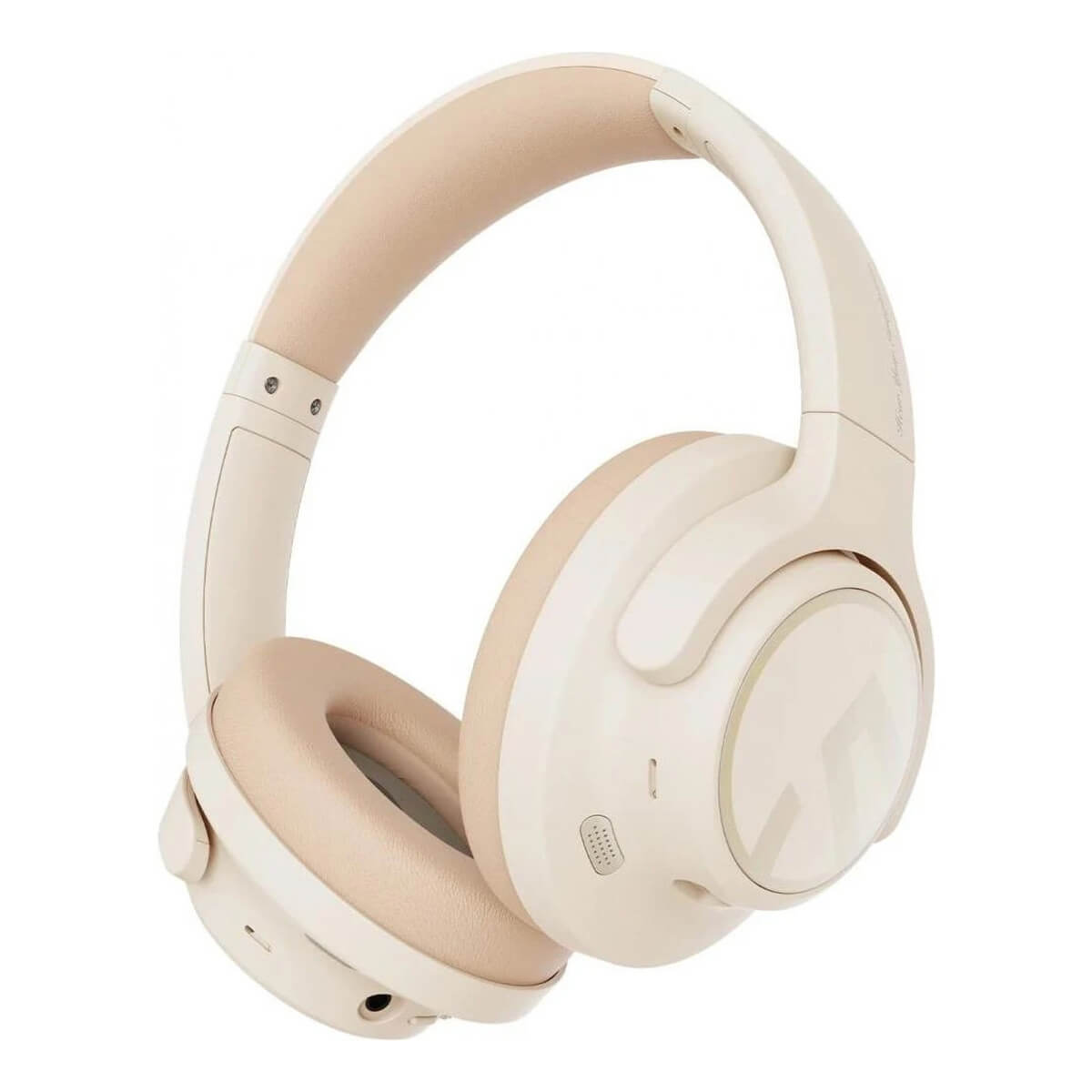
SoundPEATS A6 — the best over-ear wireless headphones with up to 123 hours of battery life. This model is worth buying for its battery life if you plan on extended use without charging. Critical drawbacks include the lack of LDAC codec.
- Best battery life among over-ear models.
- Good noise cancellation
- Only basic codecs
- Unnatural overtone in transparency mode
The final sound score is calculated using this formula:
Frequency balance + Detail retrieval + Soundstage + Natural timbre / 4 = Final Sound Score.
. 6 The sound signature emphasizes low frequencies. The bass is boomy and overwhelms other frequencies, so it’s better to lower the low frequencies in the equalizer. Vocals and musical instruments sound good. Highs are lacking, as is airiness in the sound. The soundstage, naturalness, and detail retrieval are at a good level.Overall feature score — this is the overall score for all device features. This score comes from individual feature ratings (battery life, controls, app, connection stability, and others) and shows how easy and smart the device is for daily use.
. 7.8 These headphones offer the best battery life among over-ear models. They have a stable connection and standard controls. Noise cancellation and transparency are good, although the environment sounds unnatural with transparency mode. The app is a weak point: outdated design and poor ergonomics.Final build quality score is the overall score for build quality and materials: comfort, durability, and design. It shows how nice the device is to hold and use, and how long it will last.
. 7 The construction is sturdy and reliable. The earcups barely press on the ears.11. EarFun Wave Pro 6.61Over-Ear Wireless Bluetooth Headphones – the Golden Mean in All Aspects
Drivers are the drivers in your headphones that are responsible for creating sound.
DD + PM + BA – means that there are several different types of drivers in these headphones.
DD – “Dynamic Driver” dynamic driver (deep bass, natural sound).
PM – “Planar Magnetic Driver” planar driver (wide soundstage and fast response).
BA – “Balanced Armature Driver” armature driver (accuracy and detail retrieval).
BC – “Bone Conduction Driver” or bone-conduction driver, which transmits vibration to the body of the headphones, transmitting sound through the bone/cartilage to the inner ear.
LDAC – high quality, high speed (Sony).
SBC is the basic Bluetooth standard, low quality.
AAC – Apple standard, good quality, low latency.
aptX – Qualcomm standard, good quality, low latency.
LC3/LC3plus – new Bluetooth LE Audio codecs, efficient compression.
Codecs are audio compression formats that affect sound quality and latency.
Headphone battery life is the playback time without recharging, measured in hours. Manufacturers measure without active noise cancellation (ANC), at medium volume (50-70%) and usually with the AAC codec, as these parameters affect battery consumption. Actual time may vary from 1% to 50%, depending on volume, active noise cancellation features enabled, codec (LDAC or other) and environmental conditions (cold, hot). It is important to consider not only the claimed playback time, but also the charging time and fast charging support.
Bluetooth is a wireless data transmission standard.
Support for new audio technologies.
Improved connection stability.
Reduced power consumption.
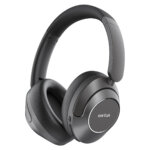
EarFun Wave Pro — over-ear wireless Bluetooth headphones with LDAC codec. These headphones weigh 263g and offer up to 80 hours of battery life.
- Lightweight construction – 263g.
- Up to 80 hours of battery life
- Audio transmission via 3.5mm jack
- The headphones need EQ tuning.
The final sound score is calculated using this formula:
Frequency balance + Detail retrieval + Soundstage + Natural timbre / 4 = Final Sound Score.
. 5.65 The headphones have a neutral presentation, without emphasis on low or high frequencies. There’s a dip across the entire frequency range, so the sound lacks body, and vocals and musical instruments lack detail. High frequencies are lacking, and there’s a sense of insufficient airiness. Detail retrieval and naturalness are weak, combined with a limited soundstage. However, the equalizer can improve the sound if you slightly boost the bass, mids, and highs. You’ll get a good average sound for regular background listening.Overall feature score — this is the overall score for all device features. This score comes from individual feature ratings (battery life, controls, app, connection stability, and others) and shows how easy and smart the device is for daily use.
. 7.8 The headphones offer up to 80 hours of battery life with the AAC codec and 53 hours with noise cancellation. Fast charging is available: 10 minutes of charging yields 10 hours of playback.Final build quality score is the overall score for build quality and materials: comfort, durability, and design. It shows how nice the device is to hold and use, and how long it will last.
. 7.2 The headphones are light, weighing 263g. The earcups press slightly on the ears, and after 1-2 hours, you’ll want to take a break.12. OneOdio Focus A6 6.13Over-Ear Wireless Headphones – with Good Sound
Drivers are the drivers in your headphones that are responsible for creating sound.
DD + PM + BA – means that there are several different types of drivers in these headphones.
DD – “Dynamic Driver” dynamic driver (deep bass, natural sound).
PM – “Planar Magnetic Driver” planar driver (wide soundstage and fast response).
BA – “Balanced Armature Driver” armature driver (accuracy and detail retrieval).
BC – “Bone Conduction Driver” or bone-conduction driver, which transmits vibration to the body of the headphones, transmitting sound through the bone/cartilage to the inner ear.
LDAC – high quality, high speed (Sony).
SBC is the basic Bluetooth standard, low quality.
AAC – Apple standard, good quality, low latency.
aptX – Qualcomm standard, good quality, low latency.
LC3/LC3plus – new Bluetooth LE Audio codecs, efficient compression.
Codecs are audio compression formats that affect sound quality and latency.
Headphone battery life is the playback time without recharging, measured in hours. Manufacturers measure without active noise cancellation (ANC), at medium volume (50-70%) and usually with the AAC codec, as these parameters affect battery consumption. Actual time may vary from 1% to 50%, depending on volume, active noise cancellation features enabled, codec (LDAC or other) and environmental conditions (cold, hot). It is important to consider not only the claimed playback time, but also the charging time and fast charging support.
Bluetooth is a wireless data transmission standard.
Support for new audio technologies.
Improved connection stability.
Reduced power consumption.
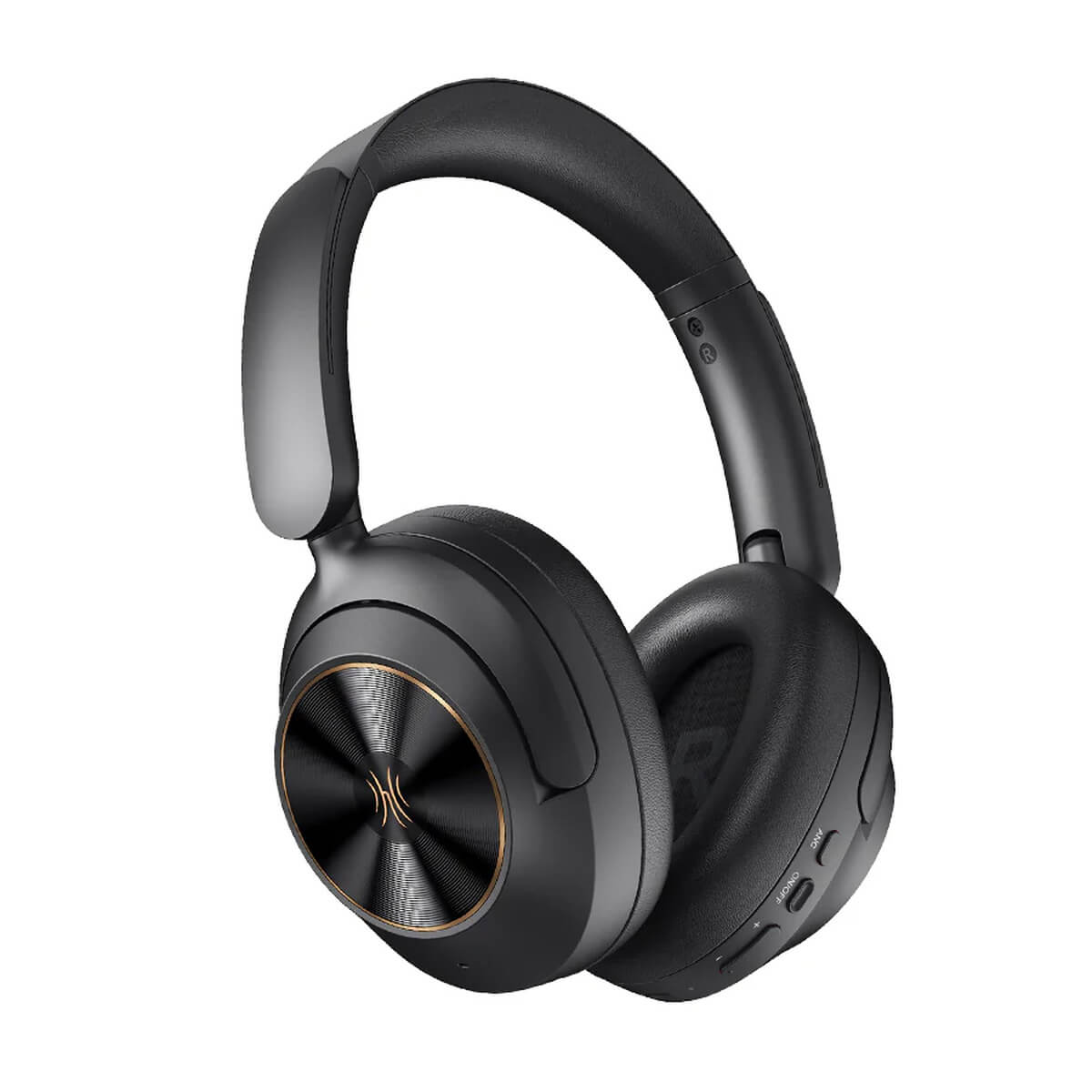
OneOdio Focus A6 — over-ear wireless headphones with Bluetooth 6.0. It offers up to 75 hours of battery life and good noise cancellation compared to models under $50. With the LDAC codec, the quality improvement is about 5%, mainly in detail retrieval.
- Honest battery life
- Functional active noise cancellation
- Requires EQ tuning
- Ear cups press hard against the ears
The final sound score is calculated using this formula:
Frequency balance + Detail retrieval + Soundstage + Natural timbre / 4 = Final Sound Score.
. 5.58 The sound has well-defined mids as its primary advantage. Average detail retrieval, natural timbre, and soundstage are the main drawbacks. The sound feels almost point-source, unnatural and synthetic. The OneOdio Focus A6 is the best option for those looking for headphones across various genres. These headphones are better suited for dance and pop music.Learn more.
Learn more.
Overall feature score — this is the overall score for all device features. This score comes from individual feature ratings (battery life, controls, app, connection stability, and others) and shows how easy and smart the device is for daily use.
. 6.88 Functional active noise cancellation and transparency. With the LDAC codec in our tests, the headphones lasted 53 hours. Standard button controls. Poor ergonomics and app performance.Learn more.
Final build quality score is the overall score for build quality and materials: comfort, durability, and design. It shows how nice the device is to hold and use, and how long it will last.
. 6.73 Decent comfort, ear cups press against the ears and after about an hour you’ll want to take a break. Affordable materials with a sturdy build and no dust/water resistance. Standard design, available in black and white.Learn more.
13. UGREEN Studio Max2 5.71Inexpensive Over-Ear Headphones – with Bright Sound
Drivers are the drivers in your headphones that are responsible for creating sound.
DD + PM + BA – means that there are several different types of drivers in these headphones.
DD – “Dynamic Driver” dynamic driver (deep bass, natural sound).
PM – “Planar Magnetic Driver” planar driver (wide soundstage and fast response).
BA – “Balanced Armature Driver” armature driver (accuracy and detail retrieval).
BC – “Bone Conduction Driver” or bone-conduction driver, which transmits vibration to the body of the headphones, transmitting sound through the bone/cartilage to the inner ear.
LDAC – high quality, high speed (Sony).
SBC is the basic Bluetooth standard, low quality.
AAC – Apple standard, good quality, low latency.
aptX – Qualcomm standard, good quality, low latency.
LC3/LC3plus – new Bluetooth LE Audio codecs, efficient compression.
Codecs are audio compression formats that affect sound quality and latency.
Headphone battery life is the playback time without recharging, measured in hours. Manufacturers measure without active noise cancellation (ANC), at medium volume (50-70%) and usually with the AAC codec, as these parameters affect battery consumption. Actual time may vary from 1% to 50%, depending on volume, active noise cancellation features enabled, codec (LDAC or other) and environmental conditions (cold, hot). It is important to consider not only the claimed playback time, but also the charging time and fast charging support.
Bluetooth is a wireless data transmission standard.
Support for new audio technologies.
Improved connection stability.
Reduced power consumption.
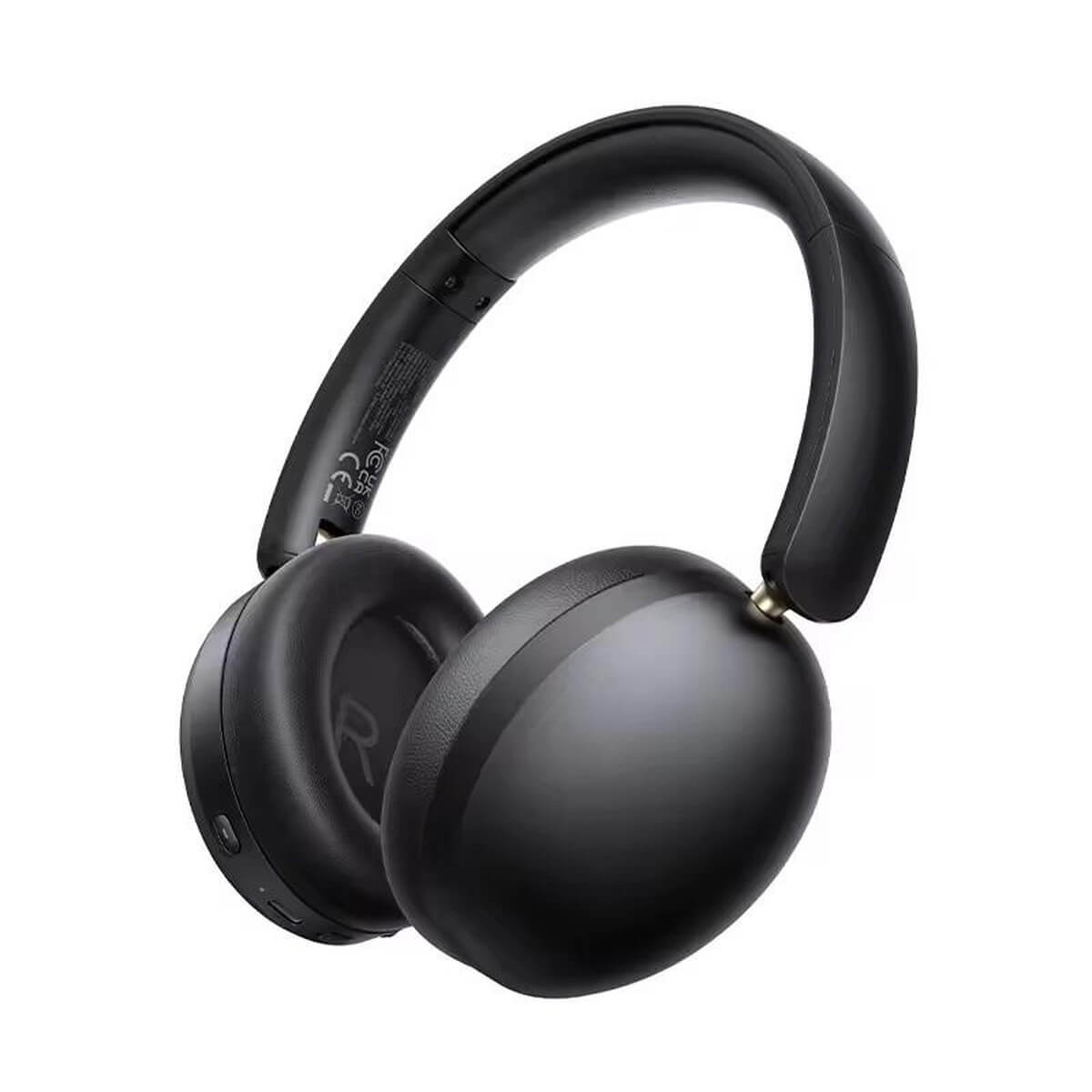
UGREEN Studio Max2 – inexpensive over-ear headphones with a bright sound. It offers the best sound under $20 and 80 hours of battery life. Critical drawbacks include the lack of LDAC codec, no noise cancellation, and no transparency mode.
- Best sound under $20
- Tested battery life of 84 hours
- No active noise cancellation (ANC) and transparency mode
- Bright sound and bass-light
- SBC and AAC are the only supported Bluetooth codecs
The final sound score is calculated using this formula:
Frequency balance + Detail retrieval + Soundstage + Natural timbre / 4 = Final Sound Score.
. 5.29 The headphones feature budget sound quality with an emphasis on mids and highs. Not the worst sound for $20. Well-defined and detailed vocals stand out as the primary plus. Lack of bass and overly bright sound serve as the main plus / minus. Suitable for vocal and acoustic tracks, podcasts, and audiobooks.Learn more.
Microphone – We assess speech transmission quality by testing the microphone in two main scenarios: quiet and noisy environments.
Quiet environment – This involves recording indoors with minimal background noise. Noisy environment – This means recording outdoors near a six-lane road with maximum traffic noise.
. 5.25 In quiet conditions: 6.5 In noisy conditions: 4Overall feature score — this is the overall score for all device features. This score comes from individual feature ratings (battery life, controls, app, connection stability, and others) and shows how easy and smart the device is for daily use.
. 5.00 The headphones lack active noise cancellation and transparency. Honest battery life, in our tests the headphones lasted 4 hours longer than claimed – hitting 80 hours. The companion app is useless. Controls are standard for most over-ear headphones.Learn more.
Final build quality score is the overall score for build quality and materials: comfort, durability, and design. It shows how nice the device is to hold and use, and how long it will last.
. 7.83 Comfortable headphones with mild discomfort after 1-2 hours of use. Sturdy build and quality materials without dust or water resistance. Appearance is normal, nothing to get excited about.Learn more.
Which Budget Wireless Headphones to Choose:
- Overall Sound QualityFor over-ear headphones under $100, the sound quality is average for background listening. High-quality sound is typically found in models $200+. If you’re looking for high-quality sound, increase your budget or consider in-ear TWS models. TWS Headphones Under $100 will provide better sound quality.
- CodecsHeadphones under $100 mainly use basic audio codecs SBC and AAC, at best the LDAC codec. There’s a difference between codecs, although it’s not always obvious.Learn more about all current audio codecs.
- ControlsOver-ear headphones in this price range primarily use physical control buttons with no customization options. At best, you can assign 1-2 additional actions.
- Battery Life. In 2026 2026, over-ear headphones last at least 20-30 hours on a single charge. Some models offer battery life up to 120 hours.
- Comfort2 hours without discomfort is the minimum for over-ear models. The stronger the clamping force, the faster the headphones will start to press on your ears.
- ConnectorA USB-C port is used for charging. Models with audio transmission via USB-C can play and charge simultaneously. Wired audio transmission is more commonly done via a 3.5mm port.
- DurabilityAll budget over-ear headphones are durable and should reliably last 5+ years with careful use. The housing of headphones under $20 is less durable. The weakest point is typically at the swivel hinges.