

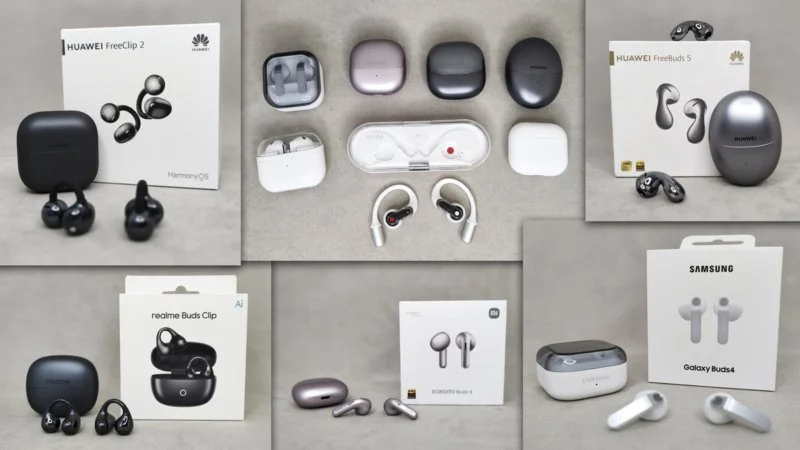
TOP 11 BEST tested wireless earbuds with an open design, or OWS for short. The ranking includes true wireless earbuds in three form factors: open-fit earbuds, models with an ear hook, and clip-on earbuds. Bluetooth earbuds in the ranking are without silicone ear tips. Therefore, they are suitable as an alternative if in-ear earbuds don’t stay in your ears or are simply uncomfortable. This form factor also has drawbacks: less low-frequency response, and some models do not support active noise cancellation.
How can you get high-resolution codecs like LDAC, LHDC, aptX Adaptive, aptX Lossless, and others in wireless earbuds?
Learn moreIf your earbuds support a specific codec but your phone, tablet, or PC doesn’t, you can use a USB adapter. This device, about the size of a Bluetooth adapter, plugs into your phone or PC’s port. Your earbuds then connect to the adapter, receiving the signal with the desired codec.
Which adapter to choose?
- QCC Dongle Pro2 – if you want it all at once. The adapter supports: LHDC 5.0, LDAC, aptX Adaptive, aptX HD, aptX Lossless; LE Audio and Auracast are declared.
- FiiO Air Link – a universal adapter, just cheaper. Codec support: SBC, aptX, aptX Low Latency, aptX HD, aptX Adaptive, LDAC, and aptX Lossless.
- 1Mii B03Pro – a desktop option with both transmitter and receiver. It supports: SBC, AAC, aptX, aptX HD, aptX LL, and aptX Adaptive.
- UGREEN BT701: A compact, universal option. Codec support includes Classic Bluetooth (SBC, aptX, aptX HD, aptX Adaptive-LL, aptX Adaptive-HQ) and LE Audio (Auracast, Unicast-Low Latency, Unicast-Lossless).
- UGREEN BT501: A simplified version of the BT701. Supports SBC, aptX, aptX Low Latency, aptX HD, and aptX Adaptive.
Check out our ranking for more details on USB adapters — Best Bluetooth Adapters for Computers and Earbuds.
EMMA — Experts + Methodology + MyChoozers + Algorithm.
Every model goes through identical tests; the score is calculated automatically with fixed weights — a spot in the rating cannot be bought.
TOP-11 Best Open-Design Wireless Earbuds – Ranking
1. Samsung Galaxy Buds 4 8.10Best Open-Fit Earbuds 2026 – for Samsung and Android
Drivers are the drivers in your headphones that are responsible for creating sound.
DD + PM + BA – means that there are several different types of drivers in these headphones.
DD – “Dynamic Driver” dynamic driver (deep bass, natural sound).
PM – “Planar Magnetic Driver” planar driver (wide soundstage and fast response).
BA – “Balanced Armature Driver” armature driver (accuracy and detail retrieval).
BC – “Bone Conduction Driver” or bone-conduction driver, which transmits vibration to the body of the headphones, transmitting sound through the bone/cartilage to the inner ear.
LDAC – high quality, high speed (Sony).
SBC is the basic Bluetooth standard, low quality.
AAC – Apple standard, good quality, low latency.
aptX – Qualcomm standard, good quality, low latency.
LC3/LC3plus – new Bluetooth LE Audio codecs, efficient compression.
Codecs are audio compression formats that affect sound quality and latency.
Headphone battery life is the playback time without recharging, measured in hours. Manufacturers measure without active noise cancellation (ANC), at medium volume (50-70%) and usually with the AAC codec, as these parameters affect battery consumption. Actual time may vary from 1% to 50%, depending on volume, active noise cancellation features enabled, codec (LDAC or other) and environmental conditions (cold, hot). It is important to consider not only the claimed playback time, but also the charging time and fast charging support.
Bluetooth is a wireless data transmission standard.
Support for new audio technologies.
Improved connection stability.
Reduced power consumption.
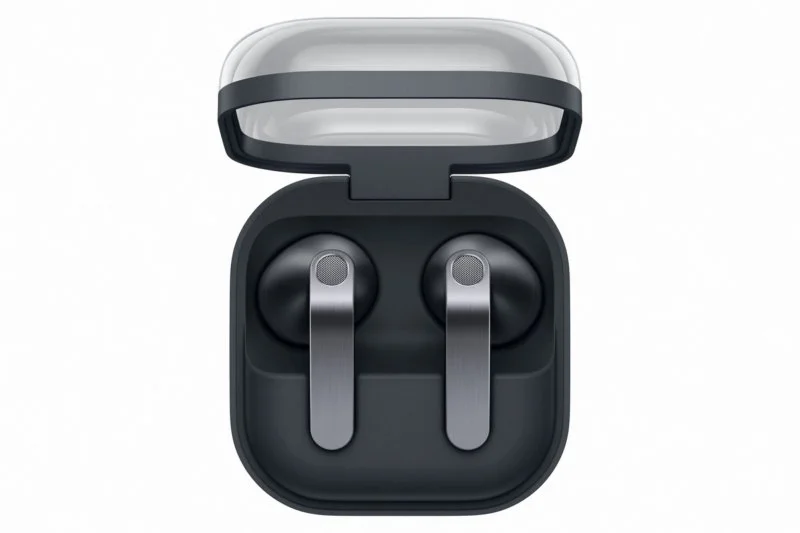
The Samsung Galaxy Buds 4 stand out as the best open-fit earbuds for 2026, excelling in both overall criteria and sound quality. They work well with Samsung devices, as well as iPhones and Android phones. You can think of these earbuds as your go-to open-design option for home, the outdoors, the gym, and work. While versatile, they do have a weak microphone. The biggest drawback for users within the Samsung ecosystem is that you’ll only get the top SSC codec, which impacts sound detail, and many useful features are exclusive to Samsung devices. This isn’t a dealbreaker, though, as you can still achieve pleasant, detailed sound on any source using basic AAC or SBC codecs, and even then, these are the best. Connecting to a Samsung phone is more of a bonus than a limitation.
- Balanced sound with an emphasis on mids.
- Top-tier transparency mode and active noise cancellation (ANC) among open-fit earbuds.
- Samsung ecosystem: translator, Spatial Audio, seamless switching, etc.
- Maximum sound quality only with Samsung flagships.
- Key ecosystem features require flagship devices.
- No dedicated app for iOS.
The final sound score is calculated using this formula:
Frequency balance + Detail retrieval + Soundstage + Natural timbre / 4 = Final Sound Score.
. 8.13 The main strong point of the sound is the wide soundstage and intimate, emotional vocals, which are key highlights of these earbuds. Another strong point is engagement—this sound never gets boring, and you want to listen to it for hours. There are no glaring weaknesses. However, there are just average criteria: a balanced, not quite powerful bass. Moderate highs with weak naturalness. Overall, average naturalness and detail retrieval. But considering the open-fit format, this is the best sound available today when summing up all parameters. Volume at 80-90% is enough; headroom is less than one would want, but listening is comfortable.Read more.
Microphone – We assess speech transmission quality by testing the microphone in two main scenarios: quiet and noisy environments.
Quiet environment – This involves recording indoors with minimal background noise. Noisy environment – This means recording outdoors near a six-lane road with maximum traffic noise.
. 7.00 In quiet conditions: 7 In noisy conditions: 7 Noticeably unchanged in overall quality compared to the buds 3 version. The earbuds are below average for the market regarding microphone quality, especially in noisy conditions—it is better to switch to your phone, but in quiet environments, you can chat comfortably.Overall feature score — this is the overall score for all device features. This score comes from individual feature ratings (battery life, controls, app, connection stability, and others) and shows how easy and smart the device is for daily use.
. 7.58 Feature-wise, the earbuds excel in active noise cancellation (ANC) for open-fit earbuds, and they also feature a reference-quality transparency mode. Good controls with swipes up and down for volume and pinching the stem to manage playback, active noise cancellation (ANC) / transparency, and calls. There is an app for Android, but none for iOS. Stable connection with Bluetooth version 6.1. Battery life is 5-6 hours for the earbuds themselves, sitting at the lower boundary of the standard. Other weaknesses: no control customization, and maximum features require flagship Samsung devices—translator, Spatial Audio, multipoint, etc.Read more.
Final build quality score is the overall score for build quality and materials: comfort, durability, and design. It shows how nice the device is to hold and use, and how long it will last.
. 8.83 The earbuds are comfortable to use, small, and lightweight. The fit is comfortable—in Vladimir Papazov’s tests. In Alexander Moyseenko’s tests, there was discomfort when the sound nozzle pressed against the base of the ear canal. The build is sturdy and reliable, with downsides limited to a drop in dust and water resistance from IP57 to IP54 and a fingerprint-magnet glossy finish. The earbuds look good, better than the 3rd generation.Read more.
2. Huawei FreeBuds 6 8.06Best Open-Fit Earbuds 2026 under $120 – Solid №2 If Samsung Doesn't Suit You
Drivers are the drivers in your headphones that are responsible for creating sound.
DD + PM + BA – means that there are several different types of drivers in these headphones.
DD – “Dynamic Driver” dynamic driver (deep bass, natural sound).
PM – “Planar Magnetic Driver” planar driver (wide soundstage and fast response).
BA – “Balanced Armature Driver” armature driver (accuracy and detail retrieval).
BC – “Bone Conduction Driver” or bone-conduction driver, which transmits vibration to the body of the headphones, transmitting sound through the bone/cartilage to the inner ear.
LDAC – high quality, high speed (Sony).
SBC is the basic Bluetooth standard, low quality.
AAC – Apple standard, good quality, low latency.
aptX – Qualcomm standard, good quality, low latency.
LC3/LC3plus – new Bluetooth LE Audio codecs, efficient compression.
Codecs are audio compression formats that affect sound quality and latency.
Headphone battery life is the playback time without recharging, measured in hours. Manufacturers measure without active noise cancellation (ANC), at medium volume (50-70%) and usually with the AAC codec, as these parameters affect battery consumption. Actual time may vary from 1% to 50%, depending on volume, active noise cancellation features enabled, codec (LDAC or other) and environmental conditions (cold, hot). It is important to consider not only the claimed playback time, but also the charging time and fast charging support.
Bluetooth is a wireless data transmission standard.
Support for new audio technologies.
Improved connection stability.
Reduced power consumption.
The Huawei FreeBuds 6 are a compelling choice primarily because they offer the best sound among open-fit earbuds under $120. Compared to the Samsung option, you get more bass and treble here, but the sound is more compressed, with less space and a smaller soundstage. The main, though not critical, drawback is that some features are exclusive to Huawei phones running HarmonyOS, such as the proprietary L2HC codec, translator, and voice assistant.
- Best sound among open-fit earbuds.
- Reference-quality microphone.
- Good noise cancellation for open-fit earbuds.
- Overly bright sound in certain tracks.
- Non-critical: No transparency mode, L2HC 4.0 codec, and many proprietary features are available only on HarmonyOS 4.3+ Huawei devices.
The final sound score is calculated using this formula:
Frequency balance + Detail retrieval + Soundstage + Natural timbre / 4 = Final Sound Score.
. 7.98 Top-tier level like the Samsung Galaxy Buds 4 — just here it’s different, bright, narrow, precise. Great out-of-the-box sound. Using the LDAC codec grants a sound-quality boost of up to 20%. The main sound strengths are excellent naturalness and detail retrieval, alongside pleasant bass. Instruments and vocals sound clean, with practically no artificial sheen or coloration. The main sound flaw is a lack of soundstage size; the presentation is quite congested and narrow, leaving you wanting more space. In tracks rich in percussion or highs, the sound is harsh and frequently fatiguing. EQ tweaking is required.Read more.
Microphone – We assess speech transmission quality by testing the microphone in two main scenarios: quiet and noisy environments.
Quiet environment – This involves recording indoors with minimal background noise. Noisy environment – This means recording outdoors near a six-lane road with maximum traffic noise.
. 9.75 In quiet environments: 10 In noisy environments: 9.5 Reference-quality microphone among TWS models.Overall feature score — this is the overall score for all device features. This score comes from individual feature ratings (battery life, controls, app, connection stability, and others) and shows how easy and smart the device is for daily use.
. 8.11 Noise cancellation is at a solid level for an open-fit design. There is no transparency mode, but even without it, you can freely chat with someone without taking off the earbuds. Battery life is excellent, reaching up to 6 hours of playback and up to 36 hours with the case. Touch controls are convenient, but take some getting used to. The app is great; I recommend selecting the LDAC codec and tuning the EQ inside it.Read more.
Final build quality score is the overall score for build quality and materials: comfort, durability, and design. It shows how nice the device is to hold and use, and how long it will last.
. 8.17 The earbuds are barely noticeable in your ears from the first minutes of use. Only after 2 hours does mild fatigue set in. Durability is fantastic; after a year, the model looks like new. The design is quirky, but in person, it looks better than in photos.Read more.
3. Apple AirPods 4 ANC 8.05Best Open-Fit Earbuds for iPhone
Drivers are the drivers in your headphones that are responsible for creating sound.
DD + PM + BA – means that there are several different types of drivers in these headphones.
DD – “Dynamic Driver” dynamic driver (deep bass, natural sound).
PM – “Planar Magnetic Driver” planar driver (wide soundstage and fast response).
BA – “Balanced Armature Driver” armature driver (accuracy and detail retrieval).
BC – “Bone Conduction Driver” or bone-conduction driver, which transmits vibration to the body of the headphones, transmitting sound through the bone/cartilage to the inner ear.
LDAC – high quality, high speed (Sony).
SBC is the basic Bluetooth standard, low quality.
AAC – Apple standard, good quality, low latency.
aptX – Qualcomm standard, good quality, low latency.
LC3/LC3plus – new Bluetooth LE Audio codecs, efficient compression.
Codecs are audio compression formats that affect sound quality and latency.
Headphone battery life is the playback time without recharging, measured in hours. Manufacturers measure without active noise cancellation (ANC), at medium volume (50-70%) and usually with the AAC codec, as these parameters affect battery consumption. Actual time may vary from 1% to 50%, depending on volume, active noise cancellation features enabled, codec (LDAC or other) and environmental conditions (cold, hot). It is important to consider not only the claimed playback time, but also the charging time and fast charging support.
Bluetooth is a wireless data transmission standard.
Support for new audio technologies.
Improved connection stability.
Reduced power consumption.
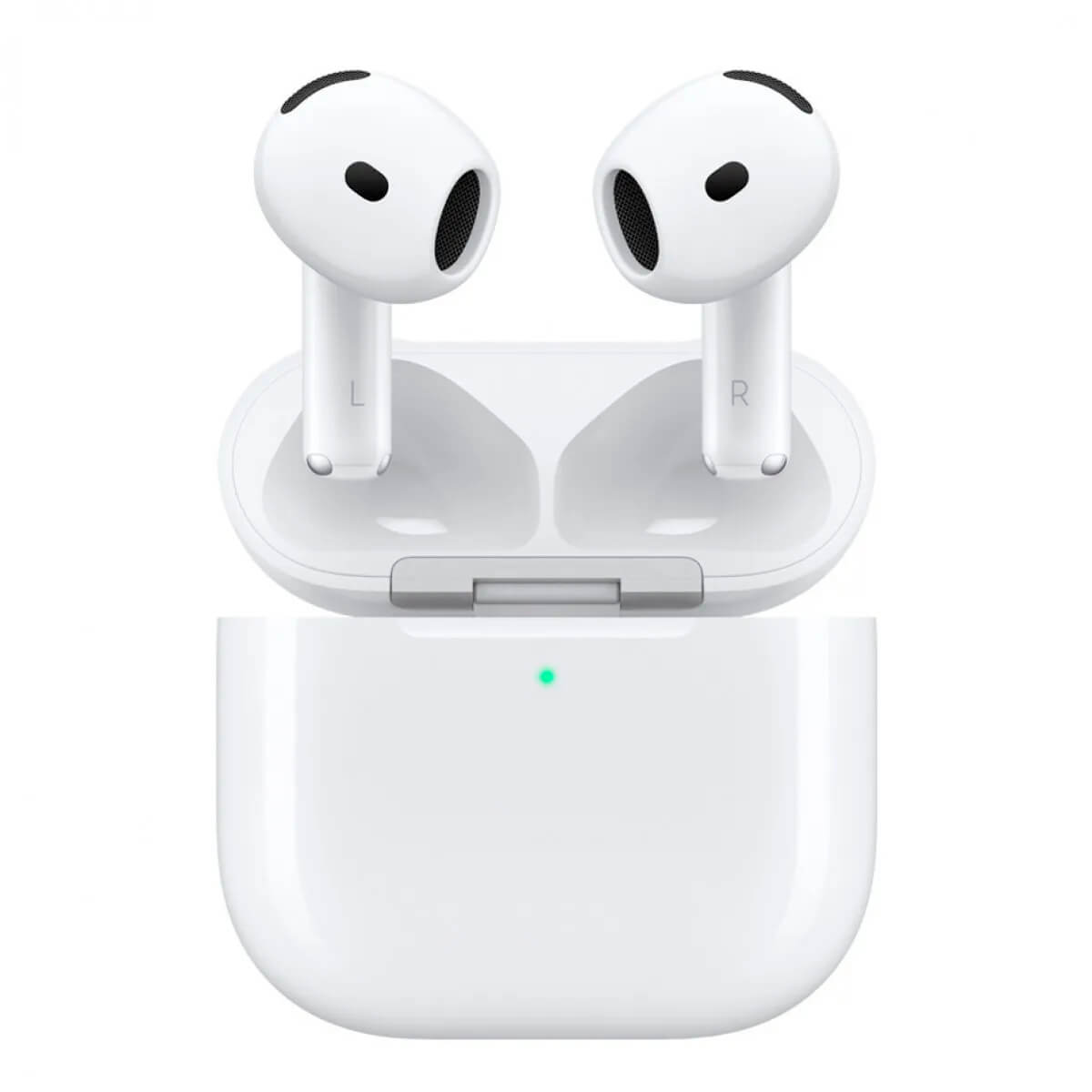
The Apple AirPods 4 ANC are the best open-fit earbuds for iPhone and Apple devices, offering good sound, spatial audio, and adaptive EQ. They boast good battery life, a decent microphone, and noise cancellation. While they can be used with Android, the main drawback, similar to Samsung and Huawei, is the Apple ecosystem lock-in. Certain features like the proprietary assistant, app, EQ settings, and spatial audio will be unavailable.
- The sound is soft and musical, ranking top-tier for open-fit earbuds.
- Microphone of excellent quality
- Active noise cancellation and transparency mode are the best among open-fit earbuds.
- Comfortable and beautiful design.
- No volume control.
- The app is available only on iOS, leaving functionality stripped-down on Android.
- Battery life is only 4 hours with ANC enabled and 20 hours total with the case.
- Non-critical cons: the glossy finish scratches quickly, and there is no cable included in the box.
The final sound score is calculated using this formula:
Frequency balance + Detail retrieval + Soundstage + Natural timbre / 4 = Final Sound Score.
. 7.56 Among open-fit earbuds, this is first-class sound. Soft, voluminous, enveloping, and comfortable, allowing you to relax and lose yourself in your favorite music. I really liked the sound. If we take the current reference like the Samsung Galaxy Buds 4 or the previous Huawei FreeBuds 6, those models edge ahead slightly in points. The main plus of the sound is the spaciousness and overall harmony; it is soft and pleasant, you never get tired of it, and it draws you in. The main minus of the sound is that naturalness could be better, and vocals closer. However, this is not critical.Read more.
Microphone – We assess speech transmission quality by testing the microphone in two main scenarios: quiet and noisy environments.
Quiet environment – This involves recording indoors with minimal background noise. Noisy environment – This means recording outdoors near a six-lane road with maximum traffic noise.
. 9.00 In quiet conditions: 10 In noisy conditions: 8Overall feature score — this is the overall score for all device features. This score comes from individual feature ratings (battery life, controls, app, connection stability, and others) and shows how easy and smart the device is for daily use.
. 8.00 Noise cancellation is at a reference level for open-fit earbuds, feeling almost like in-ear earbuds. An unbelievable level. Transparency mode is perfect and reference-grade, making it feel as if you aren’t wearing earbuds. Battery life is poor: 5 hours and 30 minutes without ANC, and 4 hours and 20 minutes with ANC is low. Controls are convenient via stem pinches, but there is no volume control through swipes. The app is great for iOS, but there is no app for Android.Read more.
Final build quality score is the overall score for build quality and materials: comfort, durability, and design. It shows how nice the device is to hold and use, and how long it will last.
. 9.33 They are very comfortable for 2 to 3 hours without discomfort. Durability is fine overall, except the earbuds scratch very easily. The design follows the Apple style and looks beautiful. The charging case is the smallest I have ever seen, and the earbuds themselves are miniature. I have no complaints about the build quality.Read more.
4. Huawei FreeBuds 5 7.90Best Open-Fit Earbuds for Android under $80
Drivers are the drivers in your headphones that are responsible for creating sound.
DD + PM + BA – means that there are several different types of drivers in these headphones.
DD – “Dynamic Driver” dynamic driver (deep bass, natural sound).
PM – “Planar Magnetic Driver” planar driver (wide soundstage and fast response).
BA – “Balanced Armature Driver” armature driver (accuracy and detail retrieval).
BC – “Bone Conduction Driver” or bone-conduction driver, which transmits vibration to the body of the headphones, transmitting sound through the bone/cartilage to the inner ear.
LDAC – high quality, high speed (Sony).
SBC is the basic Bluetooth standard, low quality.
AAC – Apple standard, good quality, low latency.
aptX – Qualcomm standard, good quality, low latency.
LC3/LC3plus – new Bluetooth LE Audio codecs, efficient compression.
Codecs are audio compression formats that affect sound quality and latency.
Headphone battery life is the playback time without recharging, measured in hours. Manufacturers measure without active noise cancellation (ANC), at medium volume (50-70%) and usually with the AAC codec, as these parameters affect battery consumption. Actual time may vary from 1% to 50%, depending on volume, active noise cancellation features enabled, codec (LDAC or other) and environmental conditions (cold, hot). It is important to consider not only the claimed playback time, but also the charging time and fast charging support.
Bluetooth is a wireless data transmission standard.
Support for new audio technologies.
Improved connection stability.
Reduced power consumption.
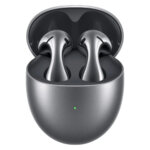
The Huawei FreeBuds 5 are the best open-fit earbuds for Android under $80. Their price has dropped in 2026, and for that money, they deliver the best sound available. Released in 2023, these earbuds remain highly relevant. The sound and microphone quality are close to reference level, and you can wear them for a couple of hours without discomfort.
- Top-tier sound among open-fit earbuds
- Microphone on par with the reference model
- Unique design and 2 hours of use without discomfort
- Boxy sound out of the box.
- Slight white noise with noise cancellation enabled.
The final sound score is calculated using this formula:
Frequency balance + Detail retrieval + Soundstage + Natural timbre / 4 = Final Sound Score.
. 8.01 With the LDAC codec, sound improves by up to 30%. The earbuds feature a bass-heavy sound profile, slightly recessed mids, and subdued highs. I did not notice any blatant artificial timbre, and grain is kept to a minimum. The sound is spacious and full-bodied, with good instrument separation across the soundstage. Detail retrieval is good, though parsing instrument textures is harder compared to top models. It lacks sonic expressiveness, a bit of brightness, and airiness, without which this kind of sound gets old fast. EQ tuning compensates for some of these shortcomings.Read more.
Microphone – We assess speech transmission quality by testing the microphone in two main scenarios: quiet and noisy environments.
Quiet environment – This involves recording indoors with minimal background noise. Noisy environment – This means recording outdoors near a six-lane road with maximum traffic noise.
. 8.75 In quiet conditions: 9.5 In noisy conditions: 8 Clean and detailed recording without external noise. In noisy conditions, speech remains highly resolved, and noise cancellation does not suppress noise instantly.Overall feature score — this is the overall score for all device features. This score comes from individual feature ratings (battery life, controls, app, connection stability, and others) and shows how easy and smart the device is for daily use.
. 7.00 Active noise cancellation reduces PC or laptop background noise. Transparency mode is absent. Playback time in our tests differs slightly from the manufacturer’s specs. The control sensor on the earbuds responds everywhere, and the volume is changed by swiping up and down. The companion app is convenient and well-thought-out.Read more.
Final build quality score is the overall score for build quality and materials: comfort, durability, and design. It shows how nice the device is to hold and use, and how long it will last.
. 9.00 The earbuds feature a comfortable fit, with minor fatigue setting in after a couple of hours of use. No complaints about build quality and materials. The earbud design is unique, with 3 colors to choose from.Read more.
5. Samsung Galaxy Buds 3 7.64Best Open-Fit Earbuds for Samsung Phones under $100
Drivers are the drivers in your headphones that are responsible for creating sound.
DD + PM + BA – means that there are several different types of drivers in these headphones.
DD – “Dynamic Driver” dynamic driver (deep bass, natural sound).
PM – “Planar Magnetic Driver” planar driver (wide soundstage and fast response).
BA – “Balanced Armature Driver” armature driver (accuracy and detail retrieval).
BC – “Bone Conduction Driver” or bone-conduction driver, which transmits vibration to the body of the headphones, transmitting sound through the bone/cartilage to the inner ear.
LDAC – high quality, high speed (Sony).
SBC is the basic Bluetooth standard, low quality.
AAC – Apple standard, good quality, low latency.
aptX – Qualcomm standard, good quality, low latency.
LC3/LC3plus – new Bluetooth LE Audio codecs, efficient compression.
Codecs are audio compression formats that affect sound quality and latency.
Headphone battery life is the playback time without recharging, measured in hours. Manufacturers measure without active noise cancellation (ANC), at medium volume (50-70%) and usually with the AAC codec, as these parameters affect battery consumption. Actual time may vary from 1% to 50%, depending on volume, active noise cancellation features enabled, codec (LDAC or other) and environmental conditions (cold, hot). It is important to consider not only the claimed playback time, but also the charging time and fast charging support.
Bluetooth is a wireless data transmission standard.
Support for new audio technologies.
Improved connection stability.
Reduced power consumption.
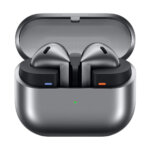
The Samsung Galaxy Buds 3 are the best open-fit earbuds for Samsung phones under $100, offering excellent sound and features. The key selling points are the proprietary codec with 24-bit/96 kHz sound quality and exclusive features like a real-time translator, voice assistant, adaptive noise cancellation, and EQ. It only makes sense to buy these earbuds if you have a flagship Samsung phone, as you’ll see up to a 25% improvement in sound.
- Best sound among open-fit earbuds with the proprietary SSC codec
- Sturdy earbud and case build quality
- Detailed microphone
- Sound and features are tied to the proprietary ecosystem.
- Minor cons: Lacking air (highs), low punch (lows), weak noise cancellation, high latency (gaming)
The final sound score is calculated using this formula:
Frequency balance + Detail retrieval + Soundstage + Natural timbre / 4 = Final Sound Score.
. 7.73 With the proprietary audio codec, these earbuds satisfy a music lover’s needs and will delight audiophiles. The sound is bright and engaging! I appreciate the expressive mid-range that brings vocals and instruments to the foreground. I also liked the detail retrieval and expansive soundstage. Cons include uneven highs that strip the sound of “air” or add harshness in certain tracks. There is a slight lack of truly deep bass—in complex arrangements, this can affect clarity and soundstage depth.Read more.
Microphone – We assess speech transmission quality by testing the microphone in two main scenarios: quiet and noisy environments.
Quiet environment – This involves recording indoors with minimal background noise. Noisy environment – This means recording outdoors near a six-lane road with maximum traffic noise.
. 8.00 In quiet conditions: 9 In noisy conditions: 7Overall feature score — this is the overall score for all device features. This score comes from individual feature ratings (battery life, controls, app, connection stability, and others) and shows how easy and smart the device is for daily use.
. 6.92 Active noise cancellation blocks light background noise, with no transparency mode. Controls are convenient, and the claimed battery life checks out. The companion app is ergonomic and functional with Samsung phones, but useless for other phones. The signal is stable at 10-15 meters.Read more.
Final build quality score is the overall score for build quality and materials: comfort, durability, and design. It shows how nice the device is to hold and use, and how long it will last.
. 8.50 The earbuds are comfortable, lightweight, and ergonomic. Minor discomfort arises after 4-5 hours of use. Dust and water resistance is IP57. No complaints regarding build and materials. The build feels solid and reliable in hand. They look great and modern.Read more.
6. Huawei FreeClip 2 7.62Best Clip-On Earbuds
Drivers are the drivers in your headphones that are responsible for creating sound.
DD + PM + BA – means that there are several different types of drivers in these headphones.
DD – “Dynamic Driver” dynamic driver (deep bass, natural sound).
PM – “Planar Magnetic Driver” planar driver (wide soundstage and fast response).
BA – “Balanced Armature Driver” armature driver (accuracy and detail retrieval).
BC – “Bone Conduction Driver” or bone-conduction driver, which transmits vibration to the body of the headphones, transmitting sound through the bone/cartilage to the inner ear.
LDAC – high quality, high speed (Sony).
SBC is the basic Bluetooth standard, low quality.
AAC – Apple standard, good quality, low latency.
aptX – Qualcomm standard, good quality, low latency.
LC3/LC3plus – new Bluetooth LE Audio codecs, efficient compression.
Codecs are audio compression formats that affect sound quality and latency.
Headphone battery life is the playback time without recharging, measured in hours. Manufacturers measure without active noise cancellation (ANC), at medium volume (50-70%) and usually with the AAC codec, as these parameters affect battery consumption. Actual time may vary from 1% to 50%, depending on volume, active noise cancellation features enabled, codec (LDAC or other) and environmental conditions (cold, hot). It is important to consider not only the claimed playback time, but also the charging time and fast charging support.
Bluetooth is a wireless data transmission standard.
Support for new audio technologies.
Improved connection stability.
Reduced power consumption.

The Huawei FreeClip 2 are the best clip-on earbuds among the open-design models we tested at MyChooz. Their standout features are the best sound among OWS, a comfortable fit, and a natural transparency mode. They serve as an excellent alternative to in-ear, open-fit, and ear-hook earbuds. Minor drawbacks include insufficient bass, no active noise cancellation, and a design that might not appeal to everyone.
- Best sound among clip-on earbuds
- Detailed microphone
- Comfortable fit among clip-on earbuds
- Open-fit design without active noise cancellation
- The form factor might not appeal to everyone
The final sound score is calculated using this formula:
Frequency balance + Detail retrieval + Soundstage + Natural timbre / 4 = Final Sound Score.
. 7.46 The earbuds are a bit light on bass, which is standard for open-fit models, shifting the focus more toward the mids. Even so, the sound stays dynamic enough for hip-hop and electronic music, keeping things full-bodied and spacious. You get reliable audio without obvious artificial timbre, and resolution is high when using basic codecs. Busy mixes do tend to trip things up, though, causing detail retrieval to drop and the sound to get congested.Read more.
Microphone – We assess speech transmission quality by testing the microphone in two main scenarios: quiet and noisy environments.
Quiet environment – This involves recording indoors with minimal background noise. Noisy environment – This means recording outdoors near a six-lane road with maximum traffic noise.
. 8.00 In quiet conditions: 9 In noisy conditions: 7Overall feature score — this is the overall score for all device features. This score comes from individual feature ratings (battery life, controls, app, connection stability, and others) and shows how easy and smart the device is for daily use.
. 7.16 Active noise cancellation and transparency modes are missing in action. Not that you really need transparency with an open-fit design like this, since the earbuds never block you from having a normal conversation. Battery life clocked in during testing at 9 hours for the earbuds themselves and 40 hours total with the charging case. Touch controls feel convenient and responsive, and the app runs stably, packing an EQ, a low-latency mode, and control customization.Read more.
Final build quality score is the overall score for build quality and materials: comfort, durability, and design. It shows how nice the device is to hold and use, and how long it will last.
. 8.73 The earbuds FEel lightweight and comfortable, though your ears will start feeling tired after about 2 hours of wear. Build quality feels solid with no visible defects, and you get IP57 dust and water resistance. They look sharp and come in 3 different color options.Read more.
7. Xiaomi Buds 6 7.47Open-Fit Earbuds with Find My Feature
Drivers are the drivers in your headphones that are responsible for creating sound.
DD + PM + BA – means that there are several different types of drivers in these headphones.
DD – “Dynamic Driver” dynamic driver (deep bass, natural sound).
PM – “Planar Magnetic Driver” planar driver (wide soundstage and fast response).
BA – “Balanced Armature Driver” armature driver (accuracy and detail retrieval).
BC – “Bone Conduction Driver” or bone-conduction driver, which transmits vibration to the body of the headphones, transmitting sound through the bone/cartilage to the inner ear.
LDAC – high quality, high speed (Sony).
SBC is the basic Bluetooth standard, low quality.
AAC – Apple standard, good quality, low latency.
aptX – Qualcomm standard, good quality, low latency.
LC3/LC3plus – new Bluetooth LE Audio codecs, efficient compression.
Codecs are audio compression formats that affect sound quality and latency.
Headphone battery life is the playback time without recharging, measured in hours. Manufacturers measure without active noise cancellation (ANC), at medium volume (50-70%) and usually with the AAC codec, as these parameters affect battery consumption. Actual time may vary from 1% to 50%, depending on volume, active noise cancellation features enabled, codec (LDAC or other) and environmental conditions (cold, hot). It is important to consider not only the claimed playback time, but also the charging time and fast charging support.
Bluetooth is a wireless data transmission standard.
Support for new audio technologies.
Improved connection stability.
Reduced power consumption.

The Xiaomi Buds 6 are essentially a repeat of the previous generation, with a few tweaks: improved sound balance, less sensitivity to the sound source, and a more comfortable noise cancellation mode. Controls and microphone are minimally improved, reaching reference levels. However, the previous generation isn’t worse. Everything else is either unchanged or cosmetic, and battery life has actually decreased. Dictaphone capabilities are identical, and there’s a translator for Xiaomi devices. Therefore, the previous generation looks more appealing, especially considering the $120-160 price point.
- Voice recorder with 180 min. of recording time.
- Find earbuds via Apple Find My and Find Hub.
- Microphone close to reference quality
- Low sound detail retrieval.
- Translator works only on Xiaomi devices.
- The noise cancellation mode feels weak, and there is no transparency mode.
The final sound score is calculated using this formula:
Frequency balance + Detail retrieval + Soundstage + Natural timbre / 4 = Final Sound Score.
. 7.44 Everything sounds a bit muffled, lacking transparency right across the frequency spectrum. Detail retrieval is good enough to pick out main and background parts, but listening to anything else takes real focus. Its strongest point is its naturalness, since sound flaws are tough to spot. Xiaomi Buds 6 currently sit in the MyChooz bronze league, meaning a couple of strong competitors could easily push them down the rankings.Read more.
Microphone – We assess speech transmission quality by testing the microphone in two main scenarios: quiet and noisy environments.
Quiet environment – This involves recording indoors with minimal background noise. Noisy environment – This means recording outdoors near a six-lane road with maximum traffic noise.
. 9.25 In quiet conditions: 9.5 In noisy conditions: 9 The microphone matches the performance of the previous generation, though you will notice a genuine improvement in noisy environments thanks to better voice isolation.Read more.
Overall feature score — this is the overall score for all device features. This score comes from individual feature ratings (battery life, controls, app, connection stability, and others) and shows how easy and smart the device is for daily use.
. 7.24 Performance lands squarely in the average tier. There’s no transparency mode, and noise cancellation is only average—assuming you manage to wedge the earbuds tightly against your ear canals. Controls feel slightly improved over the previous generation, while the standout perks include a solid microphone, a built-in voice recorder with call recording, a handy app, and a reliable connection.Read more.
Final build quality score is the overall score for build quality and materials: comfort, durability, and design. It shows how nice the device is to hold and use, and how long it will last.
. 7.90 Lightweight and compact with no manufacturing flaws, though the finish acts like a magnet for fingerprints and smudges show up easily. Both the case and earbuds also tend to feel slippery when your hands are dry. Still, the earbuds remain comfortable and don’t cause any strain even after a couple of hours of continuous use.Read more.
8. Xiaomi Buds 5 7.47Bluetooth Open-Fit TWS Earbuds – with Dictaphone
Drivers are the drivers in your headphones that are responsible for creating sound.
DD + PM + BA – means that there are several different types of drivers in these headphones.
DD – “Dynamic Driver” dynamic driver (deep bass, natural sound).
PM – “Planar Magnetic Driver” planar driver (wide soundstage and fast response).
BA – “Balanced Armature Driver” armature driver (accuracy and detail retrieval).
BC – “Bone Conduction Driver” or bone-conduction driver, which transmits vibration to the body of the headphones, transmitting sound through the bone/cartilage to the inner ear.
LDAC – high quality, high speed (Sony).
SBC is the basic Bluetooth standard, low quality.
AAC – Apple standard, good quality, low latency.
aptX – Qualcomm standard, good quality, low latency.
LC3/LC3plus – new Bluetooth LE Audio codecs, efficient compression.
Codecs are audio compression formats that affect sound quality and latency.
Headphone battery life is the playback time without recharging, measured in hours. Manufacturers measure without active noise cancellation (ANC), at medium volume (50-70%) and usually with the AAC codec, as these parameters affect battery consumption. Actual time may vary from 1% to 50%, depending on volume, active noise cancellation features enabled, codec (LDAC or other) and environmental conditions (cold, hot). It is important to consider not only the claimed playback time, but also the charging time and fast charging support.
Bluetooth is a wireless data transmission standard.
Support for new audio technologies.
Improved connection stability.
Reduced power consumption.
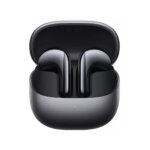
The Xiaomi Buds 5 are Bluetooth TWS open-fit earbuds FEaturing a reference-level microphone and a 3-hour recording dictaphone. With the aptX Adaptive codec, you get a 10-15% quality increase, and with aptX Lossless, it goes up to another 10%. A significant drawback is the inconvenient compression controls.
- Best sound under $80 with EQ
- Reference-quality microphone
- Voice recorder for 3 hours of recording
- Awkward pinch controls on the earbud stem
- Voice recordings longer than 60 min. cannot be transferred
- Sound varies across different sources
The final sound score is calculated using this formula:
Frequency balance + Detail retrieval + Soundstage + Natural timbre / 4 = Final Sound Score.
. 7.67 Sound testing was handled across three different phones. One source leaned heavily into bass, giving the presentation a slightly boomy character, while another emphasized the highs, making the sound a bit harsh and colored. In both cases, the built-in EQ lets you straighten things out. Vocals and instruments come through clean, pleasant, and quite natural, though the highs carry a touch of artificial timbre. The soundstage stretches slightly wider than your head, but dense mixes still cause detail retrieval to take a hit.Read more.
Microphone – We assess speech transmission quality by testing the microphone in two main scenarios: quiet and noisy environments.
Quiet environment – This involves recording indoors with minimal background noise. Noisy environment – This means recording outdoors near a six-lane road with maximum traffic noise.
. 8.75 In quiet conditions: 9.5 In noisy conditions: 8 In quiet conditions, the microphone performs very well, making your voice sound detailed and clear. The recording quality even beats our reference Huawei FreeBuds Pro 4. But in noisy environments, like next to a 6-lane road, quality drops noticeably and it gets harder to make out your voice. You get this exact same recording quality when using the voice recorder mode.Read more.
Overall feature score — this is the overall score for all device features. This score comes from individual feature ratings (battery life, controls, app, connection stability, and others) and shows how easy and smart the device is for daily use.
. 6.79 Noise cancellation comes close to matching top-tier models, though a transparency mode is missing. Battery life meets expectations, hitting up to 7 hrs. 23 min. for the earbuds and up to 40 hrs. total with the case in our tests. Pinch controls along the earbud stem feel awkward and trigger inconsistently, but the companion app proves genuinely useful and convenient. The wireless signal holds without dropping inside a 10m radius.Read more.
Final build quality score is the overall score for build quality and materials: comfort, durability, and design. It shows how nice the device is to hold and use, and how long it will last.
. 8.00 The earbuds are lightweight, though ear fatigue creeps in after a couple of hours. Build quality and materials are top-notch, though the finish attracts plenty of fingerprints. They come in 4 colors and look fine without being particularly exciting.Read more.
9. Nothing Ear ( open ) 7.18Comfortable Open-Fit Earbuds with Ear Hook – For Sports and Running
Drivers are the drivers in your headphones that are responsible for creating sound.
DD + PM + BA – means that there are several different types of drivers in these headphones.
DD – “Dynamic Driver” dynamic driver (deep bass, natural sound).
PM – “Planar Magnetic Driver” planar driver (wide soundstage and fast response).
BA – “Balanced Armature Driver” armature driver (accuracy and detail retrieval).
BC – “Bone Conduction Driver” or bone-conduction driver, which transmits vibration to the body of the headphones, transmitting sound through the bone/cartilage to the inner ear.
LDAC – high quality, high speed (Sony).
SBC is the basic Bluetooth standard, low quality.
AAC – Apple standard, good quality, low latency.
aptX – Qualcomm standard, good quality, low latency.
LC3/LC3plus – new Bluetooth LE Audio codecs, efficient compression.
Codecs are audio compression formats that affect sound quality and latency.
Headphone battery life is the playback time without recharging, measured in hours. Manufacturers measure without active noise cancellation (ANC), at medium volume (50-70%) and usually with the AAC codec, as these parameters affect battery consumption. Actual time may vary from 1% to 50%, depending on volume, active noise cancellation features enabled, codec (LDAC or other) and environmental conditions (cold, hot). It is important to consider not only the claimed playback time, but also the charging time and fast charging support.
Bluetooth is a wireless data transmission standard.
Support for new audio technologies.
Improved connection stability.
Reduced power consumption.
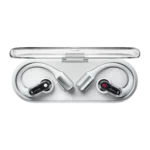
The Nothing Ear (open) are non-standard open-fit earbuds with an ear hook, making them an ideal option for sports, running, and other activities. They offer a comfortable fit, a signature design, and a reference-level microphone. Your voice remains clear even in noisy environments. The sound quality isn’t the best among open-fit earbuds – a lack of detail is noticeable with the basic codec. However, the excellent microphone makes them great for calls.
- Good sound quality for open-fit earbuds around $100.
- Microphone of excellent quality
- Comfortable design with a secure ear hook fit.
- Signature Nothing design
- The sound can feel a bit low-end heavy.
- Bulky charging case, 3 times larger than usual.
The final sound score is calculated using this formula:
Frequency balance + Detail retrieval + Soundstage + Natural timbre / 4 = Final Sound Score.
. 7.13 Mid-frequency sound with moderate bass and subdued highs. Vocals are clear, with no noticeable artificiality, just a bit of grain on the cymbals. Detail retrieval is average, and with basic codecs, the sound gets congested in tracks with 4+ instruments. The soundstage feels cramped, with focus mainly on width. Out of the box, the sound is dull, and the presentation is background-oriented. However, with the EQ, the sound is noticeably better, even if you just boost the highs and add a little bass. More detail is immediately apparent. The Nothing Ear ( open ) falls into MyChooz’s silver league. And that’s a good result for a model with basic codecs.Learn more.
Microphone – We assess speech transmission quality by testing the microphone in two main scenarios: quiet and noisy environments.
Quiet environment – This involves recording indoors with minimal background noise. Noisy environment – This means recording outdoors near a six-lane road with maximum traffic noise.
. 9.00 In quiet conditions: 9 In noisy conditions: 9 Highly resolved, minimal interference, and a narrow perceived frequency range. In noisy environments, your voice isolates well while noise gets effectively suppressed.Overall feature score — this is the overall score for all device features. This score comes from individual feature ratings (battery life, controls, app, connection stability, and others) and shows how easy and smart the device is for daily use.
. 6.71 The earbuds lack active noise cancellation and transparency mode. At the same time, there is no tight seal, so your surroundings sound just like they would without them. Battery life stays close to the stated time; in our tests, we got 6-7 hours from the earbuds and up to 30 hours using the charging case. The app feels practical, offering a minimum of necessary features including an advanced EQ. Pinch controls handle media and calls without any accidental touches.Read more.
Final build quality score is the overall score for build quality and materials: comfort, durability, and design. It shows how nice the device is to hold and use, and how long it will last.
. 8.00 The earbuds are comfortable to use, though you might feel slight discomfort from the unusual design. Build quality and materials match flagship standards, with the only annoying flaws being a finish that attracts fingerprints and micro-scratches showing up right away. They look nice, matching the rest of the earbud series, but the design brings nothing new and feels a bit tired. You can choose between two colors: white and blue.Read more.
10. Marshall Minor IV 6.78Open-fit wireless earbuds with good sound and a cool design
Drivers are the drivers in your headphones that are responsible for creating sound.
DD + PM + BA – means that there are several different types of drivers in these headphones.
DD – “Dynamic Driver” dynamic driver (deep bass, natural sound).
PM – “Planar Magnetic Driver” planar driver (wide soundstage and fast response).
BA – “Balanced Armature Driver” armature driver (accuracy and detail retrieval).
BC – “Bone Conduction Driver” or bone-conduction driver, which transmits vibration to the body of the headphones, transmitting sound through the bone/cartilage to the inner ear.
LDAC – high quality, high speed (Sony).
SBC is the basic Bluetooth standard, low quality.
AAC – Apple standard, good quality, low latency.
aptX – Qualcomm standard, good quality, low latency.
LC3/LC3plus – new Bluetooth LE Audio codecs, efficient compression.
Codecs are audio compression formats that affect sound quality and latency.
Headphone battery life is the playback time without recharging, measured in hours. Manufacturers measure without active noise cancellation (ANC), at medium volume (50-70%) and usually with the AAC codec, as these parameters affect battery consumption. Actual time may vary from 1% to 50%, depending on volume, active noise cancellation features enabled, codec (LDAC or other) and environmental conditions (cold, hot). It is important to consider not only the claimed playback time, but also the charging time and fast charging support.
Bluetooth is a wireless data transmission standard.
Support for new audio technologies.
Improved connection stability.
Reduced power consumption.
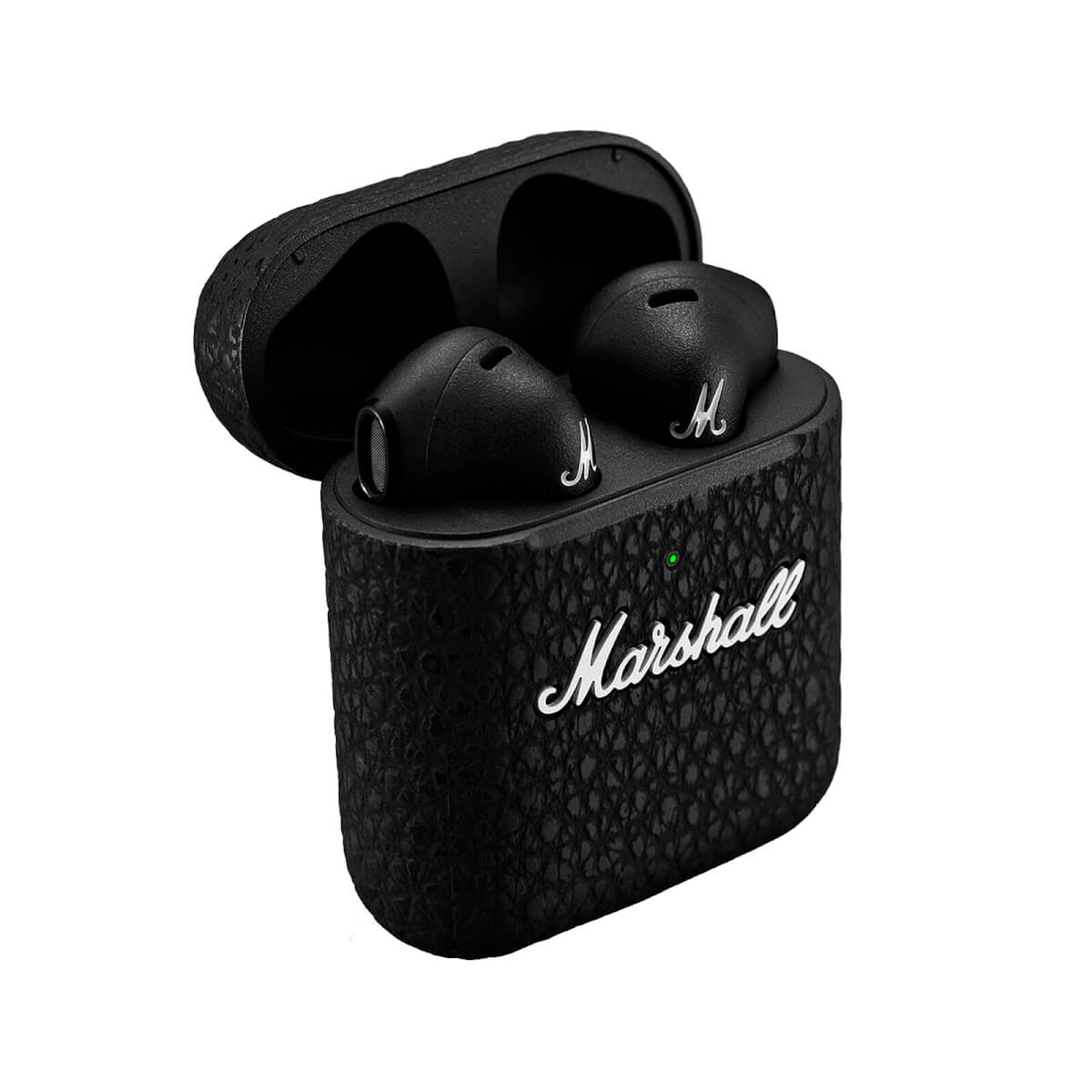
The Marshall Minor IV are open-fit wireless earbuds with good sound for those who prefer a non-bass-heavy profile. Their key selling points are the recognizable design and premium build quality and materials.
- Sturdy and reliable build
- Stylish and iconic design
- Sound for mids and highs lovers
- Ears get tired after an hour
- Bass-light
- I noticed a faint crackling in the left earbud whenever no music is playing.
The final sound score is calculated using this formula:
Frequency balance + Detail retrieval + Soundstage + Natural timbre / 4 = Final Sound Score.
. 6.93 The sound of the Marshall Minor IV didn’t upset me, but it didn’t thrill me either. It’s average. I wanted more bass, even though I’m not a basshead and I factor in the open-fit form factor. You get used to it eventually. After a few days of use, I grew accustomed to the sound; it has its own character. If you aren’t a bass lover, you’ll like this model.Read more.
Microphone – We assess speech transmission quality by testing the microphone in two main scenarios: quiet and noisy environments.
Quiet environment – This involves recording indoors with minimal background noise. Noisy environment – This means recording outdoors near a six-lane road with maximum traffic noise.
. 7.25 In quiet conditions: 7.7 In noisy conditions: 6.8Overall feature score — this is the overall score for all device features. This score comes from individual feature ratings (battery life, controls, app, connection stability, and others) and shows how easy and smart the device is for daily use.
. 5.71 The earbuds lack noise cancellation and transparency mode. Battery life runs up to 7 hours, reaching 30 hours total with the case. The controls are user-friendly, feature haptic feedback, and can be customized in the app. The app itself is ergonomic, housing sound and battery settings. The signal remains stable up to 10 meters.Read more.
Final build quality score is the overall score for build quality and materials: comfort, durability, and design. It shows how nice the device is to hold and use, and how long it will last.
. 8.00 If you have average-sized ears, you’ll likely feel some fatigue after an hour of use, so I’d recommend trying them on before buying. Grabbing the earbuds out of the charging case can also be a bit awkward because they’re hard to hold onto. Still, the build quality is solid and reliable. You only get one colorway: black with that iconic signature styling.Read more.
11. realme Buds Clip 6.19Best sound in clip-on earbuds under $50
Drivers are the drivers in your headphones that are responsible for creating sound.
DD + PM + BA – means that there are several different types of drivers in these headphones.
DD – “Dynamic Driver” dynamic driver (deep bass, natural sound).
PM – “Planar Magnetic Driver” planar driver (wide soundstage and fast response).
BA – “Balanced Armature Driver” armature driver (accuracy and detail retrieval).
BC – “Bone Conduction Driver” or bone-conduction driver, which transmits vibration to the body of the headphones, transmitting sound through the bone/cartilage to the inner ear.
LDAC – high quality, high speed (Sony).
SBC is the basic Bluetooth standard, low quality.
AAC – Apple standard, good quality, low latency.
aptX – Qualcomm standard, good quality, low latency.
LC3/LC3plus – new Bluetooth LE Audio codecs, efficient compression.
Codecs are audio compression formats that affect sound quality and latency.
Headphone battery life is the playback time without recharging, measured in hours. Manufacturers measure without active noise cancellation (ANC), at medium volume (50-70%) and usually with the AAC codec, as these parameters affect battery consumption. Actual time may vary from 1% to 50%, depending on volume, active noise cancellation features enabled, codec (LDAC or other) and environmental conditions (cold, hot). It is important to consider not only the claimed playback time, but also the charging time and fast charging support.
Bluetooth is a wireless data transmission standard.
Support for new audio technologies.
Improved connection stability.
Reduced power consumption.
The realme Buds Clip is a strong contender among clip-on and open-design earbuds under $50. While competitors in this price range often have harsh or muffled sound, Realme delivers a clean sound that doesn’t irritate. These earbuds handle midrange tracks better, with minimal instruments and more vocals, making them suitable for podcasts or audiobooks. They struggle with complex tracks or those covering a wide frequency range. Functionality is average, meeting basic needs. Notable features include live and synchronous translation, a clear microphone with noise cancellation, and precise controls. The build quality is faultless, offering comfort among budget options.
- Comfortable mid-range sound.
- Clear microphone with noise cancellation.
- No complaints about build quality and materials.
- Lacks lows and highs.
- Low detail retrieval with basic codecs.
- At 80%+ volume, the sound gets distorted.
The final sound score is calculated using this formula:
Frequency balance + Detail retrieval + Soundstage + Natural timbre / 4 = Final Sound Score.
. 5.88 Mid-range focused, reasonably full-bodied and detailed in simple tracks featuring just a few instruments and vocals. The earbuds handle such tracks easily for casual background listening, podcasts, or audiobooks. However, in dynamic tracks with multiple instruments and effects, the sound gets congested. This kind of sound tires you out halfway through a track. Lows and highs are lacking. You can crank up the frequencies in the EQ, but the sound turns synthetic and boomy on half the tracks.Read more.
Microphone – We assess speech transmission quality by testing the microphone in two main scenarios: quiet and noisy environments.
Quiet environment – This involves recording indoors with minimal background noise. Noisy environment – This means recording outdoors near a six-lane road with maximum traffic noise.
. 6.90 In quiet conditions: 7.8 In noisy conditions: 6 Speech is clear in quiet environments with a background noise level around 35 dB. Microphone gain is sufficient, and you do not need to shout. In noisy conditions with a vacuum cleaner running, background noise rises to 73-75 dB. Speech remains intelligible if you listen closely, though the vacuum noise is quite prominent in the background.Read more.
Overall feature score — this is the overall score for all device features. This score comes from individual feature ratings (battery life, controls, app, connection stability, and others) and shows how easy and smart the device is for daily use.
. 5.96 Average and meet basic wireless earbud needs. The only standout features are live and simultaneous translation and precise touch controls, with zero misfires during testing.Read more.
Final build quality score is the overall score for build quality and materials: comfort, durability, and design. It shows how nice the device is to hold and use, and how long it will last.
. 7.33 No complaints here; taking the earbuds out of the case is convenient. The only downside is the smudge-prone finish on the earbuds. There is no major discomfort when wearing them, though slight fatigue sets in after an hour of use.