


These are the BEST wireless earbuds for $45. They’ll handle all your music, phone calls, and quiet commutes for the next year. All this for under $50. These are the new Realme Buds Air 8 (2026 model), folks. I’m telling you right now, grab these. They’re a 100% hit for 2026. Realme really outdid themselves. In this review, I’ll tell you why. Stick around to the end, because there are some downsides too.
It seems tough to impress in the budget segment. But the Air 8 is truly top-tier for $45. These are definitely the best model under $50. They beat all the budget Realme T200, T300, and others. They’re better than KZ Carol and Extra. They’re better than hundreds of budget wireless earbuds I’ve bought and tested over the years. Other brands won’t hit this new bar, at least not for the next year. I don’t think they can. Basically, the Realme Buds Air 8 made it into the MyChooz silver league. That’s an 8-9 point overall rating. For a $45 model, that’s insane.
The sudden release of the Realme Buds Air 8 surprised many. As of this review, the new model costs less than last year’s flagship. It’s about $55 on Ali without discounts or coupons. Inside, you get a dual dynamic driver. There’s a translator and a built-in voice assistant. It has triple multipoint. That’s super rare for premium wireless earbuds, let alone a budget pair. So, everyone who bought the Realme Buds Air7 Pro is bummed. And those planning to buy the 7 Pro are now waiting. So, did Realme release even better Bluetooth earbuds for cheaper? The answer is yes and no. The Realme Buds Air8 are better, but only in some ways.
- Pleasant bass-heavy sound
- Triple multipoint, translator, and voice assistant.
- Comfortable fit and appealing look.
- Mediocre transparency mode and average noise cancellation
- Noticeable synthetic timbre in the sound
Buy realme Buds Air 8
Sound
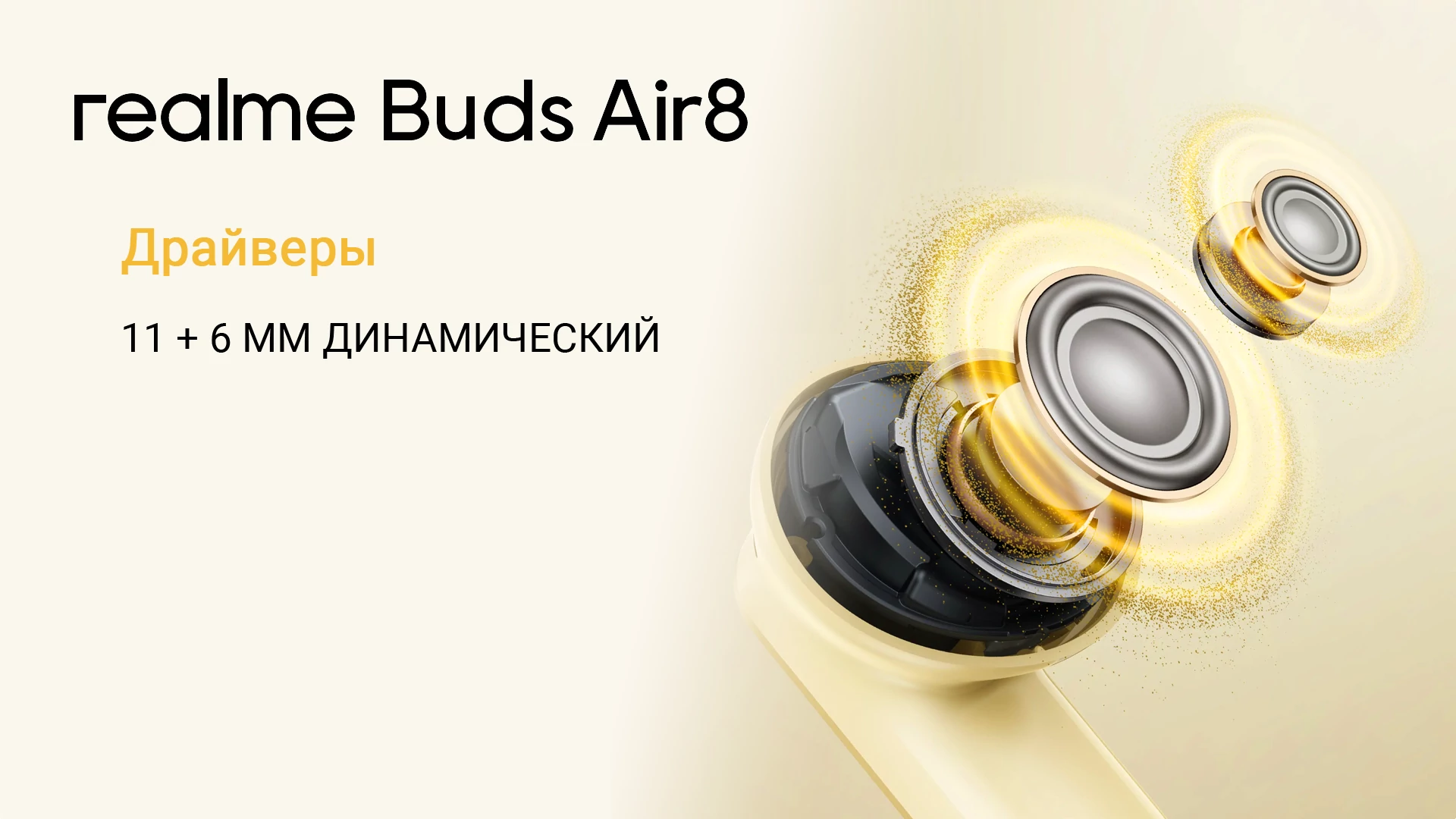
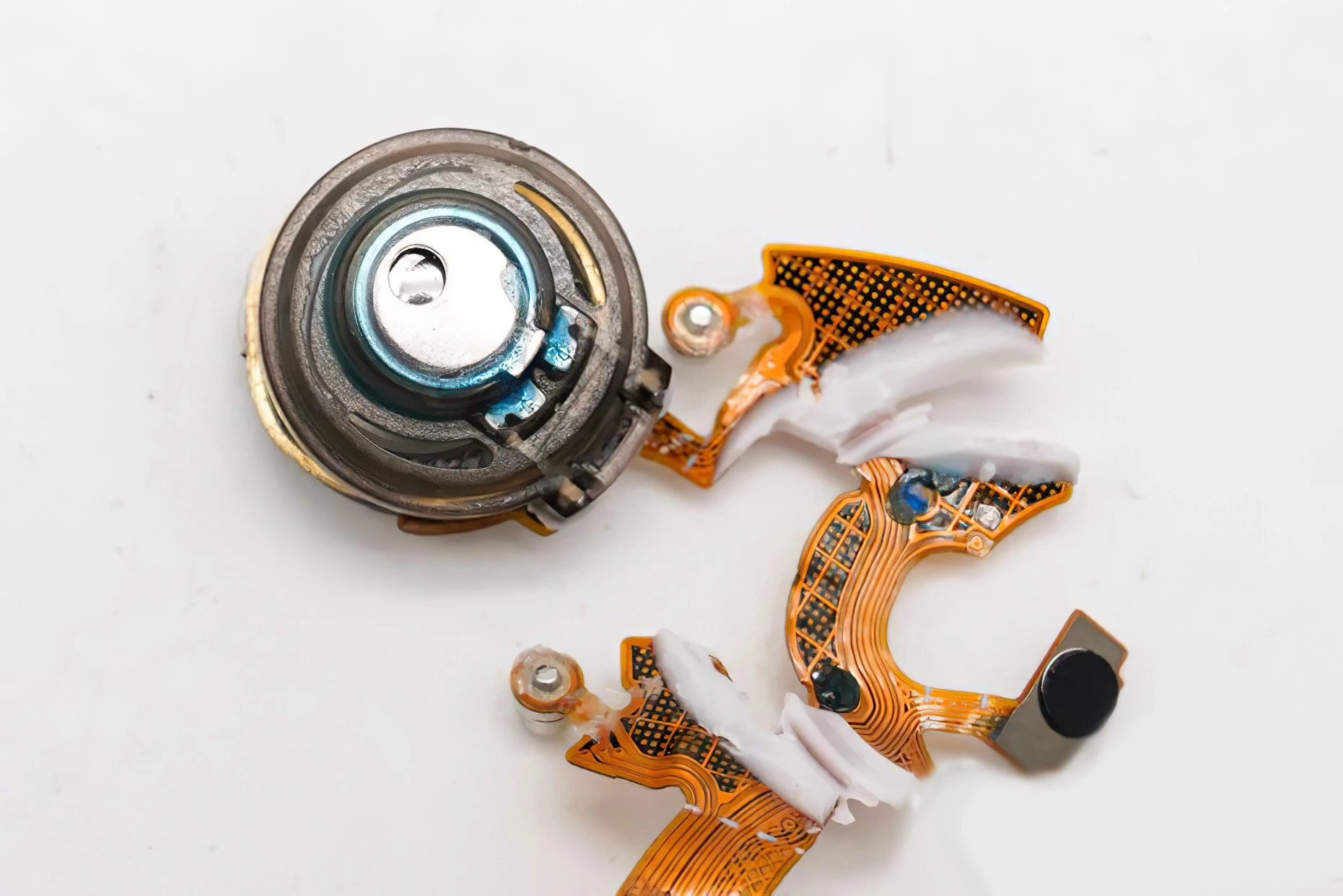
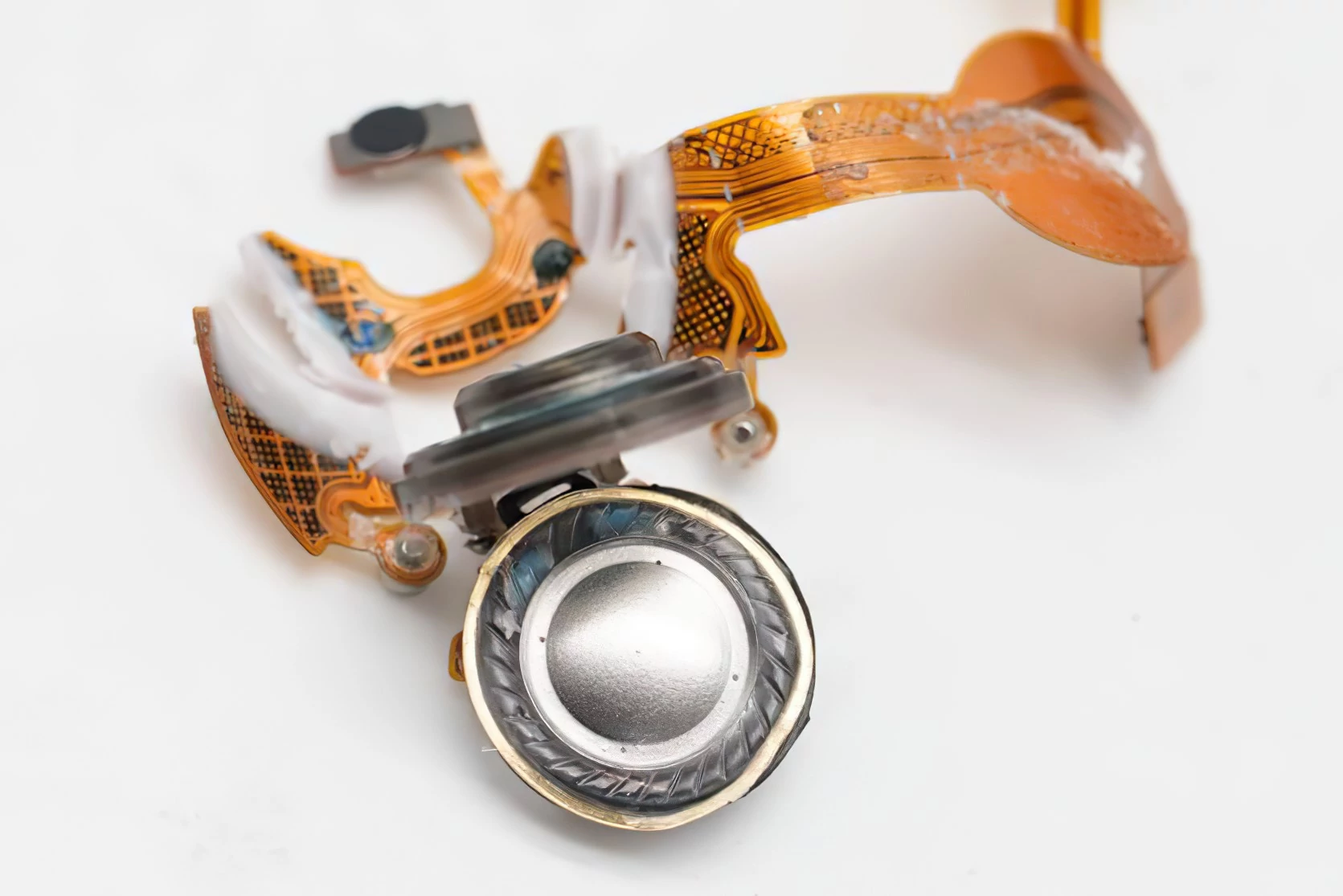
Sound. The Realme Buds Air 8 features a dual dynamic driver, 11+6 mm. Both drivers are stacked one after another. This audio system takes sound quality to a new level. It’s a big step up from previous single-driver generations. You can find reviews of the Realme Buds Air 6 and Buds Air 7 on MyChooz. The improvement over two generations is noticeable.
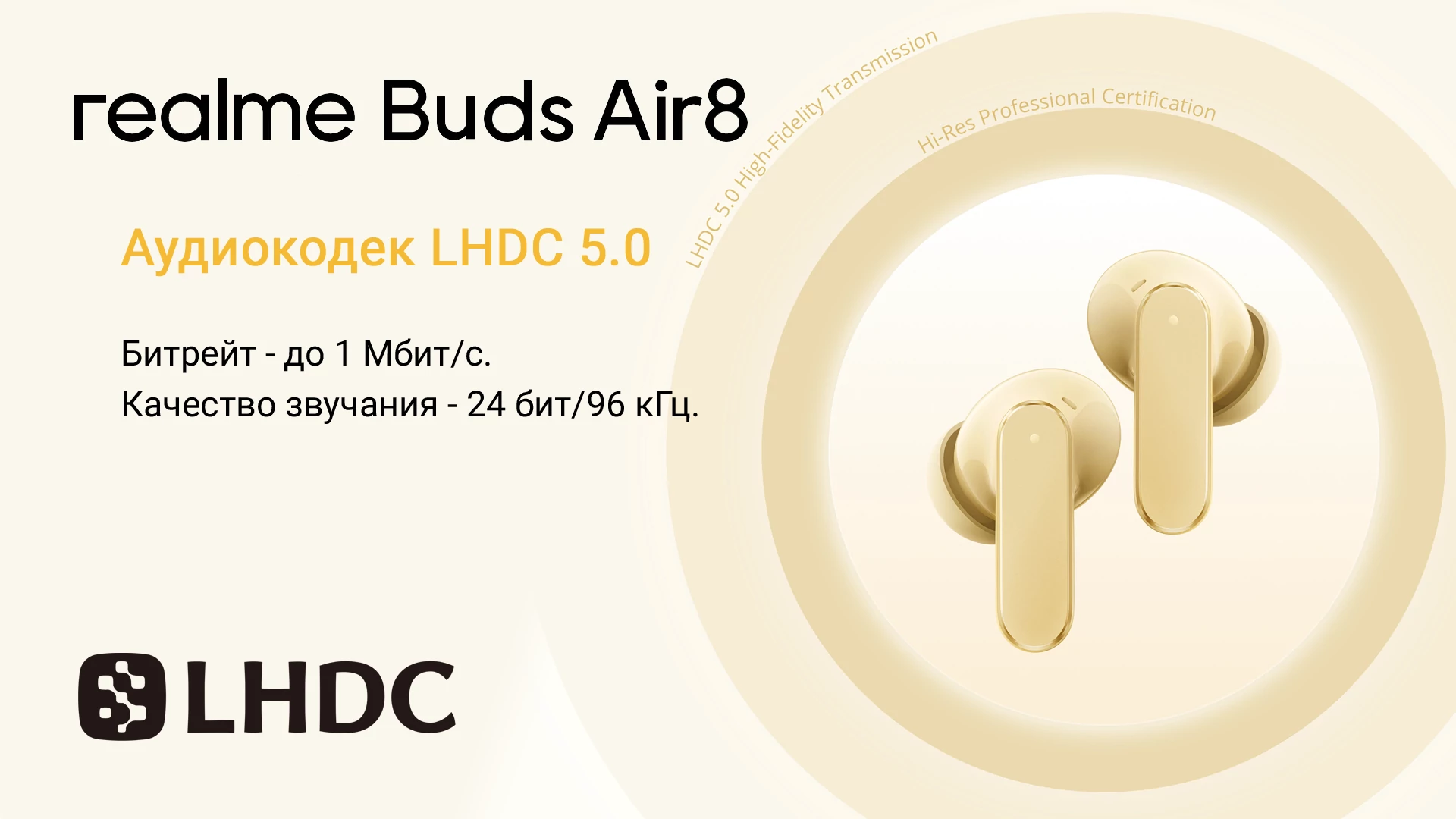
Codec. The earbuds support the full LHDC 3.0 audio codec. That’s 24 bit/96 kHz with a 900 Kbps bitrate. They also support LHDC 5.0, which is 24 bit/96 kHz with a 1000 Kbps bitrate. LHDC 3.0 is more common on phones than version 5. This means you’re more likely to get less compressed sound from your source. Learn more about codecs and how to check them on your device before buying earbuds. The full LHDC 3.0 codec is available in the Realme Buds Air 7 and OnePlus Buds 3. But in last year’s flagship, the Realme Buds Air 7 Pro, the LHDC 3.0 codec is cut in half. It’s 24 bit/48 kHz, 500 Kbps. So, you’ll only get its full sound potential with LHDC 5.0.
Source. The requirements for your audio source are minimal. You’ll get pleasant, engaging sound with devices running on Snapdragon and MediaTek mobile platforms. I listened on phones in the same price range. A noticeable difference was that the bass was tighter on Snapdragon. On MediaTek, the bass was more expansive, with more reverb in the sound. I also felt there was a bit less detail.
Internal build. If you’re curious about the earbuds’ build quality, here’s a teardown of the Realme Buds Air8. And here’s a teardown of the Realme Buds Air 7 Pro.
Testing parameters
Audio codec: LHDC 5.0 – 24 bit/96 kHz, 1000 Kbps. Enabled in the Realme Link app on Android.
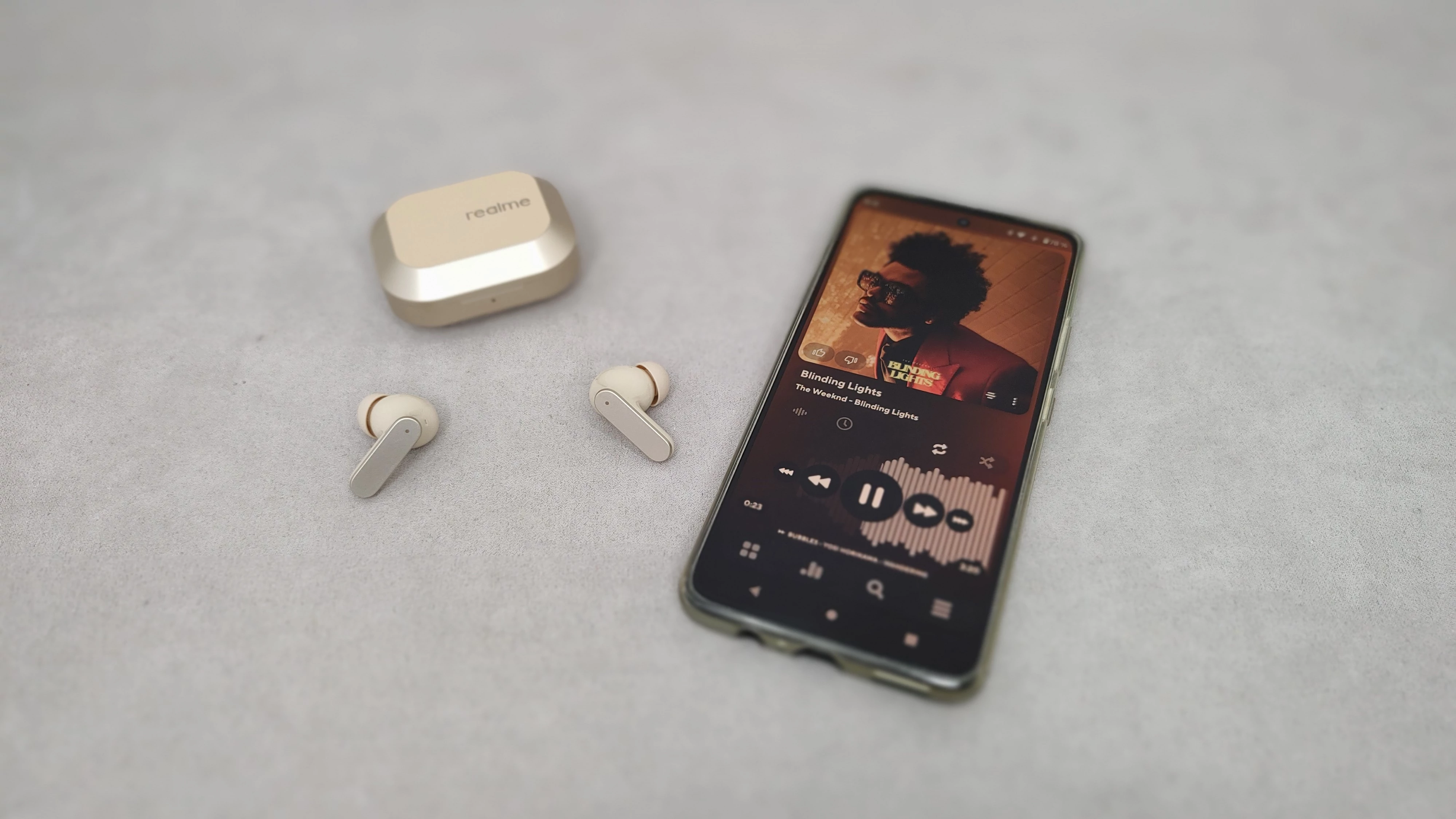
Audio source: Motorola G75 with Snapdragon 6 Gen 3 / Motorola G72 with MediaTek Helio G99.
Music source: Local files, PowerAMP player.
Sound evaluation: No EQ or extra sound settings.
Earbuds firmware version: 1.1.0.36.
EQ tuning potential: Yes.
Tests are performed with a OnePlus 11 phone (Android) and iPhone 14 Pro (iOS), via streaming Deezer HiFi (about this subscription) in FLAC (1411 кбит/c) format.
My playlist – for testing earbuds:
- Michael Jackson – P.Y.T. (Pretty Young Thing). Pop-funk.
✅ Checking low-end and natural timbre – the timbre of the main bass synth should sound natural and be audible. The bass here is powerful, but shouldn’t overpower other frequency ranges.
✅ Checking detail retrieval and soundstage width – background vocals and percussion in the right channel should be clearly audible.
✅ Checking highs and natural treble timbre – the cymbals in this track should sound soft and natural, without grain. The drums in this song are recorded and mixed simply wonderfully (Jonathan Moffett – drum virtuoso). - Oasis – Don’t Go Away. Alternative rock, Brit Pop.
✅ Natural timbre check – the acoustic guitar sound should be natural.
✅ Low-end check – the kick drum, toms, and snare are quite recessed in this track, and with poor bass, drum fills will simply be inaudible.
✅ Mids check – Liam’s voice should sound open and not get congested; this track has a lot of live instruments that can easily overpower the mids and vocals, adding muddiness or a closed-in feel to the voice.
✅ Highs and natural timbre check – at the end of the song, there’s my favorite instrumental break with acoustic guitar and tambourine; they should be distinct from each other and sound natural, without grain or artificial timbre. - Twenty One Pilots – Backslide. Hip-Hop, Alternative Pop.
✅ Detail retrieval check. In this track, Tyler (as always) did a lot of background vocals with and without effects; they should be clearly separated from each other and audible.
✅ Soundstage width check – The shaker that appears and disappears, flowing from channel to channel, perfectly demonstrates the soundstage width. Same for the background vocals, which are well-separated across the channels. - Adele – Rolling in the Deep. Pop, Soul, Blues.
✅ Mids and vocal check – Adele’s voice here should be distinct, with a sense of presence, without veiled sound or muddiness. - Eagles – Hotel California (Live on MTV, 1994). Rock, country-rock. God bless whoever recorded and mixed this live performance.
✅ Soundstage width check – crowd sounds, background effects, instrument placement.
✅ Highs check – 2 shakers in the left and right channels should be clearly audible and not sound artificial.
More tracks I use for testing:
- Modern Talking – You’re My Heart, You’re My Soul. Europop.
Vocals shouldn’t be masked by the bassline, and the shaker should sound natural, without grain. - Eminem – Ass Like That. Hip-hop and Rap.
The heavy bassline shouldn’t overpower the vocals. Secondary ethnic instruments and backing vocals should be audible. - Bob Marley – Could You Be Loved. Reggae.
Cymbals shouldn’t have grain, vocals and backing vocals shouldn’t be masked by the lows, and the bassline should be clearly distinguishable. - Disturbed – Stricken. Alternative Metal and Heavy Metal.
The distorted guitar shouldn’t overpower the drums and vocals.
Cymbals shouldn’t get lost in the overall mix. - System of a Down – Radio/Video. Alternative Metal and Nu Metal.
The shaker should sound natural, without grain. The distorted guitar shouldn’t overpower the drums and Serj’s and Daron’s vocals.
The score is given according to our “Scores 3.0” methodology.
Sound — 50% of the score:
- Frequency balance in sound — how harmoniously the earbuds reproduce lows, mids, and highs.
- Soundstage — the ability of earbuds to create a sense of 3D volume and space in music.
- Detail retrieval or resolution — the ability of earbuds to convey the smallest nuances of sound with high precision.
- Naturalness or timbre balance — this is preserving the natural sound of instruments, sounds, and vocals.
Features and design — 50% of the score:
- Microphone quality.
- Active noise cancellation (ANC) and transparency mode.
- Battery life, controls, app, and other features.
- Build quality: wear comfort, durability, and design + available colors.
- Learn more about how, how we test and rate earbuds.
Sound rating:
What genres are the Realme Buds Air 8 best for? These earbuds are multi-genre, but they handle bass-heavy tracks best. Think phonk, electronic music, hip-hop, and so on.
Music engagement? 8/10. They hold your attention, and you’ll want to re-listen to old tracks. The solid bass foundation will appeal to bass lovers.
The Realme Buds Air 8 volume is sufficient at 80%. If you need more volume, here’s how to increase it.
Sound enhancement
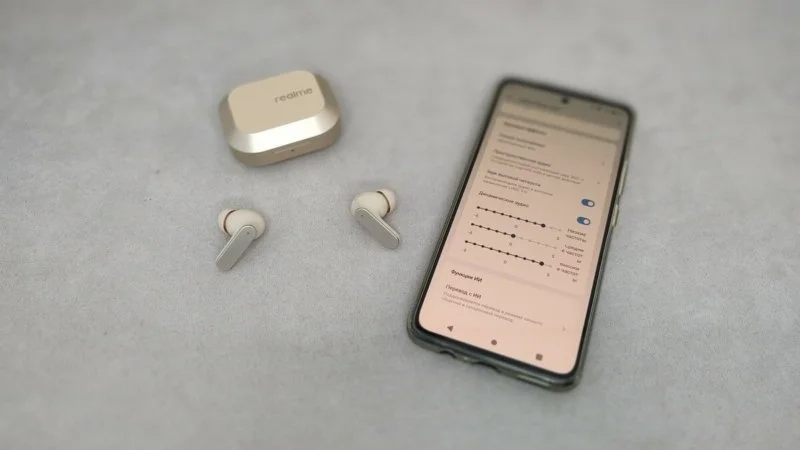
Sound with EQ – this is the sound rating after improvement, often with EQ tuning. For each model, we try to find a setting with the best sound output and without complicated steps for the user.
. 7.5 I recommend using the proprietary EQ.Learn more.
Sound with AAC – sound rating with the basic Bluetooth codec and without sound tuning.
. 7 There’s up to a 15% drop in quality on Android.Learn more about codecs.
Sound in games – This is how we rate sound quality in games. We check how much the sound pulls you into the game.
. 7.2 It’s good, suitable for mobile games.Learn more.
Version differences. This review covers the global version of the earbuds. Known differences from the Chinese version include: voice prompts are in English, and the default language in the translator is English, not Chinese.
Comparison with Competitors
I thought a lot about what to pick for the comparisons below. But I always imagine myself in a store, about to pull money out of my wallet. I ask myself: ‘Okay, I’m paying now and leaving. Which model do I want to stick with for the next six months to a year?’ This always helps and clears up all doubts.
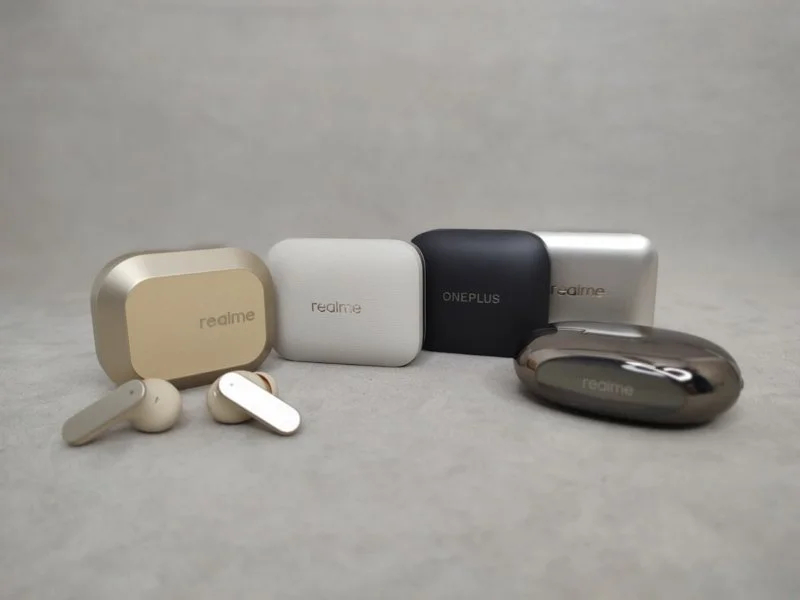
Comparing with previous generations: Realme Buds Air 8 vs Realme Buds Air7 vs Realme Buds Air 6 Pro.
Learn moreRealme Buds Air 8 vs Realme Buds Air7
You immediately feel a 1-point drop in overall sound quality out of 10. The 8 is better than the 7. The 7 has more bass, but it’s less controlled. The highs and mids are way better on the 8. In terms of features and build quality, the 8 is also better.
Drivers are the drivers in your headphones that are responsible for creating sound.
DD + PM + BA – means that there are several different types of drivers in these headphones.
DD – “Dynamic Driver” dynamic driver (deep bass, natural sound).
PM – “Planar Magnetic Driver” planar driver (wide soundstage and fast response).
BA – “Balanced Armature Driver” armature driver (accuracy and detail retrieval).
BC – “Bone Conduction Driver” or bone-conduction driver, which transmits vibration to the body of the headphones, transmitting sound through the bone/cartilage to the inner ear.
LDAC – high quality, high speed (Sony).
SBC is the basic Bluetooth standard, low quality.
AAC – Apple standard, good quality, low latency.
aptX – Qualcomm standard, good quality, low latency.
LC3/LC3plus – new Bluetooth LE Audio codecs, efficient compression.
Codecs are audio compression formats that affect sound quality and latency.
Headphone battery life is the playback time without recharging, measured in hours. Manufacturers measure without active noise cancellation (ANC), at medium volume (50-70%) and usually with the AAC codec, as these parameters affect battery consumption. Actual time may vary from 1% to 50%, depending on volume, active noise cancellation features enabled, codec (LDAC or other) and environmental conditions (cold, hot). It is important to consider not only the claimed playback time, but also the charging time and fast charging support.
Bluetooth is a wireless data transmission standard.
Support for new audio technologies.
Improved connection stability.
Reduced power consumption.
Drivers are the drivers in your headphones that are responsible for creating sound.
DD + PM + BA – means that there are several different types of drivers in these headphones.
DD – “Dynamic Driver” dynamic driver (deep bass, natural sound).
PM – “Planar Magnetic Driver” planar driver (wide soundstage and fast response).
BA – “Balanced Armature Driver” armature driver (accuracy and detail retrieval).
BC – “Bone Conduction Driver” or bone-conduction driver, which transmits vibration to the body of the headphones, transmitting sound through the bone/cartilage to the inner ear.
LDAC – high quality, high speed (Sony).
SBC is the basic Bluetooth standard, low quality.
AAC – Apple standard, good quality, low latency.
aptX – Qualcomm standard, good quality, low latency.
LC3/LC3plus – new Bluetooth LE Audio codecs, efficient compression.
Codecs are audio compression formats that affect sound quality and latency.
Headphone battery life is the playback time without recharging, measured in hours. Manufacturers measure without active noise cancellation (ANC), at medium volume (50-70%) and usually with the AAC codec, as these parameters affect battery consumption. Actual time may vary from 1% to 50%, depending on volume, active noise cancellation features enabled, codec (LDAC or other) and environmental conditions (cold, hot). It is important to consider not only the claimed playback time, but also the charging time and fast charging support.
Bluetooth is a wireless data transmission standard.
Support for new audio technologies.
Improved connection stability.
Reduced power consumption.
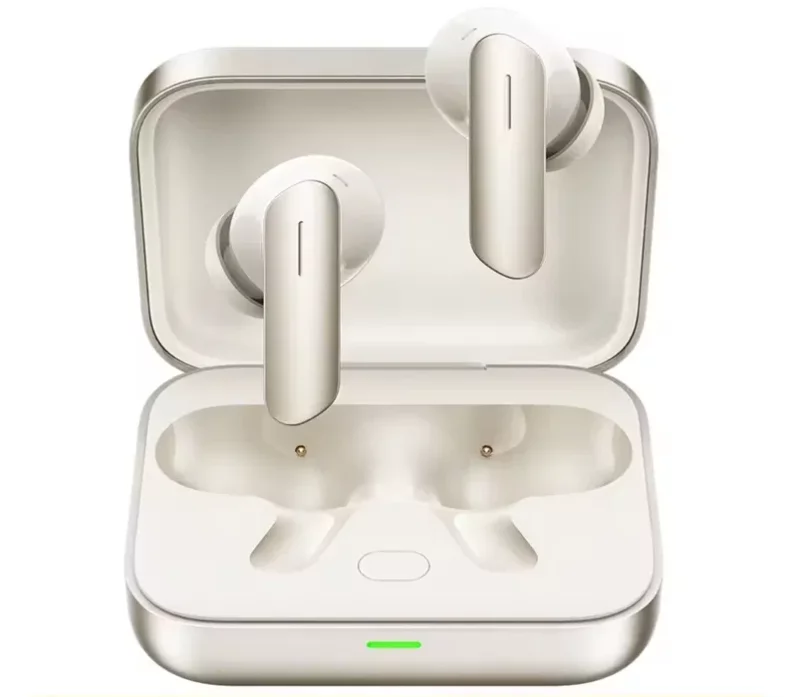
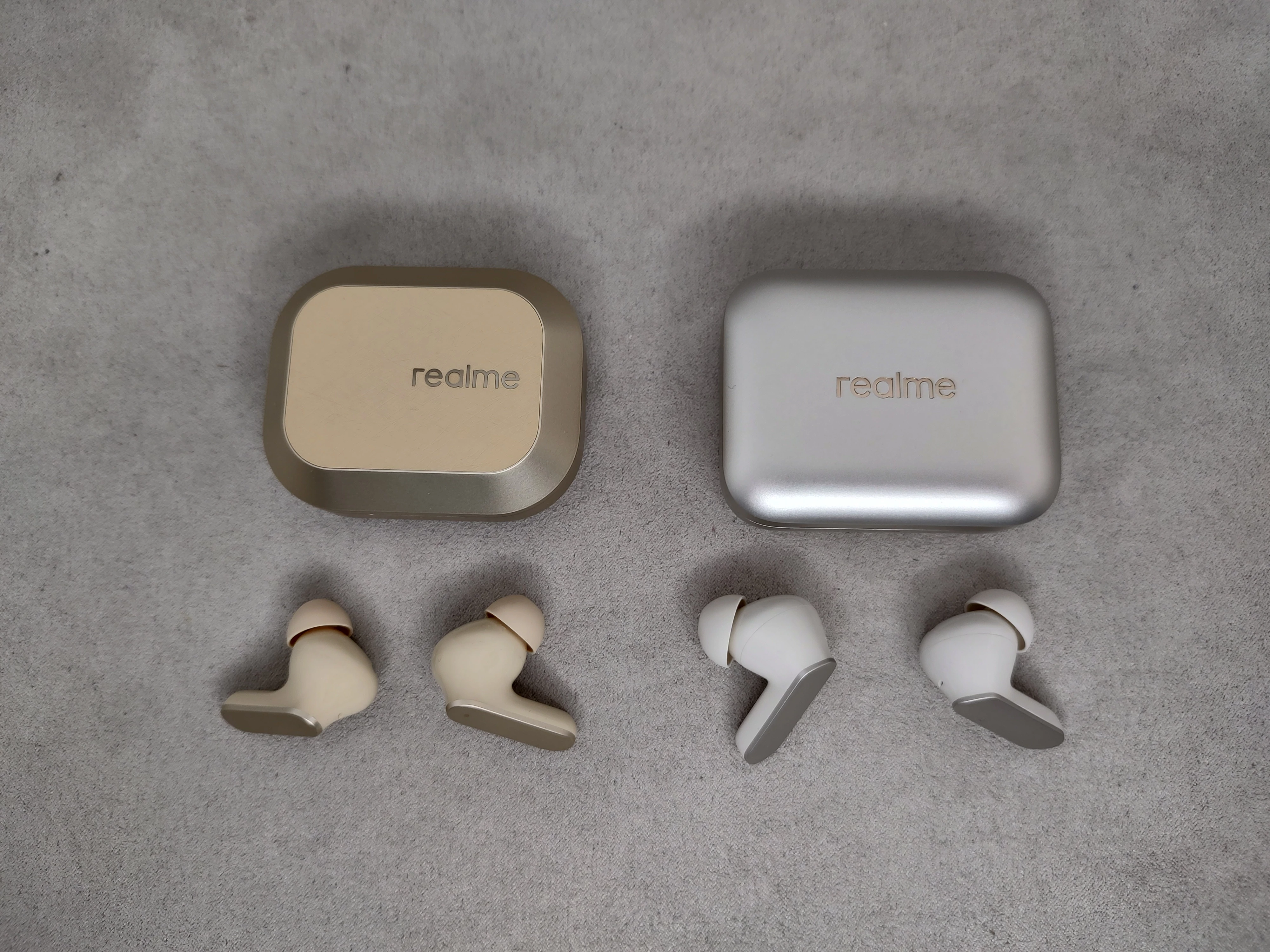
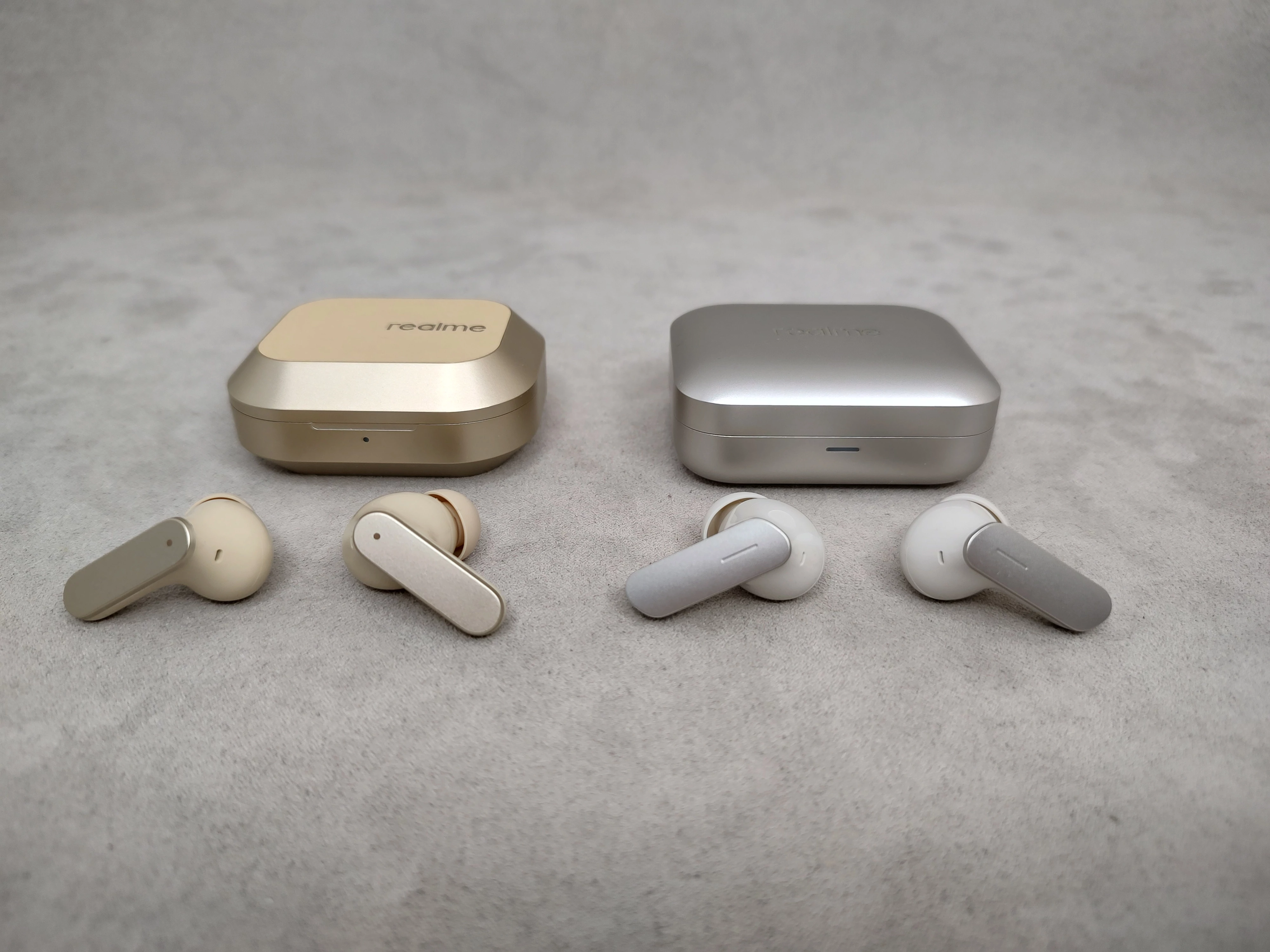
The Realme Buds Air7 are noticeably weaker in the high-frequency range. Percussion and high-frequency effects sound muffled. You also hear significantly fewer details. The mids have less transparency.
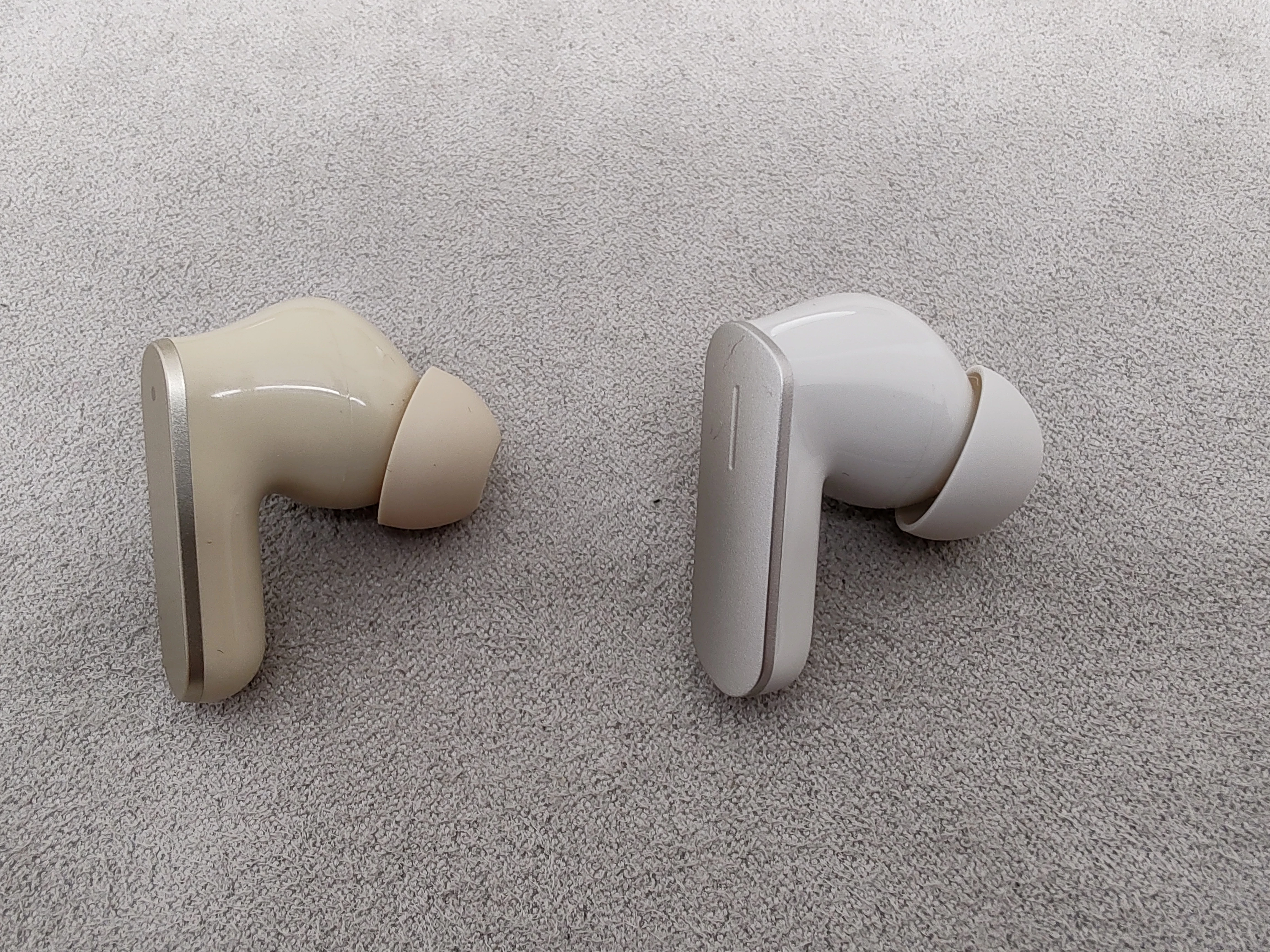
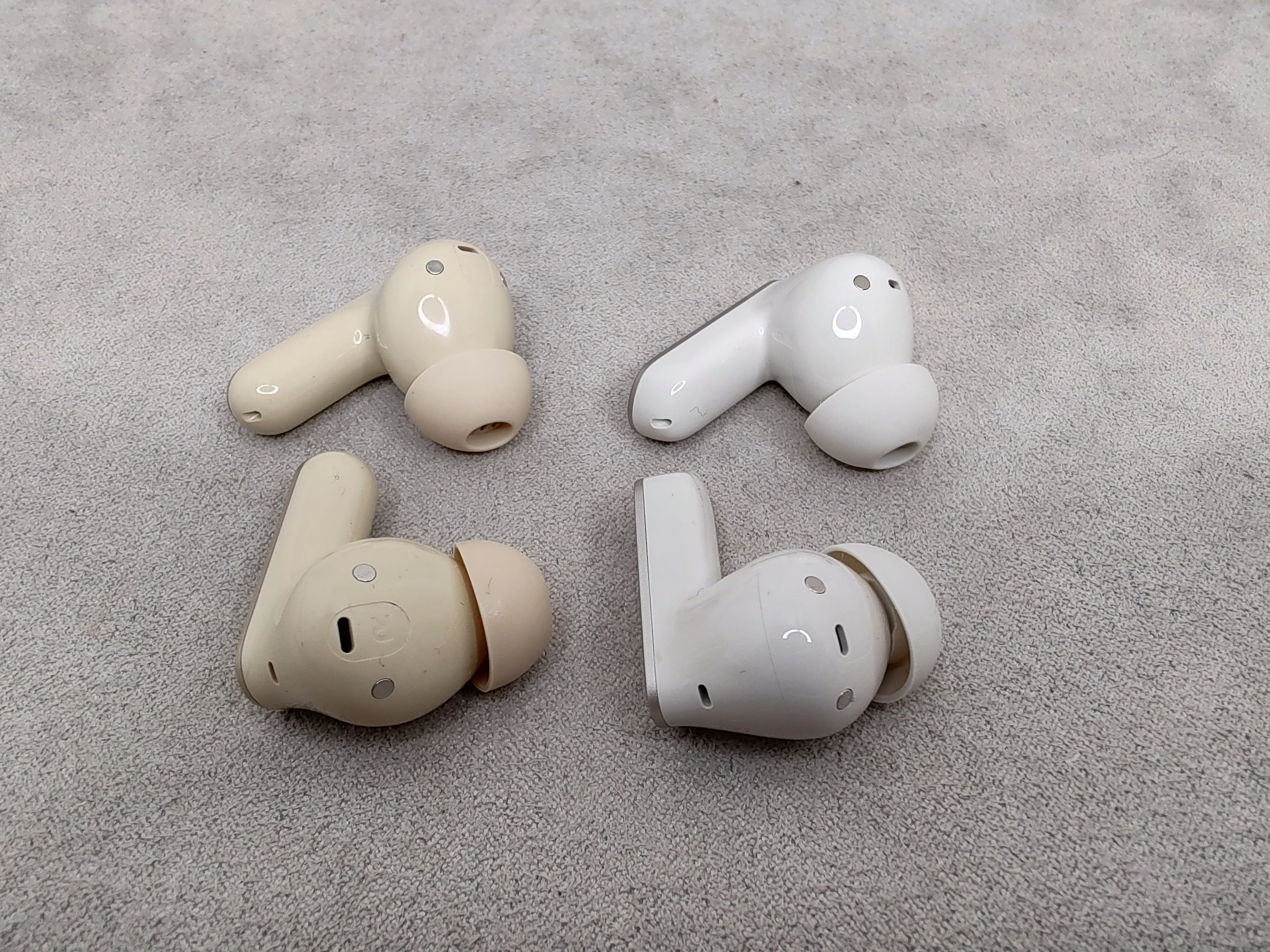
The active noise cancellation is about the same. Transparency mode is also similar – and uncomfortable.
MyChooz – Realme Buds Air 8.
Watch the Realme Buds Air 7 review
Realme Buds Air 8 vs Realme Buds Air 6 Pro
This is a big deal. Only two generations have passed, and the basic Realme Buds Air 8 is already better than the Realme Buds Air 6 Pro in overall sound quality. It’s more balanced, with vocals that feel closer.
Drivers are the drivers in your headphones that are responsible for creating sound.
DD + PM + BA – means that there are several different types of drivers in these headphones.
DD – “Dynamic Driver” dynamic driver (deep bass, natural sound).
PM – “Planar Magnetic Driver” planar driver (wide soundstage and fast response).
BA – “Balanced Armature Driver” armature driver (accuracy and detail retrieval).
BC – “Bone Conduction Driver” or bone-conduction driver, which transmits vibration to the body of the headphones, transmitting sound through the bone/cartilage to the inner ear.
LDAC – high quality, high speed (Sony).
SBC is the basic Bluetooth standard, low quality.
AAC – Apple standard, good quality, low latency.
aptX – Qualcomm standard, good quality, low latency.
LC3/LC3plus – new Bluetooth LE Audio codecs, efficient compression.
Codecs are audio compression formats that affect sound quality and latency.
Headphone battery life is the playback time without recharging, measured in hours. Manufacturers measure without active noise cancellation (ANC), at medium volume (50-70%) and usually with the AAC codec, as these parameters affect battery consumption. Actual time may vary from 1% to 50%, depending on volume, active noise cancellation features enabled, codec (LDAC or other) and environmental conditions (cold, hot). It is important to consider not only the claimed playback time, but also the charging time and fast charging support.
Bluetooth is a wireless data transmission standard.
Support for new audio technologies.
Improved connection stability.
Reduced power consumption.
Drivers are the drivers in your headphones that are responsible for creating sound.
DD + PM + BA – means that there are several different types of drivers in these headphones.
DD – “Dynamic Driver” dynamic driver (deep bass, natural sound).
PM – “Planar Magnetic Driver” planar driver (wide soundstage and fast response).
BA – “Balanced Armature Driver” armature driver (accuracy and detail retrieval).
BC – “Bone Conduction Driver” or bone-conduction driver, which transmits vibration to the body of the headphones, transmitting sound through the bone/cartilage to the inner ear.
LDAC – high quality, high speed (Sony).
SBC is the basic Bluetooth standard, low quality.
AAC – Apple standard, good quality, low latency.
aptX – Qualcomm standard, good quality, low latency.
LC3/LC3plus – new Bluetooth LE Audio codecs, efficient compression.
Codecs are audio compression formats that affect sound quality and latency.
Headphone battery life is the playback time without recharging, measured in hours. Manufacturers measure without active noise cancellation (ANC), at medium volume (50-70%) and usually with the AAC codec, as these parameters affect battery consumption. Actual time may vary from 1% to 50%, depending on volume, active noise cancellation features enabled, codec (LDAC or other) and environmental conditions (cold, hot). It is important to consider not only the claimed playback time, but also the charging time and fast charging support.
Bluetooth is a wireless data transmission standard.
Support for new audio technologies.
Improved connection stability.
Reduced power consumption.

The Realme Buds Air 6 Pro has less detail in the lows. The mids lack transparency, and the sound is a bit muffled. But the highs are better defined, and in some tracks, they can be a little harsh. Both models are comparable in other aspects. For me, the Realme Buds Air 8 has a more comfortable and slightly more spacious sound. The 6 Pro has noticeably less transparency and space, and more bass.
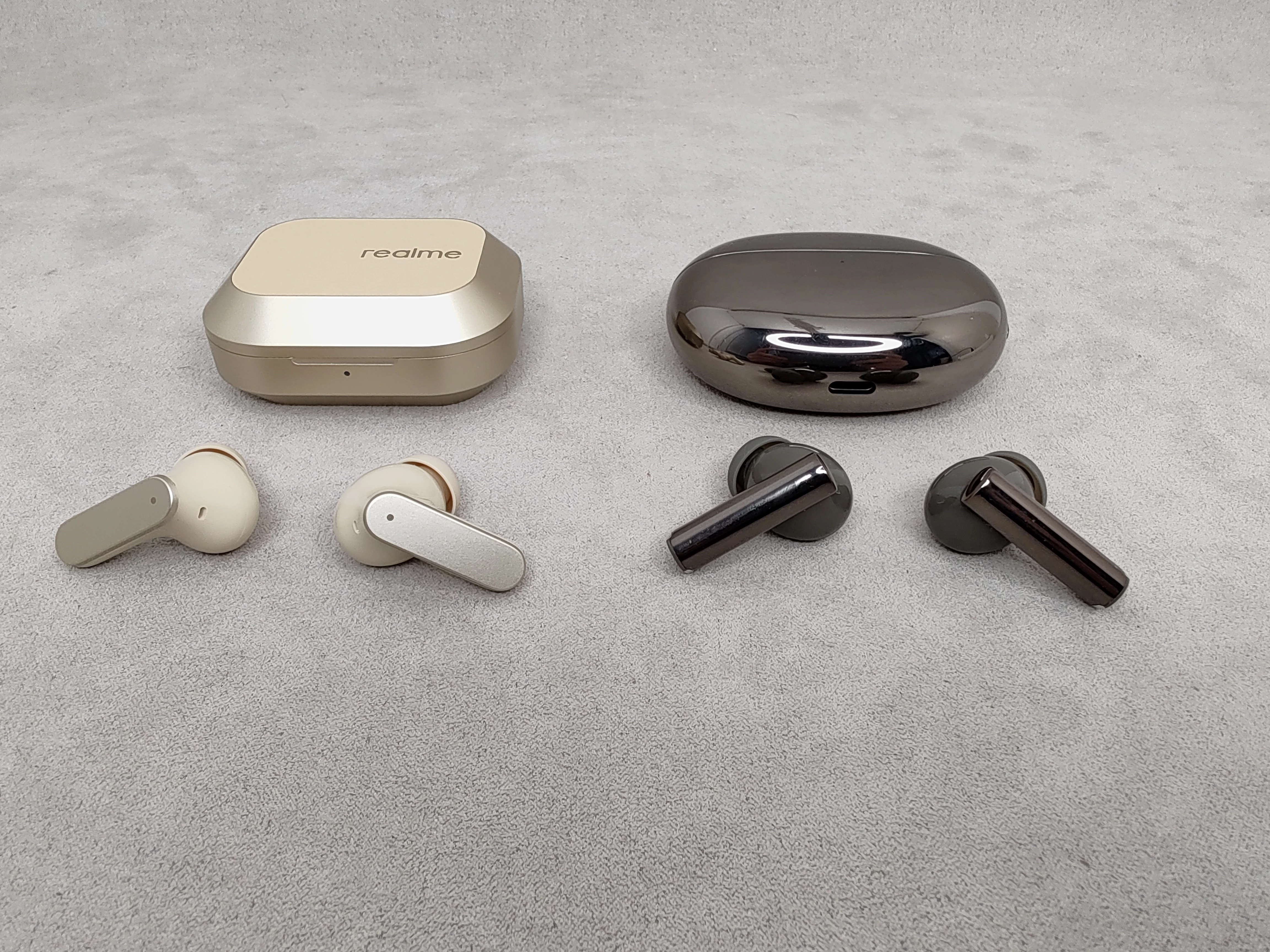
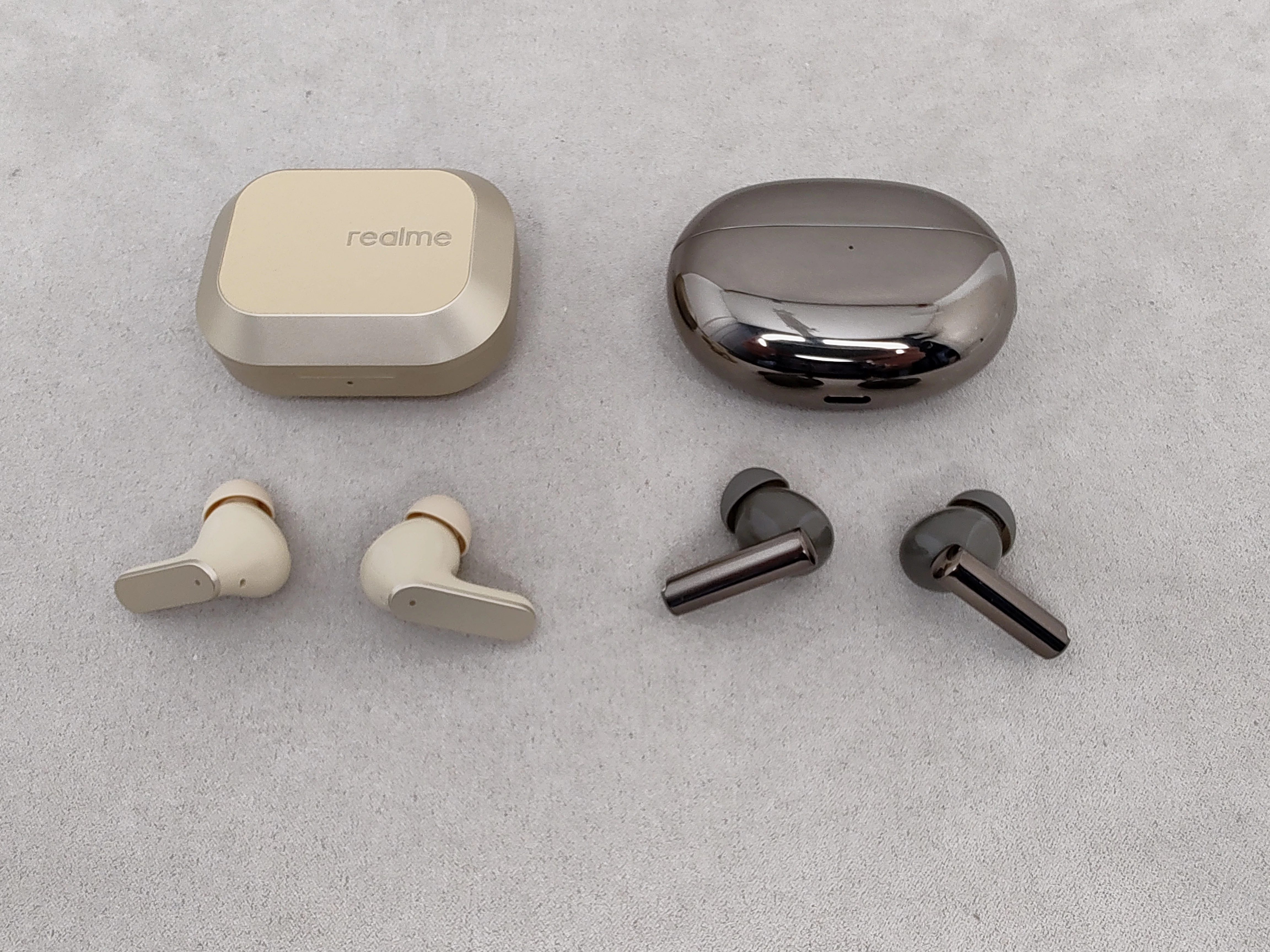
The active noise cancellation is about the same. Transparency is worse.
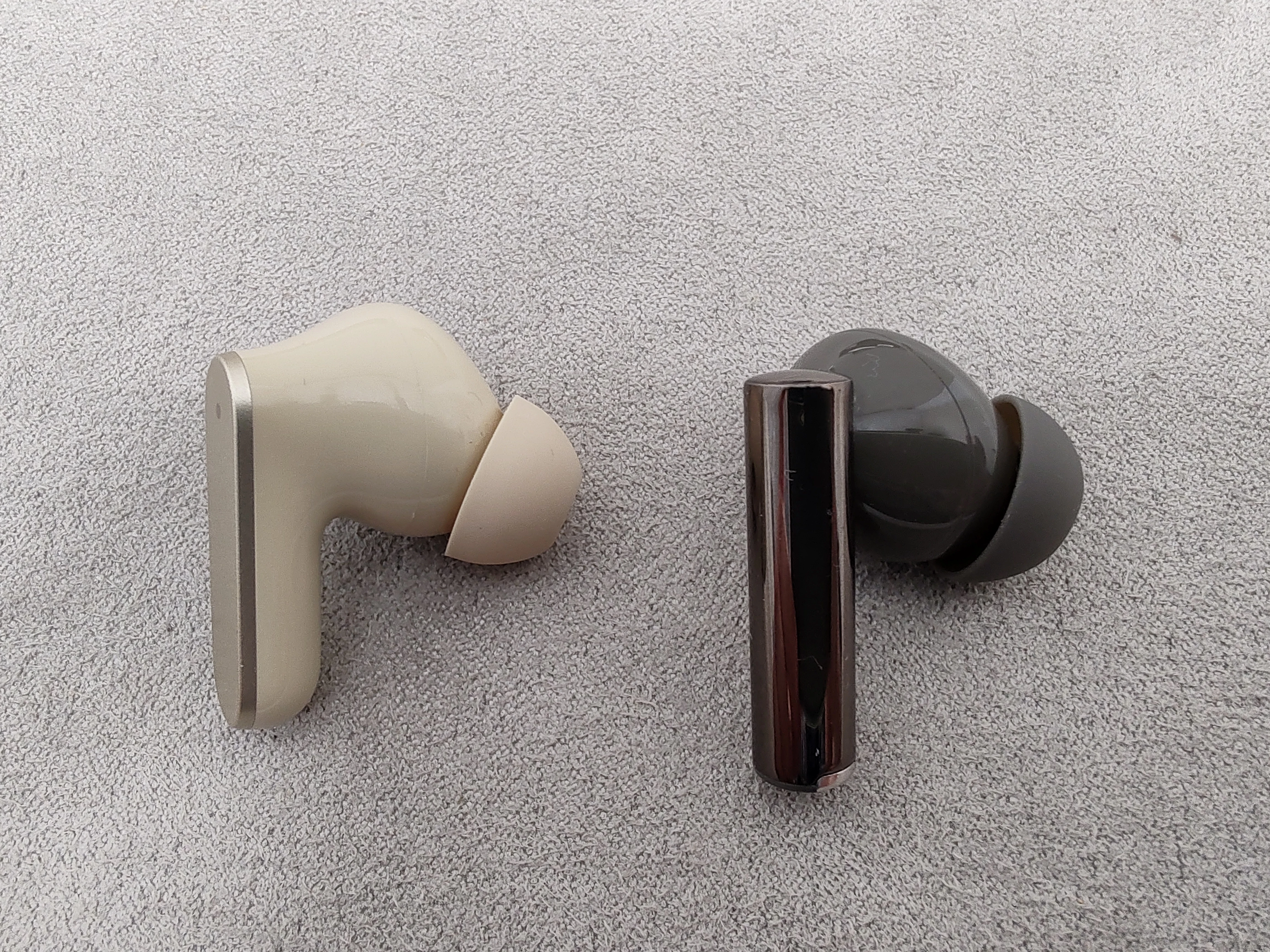
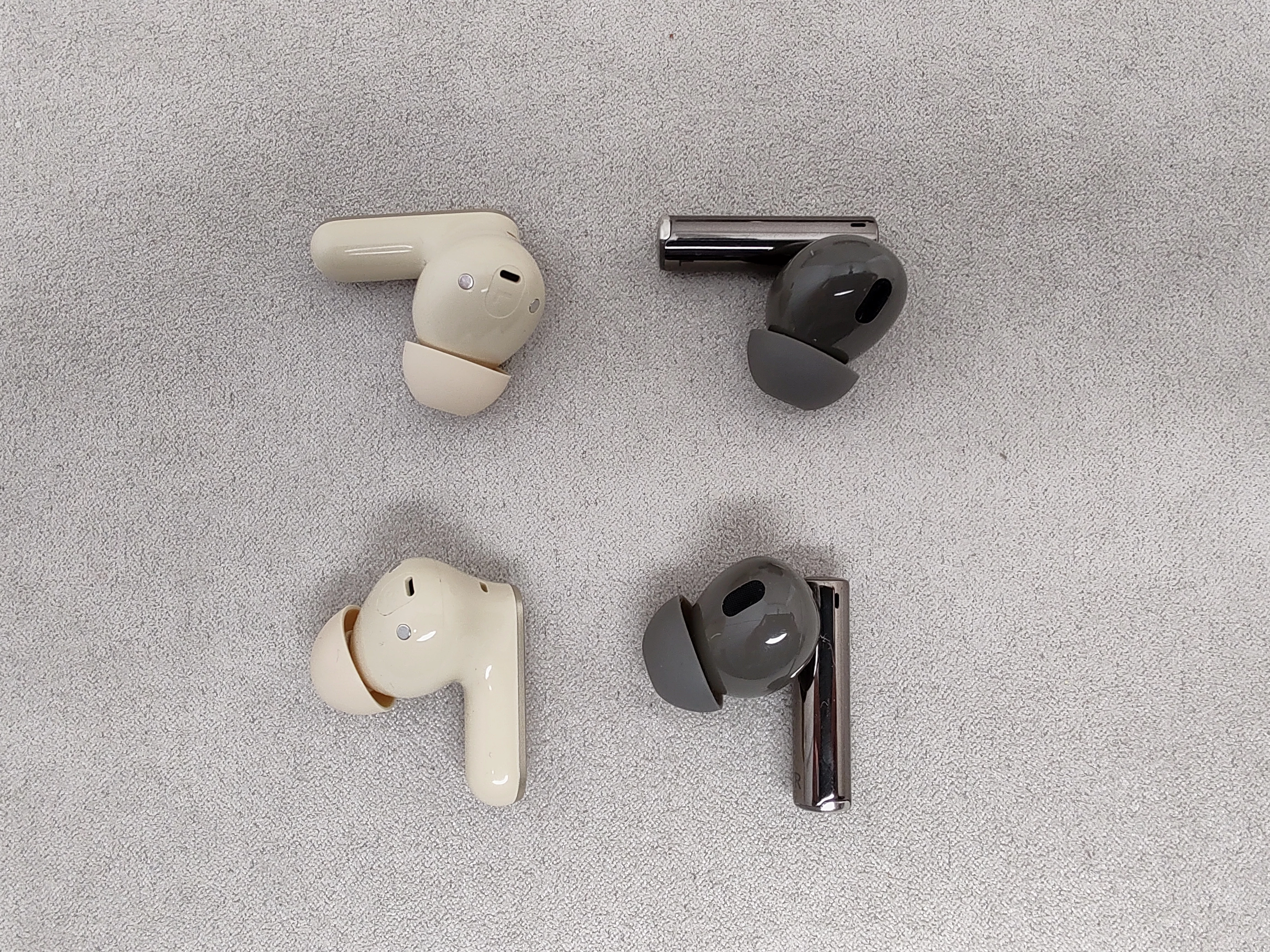
MyChooz – Realme Buds Air 8.
Watch the Realme Buds Air 6 Pro review
Comparing with price competitors: Realme Buds Air 8 vs OnePlus Buds 3.
Learn moreRealme Buds Air 8 vs OnePlus Buds 3
Both models sound good. The Realme Buds Air 8 has a more pleasant sound, with transparent vocals and highs that aren’t as sharp. You get more detail and better resolution. The OnePlus Buds 3 are definitely better for bass; it’s more abundant, tighter, and punchier. The soundstage on the Buds 3 is wider and deeper. The Realme Buds Air 8 still creates a more 2D, flat sound. But the OnePlus Buds 3 build a more full-bodied 3D sound. Overall, it’s a tie. If you love bass, go for the OnePlus Buds 3. If you prefer more balance, transparency, and detail, choose the Realme Buds Air 8. My pick is still the Air8. It offers more richness and balance, even on a flatter soundstage.
Drivers are the drivers in your headphones that are responsible for creating sound.
DD + PM + BA – means that there are several different types of drivers in these headphones.
DD – “Dynamic Driver” dynamic driver (deep bass, natural sound).
PM – “Planar Magnetic Driver” planar driver (wide soundstage and fast response).
BA – “Balanced Armature Driver” armature driver (accuracy and detail retrieval).
BC – “Bone Conduction Driver” or bone-conduction driver, which transmits vibration to the body of the headphones, transmitting sound through the bone/cartilage to the inner ear.
LDAC – high quality, high speed (Sony).
SBC is the basic Bluetooth standard, low quality.
AAC – Apple standard, good quality, low latency.
aptX – Qualcomm standard, good quality, low latency.
LC3/LC3plus – new Bluetooth LE Audio codecs, efficient compression.
Codecs are audio compression formats that affect sound quality and latency.
Headphone battery life is the playback time without recharging, measured in hours. Manufacturers measure without active noise cancellation (ANC), at medium volume (50-70%) and usually with the AAC codec, as these parameters affect battery consumption. Actual time may vary from 1% to 50%, depending on volume, active noise cancellation features enabled, codec (LDAC or other) and environmental conditions (cold, hot). It is important to consider not only the claimed playback time, but also the charging time and fast charging support.
Bluetooth is a wireless data transmission standard.
Support for new audio technologies.
Improved connection stability.
Reduced power consumption.
Drivers are the drivers in your headphones that are responsible for creating sound.
DD + PM + BA – means that there are several different types of drivers in these headphones.
DD – “Dynamic Driver” dynamic driver (deep bass, natural sound).
PM – “Planar Magnetic Driver” planar driver (wide soundstage and fast response).
BA – “Balanced Armature Driver” armature driver (accuracy and detail retrieval).
BC – “Bone Conduction Driver” or bone-conduction driver, which transmits vibration to the body of the headphones, transmitting sound through the bone/cartilage to the inner ear.
LDAC – high quality, high speed (Sony).
SBC is the basic Bluetooth standard, low quality.
AAC – Apple standard, good quality, low latency.
aptX – Qualcomm standard, good quality, low latency.
LC3/LC3plus – new Bluetooth LE Audio codecs, efficient compression.
Codecs are audio compression formats that affect sound quality and latency.
Headphone battery life is the playback time without recharging, measured in hours. Manufacturers measure without active noise cancellation (ANC), at medium volume (50-70%) and usually with the AAC codec, as these parameters affect battery consumption. Actual time may vary from 1% to 50%, depending on volume, active noise cancellation features enabled, codec (LDAC or other) and environmental conditions (cold, hot). It is important to consider not only the claimed playback time, but also the charging time and fast charging support.
Bluetooth is a wireless data transmission standard.
Support for new audio technologies.
Improved connection stability.
Reduced power consumption.
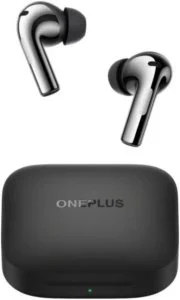
Right now, both models cost the same on AliExpress. If sound quality is important to you, get the OnePlus Buds 3. If you need a translator, a built-in voice assistant, triple multipoint, and longer battery life, then go for the Realme Buds Air 8.
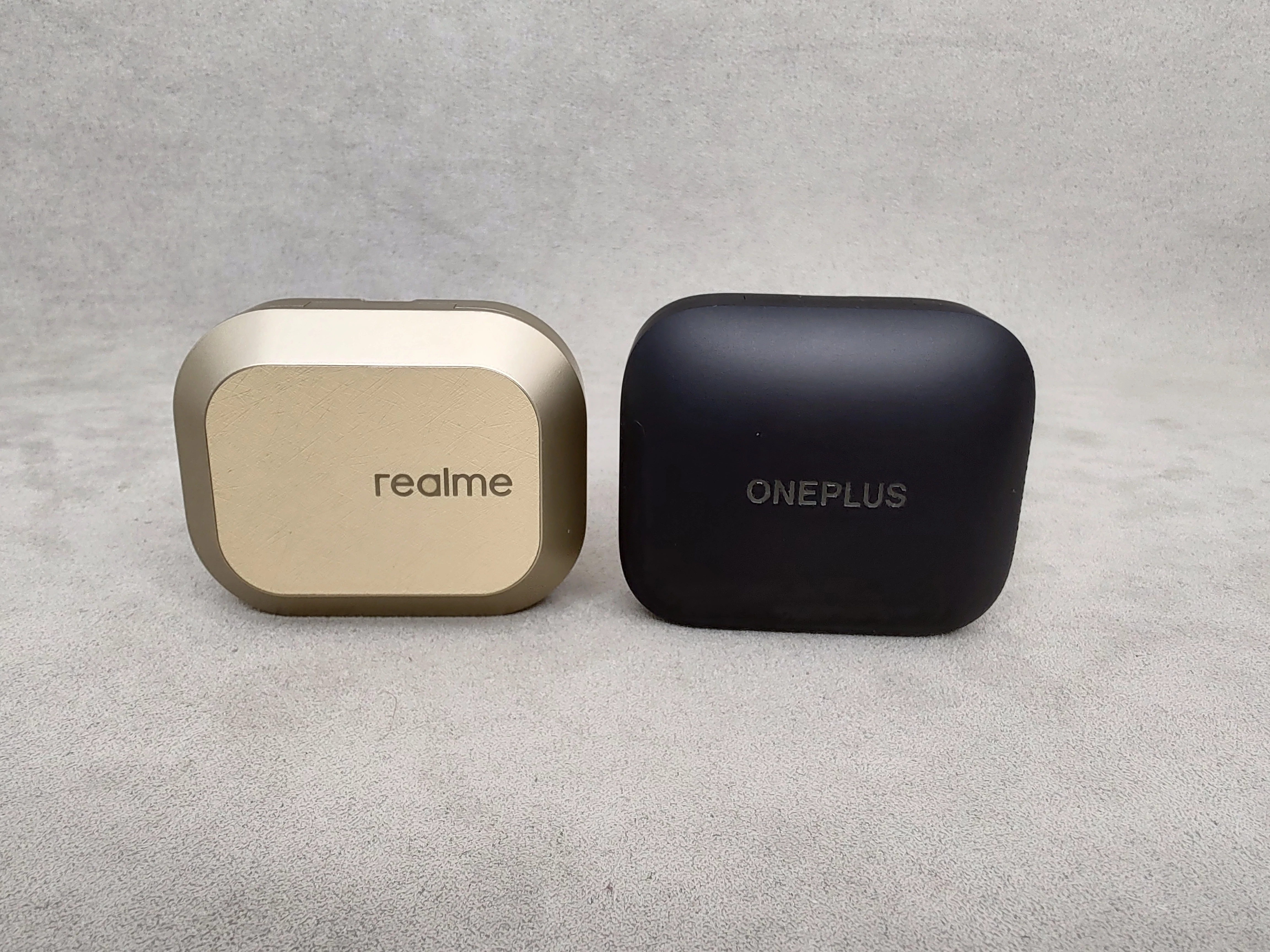
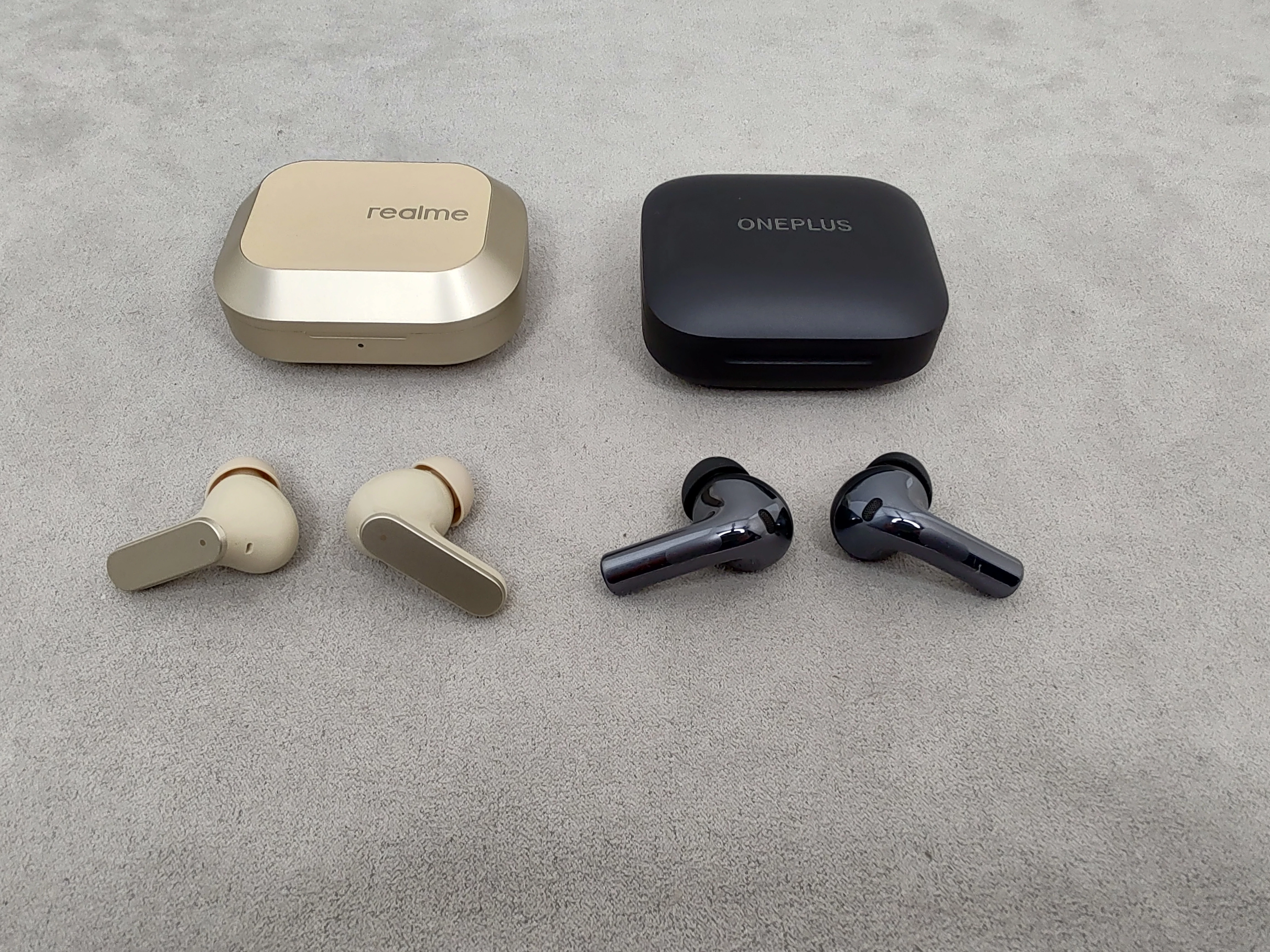
The OnePlus Buds 3 sound more pleasant and harmonious. The bass is tight, the mids are closer, and the highs are soft and don’t cause discomfort. The sound is more detailed, spacious, and natural.
I expected similar sound, but the 1+3 is actually better in every sound aspect.
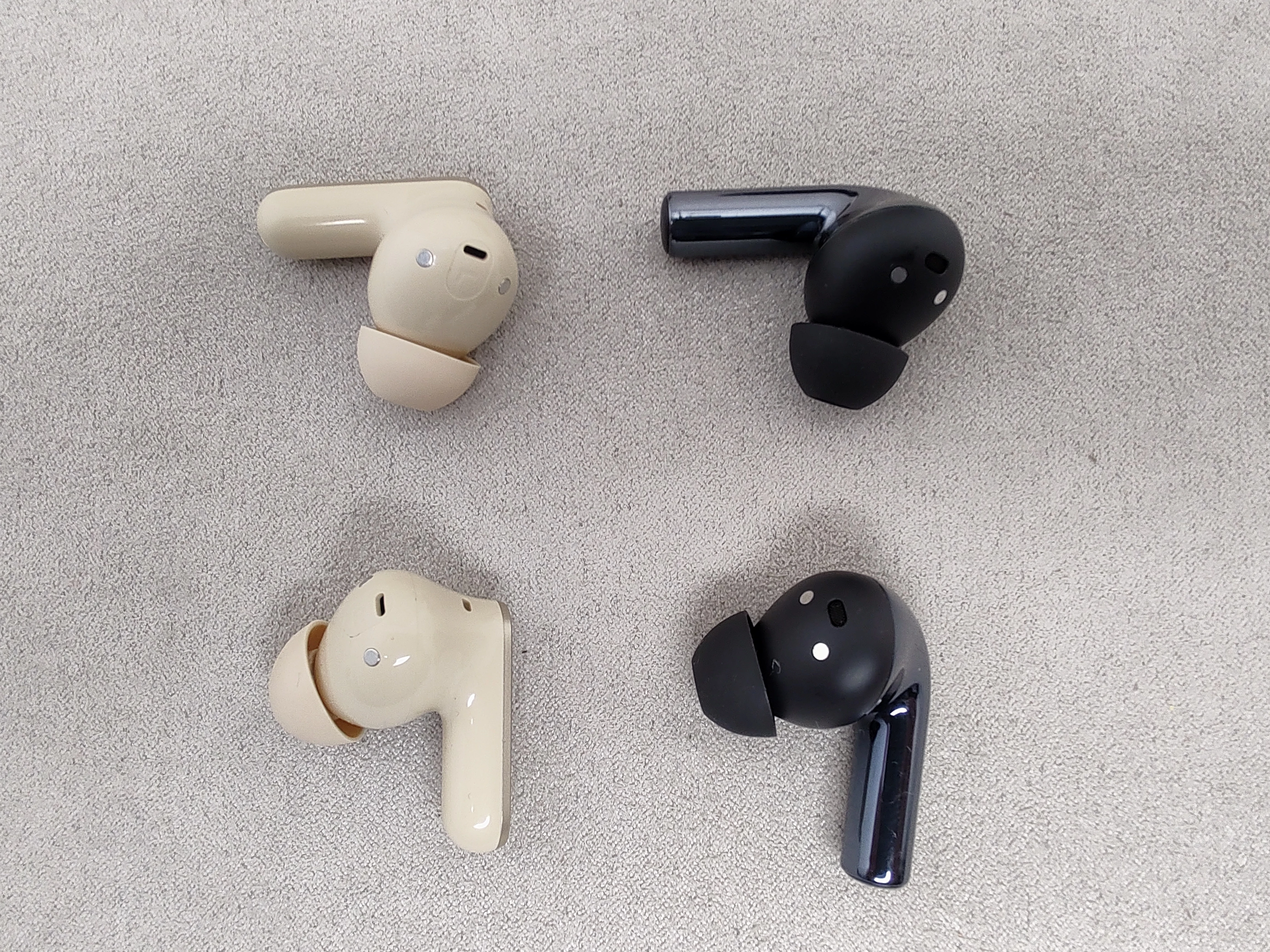
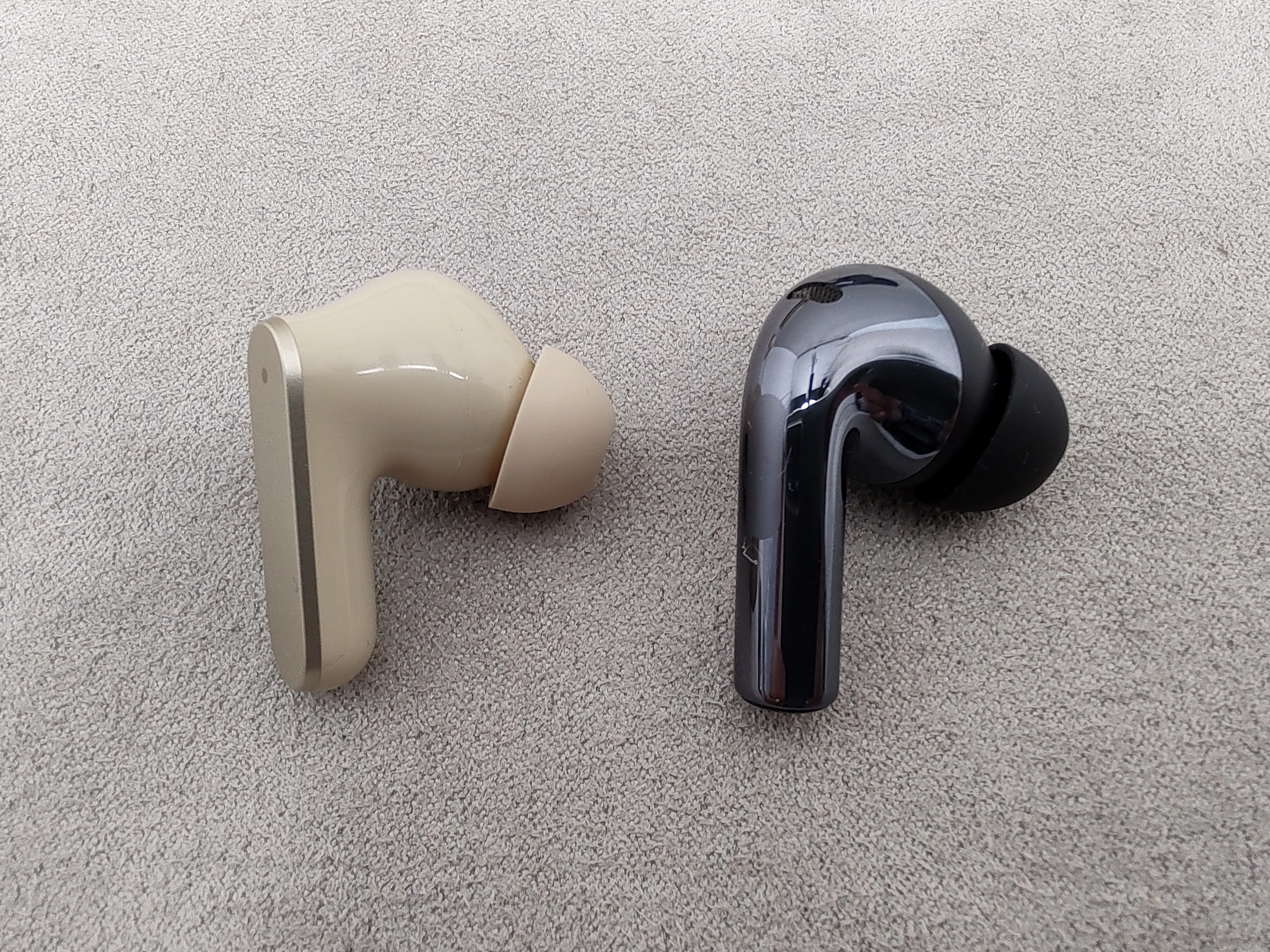
Active noise cancellation is 20-30% worse. But transparency mode is 20-30% better. Still, talking isn’t comfortable. Your own voice sounds weird in your head.
MyChooz – Realme Buds Air 8.
Watch the OnePlus Buds 3 review.
Let’s compare them to the reference models: Realme Buds Air 8 vs Realme Buds Air 7 Pro.
Learn moreRealme Buds Air 8 vs Realme Buds Air 7 Pro.
Drivers are the drivers in your headphones that are responsible for creating sound.
DD + PM + BA – means that there are several different types of drivers in these headphones.
DD – “Dynamic Driver” dynamic driver (deep bass, natural sound).
PM – “Planar Magnetic Driver” planar driver (wide soundstage and fast response).
BA – “Balanced Armature Driver” armature driver (accuracy and detail retrieval).
BC – “Bone Conduction Driver” or bone-conduction driver, which transmits vibration to the body of the headphones, transmitting sound through the bone/cartilage to the inner ear.
LDAC – high quality, high speed (Sony).
SBC is the basic Bluetooth standard, low quality.
AAC – Apple standard, good quality, low latency.
aptX – Qualcomm standard, good quality, low latency.
LC3/LC3plus – new Bluetooth LE Audio codecs, efficient compression.
Codecs are audio compression formats that affect sound quality and latency.
Headphone battery life is the playback time without recharging, measured in hours. Manufacturers measure without active noise cancellation (ANC), at medium volume (50-70%) and usually with the AAC codec, as these parameters affect battery consumption. Actual time may vary from 1% to 50%, depending on volume, active noise cancellation features enabled, codec (LDAC or other) and environmental conditions (cold, hot). It is important to consider not only the claimed playback time, but also the charging time and fast charging support.
Bluetooth is a wireless data transmission standard.
Support for new audio technologies.
Improved connection stability.
Reduced power consumption.
Drivers are the drivers in your headphones that are responsible for creating sound.
DD + PM + BA – means that there are several different types of drivers in these headphones.
DD – “Dynamic Driver” dynamic driver (deep bass, natural sound).
PM – “Planar Magnetic Driver” planar driver (wide soundstage and fast response).
BA – “Balanced Armature Driver” armature driver (accuracy and detail retrieval).
BC – “Bone Conduction Driver” or bone-conduction driver, which transmits vibration to the body of the headphones, transmitting sound through the bone/cartilage to the inner ear.
LDAC – high quality, high speed (Sony).
SBC is the basic Bluetooth standard, low quality.
AAC – Apple standard, good quality, low latency.
aptX – Qualcomm standard, good quality, low latency.
LC3/LC3plus – new Bluetooth LE Audio codecs, efficient compression.
Codecs are audio compression formats that affect sound quality and latency.
Headphone battery life is the playback time without recharging, measured in hours. Manufacturers measure without active noise cancellation (ANC), at medium volume (50-70%) and usually with the AAC codec, as these parameters affect battery consumption. Actual time may vary from 1% to 50%, depending on volume, active noise cancellation features enabled, codec (LDAC or other) and environmental conditions (cold, hot). It is important to consider not only the claimed playback time, but also the charging time and fast charging support.
Bluetooth is a wireless data transmission standard.
Support for new audio technologies.
Improved connection stability.
Reduced power consumption.
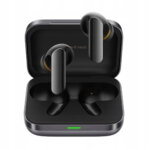
In short, last year’s flagship sounds better. But if you have an affordable MediaTek phone, and you lower the lows and boost the highs in the EQ, you’ll get a similar sound. If you haven’t listened to the Air 7 Pro much, or you don’t have earbuds for a direct comparison, the difference won’t be that obvious.
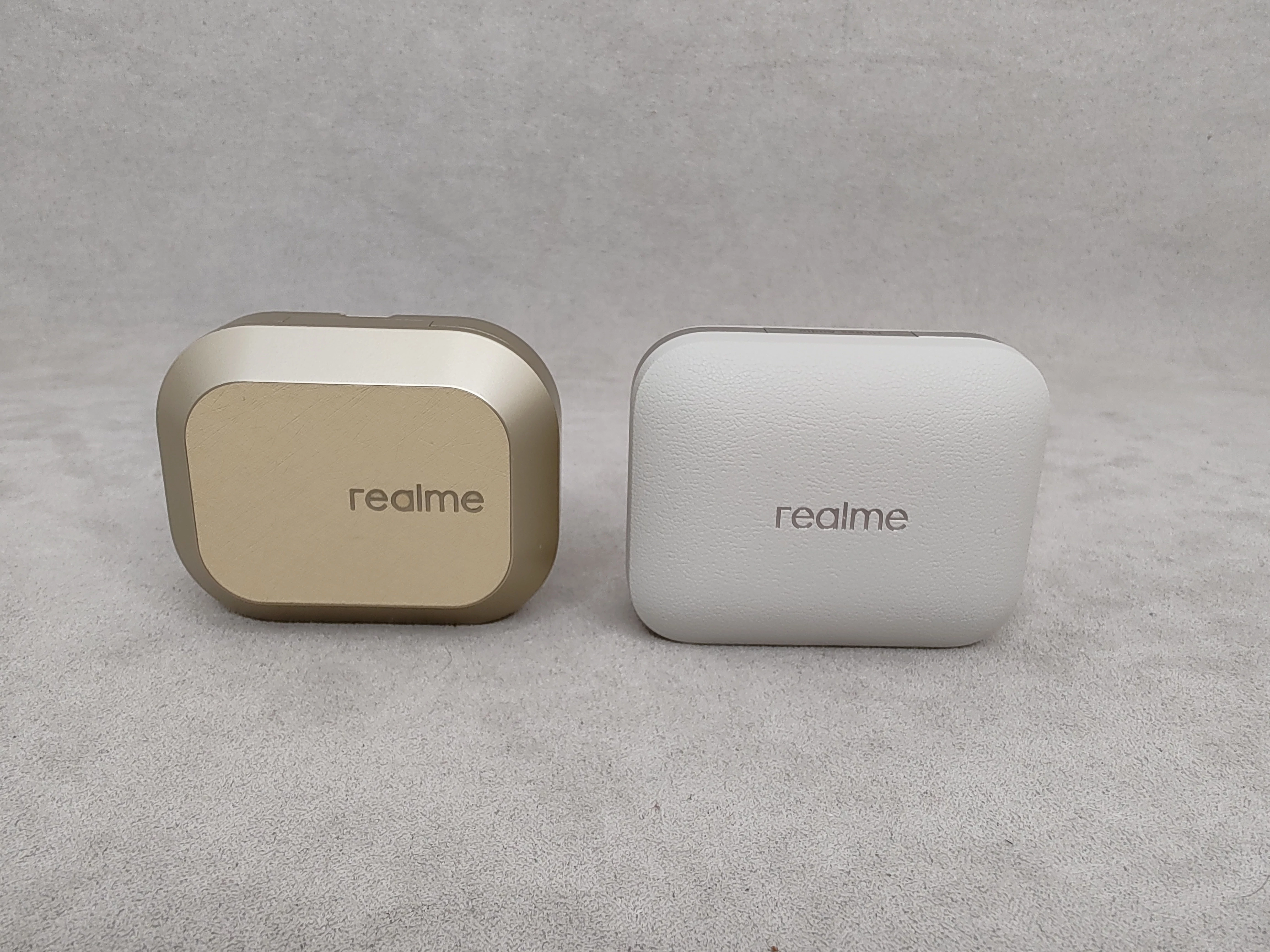
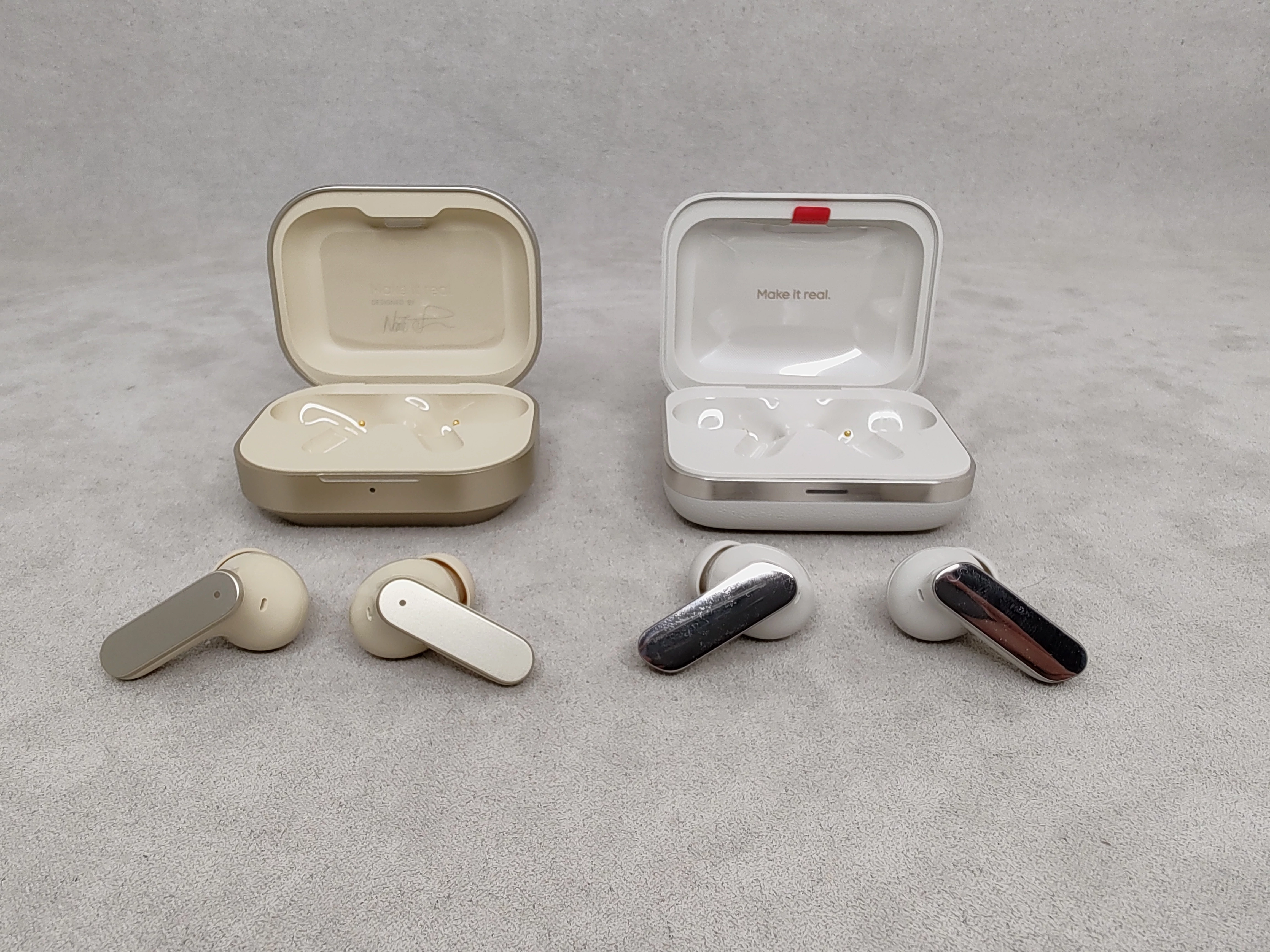
The Realme Buds Air 7 Pro has less boomy bass, better accuracy, and more detail. The difference is noticeable in the lows and highs. The mids are comparable; the Air8 has enough vocal intimacy and clarity here. But the bass isn’t as expansive, and the texture is clearer. The highs are more detailed, less harsh, and less grainy. The soundstage is wider, and the sound has less artificial timbre. If you compare codecs, the 7 Pro with its cut-down LHDC 3.0 delivers better quality than the Air8 with its full codec.
Noise cancellation is about 30% better. But transparency mode is 20-30% better in the Air8, just for hearing your surroundings. Talking is equally uncomfortable with both earbuds.
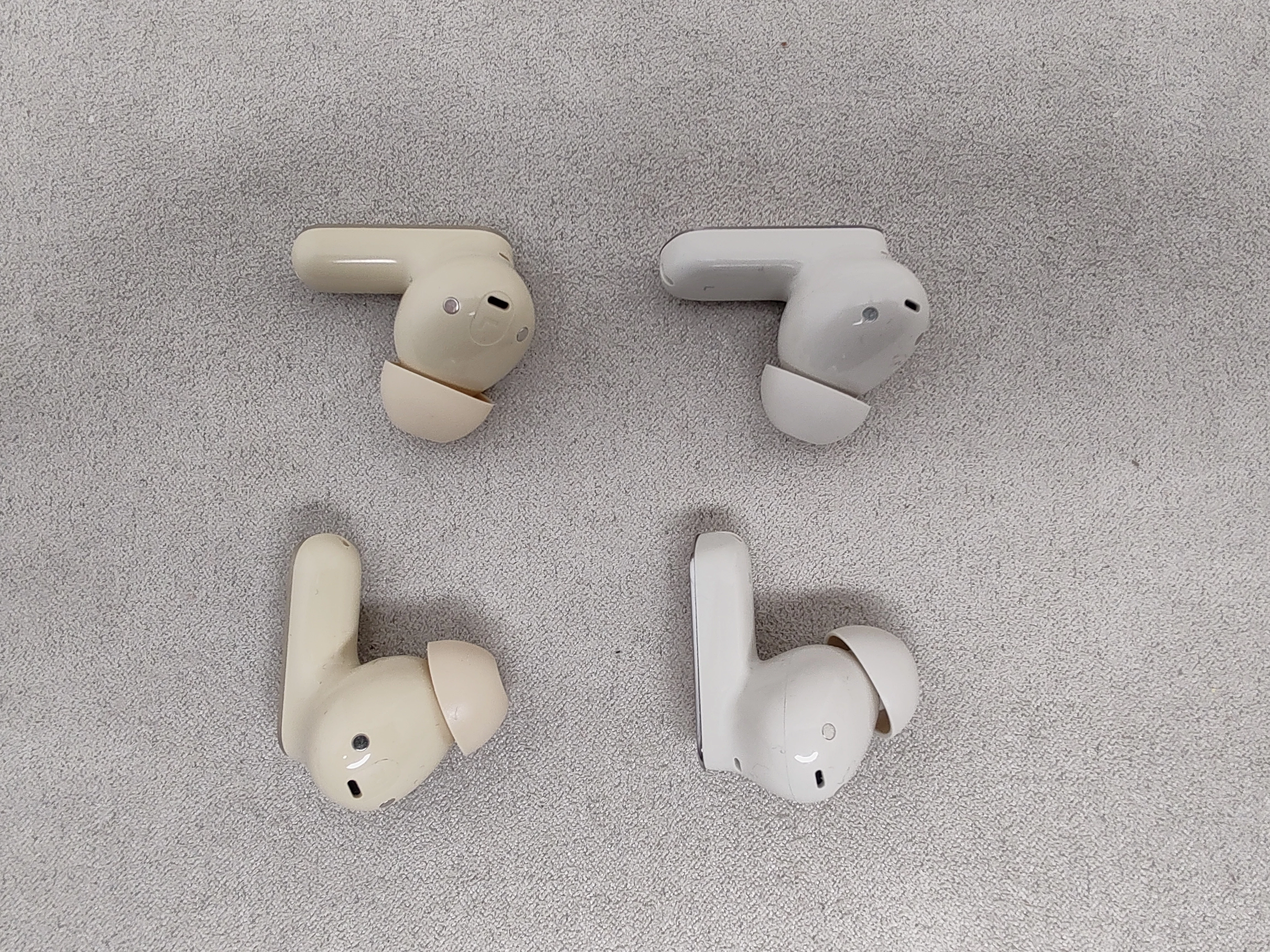
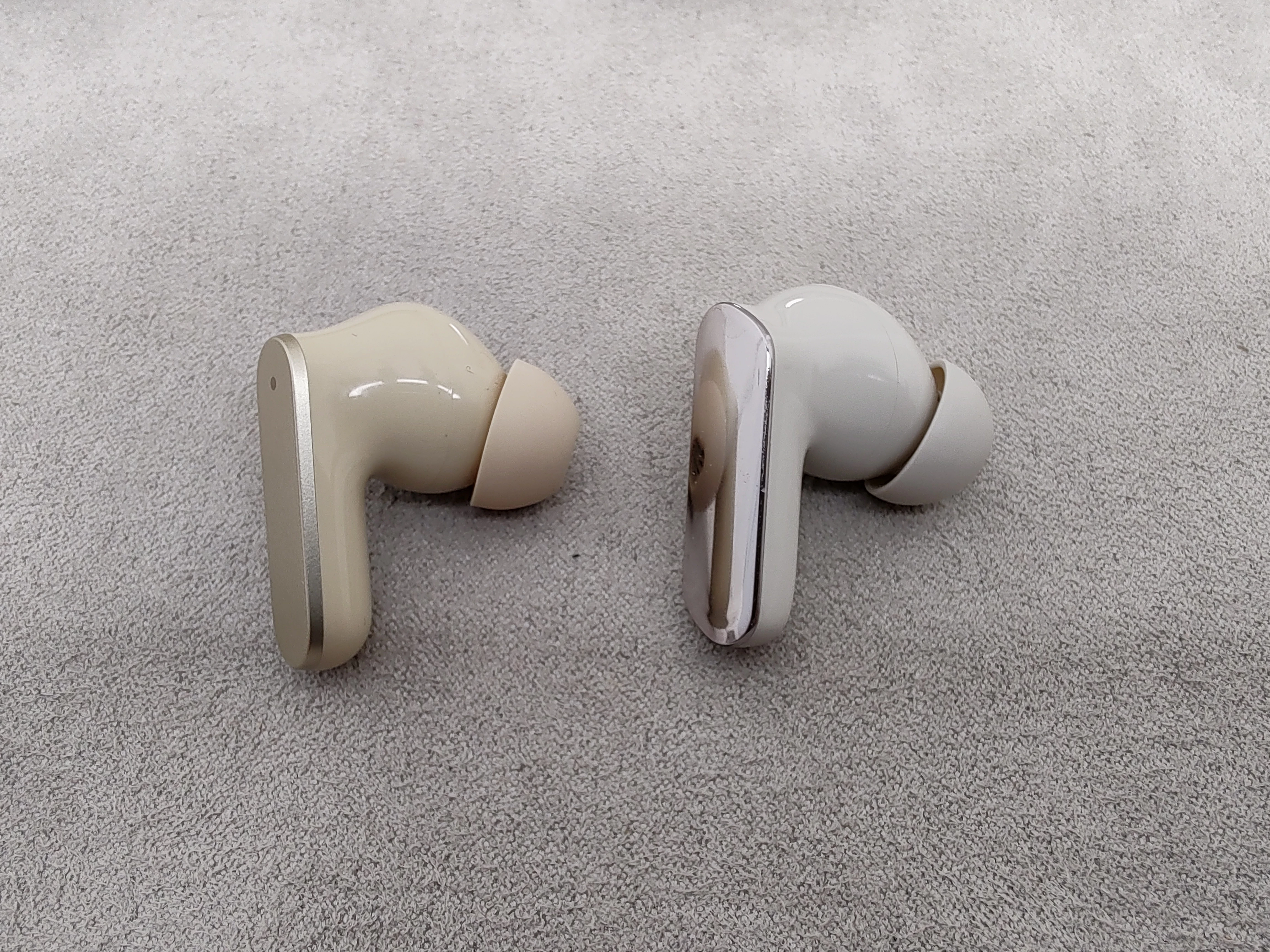
The 7 Pro’s multipoint only works with 2 devices. It doesn’t have a built-in voice assistant in the app, and battery life is shorter.
The 7 Pro has a worse fit and design. The earbuds are bigger, and the glossy finish is a fingerprint magnet and ruins the look.
MyChooz – Realme Buds Air 7 Pro for sound.
Watch the Realme Buds Air 7 Pro review.
Features
Microphone – We assess speech transmission quality by testing the microphone in two main scenarios: quiet and noisy environments.
Quiet environment – This involves recording indoors with minimal background noise. Noisy environment – This means recording outdoors near a six-lane road with maximum traffic noise.
. 8.50 In quiet environments: 8.5 In noisy environments: 8.5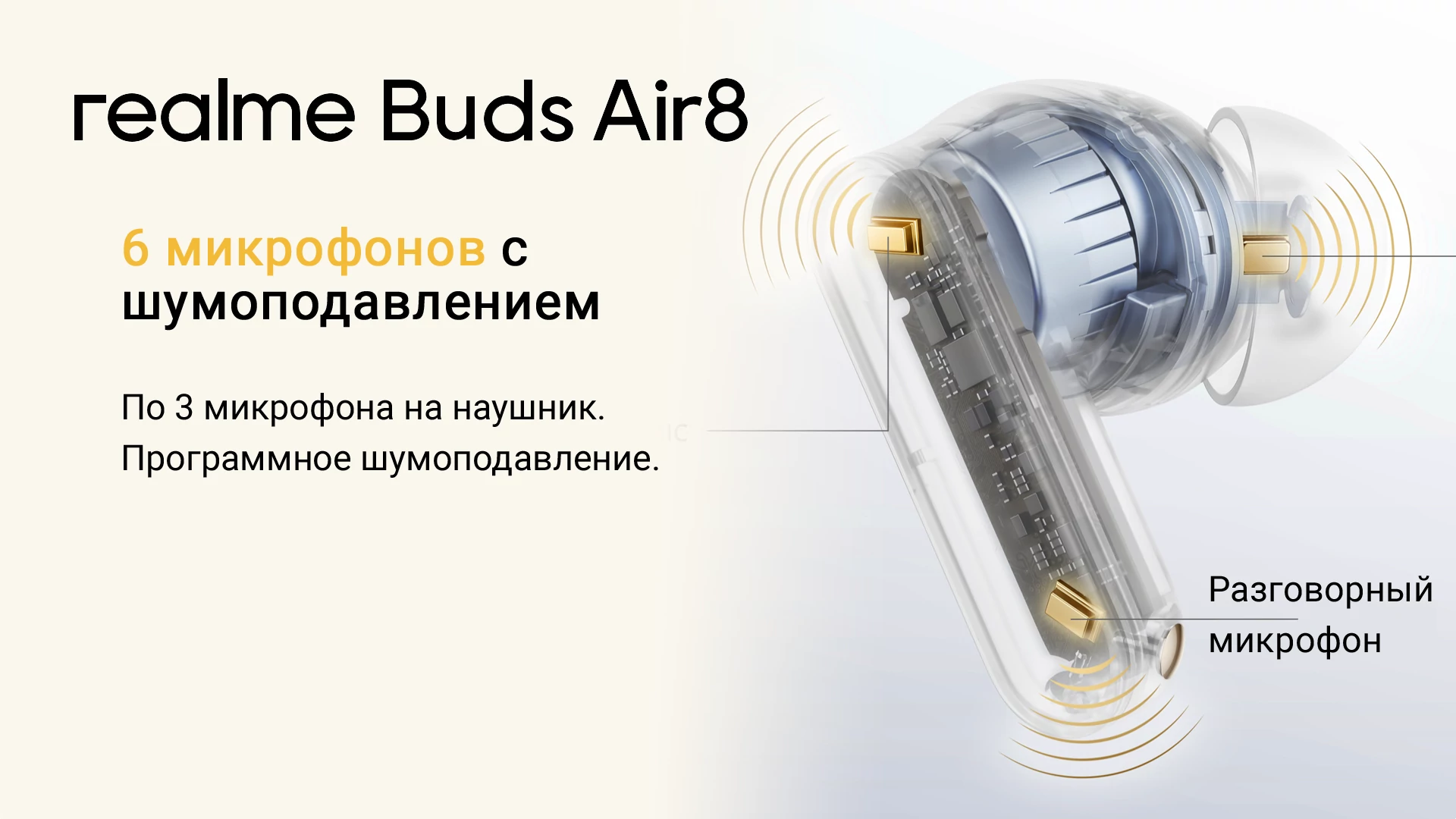
Microphone – We assess speech transmission quality by testing the microphone in two main scenarios: quiet and noisy environments.
Quiet environment – This involves recording indoors with minimal background noise. Noisy environment – This means recording outdoors near a six-lane road with maximum traffic noise.
. 9.75 In quiet conditions: 9.5 In noisy conditions: 10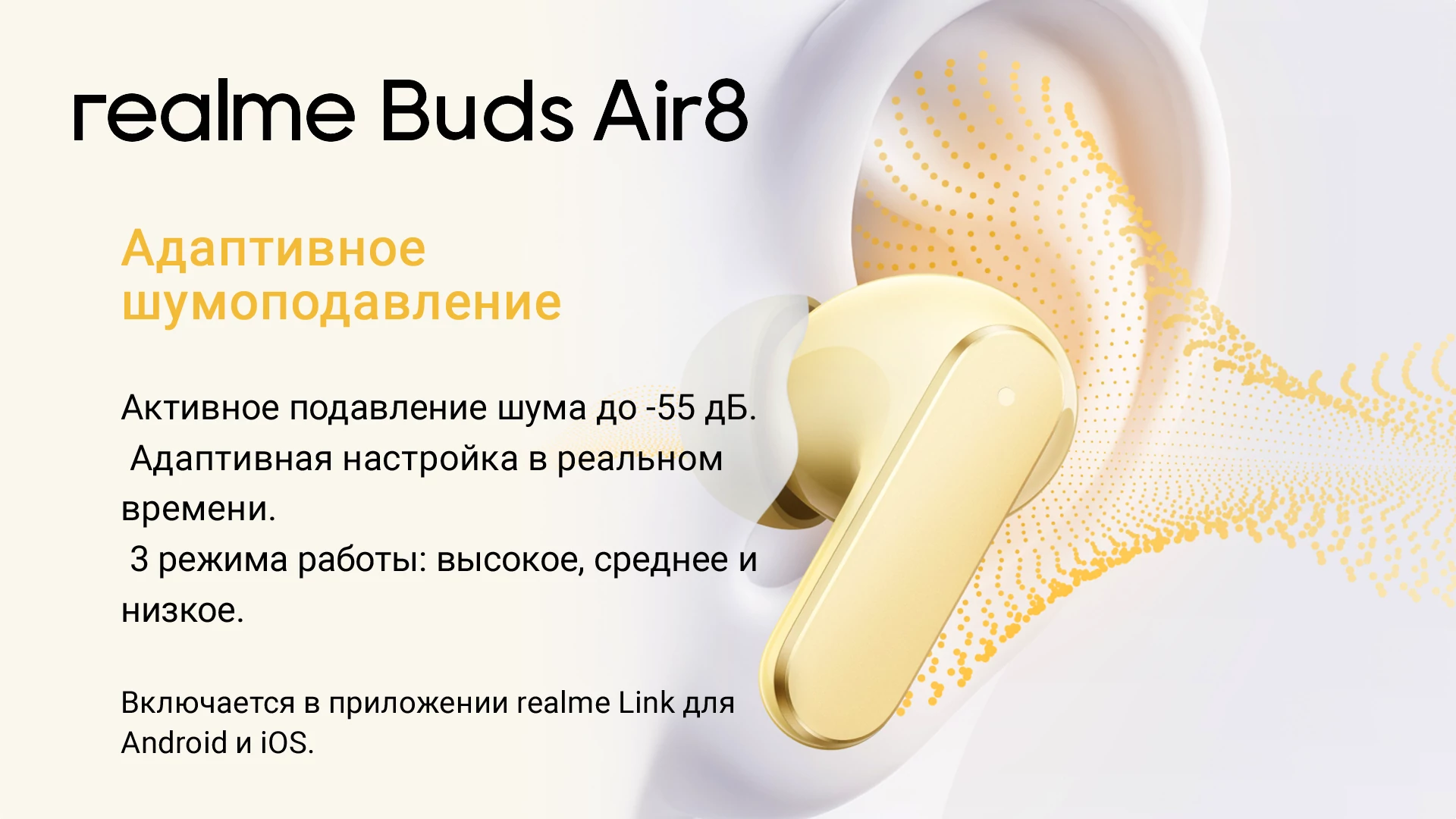
Active noise cancellation (ANC) lets headphones use microphones and signal processing to cut out external noise like traffic, street hum, or office chatter, so you can hear your music or calls better without cranking the volume. Good ANC significantly cuts low-frequency hum from things like engines or air conditioners, barely presses on your ears, and minimally distorts the sound. Weak ANC, on the other hand, only removes some of the noise or creates an unpleasant “vacuum” effect and artifacts.
. 8 The earbuds effectively suppress background noise. Compared to the TWS reference Apple AirPods Pro 3, the 8s pleasantly surprised me. ANC noticeably adds comfort outdoors, in the subway, and near noisy traffic. The improvement over the 7 is noticeable. Noise cancellation does not apply pressure to your eardrums, though there is a faint white noise floor. 4 amplification modes are available, including an automatic one. There is also a wind noise blocking mode.Transparency mode uses the earbuds’ microphones to pipe in ambient sound, letting you hear announcements, conversations, or traffic without removing them. A good implementation sounds natural and clear, without adding noise or echo, whereas a poor one makes the outside world sound flat, metallic, or unnervingly quiet.
. 7.6 Decent. Surroundings sound clear, and voices are intelligible. Optionally, you can enable voice boost and muffle ambient sounds — it works quite well. Your voice is piped into your head, creating the sensation of speaking with blocked ears. Talking while wearing the earbuds is uncomfortable. It is annoying that the adaptive mode is enabled by default; if you do not say anything within 5 seconds of turning them on, it smoothly switches you over to ANC.Battery life is the actual playback time you get from the earbuds and their charging case on a single charge during typical volume and usage scenarios (music, video, calls), not just the marketing numbers. Good battery life means you can easily get through a day or several without needing an outlet, and it doesn’t drop significantly with noise cancellation and high-quality codecs enabled. Poor battery life, on the other hand, requires frequent recharging and noticeably decreases when you crank up the volume.
. 9 Rated at 14 hours for the earbuds and 58 hours with the case using the AAC codec. In our tests, we achieved the claimed time, except for total case battery life. The AAC codec test will come later. Using the SBC codec yielded 51 hours with the case. There is no wireless charging. Potentially, with the AAC codec, we might see a new battery life champion. For now, the AAC record is held by the CMF Buds 2 Plus at 15 hours for the earbuds and 62.5 hours with the case.Read more.
Controls — how easily and reliably the headphones respond to your presses and gestures for pausing, adjusting volume, switching tracks, changing modes, and activating your voice assistant. Good controls feel intuitive, work without fail, and avoid accidental inputs; bad controls will miss commands, lag, or simply ignore your gestures.
. 7.6 Missed touches are annoying, with about 1 in 10 being false. Touch controls handle 3 actions per earbud: double-tap, triple-tap, and press and hold; there are no swipes. There is no single-tap, yet accidental touches can still happen if you squeeze the earbud near the sensor area. Controls are responsive, with no issues during double and triple taps. There is even a subtle audio cue when an action registers. However, there is a delay of just under a second after tapping.Read more.
The app, which is the proprietary software you use to tweak sound, controls, noise cancellation, firmware updates, and other features. A good app is stable, well-organized, and actually lets you customize things; a bad one glitches, lacks features, or feels like it’s just there for show.
. 8 Realme Link, you can download it from official stores for Android or for iOS. The app is user-friendly and functional: it supports LHDC codec activation, a translator, a voice assistant, spatial audio, and an EQ. Downsides include periodic forced re-authentication within the app to work with the earbuds.Read more.
Connection stability — how well the headphones hold onto their Bluetooth signal without dropping out, lagging, or glitching in everyday situations like busy streets, public transport, or even at home with a Wi-Fi router nearby. Good stability means the audio won’t stutter when you turn your head or cut out in crowded areas. Poor stability, on the other hand, will show up as frequent dropouts, stuttering, audio-video sync issues, and problems reconnecting.
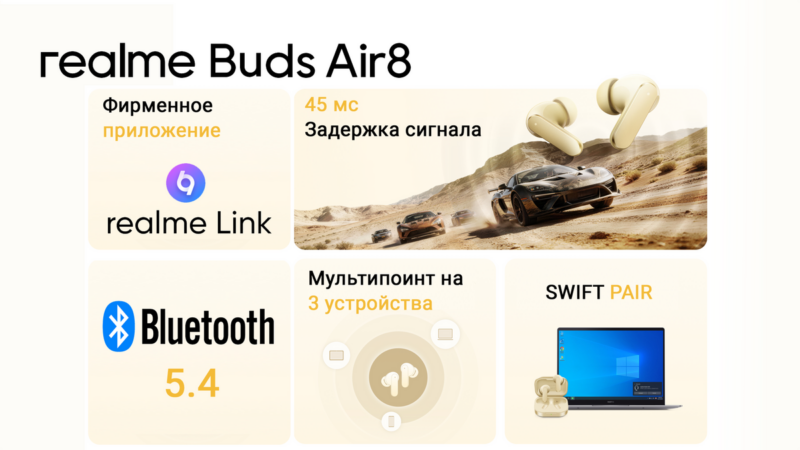
. 8 Within 10m – signal drops are rare. Occasional SBC codec stuttering occurs at a distance of 1 meter. Bluetooth version 5.4.Important features and sensors:
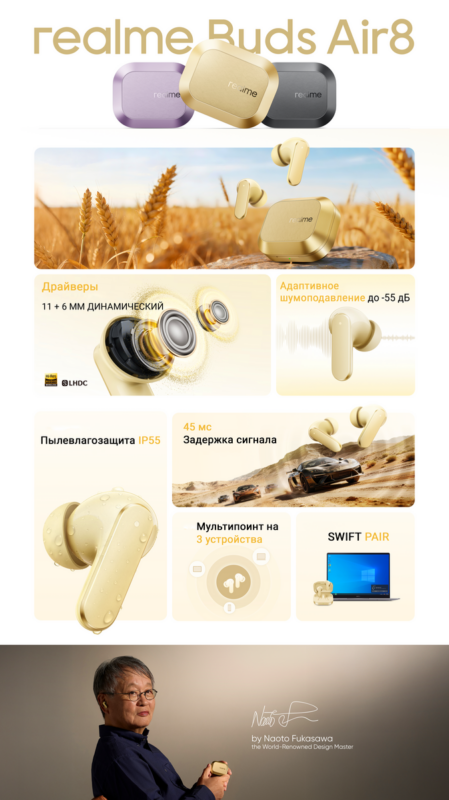
- Multipoint – yes, up to 3 devices
- Wear detection auto-pause – yes.
- Google Fast Pair support – yes.
- Windows Swift Pair support – yes.
Functions verdict
Overall feature score — this is the overall score for all device features. This score comes from individual feature ratings (battery life, controls, app, connection stability, and others) and shows how easy and smart the device is for daily use.
. 8.15 Noise cancellation effectively dampens background noise. In transparency mode, surroundings sound clear, but talking is uncomfortable. Battery life in our tests is 14 hours and 51 hours with the case. Touch controls rely on 3 taps per earbud, without accidental presses. The app allows you to tune the sound, enable the LHDC codec, and includes a translator and a built-in voice assistant.Build Quality
Comfort is how the earbuds feel during extended wear: ear pressure, fit, weight, and ventilation. A comfortable model doesn’t chafe, squeeze the ear canal or head, and doesn’t cause fatigue even after a couple of hours; an uncomfortable one quickly reminds you of itself through pain, heat, or a “plugged” feeling in the ears.
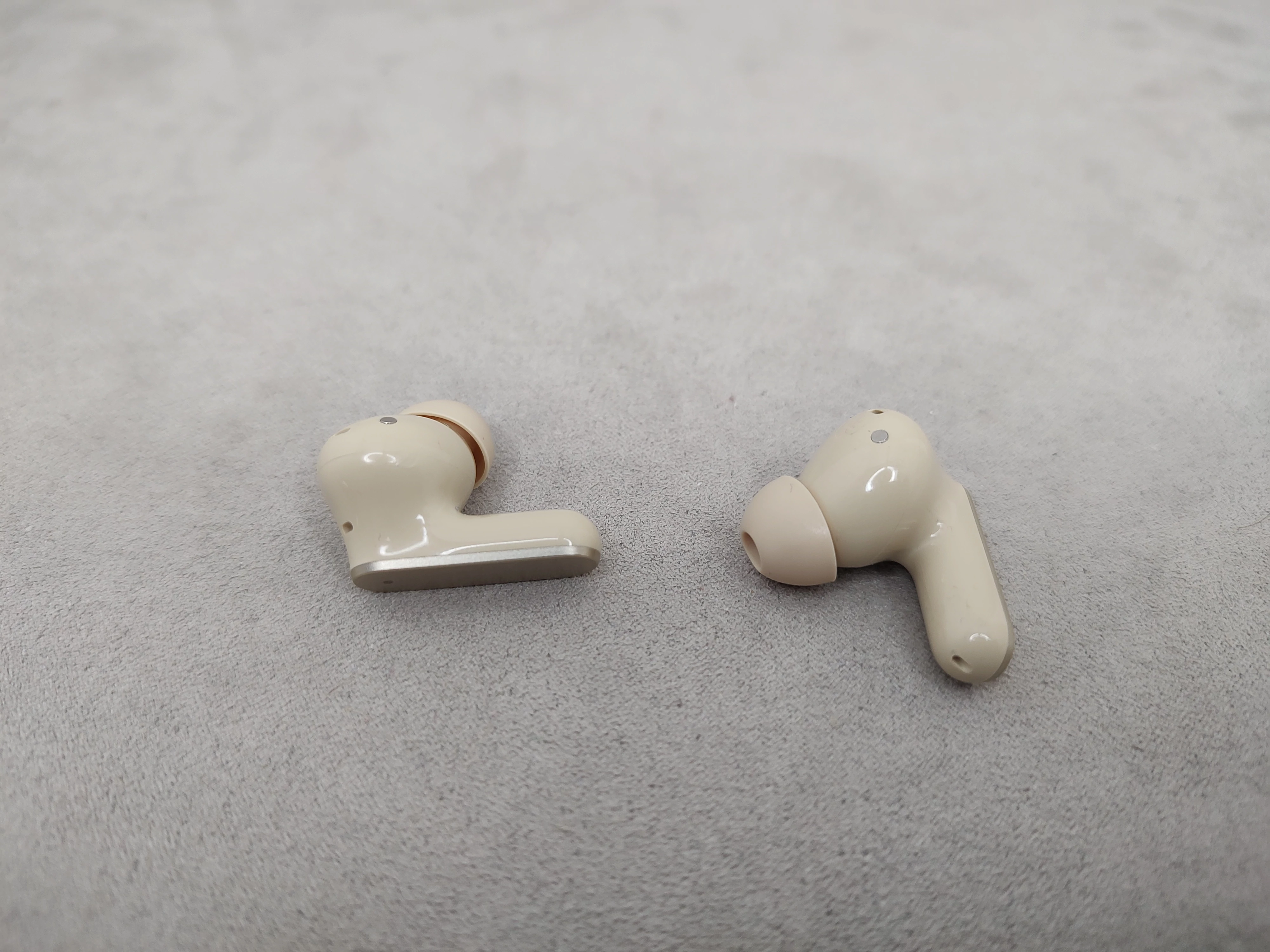
. 8.5 The earbuds are comfortable; the stock base ear tips fit me well. After a couple of hours of music listening, there is minor fatigue, yet no noticeable discomfort.Durability — how well the earbuds and charging case hold up to daily use: This includes the quality of the plastic and hinge, water resistance, wear on the ear tips, and the reliability of connectors and buttons. High durability means nothing is loose, peeling, or cracking after a year or two. Conversely, low durability means you’ll see cracks, looseness, hinge noise, or connection issues after just a couple of months.
. 8.2 Plastic body, build and materials draw no complaints. Dust and water resistance – IP55: limited dust resistance and resistance to water jets from any direction. The matte coating is not a fingerprint magnet.Design – This covers how the earbuds look and how well-thought-out their shape is. I’m talking about how they appear in your ears, how versatile they are with different outfits, and whether they look cheap. A good design blends a neat appearance with a comfortable shape and practical touches, like non-marking plastic or a well-designed charging case. Conversely, a bad design will snag on your clothes, scratch easily, and just look out of place.
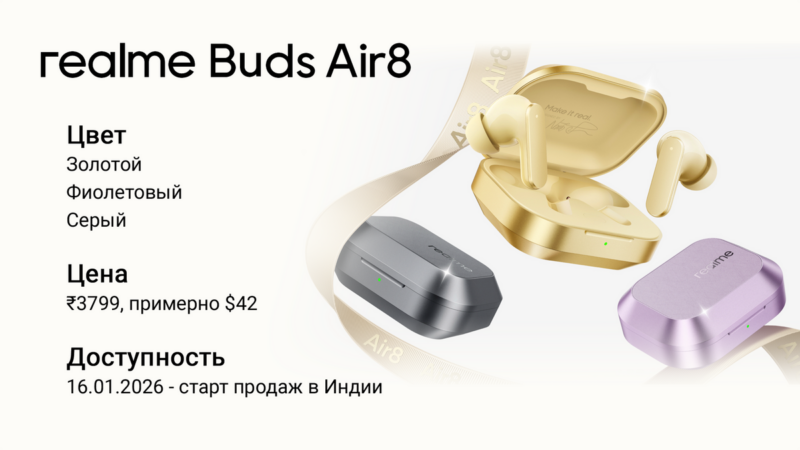
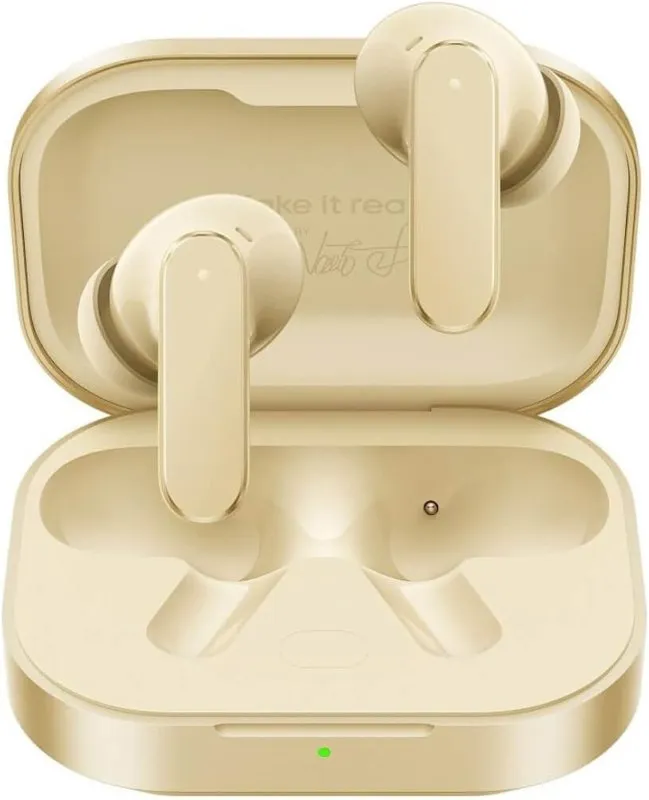
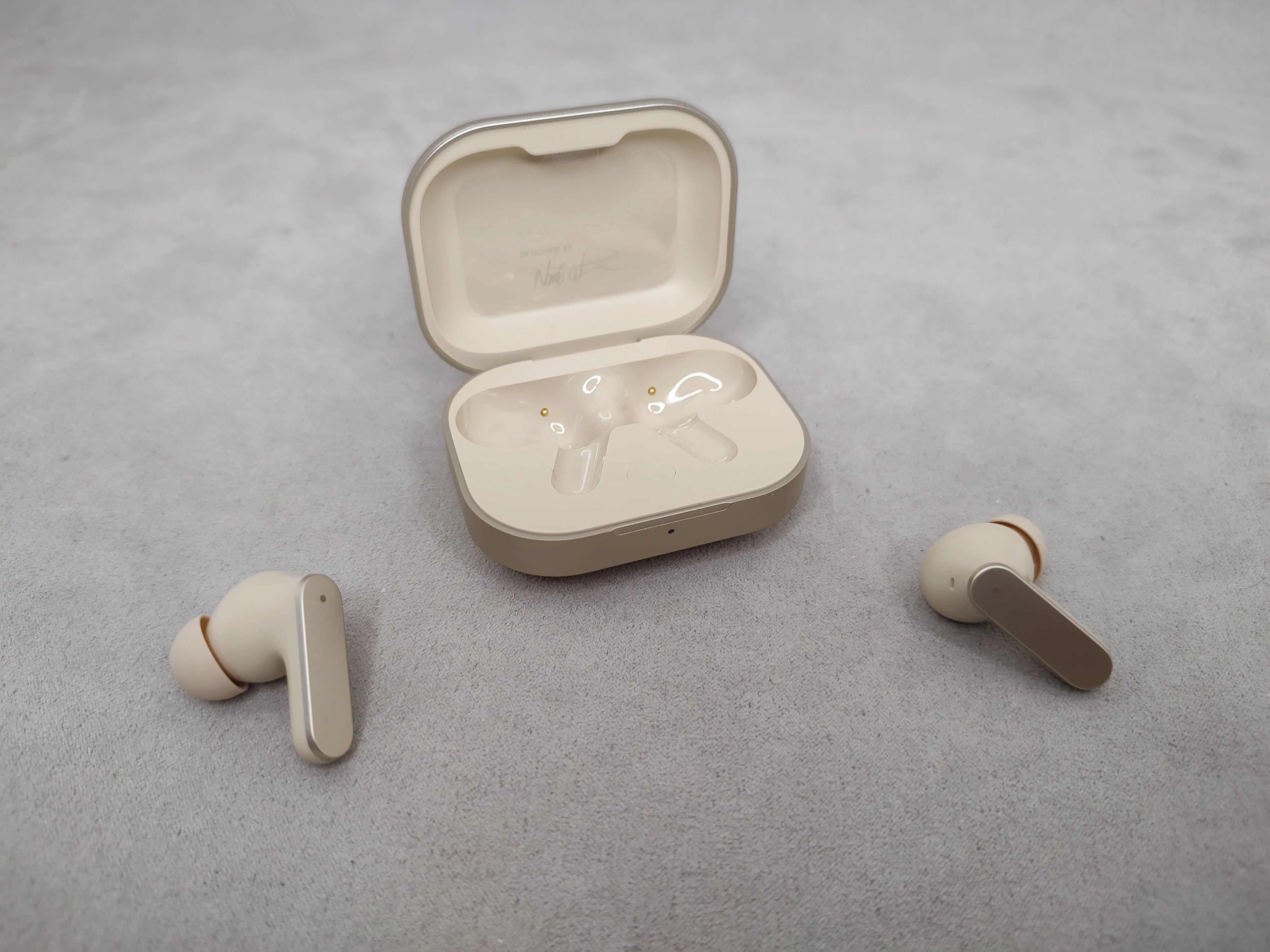
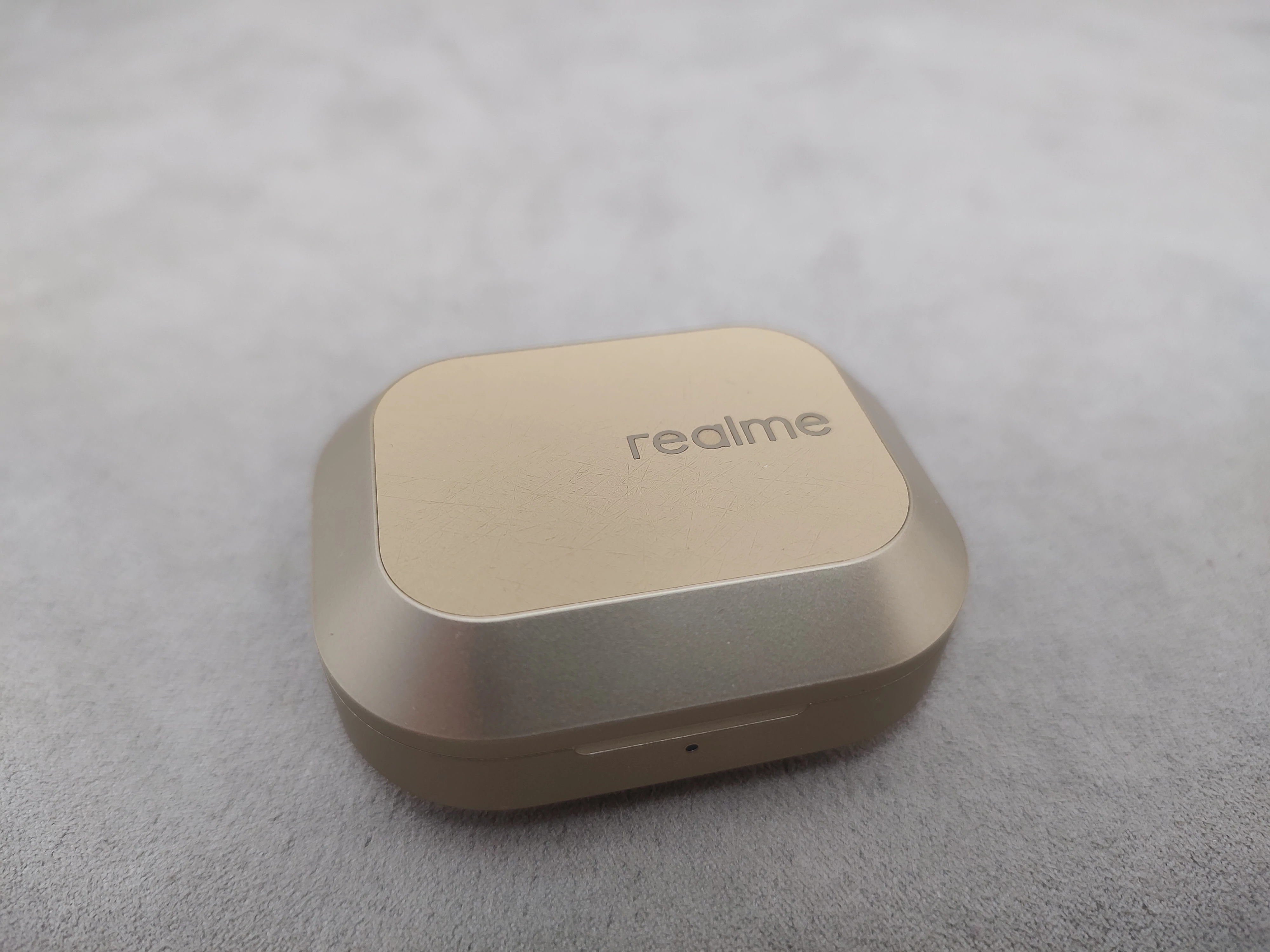
. 9 I asked a girlfriend how much she would rate these models, and she said $150. I completely agree; they look 3 times more expensive than they cost. In terms of design, the earbuds themselves resemble the Huawei FreeBuds 5 Pro. Realme Buds Air 8 are available in three colors: gold, purple, and black. The reviewed version is gold. The design was crafted by Japanese industrial designer Naoto Fukasawa, and his autograph sits under the lid. I like the look of both the case and the earbuds. Unlike the 7 Pro, these earbuds lack a mirror finish, sporting a minimalist design just the way I like. The upper part of the case features a tactilely pleasing coating. Although in our social media communities, plenty of people picked on the appearance and didn’t mince words.Build verdict
Final build quality score is the overall score for build quality and materials: comfort, durability, and design. It shows how nice the device is to hold and use, and how long it will last.
. 8.57 The earbuds are comfortable, with no discomfort after a couple of hours of listening using the stock ear tips. Build and materials draw no complaints. I like the earbud design, and there are 3 colors to choose from.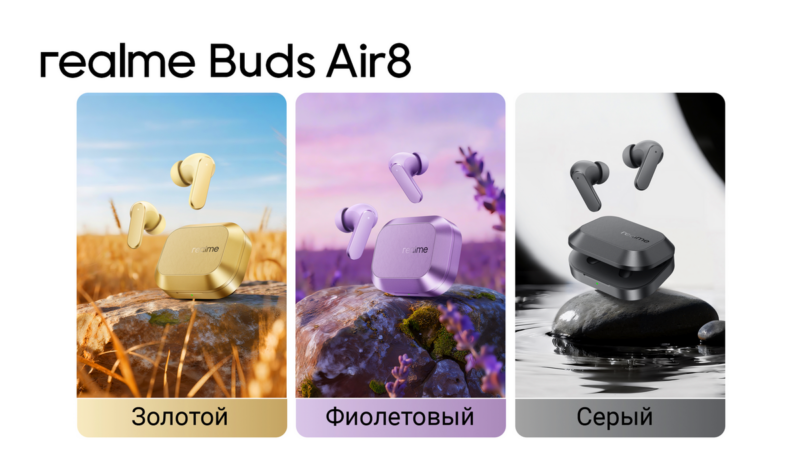
Conclusion.

Are the Realme Buds Air 8 for $55 a MyChooz pick? Yes, they’re my pick 100%. I really liked the earbuds’ sound, features, and build quality. I recommend buying them. Upgrading from the 7 or 6 Pro also makes sense.
Main reasons to buy: pleasant bass sound, and sound quality on par with top-tier and silver league models. Triple multipoint, a translator, and a built-in voice assistant. Comfortable fit and nice looks. Potentially reference-quality battery life. Drawbacks: average transparency mode and average controls.
Realme released another hit with interesting features and design. In terms of sound quality, the earbuds got close to the Realme Buds Air 7 Pro, but didn’t surpass them. They’re better than the 6 Pro and 7. This is the level of the OnePlus Buds 3. But they didn’t quite reach the OnePlus Buds 4 and Realme Buds Air 7 Pro. We’re waiting to see what Realme shows with the 8 Pro. Write in the comments what you expect from the model and how you like the new 8s.
Realme Buds Air 8 use cases. Street, gaming, calls – yes. For sports – no. For audiophiles – no.
What are the alternatives?
- Under $30 – Realme Buds Air 7. An affordable alternative with a slight drop in sound quality. Shorter battery life.
- Under $50 – OnePlus Buds 3. Better sound in every way. No translator, voice assistant, or triple connection. Shorter battery life.
- Under $70 – Realme Buds Air 7 Pro. Even better sound. No voice assistant or triple connection. Shorter battery life. Cut-down LHDC 3.0 codec.
Definitely write what you think about the new Realme Buds Air 8. I’d love to chat with you in the comments. Enjoy your sound, and I’ll see you on MyChooz, bye!
Realme Buds Air 8 – Specs:
- Release date – 06.01.2026 – India, 22.01.2026 – China.
- Launch price – $42.
- Build: in-ear, wireless earbuds.
- Drivers: 11+ 6 mm, dynamic.
- Codecs: LHDC 5.0, LHDC 3.0 SBC, AAC.
- Bluetooth: 5.4.
- Active noise cancellation: up to -55 dB.
- Transparency mode: yes.
- Controls: touch.
- Battery life: up to 13 hours with AAC, and up to 58 hours with the charging case.
- App: realme link.
- Additional features: live and simultaneous translation function.
- Protection: IP55.
- Materials: plastic.
- Earbud and charging case weight: no data.
- Earbud and charging case size: no data.
- Microphone: 6 mics, 3 on each earbud.
What’s in the box.
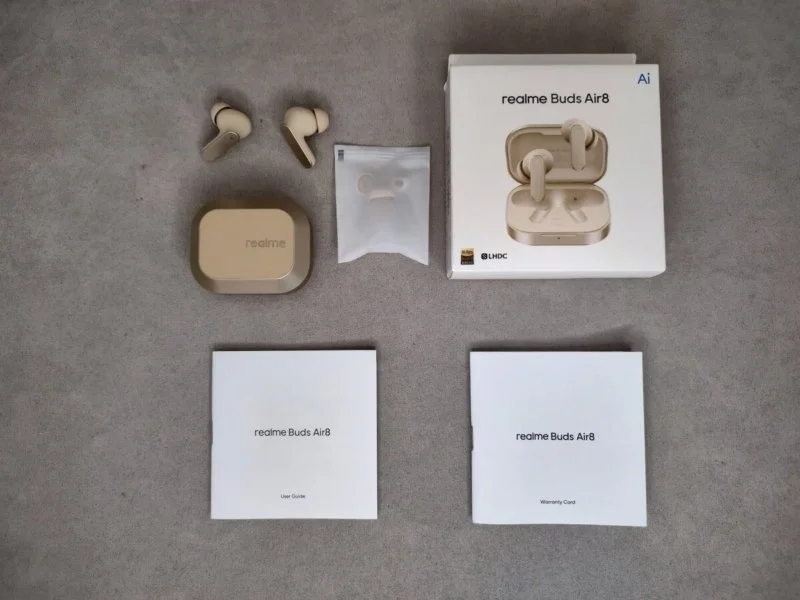
- Earbuds.
- Charging case.
- Ear tips (S, M, L).
- User manual.
Popular questions:
Realme Buds Air 8 – how to connect wireless earbuds?
1. Turn on Bluetooth on your device — phone, tablet, etc.2. Open the charging case lid and press and hold the button. Keep holding until the status light on the case starts blinking.3. Go to the Bluetooth menu, then select “Add new device.”4. Wait for the earbuds to appear in the list and confirm the connection.
Do you still have a question about the Realme Buds Air 8?
Ask your question in the comments, and I’ll answer it.