


IN THE TOP studio monitors I’ve compiled interesting and popular modelsI’ve intentionally included studio monitors from every price point in this roundup, covering reference and high-end, mid-range, and budget options. Simply put, I’ve selected models for both professionals and amateurs. All the studio speakers featured here are currently available and relevant in 2023.
A studio monitor This is a speaker with the flattest possible frequency response and good phase characteristics. In plain English, it offers an uncolored, often dry and accurate sound. Studio monitors are used for professional music work: mixing, mastering, production, and general audio monitoring. While they aren’t recommended for casual listening, some people do enjoy this flat sound profile.
Besides passive and active studio monitors, studio work also utilizes studio headphones. Studio headphones and monitors are used when working on sound to achieve the best results. Here are my separate rankings for best studio headphones and budget studio headphones under $100.
TOP 10 Best Studio Monitors (2026) – Expensive and Budget:
| 1. ATC SCM45A PRO 12000$ | Best studio monitors 2026, are considered reference-grade. | 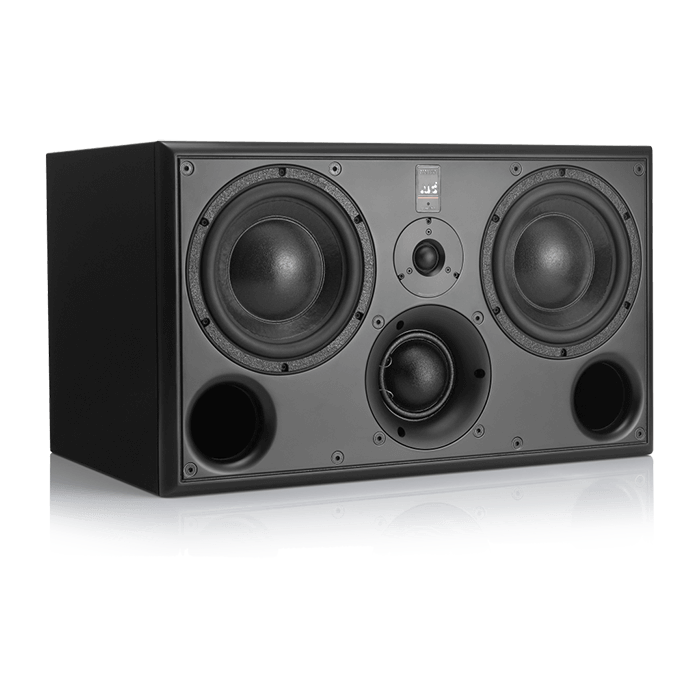 |
| 2. Amphion Two 18 3500$ | First-class studio monitors from a Finnish company, offering a fast and accurate sound. |  |
| 3. Neumann KH 310 A 2500$ | Detailed studio monitors featuring proprietary Neumann and Klein Hummel technologies. | 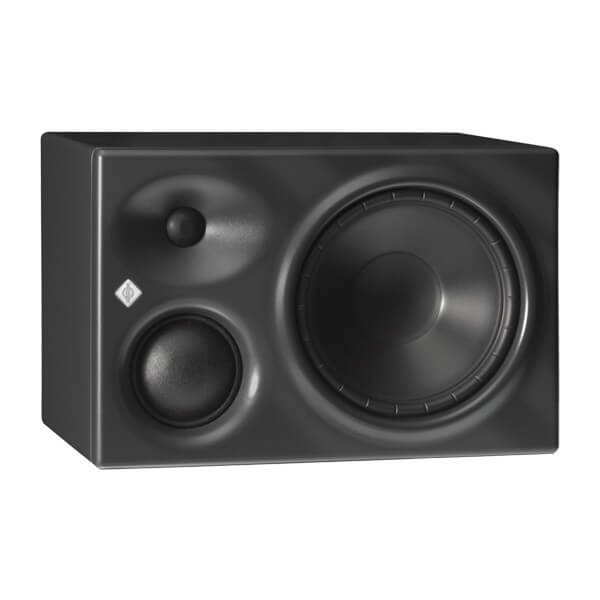 |
| 4. HEDD Type 07 MK2 1400$ | Excellent monitors with a neutral sound – an underrated gem! |  |
| 5. Genelec 8040 1100$ | Studio acoustics housed in a cast aluminum body, delivering a precise and articulate sound. | 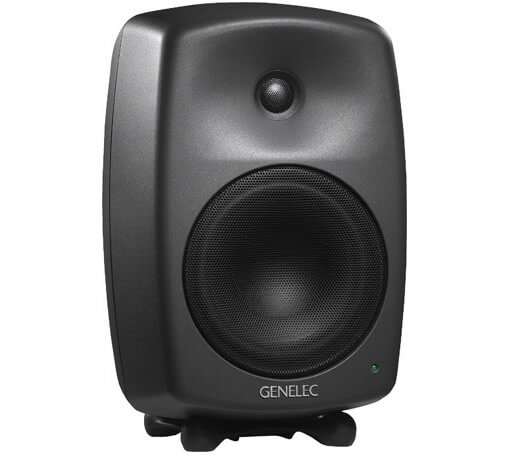 |
| 6. EVE Audio SC 305 1100$ | Three-way affordable active monitors with excellent sound and power. |  |
| 7. Kali Audio IN-8 550$ | Budget three-way studio monitor speakers with a balanced sound. | 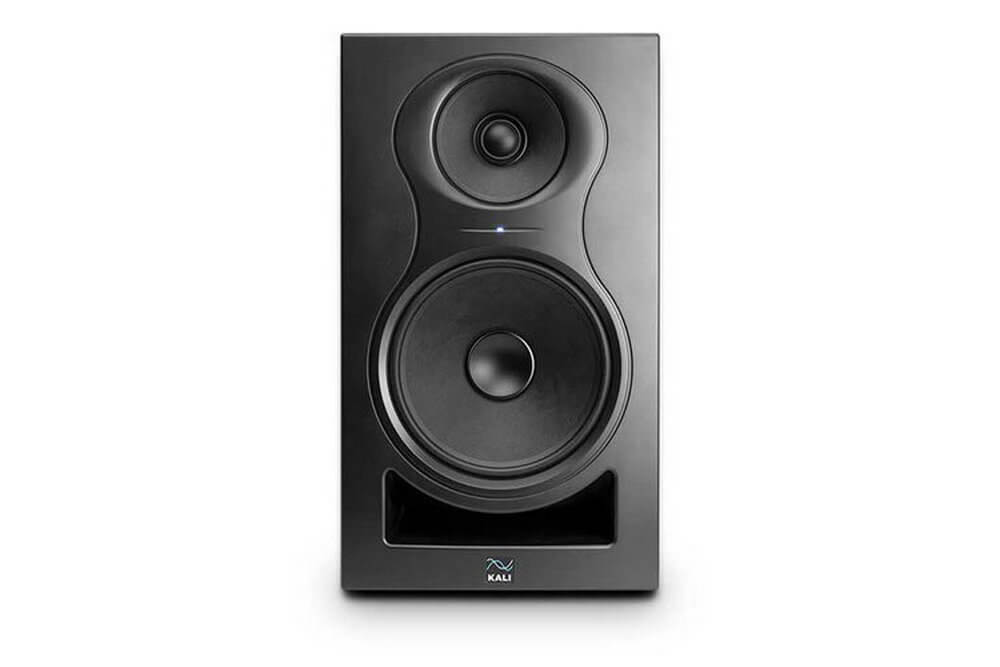 |
| 8. Focal Alpha 80 EVO 470$ | Budget studio monitors from a renowned company – a solid choice for producers. |  |
| 9. ADAM T7V 330$ | Affordable monitors for home studios, featuring the characteristic ‘sandy’ sound of ADAM’s ribbon tweeter. | 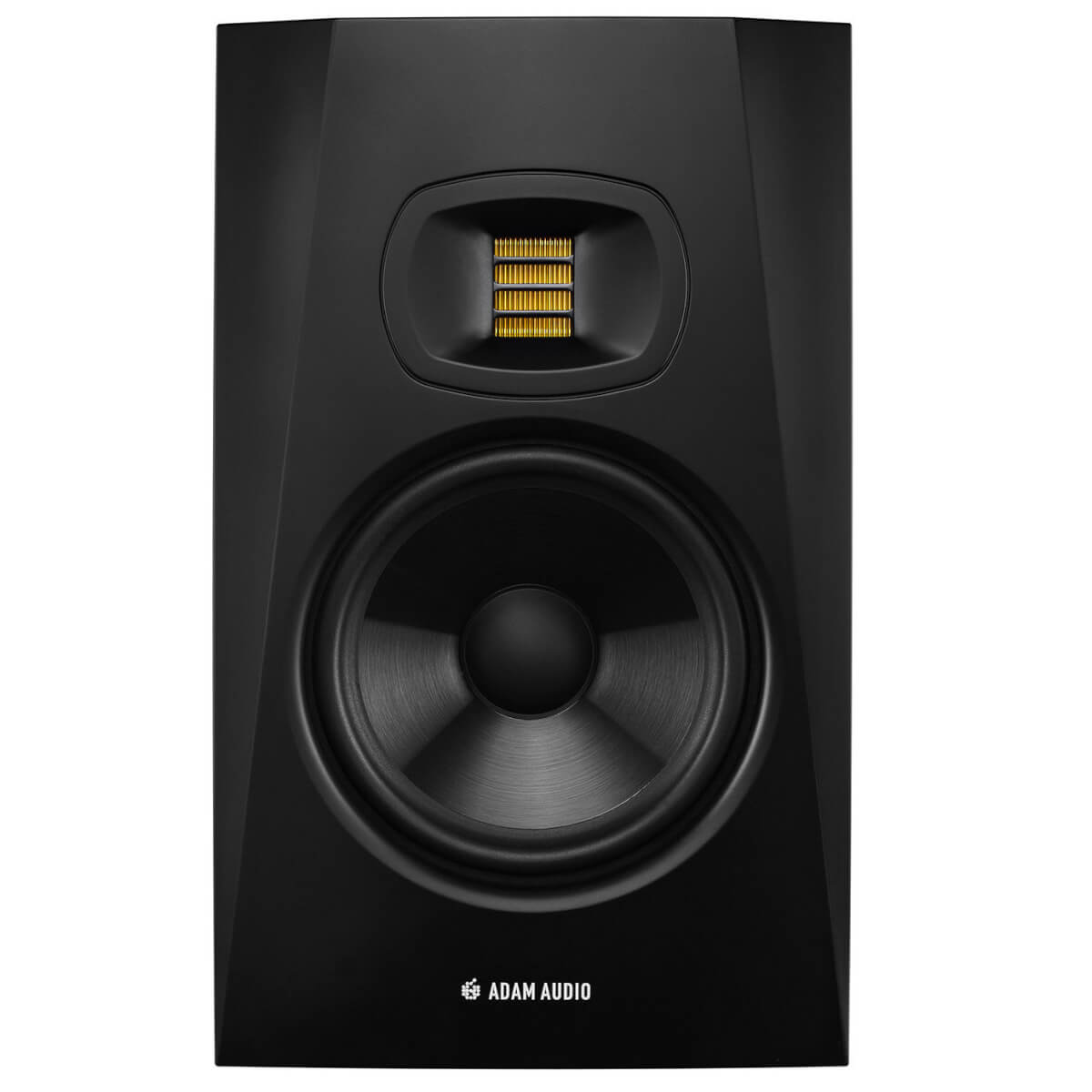 |
| 10. Yamaha HS-5 200$ | Entry-level budget studio monitors with good bass (for home use). | 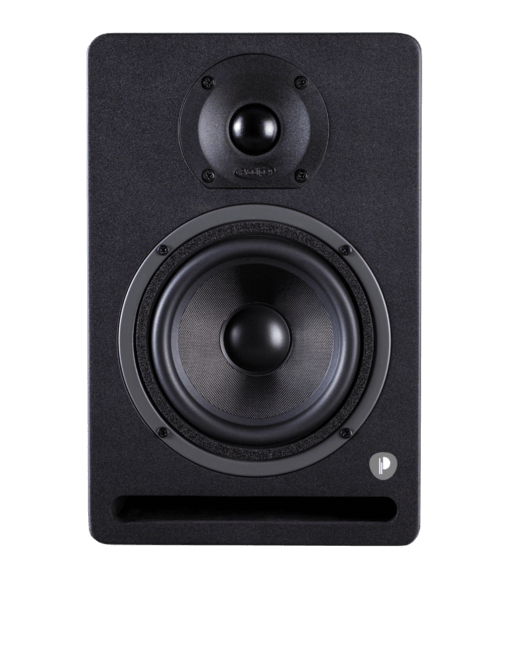 |
10 Prodipe Pro 5 V3
Entry-level budget studio monitors with good bass (for home use).
Monitor type: active, bass-reflex | Power rating: 75 W | Max SPL: – | Frequency response: 55 – 22000 Hz with (-3 dB).


The Prodipe Pro 5 V3 are budget active studio monitors. These speakers performed quite well in my home setup. I appreciated their clear and articulate low-frequency range; the bass feels full and voluminous.
You can’t really call these studio monitors flat or detailed. They can assist with mixing or production, but they aren’t sufficient on their own. You’ll need another acoustic system or headphones for higher-level control. In my setup, I use KRK VXT6 and ADAM T7V for mixing. The Prodipe Pro 5 V3 replaced my Yamaha HS-5s, which I use as a pair of near-field studio monitors. I can check my mixes, listen to artist demos, or work on tonal adjustments (like with Melodyne), but I can’t do a full mix on either the Yamaha HS-5 or the Prodipe Pro 5 V3.
The Prodipe Pro 5 V3 will definitely outperform any Chinese Edifier or Microlab speakers. You can consider the Prodipe Pro 5 V3 as an alternative to the Yamaha HS-5. The Prodipe Pro 5 V3 represents a solid first step into the world of studio monitors.
- Detailed sound and a deep soundstage, with pleasant lows.
- Front slot-loaded bass-reflex port.
- Rubber base on the enclosure.
- Decent build quality using premium materials.
- Clean and minimalist design.
- Lower mid-range is not very well-defined.
- No low-frequency filter.
9 Adam T7V
Affordable studio monitors featuring the characteristic ‘sandy’ sound of ADAM’s ribbon tweeter.
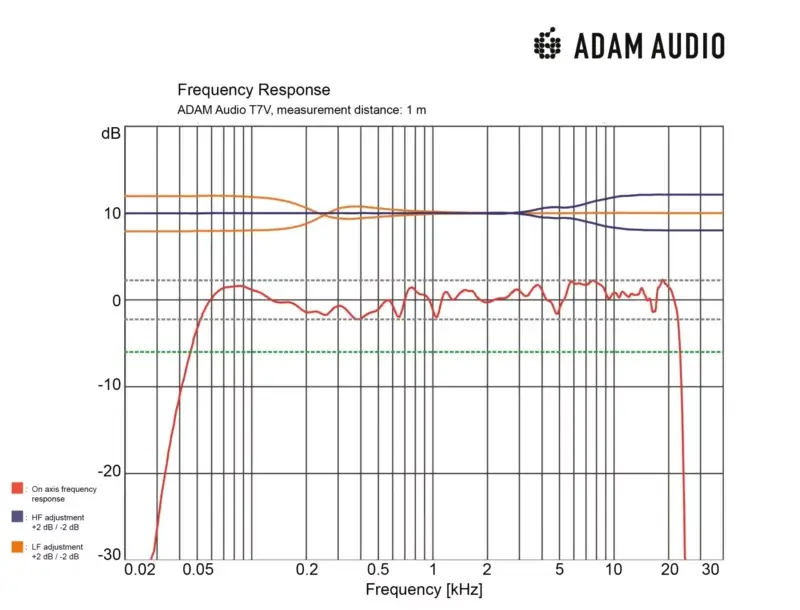
Monitor type: active, bass-reflex | Power rating: 70 W | Max SPL: 110 dB. | Frequency response: 39 – 25000 Hz.

The Adam T7V is an active studio monitor with a bass reflex port. It features a 7-inch polypropylene woofer and a U-ART ribbon tweeter. ADAM introduced the ‘T’ series to replace their ‘F’ series budget monitors, which weren’t very successful.
Having learned from past mistakes, ADAM decided to create truly good budget studio monitors. The Adam T7V incorporates technologies found in ADAM’s higher-end models, which has benefited the sound of the ‘T’ series. The Adam T7V sounds detailed and reasonably accurate. It’s tough to call them flat in terms of frequency response – actually, impossible :lol:. But once you get used to their sound or calibrate them, you can achieve good results.
I’ve owned the Adam T7V for over 3 years and I’m very familiar with these monitors, knowing their strengths and weaknesses. If you have a secondary system for checking your mixes alongside these, you can achieve excellent results in production and mixing.
- Adam T7V Studio Monitor Review
- Good, detailed sound featuring massive, articulated bass alongside open and airy highs.
- U-ART ribbon tweeter built using top-tier manufacturing technologies.
- Class D amplifier with ADC
- Decent build quality using premium materials.
- Clean and stylish design.
- 5-year manufacturer warranty.
- The mid-range, particularly the lower mids, is recessed, so you’ll need to adapt to it or calibrate the monitors.
- There’s a built-in ADC, but the connections are strictly analog.
- The power indicator sits on the rear panel, meaning you can’t tell at a glance if the monitor is on.
8 Focal Alpha 80 EVO
Budget studio monitors from a renowned company – a good choice for producers (for home use).
Monitor type: active, bass-reflex | Power rating: 100 W | Max SPL: 106 dB. | Frequency response: 38 – 22000 Hz.
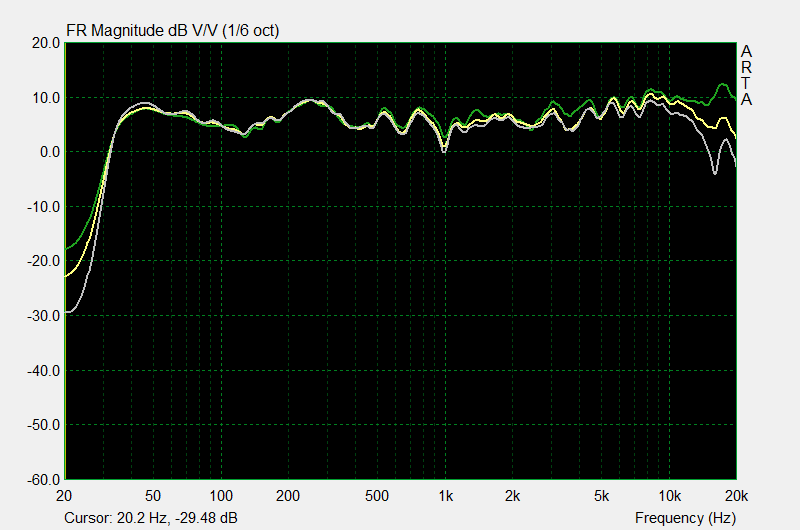

The Focal Alpha 80 EVO are budget studio monitors from the French company Focal. They feature an 8-inch woofer and an aluminum tweeter with an inverted dome design, which Focal claims helps radiate high frequencies evenly and directionally. The front-facing bass reflex port is convenient for wall placement. The low frequencies on this model are massive and can really drive your music production.
The Focal Alpha 80 EVO can be an excellent choice for your first pair of studio monitors, whether for home or a studio, and most importantly, they provide a decent sound for working with music.
- Bass-heavy sound with emphasized highs
- Front bass-reflex port and inverted-dome driver.
- Good build quality
- Additional filters and settings
- Attractive design
- Metallic sheen in the highs
7 Kali Audio IN-8
Three-way monitors with a balanced sound – suitable for studio or home use.
Monitor type: active, bass-reflex | Power rating: 140 W | Max SPL: 114 dB. | Frequency response: 37 – 25000 Hz.

The Kali Audio IN-8 are three-way studio monitors from the young American company Kali Audio. These monitors are equipped with an 8-inch woofer and a coaxial midrange and tweeter. The front-facing bass reflex port makes them convenient to place in any setup. These speakers sound transparent, allowing you to hear all the nuances and details in your mix. They feature Class D amplifiers for each driver: 140W (woofer), 40W (midrange), and 40W (tweeter), with a maximum sound pressure level of 114 dB. Users often note good detail in the low-frequency range.
The Kali Audio IN-8 is a good budget solution with a detailed sound. If you’re upgrading from Yamaha HS-5s to the Kali Audio IN-8, you’ll definitely improve the sound of your tracks.
- For the price, these monitors sound very good.
- Three-way system featuring a coaxial mid-range and tweeter.
- Good build quality
- Additional filters and settings
- Front bass-reflex port
- The design is not very attractive
6 EVE Audio SC 305
Three-way active monitors with excellent sound and power.
Monitor type: active, bass-reflex | Power rating: 150 W | Max SPL: 108 dB. | Frequency response: 50 – 21000 Hz.
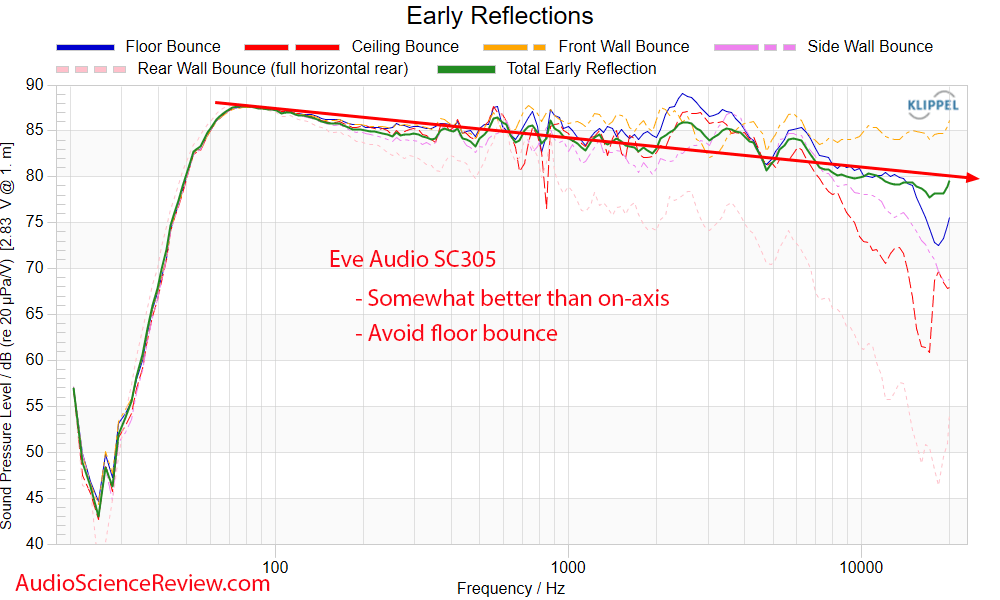
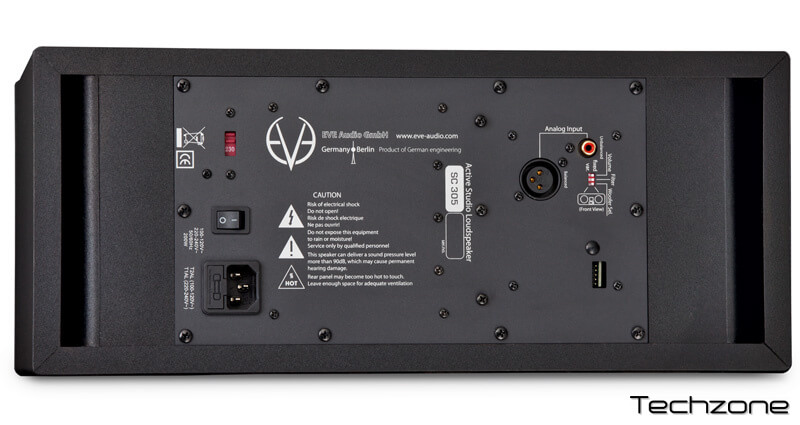
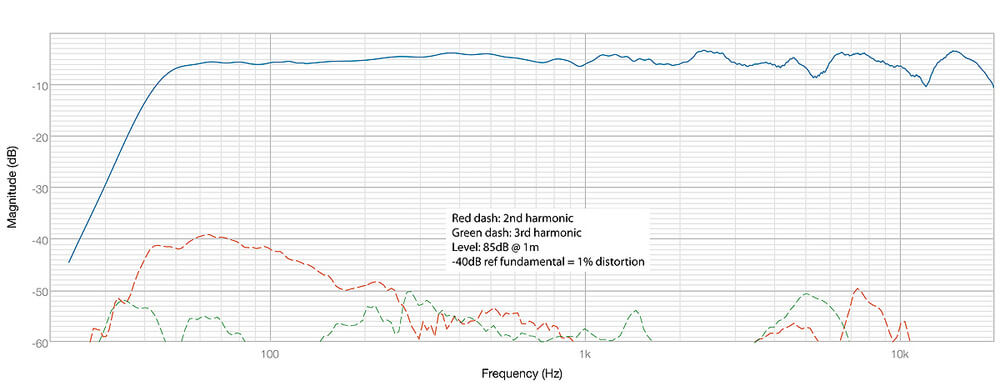
The EVE Audio SC 305 is a three-way active speaker system featuring an AMT RS3 ribbon tweeter. The bass reflex port is located at the rear, so these speakers shouldn’t be placed too close to a wall. The EVE Audio SC 305 plays detailed and accurately; many users praise these monitors for their good sound reproduction. With nearly 150W of amplification, there’s enough power for productive work in both mixing and music production.
The EVE Audio SC 305 is a choice for sound engineers and producers who have already learned to make money from music 8-).
- Monitors with a flat, uncolored sound.
- Three-way system with fast drivers
- Excellent build quality and construction
- Stylish appearance
- Ribbon tweeter sound isn’t for everyone, so you should audition them before buying.
5 Genelec 8040
Studio monitors housed in a cast aluminum body, delivering a precise and articulate sound.
Monitor type: active, bass-reflex | Power rating: 180 W | Max SPL: – | Frequency response: 41 – 21000 Hz.
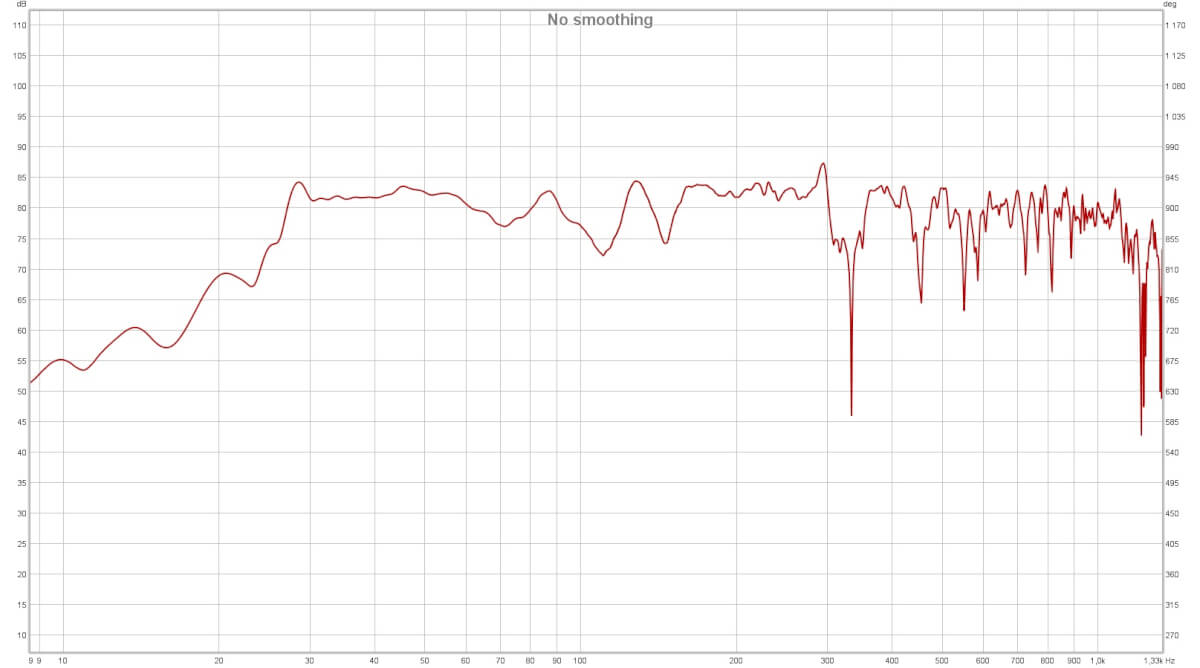
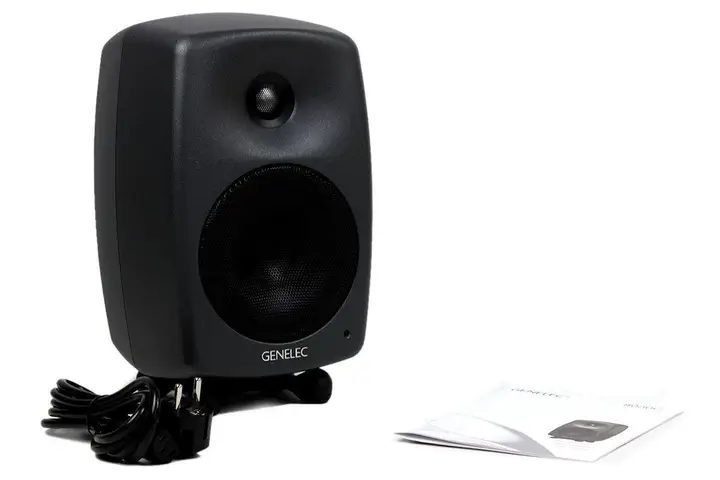
The Genelec 8040 is an active two-way studio monitor from Finland. Genelec consistently delights audio professionals with its unique monitors housed in unibody aluminum casings, which help eliminate cabinet resonances. The Genelec 8040 features a 6.5-inch woofer and a 3/5-inch tweeter. A distinctive feature is also its Iso-Pod stand, which decouples the monitors from the desk and allows you to adjust the tilt angle.
The Genelec 8040 is an excellent solution for small commercial recording and production studios. These monitors provide a clean and natural sound.
- Monitors with detailed and precise sound
- Monolithic aluminum enclosure
- Excellent build quality and construction
- Additional tuning filters
- Minimalist design
- ISO-Puck stands
- Vertical placement only
4 HEDD Type 07 MK2
Excellent monitors with a neutral sound – an underrated model.
Monitor type: active, bass-reflex design that can be sealed | Power rating: 100 W | Max SPL: 116 dB. | Frequency response: 38 – 40000 Hz.
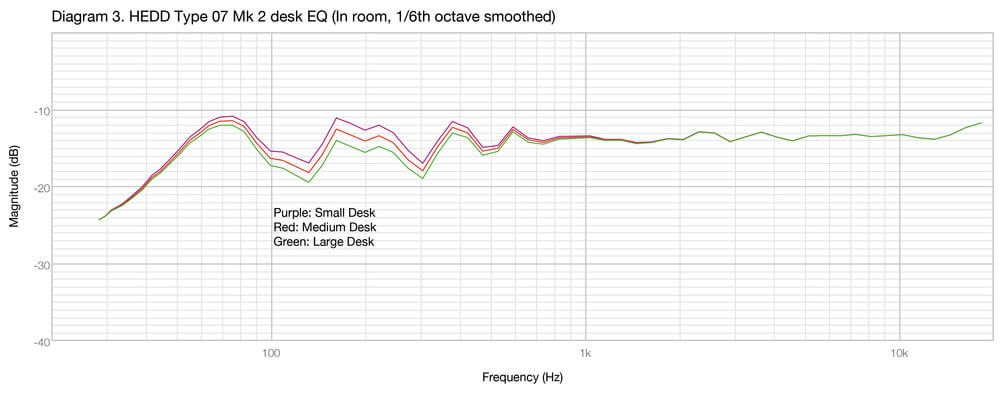

HEDD Type 07 MK2 are active two-way studio monitors. Visually, they strongly resemble monitors from ADAM, but in reality, they’re quite different ;-). If I had to describe the HEDD Type 07 MK2 in one word, it would be ‘nothing special’ 8-). They sound neutral. Engineers working with these monitors say that if you start to really like the sound, it means you’ve missed the mark and overdone it. Many people appreciate these speakers precisely because of these clear boundaries. The HEDD Type 07 MK2 features a ribbon tweeter and a 7-inch woofer. The monitors are bass reflex but can also be used as sealed enclosures; special plugs are included, and a rear encoder selects the operating mode. These monitors have built-in DSP and many other interesting features.
The HEDD Type 07 MK2 is an interesting model with numerous connection options, both analog and digital. These monitors can serve as a good alternative to, for example, the ADAM A7V.
- Dry and uncolored sound
- Linear phase mode
- DSP processor with the ability to connect the monitors via AES.
- Monitors can operate in sealed box mode
- Excellent build quality and construction
- Good appearance
- Control encoders are located on the back, which makes frequent adjustments inconvenient.
3 Neumann KH 310 A🥉
Detailed studio monitors featuring proprietary Neumann and Klein Hummel technologies.
Monitor type: active, closed enclosure | Power rating: 70 W | Max SPL: 117 dB. | Frequency response: 34 – 22000 Hz.
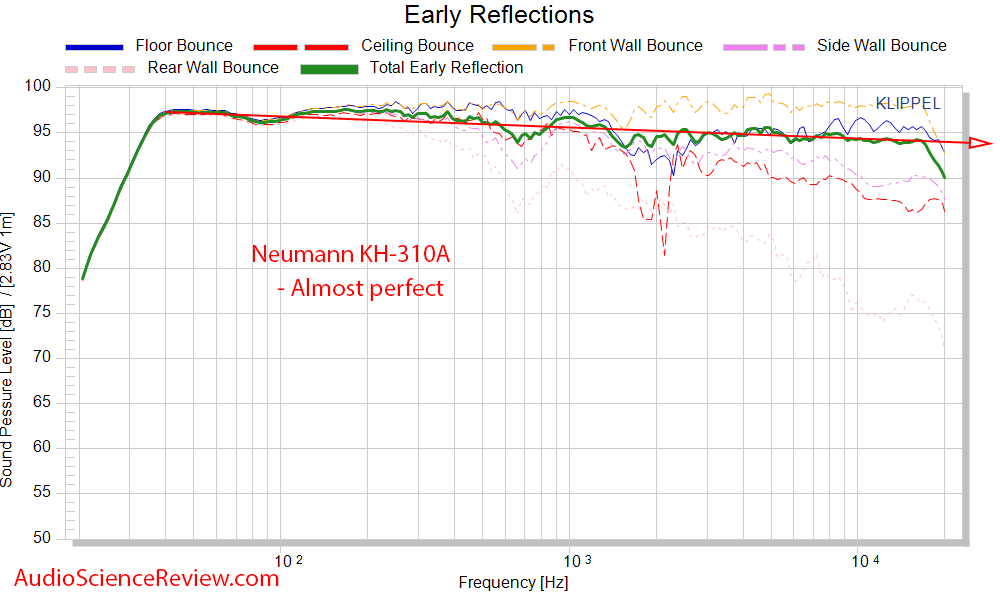
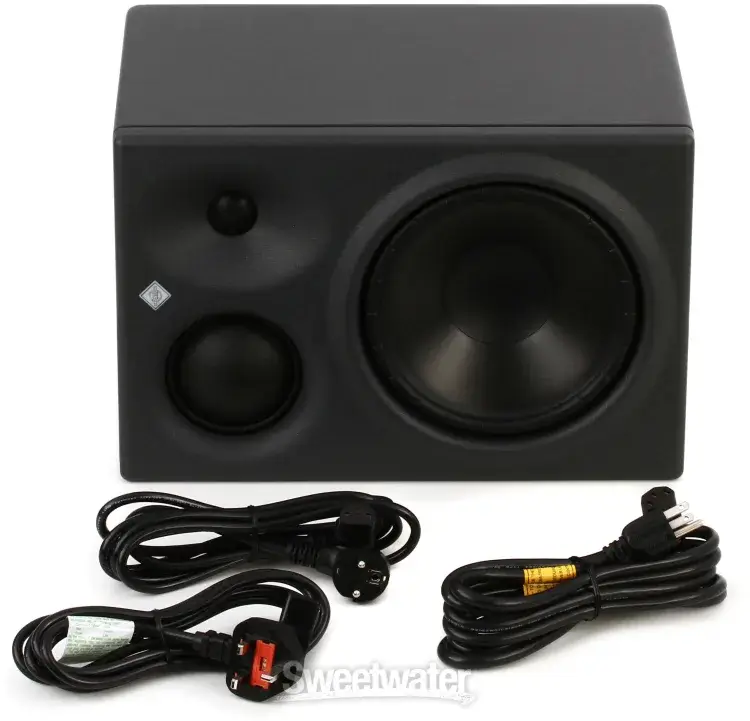
The Neumann KH 310 A is a three-way active studio monitor that combines technologies from Neumann and Klein Hummel. We all know and respect Neumann; their microphones are works of art, and these studio monitors are no exception. The Neumann KH 310 A features an 8-inch woofer, a 3-inch fabric midrange driver, and a one-inch tweeter. The cabinet was mathematically calculated and engineered for optimal sound transmission without distortion or unwanted reflections. The monitors are designed as a sealed enclosure.
The Neumann KH 310 A studio monitors will be a great help for mixing, mastering, and music production. These are some of the best monitors available under $2500.
- Monitors offering an open and uncolored sound.
- Three-way system in a sealed enclosure
- Excellent build quality and construction
- Monitor tuning capabilities
- Clean design
- None found
2 Amphion Two 18 🥈
First-class studio monitors from a Finnish company, offering a fast and accurate sound.
Monitor type: passive, sealed enclosure equipped with a passive radiator | Power rating: 200 W | Max SPL: – | Frequency response: 39 – 20000 Hz.
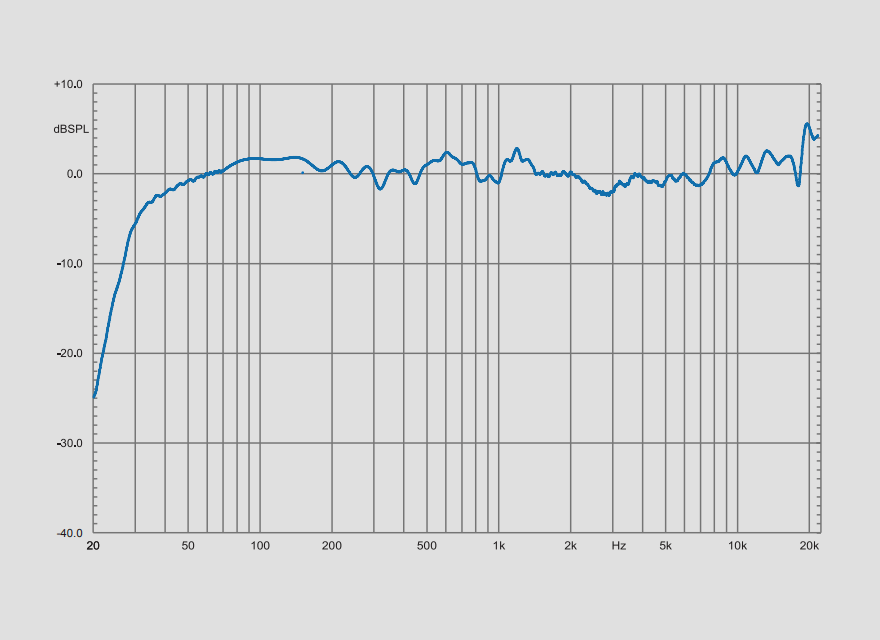
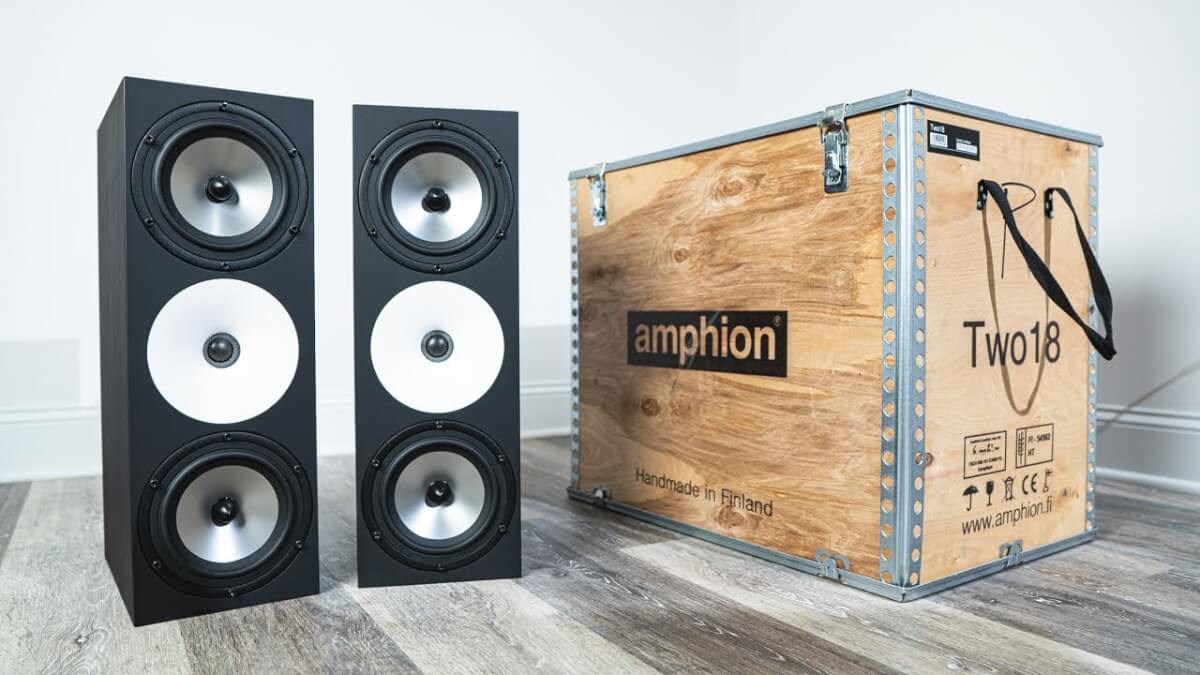
The Amphion Two 18 are top-tier studio monitors developed in Finland. This manufacturer has established itself in the professional audio systems market, and the Amphion Two 18 is a prime example. These monitors feature two 6.5-inch aluminum woofers and one titanium tweeter. While designed as sealed enclosures, they have passive radiators on the rear. This design allows the monitors to play quickly and accurately. Many sound engineers have come to love the Amphion Two 18 precisely for their articulate transients. These are passive monitors, so you’ll need an amplifier – Amphion offers its own proprietary amplifier for them ;-).
The Amphion Two 18 is the choice for professionals who need monitors for constant studio work. You’ll find this model used by many renowned sound engineers.
- Detailed and precise sound that translates mixes exceptionally well.
- Fast aluminum drivers paired with a titanium tweeter.
- First-class materials and top-tier build quality.
- Wooden transport case
- Stylish appearance
- Keep in mind that these are passive monitors, so they require an amplifier.
1 ATC SCM45A PRO 🏆
Best Studio Monitors in 2026 year – world-renowned reference sound
Monitor type: active, bass-reflex | Power rating: 200 W | Max SPL: 112 dB | Frequency response: 42 – 25000 Hz.
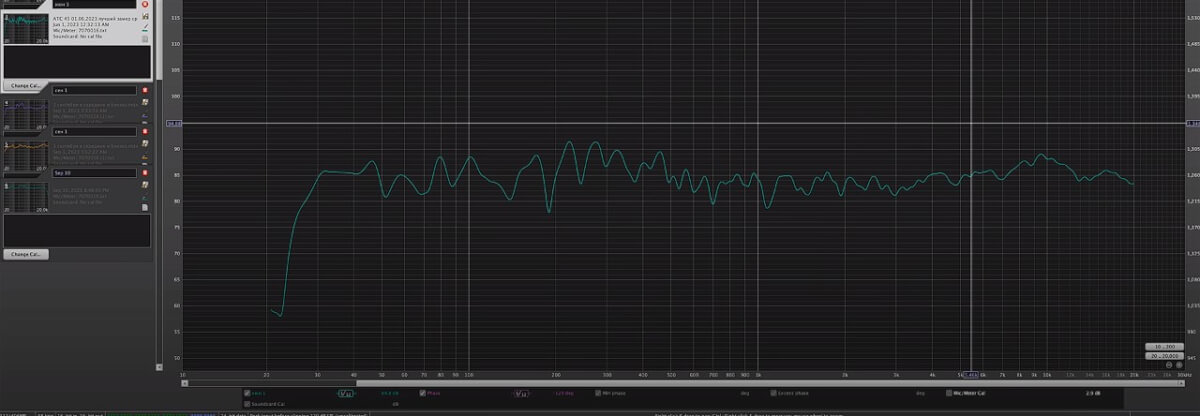

The ATC SCM45A PRO are reference studio monitors for professional work by sound engineers, musicians, and mastering engineers. This is a three-way system with Class A/B amplifiers: 150W (LF), 65W (MF), and 25W (HF). The monitors are bass reflex with front-firing ports. These top-tier studio monitors offer a flat and uncolored sound with incredible detail retrieval; when mixing or mastering music on them, you can hear every tiny detail. They provide a truly deep and wide soundstage, enabling precise mix construction.
The ATC SCM45A PRO is not a cheap pleasure, but it’s a workhorse. Top-level producers and mix engineers choose them for good reason. With these monitors, you can create high-quality music.
- Reference-quality sound with exceptional imaging detail.
- Active monitor with Class A/B amplifiers
- First-class materials and top-tier build quality.
- Minimalist and classic design
- None found
❓ Which Studio Monitors Should You Buy? Answers to Your Questions:

- How to Choose Your First Studio Monitors? The best approach has always been to take several models into your studio and listen to them in your own workspace, but that’s not always feasible. At the very least, try listening to them in a showroom or store. You can rely on online reviews or other people’s opinions, but not every viewpoint will align with yours. Some people, like me, prefer ADAM’s ribbon tweeters, while others can’t stand them. Choosing a pair of studio monitors should be a responsible decision, as your work quality depends on them.
- What Do You Need to Connect Studio Monitors? Modern studio monitors can be connected via analog (XLR, RCA, TRS) or digital (AES) cables. Next, the monitors should be connected to an audio interface. Most monitors on the market do not include connection cables; you’ll need to purchase them separately!
- Can Monitors Be Used for Casual Music Listening or Gaming? Yes, but only if you’re content with a dry, uncolored sound. Monitors are designed for professional sound work, and many people may not find them ideal for casual use.
- 3, 5, 6.5, or 8 inches – Which Driver Size Should You Choose? You need to consider the size of your room. There’s no point in getting 8-inch monitors for a 10 sq. m. room; they’ll simply overwhelm you with sound, leading to excessive bass and a lack of clarity. My room is 18 sq. m. with a 3 m. ceiling height, and I use three pairs of monitors: near-field Yamaha HS-5s, and mid-field KRK VXT 6s and ADAM T7Vs on stands. 7-inch monitors are just right for my space.
- Front or Rear Bass Reflex Port – Which is Better? The concept of ‘better’ doesn’t really apply here; both types are needed. However, in situations where monitors must be placed close to a wall, those with a front bass reflex port are naturally more suitable. Monitors with a rear port require space from the wall (70 cm or more).
- Expensive Studio Monitors in an Untreated Room, or Cheap Monitors in a Room Prepared for Work? It’s not just the monitors that produce sound; the room they’re in significantly affects it. Placing ATC monitors in a regular apartment won’t yield the sound they’re capable of in a professional control room. Therefore, pay close attention to the acoustic treatment of your space. If you have a standard apartment, it’s better to treat it acoustically and start with more affordable monitors.
- What’s the Difference Between Active and Passive Studio Monitors?Passive studio monitors require an external amplifier, while active studio monitors have the amplifier built into the enclosure.
- What Stands or Mounts Should I Buy for Studio Monitors?You might notice many monitors aren’t placed directly on desks but on stands. This helps decouple the desk and monitors, reducing resonances and boominess. The heavier the stand, the better. Good stands are often made of wood and filled with sand to minimize stand resonance and its impact on the monitor’s sound.
