

Bowers & Wilkins just announced the Px7 S3, their new flagship over-ear headphones. The lineup gets refreshed every 3 years—the Px7 S2e came out in June 2022, and the original Px7 dropped in 2019. Against the last generation, this new model keeps the same acoustic setup while tweaking things to cut down on audio distortion. These Bluetooth headphones now support aptX Lossless and USB-C audio, with a software update slated to bring spatial audio and Bluetooth LE Audio later.
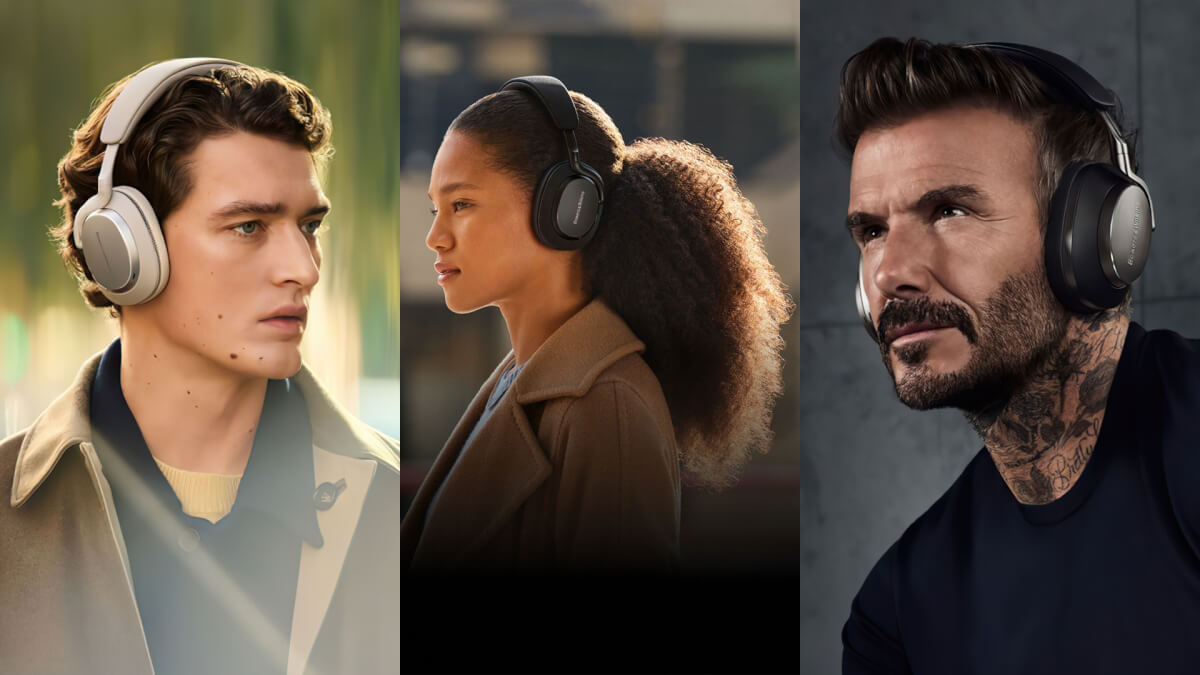
Inside the Bowers & Wilkins Px7 S3 wireless headphones, you’ll find 40mm dynamic drivers paired with biocellulose diaphragms. It’s the exact same acoustic platform used in the previous generation, complete with a dedicated digital signal processor (DSP), amplifier, and DAC. That said, they tweaked the driver design to lower coloration and distortion. You also get support for the new aptX Lossless Bluetooth codec, which streams data at up to 1.2 Mbps, alongside aptX Adaptive, aptX HD, aptX Classic, AAC, and SBC.
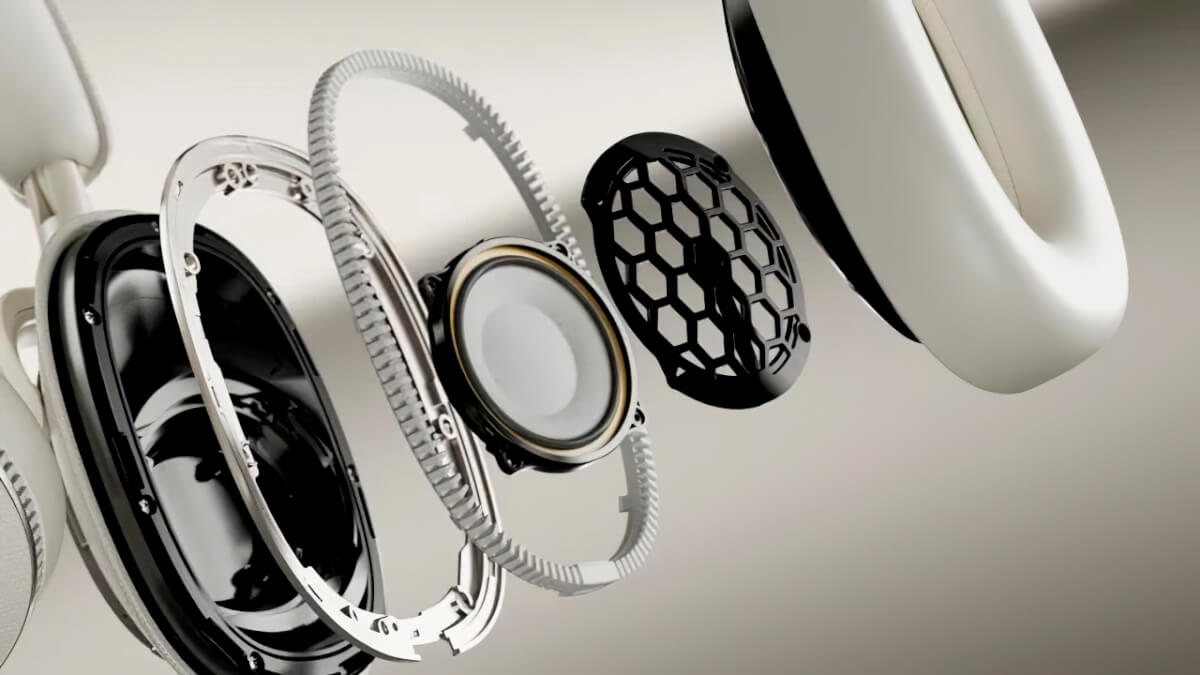
You get 8 microphones total—4 on each ear cup—alongside software algorithms for call noise cancellation. Active noise cancellation has always been a strong suit for the Px7 family, and the Bowers & Wilkins Px7 easily ranks among the top 10 best ANC headphones in our ranking. Battery life holds steady at 30 hours, and a quick 15-minute top-up gets you 7 hours of playback.
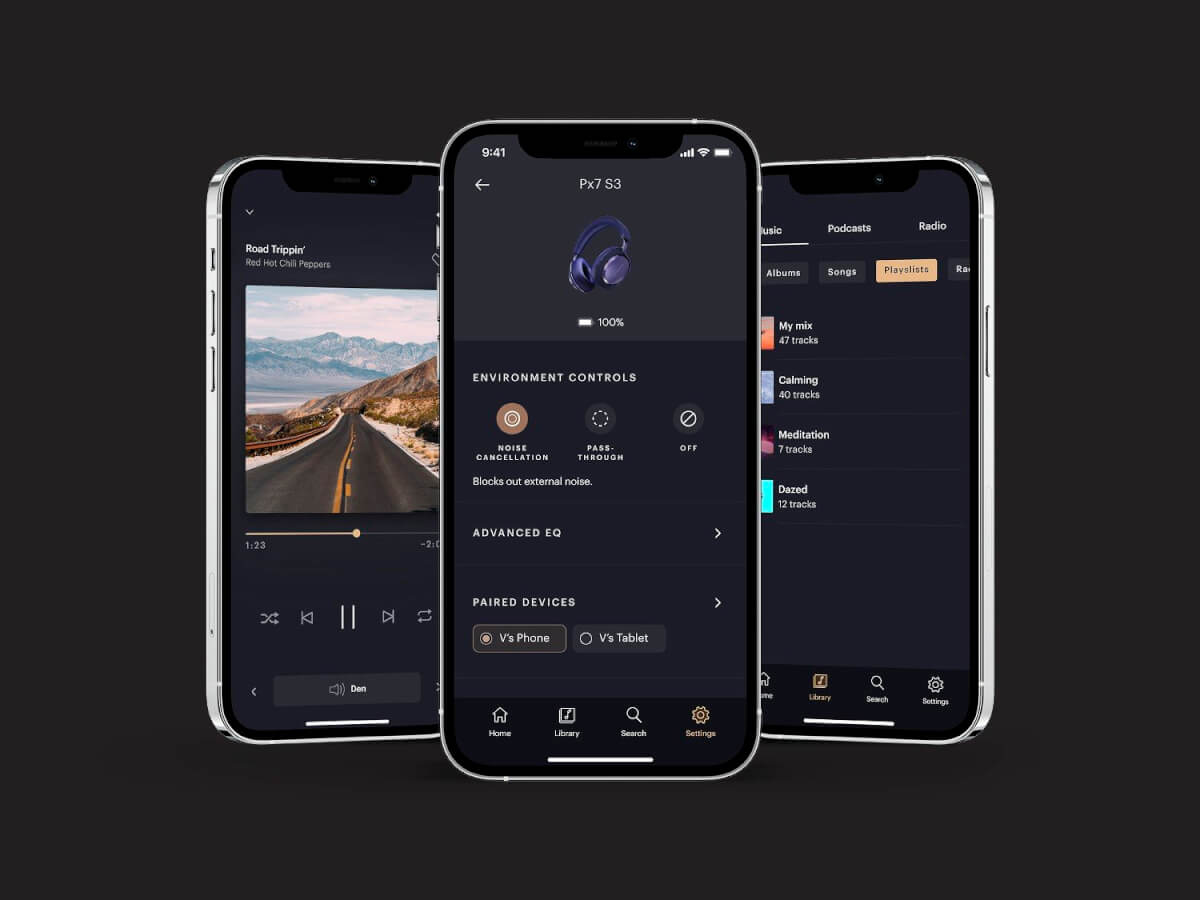
The Bowers & Wilkins Music app for Android and iOS lets you tweak the EQ and ANC settings. You can also plug in your streaming services to keep everything in one place. Keeping the firmware updated matters here, since future updates will bring spatial audio and Bluetooth LE Audio, along with Auracast and the LC3 codec.
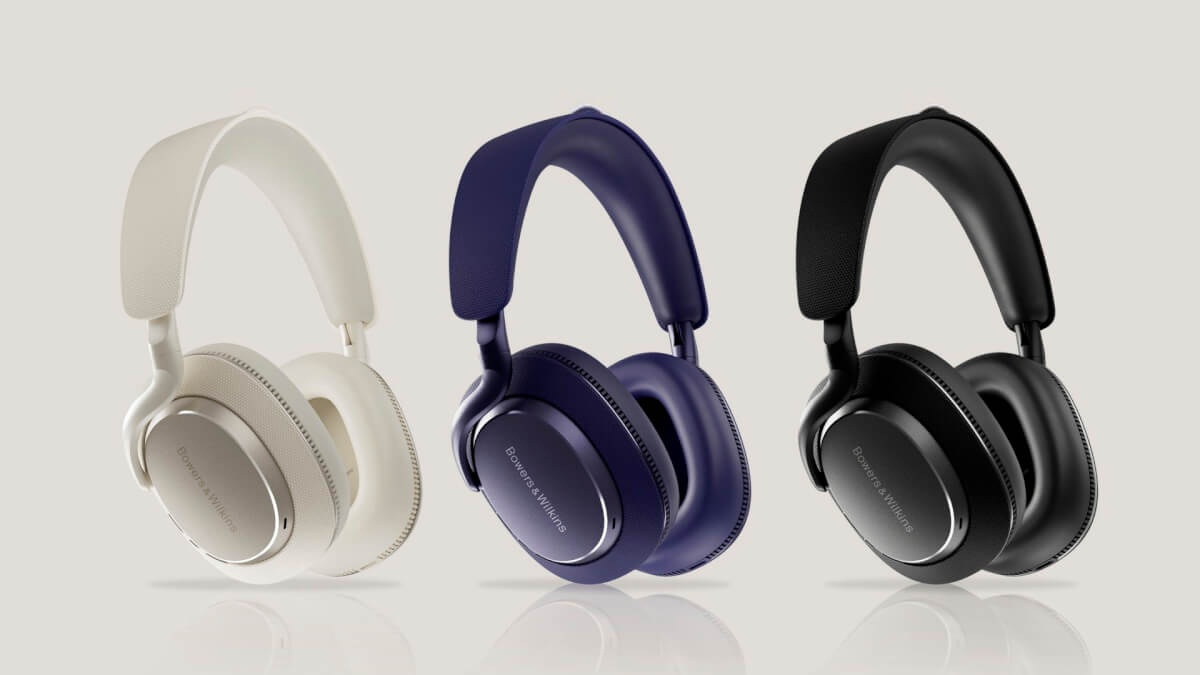
The Bowers & Wilkins Px7 S3 keeps the exact same look as the previous generation. They shaved down the ear cup thickness and dropped the weight by 7 grams. They measure 177 x 60 x 234 mm and weigh 300 grams, compared to the older version’s 189 x 63 x 233 mm and 307 grams. They’ll drop in three colors: white, black, and blue. Pricing details will be announced later.
What would you be interested in comparing this model with? Let us know in the comments.