


What does “good” over-ear headphones really mean? For everyone, it’s a personal answer – that moment when music truly comes alive, when the bass gives you goosebumps, the vocals hit you right in the soul, and the soundstage opens up like you’re at the center of a concert. I’ve spent a long time putting this ranking together, but let me tell you upfront: this isn’t a battle where some models obliterate others. No, there’s no absolute “better” or “worse” here. This is the league of the strongest – those wired over-ear and on-ear models that genuinely moved me, made me stop and say, “This is it.”
The Mychooz team always approaches them with one crucial consideration: can they be improved? Because if there’s a chance to extract even more emotion, depth, or air, it’s a shame not to. But only if the right hands are involved. If not, give them to a master; they’ll do it with care. This isn’t just a technical gimmick – it’s an opportunity to transform good headphones into ones you can settle down with and truly live with.
This top list isn’t a strict hierarchy where first place is miles ahead of fifth. It’s a gallery of worthy contenders – each with different drivers, sound signatures, and price points. Every model carries its own unique spark, its own special something, which for someone will become that “wow” moment, the one that makes their heart beat in time with their favorite song.
In the descriptions, you’ll find a note about moddability. If it’s not mentioned, it means either the model is already perfect, or it’s simply not worth messing with.
Stock sound is often just a hint of what could be. We’re evaluating the real potential – after burn-in and modding, when the headphones finally sing at their absolute best.
Here it is – my top 15. I hope it helps you find your ideal headphones. May your music sound as it should – alive, powerful, and goosebump-inducing.
Testing was conducted using the following setup:
Sources: portable DAC/amp COLORFLY CDA-M1P AK4493SEQ Ultramod by 4ernov, tube amp PJ.MIAOLAI D2 mod by 4ernov, and portable DAC/amp xDuoo XD-05 Basic mod by 4ernov.
EMMA — Experts + Methodology + MyChoozers + Algorithm.
Every model goes through identical tests; the score is calculated automatically with fixed weights — a spot in the rating cannot be bought.
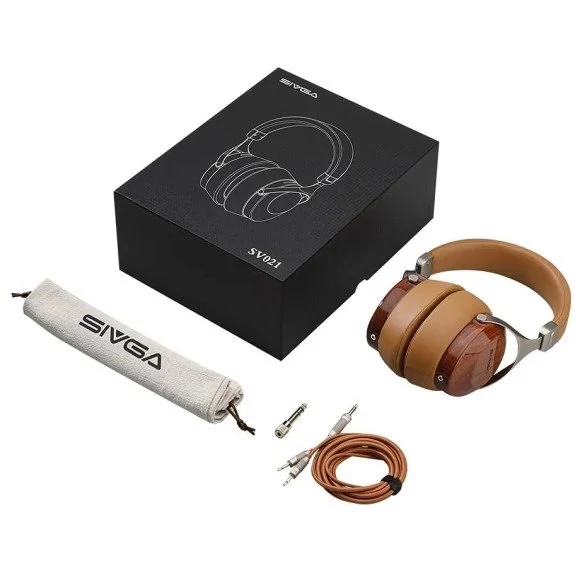
1. Sivga Audio Luan 9.84 Best over-ear wired headphones – the benchmark of versatility
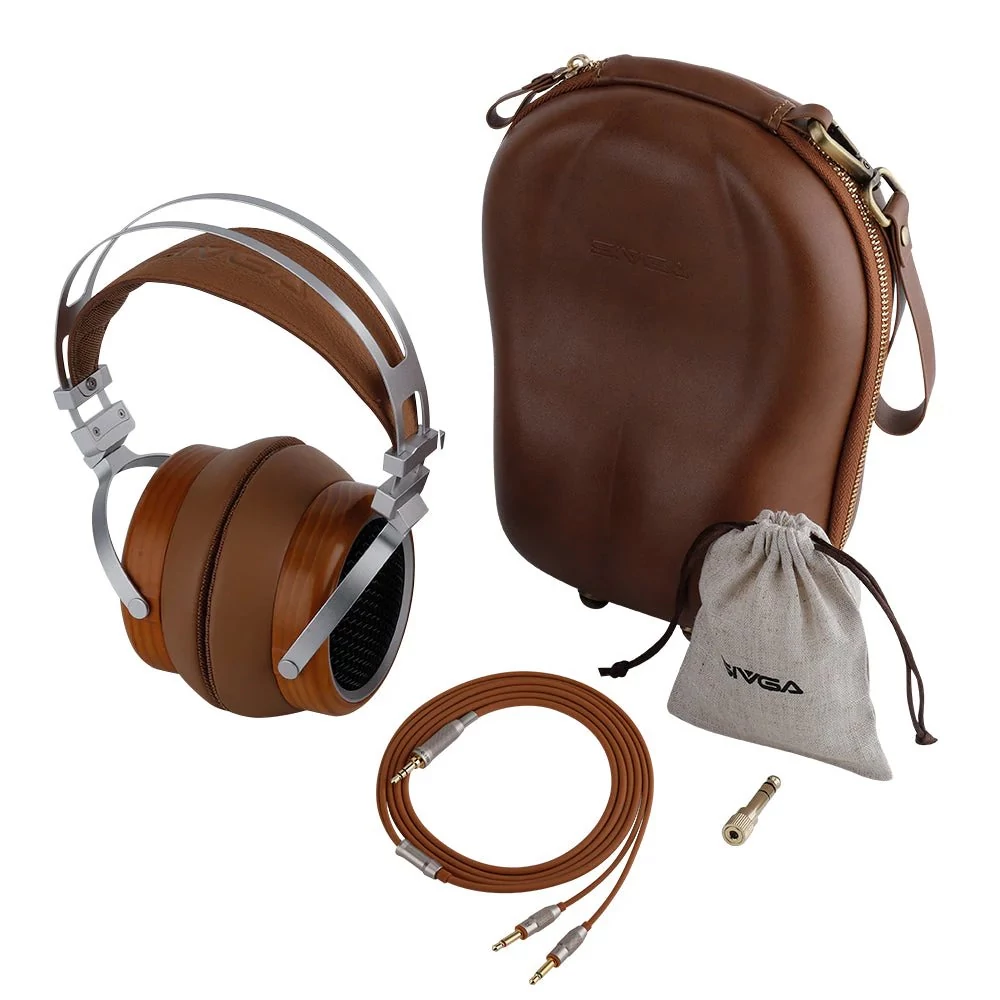
Sivga Audio Luan $250–300 – the best over-ear wired headphones with a versatile, spacious, and natural sound. These headphones feature large 50mm dynamic drivers with a composite diaphragm (nickel plating + carbon fiber), providing excellent dynamics and control across the entire range. The natural wood housing adds organic timbre.
- Best versatile headphones
- Soundstage scale
- Moddability
- Unwillingness to mod
Read more.
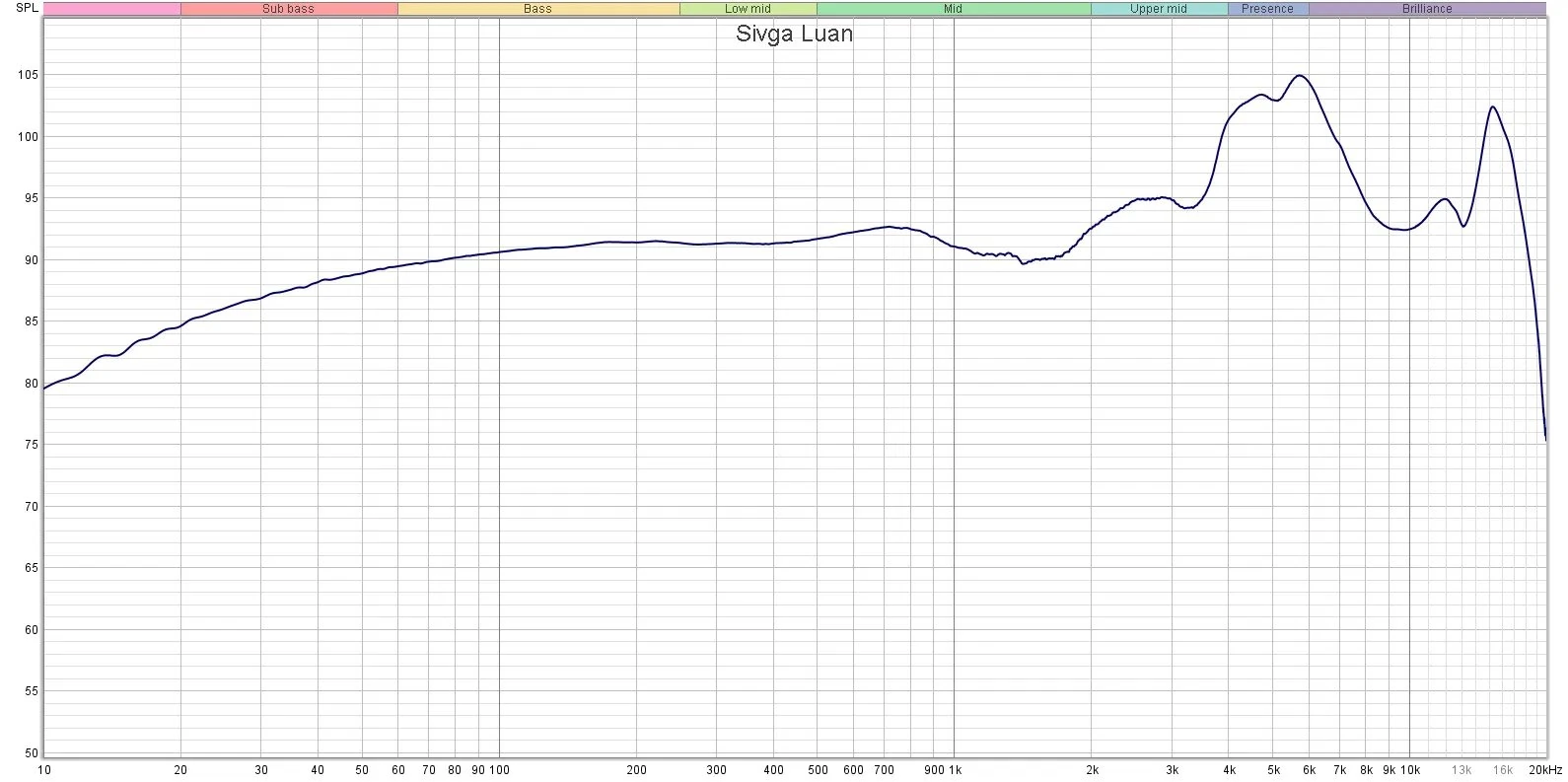
The main advantage of the Sivga Audio Luan sound is the spacious, textured, and perfectly controlled bass combined with full, corporeal, and incredibly natural mids, where vocals and instruments sound lively and emotional.
The main drawback is the slightly less sparkle and air in the highs in stock form, as well as the dependence on burn-in and a simple mod to fully unlock the huge soundstage and micro-details.
Read more.
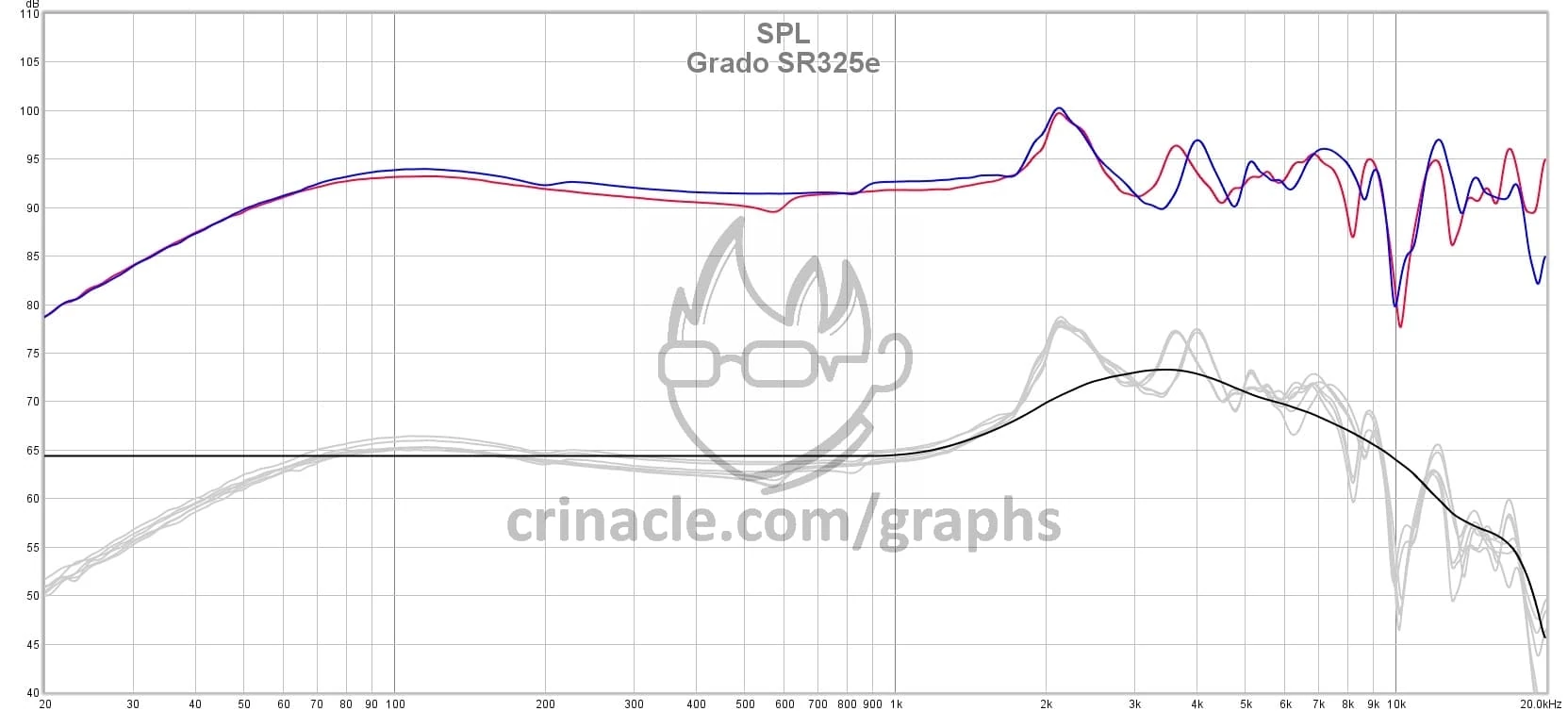
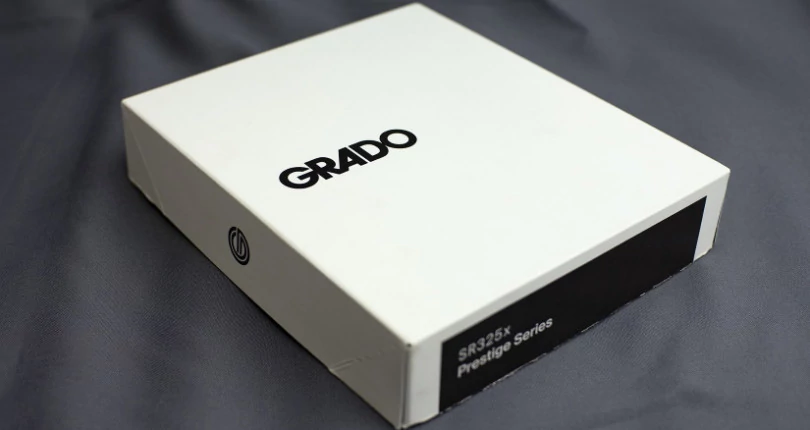
2. Grado SR325x 9.43Best on-ear wired headphones – the king of emotion
Grado SR325x $295–350 – the best on-ear wired headphones with an emotional, dramatic, and incredibly engaging sound. These open-back dynamic headphones feature a 4th generation 44mm driver with an improved magnetic system and a lighter voice coil for greater speed and detail.
- Pure emotion and sound drama
- Lively energy
- Full immersion
- Moddability
- Limited bass
The main advantage of the Grado SR325x sound is the super-emotional, rich, and dramatic mids with vocals that hit you right in the soul with all their energy and drama, combined with bright, brilliant, and lively highs that add sparkle and drive. The main drawback is that the bass remains energetic and punchy, but lacks true sub-bass depth, and the soundstage is more front-facing and less spacious compared to planar models, which sometimes results in a lack of full scale and technical detachment in heavy or overly complex genres.
Read more.
Read more.
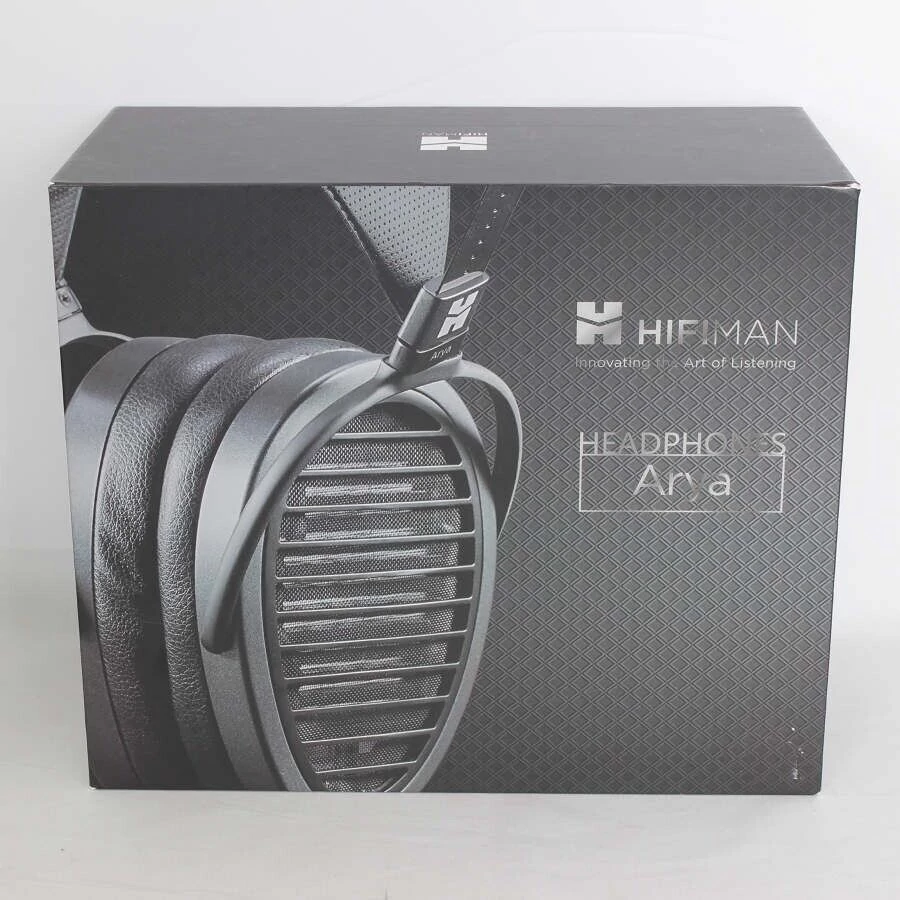
3. HiFiMAN Arya V2 9.43Best open-back planar wired headphones – scale and precision
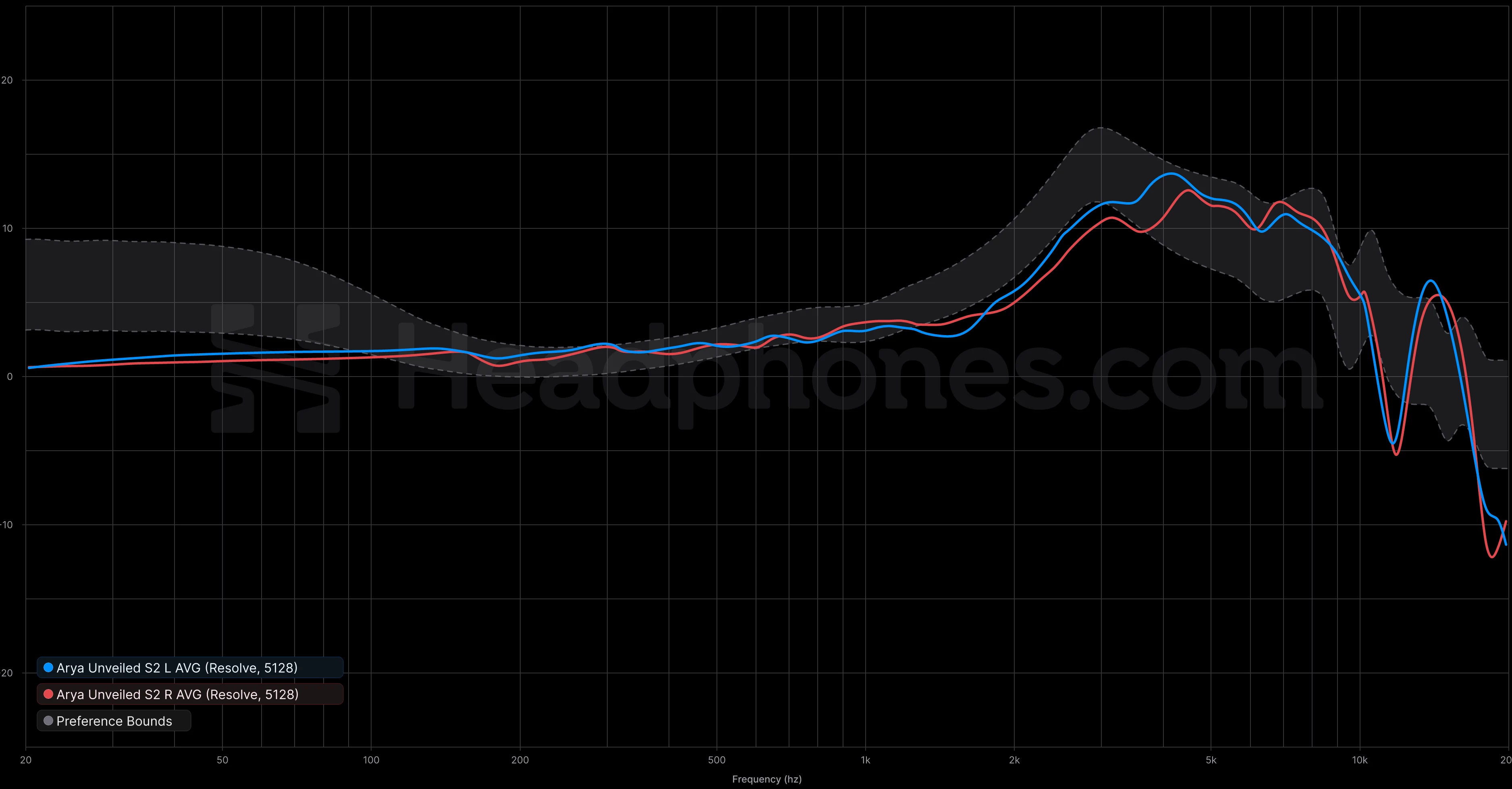
HiFiMAN Arya V2 $1000–1300 – the best open-back planar wired headphones with a technical, spacious, and reference-level sound. These full-size open-back headphones feature a proprietary planar driver with a nanostructure diaphragm and Stealth Magnets technology for minimal distortion and maximum transparency. The housing is lightweight and comfortable with egg-shaped earcups.
- Vast soundstage scale
- Tonal accuracy
- Moddability
- Requires driving
The main advantage of the HiFiMAN Arya V2 sound is the incredible tonal accuracy and detail combined with a huge holographic soundstage and technical transparency, where each instrument and vocal sounds natural, with very precise positioning and truly spacious surroundings. The main drawback is the high requirement for quality amplification: without a good source chain, Arya V2 are far from fully revealing their potential. Plus, the completely open design makes them true “personal speakers” – music actively leaks out and is clearly audible to everyone around.
Read more.
Read more.
4. Moondrop Para 9.29Best open-back planar wired headphones with bright neutrality and technical presentation
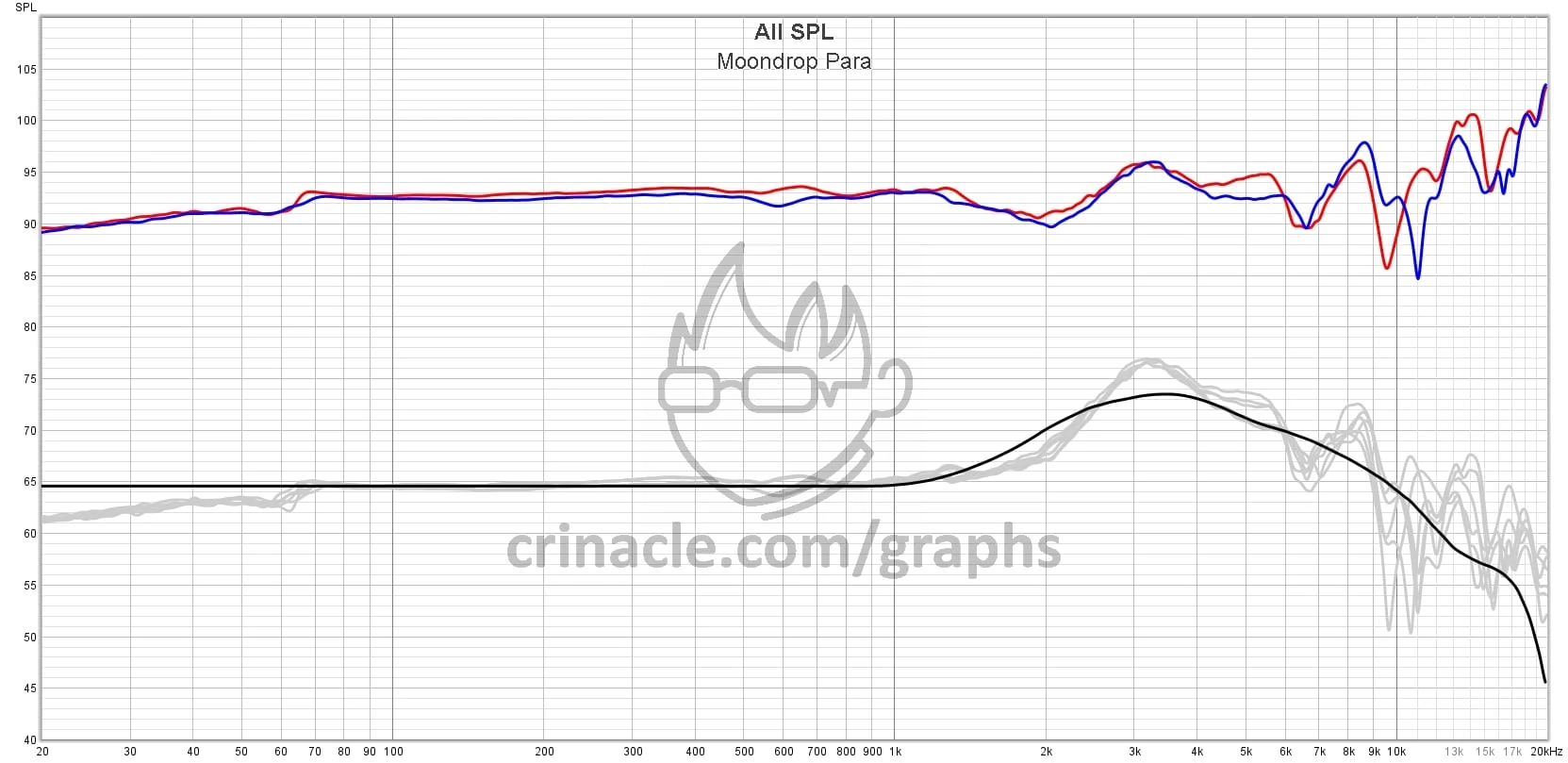
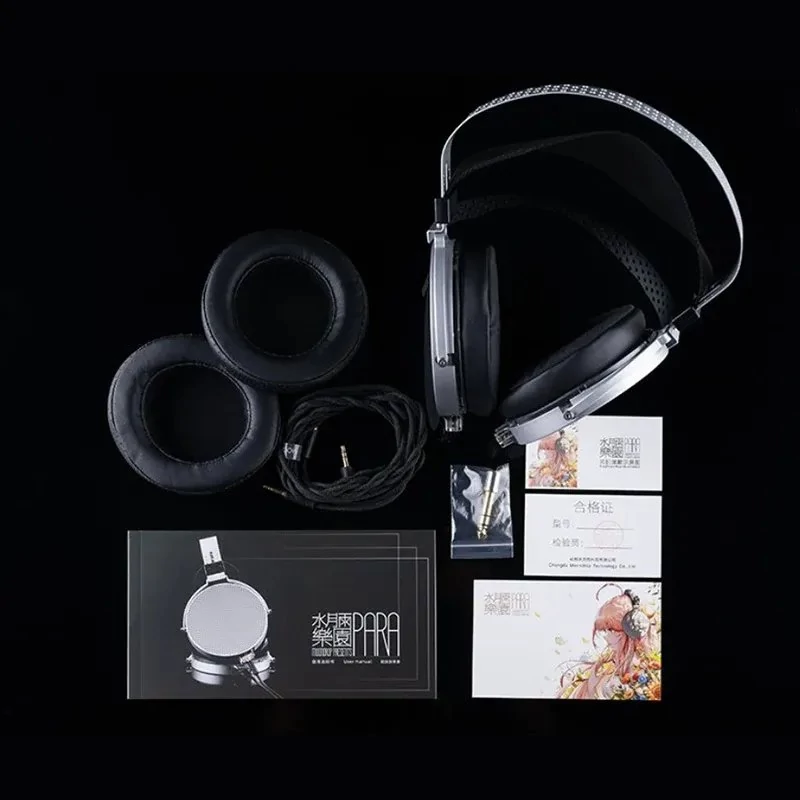
Moondrop Para $300–400 – the best open-back planar wired headphones with a technical, bright, and neutral sound for micro-dynamics and drama enthusiasts. These full-size open-back headphones feature a 100mm planar driver with silver plating for high speed and detail, in a lightweight housing with comfortable ear pads.
- Bright neutrality
- Excellent micro-dynamics
- Technicality and engagement
- Not a basshead model
- Bright presentation
- Plays loudly outwards
The main advantage of the Moondrop Para sound is excellent micro-dynamics and technical presentation combined with bright neutrality and the ability to convey the story, drama, and emotion of the composition without excessive coloration. The main drawback is that the bass is clean but not bass-heavy and lacks true sub-bass weight, and the highs are bright and detailed but can sometimes seem a bit too bright, causing a loss of impact and foundation in bass-heavy genres, and the overall presentation remains more head than heart.
Read more.
Read more.
5. Fostex T50RP MK3 9.25Legendary planar magnetic headphones – colors and emotions in a closed format
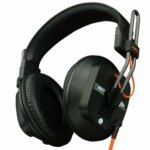
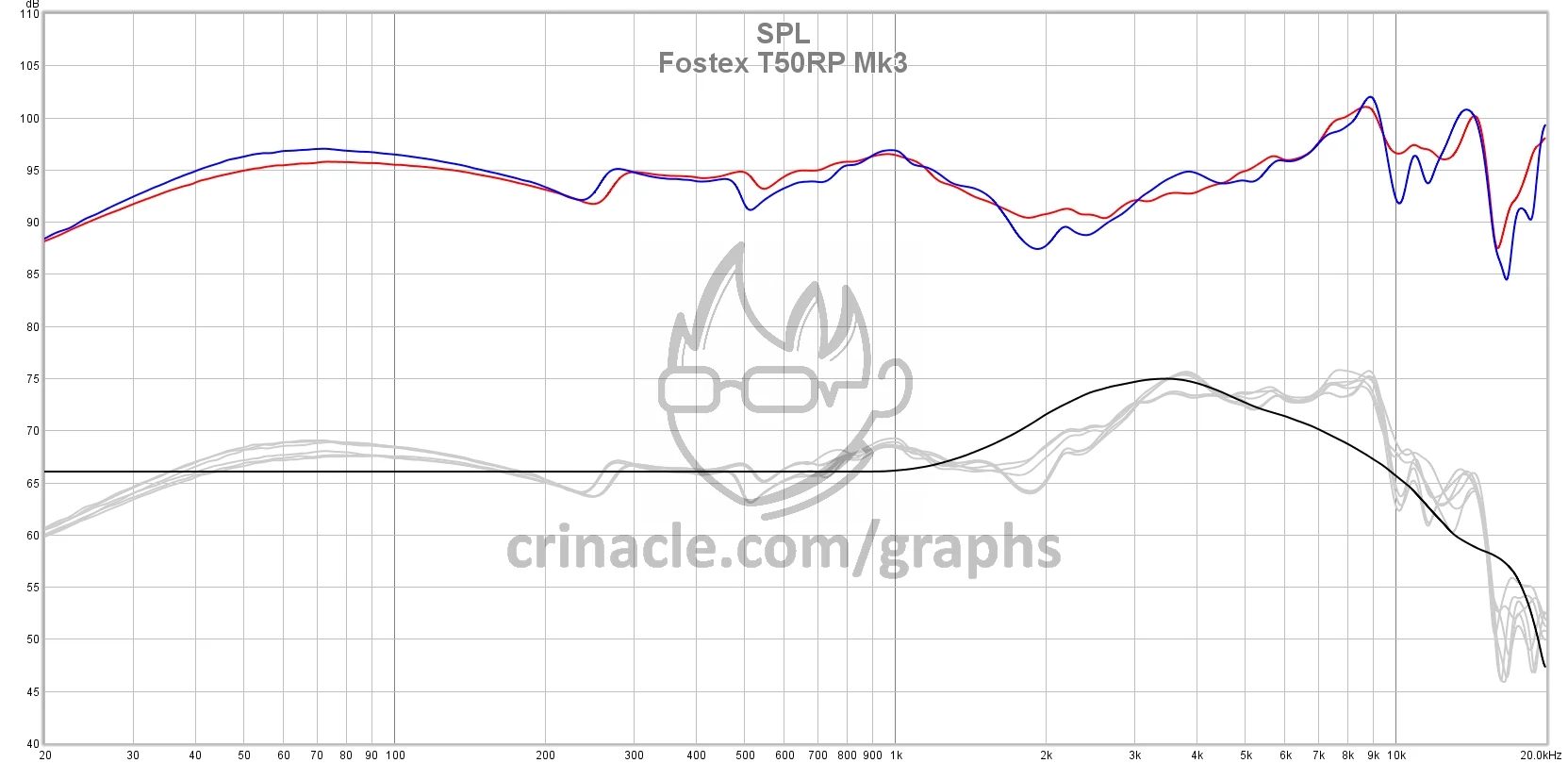
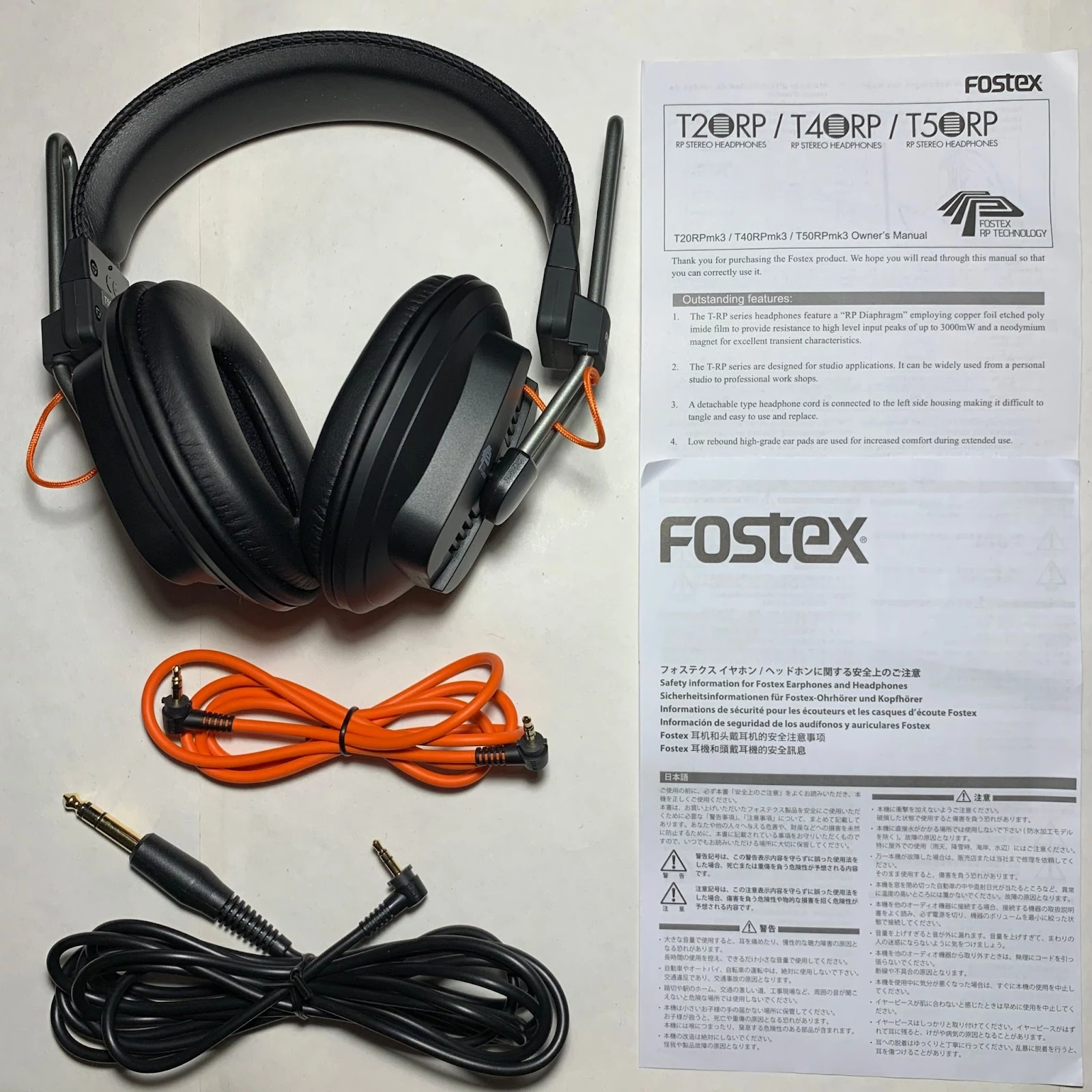
Fostex T50RP MK3 $150–250 – the best closed-back planar wired headphones with an emotional, colorful, and truly soulful sound for their price. These closed-back full-size headphones feature a 50mm isodynamic (planar) driver with proprietary Regular Phase (RP) technology on a polyimide film with copper foil and powerful neodymium magnets for precise and fast sound reproduction.
- Colors and sound emotions
- Closed compact format
- Precise informativeness
- Moddability
- Requires powerful amplification
The main advantage of the Fostex T50RP MK3 sound is the colors and true emotions in the bass and mids: a powerful, emotional impact with rich texture and warmth, where everything sounds soulful, expressive, and with lively feelings. The main drawback is that the highs can be a bit bright and harsh, and the soundstage is not as vast and holographic as in Arya V2, which sometimes results in a loss of absolute volume and subtlest details in very complex mixes – it’s more about emotional drive and colors, not cold technical analysis.
Read more.
Read more.
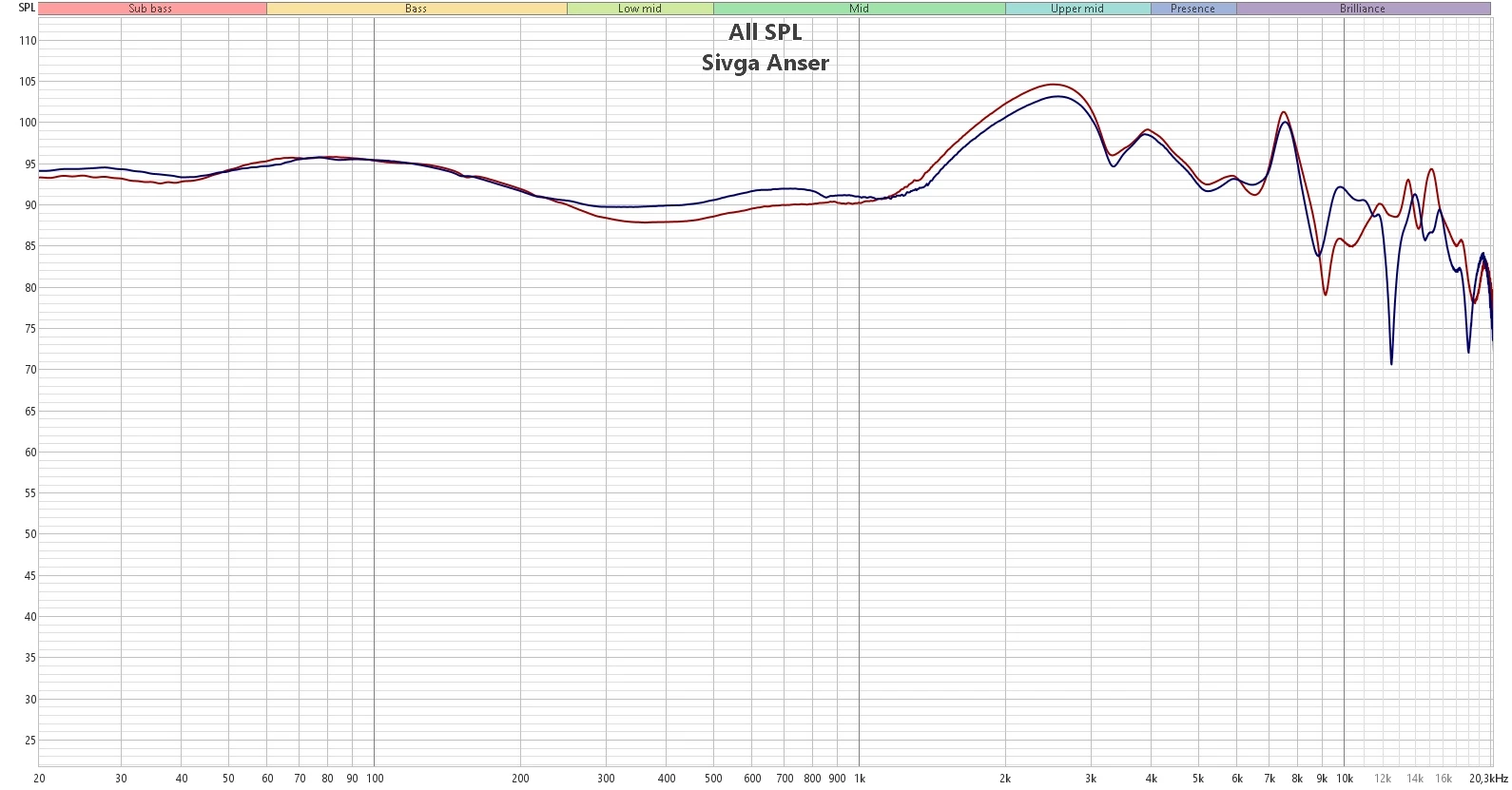
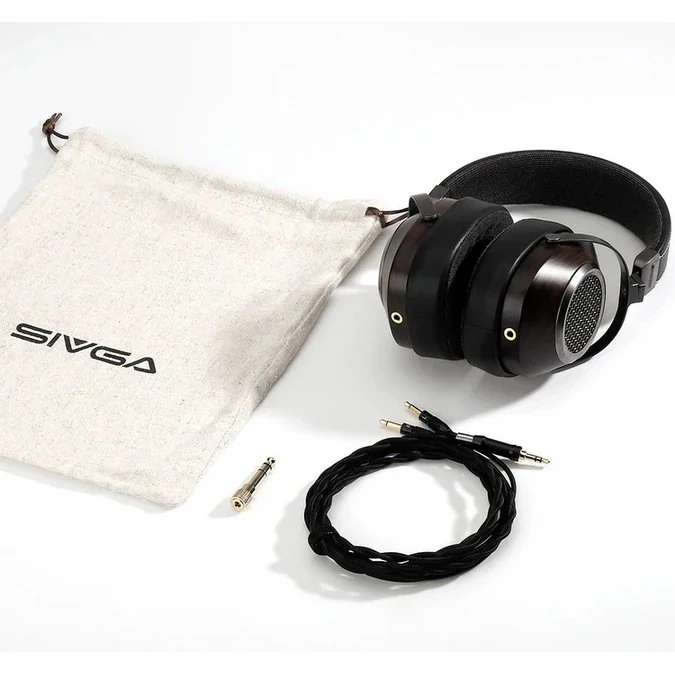
6. Sivga Audio Anser 9.16Best compact over-ear headphones – a dark horse with huge potential
Sivga Audio Anser $200–250 – the best compact over-ear wired headphones with a versatile, spacious, and very pleasant sound. These open-back dynamic headphones feature a large 50mm driver (the same as in the higher-end Luan), but in a more miniature housing with 180° rotating earcups for comfortable neck wear. The housing is lightweight and ergonomic with quality materials.
- Huge modding potential
- Large 50mm driver in miniature
- Moddability
- Only mid-tier in stock
- Unwillingness to mod
The main advantage of the Sivga Audio Anser sound is the punchy, textured bass with pleasant warmth and excellent control, combined with full, juicy, and incredibly natural mids, where vocals sound weighty, corporeal, and soulful. The main drawback is that in stock form, the highs can be slightly less sparkling and open, and the soundstage is not as vast and deep as in the higher-end Luan, which sometimes results in a loss of absolute air and micro-details in very complex mixes – the full potential is only unlocked after a simple mod.
Read more.
Read more.
7. Monoprice Monolith 9.11Affordable open-back planar headphones with a dense, full-bodied, and incredibly comfortable sound for heavy genres
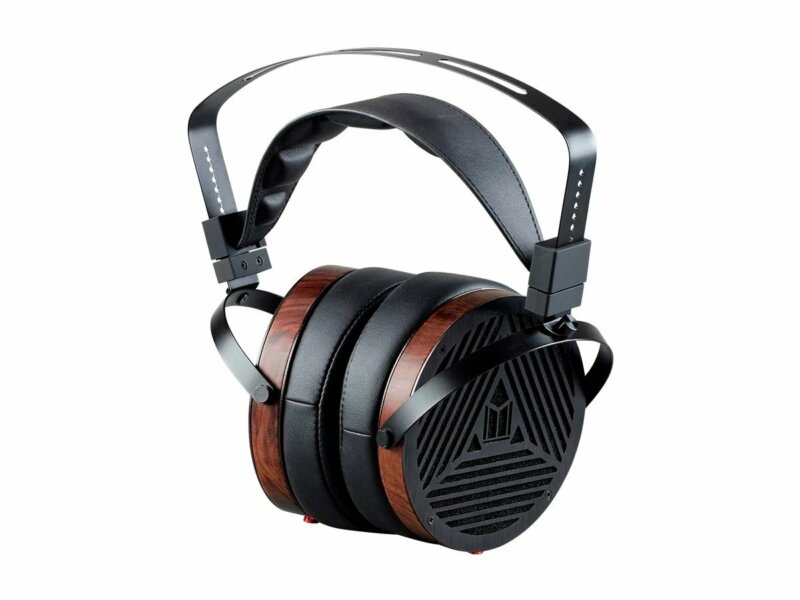
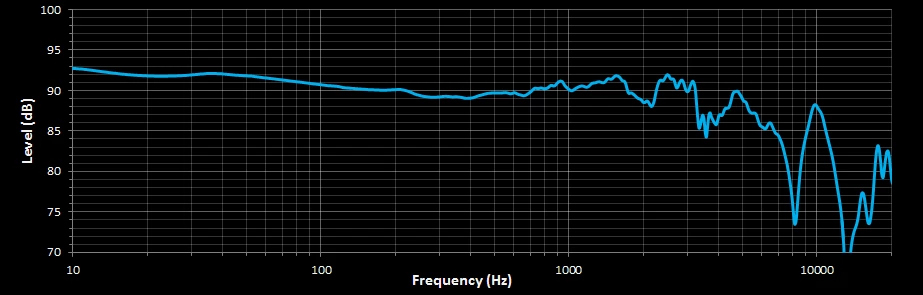
Monoprice Monolith $150–250 – the best open-back full-size wired headphones with a dense, full-bodied, and incredibly comfortable sound for lovers of heavy genres. These open-back planar headphones feature a large 106mm planar driver with excellent dynamics and control, in a lightweight and durable housing with comfortable ear pads.
- Rich and full-bodied sound
- Surprisingly beefy for an open type
- Not for audiophile analytics
The main advantage of the Monoprice Monolith sound is the fundamental, full-bodied, and incredibly dense bass combined with juicy, comfortable, and saturated mids, where everything sounds rich and cozy. The main drawback is that the highs are soft and have an early but natural roll-off, without piercing harshness or diamond-like brilliance, which sometimes results in a loss of air, sparkle, and micro-details in lighter genres – everything here is geared towards density and comfort, not audiophile openness and analytics.
Read more.
Read more.
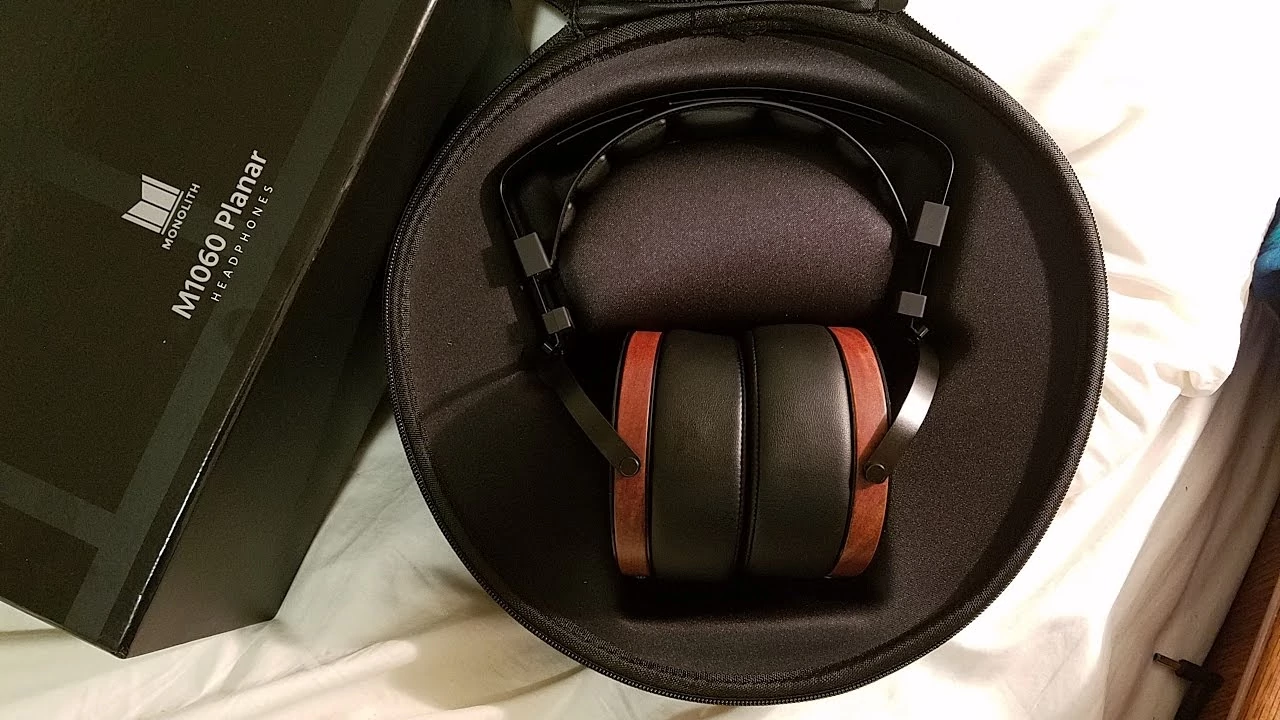
8. HiFiMan Deva Pro 8.95The best entry-level planar wired headphones — a benchmark for punchy drive, energetic speed, and assertive presentation
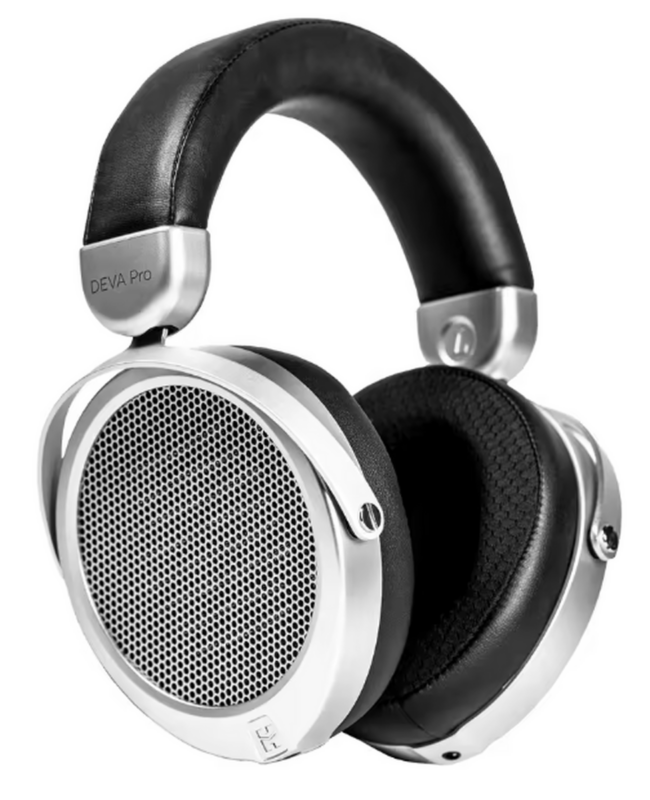
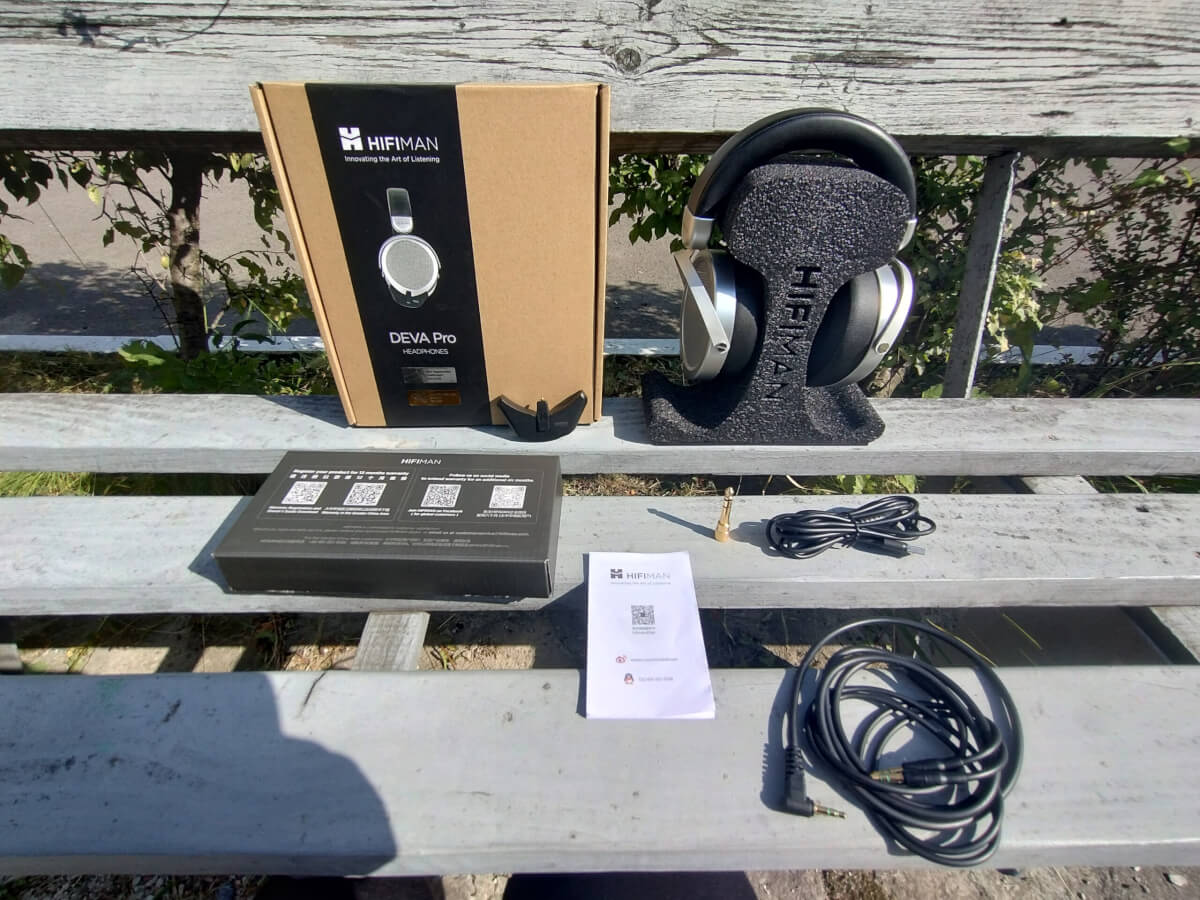
HiFiMAN Deva Pro $85–120 are the best entry-level planar wired headphones with a punchy, dynamic, and energetic sound for those who want their first taste of planar drivers. These open-back, over-ear headphones feature a proprietary planar driver with an ultra-thin diaphragm and Stealth Magnets technology for high speed and detail, in a lightweight housing with comfortable ear pads.
- Expansive soundstage
- Planar speed
- Moddability
- Lightweight low-end
- Dry presentation
The main advantage of the HiFiMAN Deva Pro sound is that signature planar magic, which gives a phenomenal sense of air and freedom, where the soundstage unfolds widely and expansively, and the mids are presented with crystal clarity and speed. The main disadvantage is the noticeable lightness of the low frequencies, which lack physical mass and dense impact, making the sound seem too ethereal and devoid of the fundamental corporeality that dynamic drivers provide.
Read more.
Read more.
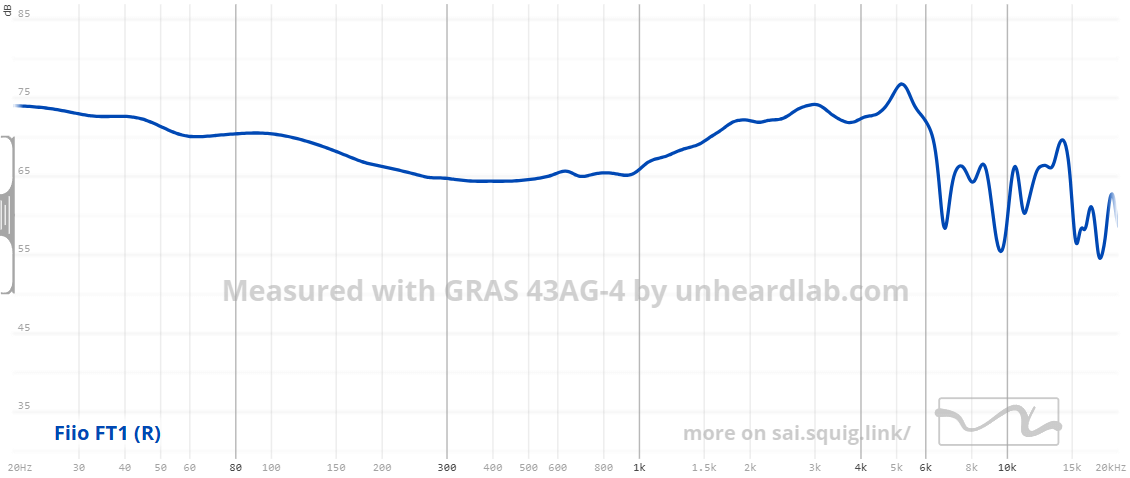
9. FiiO FT1 8.94Best budget over-ear dynamic wired headphones — a "growth" hit with powerful bass
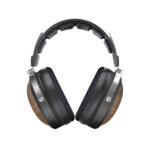
FiiO FT1 ($155) are over-ear, closed-back headphones focused on comfortable music listening. They are equipped with 60mm dynamic drivers with a polymer diaphragm, which, according to FiiO, provides deep bass and clear sound.
- Warm sound
- Powerful bass
- Moddability
- Strong clamping force
- Loss of treble transparency
The main advantage of the sound of the FiiO FT1 is the huge, powerful, and textured bass from the 60mm driver combined with full, pleasant, and versatile mids, where everything sounds expansive and fun. The main disadvantage is that the stock treble can be a bit restrained and less sparkling, and the overall presentation requires refinement (cutting off “rags” and changing the cable), which causes a loss of openness, air, and detail without mods — the full potential is only revealed after simple upgrades, turning them into models worth twice the price.
Read more.
Read more.

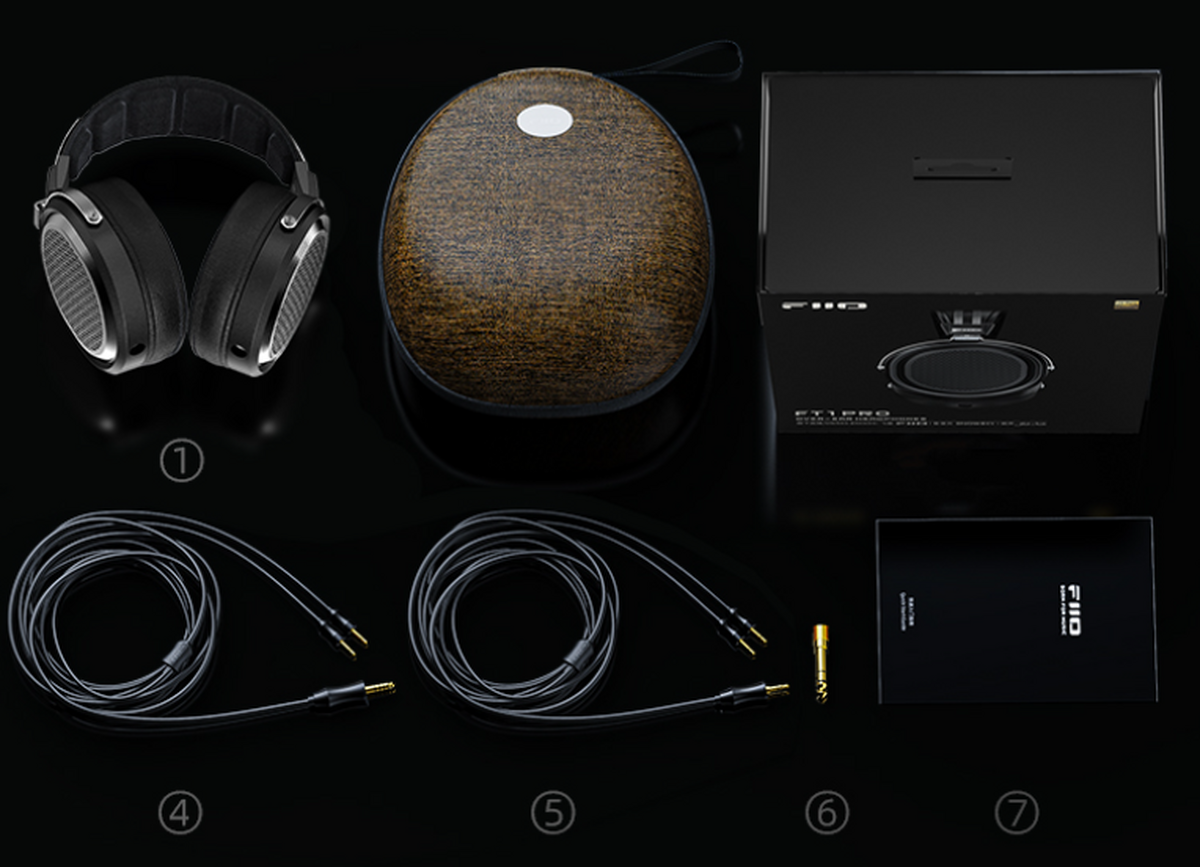
10. FiiO FT1 Pro 8.78Affordable over-ear planar headphones with a neutral-technical balance, accuracy, and spacious soundstage
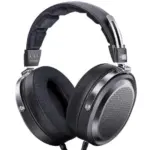
FiiO FT1 Pro — this is the manufacturer’s promise to deliver exceptional sound through advanced technologies. The key to this is large 95×86mm planar-magnetic drivers with an ultra-thin (1-micron) diaphragm, featuring a patented dual coating (aluminum and sapphire) to improve conductivity, stiffness, and treble transparency. The result promises a spacious, almost boundless soundstage, outstanding dynamics, and a wide frequency range, while the headphones are lightweight (374g) and easy to “drive.”
- Total comfort
- Excellent build
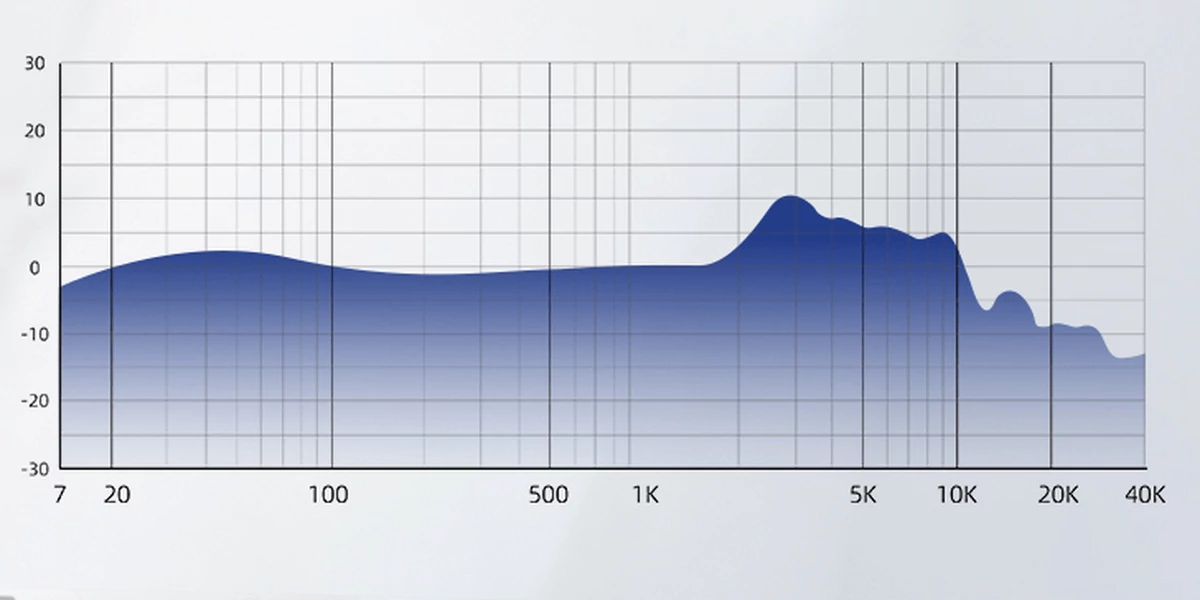
- Midrange dip
- Synthetic highs
- Slightly closed-in sound
The main advantage of the sound is a fairly tight and confident bass combined with a wide horizontal soundstage. Low frequencies sound clear and without excessive boominess, creating a good foundation for music, although without pronounced physical impact. The soundstage is expanded horizontally — the sound extends beyond the head, giving a sense of space, although the vertical dimension and airiness are limited. The main disadvantage of the sound is a noticeable dip in the midrange and limited vertical soundstage. Because of this, vocals and individual instruments can sound slightly distant, and the overall sound picture seems less voluminous and not fully “breathing,” especially in busy compositions.
Read more.
Read more.
In (The Weeknd – Blinding Lights) during the intro and further into the track, the pulsating synth bass sounds clear, rhythmic, and fast — it literally carries the whole track. I can literally feel it driving the music forward, adding that neon mood. The sound is massive, rich, but that physical impact that gives you goosebumps is still missing. That’s why I’m deducting 0.5 points — not critical, but I’d like a bit more “kick.” And in (Michael Jackson – P.Y.T.), the bass guitar sounds great — especially in the verses and chorus: the plucks are clearly audible, there’s pleasant response and control. The bass is more about intelligence and nuances than brute force. But in overloaded moments, it gets a bit lost and merges with the others — losing separation. For this, minus 0.5 points.
Read more.
In the track (Oasis – Wonderwall), the acoustic guitar in the intro sounds clear and full, with good string definition. But as soon as the vocals come in — they seem to be slightly pulled back. Liam is recognizable, but that signature rock delivery right in your face is missing. Especially in the chorus, you can hear that micro-details in the backing vocals and plucks are compressed and not fully realized. I’m deducting 1.5 points for vocal detachment and loss of subtleties. In (Michael Jackson – Man in the Mirror), Michael sounds good on the verses — clear, full-bodied, with character. But as soon as the arrangement gets denser (chorus, backing vocals, pads), the vocals lose focus, becoming part of the mass. Unnatural harshness is evident on high notes. I’m deducting 1 point for loss of emphasis and another for slight harshness in the treble.
Read more.
In the track (Eagles – Hotel California), the guitar solo sounds transparent and with good attack — that’s fine. But in the brightest moments, the sound can seem piercing, especially if you are sensitive to high frequencies. The ringing loses softness; instead of refinement, there’s a metallic aftertaste. I’m deducting 1 point — for localized but noticeable harshness. In (Daft Punk – Get Lucky, Lose Yourself to Dance), the highs show their weaknesses: in the first case, hi-hats and percussion lose their “sparkle” in busy sections, sounding smoothed and flat, as if the top is cut off — which removes the signature funky liveliness; in the second — shakers and percussive accents become tiring over time, especially at volume, due to the slightly harsh presentation and lack of refinement. Instead of transparency and lightness, there’s restraint and localized harshness, for which I’m deducting 1 point.
Read more.
In the track (Oasis – Dont Go Away), everything sounds great at the beginning — acoustic guitar, vocals, atmosphere. But as soon as the drums, bass, and rhythm guitar kick in, everything starts sounding separate. Instruments lose coherence and begin to “scatter” across the soundstage, creating a sense of detachment. Instead of a cohesive picture, we get a collection of sounds without a unified breath, for which I’m deducting 1 point. In (Johnny Cash – Hurt), the atmosphere at the beginning is conveyed well — noises and studio nuances are audible. But Cash’s voice sounds unexpectedly dry and flat. The necessary warmth and weight that should give you goosebumps are missing. Instead of soulful vocals, we get a slightly “skimmed” image without emotional intensity. I’m deducting 1 point for dry vocal presentation and lack of expressiveness.
Read more.
In the track (Sting – Englishman in New York), Sting’s voice sounds confident and characteristic — with a rasp, warmth, and a sense of live performance. The saxophone is expressive, the double bass is weighty — everything is fine until the cymbals and hi-hats join in. It is they that break the “analog” feel: they sound dry and sometimes with a metallic aftertaste, especially at volume. This slight glassiness in the highs spoils the overall impression and hinders the full “liveness” of the sound. I’m deducting 1 point for unnatural treble presentation and loss of naturalness in the highs. As for (Lenny Kravitz — Low), at the start, everything is presented convincingly — guitars are crisp, the groove is felt, instruments are well-rendered. But as soon as the rhythm section kicks in, especially the fast hi-hats, I hear a slight synthetic tint emerge. Instead of an organic funky presentation, there are hints of artificiality that spoil the overall impression of a live recording. I’m deducting 1 point for the ringing percussion and loss of organic quality in the upper range.
Read more.
In the track (Michael Jackson – Man in the Mirror), I hear that the vocals are centered, the choirs spread beautifully to the sides, instruments are layered — everything seems to be in place. But the denser the arrangement becomes, the more the sound turns into a collection of disparate elements. Something is missing in the coherence of the soundstage, it doesn’t “breathe” — I lack depth and vertical expansion. I’m deducting 0.5 points for the disconnection of elements and compressed verticality in dense passages. In (Yosi Horikawa – Bubbles), yes, the sound literally flies around me: clicks, drips, rustles — everything moves in space, and the first impression of this wide panorama is just great. But when I expect to hear sounds “above my head” or below my feet — there’s none. The vertical component is cut off, and some of the magic is lost. Instead of full holography, I get a wide but seemingly “squeezed” wide soundstage. I’m deducting 0.5 points for limited height and loss of a sense of volume from above.
Read more.
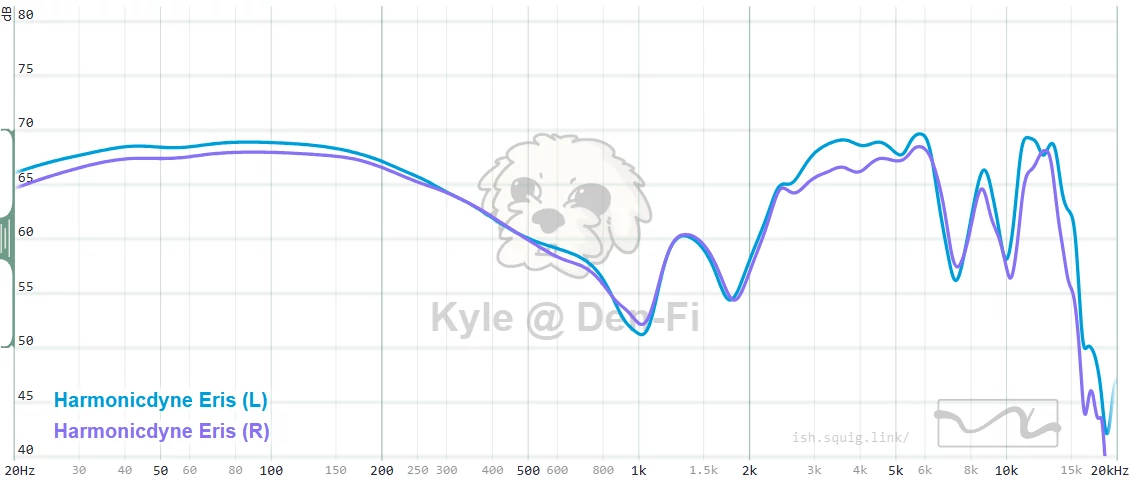
11. HarmonicDyne x Zeos ERIS 8.81Affordable open-back dynamic headphones with a V-shaped frequency response for energetic sound
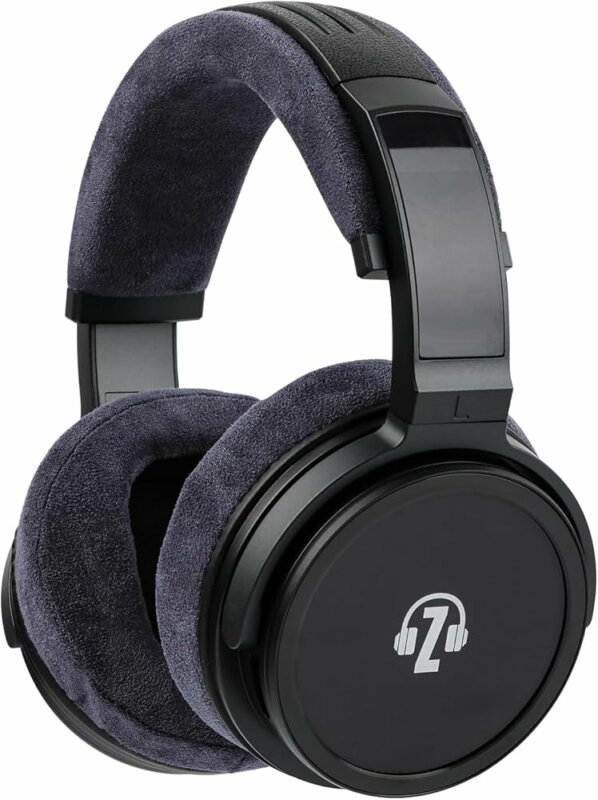
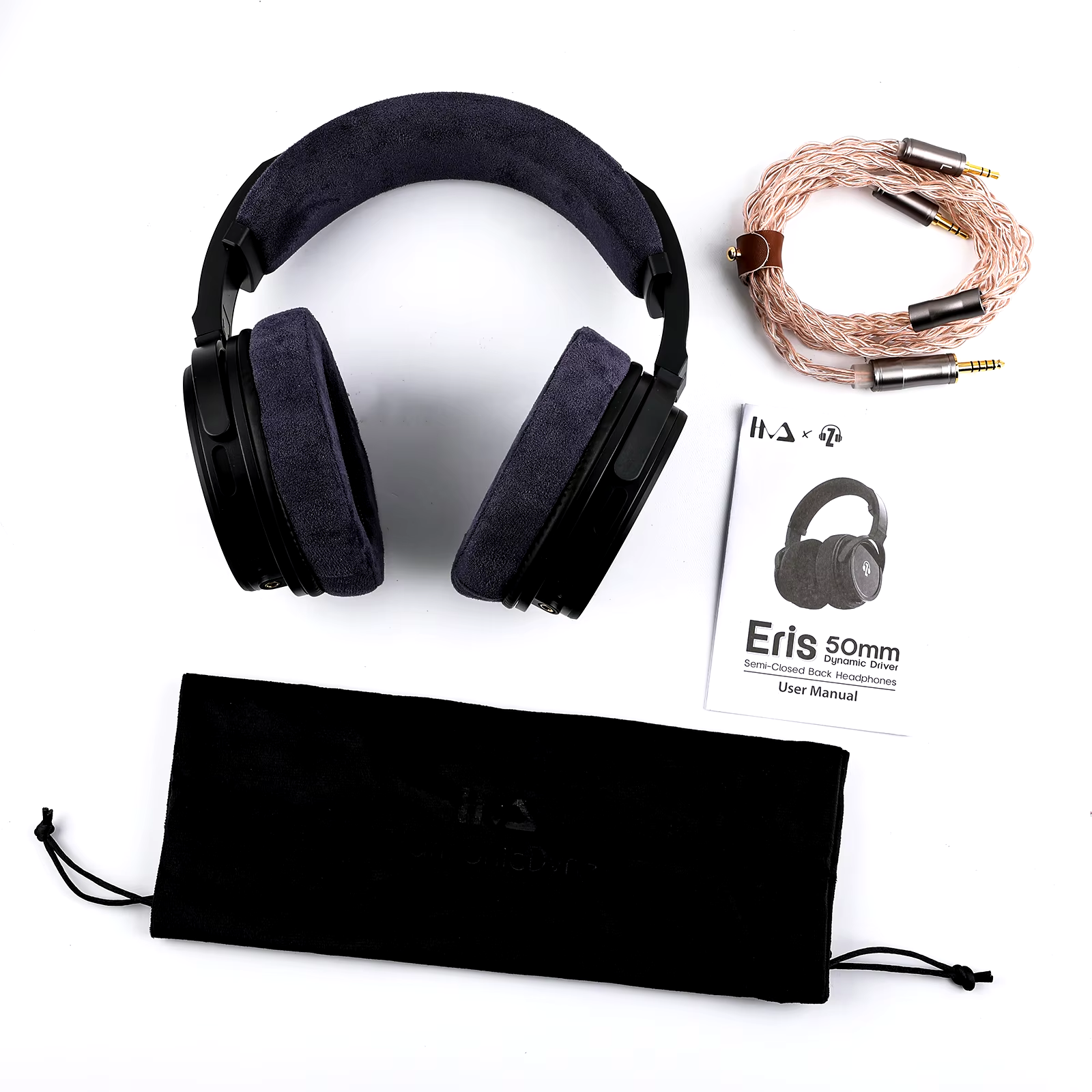
HarmonicDyne x Zeos ERIS ($244) are semi-open on-ear headphones created in collaboration between HarmonicDyne and the well-known audio blogger Zeos Pantera. They are equipped with 50mm dynamic drivers with ceramic-metal composite diaphragms, which, according to the manufacturer, provide a wide frequency range, deep bass, and minimal distortion.
- Powerful bass
- Dynamic sound
- Strong clamping force
- Treble harshness
- Midrange dip
- Poor ventilation
Read more.
Read more.
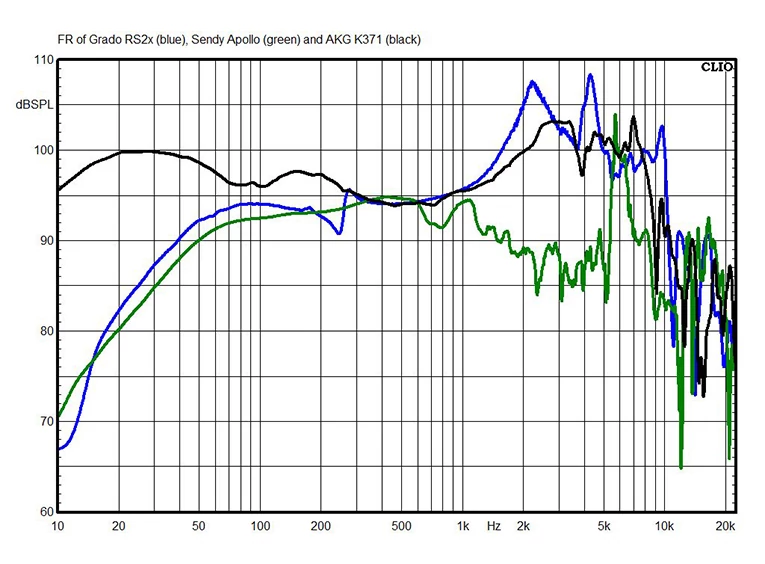
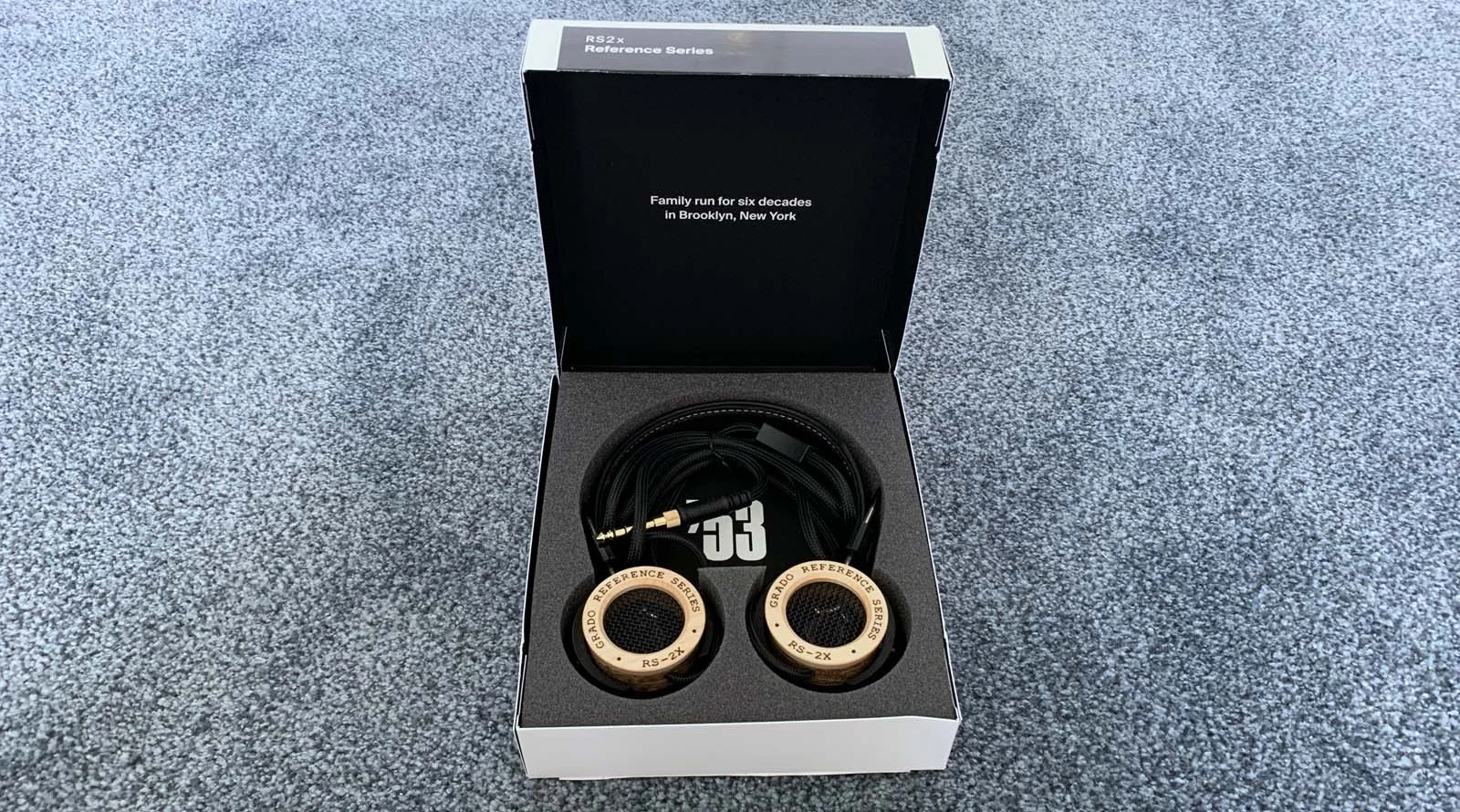
12. Grado RS2x 8.87Iconic open dynamic headphones for aesthetes, with an airy, fast sound and an intimate, engaging presentation
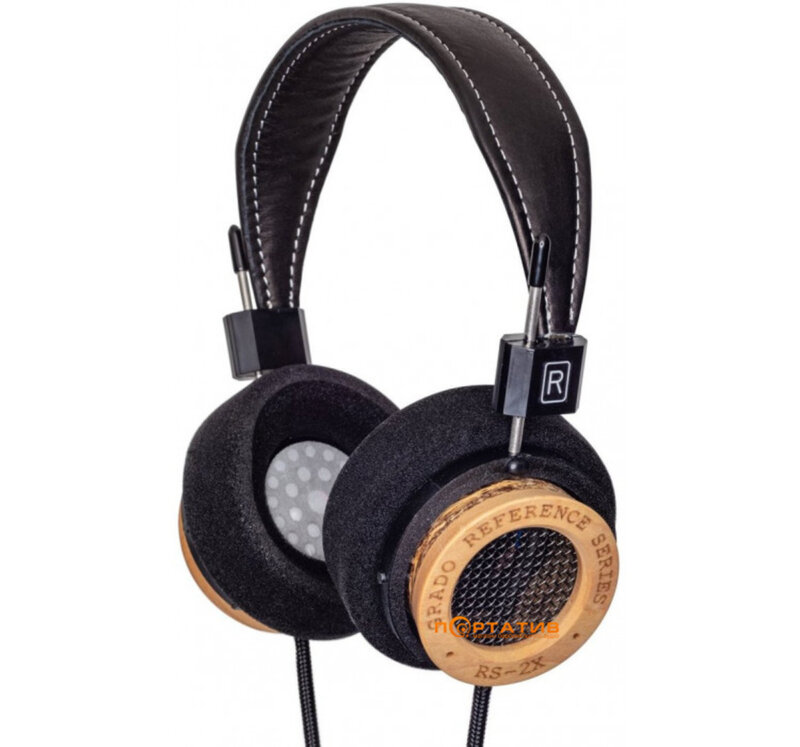
Grado RS2x $550–600 — the best on-ear open-back wired headphones with an airy, fast, and incredibly aesthetic sound in the category of lightweight and refined models. These dynamic on-ear headphones feature a 44mm Reference Series driver with an improved voice coil and magnetic system for maximum speed and resolution, housed in an ultra-lightweight body with mahogany wooden earcups and a leather headband.
- Maximum freedom and air
- Pure aesthetics
- Moddability
- Lightweight lows
- Bright presentation
- Niche sound
The main advantage of the Grado RS2x sound is an incredibly free, airy, and fast sound with an emphasis on speed and refined detail retrieval, where the mids and highs unfold with stunning lightness and sparkle, conveying the pure aesthetics and beauty of music. The main disadvantage is the light bass without sub-bass weight and depth, as well as a bright presentation without emotional richness, due to which, in heavy or bass-heavy genres, some of the impact and foundation is lost — these are headphones strictly for light, instrumental, and aesthetic compositions where drive and power are not needed.
Read more.
Read more.
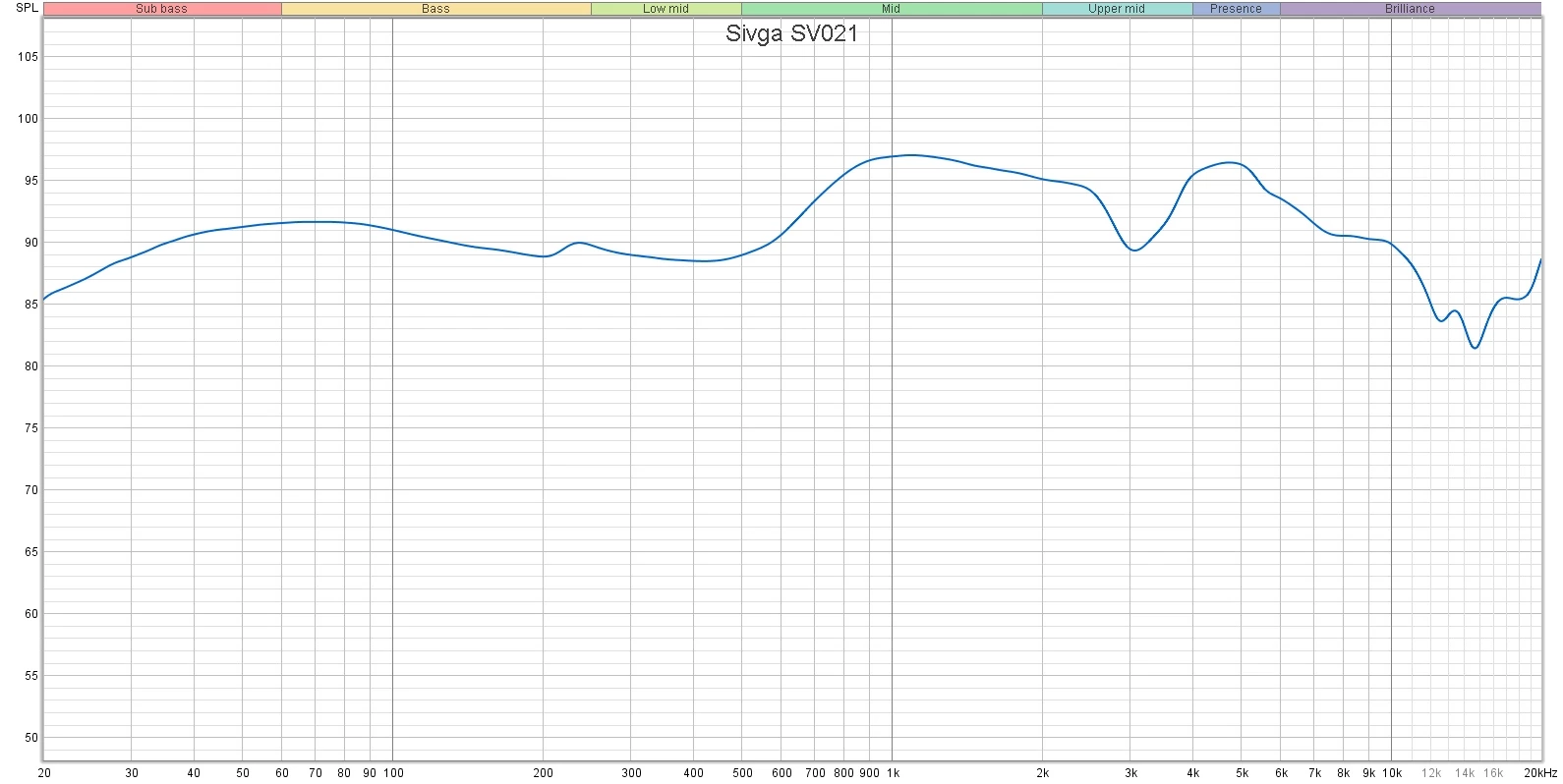
13. Sivga Audio Robin 8.61Affordable closed-back dynamic headphones with a surprisingly mature, grand sound
Sivga Audio Robin $100–150, after a mod by Alexander Chernov, become the best closed-back over-ear wired headphones with a mature, grand, and incredibly lively sound in their class. These closed-back dynamic headphones feature a 50mm driver in a wooden housing (natural rosewood or zebrawood with glossy or matte lacquer finish, aviation aluminum in the yokes and headband) with excellent ergonomics — lightweight (around 280g), soft protein leather ear pads with memory foam, and flexible adjustment for long-term comfort.
- Soundstage is cosmic (for closed-back)
- Mature bass
- Lively timbres
- Moddability
- Mod required (not the same without it)
- Protect the lacquer
The main advantage of the modified Robin’s sound is the phenomenal soundstage for a closed-back type and deep, articulate bass without a hint of boominess. The sound detaches from the earcups and breathes. The main disadvantage is that this sound is not available ‘out of the box’; it requires intervention. And, perhaps, for hardcore audiophiles, there are still slightly more emotions and ‘body’ here than dry analysis.
Read more.
Read more.
14. Fosi Audio i5 8.66Large over-ear open planar magnetic headphones with a spacious, airy soundstage, good detail retrieval, and natural timbres
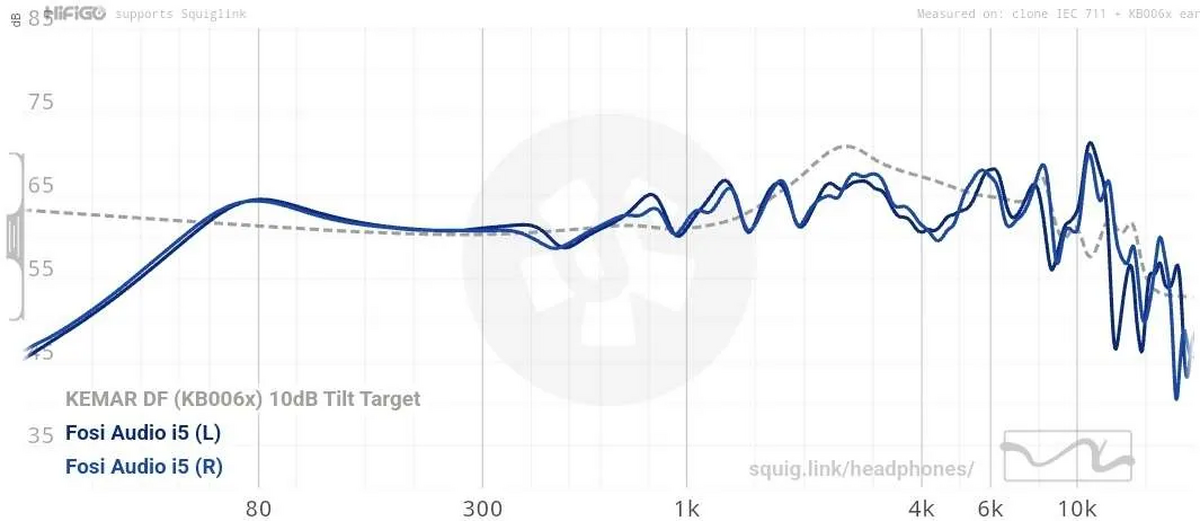
Fosi Audio i5 — wired, over-ear, open planar magnetic headphones from 2025 for $522. The interest is obvious: 97mm planars, open-back design, and Hi-End ambitions for half a thousand dollars.
- Premium materials
- Warm sound
- Bulkiness
- Weak sub-bass
- Demanding of amplifier
The main advantage of the sound: Spacious, airy soundstage with high detail retrieval and natural timbres, providing three-dimensional immersion and accurate positioning of instruments and vocals. The main disadvantage of the sound: Insufficient sub-bass intensity due to the open-back design, which limits power in bass-heavy genres like EDM or hip-hop, making the sound less impactful for bassheads.
Read more.
Read more.
In (The Weeknd – Blinding Lights), the kick drum in the intro (0:00–0:10) sounds blurred, and the synth bass in the chorus (0:50) loses intensity due to the open-back design, reducing drive and depth (-1 point). In (Michael Jackson – P.Y.T.), the slap bass in the intro (0:10) is elastic and textured, but in fast passages (1:30), the sub-bass is not powerful enough, slightly losing the track’s energy (-0.5 points).
Read more.
In the track (Oasis – Wonderwall), Liam Gallagher’s voice in the verse (0:15–0:45) is textured but slightly thin, and the acoustic guitar in the intro (0:00–0:15) loses fullness in the lower mids, reducing emotional richness (-1 point). In (Michael Jackson – Man in the Mirror), the backing vocals in the chorus (1:00–1:30) are clearly layered, but slightly ‘lean,’ causing the vocal stage to lose some warmth and body (-0.5 points).
Read more.
In (Eagles – Hotel California), the guitars in the final solo (5:30–6:30) are sparkling and bright, but the treble is slightly emphasized, adding a hint of fatigue; the percussion in the intro (0:00–0:30) is clear, but the cymbals lose some softness (-0.5 points). In (Daft Punk – Get Lucky, Lose Yourself to Dance), the layered shakers and synths in the verses/choruses (0:40–1:20) sound wide and airy, but the treble is sometimes excessively bright, reducing the comfort of the disco groove (-0.5 points for both tracks).
Read more.
In the track (Oasis – Dont Go Away), the reverb of drums and guitars in the finale (4:00–4:50) is precisely positioned, but in a noisy environment, ambient noise slightly muffles the subtle reverb tails, reducing the mix’s airiness (-0.5 points). In the track (Johnny Cash – Hurt), in the verse (0:20–1:00), breaths and finger friction on strings sound intimate, but ambient noise can mask these micro-details, reducing the sense of recording intimacy (-0.5 points).
Read more.
In the track (Sting – Englishman in New York), the saxophone in the solo (2:00–2:30) sounds velvety and natural, and Sting’s voice (0:30–1:00) is full-bodied, but the extreme precision slightly dampens the emotional warmth, making the presentation overly analytical (-0.5 points). In the track (Lenny Kravitz — Low), the funky bass guitar (0:20–0:50) is rich, and the drums in the chorus (1:20–1:50) have a natural ‘snap,’ but the excessive precision slightly reduces the track’s soul-rock ‘juiciness’ (-0.5 points).
Read more.
In the track (Michael Jackson – Man in the Mirror), the keyboards and backing vocals in the intro (0:00–0:30) and chorus (1:00–1:30) are widely separated, but ambient noise slightly blurs the subtle vocal layers, reducing the soundstage depth (-0.5 points). In the track (Yosi Horikawa – Bubbles), sound effects (0:20–1:00) move across width and depth, creating immersion, but ambient noise can disrupt the perception of subtle spatial details, reducing the sense of envelopment (-0.5 points).
Read more.
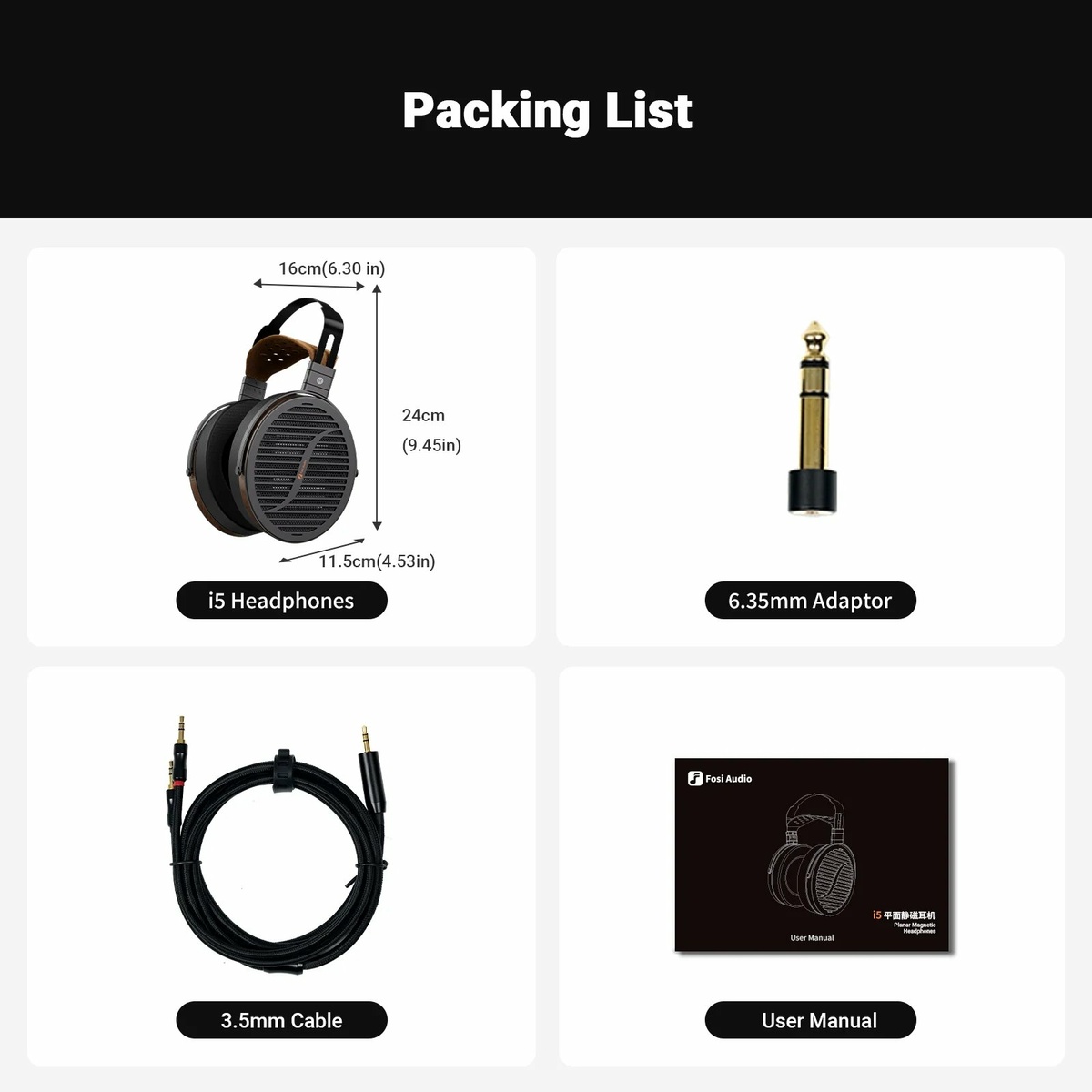
15. GRADO SR60 8.37Legendary open dynamic headphones with a lively, detailed midrange and an engaging soundstage
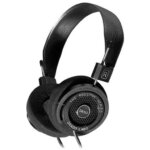
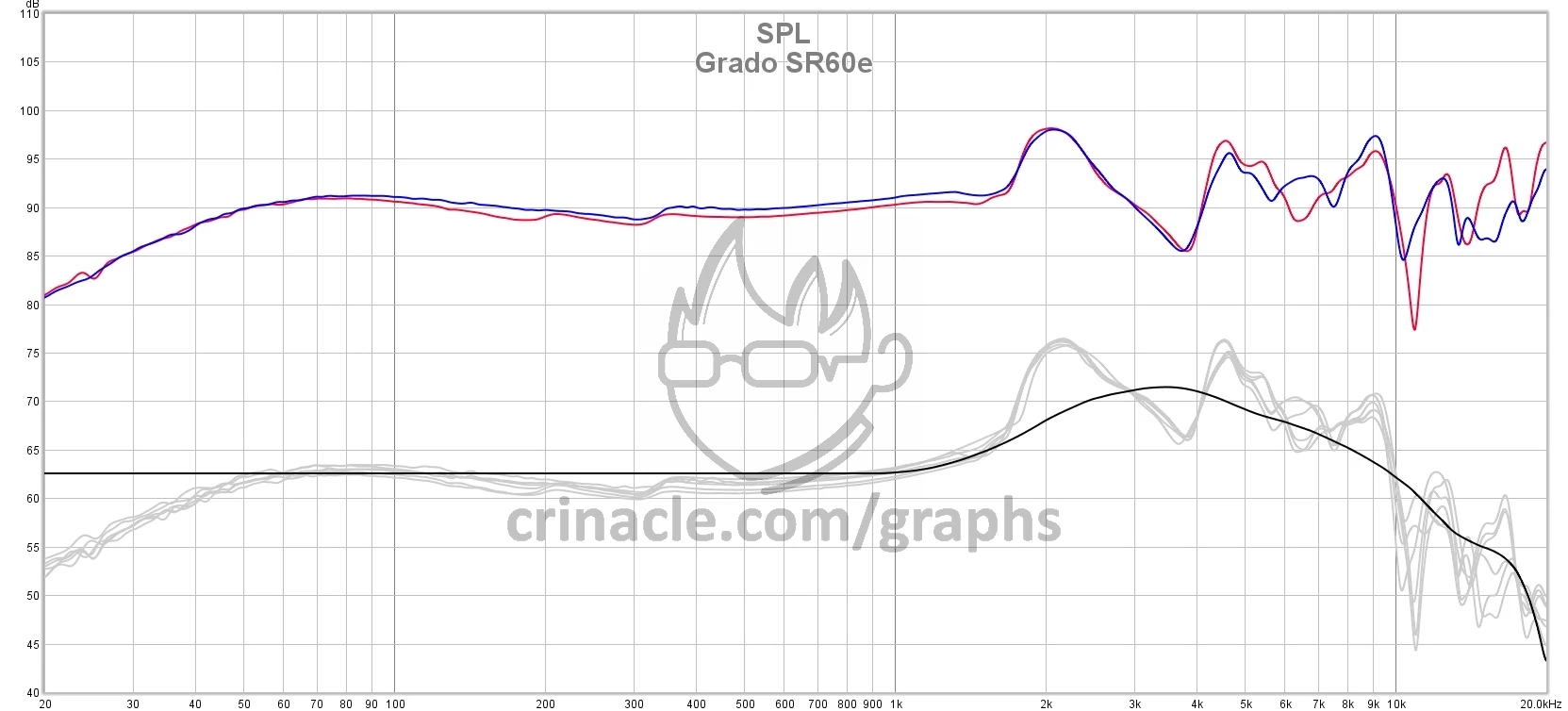
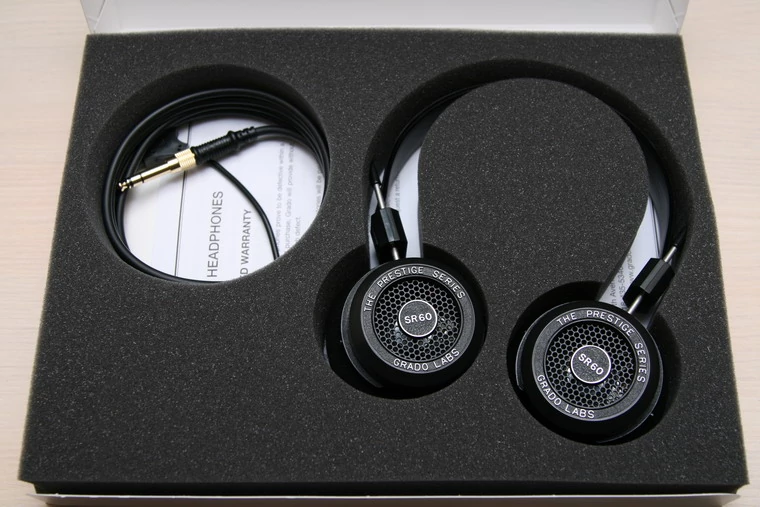
GRADO SR60 ($99) — these are open on-ear dynamic headphones that have been in my collection for a long time. It’s time to summarize and give them a brief review, sharing my experience. The SR60 are known for their characteristic ‘bright’ sound with an emphasis on the highs and mids, a wide soundstage, and relatively neutral bass.
- Lively emotion
- Rock drive
- Moddability
- No sub-bass
The main advantage of the Grado SR60 sound is very natural and lively mids with good vocal and instrument clarity, combined with a wide, airy soundstage and bright, detailed highs that make listening open and pleasant, with a sense of live music. The main disadvantage is that the bass is fast and clear, but lacks sub-bass depth and real physical impact, and at high volumes, the treble can sometimes become harsh, resulting in a lack of impact and weight in heavy or bass-heavy genres, and prolonged listening at maximum volume may cause fatigue.
Read more.
Read more.
In the track (Sting – Englishman in New York), Sting’s voice sounds confident and characteristic — with a rasp, warmth, and a sense of live performance. The saxophone is expressive, the double bass is weighty — everything is fine until the cymbals and hi-hats join in. It is they that break the “analog” feel: they sound dry and sometimes with a metallic aftertaste, especially at volume. This slight glassiness in the highs spoils the overall impression and hinders the full “liveness” of the sound. I’m deducting 1 point for unnatural treble presentation and loss of naturalness in the highs. As for (Lenny Kravitz — Low), at the start, everything is presented convincingly — guitars are crisp, the groove is felt, instruments are well-rendered. But as soon as the rhythm section kicks in, especially the fast hi-hats, I hear a slight synthetic tint emerge. Instead of an organic funky presentation, there are hints of artificiality that spoil the overall impression of a live recording. I’m deducting 1 point for the ringing percussion and loss of organic quality in the upper range.
Read more.
In the track (Michael Jackson – Man in the Mirror), I hear that the vocals are centered, the choirs spread beautifully to the sides, instruments are layered — everything seems to be in place. But the denser the arrangement becomes, the more the sound turns into a collection of disparate elements. Something is missing in the coherence of the soundstage, it doesn’t “breathe” — I lack depth and vertical expansion. I’m deducting 0.5 points for the disconnection of elements and compressed verticality in dense passages. In (Yosi Horikawa – Bubbles), yes, the sound literally flies around me: clicks, drips, rustles — everything moves in space, and the first impression of this wide panorama is just great. But when I expect to hear sounds “above my head” or below my feet — there’s none. The vertical component is cut off, and some of the magic is lost. Instead of full holography, I get a wide but seemingly “squeezed” wide soundstage. I’m deducting 0.5 points for limited height and loss of a sense of volume from above.
Read more.
Conclusion
There is no single absolute king in this ranking that overshadows all others. Each model is its own world, its own scenario where it reveals itself most brightly and provides that moment of epiphany when you realize: ‘This is it, mine.’
For some, it’s the Sivga Luan — a universal soldier that takes everything and doesn’t let go, allowing you to forget about searching. For others, it’s the Grado SR325x, where emotion hits hard, and music becomes pure experience. Someone will find happiness in the color and impact of the Fostex, in the technical scope of the Arya, or in the bright drama of the Moondrop Para.
They are all strong in their own way — different characters, different drivers, different emotions. There is no universal ‘better’; there is only what perfectly suits your recordings, your system, and your heart.
If a model has upgrade potential — use it. It’s a chance to hear headphones sing at their full voice.
Thank you for your attention. I wish you to find that very sound that doesn’t just reproduce files but truly breathes and lives. May your system build a huge holographic soundstage, may the timbres startle with their body and naturalness, and may the highs fill the space with sparkling air. Seek not graphs and measurements, but pure emotion — that very magic that gives you goosebumps and makes you want to re-listen to your favorite albums again and again, for hours without interruption.