

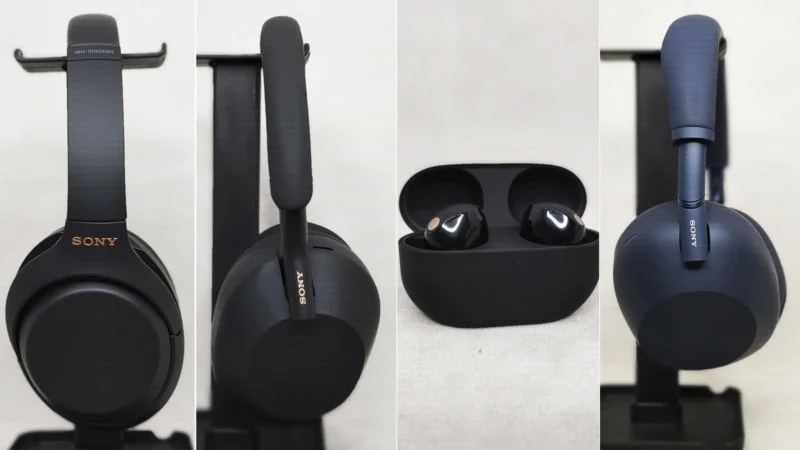
This is a ranking of the best wireless headphones Sony, tested at MyChooz. In Sony Bluetooth headphones offer a near-flagship sound with an emphasis on lows. However, the headphones have reference-level active noise cancellation and a transparency mode. There’s no ecosystem lock-in, so you’re not limited in your options. And overall, the features in Sony headphones are on par with the best. There are convenient features like automatic transparency mode activation and EQ tuning, where adjusting the sound comes down to pressing a couple of buttons. An ideal option for beginners with no EQ tuning experience.
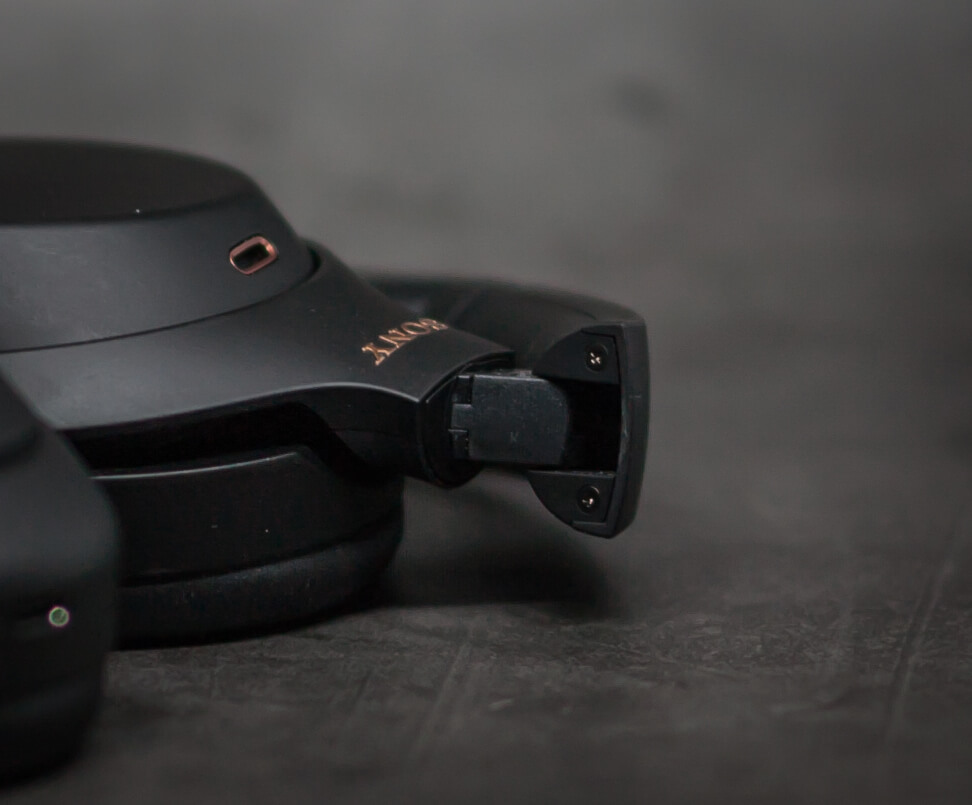
On the downside, the build quality is fragile. The hinges on the over-ear models require careful handling, otherwise, the plastic construction can easily break within the first few months of use. An exception is the model Sony 1000X THE COLLEXION with metal hinges instead of plastic. And the in-ear models are sensitive to ear tip size. If the ear tips don’t fit, then subjectively, the active noise cancellation can drop by up to 50%. And this is even if the earbuds don’t fall out of your ears.
About the Sony Brand.
Learn moreFounding History. Sony was founded on May 7, 1946, by Masaru Ibuka and Akio Morita in Tokyo. The company was initially named Tokyo Telecommunications Engineering Corporation (Tokyo Tsushin Kogyo K.K.). Within Japan, the abbreviated name ‘Totsuko’ was used. The modern company name, Sony, appeared in 1958.
Initially, in September 1945, Masaru Ibuka opened a radio repair shop in the Shirokiya department store building in the Nihonbashi district. In 1946, Akio Morita joined Masaru, and they registered the enterprise.
For the first while, the workshop repaired radio equipment and various household appliances, right down to electric foot warmers. In 1950, the company introduced the Type-G, the first commercial tape recorder in Japan. At the time, there was no mass production of magnetic tape, so the company had to develop magnetic tape from scratch. Also, in the early 1950s, Masaru Ibuka made a deal with Bell Labs to license transistors. In August 1955, the company released the first commercial transistor radio in Japan, the TR-55. Two years later, a smaller version, the TR-57, was released.
In January 1958, the company was renamed Sony because of difficulties pronouncing the old company name outside of Japan. The new brand name is derived from the Latin ‘sonus’ (sound) and the popular US slang expression ‘sonny’ (young man).
Subsequently, under the Sony brand, the Trinitron color TV was released in 1967, the first Walkman cassette player (TPS-L2) in 1979, the CDP-101 CD player in 1982, and so on. Perhaps the most iconic event was the release of the Sony PlayStation game console in 1994.
Focus. In audio technology, Sony targets the mass consumer market, including both consumer and studio gear. The product list includes:
- Wired and wireless headphones.
- Portable audio players.
- Portable Bluetooth speakers.
- Soundbars and home theaters.
- Hi-Fi equipment – turntables, stereo amplifiers, etc.
- Digital voice recorders.
- Professional microphones.
Features. In the wireless audio segment, Sony headphones are known for the quality of their active noise cancellation and transparency. They successfully compete in this area with market leaders: Apple, Bose, and Sennheiser.
Sound Profile. Varies across different models. Mostly V-shaped or with an emphasis on lows for the best musicality. Studio models are an exception, with a drier and brighter sound for the best analytical performance.
Sound Tuning. Wireless headphones feature a proprietary 5-band manual EQ. Recent models like the WH-1000XM6 and WF-1000XM6 have a 10-band manual EQ. There are ready-made EQ presets, and you can save custom presets. For beginners, there’s a convenient ‘Find My EQ’ feature. It works like this: you play any track, and the system suggests a suitable sound tonality based on your listening. The resulting setting is saved as an EQ profile with the option to edit it.
Model Range. Wireless and wired headphones:
- 1000X Series – flagship wireless over-ear and in-ear models with active noise cancellation.
- ULT Wear – wireless headphones, simpler and cheaper compared to the flagship line. Emphasis on bass.
- LinkBuds – open-fit wireless earbuds with a natural transparency mode, and in-ear models with noise cancellation and transparency.
- WH-CH and WF-C – wired and wireless headphones in the mid-range and entry-level segments.
- MDR and IER-M – studio and professional headphones.
Learn more about the LDAC codec: compatibility, real quality improvement, where the codec works, etc.
Learn moreThe LDAC codec was developed by Sony and is used in most of the manufacturer’s proprietary audio equipment.
Compatibility. The LDAC codec is the second most accessible audio codec on Android after AAC and SBC. With the LDAC codec, the sound is less compressed and more detailed. The best sound quality is achieved with the ‘quality’ preset at a bitrate of 909/990 Kbps. The codec appeared in Android 8.0 and is supported by all phones and tablets, except for some models where the manufacturer has removed the codec from the system or the codec is hardware-locked. Therefore, in 99.9% of cases, an Android source is compatible with headphones that support the LDAC codec.
Impact on Sound, Expectation vs. Reality. Often, potential owners of headphones with the LDAC codec mistakenly perceive the codec’s presence as a guarantee of high-quality sound. The formula ‘source with LDAC’ + ‘headphones with LDAC’ = ‘high-quality sound’ doesn’t always work. The codec acts as a ‘data packer,’ and the better the codec’s parameters, the less data loss during unpacking. The sound system plays the key role: driver type and quantity, driver construction, DAC and amplifiers, acoustic design, and other hidden parameters – software and hardware. If any element in this system doesn’t work correctly – due to cost-saving on components or design flaws – the codec’s efficiency decreases. How else could it be? If the sound system can’t handle it, the codec won’t help.
Where does the LDAC codec work? Usually, the codec doesn’t work in headphones under $50, or the quality improvement is minimal. It’s more noticeable in headphones costing $100+.
The quality improvement, and don’t be surprised by this, is more often noticeable in mid-range models and above. Because the lower the production cost, the more limitations there are. At the same time, a high price for headphones is not always an objective indicator of potential quality; there are models with cheap production and high markups. This markup usually goes into the pockets of company shareholders or is distributed among famous personalities from the music and film industries. Therefore, there can be exceptions in models that are cheaper or more expensive.
Real Improvement with LDAC Codec. Based on experience with tested headphones with different driver types and constructions, the improvement ranges from 1-3% to 15-20%. This is an approximate value, as tests rely on listening. Devices for measuring quality haven’t been invented yet. At least, I haven’t encountered any.
It’s important to understand two main points. First, with the LDAC codec, you get an improvement in detail retrieval. Naturalness doesn’t improve, nor does the soundstage. The sound balance also doesn’t change.
Second, the percentage improvement varies for each pair of headphones. A 15-20% improvement in headphones with an overall score of 5-6 out of 10 is nowhere near comparable to a 3-5% improvement in headphones scoring 8-9. Therefore, when you notice a high improvement with the codec, it’s worth checking the overall sound score.
Which codec is better – LDAC or LHDC?
Learn moreLDAC is better in terms of availability, LHDC is better in terms of capabilities.
| Maximum bitrate | Up to 990 kbps | Up to 900 kbps (V 3/4), up to 1000 kbps (v5) |
| Maximum frequency / Bitrate | 24 bit / 96 kHz | 24 bit / 96 kHz (v3/v4), up to 24 bit / 192 kHz (v5) |
| Bitrate control | 330 / 660 / 990 kbps, adaptive bitrate – 330-990 kbps. | 400 / 500 / 900 / 1000 kbps, adaptive bitrate – 128-1000 kbps. |
| Audio latency | ~160–200 ms | ~200 ms (there is an LLAC / LHDC LL low latency mode up to 30 ms |
| Integration into Android | Native support with Android 8.0+ | Basic structure in AOSP with Android 10, native support v5 with Android 17 |
| Lossless mode | No | LHDC 5.0 claims lossless |
The characteristics of both codecs are comparable, with LHDC having an edge. More parameters are available for tuning, higher sampling frequency, and there are LHDC lossless and low latency switches.
However, LDAC is far ahead in terms of prevalence. The codec appeared in Android version 8.0+, so you don’t need to worry about compatibility. More headphones across various price categories support LDAC. There are more USB adapters with LDAC support. For comparison, there are only 2 USB adapters for LHDC, and only one works without issues. Although, in the long run, LHDC may catch up to LDAC in prevalence and even surpass it. More flexible licensing and minimal royalty fees will quickly popularize the LHDC codec among manufacturers.
In terms of signal stability, both codecs are on the same level.
In terms of sound, both codecs provide the same quality, and you’d have to listen closely to discern a difference. This is if the headphones support both LDAC and LHDC. Therefore, you should focus on the sound system first, and then the codec. Learn more about codecs.
How to get the LDAC codec where it’s not supported?
Learn moreIf your headphones support the required codec, but your phone, tablet, or PC doesn’t, you can use a USB adapter. A device the size of a Bluetooth adapter plugs into your phone or PC’s port. Then, connect your headphones to the adapter, and they will receive the signal with the appropriate codec.
Which adapter to choose?
- QCC Dongle Pro2 – if you want it all at once. The adapter supports: LHDC 5.0, LDAC, aptX Adaptive, aptX HD, aptX Lossless; LE Audio and Auracast are claimed.
- FiiO Air Link – a universal adapter, just cheaper. Codec support: SBC, aptX, aptX Low Latency, aptX HD, aptX Adaptive, LDAC, and aptX Lossless.
See our ranking for more on USB adapters — Best Bluetooth Adapters for PC and Headphones.
EMMA — Experts + Methodology + MyChoozers + Algorithm.
Every model goes through identical tests; the score is calculated automatically with fixed weights — a spot in the rating cannot be bought.
TOP 4 Best Sony Wireless Headphones – Ranking
1. Sony WH-1000XM5 8.14Best Wireless Over-Ear Headphones with Noise Cancellation 2026
Drivers are the drivers in your headphones that are responsible for creating sound.
DD + PM + BA – means that there are several different types of drivers in these headphones.
DD – “Dynamic Driver” dynamic driver (deep bass, natural sound).
PM – “Planar Magnetic Driver” planar driver (wide soundstage and fast response).
BA – “Balanced Armature Driver” armature driver (accuracy and detail retrieval).
BC – “Bone Conduction Driver” or bone-conduction driver, which transmits vibration to the body of the headphones, transmitting sound through the bone/cartilage to the inner ear.
LDAC – high quality, high speed (Sony).
SBC is the basic Bluetooth standard, low quality.
AAC – Apple standard, good quality, low latency.
aptX – Qualcomm standard, good quality, low latency.
LC3/LC3plus – new Bluetooth LE Audio codecs, efficient compression.
Codecs are audio compression formats that affect sound quality and latency.
Headphone battery life is the playback time without recharging, measured in hours. Manufacturers measure without active noise cancellation (ANC), at medium volume (50-70%) and usually with the AAC codec, as these parameters affect battery consumption. Actual time may vary from 1% to 50%, depending on volume, active noise cancellation features enabled, codec (LDAC or other) and environmental conditions (cold, hot). It is important to consider not only the claimed playback time, but also the charging time and fast charging support.
Bluetooth is a wireless data transmission standard.
Support for new audio technologies.
Improved connection stability.
Reduced power consumption.
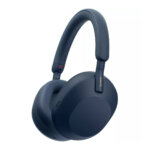
Sony WH-1000XM5 — the best wireless over-ear headphones with noise cancellation among over-ear models. You’ll want these for their reference-level noise cancellation and transparency, proprietary low-frequency sound, detailed microphone, and comfortable fit. With the LDAC codec, we get up to 15% improvement in sound quality. Downsides: the hinges can’t withstand intensive use and break.
- Reference-quality noise cancellation and transparency.
- Signature low-frequency sound
- Detailed microphone and comfortable fit
- Best automatic EQ tuning
- Fragile hinges
- Fingerprint-attracting coating
The final sound score is calculated using this formula:
Frequency balance + Detail retrieval + Soundstage + Natural timbre / 4 = Final Sound Score.
. 8.13 The headphones feature a low-frequency, all-encompassing sound signature typical of the headphone series. The main pluses of the sound are the soundstage, natural timbre, and detail retrieval. There is no artificiality or grain, and there is clear instrument and spatial effect separation. The main downside of the sound is the lows. There is a slight excess in quantity, giving the sound a bassy tint, and bass-heavy tracks sound a bit boomy. Plus, the vocals lack transparency.Read more.
Microphone – We assess speech transmission quality by testing the microphone in two main scenarios: quiet and noisy environments.
Quiet environment – This involves recording indoors with minimal background noise. Noisy environment – This means recording outdoors near a six-lane road with maximum traffic noise.
. 7.00 In quiet conditions: 8 In noisy conditions: 6 The headphones feature 8 microphones, though only 4 are used for calls. In quiet environments, the recording is detailed, the first words are muted, and faint clicking sounds can be heard. In noisy environments, the recording quality is noticeably worse, but you can still make out the words.Overall feature score — this is the overall score for all device features. This score comes from individual feature ratings (battery life, controls, app, connection stability, and others) and shows how easy and smart the device is for daily use.
. 8.53 Active noise cancellation and transparency are of reference-quality. Playback time in our tests is 33 hours, against the claimed 30. Controls are a mix, mostly using touch gestures on the earcup. There is a companion app with awkward navigation and a convenient EQ.Read more.
Final build quality score is the overall score for build quality and materials: comfort, durability, and design. It shows how nice the device is to hold and use, and how long it will last.
. 7.60 The headphones are comfortable, the earcups apply minimal pressure to the ears, and you’ll want to take a break after about 2 hours. No complaints about build and materials. Only the coating is a fingerprint magnet and requires daily care. The weak spot in the design is the hinges, with frequent breakages at the earcup swivel point. The headphones look good, choice of 5 colors.Read more.
2. Sony WH-1000XM6 8.11Good large Bluetooth headphones – new model from Sony
Drivers are the drivers in your headphones that are responsible for creating sound.
DD + PM + BA – means that there are several different types of drivers in these headphones.
DD – “Dynamic Driver” dynamic driver (deep bass, natural sound).
PM – “Planar Magnetic Driver” planar driver (wide soundstage and fast response).
BA – “Balanced Armature Driver” armature driver (accuracy and detail retrieval).
BC – “Bone Conduction Driver” or bone-conduction driver, which transmits vibration to the body of the headphones, transmitting sound through the bone/cartilage to the inner ear.
LDAC – high quality, high speed (Sony).
SBC is the basic Bluetooth standard, low quality.
AAC – Apple standard, good quality, low latency.
aptX – Qualcomm standard, good quality, low latency.
LC3/LC3plus – new Bluetooth LE Audio codecs, efficient compression.
Codecs are audio compression formats that affect sound quality and latency.
Headphone battery life is the playback time without recharging, measured in hours. Manufacturers measure without active noise cancellation (ANC), at medium volume (50-70%) and usually with the AAC codec, as these parameters affect battery consumption. Actual time may vary from 1% to 50%, depending on volume, active noise cancellation features enabled, codec (LDAC or other) and environmental conditions (cold, hot). It is important to consider not only the claimed playback time, but also the charging time and fast charging support.
Bluetooth is a wireless data transmission standard.
Support for new audio technologies.
Improved connection stability.
Reduced power consumption.
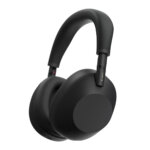
Sony WH-1000XM6 are good large Bluetooth headphones and the latest model in the series. You’ll want these for their reference noise cancellation and transparency, low-frequency sound, and the convenient proprietary ‘Find My EQ’ feature, which reduces sound tuning to a couple of clicks. With the LDAC codec, we get up to 10-12% improvement in overall sound quality. Downsides: the earcups press on the ears, causing discomfort from the first minutes of use, and the hinges are not durable and require careful handling.
- Reference-level noise cancellation and transparency
- Detailed microphone
- Low-frequency sound without excessive bass
- Earcups press against the ears
- Hinges require careful handling
- Lack of detail retrieval
The final sound score is calculated using this formula:
Frequency balance + Detail retrieval + Soundstage + Natural timbre / 4 = Final Sound Score.
. 8.48 Low-frequency sound, similar in signature to the WH-1000XM4. Vocals sound close, timbres of low and high-frequency instruments are distinguishable. Soundstage processing is mostly in width, with no noticeable artificiality or distortion. Comfortable sound without significant downsides. There is only a slight excess of bass, a lack of transparency in the mids, and a shortage of brightness. Although even this can be fixed in the built-in equalizer in a “couple” of clicks.Read more.
Microphone – We assess speech transmission quality by testing the microphone in two main scenarios: quiet and noisy environments.
Quiet environment – This involves recording indoors with minimal background noise. Noisy environment – This means recording outdoors near a six-lane road with maximum traffic noise.
. 7.40 In quiet conditions: 7.8 In noisy conditions: 7Overall feature score — this is the overall score for all device features. This score comes from individual feature ratings (battery life, controls, app, connection stability, and others) and shows how easy and smart the device is for daily use.
. 8.68 The headphones feature reference-level active noise cancellation and transparency among over-ear models. Battery life in the series remains unchanged – 30-40 hours with noise cancellation enabled. Controls are mostly touch-based for music and calls. The companion app is useful, though the multi-level menu structure is awkward, and with the “find your EQ” feature it’s easier to tune the sound out of 4-5 options of different tonality. The signal is stable at distances up to 10 m using the LDAC codec at the Quality bitrate setting.Read more.
Final build quality score is the overall score for build quality and materials: comfort, durability, and design. It shows how nice the device is to hold and use, and how long it will last.
. 6.33 Awkward, the headphone clamping force is stronger than the previous generation. My maximum time in the headphones is an hour, then I need to take a break. No complaints about build and materials. The weak spot of the headphones is the hinges, which break under heavy use. Design is nice and neat. Choice of 3 colors.Read more.
3. Sony WF-1000XM5 7.98Best Wireless Headphones — for Noise Cancellation
Drivers are the drivers in your headphones that are responsible for creating sound.
DD + PM + BA – means that there are several different types of drivers in these headphones.
DD – “Dynamic Driver” dynamic driver (deep bass, natural sound).
PM – “Planar Magnetic Driver” planar driver (wide soundstage and fast response).
BA – “Balanced Armature Driver” armature driver (accuracy and detail retrieval).
BC – “Bone Conduction Driver” or bone-conduction driver, which transmits vibration to the body of the headphones, transmitting sound through the bone/cartilage to the inner ear.
LDAC – high quality, high speed (Sony).
SBC is the basic Bluetooth standard, low quality.
AAC – Apple standard, good quality, low latency.
aptX – Qualcomm standard, good quality, low latency.
LC3/LC3plus – new Bluetooth LE Audio codecs, efficient compression.
Codecs are audio compression formats that affect sound quality and latency.
Headphone battery life is the playback time without recharging, measured in hours. Manufacturers measure without active noise cancellation (ANC), at medium volume (50-70%) and usually with the AAC codec, as these parameters affect battery consumption. Actual time may vary from 1% to 50%, depending on volume, active noise cancellation features enabled, codec (LDAC or other) and environmental conditions (cold, hot). It is important to consider not only the claimed playback time, but also the charging time and fast charging support.
Bluetooth is a wireless data transmission standard.
Support for new audio technologies.
Improved connection stability.
Reduced power consumption.
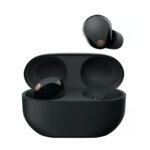
Sony WF-1000XM5 is the best wireless earbuds with noise cancellation in 2026, although the model was released in 2023. The sound is low-frequency, with slightly recessed mids and pushed-back highs that are lacking. The main drawback of the model is its uncomfortable design.
- Top-tier low-frequency sound
- Top-tier active noise cancellation and transparency
- Battery capacity hasn’t changed in 2 years
- Without properly fitted ear tips, noise cancellation works worse
- The bud form factor may not fit everyone
The final sound score is calculated using this formula:
Frequency balance + Detail retrieval + Soundstage + Natural timbre / 4 = Final Sound Score.
. 7.97 Bass-heavy, moderately bright, spacious, and soft. They predominate without overpowering the mids and highs. The bass is tight, pleasant, and velvety. Vocals are easily readable and require no effort; everything sounds upfront, natural, harmonious, and pleasant. High frequencies lack a bit in quantity. Detail retrieval is excellent, making every instrument easy to distinguish. The soundstage is wider than your head, and the sound is natural with no artificial timbre or grain.Read more.
Microphone – We assess speech transmission quality by testing the microphone in two main scenarios: quiet and noisy environments.
Quiet environment – This involves recording indoors with minimal background noise. Noisy environment – This means recording outdoors near a six-lane road with maximum traffic noise.
. 7.00 In quiet conditions: 8 In noisy conditions: 6 Good, same as in Sony WF-1000XM4, with zero sound differences.Overall feature score — this is the overall score for all device features. This score comes from individual feature ratings (battery life, controls, app, connection stability, and others) and shows how easy and smart the device is for daily use.
. 8.00 Active noise cancellation is on par with top models, and with the right ear tips, these earbuds can compete with reference models. The transparency mode is convenient, making it comfortable to chat while wearing the earbuds. Battery life in our tests reached up to 10 hours with the codec enabled and 29 hours with the charging case. Touch controls offer 4 actions for the left earbud and 5 actions for the right earbud. The app is feature-rich with useful settings, though the menu structure is illogical and takes time to learn.Read more.
Final build quality score is the overall score for build quality and materials: comfort, durability, and design. It shows how nice the device is to hold and use, and how long it will last.
. 8.00 The earbuds are comfortable, and a couple of hours without discomfort is guaranteed. That said, it is important to choose the right ear tips since the primary fit in the ears relies on them. No complaints about build quality, though the finish is a fingerprint magnet and scratches easily. The earbuds look nice, without being particularly exciting. Available in 3 colors.Read more.
4. Sony WH-1000XM4 7.91Popular large headphones for music – the best-selling model from Sony (Legend)
Drivers are the drivers in your headphones that are responsible for creating sound.
DD + PM + BA – means that there are several different types of drivers in these headphones.
DD – “Dynamic Driver” dynamic driver (deep bass, natural sound).
PM – “Planar Magnetic Driver” planar driver (wide soundstage and fast response).
BA – “Balanced Armature Driver” armature driver (accuracy and detail retrieval).
BC – “Bone Conduction Driver” or bone-conduction driver, which transmits vibration to the body of the headphones, transmitting sound through the bone/cartilage to the inner ear.
LDAC – high quality, high speed (Sony).
SBC is the basic Bluetooth standard, low quality.
AAC – Apple standard, good quality, low latency.
aptX – Qualcomm standard, good quality, low latency.
LC3/LC3plus – new Bluetooth LE Audio codecs, efficient compression.
Codecs are audio compression formats that affect sound quality and latency.
Headphone battery life is the playback time without recharging, measured in hours. Manufacturers measure without active noise cancellation (ANC), at medium volume (50-70%) and usually with the AAC codec, as these parameters affect battery consumption. Actual time may vary from 1% to 50%, depending on volume, active noise cancellation features enabled, codec (LDAC or other) and environmental conditions (cold, hot). It is important to consider not only the claimed playback time, but also the charging time and fast charging support.
Bluetooth is a wireless data transmission standard.
Support for new audio technologies.
Improved connection stability.
Reduced power consumption.
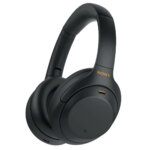
Sony WH-1000XM4 are popular large headphones for music and a true legend among Sony’s over-ear headphones. Despite the release of the XM5 and XM6, the XM4 model remains relevant and sought-after among Sony fans. For their price of $235, you get high-quality low-frequency sound and top-tier noise cancellation. For this price, they are the best over-ear headphones.
The final sound score is calculated using this formula:
Frequency balance + Detail retrieval + Soundstage + Natural timbre / 4 = Final Sound Score.
. 7.08 The presentation is dark with an emphasis on low frequencies and smoothed-out highs. The mid-range is rich and engaging, and the vocals are highlighted. The bass is soft, but it lacks punch. The highs lack brightness and transparency. The soundstage is quite wide, but flat. Best suited for electronic music, hip-hop, and pop music.Read more.
Frequency balance: This refers to how sound energy is distributed across the entire audible range, from 20 Hz to 20 kHz. It’s not just about covering the full spectrum, but about achieving the right proportions so that the lows, mids, and highs work together harmoniously, without clashing or obscuring important details.
The ideal balance means the bass provides a solid foundation, the mids deliver clear and present vocals, and the highs add sparkle and detail. Frequency balance skew occurs when one or two of these main ranges are either overemphasized or noticeably lacking compared to the others.
. 7.33 Biased toward the bass, with a flat mid-range and smoothed-out highs.Low frequencies, or bass (20 Hz – 250 Hz), form the foundation of music, giving sound depth, weight, and a rhythmic basis.
The ideal balance results in clear, powerful, and well-rounded sound. An **excess** of low frequencies, however, makes music sound muddy and boomy, masks vocals, and quickly fatigues the listener, leading to indistinct overall sound. Conversely, a **shortage** makes music sound thin, weak, and empty, robbing it of warmth and rhythmic foundation, which in turn causes harshness in the mids and highs.
. 7 Significantly emphasized. The bass is rendered decently, but it lacks punch, impact, and speed. It feels more soft than springy. Good for electronic music, but live instruments like the upright bass lack naturalness, while other instruments develop a “bass halo”.The midrange (250 Hz to 4 kHz) is where most musical elements live, and it’s crucial for hearing main melodies, vocals, and instruments.
Too many mids, especially in the upper range, make sound harsh, intrusive, and fatiguing fast. The mix can sound shouty or “boxy.” Conversely, a shortage of mids results in a hollow, recessed sound where vocals and main instruments lose their presence and seem distant, draining the music of energy and overall clarity.
. 8 Rendered well. The mid-range is rich, also tending towards soft rather than bright. This is the strongest aspect of the sound profile. Vocals are noticeably highlighted and sound quite natural. Overall, the mid-range is engaging.Highs, or treble (4 kHz – 20 kHz) – these frequencies are responsible for brightness, sparkle, detail, and that sense of ‘air’ in a music mix. This range helps you pick out the finest details, like string overtones, cymbal shimmer, and sibilant sounds in vocals.
An optimal balance makes music sound lively, clean, and open. Too much, however, leads to unnecessary harshness, causes sibilance (overly loud ‘s’ sounds), and makes cymbals sound unpleasantly ‘grainy’ or metallic, quickly fatiguing your ears. Too little, and the entire mix sounds dull, muffled, and ‘closed-in’ (veiled). The sound loses its detail and openness, feeling like you’re listening through a thick filter that robs the music of clarity.
. 7 Smoothed out near the upper edge of the range, but not choked off. The highs are not muddy, but they lack brightness and transparency. On the plus side, there is no grain or harshness.Detail retrieval – this describes how clearly and distinctly you can hear the tiniest sounds in a mix, like reverb, overtones, quiet instruments, texture, and subtle percussion sounds (such as light hi-hat taps).
Ideal detail retrieval – all subtle sounds are audible, just as they would be at a live performance.Lack: The sound is dull, muted, and veiled, as if you’re listening through a layer of fabric. The musical picture lacks depth, instruments sound flat, and subtle nuances get lost.Excess: The sound becomes unnaturally sharp, aggressive, and glassy. This can manifest as an overemphasis on sibilant sounds and background noise. This kind of sound quickly becomes fatiguing, often due to too much treble above 6 kHz.
. 7 Details are lost in the highs and lows, but not to a degree where you miss a lot.Naturalness— how authentic and realistic the sound is. It indicates how accurately the sound of voices and musical instruments is reproduced.
Best naturalness – the sound is clean, warm, and lively, without artificial coloration or extraneous noises.
Excess – an excessive amount of distracting sounds like sighs, mechanical noises, rustles, etc.
Lack – the sound feels artificial, colored, or plastic. You lose timbre recognition (instruments don’t sound like they do in real life), and the sound becomes flat and fatiguing due to incorrect equalization or excessive compression.
Soundstage, or stage, refers to the perceived three-dimensional space where instruments and vocals in a musical piece are placed. It’s a virtual soundscape that sound engineers craft during mixing. The stage encompasses width (left-to-right placement), depth (a sense of distance), and height (the feeling of instruments being above or below the horizontal plane).
The best soundstage makes music feel immersive and realistic, letting you pinpoint each element in space—whether it’s to your left or right, closer or further away, or above or below your head. A lack of it results in a monolithic sound, as if everything is coming from a single point, making it difficult to discern the position of each instrument. An excess of it, on the other hand, can make instruments and vocals sound overly distant, causing the musical composition to lose its coherence.
. 7 The soundstage is quite wide for its segment. It is flat, but the vocals are pushed forward, creating a slight sense of depth. Instrument separation is good, and nothing gets congested into a muddy mess.Microphone – We assess speech transmission quality by testing the microphone in two main scenarios: quiet and noisy environments.
Quiet environment – This involves recording indoors with minimal background noise. Noisy environment – This means recording outdoors near a six-lane road with maximum traffic noise.
. 8.00 Quiet 8 Noisy 7 The Sony WH-1000XM4 headphones perform well as a headset. If you are taking calls indoors, callers will hear you without any issues. Outdoors, ambient noise will be audible to them, but your voice will remain distinct against that background everywhere except in the loudest places. Voice transmission is good, but slightly worse than you would expect from a flagship. An extra plus is that you can turn on transparency mode during a call to hear your surroundings and your own voice.Overall feature score — this is the overall score for all device features. This score comes from individual feature ratings (battery life, controls, app, connection stability, and others) and shows how easy and smart the device is for daily use.
. 9 Thoughtful touch controls with a minimum of accidental touches. Convenient proprietary Sony Headphones app. Reliable Bluetooth connection. Good active noise cancellation (ANC) on par with mid-range models around $200. Battery life up to 30 hours with ANC. Good microphone voice transmission.Read more.

Controls — how easily and reliably the headphones respond to your presses and gestures for pausing, adjusting volume, switching tracks, changing modes, and activating your voice assistant. Good controls feel intuitive, work without fail, and avoid accidental inputs; bad controls will miss commands, lag, or simply ignore your gestures.
. 9 The controls on the Sony WH-1000XM4 are well-designed and convenient. The entire surface of the right earcup is a touch panel, and two buttons are located on the bottom edge of the left earcup, which are easy to press with your thumb. The touch sensor has moderate sensitivity, and single taps are not used, so accidental touches are kept to a minimum. At the same time, you do not have to repeat gestures multiple times; everything works on the first try.Read more.
- Touch sensor and 2 buttons.
- Full functionality at your fingertips.
- Features smart pause.
- Voice activation is available.
- Swipe forward and back – track switching.
- Swipe up and down – volume control. Swipes with a hold also work, in which case the volume increases or decreases smoothly until you lift your finger.
- Double tap – play/pause, answer/end call.
- Cover with your palm – attention mode: the music volume drops to a minimum, and ambient sounds are piped into the headphones.
- Power. Hold for about 3 seconds to turn on/off. Hold for about 7 seconds to activate Bluetooth pairing mode. Short press to announce the battery level.
- Customizable “Custom” button. Switching modes: noise cancellation, transparency, all off. In the proprietary app, you can reassign this button to trigger the voice assistant. Hold for the calibration mode. In this mode, the headphones analyze your head shape and whether you wear glasses. I did not notice any difference in sound or noise cancellation before and after. Most likely, this is a more precise calibration of the wear-detection sensor, but I cannot say for sure. 😉
The Sony WH-1000XM4 also features a speak-to-chat function. When the wearer starts speaking, the music pauses and transparency mode is activated. The microphones pick up the voice and the feature triggers. This is useful if you need to briefly answer someone or ask a question. You do not need to take off the headphones or place your palm on the touch panel; you just need to start talking. This mode works quite correctly: it does not react to voices and sounds around you, but it always reacts to your own voice. And it does not matter whether you are speaking, mumbling something under your nose, or simply yawning out loud, the pause will trigger. This feature is more interesting than it is convenient. I did not need it during testing, but it did not get in the way either.
Smart pause also works correctly almost all the time. The sensor is located in the left earcup: as soon as you take it off your ear, the music pauses. Put it back in place, and playback resumes. As mentioned, there were a few errors. I took off the headphones, the music stopped, and I hung them around my neck (with earcups and sensor facing down) and it kept playing. Both features can be disabled in the app. Let us talk about it in more detail.
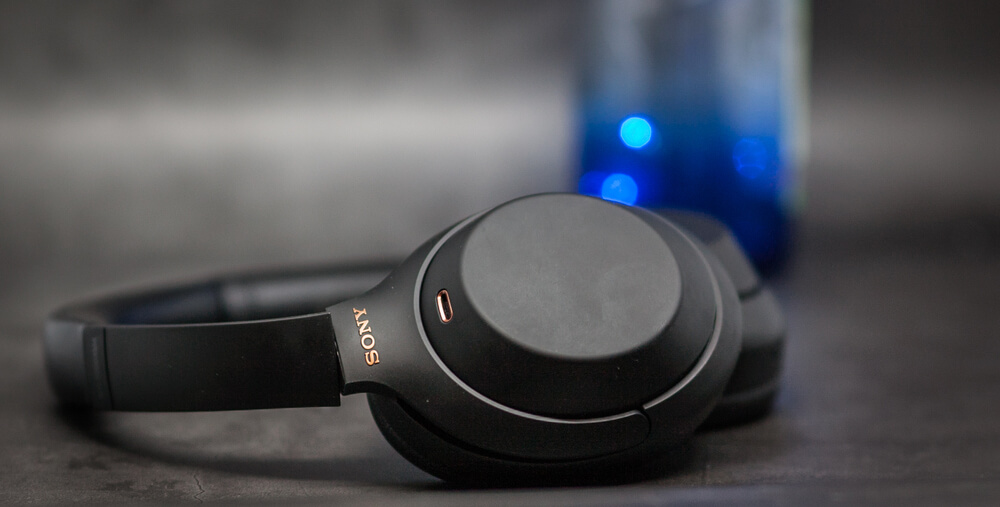
The app, which is the proprietary software you use to tweak sound, controls, noise cancellation, firmware updates, and other features. A good app is stable, well-organized, and actually lets you customize things; a bad one glitches, lacks features, or feels like it’s just there for show.
. 9 The proprietary Sony Headphones app, which also supports Sony WF-1000XM4, recently received a major update that partially changed its interface and name, but overall functionality remains the same.Read more.

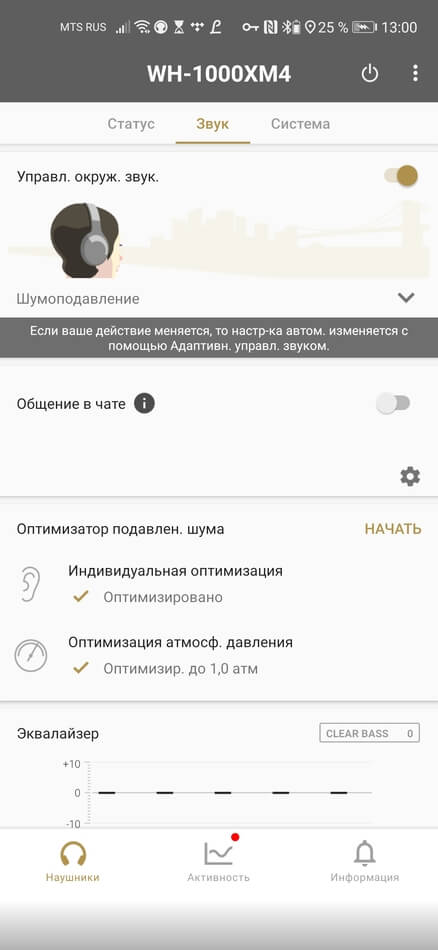
Battery percentage display.
Adaptive sound control. Depending on surrounding sounds and your location, the noise cancellation or transparency level will be selected automatically.
Noise cancellation and transparency control. There are 20 levels. However, there is only one noise cancellation option. The rest are ambient sound pass-through levels. You can add voice focus.
Chat conversation. That same voice activation. The translation is not ideal, of course. 😉 You can set the time after which playback will resume if you stop talking.
EQ. There are several presets and a manual tuning option.
Codec selection. Connection quality priority is SBC. Sound quality priority is LDAC. Then in the Bluetooth settings on your phone, you can choose how LDAC operates. If LDAC is unavailable, AAC is considered the sound priority.
360 Reality Audio. Surround sound emulation. Available in certain apps and requires a subscription. The package includes a promo code for one such subscription. I would not say the effect is mind-blowing, but it is noticeable. Music does not always sound better with it.
DSEE Extreme. Proprietary real-time sound quality “enhancement” for compressed files. In my opinion, these enhancers introduce more distortion than benefit. What do you think? Share your thoughts in the comments.
Turning smart pause, auto-off, and the touch panel on/off.
Custom button configuration.
Connecting to two devices. There is a catch here. In this mode (multipoint), the LDAC codec cannot be used. A disappointing limitation.
Voice prompt language selection. There are many options here, so it makes sense to customize it to your liking.

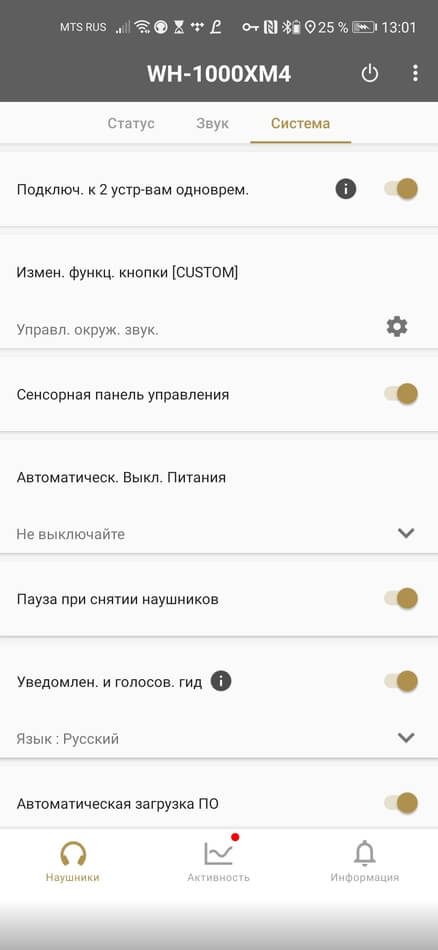
For this test, I decided to turn on and keep the Russian language. I do not recommend it. 😀 Translation pearls like “blutus” can be annoying. Though mileage may vary.
Connection stability — how well the headphones hold onto their Bluetooth signal without dropping out, lagging, or glitching in everyday situations like busy streets, public transport, or even at home with a Wi-Fi router nearby. Good stability means the audio won’t stutter when you turn your head or cut out in crowded areas. Poor stability, on the other hand, will show up as frequent dropouts, stuttering, audio-video sync issues, and problems reconnecting.
. 9 The Sony WH-1000XM4 headphones maintained a reliable Bluetooth connection throughout 2 weeks of testing. There were no issues at home within a 10-meter radius. Outdoors, everything was stable regardless of which pocket the phone was in. All of this applies to the AAC codec.Read more.
- Bluetooth 5.0, SBC, AAC, and LDAC codecs.
- Reliable connection up to 10 meters.
- No audio-video desync on smartphones.
- Multipoint.
- Using LDAC results in worse connection quality and other quirks.
- Wired listening is supported.
If you turn on LDAC, the picture changes. This codec has 2 modes: sound priority and connection priority. It is selected in the connected Bluetooth devices menu (the gear icon next to the name). In sound priority, artifacts sometimes occur even when the phone is sitting right next to you on the table. Outdoors, dropouts happen often enough that you want to switch to connection priority. In that mode, the connection is almost as reliable as with AAC, but the sound quality is a bit better. There is not even any audio-video desync when watching videos.

Active noise cancellation (ANC) lets headphones use microphones and signal processing to cut out external noise like traffic, street hum, or office chatter, so you can hear your music or calls better without cranking the volume. Good ANC significantly cuts low-frequency hum from things like engines or air conditioners, barely presses on your ears, and minimally distorts the sound. Weak ANC, on the other hand, only removes some of the noise or creates an unpleasant “vacuum” effect and artifacts.
. 9 The Sony WH-1000XM4 features excellent noise cancellation. It handles low-frequency monotonous rumble and many mid-frequency noises wonderfully. On public transit, in the subway, or near a busy highway, the ANC ensures comfortable music listening everywhere. The operation of the noise cancellation system does not cause discomfort, pressure sensations, and so on.Read more.
In a direct comparison, in my experience, the noise cancellation on the Bose Noise Cancelling Headphones 700 is slightly better. It feels more comfortable and performs a bit better in the mid-range. But the difference is just a matter of nuance. These two models genuinely have the best ANC on the market.
The noise cancellation here is adaptive: it “remembers” places you frequent and adjusts the system’s operation to suit them. By and large, all this adaptability is just an automatic choice between noise cancellation and 20 transparency modes. Some of these modes are particularly interesting: many sounds are let through so you know what is happening around you, but low-frequency rumble is still suppressed. The automation works well, but you can also turn it off and activate max ANC and transparency whenever you want.

Battery life is the actual playback time you get from the earbuds and their charging case on a single charge during typical volume and usage scenarios (music, video, calls), not just the marketing numbers. Good battery life means you can easily get through a day or several without needing an outlet, and it doesn’t drop significantly with noise cancellation and high-quality codecs enabled. Poor battery life, on the other hand, requires frequent recharging and noticeably decreases when you crank up the volume.
. 9 The Sony WH-1000XM4 has long battery life, matching both the manufacturer’s claims and my tests. After 15 hours of listening with adaptive noise cancellation and an LDAC connection, the headphones discharged by about 70%. This means you will get around 20-25 hours of playback. You definitely won’t need to charge them more than once a week. Fast charging is available, along with wired listening when the battery is completely empty.Read more.
- Up to 30 h with noise cancellation on.
- Up to 38 h with it off.
- Full charge in 3 hours.
- Fast charging: 10 minutes for 5 h.
- Configurable auto-off feature.
You can check how much battery life the headphones have left by opening the app, where the charge level is displayed as a percentage. You can also press the power button and listen to the approximate figures (something like “more than 70%”). The information is also available in the “standard place” on the connected device. In the app, you can enable auto-off during inactivity to save battery. The only nuance, rather than a drawback, is that the headphones will not play music while charging.
Final build quality score is the overall score for build quality and materials: comfort, durability, and design. It shows how nice the device is to hold and use, and how long it will last.
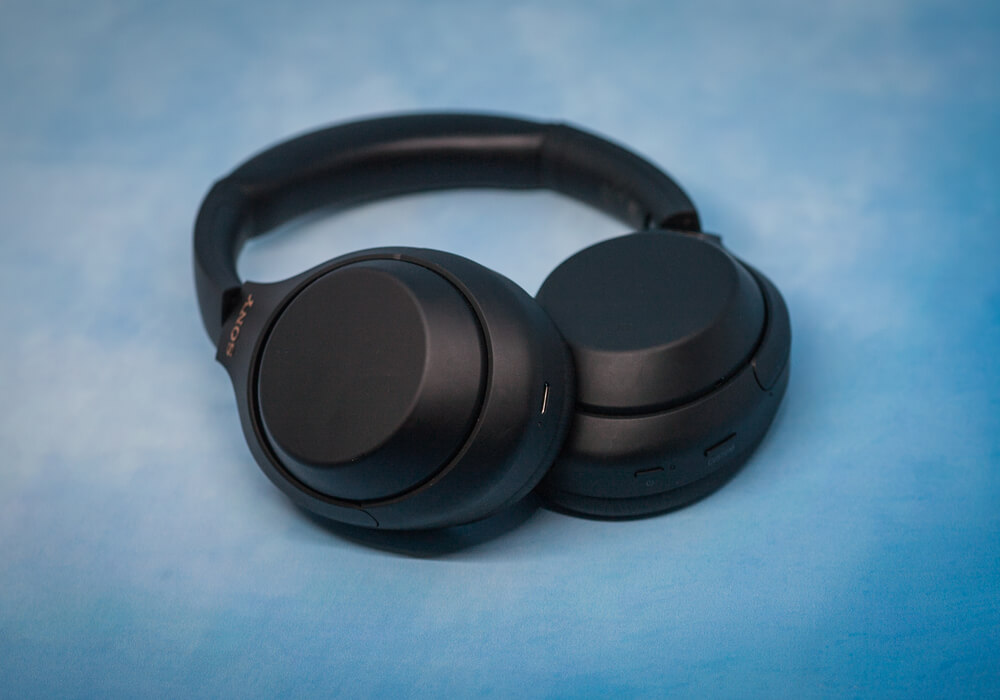
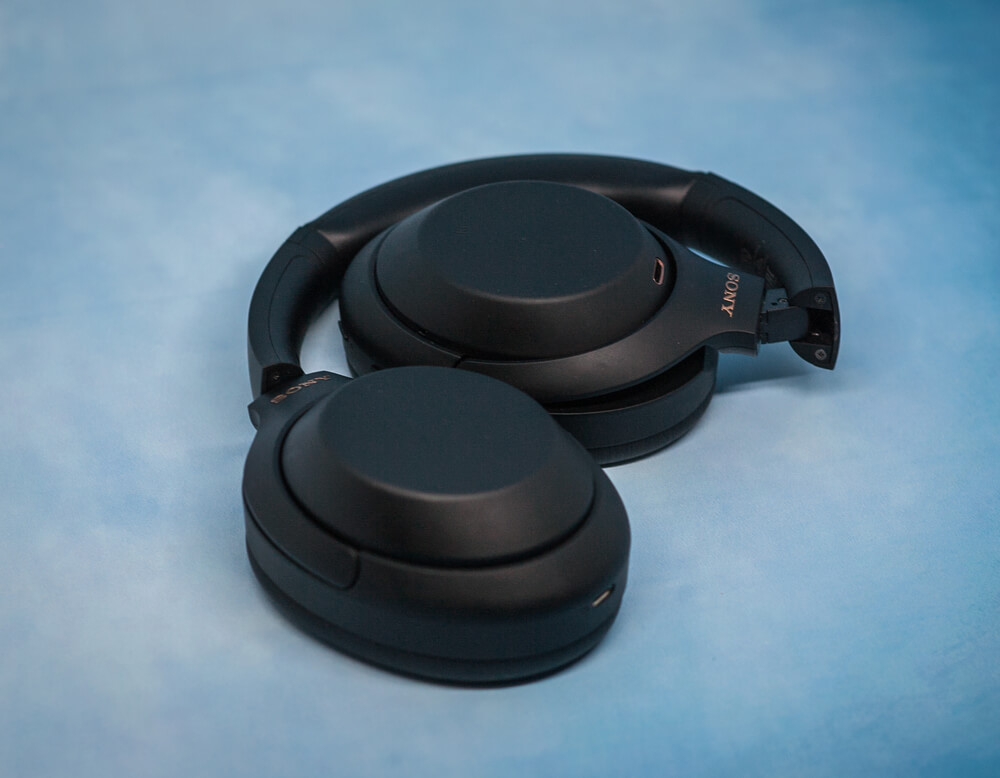
. 8.33 Stylish design, solid build quality. Foldable design. They do not look bulky on the head. Fingerprint-magnet plastic on the earcups. The headphones are available in two colors: black and platinum silver.Read more.

Comfort is how the earbuds feel during extended wear: ear pressure, fit, weight, and ventilation. A comfortable model doesn’t chafe, squeeze the ear canal or head, and doesn’t cause fatigue even after a couple of hours; an uncomfortable one quickly reminds you of itself through pain, heat, or a “plugged” feeling in the ears.
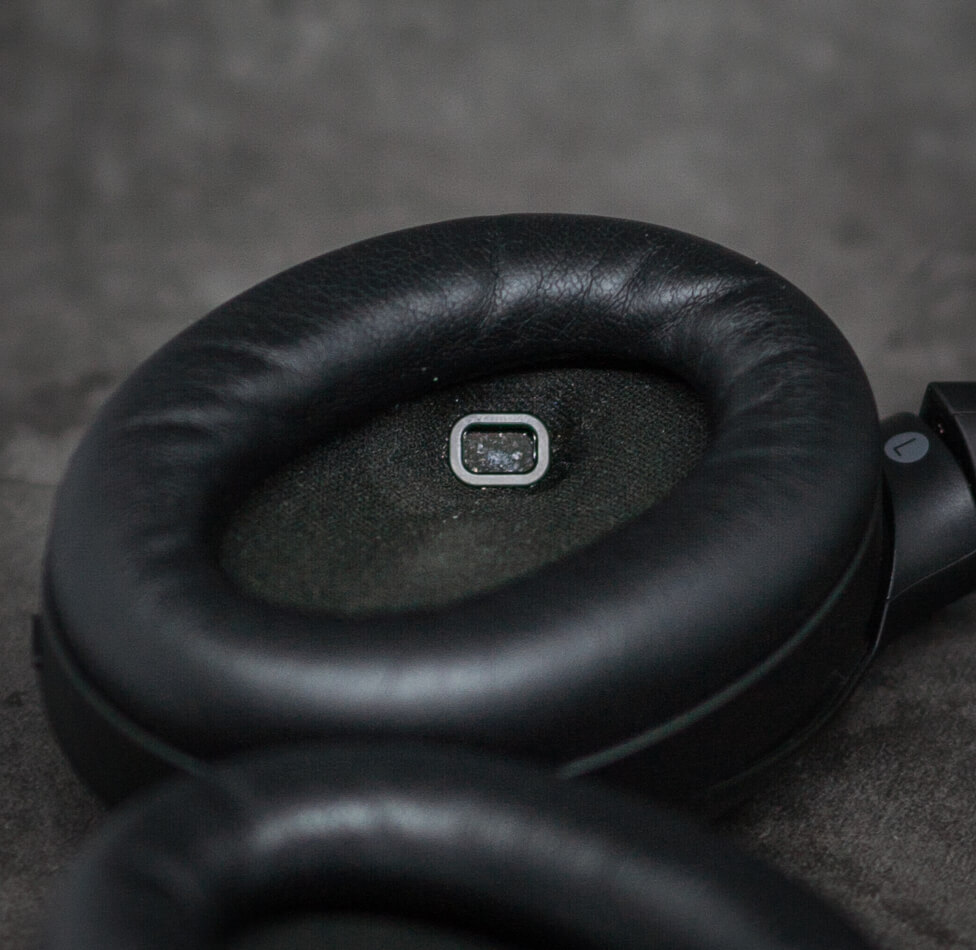
. 9 The Sony WH-1000XM4 headphones can safely be called comfortable: I spent about 2.5 hours wearing them at home without any fatigue. Outdoors, there was no discomfort while commuting and walking for an hour and a half. The earcups are wide enough to accommodate any ears. There are minor doubts regarding depth: some people’s ears might touch the soft “bottom” of the earcups. But these are just assumptions, I had no such issues. The earcups are quite soft, and the headband padding is too, so they do not rub or irritate.Read more.
Clamping force is average for portable headphones: the headphones will not shift while walking, but they might during a run. The headband has a wide adjustment range. In warm weather, your ears can heat up rather quickly, but that is normal for closed-back over-ear models. Here, the earcups are ventilated better than many competitors. When folded, the headphones will fit into any backpack. The earcups also swivel, allowing the headphones to be comfortably worn around the neck with the earcups facing down.
Comfort is a subjective concept. My head and ears are more or less “average”, your mileage may vary.


Durability — how well the earbuds and charging case hold up to daily use: This includes the quality of the plastic and hinge, water resistance, wear on the ear tips, and the reliability of connectors and buttons. High durability means nothing is loose, peeling, or cracking after a year or two. Conversely, low durability means you’ll see cracks, looseness, hinge noise, or connection issues after just a couple of months.
. 8 The build is solid, with nothing to complain about. All materials look wear-resistant, and I noticed no play, unrefined seams, or creaks. Although in user reviews for the Sony WH-1000XM4, you can read that the plastic starts to creak after a couple of months. During my 2 weeks of testing, this did not happen.Read more.
Share in the comments how your headphones are holding up after a few months.

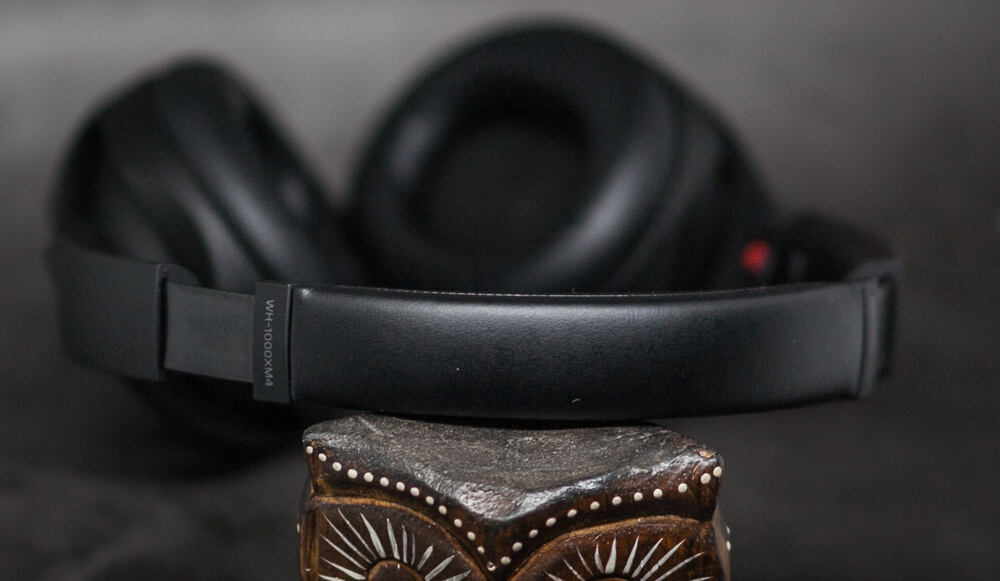
Design – This covers how the earbuds look and how well-thought-out their shape is. I’m talking about how they appear in your ears, how versatile they are with different outfits, and whether they look cheap. A good design blends a neat appearance with a comfortable shape and practical touches, like non-marking plastic or a well-designed charging case. Conversely, a bad design will snag on your clothes, scratch easily, and just look out of place.
. 8 The headphones look stylish, and the design is recognizable. The main material used in the construction is matte plastic with a soft-touch coating. It is high quality and sturdy. However, it is a fingerprint magnet: smudges remain easily, but they wipe off without issue. The headband is narrow with soft padding covered in faux leather, as substitute leather is called nowadays. The main arch is plastic, but it has metal reinforcement. The earcups fold inward or flat. They are low-profile and oval. They stick out on the sides of the head, but not heavily, looking neat. The earcups are covered in faux leather and look durable.Read more.
Inside the neat Sony WH-1000XM4 box, I found: the headphones themselves, a charging cable (USB-A to USB-C), an audio cable (3.5 mm to 3.5 mm), an airplane adapter, a hard case, and documentation. The case is sturdy, fabric-covered, and features compartments for all the other accessories—a convenient solution. It is great that the audio cable has 3.5 mm mini-jacks on both ends, making it easy to find a replacement. However, the charging cable was disappointing: it is short, and for over-ear headphones, a longer one would have been more convenient.
The Sony WH-1000XM4 headphones are available in two colors: black (which I tested) and platinum silver. Put simply, black-and-white classics.