

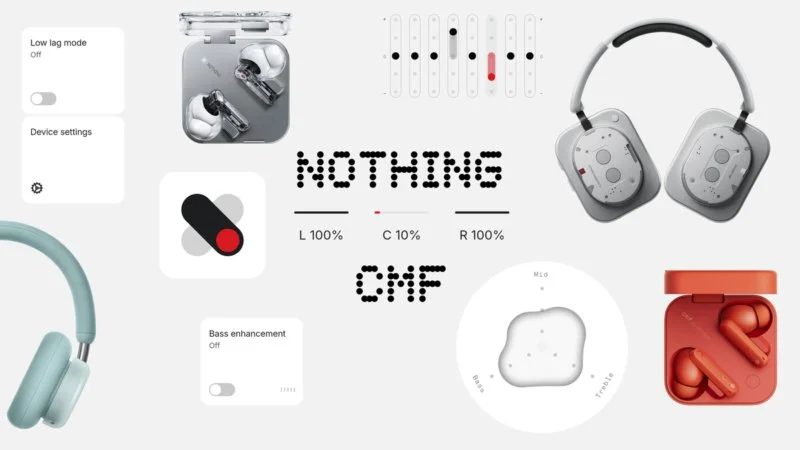
This is a ranking of the best wireless headphones from Nothing and its subsidiary CMF. A distinctive feature of the headphones is their design. An unconventional, and in places unique, look compared to most monotonous models. And the over-ear models offer reference-level control convenience. Also, a convenient app, an advanced equalizer for deep sound customization in Nothing models and beyond. The main Bluetooth codec is LDAC, so there will be no compatibility issues.
Only tested Bluetooth headphones on MyChooz of three form factors made it into the ranking: over-ear, in-ear, and open-fit headphones in TWS format. The position in the ranking takes into account the score for all evaluated parameters – sound, features, and build quality.
More about the LDAC codec: compatibility, real quality improvement, where the codec works, etc.
More detailsCompatibility . The LDAC codec is the second most accessible audio codec on Android after AAC and SBC. With the LDAC codec, the sound is less compressed and more detailed, and the best sound quality is achieved with the “quality” preset at a bitrate of 909/990 Kbps. The codec appeared in Android 8.0 and is supported by all phones and tablets, except for some models where the manufacturer has removed the codec from the system or the codec is hardware-locked. Therefore, in 99.9% of cases, an Android source is compatible with headphones that have the LDAC codec.
Impact on sound, expectation vs. reality . Often, some potential owners of headphones with the LDAC codec mistakenly perceive the presence of the codec as a guarantee of high-quality sound. The formula “source with LDAC” + “headphones with LDAC” = “high-quality sound” doesn’t always work. The codec acts as a “data packer,” and the better the codec’s parameters, the fewer data losses during unpacking. The sound system plays the key role: type and number of drivers, driver design, DAC and amplifiers, acoustic design, and other hidden parameters – software and hardware. If any element in this system doesn’t work correctly – cost-saving on components or a design flaw – the codec’s efficiency decreases. How else could it be? If the sound system can’t handle it, the codec won’t help.
Where does the LDAC codec work? Usually, the codec doesn’t work in headphones under $50 or the quality improvement is minimal. A noticeable improvement is more often found in headphones $100+.
The quality improvement, and don’t be surprised by this, is more often noticeable in mid-range models and above. Because the lower the production cost, the more limitations there are. At the same time, a high price for headphones is not always an objective indicator of potential quality; there are models with cheap production and high markups. And this markup usually goes into the pockets of the company’s shareholders or is distributed among famous personalities from the music and film industries. Therefore, there are exceptions in models cheaper or more expensive.
Real improvement with LDAC codec . Based on the experience with tested headphones with different driver types and designs, the improvement ranges from 1-3% to 15-20%. The value is approximate, as tests rely on listening. Devices for measuring quality haven’t been invented yet. At least, I haven’t come across any.
It’s important to understand 2 main points. First, with the LDAC codec, you get an improvement in detail retrieval. Naturalness doesn’t improve, nor does the soundstage. The sound balance also doesn’t change.
Second, the percentage improvement differs for each pair of headphones. A 15-20% improvement in headphones with an overall score of 5-6 out of 10 is nowhere near comparable to a 3-5% improvement in headphones scoring 8-9. Therefore, when you notice a high improvement with the codec, it’s worth checking the overall sound score.
Which codec is better – LDAC or LHDC?
More detailsLDAC is better in terms of availability, LHDC is better in terms of capabilities.
| Maximum bitrate | Up to 990 kbps | Up to 900 kbps (V 3/4), up to 1000 kbps (v5) |
| Maximum frequency / Bitrate | 24 bit / 96 kHz | 24 bit / 96 kHz (v3/v4), up to 24 bit / 192 kHz (v5) |
| Bitrate control | 330 / 660 / 990 kbps, adaptive bitrate – 330-990 kbps. | 400 / 500 / 900 / 1000 kbps, adaptive bitrate – 128-1000 kbps. |
| Audio latency | ~160–200 ms | ~200 ms (there is an LLAC / LHDC LL mode with low latency up to 30 ms |
| Integration into Android | Native support with Android 8.0+ | Basic structure in AOSP with Android 10, native support v5 with Android 17 |
| Lossless mode | No | LHDC 5.0 claims lossless |
The characteristics of both codecs are comparable, with more in favor of LHDC. More parameters are available for adjustment, higher sampling rate, there are LHDC lossless and low audio latency switches.
However, LDAC is far ahead in terms of prevalence. The codec appeared in Android version 8.0+, so you don’t have to worry about compatibility. More headphones on the market support LDAC across different price categories. More USB adapters support LDAC. For comparison, there are only 2 USB adapters for LHDC, and only one works without problems. Although in the future, LHDC may catch up to LDAC in prevalence and even surpass it. More flexible license provision and minimal licensing fees will quickly popularize the LHDC codec among manufacturers.
In terms of signal stability, both codecs are on the same level.
In terms of sound, both codecs provide the same quality, and you’ll have to listen closely to discern the difference. This is if the headphones support both LDAC and LHDC. Therefore, you should focus on the sound system first, and then on the codec. More about codecs.
How to get the LDAC codec where it’s not supported?
More detailsIf your headphones support the required codec, but your phone, tablet, or PC doesn’t, you can use a USB adapter. A device the size of a Bluetooth adapter connects to the phone or PC’s port. Then, the headphones connect to the adapter and receive the signal with the appropriate codec.
Which adapter to choose?
- QCC Dongle Pro2 – if you want it all at once. The adapter supports: LHDC 5.0, LDAC, aptX Adaptive, aptX HD, aptX Lossless; LE Audio and Auracast are claimed.
- FiiO Air Link – a universal adapter, but cheaper. Codec support: SBC, aptX, aptX Low Latency, aptX HD, aptX Adaptive, LDAC, and aptX Lossless.
See our ranking for more details on USB adapters — Best Bluetooth Adapters for Computers and Headphones.
EMMA — Experts + Methodology + MyChoozers + Algorithm.
Every model goes through identical tests; the score is calculated automatically with fixed weights — a spot in the rating cannot be bought.
TOP 8 Best Wireless Headphones from Nothing and CMF – Ranking
1. Nothing Ear ( 3 ) 2025 8.44Beautiful wireless headphones for your phone – with a microphone in the case
Drivers are the drivers in your headphones that are responsible for creating sound.
DD + PM + BA – means that there are several different types of drivers in these headphones.
DD – “Dynamic Driver” dynamic driver (deep bass, natural sound).
PM – “Planar Magnetic Driver” planar driver (wide soundstage and fast response).
BA – “Balanced Armature Driver” armature driver (accuracy and detail retrieval).
BC – “Bone Conduction Driver” or bone-conduction driver, which transmits vibration to the body of the headphones, transmitting sound through the bone/cartilage to the inner ear.
LDAC – high quality, high speed (Sony).
SBC is the basic Bluetooth standard, low quality.
AAC – Apple standard, good quality, low latency.
aptX – Qualcomm standard, good quality, low latency.
LC3/LC3plus – new Bluetooth LE Audio codecs, efficient compression.
Codecs are audio compression formats that affect sound quality and latency.
Headphone battery life is the playback time without recharging, measured in hours. Manufacturers measure without active noise cancellation (ANC), at medium volume (50-70%) and usually with the AAC codec, as these parameters affect battery consumption. Actual time may vary from 1% to 50%, depending on volume, active noise cancellation features enabled, codec (LDAC or other) and environmental conditions (cold, hot). It is important to consider not only the claimed playback time, but also the charging time and fast charging support.
Bluetooth is a wireless data transmission standard.
Support for new audio technologies.
Improved connection stability.
Reduced power consumption.
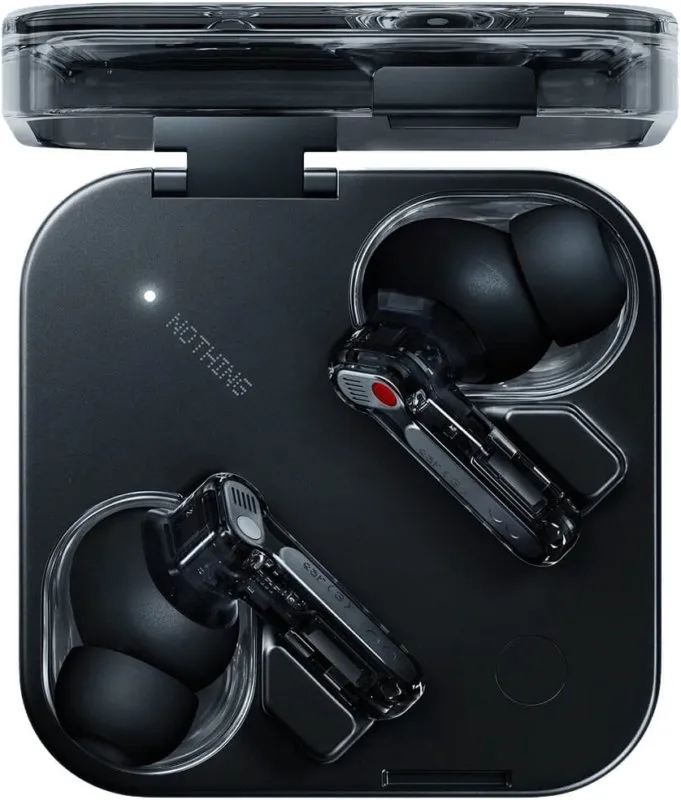
Nothing Ear ( 3 ) 2025 – beautiful wireless headphones with top-tier build quality and features. The main reason to buy: top-tier sound, but it’s important to update the firmware; out of the box, the frequency balance and directional microphone in the case for communication in noisy places. Downsides: average noise cancellation and transparency.
- Top-tier sound
- Detailed microphone with excellent voice isolation
- Reference-quality proprietary app
- Average noise cancellation and transparency
- Bright sound before firmware update
- Inflated price on certain marketplaces
The final sound score is calculated using this formula:
Frequency balance + Detail retrieval + Soundstage + Natural timbre / 4 = Final Sound Score.
. 8.38 The main plus of the sound is the mids and naturalness, offering close and transparent vocals. The sound is slightly unnatural, but free of artificial timbre, paired with good, detailed bass.The main downside of the sound is bright highs. This kind of sound causes fatigue, particularly on tracks with abundant percussion. Therefore, updating the firmware is important because it makes the sound balance more pleasant.
Read more.
Microphone – We assess speech transmission quality by testing the microphone in two main scenarios: quiet and noisy environments.
Quiet environment – This involves recording indoors with minimal background noise. Noisy environment – This means recording outdoors near a six-lane road with maximum traffic noise.
. 8.80 In quiet conditions: 8.6 In noisy conditions: 9 In quiet conditions, the balance drifts a bit, and noise cancellation removes background noise. At the same time, your voice is easy to understand. In noisy conditions, you get excellent voice isolation and complete noise blocking. At times your voice sounds a bit muffled, though speech is not hard to parse.Read more.
Overall feature score — this is the overall score for all device features. This score comes from individual feature ratings (battery life, controls, app, connection stability, and others) and shows how easy and smart the device is for daily use.
. 8.28 Noise cancellation and transparency are barely usable, making them the weakest side of the earbuds. Playback time in our tests reaches up to 9.5 hours, and up to 38 hours with the case, taking the codec into account. You get convenient pinch controls on the earbud stem and a reference-quality app for usability and features.Read more.
Final build quality score is the overall score for build quality and materials: comfort, durability, and design. It shows how nice the device is to hold and use, and how long it will last.
. 8.83 The earbuds are comfortable, fatigue sets in after 2 hours. The build is sturdy and reliable, with no defects. The appearance is excellent and stands out from competitors.Read more.
2. Nothing Headphone (1) 8.22Large over-ear Nothing headphones
Drivers are the drivers in your headphones that are responsible for creating sound.
DD + PM + BA – means that there are several different types of drivers in these headphones.
DD – “Dynamic Driver” dynamic driver (deep bass, natural sound).
PM – “Planar Magnetic Driver” planar driver (wide soundstage and fast response).
BA – “Balanced Armature Driver” armature driver (accuracy and detail retrieval).
BC – “Bone Conduction Driver” or bone-conduction driver, which transmits vibration to the body of the headphones, transmitting sound through the bone/cartilage to the inner ear.
LDAC – high quality, high speed (Sony).
SBC is the basic Bluetooth standard, low quality.
AAC – Apple standard, good quality, low latency.
aptX – Qualcomm standard, good quality, low latency.
LC3/LC3plus – new Bluetooth LE Audio codecs, efficient compression.
Codecs are audio compression formats that affect sound quality and latency.
Headphone battery life is the playback time without recharging, measured in hours. Manufacturers measure without active noise cancellation (ANC), at medium volume (50-70%) and usually with the AAC codec, as these parameters affect battery consumption. Actual time may vary from 1% to 50%, depending on volume, active noise cancellation features enabled, codec (LDAC or other) and environmental conditions (cold, hot). It is important to consider not only the claimed playback time, but also the charging time and fast charging support.
Bluetooth is a wireless data transmission standard.
Support for new audio technologies.
Improved connection stability.
Reduced power consumption.
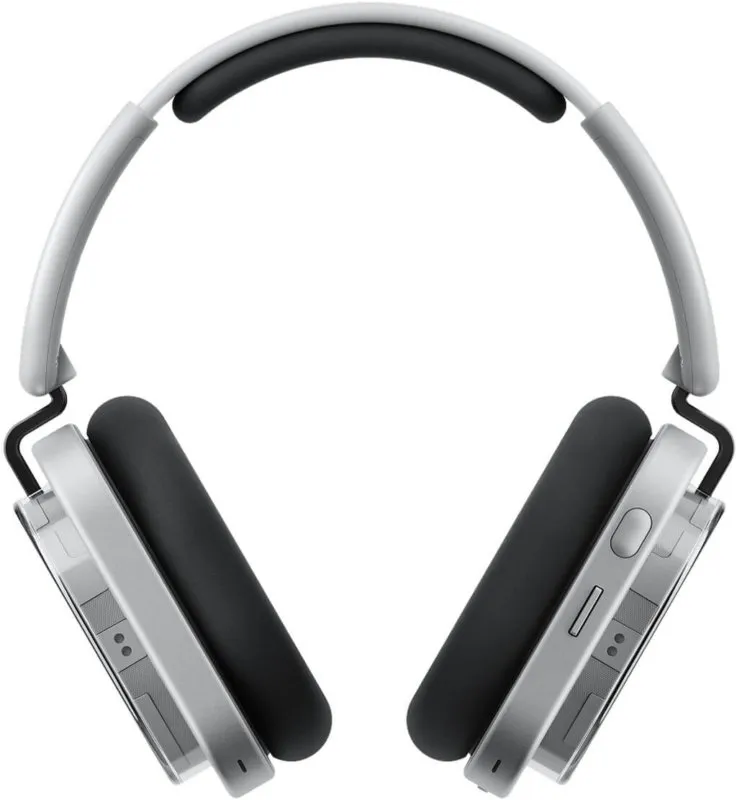
Nothing Headphone (1) – large Nothing headphones, an over-ear model. The main reason to buy: cool design and reference controls, detailed microphone, top-tier noise cancellation on par with leaders Sony and Bose. With the LDAC codec, we get +10-15% to quality. Downsides: average comfort in headphones and mandatory EQ adjustment, as the out-of-the-box sound is on par with models under $100.
- Good and even sound with EQ
- Microphone – top-tier
- Active noise cancellation and transparency mode are top-tier.
- Controls and app – top-tier!
- Battery life – top-tier!
- Build – beautiful with nuances.
- The sound requires EQ tuning, out of the box it’s at the level of sub-$100 models.
- Minor flaws: the bass adjustment feature in the app didn’t work.
The final sound score is calculated using this formula:
Frequency balance + Detail retrieval + Soundstage + Natural timbre / 4 = Final Sound Score.
. 7.33 Roughly this result is what I expected. You can hear that the headphones are capable of playing, that there is potential. But the sound was tuned a bit incorrectly. I hope the default EQ gets fixed via firmware updates. In this model, EQ tuning is simply a must. Which we will handle shortly. It is not difficult, you do it once and forget it.The main plus of the sound is naturalness and responsiveness to EQ. If the EQ did not fix the situation, this model would be an underdog. With tuning, you can safely add +1 point out of 10 to the final score. The main downside of the sound is that EVERYTHING lacks just a little bit. Bass, mids, highs. Because of which a lot is lost in detail retrieval, plus the soundstage is a bit pushed back. This is sound behind a wall in the next room. And you want it to be right in front of you.
Read more.
Microphone – We assess speech transmission quality by testing the microphone in two main scenarios: quiet and noisy environments.
Quiet environment – This involves recording indoors with minimal background noise. Noisy environment – This means recording outdoors near a six-lane road with maximum traffic noise.
. 8.50 In quiet conditions: 10 In noisy conditions: 7 In noisy conditions, it handles not ideally, but well.Overall feature score — this is the overall score for all device features. This score comes from individual feature ratings (battery life, controls, app, connection stability, and others) and shows how easy and smart the device is for daily use.
. 9.17 Top-tier noise cancellation, made it into the TOP 5 among all models. Transparency mode is also excellent, allowing you to freely talk to a companion without taking off the headphones. Battery life is excellent, up to 54 hours of playback with the LDAC codec and up to 80 hours with the AAC codec. Controls are very convenient, reference-quality, and moreover they are physical, button-based, and feature a wheel. The app is also reference-quality, with a convenient equalizer.Read more.
Final build quality score is the overall score for build quality and materials: comfort, durability, and design. It shows how nice the device is to hold and use, and how long it will last.
. 9.00 Comfortable, you can wear them for 2-3 hours without discomfort, and build quality is also great, even though the coating is a fingerprint magnet. The design is unique, but in person they look MUCH better than in photos.Read more.
3. Nothing Ear 2024 7.96Best TWS headphones under $100 by design — with a good microphone for calls
Drivers are the drivers in your headphones that are responsible for creating sound.
DD + PM + BA – means that there are several different types of drivers in these headphones.
DD – “Dynamic Driver” dynamic driver (deep bass, natural sound).
PM – “Planar Magnetic Driver” planar driver (wide soundstage and fast response).
BA – “Balanced Armature Driver” armature driver (accuracy and detail retrieval).
BC – “Bone Conduction Driver” or bone-conduction driver, which transmits vibration to the body of the headphones, transmitting sound through the bone/cartilage to the inner ear.
LDAC – high quality, high speed (Sony).
SBC is the basic Bluetooth standard, low quality.
AAC – Apple standard, good quality, low latency.
aptX – Qualcomm standard, good quality, low latency.
LC3/LC3plus – new Bluetooth LE Audio codecs, efficient compression.
Codecs are audio compression formats that affect sound quality and latency.
Headphone battery life is the playback time without recharging, measured in hours. Manufacturers measure without active noise cancellation (ANC), at medium volume (50-70%) and usually with the AAC codec, as these parameters affect battery consumption. Actual time may vary from 1% to 50%, depending on volume, active noise cancellation features enabled, codec (LDAC or other) and environmental conditions (cold, hot). It is important to consider not only the claimed playback time, but also the charging time and fast charging support.
Bluetooth is a wireless data transmission standard.
Support for new audio technologies.
Improved connection stability.
Reduced power consumption.
The main reason to buy: pleasant low-frequency sound, distinctive design, convenient controls, and reference-quality proprietary app. Features LHDC 5 and LDAC codecs. Downsides: average active noise cancellation and transparency, microphone noise cancellation.
- Pleasant low-frequency sound
- Standout design
- LHDC 5 and LDAC codecs are present
- Reference-quality app
- Average active noise cancellation (ANC) and transparency mode.
- Muffled sound, EQ tuning needed
- Poor microphone active noise cancellation (ANC)
The final sound score is calculated using this formula:
Frequency balance + Detail retrieval + Soundstage + Natural timbre / 4 = Final Sound Score.
. 8.08 Balanced specs, but the low end is overly prominent. The main drawback of the sound is a dip in the mids along with a slight veil and detachment from the performer, particularly during busy instrumental passages.Read more.
Microphone – We assess speech transmission quality by testing the microphone in two main scenarios: quiet and noisy environments.
Quiet environment – This involves recording indoors with minimal background noise. Noisy environment – This means recording outdoors near a six-lane road with maximum traffic noise.
. 7.00 In quiet conditions: 8 In noisy conditions: 6Overall feature score — this is the overall score for all device features. This score comes from individual feature ratings (battery life, controls, app, connection stability, and others) and shows how easy and smart the device is for daily use.
. 7.50 Active noise cancellation (ANC) works by slightly suppressing background noise. Transparency mode is uncomfortable and unsuitable for use. Battery life in our tests falls 1-2 hours short of the claims, reaching up to 7.5 hours for the earbuds and up to 38 hours with the charging case. Stem-pinch controls offer 4 actions per earbud. The reference-quality app includes useful features with nothing extra.Read more.
Final build quality score is the overall score for build quality and materials: comfort, durability, and design. It shows how nice the device is to hold and use, and how long it will last.
. 8.33 The earbuds are comfortable with the included ear tips, and fatigue sets in after roughly 2 hours. The build is sturdy and reliable, and the assembly is free of defects. The appearance is excellent and stands out against competitors, with 2 colors to choose from.Read more.
4. CMF Nothing Buds Pro 2 7.57Best wireless headphones under $40 — among the low-frequency ones
Drivers are the drivers in your headphones that are responsible for creating sound.
DD + PM + BA – means that there are several different types of drivers in these headphones.
DD – “Dynamic Driver” dynamic driver (deep bass, natural sound).
PM – “Planar Magnetic Driver” planar driver (wide soundstage and fast response).
BA – “Balanced Armature Driver” armature driver (accuracy and detail retrieval).
BC – “Bone Conduction Driver” or bone-conduction driver, which transmits vibration to the body of the headphones, transmitting sound through the bone/cartilage to the inner ear.
LDAC – high quality, high speed (Sony).
SBC is the basic Bluetooth standard, low quality.
AAC – Apple standard, good quality, low latency.
aptX – Qualcomm standard, good quality, low latency.
LC3/LC3plus – new Bluetooth LE Audio codecs, efficient compression.
Codecs are audio compression formats that affect sound quality and latency.
Headphone battery life is the playback time without recharging, measured in hours. Manufacturers measure without active noise cancellation (ANC), at medium volume (50-70%) and usually with the AAC codec, as these parameters affect battery consumption. Actual time may vary from 1% to 50%, depending on volume, active noise cancellation features enabled, codec (LDAC or other) and environmental conditions (cold, hot). It is important to consider not only the claimed playback time, but also the charging time and fast charging support.
Bluetooth is a wireless data transmission standard.
Support for new audio technologies.
Improved connection stability.
Reduced power consumption.
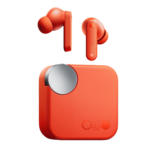
CMF Nothing Buds Pro 2 — best wireless Bluetooth headphones under $40, for Android phones and iPhones. The main reason to buy: dense low-frequency sound for bassheads, a wheel-button on the case for player control, and a quality microphone among budget options under $50. Downsides: average noise cancellation and transparency. With the LDAC codec, we get up to 5% sound improvement.
- Handy scroll wheel button on the case for music control.
- Punchy low-frequency sound
- Detailed microphone for under $40
- Overly bass-heavy sound without EQ
- Average active noise cancellation (ANC) and transparency
- Up to a 5% gain with the LDAC codec
The final sound score is calculated using this formula:
Frequency balance + Detail retrieval + Soundstage + Natural timbre / 4 = Final Sound Score.
. 7.05 The sound is overly bass-heavy, with slightly recessed mids and gorgeous highs. In its sound signature, it remotely resembles the OnePlus Buds 3 or Soundcore Liberty 4 Pro. If you’re a fan of bass-heavy and simultaneously bright sound, you’ll like the CMF Buds Pro 2. And yes friends, the CMF Buds Pro 2 sound slightly better than the $249 Apple AirPods Pro 2.Read more.
Microphone – We assess speech transmission quality by testing the microphone in two main scenarios: quiet and noisy environments.
Quiet environment – This involves recording indoors with minimal background noise. Noisy environment – This means recording outdoors near a six-lane road with maximum traffic noise.
. 8.75 In quiet conditions: 9 In noisy conditions: 8.5Overall feature score — this is the overall score for all device features. This score comes from individual feature ratings (battery life, controls, app, connection stability, and others) and shows how easy and smart the device is for daily use.
. 8.10 Noise cancellation capabilities are enough to muffle light background noise at home or in a quiet office. In transparency mode, talking is difficult, and your own voice echoes inside your head. Battery life is excellent; in our tests at full volume, the earbuds last up to 10 hours and 44 hours with the charging case. Touch controls are present, and accidental touches are ruled out. Controlling the player with the button on the charging case is convenient — you can adjust the volume, pause a track, or resume playback. The app is of reference quality, well-thought-out, and convenient, allowing you to tune the EQ or reassign controls.Read more.
Final build quality score is the overall score for build quality and materials: comfort, durability, and design. It shows how nice the device is to hold and use, and how long it will last.
. 8.07 I liked the build and appearance of the earbuds. The design is simple yet modern. Plus, there are 4 colors to choose from. The fit is good; with the included ear tips, ears get tired after about 2 hours of use.Read more.
5. CMF Headphone Pro 7.57BEST Wireless Headphones for Control Convenience Under $200
Drivers are the drivers in your headphones that are responsible for creating sound.
DD + PM + BA – means that there are several different types of drivers in these headphones.
DD – “Dynamic Driver” dynamic driver (deep bass, natural sound).
PM – “Planar Magnetic Driver” planar driver (wide soundstage and fast response).
BA – “Balanced Armature Driver” armature driver (accuracy and detail retrieval).
BC – “Bone Conduction Driver” or bone-conduction driver, which transmits vibration to the body of the headphones, transmitting sound through the bone/cartilage to the inner ear.
LDAC – high quality, high speed (Sony).
SBC is the basic Bluetooth standard, low quality.
AAC – Apple standard, good quality, low latency.
aptX – Qualcomm standard, good quality, low latency.
LC3/LC3plus – new Bluetooth LE Audio codecs, efficient compression.
Codecs are audio compression formats that affect sound quality and latency.
Headphone battery life is the playback time without recharging, measured in hours. Manufacturers measure without active noise cancellation (ANC), at medium volume (50-70%) and usually with the AAC codec, as these parameters affect battery consumption. Actual time may vary from 1% to 50%, depending on volume, active noise cancellation features enabled, codec (LDAC or other) and environmental conditions (cold, hot). It is important to consider not only the claimed playback time, but also the charging time and fast charging support.
Bluetooth is a wireless data transmission standard.
Support for new audio technologies.
Improved connection stability.
Reduced power consumption.
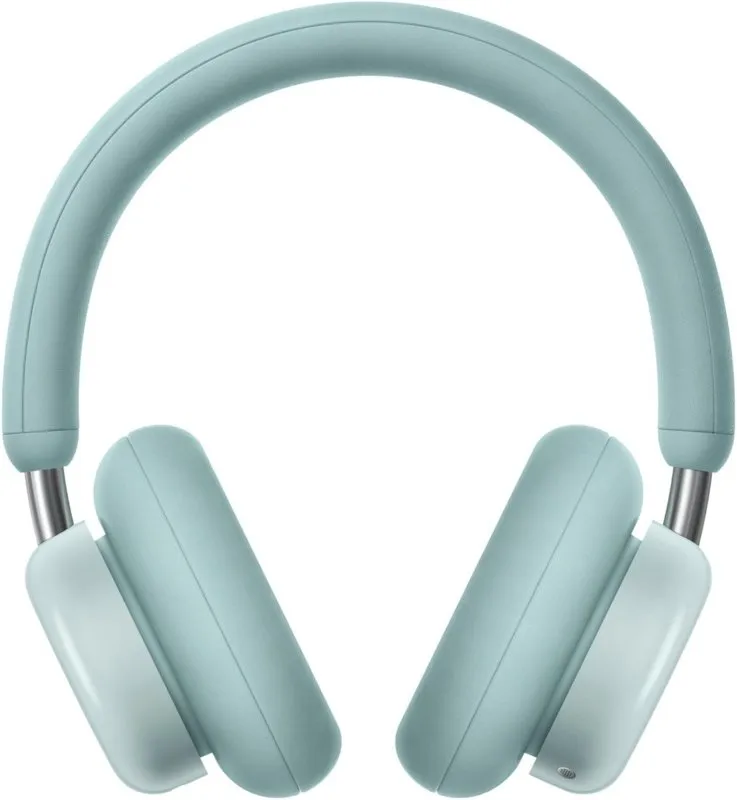
The main reason to buy: engaging sound and convenient adjustment of low or high frequencies with a slider, controls on par with the Nothing Headphone (1) reference, good transparency mode, up to 100 hours of battery life. Downsides: average microphone quality and active noise cancellation, excessive bass out of the box.
- Reference-quality controls among over-ear models
- Convenient sound tuning via slider
- Top-tier transparency mode
- Average microphone
- Excessive bass out of the box
The final sound score is calculated using this formula:
Frequency balance + Detail retrieval + Soundstage + Natural timbre / 4 = Final Sound Score.
. 7.25 Excessively low-frequency with a muffled midrange and subdued highs. This sound gets tiring quickly. At the same time, the sound is spacious, quite detailed, and natural. Moreover, the headphones are amenable to EQ adjustment. Just lower the bass or boost the highs. The dynamic slider on the left earcup helps.More details.
Microphone – We assess speech transmission quality by testing the microphone in two main scenarios: quiet and noisy environments.
Quiet environment – This involves recording indoors with minimal background noise. Noisy environment – This means recording outdoors near a six-lane road with maximum traffic noise.
. 5.75 In quiet conditions: 6.5 In noisy conditions: 5 In quiet conditions, the voice sounds muffled with excessive reverberation. Artifacts resembling an echo are audible. In noisy conditions, the voice is muted while background noise remains distinct and audible. These headphones are not well-suited for calls.Overall feature score — this is the overall score for all device features. This score comes from individual feature ratings (battery life, controls, app, connection stability, and others) and shows how easy and smart the device is for daily use.
. 7.47 Active noise cancellation is enough to muffle light background noise, with passive isolation doing most of the blocking. Transparency mode is comfortable, allowing you to converse freely while wearing the headphones. Battery life matches the manufacturer’s claims and even exceeds them slightly in our tests, reaching 77 hours instead of 70 hours over LDAC. Control performance is top-tierRead more.
Final build quality score is the overall score for build quality and materials: comfort, durability, and design. It shows how nice the device is to hold and use, and how long it will last.
. 8.50 Comfortable, though there is a slight discomfort for the first 20 minutes, after which you get used to them. No complaints about build quality and materials, and the construction feels solid. The only drawback is the fingerprint-prone glossy plastic finish. The headphones look stylish and come in 3 colors. You can optionally buy ear pads in another color and swap them on the go.Read more.
6. CMF buds 2 Plus 7.37Best budget headphones for battery life
Drivers are the drivers in your headphones that are responsible for creating sound.
DD + PM + BA – means that there are several different types of drivers in these headphones.
DD – “Dynamic Driver” dynamic driver (deep bass, natural sound).
PM – “Planar Magnetic Driver” planar driver (wide soundstage and fast response).
BA – “Balanced Armature Driver” armature driver (accuracy and detail retrieval).
BC – “Bone Conduction Driver” or bone-conduction driver, which transmits vibration to the body of the headphones, transmitting sound through the bone/cartilage to the inner ear.
LDAC – high quality, high speed (Sony).
SBC is the basic Bluetooth standard, low quality.
AAC – Apple standard, good quality, low latency.
aptX – Qualcomm standard, good quality, low latency.
LC3/LC3plus – new Bluetooth LE Audio codecs, efficient compression.
Codecs are audio compression formats that affect sound quality and latency.
Headphone battery life is the playback time without recharging, measured in hours. Manufacturers measure without active noise cancellation (ANC), at medium volume (50-70%) and usually with the AAC codec, as these parameters affect battery consumption. Actual time may vary from 1% to 50%, depending on volume, active noise cancellation features enabled, codec (LDAC or other) and environmental conditions (cold, hot). It is important to consider not only the claimed playback time, but also the charging time and fast charging support.
Bluetooth is a wireless data transmission standard.
Support for new audio technologies.
Improved connection stability.
Reduced power consumption.
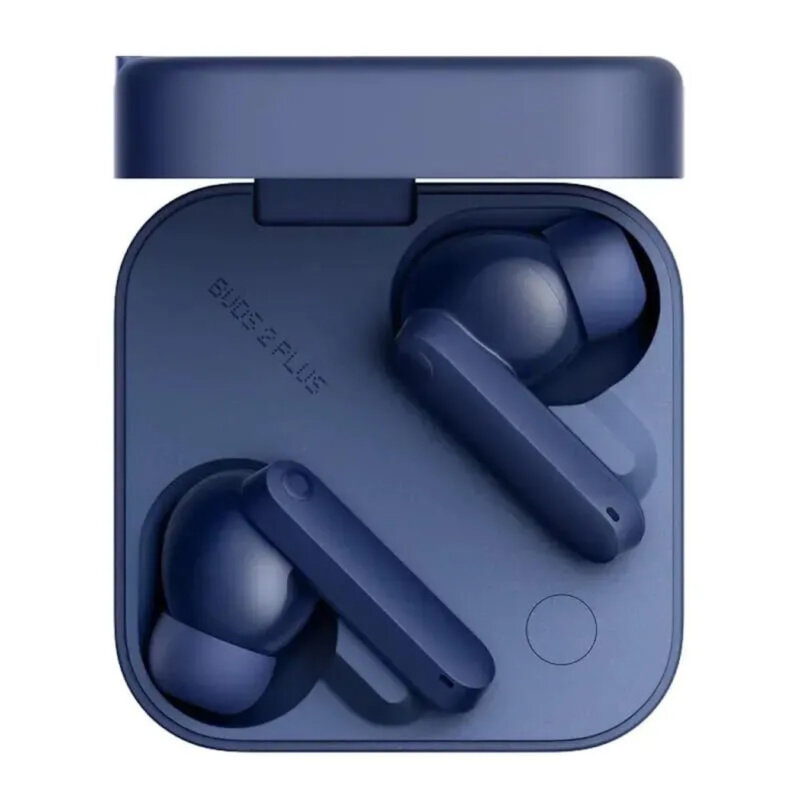
CMF buds 2 Plus — the best budget headphones for battery life, 15 hours with AAC codec and a record among TWS headphones on mychooz.com. Sound and features are comparable to CMF buds 2 Pro. The main difference is the absence of a control button on the case. Therefore, the main reason to buy is if you need long-lasting headphones, a quality microphone, and a bass-heavy sound. With the LDAC codec, the sound improvement is minimal – less than 5%.
- Reference-grade battery life among true wireless earbuds with AAC codec – 15/62 hours
- Potential for sound tuning through personalized sound profiles
- Detailed microphone
- Excessive bass out of the box
- There is no control button on the case like on the 2 Pro.
The final sound score is calculated using this formula:
Frequency balance + Detail retrieval + Soundstage + Natural timbre / 4 = Final Sound Score.
. 6.96 Excessively bass-heavy with recessed mids and muffled highs. The earbuds offer good detail and natural timbre if you dial down the bass a bit. However, the soundstage is disappointing, with imaging mostly limited to width. Out of the box, the sound will appeal only to fans of overloaded bass. But if you lower the bass or run the personalized sound calibration, the sound changes noticeably for the better — gaining more transparency and treble emphasis.Read more.
Microphone – We assess speech transmission quality by testing the microphone in two main scenarios: quiet and noisy environments.
Quiet environment – This involves recording indoors with minimal background noise. Noisy environment – This means recording outdoors near a six-lane road with maximum traffic noise.
. 7.50 In quiet conditions: 9 In noisy conditions: 6Overall feature score — this is the overall score for all device features. This score comes from individual feature ratings (battery life, controls, app, connection stability, and others) and shows how easy and smart the device is for daily use.
. 7.63 Active noise cancellation suppresses up to about half of background noise. It is enough to slightly muffle street or office noise. Conversing in transparency mode is uncomfortable, as your own voice echoes in your head. Controls are convenient, though it lacks the rotatable dial on the case found on the Pro 2. On the other hand, the earbuds offer reference-grade battery life among true wireless earbuds when using the AAC codec. In our tests, the earbuds lasted 15 hours and 62 hours with the case. The companion app sets the standard for usability and stability.Read more.
Final build quality score is the overall score for build quality and materials: comfort, durability, and design. It shows how nice the device is to hold and use, and how long it will last.
. 8.00 I liked the earbuds and the case. The design is simple yet modern. Only 2 colors to choose from. The fit is good, and with the included ear tips, my ears start to get tired close to two hours of use.Read more.
7. Nothing ear (a) Review7.42 7.34Stylish bass-heavy TWS headphones
Drivers are the drivers in your headphones that are responsible for creating sound.
DD + PM + BA – means that there are several different types of drivers in these headphones.
DD – “Dynamic Driver” dynamic driver (deep bass, natural sound).
PM – “Planar Magnetic Driver” planar driver (wide soundstage and fast response).
BA – “Balanced Armature Driver” armature driver (accuracy and detail retrieval).
BC – “Bone Conduction Driver” or bone-conduction driver, which transmits vibration to the body of the headphones, transmitting sound through the bone/cartilage to the inner ear.
LDAC – high quality, high speed (Sony).
SBC is the basic Bluetooth standard, low quality.
AAC – Apple standard, good quality, low latency.
aptX – Qualcomm standard, good quality, low latency.
LC3/LC3plus – new Bluetooth LE Audio codecs, efficient compression.
Codecs are audio compression formats that affect sound quality and latency.
Headphone battery life is the playback time without recharging, measured in hours. Manufacturers measure without active noise cancellation (ANC), at medium volume (50-70%) and usually with the AAC codec, as these parameters affect battery consumption. Actual time may vary from 1% to 50%, depending on volume, active noise cancellation features enabled, codec (LDAC or other) and environmental conditions (cold, hot). It is important to consider not only the claimed playback time, but also the charging time and fast charging support.
Bluetooth is a wireless data transmission standard.
Support for new audio technologies.
Improved connection stability.
Reduced power consumption.
The main reason to buy: unusual design, good battery life — 8.5 and 42 hours with AAC, a convenient and functional app. Other parameters are average or above average, including sound.
- Nice unusual design
- Convenient and functional app
- Most specs are slightly above average, including the sound.
The final sound score is calculated using this formula:
Frequency balance + Detail retrieval + Soundstage + Natural timbre / 4 = Final Sound Score.
. 7.00 The sound profile of the Nothing Ear (a) is balanced, but with certain quirks. The low end is not bad, but there is more of it than needed, making the bass excessive for genres requiring a flatter or less emphasized reproduction. Mids sound natural, but lose transparency in complex vocal tracks. Highs are smooth, reducing brightness and detail in tracks that require more sparkle. These earbuds are better suited for genres where bass and low frequencies play a prominent role.Read more.
Microphone – We assess speech transmission quality by testing the microphone in two main scenarios: quiet and noisy environments.
Quiet environment – This involves recording indoors with minimal background noise. Noisy environment – This means recording outdoors near a six-lane road with maximum traffic noise.
. 7.50 In quiet conditions: 8 In noisy conditions: 7 The Nothing Ear (a) microphones handle quiet rooms well, providing clean and intelligible voice transmission. In noisy environments, issues arise with isolation and sound quality.Overall feature score — this is the overall score for all device features. This score comes from individual feature ratings (battery life, controls, app, connection stability, and others) and shows how easy and smart the device is for daily use.
. 7.58 Noise cancellation suppresses light background noise. Transparency mode is uncomfortable, and your own voice echoes in your head. Battery life in our tests reached 8.5 and 42 hours respectively using the AAC codec. Controls rely on pinching the earbud stem. There are 5 actions available for each earbud. The app is user-friendly with useful features.Read more.
Final build quality score is the overall score for build quality and materials: comfort, durability, and design. It shows how nice the device is to hold and use, and how long it will last.
. 7.83 The earbuds are comfortable and do not cause discomfort after a couple of hours of use. Build quality and materials are spotless. The surface is prone to smudges and scratches easily during daily use. The earbuds look interesting, stylish, and stand out from the competition. Available in 3 colors.Read more.
8. Nothing Ear ( open ) 7.18Comfortable Open-Fit Headphones with Over-Ear Wearing
Drivers are the drivers in your headphones that are responsible for creating sound.
DD + PM + BA – means that there are several different types of drivers in these headphones.
DD – “Dynamic Driver” dynamic driver (deep bass, natural sound).
PM – “Planar Magnetic Driver” planar driver (wide soundstage and fast response).
BA – “Balanced Armature Driver” armature driver (accuracy and detail retrieval).
BC – “Bone Conduction Driver” or bone-conduction driver, which transmits vibration to the body of the headphones, transmitting sound through the bone/cartilage to the inner ear.
LDAC – high quality, high speed (Sony).
SBC is the basic Bluetooth standard, low quality.
AAC – Apple standard, good quality, low latency.
aptX – Qualcomm standard, good quality, low latency.
LC3/LC3plus – new Bluetooth LE Audio codecs, efficient compression.
Codecs are audio compression formats that affect sound quality and latency.
Headphone battery life is the playback time without recharging, measured in hours. Manufacturers measure without active noise cancellation (ANC), at medium volume (50-70%) and usually with the AAC codec, as these parameters affect battery consumption. Actual time may vary from 1% to 50%, depending on volume, active noise cancellation features enabled, codec (LDAC or other) and environmental conditions (cold, hot). It is important to consider not only the claimed playback time, but also the charging time and fast charging support.
Bluetooth is a wireless data transmission standard.
Support for new audio technologies.
Improved connection stability.
Reduced power consumption.
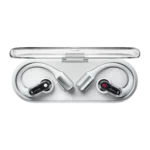
Nothing Ear open – classic open-fit headphones with an over-ear design. The headphones are comfortable, with a signature design and a reference-level microphone. Voice is isolated in noisy environments and remains clear. Not the best sound among open-fit headphones — a lack of detail is felt with the basic codec. Otherwise, they are an excellent option for sports and calls.
- Good sound quality for open-fit earbuds around $100.
- Microphone of excellent quality
- Comfortable design with a secure ear hook fit.
- Signature Nothing design
- The sound can feel a bit low-end heavy.
- Bulky charging case, 3 times larger than usual.
The final sound score is calculated using this formula:
Frequency balance + Detail retrieval + Soundstage + Natural timbre / 4 = Final Sound Score.
. 7.13 Mid-range with moderate bass and subdued highs. Vocals are clear, no noticeable artificiality, just a bit of grain on the cymbals. Detail retrieval is average, and with basic codecs, the sound gets congested with 4+ instruments. The soundstage feels cramped, with detail primarily in width. Out of the box, the sound is boring and sounds distant. But with EQ, the sound is noticeably better, even if you just boost the highs and add a bit of bass. Immediately, more detail is apparent. Nothing Ear ( open ) lands in the MyChooz silver league. And that’s a good result for a model with basic codecs.More details.
Microphone – We assess speech transmission quality by testing the microphone in two main scenarios: quiet and noisy environments.
Quiet environment – This involves recording indoors with minimal background noise. Noisy environment – This means recording outdoors near a six-lane road with maximum traffic noise.
. 9.00 In quiet conditions: 9 In noisy conditions: 9 Highly resolved, minimal interference, and a narrow perceived frequency range. In noisy environments, your voice isolates well while noise gets effectively suppressed.Overall feature score — this is the overall score for all device features. This score comes from individual feature ratings (battery life, controls, app, connection stability, and others) and shows how easy and smart the device is for daily use.
. 6.71 The earbuds lack active noise cancellation and transparency mode. At the same time, there is no tight seal, so your surroundings sound just like they would without them. Battery life stays close to the stated time; in our tests, we got 6-7 hours from the earbuds and up to 30 hours using the charging case. The app feels practical, offering a minimum of necessary features including an advanced EQ. Pinch controls handle media and calls without any accidental touches.Read more.
Final build quality score is the overall score for build quality and materials: comfort, durability, and design. It shows how nice the device is to hold and use, and how long it will last.
. 8.00 The earbuds are comfortable to use, though you might feel slight discomfort from the unusual design. Build quality and materials match flagship standards, with the only annoying flaws being a finish that attracts fingerprints and micro-scratches showing up right away. They look nice, matching the rest of the earbud series, but the design brings nothing new and feels a bit tired. You can choose between two colors: white and blue.Read more.
See where the Nothing and CMF headphones rank in our main rankings:
- TOP 100 Best Headphones
- Best True Wireless Headphones 2026 regardless of price
- Best TWS Headphones under $100 2026
- Best Budget Wireless Headphones under $50 2026
- Best Over-Ear Headphones – TOP Full-Size 2026
- Best Over-Ear Headphones under $100 2026