

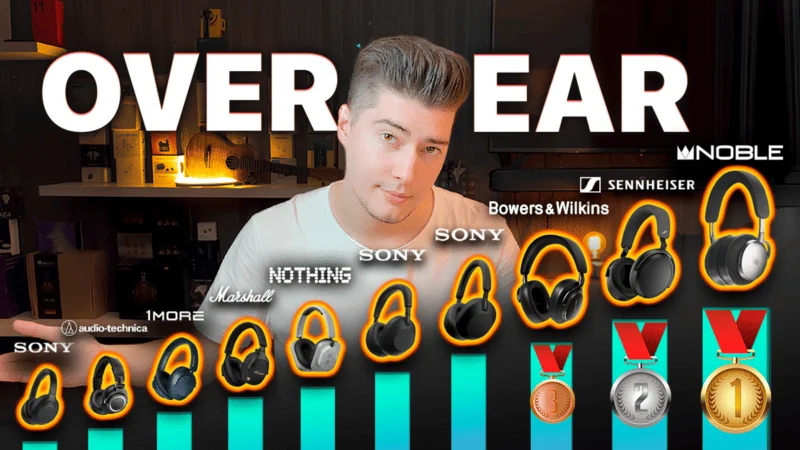
The best over-ear headphones of 2026, ranked by sound quality, comfort, ANC, and value. This Top 10 includes wireless and wired models tested on MyChooz over 12 years, with 50+ models tested in total.
EMMA — Experts + Methodology + MyChoozers + Algorithm.
Every model goes through identical tests; the score is calculated automatically with fixed weights — a spot in the rating cannot be bought.
Top 10 Best Over-Ear Headphones 2026 — Rating:
1. Noble Audio FoKus Apollo 9.12Best over-ear headphones for sound quality with a boom mic.
Drivers are the drivers in your headphones that are responsible for creating sound.
DD + PM + BA – means that there are several different types of drivers in these headphones.
DD – “Dynamic Driver” dynamic driver (deep bass, natural sound).
PM – “Planar Magnetic Driver” planar driver (wide soundstage and fast response).
BA – “Balanced Armature Driver” armature driver (accuracy and detail retrieval).
BC – “Bone Conduction Driver” or bone-conduction driver, which transmits vibration to the body of the headphones, transmitting sound through the bone/cartilage to the inner ear.
LDAC – high quality, high speed (Sony).
SBC is the basic Bluetooth standard, low quality.
AAC – Apple standard, good quality, low latency.
aptX – Qualcomm standard, good quality, low latency.
LC3/LC3plus – new Bluetooth LE Audio codecs, efficient compression.
Codecs are audio compression formats that affect sound quality and latency.
Headphone battery life is the playback time without recharging, measured in hours. Manufacturers measure without active noise cancellation (ANC), at medium volume (50-70%) and usually with the AAC codec, as these parameters affect battery consumption. Actual time may vary from 1% to 50%, depending on volume, active noise cancellation features enabled, codec (LDAC or other) and environmental conditions (cold, hot). It is important to consider not only the claimed playback time, but also the charging time and fast charging support.
Bluetooth is a wireless data transmission standard.
Support for new audio technologies.
Improved connection stability.
Reduced power consumption.
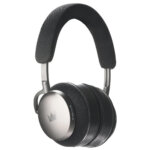
The Noble Audio FoKus Apollo are the best over-ear headphones for sound. They’re especially great for detail retrieval. The main reasons to buy them are the reference-quality sound. The earcups don’t press on your ears. LDAC latency is around 30 ms. They also have a boom mic. It has a switch to quickly turn off all the headphone mics. There aren’t any big downsides. Just consider the price. Also, the highs can be a little harsh. But you can fix that with the EQ.
The built-in microphone isn’t anything special. You can talk with it, but not in noisy places. There’s also this detachable microphone. Let’s hear how it all sounds.
- Reference-level sound
- Top-tier noise cancellation
- Comfortable fit, sturdy and reliable build
- Barely comfortable transparency mode
- Fabric finish collects dust and fine debris
The final sound score is calculated using this formula:
Frequency balance + Detail retrieval + Soundstage + Natural timbre / 4 = Final Sound Score.
. 9.66 The headphones offer the best sound in terms of emotional impact and analytical depth. Bass is deep and not overloaded, mids are open with minimal transparency drop. Reference-quality soundstage, natural timbre, and detail retrieval. Imaging does not shift when instruments appear or fade out. Sound lacks noticeable artificial sheen and grainy treble, and detail is sufficient to catch subtle background artifacts on recordings. Cons – highs lack softness, and excessive percussion in a track gets tiring.Learn more.
Overall feature score — this is the overall score for all device features. This score comes from individual feature ratings (battery life, controls, app, connection stability, and others) and shows how easy and smart the device is for daily use.
. 8.64 Active noise cancellation suppresses up to about 50% of noise, while transparency mode is barely suitable for conversation. Button controls feature basic player and call management. The companion app is user-friendly, featuring a 10-band EQ and personal sound calibration.Learn more.
Final build quality score is the overall score for build quality and materials: comfort, durability, and design. It shows how nice the device is to hold and use, and how long it will last.
. 8.50 The earcups don’t press on your ears, and you’ll start to feel a little tired after 3-4 hours of use. The build quality is flawless, using premium materials. I really liked how these headphones look.Learn more.
2. Sennheiser MOMENTUM 4 Wireless 9.09Best wireless over-ear headphones — in sound and features
Drivers are the drivers in your headphones that are responsible for creating sound.
DD + PM + BA – means that there are several different types of drivers in these headphones.
DD – “Dynamic Driver” dynamic driver (deep bass, natural sound).
PM – “Planar Magnetic Driver” planar driver (wide soundstage and fast response).
BA – “Balanced Armature Driver” armature driver (accuracy and detail retrieval).
BC – “Bone Conduction Driver” or bone-conduction driver, which transmits vibration to the body of the headphones, transmitting sound through the bone/cartilage to the inner ear.
LDAC – high quality, high speed (Sony).
SBC is the basic Bluetooth standard, low quality.
AAC – Apple standard, good quality, low latency.
aptX – Qualcomm standard, good quality, low latency.
LC3/LC3plus – new Bluetooth LE Audio codecs, efficient compression.
Codecs are audio compression formats that affect sound quality and latency.
Headphone battery life is the playback time without recharging, measured in hours. Manufacturers measure without active noise cancellation (ANC), at medium volume (50-70%) and usually with the AAC codec, as these parameters affect battery consumption. Actual time may vary from 1% to 50%, depending on volume, active noise cancellation features enabled, codec (LDAC or other) and environmental conditions (cold, hot). It is important to consider not only the claimed playback time, but also the charging time and fast charging support.
Bluetooth is a wireless data transmission standard.
Support for new audio technologies.
Improved connection stability.
Reduced power consumption.
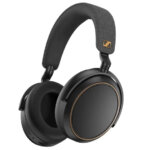
Sennheiser Momentum 4 Wireless are the best wireless over-ear headphones with three main reasons to buy: the best sound under $300, top-tier noise cancellation, and a solid, reliable build. With aptX HD and aptX Adaptive codecs, the sound improvement is only 10-15%, since the audio system already delivers maximum performance on its own. On the downside — the earcup clamping force is above average, so after 1-2 hours of use you’ll need to take a break.
- Best sound under $300
- Top-tier active noise cancellation and reference-quality transparency
- Detailed microphone
- Solid and reliable build
- Ear cups press too hard
The final sound score is calculated using this formula:
Frequency balance + Detail retrieval + Soundstage + Natural timbre / 4 = Final Sound Score.
. 9.55 These over-ear headphones offer the best sound under $300, with pleasant bass, intimate mids, and moderately bright highs. The soundstage is spacious and full-bodied, free of artificiality or noticeable grain, and detailed enough to pick up micro-details. The only minor drawbacks are a slight bass excess, a deficit in the highs, and a touch less transparency than I’d like.Learn more.
Microphone – We assess speech transmission quality by testing the microphone in two main scenarios: quiet and noisy environments.
Quiet environment – This involves recording indoors with minimal background noise. Noisy environment – This means recording outdoors near a six-lane road with maximum traffic noise.
. 9.25 In quiet conditions: 9.5 In noisy conditions: 9 The headphones pack four microphones, two on each earcup, and your voice comes through detailed in recordings. While quality dips in noisy environments, it remains intelligible.Overall feature score — this is the overall score for all device features. This score comes from individual feature ratings (battery life, controls, app, connection stability, and others) and shows how easy and smart the device is for daily use.
. 8.83 The Sennheiser MOMENTUM 4 Wireless offers top-tier active noise cancellation that doesn’t mess with sound quality. Its transparency mode is nearly reference-level, and you get up to 60 hours of battery life, enough for a full week of listening. Controls are a mix, mostly gestures on the right earcup. They take a couple of days to get used to, but navigation becomes convenient. The app is handy for enabling the aptX codec on Android, tweaking the EQ, and adjusting ambient sound settings.Learn more.
Final build quality score is the overall score for build quality and materials: comfort, durability, and design. It shows how nice the device is to hold and use, and how long it will last.
. 8.33 The build is solid and reliable, the finish is slightly prone to fingerprints and smudges. The clamping force is above average, which is fine for 1–2 hours of use, after which you’ll want to take a break. The headphones look great and are available in 5 colors.Read more.
3. Bowers & Wilkins PX8 S2 8.41Large over-ear Bluetooth headphones – stylish and with bright tuning.
Drivers are the drivers in your headphones that are responsible for creating sound.
DD + PM + BA – means that there are several different types of drivers in these headphones.
DD – “Dynamic Driver” dynamic driver (deep bass, natural sound).
PM – “Planar Magnetic Driver” planar driver (wide soundstage and fast response).
BA – “Balanced Armature Driver” armature driver (accuracy and detail retrieval).
BC – “Bone Conduction Driver” or bone-conduction driver, which transmits vibration to the body of the headphones, transmitting sound through the bone/cartilage to the inner ear.
LDAC – high quality, high speed (Sony).
SBC is the basic Bluetooth standard, low quality.
AAC – Apple standard, good quality, low latency.
aptX – Qualcomm standard, good quality, low latency.
LC3/LC3plus – new Bluetooth LE Audio codecs, efficient compression.
Codecs are audio compression formats that affect sound quality and latency.
Headphone battery life is the playback time without recharging, measured in hours. Manufacturers measure without active noise cancellation (ANC), at medium volume (50-70%) and usually with the AAC codec, as these parameters affect battery consumption. Actual time may vary from 1% to 50%, depending on volume, active noise cancellation features enabled, codec (LDAC or other) and environmental conditions (cold, hot). It is important to consider not only the claimed playback time, but also the charging time and fast charging support.
Bluetooth is a wireless data transmission standard.
Support for new audio technologies.
Improved connection stability.
Reduced power consumption.
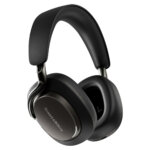
Bowers & Wilkins PX8 S2 are large over-ear Bluetooth headphones. They have deep bass and bright tuning. The main reasons to buy them are the top-tier sound. It’s detailed and natural. They also feature premium quality materials. Plus, the build quality is durable and reliable. This model has no critical flaws.
- Top-tier sound – detailed and natural
- Premium build quality
- Solid and reliable build quality
- Transparency mode and microphone noise reduction are above average.
The final sound score is calculated using this formula:
Frequency balance + Detail retrieval + Soundstage + Natural timbre / 4 = Final Sound Score.
. 8.67 High frequencies carry a cool tint. Bass is precise and detailed, and you can distinguish instruments by timbre. High-frequency instruments are clear, but they’re sharp and quickly become fatiguing—that’s the biggest drawback to the sound. The soundstage also felt a bit cramped. I liked the mids since the sound is open, putting the performer right in front of you with minimal lack of transparency. There’s no noticeable artificiality or grain.Learn more.
Microphone – We assess speech transmission quality by testing the microphone in two main scenarios: quiet and noisy environments.
Quiet environment – This involves recording indoors with minimal background noise. Noisy environment – This means recording outdoors near a six-lane road with maximum traffic noise.
. 7.75 In quiet environments: 8.5 In noisy environments: 7Overall feature score — this is the overall score for all device features. This score comes from individual feature ratings (battery life, controls, app, connection stability, and others) and shows how easy and smart the device is for daily use.
. 7.98 Noise cancellation cuts out about 40% of the sound. Transparency mode lets you talk, even though ambient noise sounds a bit muffled. You get physical buttons for basic media playback and call handling. The companion app only gives you a 5-band EQ and integration with music streaming services as far as truly useful features go.Learn more.
Final build quality score is the overall score for build quality and materials: comfort, durability, and design. It shows how nice the device is to hold and use, and how long it will last.
. 8.40 The headphones feature medium ear cup clamping force, and you’ll want to take a break around the 2nd to 3rd hour of use. Premium-quality materials — leather and metal, flawless build. The headphones look great, available in 2 colors.Read more.
4. Sony WH-1000XM5 8.14Best wireless over-ear headphones with noise cancellation 2026
Drivers are the drivers in your headphones that are responsible for creating sound.
DD + PM + BA – means that there are several different types of drivers in these headphones.
DD – “Dynamic Driver” dynamic driver (deep bass, natural sound).
PM – “Planar Magnetic Driver” planar driver (wide soundstage and fast response).
BA – “Balanced Armature Driver” armature driver (accuracy and detail retrieval).
BC – “Bone Conduction Driver” or bone-conduction driver, which transmits vibration to the body of the headphones, transmitting sound through the bone/cartilage to the inner ear.
LDAC – high quality, high speed (Sony).
SBC is the basic Bluetooth standard, low quality.
AAC – Apple standard, good quality, low latency.
aptX – Qualcomm standard, good quality, low latency.
LC3/LC3plus – new Bluetooth LE Audio codecs, efficient compression.
Codecs are audio compression formats that affect sound quality and latency.
Headphone battery life is the playback time without recharging, measured in hours. Manufacturers measure without active noise cancellation (ANC), at medium volume (50-70%) and usually with the AAC codec, as these parameters affect battery consumption. Actual time may vary from 1% to 50%, depending on volume, active noise cancellation features enabled, codec (LDAC or other) and environmental conditions (cold, hot). It is important to consider not only the claimed playback time, but also the charging time and fast charging support.
Bluetooth is a wireless data transmission standard.
Support for new audio technologies.
Improved connection stability.
Reduced power consumption.
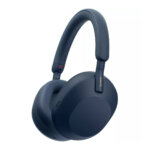
Sony WH-1000XM5 are the best wireless over-ear headphones with noise cancellation in their class. Main reason to buy: best-in-class noise cancellation and transparency mode, signature bass-forward sound, a detailed microphone, and a comfortable fit. With the LDAC codec you get up to 15% better audio quality. One drawback: the hinges can’t handle heavy use and tend to break.
- Noise cancellation and transparency are of reference quality.
- Signature low-frequency sound
- Detailed microphone and comfortable fit
- Best automatic equalizer tuning
- Fragile hinges
- Fingerprint-prone finish
The final sound score is calculated using this formula:
Frequency balance + Detail retrieval + Soundstage + Natural timbre / 4 = Final Sound Score.
. 8.13 These headphones give you that enveloping low-end profile you typically find in this lineup. The soundstage, natural timbre, and detail retrieval stand out as the major strengths. You won’t hear any artificial timbre or grainy treble, and the instrument separation and spatial placement of effects are solid. On the downside, the lows are a bit too much in quantity, giving the tuning a bass-heavy character where bass-heavy tracks sound somewhat boomy, and the vocals lack transparency.Learn more.
Microphone – We assess speech transmission quality by testing the microphone in two main scenarios: quiet and noisy environments.
Quiet environment – This involves recording indoors with minimal background noise. Noisy environment – This means recording outdoors near a six-lane road with maximum traffic noise.
. 7.00 In quiet conditions: 8 In noisy conditions: 6 The headphones pack 8 microphones, though only 4 are used for calls. In quiet conditions, recordings sound detailed, but the opening words are muffled and faint clicks sneak through. Background noise takes a noticeable toll on recording quality, though your words still come across clearly.Overall feature score — this is the overall score for all device features. This score comes from individual feature ratings (battery life, controls, app, connection stability, and others) and shows how easy and smart the device is for daily use.
. 8.53 Active noise cancellation and transparency are reference-grade. Battery life hit 33 hours in our testing, beating the rated 30 hours. The hybrid controls rely mostly on touch gestures on the ear cup. There’s a companion app with clunky navigation and a handy EQ.Learn more.
Final build quality score is the overall score for build quality and materials: comfort, durability, and design. It shows how nice the device is to hold and use, and how long it will last.
. 7.60 The headphones are comfortable, applying minimal pressure, though you’ll still want a break after about 2 hours. I have no complaints about the build quality and materials, but the finish is a fingerprint magnet that needs daily wiping. The hinges are a weak point in the design, frequently breaking right at the ear cup rotation point. You get 5 colors to choose from, and the headphones look good.Read more.
5. Sony WH-1000XM6 8.11Solid large Bluetooth headphones — Sony's latest model
Drivers are the drivers in your headphones that are responsible for creating sound.
DD + PM + BA – means that there are several different types of drivers in these headphones.
DD – “Dynamic Driver” dynamic driver (deep bass, natural sound).
PM – “Planar Magnetic Driver” planar driver (wide soundstage and fast response).
BA – “Balanced Armature Driver” armature driver (accuracy and detail retrieval).
BC – “Bone Conduction Driver” or bone-conduction driver, which transmits vibration to the body of the headphones, transmitting sound through the bone/cartilage to the inner ear.
LDAC – high quality, high speed (Sony).
SBC is the basic Bluetooth standard, low quality.
AAC – Apple standard, good quality, low latency.
aptX – Qualcomm standard, good quality, low latency.
LC3/LC3plus – new Bluetooth LE Audio codecs, efficient compression.
Codecs are audio compression formats that affect sound quality and latency.
Headphone battery life is the playback time without recharging, measured in hours. Manufacturers measure without active noise cancellation (ANC), at medium volume (50-70%) and usually with the AAC codec, as these parameters affect battery consumption. Actual time may vary from 1% to 50%, depending on volume, active noise cancellation features enabled, codec (LDAC or other) and environmental conditions (cold, hot). It is important to consider not only the claimed playback time, but also the charging time and fast charging support.
Bluetooth is a wireless data transmission standard.
Support for new audio technologies.
Improved connection stability.
Reduced power consumption.
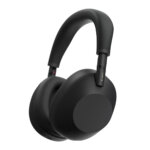
Sony WH-1000XM6 are solid large Bluetooth headphones and the newest model in the series. Main reason to buy: best-in-class noise cancellation and transparency, punchy low-end sound, and the handy “Find My Equalizer” feature that gets your sound dialed in within a couple of taps. LDAC adds 10-12% to overall audio quality. Drawbacks: the ear cups press against your ears and discomfort sets in within the first few minutes; the hinges aren’t built to last and need to be handled with care.
- Reference-level noise cancellation and transparency
- Detailed microphone
- Low-frequency sound signature without bass excess
- Ear cups press on ears
- Hinges require careful handling
- Low detail retrieval
The final sound score is calculated using this formula:
Frequency balance + Detail retrieval + Soundstage + Natural timbre / 4 = Final Sound Score.
. 8.48 Down in the low end, the tuning reminds me of the WH-1000XM4. Vocals sit close, and you can tell the timbres of low-frequency and high-frequency instruments apart. The soundstage expands mostly in width, keeping things free of noticeable artificiality or distortion. It’s a comfortable listen without any major flaws. You just get a slight bass boost, a bit of murkiness in the mids, and a lack of brightness, though a couple of clicks in the app’s EQ can sort that out.Learn more.
Microphone – We assess speech transmission quality by testing the microphone in two main scenarios: quiet and noisy environments.
Quiet environment – This involves recording indoors with minimal background noise. Noisy environment – This means recording outdoors near a six-lane road with maximum traffic noise.
. 7.40 In quiet conditions: 7.8 In noisy conditions: 7Overall feature score — this is the overall score for all device features. This score comes from individual feature ratings (battery life, controls, app, connection stability, and others) and shows how easy and smart the device is for daily use.
. 8.68 The headphones feature reference-level noise cancellation and transparency for over-ear models. Battery life within the series remains unchanged at 30 to 40 hours with noise cancellation enabled. The controls for managing the player and calls rely mostly on touch inputs. The companion app is useful, though its multi-level menu structure is clumsy, and you’ll find it easier to tune the sound using the u0022find your EQu0022 feature across 4 to 5 tonal variants. The signal stays stable up to 10 m using the LDAC codec at quality bitrate.Learn more.
Final build quality score is the overall score for build quality and materials: comfort, durability, and design. It shows how nice the device is to hold and use, and how long it will last.
. 6.33 The clamping force of the headphones is stronger than the previous generation, making them uncomfortable. I can only wear the headphones for an hour before I need to take a break. The build and materials are solid, and I have no complaints. The hinges are the weak part of the headphones and break under heavy load. The design is neat and pleasant. There are 3 colors to choose from.Read more.
6. Nothing Headphone (1) 8.22Nothing's big over-ear headphones
Drivers are the drivers in your headphones that are responsible for creating sound.
DD + PM + BA – means that there are several different types of drivers in these headphones.
DD – “Dynamic Driver” dynamic driver (deep bass, natural sound).
PM – “Planar Magnetic Driver” planar driver (wide soundstage and fast response).
BA – “Balanced Armature Driver” armature driver (accuracy and detail retrieval).
BC – “Bone Conduction Driver” or bone-conduction driver, which transmits vibration to the body of the headphones, transmitting sound through the bone/cartilage to the inner ear.
LDAC – high quality, high speed (Sony).
SBC is the basic Bluetooth standard, low quality.
AAC – Apple standard, good quality, low latency.
aptX – Qualcomm standard, good quality, low latency.
LC3/LC3plus – new Bluetooth LE Audio codecs, efficient compression.
Codecs are audio compression formats that affect sound quality and latency.
Headphone battery life is the playback time without recharging, measured in hours. Manufacturers measure without active noise cancellation (ANC), at medium volume (50-70%) and usually with the AAC codec, as these parameters affect battery consumption. Actual time may vary from 1% to 50%, depending on volume, active noise cancellation features enabled, codec (LDAC or other) and environmental conditions (cold, hot). It is important to consider not only the claimed playback time, but also the charging time and fast charging support.
Bluetooth is a wireless data transmission standard.
Support for new audio technologies.
Improved connection stability.
Reduced power consumption.
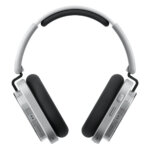
The Nothing Headphone (1) are Nothing’s big over-ear headphones. The main reasons to buy them are the cool design, reference-quality controls, detailed microphone, and top-tier active noise cancellation that rivals leaders like Sony and Bose. With the LDAC codec, you get a 10-15% boost in sound quality. The downsides are average comfort and the need for EQ adjustment. That’s because out of the box, the sound is on par with models under $100.
- Good and balanced sound with EQ
- Microphone is top-notch
- ANC and transparency mode are top-notch
- Controls and app are top-notch!
- Battery life is top-notch!
- Build quality is beautiful, with some nuances.
- Out of the box, the sound quality is comparable to earbuds in the sub-$100 range, and it really needs some EQ tuning.
- A minor gripe: the bass adjustment feature in the app didn’t work for me.
The final sound score is calculated using this formula:
Frequency balance + Detail retrieval + Soundstage + Natural timbre / 4 = Final Sound Score.
. 7.33 This is roughly the result I expected. You can hear that the headphones have the potential to play, that there’s capability there. But the sound was prepared a bit incorrectly. I hope they’ll fix the default EQ with firmware updates. EQ tuning is absolutely essential for this model. Which we’ll get to in a bit. It’s not difficult, you do it once and forget about it.The main plus of the sound is its naturalness and responsiveness to the EQ. If the EQ didn’t fix the situation, this model would be an outsider. With tuning, you can confidently add +1 point out of 10 to the overall rating. The main minus of the sound is that there’s just a little bit of everything missing. Bass, mids, highs. Because of this, it loses a lot in detail retrieval, and the soundstage is also a bit recessed. It’s like sound from behind a wall in the next room. And you want it to be in front of you.
Learn more.
Microphone – We assess speech transmission quality by testing the microphone in two main scenarios: quiet and noisy environments.
Quiet environment – This involves recording indoors with minimal background noise. Noisy environment – This means recording outdoors near a six-lane road with maximum traffic noise.
. 8.50 In quiet conditions: 10 In noisy conditions: 7 They don’t handle noisy environments perfectly, but they still do a good job.Overall feature score — this is the overall score for all device features. This score comes from individual feature ratings (battery life, controls, app, connection stability, and others) and shows how easy and smart the device is for daily use.
. 9.17 The noise cancellation is top-tier, landing it in our TOP 5 among all models. Transparency mode is also excellent, letting you chat with people without taking the headphones off. Battery life is stellar, hitting up to 54 hours with the LDAC codec and an impressive 80 hours with AAC. The controls are incredibly convenient and reference-level, featuring physical buttons and a wheel. The app is equally impressive, offering a handy EQ.Learn more.
Final build quality score is the overall score for build quality and materials: comfort, durability, and design. It shows how nice the device is to hold and use, and how long it will last.
. 9.00 They’re comfortable for 2-3 hours straight, and the durability is also great, even though the finish is a fingerprint magnet. The design is unique, and honestly, they look way better in person than in photos.Read more.
7. Marshall Monitor III ANC 7.82Headphones for large ears, large size – bright style, soft sound, good microphone
Drivers are the drivers in your headphones that are responsible for creating sound.
DD + PM + BA – means that there are several different types of drivers in these headphones.
DD – “Dynamic Driver” dynamic driver (deep bass, natural sound).
PM – “Planar Magnetic Driver” planar driver (wide soundstage and fast response).
BA – “Balanced Armature Driver” armature driver (accuracy and detail retrieval).
BC – “Bone Conduction Driver” or bone-conduction driver, which transmits vibration to the body of the headphones, transmitting sound through the bone/cartilage to the inner ear.
LDAC – high quality, high speed (Sony).
SBC is the basic Bluetooth standard, low quality.
AAC – Apple standard, good quality, low latency.
aptX – Qualcomm standard, good quality, low latency.
LC3/LC3plus – new Bluetooth LE Audio codecs, efficient compression.
Codecs are audio compression formats that affect sound quality and latency.
Headphone battery life is the playback time without recharging, measured in hours. Manufacturers measure without active noise cancellation (ANC), at medium volume (50-70%) and usually with the AAC codec, as these parameters affect battery consumption. Actual time may vary from 1% to 50%, depending on volume, active noise cancellation features enabled, codec (LDAC or other) and environmental conditions (cold, hot). It is important to consider not only the claimed playback time, but also the charging time and fast charging support.
Bluetooth is a wireless data transmission standard.
Support for new audio technologies.
Improved connection stability.
Reduced power consumption.
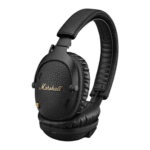
Marshall Monitor III ANC – these are large headphones for large ears with a signature design. The main reasons to buy them are the excellent fit – the earcups don’t press on your ears – clean sound without overpowering bass, and a foldable design that fits into a large pocket. On the downside: they only have basic audio codecs, weak noise cancellation, and a useless app and controls.
- Clean and bright sound without overpowering bass
- Comfortable fit – 5-6 hours without fatigue
- Recognizable design
- No high-quality codecs
- Noise cancellation blocks light background noise
- Useless controls and app
The final sound score is calculated using this formula:
Frequency balance + Detail retrieval + Soundstage + Natural timbre / 4 = Final Sound Score.
. 7.60 Balanced with an emphasis on the mids and highs. The sound is clean and bright, with moderate bass. Because of that, they’re better suited for rock, vocal, and instrumental tracks. The soundstage is spacious with mostly width-focused imaging. There’s no noticeable artificiality, though some graininess creeps in at times. Detail retrieval is a weak spot, and the headphones clearly lack a low-compression codec.Learn more.
Microphone – We assess speech transmission quality by testing the microphone in two main scenarios: quiet and noisy environments.
Quiet environment – This involves recording indoors with minimal background noise. Noisy environment – This means recording outdoors near a six-lane road with maximum traffic noise.
. 8.40 In quiet conditions: 8.8 In noisy conditions: 8Overall feature score — this is the overall score for all device features. This score comes from individual feature ratings (battery life, controls, app, connection stability, and others) and shows how easy and smart the device is for daily use.
. 7.68 Active noise cancellation (ANC) only cuts light background noise, and transparency mode is comfortable. You get controls for music, volume, calls, and listening modes, but you cannot remap the main functions. In the app, the useful features include spatial audio and power-saving settings.Learn more.
Final build quality score is the overall score for build quality and materials: comfort, durability, and design. It shows how nice the device is to hold and use, and how long it will last.
. 8.60 The most comfortable over-ear headphones. They weigh 250 g, and the soft ear pads apply no pressure. After 5 hours of use, I noticed no fatigue. The build is sturdy and compact, so you can fold them up and slip them into a large jacket pocket. I liked the signature, recognizable design.Read more.
8. 1MORE Sonoflow Pro HQ51 7.69Best over-ear headphones under $100 — 100-hour battery, LDAC, solid ANC
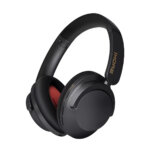
1MORE Sonoflow Pro HQ51 are the best over-ear headphones under $100. Main reason to buy: best sound and noise cancellation in the sub-$100 class, a massive 100-hour battery life, a secure fit that works even for running. The LDAC codec doesn’t noticeably improve audio quality. No dust or water resistance.
- Best sound under $100
- Best noise cancellation under $100
- Long battery life up to 100 hrs.
- They stay put on your head, making them suitable for running.
- Wired sound only via 2.5/3.5mm jack.
- No dust and water resistance.
- Minor drawbacks include an outdated app design, and the LDAC codec’s bitrate doesn’t noticeably affect quality.
The final sound score is calculated using this formula:
Frequency balance + Detail retrieval + Soundstage + Natural timbre / 4 = Final Sound Score.
. 7.28 Leans toward the low end. Bass is powerful, punchy, and reasonably textured. The mids pull back a little — there’s a veil between you and the vocalist. Highs can sometimes feel lacking, but nothing deal-breaking. The frequency tuning is pleasant overall, though I’d recommend dialing in the EQ in the companion app — bump the mids and highs to taste, and roll the bass back a touch. The biggest thing for me, though, is the sense of space and depth. This is a 3D picture — wide and deep. The sound isn’t boring, it pulls you in, and you just keep wanting to listen to your favorite tracks.Read More.
Microphone – We assess speech transmission quality by testing the microphone in two main scenarios: quiet and noisy environments.
Quiet environment – This involves recording indoors with minimal background noise. Noisy environment – This means recording outdoors near a six-lane road with maximum traffic noise.
. 7.20 In quiet conditions: 7.4 In noisy conditions: 7Learn more.
Overall feature score — this is the overall score for all device features. This score comes from individual feature ratings (battery life, controls, app, connection stability, and others) and shows how easy and smart the device is for daily use.
. 7.83 The mic quality is good. Noise cancellation isn’t top-tier like Bose or Sony, but it scores a solid 7.8 out of 10. It suppresses lows well, mids a bit worse, and highs even worse. Transparency gets a 7. It’s not amazing, but you won’t need to take off the headphones to chat either. Battery life hits 100 hours. There’s no wireless charging. The controls are convenient physical buttons, though you’ll need some time to get used to them. I was actually glad for physical buttons, since touch controls on budget models are often just terrible. Here’s the setup: inside the app, you can tweak the EQ, enable the LDAC codec for Android, and turn on low audio latency for gaming.Learn more.
Final build quality score is the overall score for build quality and materials: comfort, durability, and design. It shows how nice the device is to hold and use, and how long it will last.
. 8.50 Comfortable headphones, 1–2 hours without discomfort. Available in 5 colors. Matte plastic. Build quality is solid — no obvious defects after a month of testing. The design echoes older Sony models: not for everyone, but nothing off-putting either.Read More.
9. Audio-Technica ATH-M50xBT2 6.32Studio headphones gone wireless — flat sound, rock-solid build, no ANC
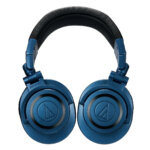
Audio-Technica ATH-M50xBT2 are wireless over-ear headphones with a studio-flat sound signature. Main reason to buy: reference-grade tuning loved by sound engineers, tank-like build quality, and a wired mode that rivals dedicated studio monitors. No active noise cancellation, and the ear pads get hot after an hour.
- Sound close to studio monitor quality.
- Solid and reliable build quality.
- Distinctive design.
- Stable signal and audio latency up to 50 ms.
- Average sound performance.
- No noise cancellation or transparency mode.
- Uncomfortable fit.
The final sound score is calculated using this formula:
Frequency balance + Detail retrieval + Soundstage + Natural timbre / 4 = Final Sound Score.
. 7.21 I found the sound balanced and close to monitor-like, avoiding excessive frequency imbalances with its moderate bass, clear mids, and bright highs. The soundstage is spacious with mostly width-focused imaging. Everything sounds natural without noticeable artificiality, and I noticed minimal grain. Detail retrieval is a bit low, though switching to the LDAC codec gives about a 10% improvement.Learn more.
Microphone – We assess speech transmission quality by testing the microphone in two main scenarios: quiet and noisy environments.
Quiet environment – This involves recording indoors with minimal background noise. Noisy environment – This means recording outdoors near a six-lane road with maximum traffic noise.
. 6.50 In quiet conditions: 8 In noisy conditions: 5Overall feature score — this is the overall score for all device features. This score comes from individual feature ratings (battery life, controls, app, connection stability, and others) and shows how easy and smart the device is for daily use.
. 5.42 These headphones lack active noise cancellation and transparency mode, but they do offer basic controls for playback and calls. You can expect up to 50 hours of battery life. The companion app lets you adjust volume and balance, but be aware that using the EQ will drop the sample rate to 48 kHz when using the LDAC codec.Learn more.
Final build quality score is the overall score for build quality and materials: comfort, durability, and design. It shows how nice the device is to hold and use, and how long it will last.
. 7.67 Uncomfortable — there’s no room inside the ear pads, so the cups press right against your ears. The build quality is solid and reliable, using sturdy plastic that feels like it’s from an era when companies didn’t skimp on materials. The look is uninspiring, yet the design still helps the headphones stand out from generic Chinese options. They’re available in 4 colors.Learn more.
10. Sony WH-1000XM4 7.91Popular over-ear headphones for music – Sony's best-selling model (A Legend)
Drivers are the drivers in your headphones that are responsible for creating sound.
DD + PM + BA – means that there are several different types of drivers in these headphones.
DD – “Dynamic Driver” dynamic driver (deep bass, natural sound).
PM – “Planar Magnetic Driver” planar driver (wide soundstage and fast response).
BA – “Balanced Armature Driver” armature driver (accuracy and detail retrieval).
BC – “Bone Conduction Driver” or bone-conduction driver, which transmits vibration to the body of the headphones, transmitting sound through the bone/cartilage to the inner ear.
LDAC – high quality, high speed (Sony).
SBC is the basic Bluetooth standard, low quality.
AAC – Apple standard, good quality, low latency.
aptX – Qualcomm standard, good quality, low latency.
LC3/LC3plus – new Bluetooth LE Audio codecs, efficient compression.
Codecs are audio compression formats that affect sound quality and latency.
Headphone battery life is the playback time without recharging, measured in hours. Manufacturers measure without active noise cancellation (ANC), at medium volume (50-70%) and usually with the AAC codec, as these parameters affect battery consumption. Actual time may vary from 1% to 50%, depending on volume, active noise cancellation features enabled, codec (LDAC or other) and environmental conditions (cold, hot). It is important to consider not only the claimed playback time, but also the charging time and fast charging support.
Bluetooth is a wireless data transmission standard.
Support for new audio technologies.
Improved connection stability.
Reduced power consumption.
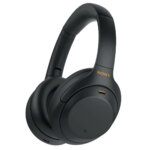
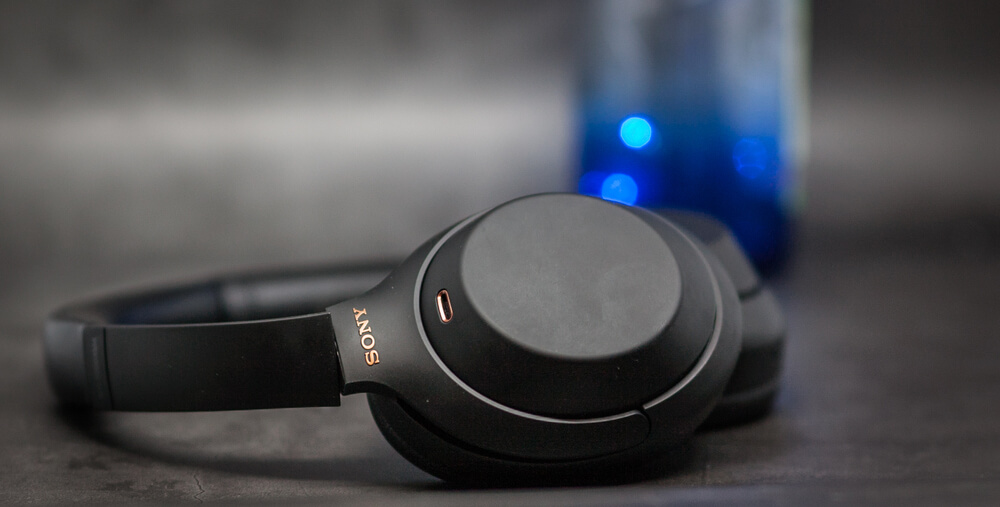
The Sony WH-1000XM4 are popular over-ear headphones for music. They are a true legend among Sony’s full-size headphones. Even though the XM5 and XM6 are out, the XM4 model is still relevant and in demand among Sony fans. For their $235 price, you get quality low-end sound and top-tier noise cancellation. For this money, these are the best over-ear headphones.
The final sound score is calculated using this formula:
Frequency balance + Detail retrieval + Soundstage + Natural timbre / 4 = Final Sound Score.
. 7.08 The sound profile is dark, leaning heavily on the lows with smoothed-out highs. The mids are rich and engaging, making vocals really stand out. Bass is soft and lacks snap, while the highs are short on brightness and clarity. The soundstage is quite wide but feels flat. These are best suited for electronic, hip-hop, and pop music.Learn more.
Frequency balance: This refers to how sound energy is distributed across the entire audible range, from 20 Hz to 20 kHz. It’s not just about covering the full spectrum, but about achieving the right proportions so that the lows, mids, and highs work together harmoniously, without clashing or obscuring important details.
The ideal balance means the bass provides a solid foundation, the mids deliver clear and present vocals, and the highs add sparkle and detail. Frequency balance skew occurs when one or two of these main ranges are either overemphasized or noticeably lacking compared to the others.
. 7.33 It’s bass-heavy, with even mids and smoothed-out highs.Low frequencies, or bass (20 Hz – 250 Hz), form the foundation of music, giving sound depth, weight, and a rhythmic basis.
The ideal balance results in clear, powerful, and well-rounded sound. An **excess** of low frequencies, however, makes music sound muddy and boomy, masks vocals, and quickly fatigues the listener, leading to indistinct overall sound. Conversely, a **shortage** makes music sound thin, weak, and empty, robbing it of warmth and rhythmic foundation, which in turn causes harshness in the mids and highs.
. 7 The bass is noticeably emphasized and well-developed, but it lacks snap, impact, and speed. It’s soft rather than punchy. It’s acceptable for electronic music, but live instruments, like the double bass, don’t sound natural. Plus, other sounds get a ‘bass halo’.The midrange (250 Hz to 4 kHz) is where most musical elements live, and it’s crucial for hearing main melodies, vocals, and instruments.
Too many mids, especially in the upper range, make sound harsh, intrusive, and fatiguing fast. The mix can sound shouty or “boxy.” Conversely, a shortage of mids results in a hollow, recessed sound where vocals and main instruments lose their presence and seem distant, draining the music of energy and overall clarity.
. 8 The mids are rich and softer rather than brighter, which is the most successful part of the sound profile. Vocals are noticeably highlighted and sound quite natural. Overall, the mids are engaging.Highs, or treble (4 kHz – 20 kHz) – these frequencies are responsible for brightness, sparkle, detail, and that sense of ‘air’ in a music mix. This range helps you pick out the finest details, like string overtones, cymbal shimmer, and sibilant sounds in vocals.
An optimal balance makes music sound lively, clean, and open. Too much, however, leads to unnecessary harshness, causes sibilance (overly loud ‘s’ sounds), and makes cymbals sound unpleasantly ‘grainy’ or metallic, quickly fatiguing your ears. Too little, and the entire mix sounds dull, muffled, and ‘closed-in’ (veiled). The sound loses its detail and openness, feeling like you’re listening through a thick filter that robs the music of clarity.
. 7 The highs are smoothed out at the upper end of the range, but they aren’t muffled. They lack brightness and clarity, but there’s no grain or harshness.Detail retrieval – this describes how clearly and distinctly you can hear the tiniest sounds in a mix, like reverb, overtones, quiet instruments, texture, and subtle percussion sounds (such as light hi-hat taps).
Ideal detail retrieval – all subtle sounds are audible, just as they would be at a live performance.Lack: The sound is dull, muted, and veiled, as if you’re listening through a layer of fabric. The musical picture lacks depth, instruments sound flat, and subtle nuances get lost.Excess: The sound becomes unnaturally sharp, aggressive, and glassy. This can manifest as an overemphasis on sibilant sounds and background noise. This kind of sound quickly becomes fatiguing, often due to too much treble above 6 kHz.
. 7 Details get a bit lost in the highs and lows, but not significantly.Naturalness— how authentic and realistic the sound is. It indicates how accurately the sound of voices and musical instruments is reproduced.
Best naturalness – the sound is clean, warm, and lively, without artificial coloration or extraneous noises.
Excess – an excessive amount of distracting sounds like sighs, mechanical noises, rustles, etc.
Lack – the sound feels artificial, colored, or plastic. You lose timbre recognition (instruments don’t sound like they do in real life), and the sound becomes flat and fatiguing due to incorrect equalization or excessive compression.
Soundstage, or stage, refers to the perceived three-dimensional space where instruments and vocals in a musical piece are placed. It’s a virtual soundscape that sound engineers craft during mixing. The stage encompasses width (left-to-right placement), depth (a sense of distance), and height (the feeling of instruments being above or below the horizontal plane).
The best soundstage makes music feel immersive and realistic, letting you pinpoint each element in space—whether it’s to your left or right, closer or further away, or above or below your head. A lack of it results in a monolithic sound, as if everything is coming from a single point, making it difficult to discern the position of each instrument. An excess of it, on the other hand, can make instruments and vocals sound overly distant, causing the musical composition to lose its coherence.
. 7 The soundstage is quite wide for its class. It’s flat, but vocals are pushed forward, creating a slight sense of depth. Sound sources are separated well, and nothing feels congested.Microphone – We assess speech transmission quality by testing the microphone in two main scenarios: quiet and noisy environments.
Quiet environment – This involves recording indoors with minimal background noise. Noisy environment – This means recording outdoors near a six-lane road with maximum traffic noise.
. 8.00 Quiet 8 Noisy 7 The Sony WH-1000XM4 headphones are solid as a headset. Indoors, people on the other end will hear you just fine. Outdoors, they’ll pick up some ambient noise, but your voice will cut through clearly everywhere except in the absolute loudest spots. Voice transmission is good, though not quite as impressive as I’d expect from a flagship. As a bonus, you can enable transparency mode during calls to hear your surroundings and yourself.Overall feature score — this is the overall score for all device features. This score comes from individual feature ratings (battery life, controls, app, connection stability, and others) and shows how easy and smart the device is for daily use.
. 9 Thoughtful touch controls with minimal false triggers. User-friendly Sony Headphones companion app. Reliable Bluetooth connection. Good noise cancellation on par with mid-range $200 models. Up to 30 hours of battery life with ANC on. Good microphone voice transmission.Learn more.

Controls — how easily and reliably the headphones respond to your presses and gestures for pausing, adjusting volume, switching tracks, changing modes, and activating your voice assistant. Good controls feel intuitive, work without fail, and avoid accidental inputs; bad controls will miss commands, lag, or simply ignore your gestures.
. 9 Controls on the Sony WF-1000XM4 are well-designed and convenient. The entire surface of the right ear cup is a touch panel, while the bottom edge of the left features two physical buttons easily pressed with your thumb. The touch sensor has moderate sensitivity, and single taps aren’t used, minimizing false triggers. You won’t need to repeat gestures multiple times either; everything works on the first try.Learn more.
- Touch panel and 2 buttons.
- Full functionality at your fingertips.
- Smart pause is included.
- Voice activation is included.
- Swipe forward/backward — track switching.
- Swipe up/down — volume adjustment. Swipes with a hold are also supported, smoothly raising or lowering the volume until your finger is lifted.
- Double-tap — play/pause, answer/end call.
- Place palm — attention mode: music volume drops to a minimum, and ambient sounds are piped into the headphones.
- Power. Hold for about 3 seconds — turn on/off. Hold for about 7 seconds — activate Bluetooth pairing mode. Single press — announce battery level.
- Custom button. Toggles modes: noise cancellation, transparency, all off. You can reassign this button to trigger your voice assistant in the companion app. Hold — calibration mode. In this mode, the headphones analyze head shape and glasses usage. I noticed no difference in sound or noise cancellation before and after. It is likely a more precise calibration for the wear-detection sensor, but who knows. 😉
The Sony WF-1000XM4 also feature voice activation (Speak-to-Chat). When you start speaking, music pauses, and transparency mode is activated. Microphones pick up your voice and trigger the feature. This is useful when you need to answer someone briefly or ask a question. No need to remove the headphones or place your palm over the touch panel; you just need to start talking. This mode operates reliably: it ignores surrounding voices and sounds. But your own voice triggers it every time. Whether you talk, mumble to yourself, or simply yawn loudly, the pause will trigger. The feature is more intriguing than it is practical. I didn’t need it during testing, but it didn’t get in the way either.
Smart pause also functions reliably almost every time. The sensor is located in the left ear cup: remove it from your ear, and music pauses. Put it back — playback resumes. As mentioned, errors occurred a few times. I took the headphones off — music stopped, hung them around my neck (ear pads and sensor facing down) — playback continued. Both features can be disabled in the app. Let’s discuss it in more detail.
The app, which is the proprietary software you use to tweak sound, controls, noise cancellation, firmware updates, and other features. A good app is stable, well-organized, and actually lets you customize things; a bad one glitches, lacks features, or feels like it’s just there for show.
. 9 The Sony Headphones companion app, which supports the Sony WF-1000XM4, recently received a major update that partially changed its interface and name, though functionality remains largely the same.Learn more.

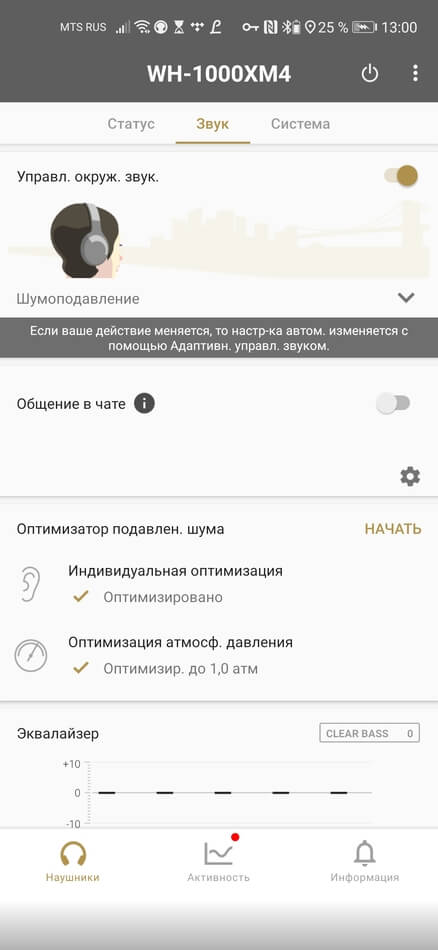
Battery percentage display.
Adaptive Sound Control. Depending on ambient sounds and location, the noise cancellation or transparency level is chosen automatically.
Noise cancellation and transparency control. There are 20 levels. However, noise cancellation has only one setting. The rest are ambient passthrough levels. Voice focus can be added.
Speak-to-Chat. That same voice activation. Translation isn’t ideal, of course. 😉 You can adjust the duration before playback resumes after you stop talking.
Equalizer. Several presets and manual tuning options are available.
Codec selection. Connection quality priority is SBC. Sound quality priority is LDAC. Next, you can select the LDAC mode in your phone’s Bluetooth settings. If LDAC is unavailable, AAC is treated as the sound priority.
360 Reality Audio. Spatial sound emulations. Available in certain apps with a subscription. A promo code for one such subscription is included in the box. I wouldn’t say the effect blows your mind, but it is noticeable. It doesn’t always make music sound better.
DSEE Extreme. Proprietary real-time “enhancement” of compressed file sound quality. In my opinion, these enhancers cause more distortion than benefit. What do you think? Share in the comments.
Turning smart pause, auto-off, and touch panel on/off.
Custom button configuration.
Multipoint connection. There is a catch here. In this mode (multipoint), the LDAC codec cannot be used. A frustrating limitation.
Voice prompt language selection. There are many languages here, so it makes sense to customize it.

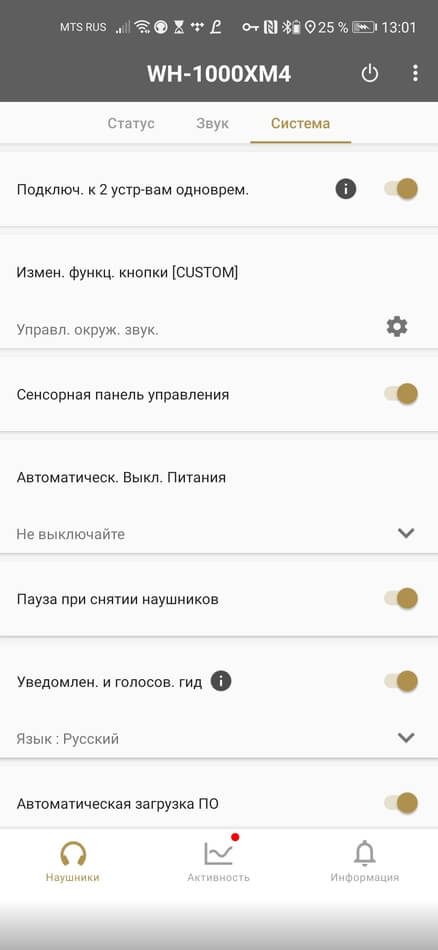
For this experiment, I decided to enable and keep the Russian language. Do not recommend. 😀 Translation oddities like “blutus” can be grating. Though mileage may vary.
Connection stability — how well the headphones hold onto their Bluetooth signal without dropping out, lagging, or glitching in everyday situations like busy streets, public transport, or even at home with a Wi-Fi router nearby. Good stability means the audio won’t stutter when you turn your head or cut out in crowded areas. Poor stability, on the other hand, will show up as frequent dropouts, stuttering, audio-video sync issues, and problems reconnecting.
. 9 The Sony WF-1000XM4 maintained a reliable Bluetooth connection during 2 weeks of testing. There were no issues at home within a 10-meter radius. Outdoors, everything was stable regardless of which pocket the phone was in. All of this applies to the AAC codec.Learn more.
- Bluetooth 5.0, codecs SBC, AAC, LDAC.
- Reliable connection up to 10 meters.
- No video-audio desync on smartphones.
- Multipoint.
- Connection quality is worse using LDAC and other quirks apply.
- Wired listening is supported.
Enabling LDAC changes things. This codec has 2 modes: sound priority and connection priority. Selected in the connected Bluetooth device menu (gear icon next to the name). In sound priority, artifacts sometimes occur even when the phone is sitting right next to you on the table. Outdoors, dropouts happen often enough to switch to connection priority. In this mode, the connection is almost as reliable as AAC, while sound quality is a bit better. There is no video-audio desync when watching videos either.

Active noise cancellation (ANC) lets headphones use microphones and signal processing to cut out external noise like traffic, street hum, or office chatter, so you can hear your music or calls better without cranking the volume. Good ANC significantly cuts low-frequency hum from things like engines or air conditioners, barely presses on your ears, and minimally distorts the sound. Weak ANC, on the other hand, only removes some of the noise or creates an unpleasant “vacuum” effect and artifacts.
. 9 The Sony WF-1000XM4 feature great noise cancellation. They expertly handle low-frequency monotonic hum and many mid-range noises. On public transport, in the subway, near a busy highway — everywhere the ANC ensures comfortable music listening. Noise cancellation operation causes no discomfort, pressure sensations, or similar issues.Learn more.
In direct comparison, I feel that noise cancellation on the Bose Noise Cancelling Headphones 700 is slightly better. It feels more comfortable and handles mid frequencies a bit better. But the difference is a matter of nuance. These two models truly feature the best ANC on the market.
Noise cancellation here is adaptive: it “remembers” places you frequently visit and adjusts system behavior accordingly. For the most part, all this adaptiveness means is an automatic choice between noise cancellation and 20 transparency modes. Some of these modes are particularly interesting: many sounds are let through to keep you aware of surroundings while low-frequency hum is suppressed. The automation operates well, but you can also turn it off. And activate ANC and transparency (maximum) whenever you want.

Battery life is the actual playback time you get from the earbuds and their charging case on a single charge during typical volume and usage scenarios (music, video, calls), not just the marketing numbers. Good battery life means you can easily get through a day or several without needing an outlet, and it doesn’t drop significantly with noise cancellation and high-quality codecs enabled. Poor battery life, on the other hand, requires frequent recharging and noticeably decreases when you crank up the volume.
. 9 The Sony WF-1000XM4 provide long battery life not just on paper, but in my tests as well. After 15 hours of listening with adaptive ANC and LDAC connection, the headphones discharged by about 70%. Meaning they will last 20-25 hours. You certainly won’t need to charge them more than once a week. Fast charging is available along with wired playback when the battery is dead.Learn more.
- Up to 30 h with noise cancellation enabled.
- Up to 38 h with it disabled.
- Full charge in 3 hours.
- Fast charging: 10 minutes for 5 h.
- Auto power off can be configured.
You can figure out remaining battery life by opening the app — the charge level is displayed in percentage. You can press the power button and listen to approximate numbers (something like “above 70%”). Information is also displayed in the “standard place” on the connected device. You can enable auto-off during inactivity to save battery in the app. The only nuance, not even a flaw, is that the headphones will not play music while charging.
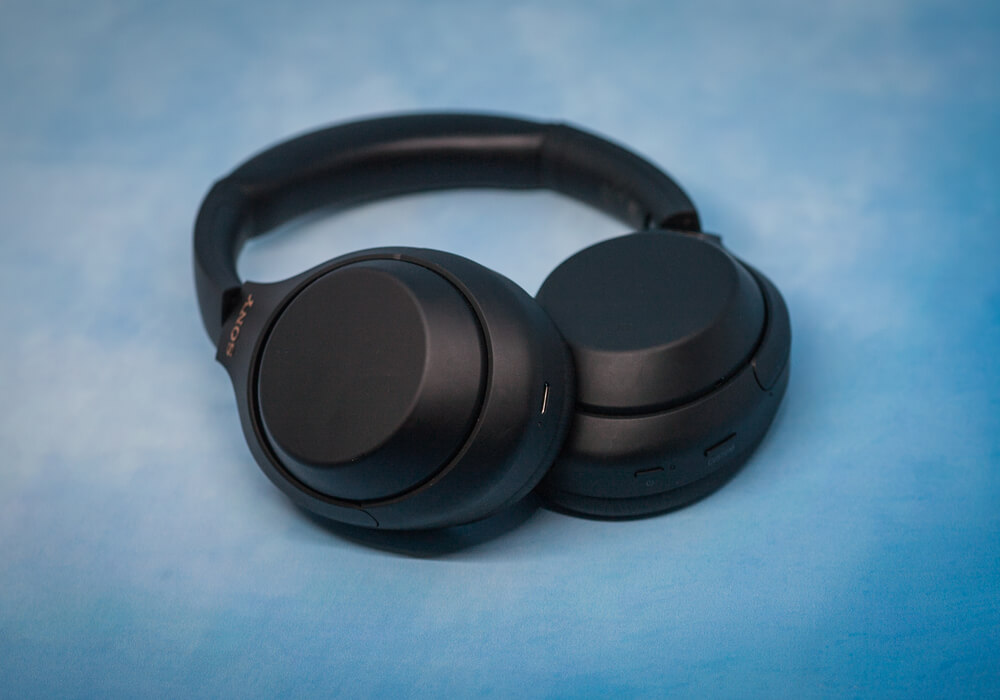
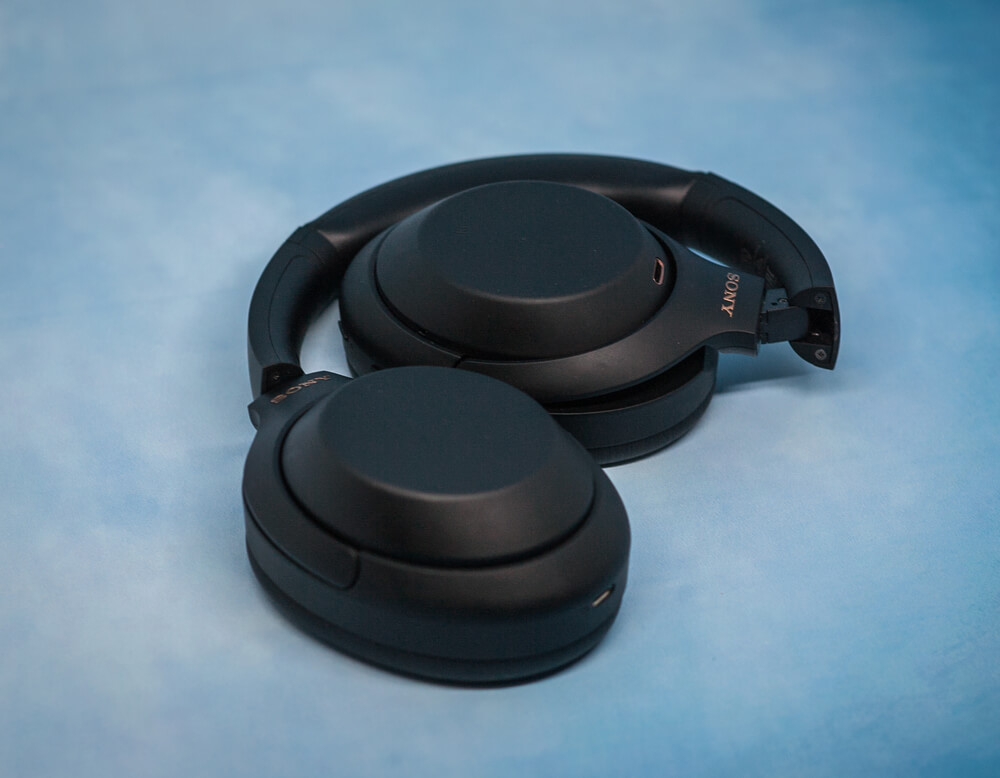
Final build quality score is the overall score for build quality and materials: comfort, durability, and design. It shows how nice the device is to hold and use, and how long it will last.
. 8.33 These headphones sport a stylish design and feel solid, with a foldable construction that keeps them from looking bulky. However, the earcups are made from a fingerprint-magnet plastic. You can get them in either black or platinum silver.Read more.

Comfort is how the earbuds feel during extended wear: ear pressure, fit, weight, and ventilation. A comfortable model doesn’t chafe, squeeze the ear canal or head, and doesn’t cause fatigue even after a couple of hours; an uncomfortable one quickly reminds you of itself through pain, heat, or a “plugged” feeling in the ears.
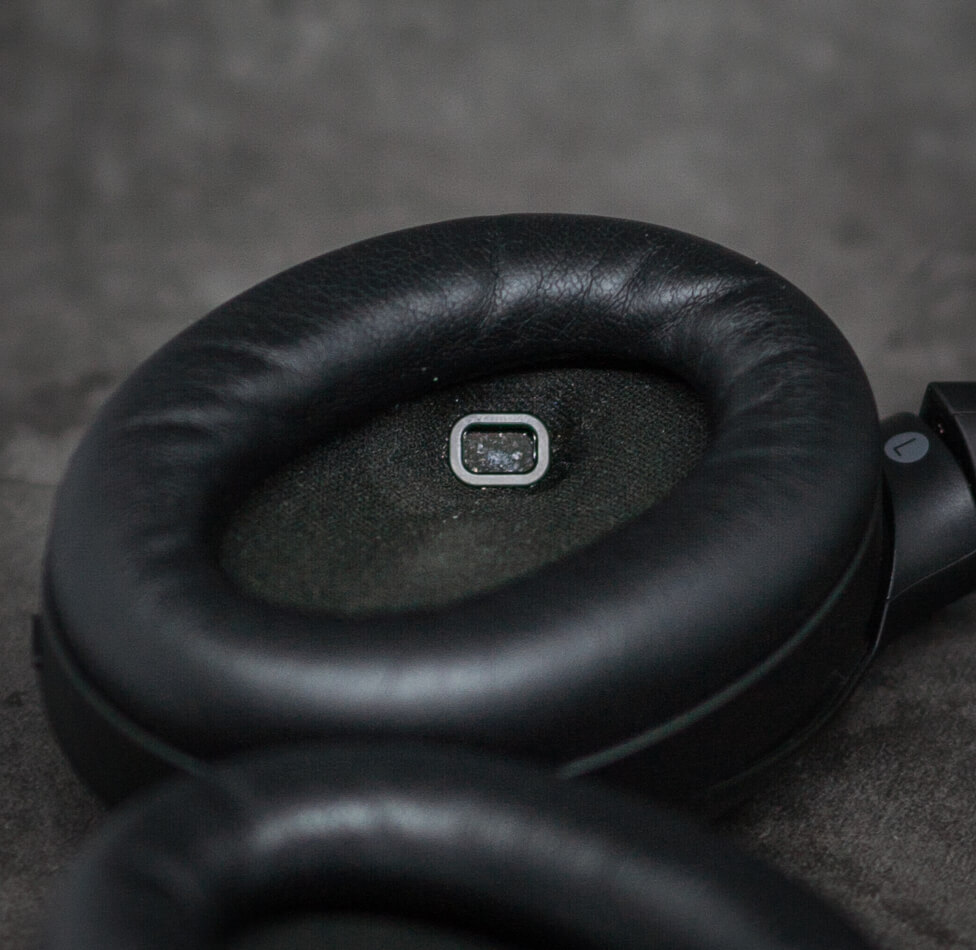
. 9 I found the Sony WH-1000XM4 headphones to be genuinely comfortable. I wore them around the house for about two and a half hours straight without any fatigue. Even during an hour and a half of commuting and walking outside, I didn’t experience any discomfort. The earcups are plenty wide to accommodate most ears. I do have a slight concern about the depth – it’s possible some people’s ears might brush against the bottom of the earcups, but I didn’t run into that issue myself. The earcups are nicely padded, and the headband cushioning is also soft, so they don’t chafe or irritate.Read more.
The clamping force feels about average for portable headphones; they’ll stay put while you’re walking but might shift during a run. The headband adjusts quite a bit, too. In warmer weather, your ears might get a little warm, but that’s pretty standard for closed-back, over-ear models. That said, these earcups seem better ventilated than many competitors. When folded, they’ll easily fit into any backpack. The earcups also swivel, letting you comfortably hang the headphones around your neck with the cups facing down.
Comfort is always subjective. My head and ears are pretty average, so your mileage may vary.


Durability — how well the earbuds and charging case hold up to daily use: This includes the quality of the plastic and hinge, water resistance, wear on the ear tips, and the reliability of connectors and buttons. High durability means nothing is loose, peeling, or cracking after a year or two. Conversely, low durability means you’ll see cracks, looseness, hinge noise, or connection issues after just a couple of months.
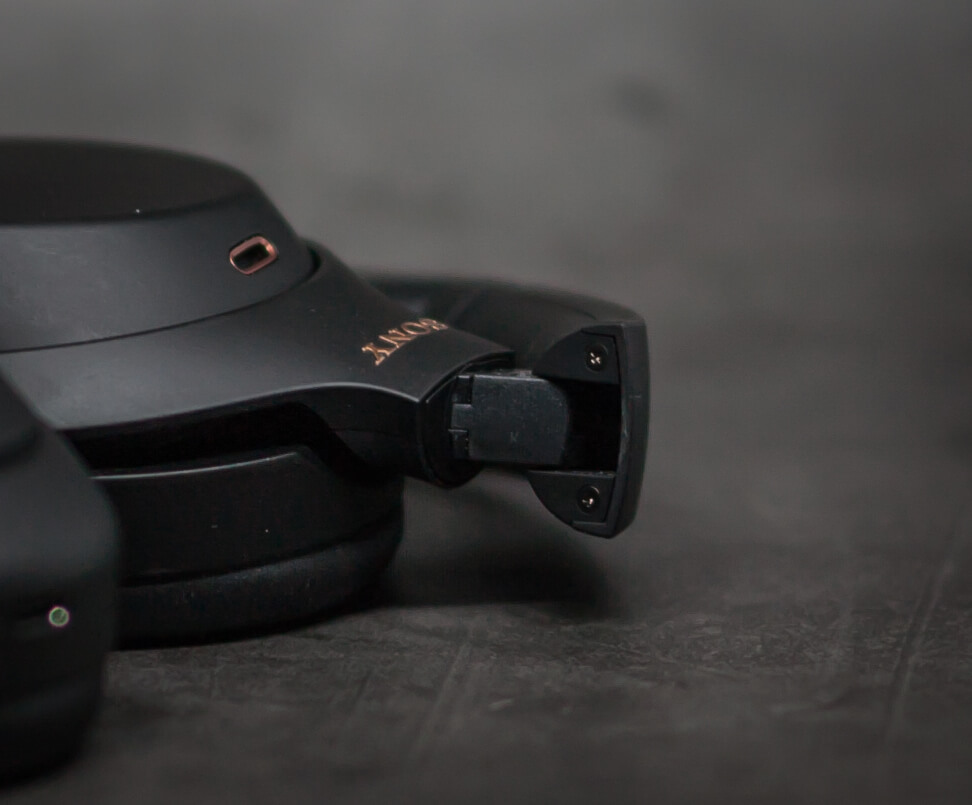
. 8 The build quality is solid, and I have no complaints. Everything looks durable, and I didn’t find any loose parts, rough seams, or creaking. Although some reviews mention the Sony WH-1000XM4’s plastic developing creaks after a few months, that wasn’t an issue during my two weeks of testing.Read more.
How have your headphones held up after a few months? Let me know in the comments.

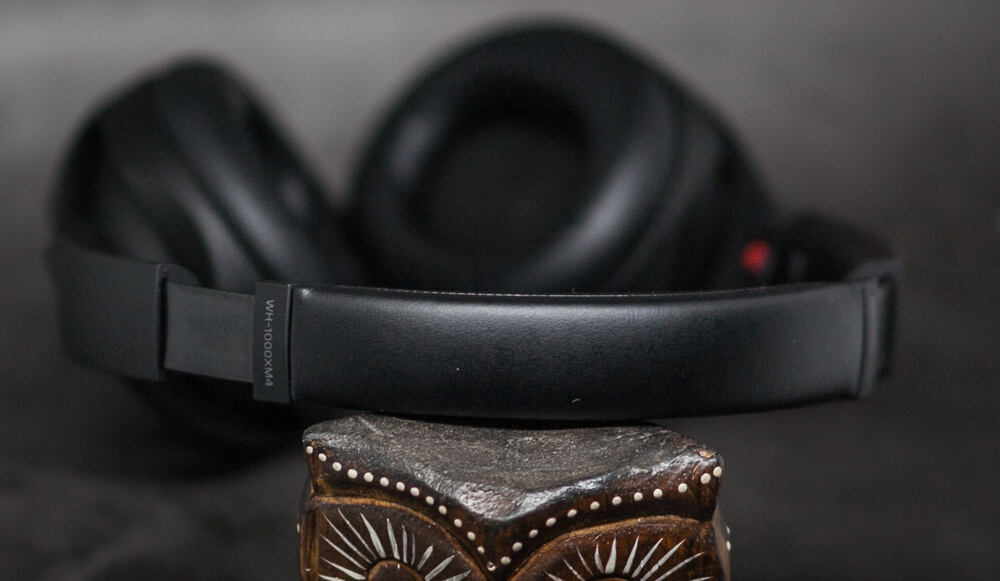
Design – This covers how the earbuds look and how well-thought-out their shape is. I’m talking about how they appear in your ears, how versatile they are with different outfits, and whether they look cheap. A good design blends a neat appearance with a comfortable shape and practical touches, like non-marking plastic or a well-designed charging case. Conversely, a bad design will snag on your clothes, scratch easily, and just look out of place.
. 8 These headphones look stylish with a recognizable design. The primary material is a matte, soft-touch plastic that feels high-quality and sturdy, though it is indeed a fingerprint magnet. Fingerprints show up easily, but they also wipe off without much fuss. The headband is slim with soft padding covered in what feels like faux leather. While the main band is plastic, it has metal reinforcement inside. The earcups fold inward or lay flat. They’re low-profile and oval, protruding only slightly and neatly on the sides when worn. The earpads are also covered in faux leather and appear durable.Read more.
Inside the neat Sony WH-1000XM4 box, you’ll find the headphones, a USB-A to USB-C charging cable, a 3.5mm audio cable, an airplane adapter, a hard carrying case, and documentation. The case is robust with a fabric cover and has dedicated spots for all the accessories, which is a nice touch. I appreciate that the audio cable has 3.5mm jacks on both ends, making replacements easy to find. My only gripe is the charging cable – it’s quite short, and a longer one would be more practical for over-ear headphones.
The Sony WH-1000XM4 headphones come in two colors: black, which I tested, and platinum silver. Basically, classic black and white options.
11. Edifier STAX Spirit S5 7.63Best headphones for codec variety
Drivers are the drivers in your headphones that are responsible for creating sound.
DD + PM + BA – means that there are several different types of drivers in these headphones.
DD – “Dynamic Driver” dynamic driver (deep bass, natural sound).
PM – “Planar Magnetic Driver” planar driver (wide soundstage and fast response).
BA – “Balanced Armature Driver” armature driver (accuracy and detail retrieval).
BC – “Bone Conduction Driver” or bone-conduction driver, which transmits vibration to the body of the headphones, transmitting sound through the bone/cartilage to the inner ear.
LDAC – high quality, high speed (Sony).
SBC is the basic Bluetooth standard, low quality.
AAC – Apple standard, good quality, low latency.
aptX – Qualcomm standard, good quality, low latency.
LC3/LC3plus – new Bluetooth LE Audio codecs, efficient compression.
Codecs are audio compression formats that affect sound quality and latency.
Headphone battery life is the playback time without recharging, measured in hours. Manufacturers measure without active noise cancellation (ANC), at medium volume (50-70%) and usually with the AAC codec, as these parameters affect battery consumption. Actual time may vary from 1% to 50%, depending on volume, active noise cancellation features enabled, codec (LDAC or other) and environmental conditions (cold, hot). It is important to consider not only the claimed playback time, but also the charging time and fast charging support.
Bluetooth is a wireless data transmission standard.
Support for new audio technologies.
Improved connection stability.
Reduced power consumption.
Main reason to buy: a full set of codecs for wireless connectivity, detailed microphone, up to 80 hours of battery life, and natural planar sound. Edifier STAX Spirit S5 offer everything you need for versatile wireless use.
- The sound is precise and natural
- The microphone is great in noise and quiet environments
- The controls are convenient
- The app is decent
- Battery life is 80 h, which is great
- The build feels comfortable and I have no major complaints.
- The sound has a narrow soundstage and a lack of bass
- Active noise cancellation and transparency mode are missing, leaving only passive isolation.
- A couple of downsides: there’s no auto-pause, and they’re only available in black.
The final sound score is calculated using this formula:
Frequency balance + Detail retrieval + Soundstage + Natural timbre / 4 = Final Sound Score.
. 7.67 The sound here is a mixed bag. On one hand, naturalness, detail, mids, and highs are all very good. On the other hand, you get a critical lack of bass, even for planars, and the soundstage is just very narrow. These headphones are definitely not for everyone.Learn more.
Microphone – We assess speech transmission quality by testing the microphone in two main scenarios: quiet and noisy environments.
Quiet environment – This involves recording indoors with minimal background noise. Noisy environment – This means recording outdoors near a six-lane road with maximum traffic noise.
. 8.50 In quiet conditions: 9 In noisy conditions: 8 This is the first model I’ve tested with aptX Voice, and the microphone audio quality is genuinely good.Overall feature score — this is the overall score for all device features. This score comes from individual feature ratings (battery life, controls, app, connection stability, and others) and shows how easy and smart the device is for daily use.
. 7.00 Active noise cancellation is missing, leaving only passive noise isolation, and there’s no transparency mode. You get up to 80 hours of claimed battery life, and the controls rely on standard physical buttons. Through the app, you get a 4-band EQ, codec switching, and bitrate selection.Learn more.
Final build quality score is the overall score for build quality and materials: comfort, durability, and design. It shows how nice the device is to hold and use, and how long it will last.
. 8.50 These headphones are comfortable, and I wore them for three hours straight without any fatigue. The build quality feels solid and reliable, with nothing to complain about. Visually, they’re pretty ordinary.Learn more.
12. Beyerdynamic AVENTHO 300 7.54Good over-ear headphones — best overall package
Drivers are the drivers in your headphones that are responsible for creating sound.
DD + PM + BA – means that there are several different types of drivers in these headphones.
DD – “Dynamic Driver” dynamic driver (deep bass, natural sound).
PM – “Planar Magnetic Driver” planar driver (wide soundstage and fast response).
BA – “Balanced Armature Driver” armature driver (accuracy and detail retrieval).
BC – “Bone Conduction Driver” or bone-conduction driver, which transmits vibration to the body of the headphones, transmitting sound through the bone/cartilage to the inner ear.
LDAC – high quality, high speed (Sony).
SBC is the basic Bluetooth standard, low quality.
AAC – Apple standard, good quality, low latency.
aptX – Qualcomm standard, good quality, low latency.
LC3/LC3plus – new Bluetooth LE Audio codecs, efficient compression.
Codecs are audio compression formats that affect sound quality and latency.
Headphone battery life is the playback time without recharging, measured in hours. Manufacturers measure without active noise cancellation (ANC), at medium volume (50-70%) and usually with the AAC codec, as these parameters affect battery consumption. Actual time may vary from 1% to 50%, depending on volume, active noise cancellation features enabled, codec (LDAC or other) and environmental conditions (cold, hot). It is important to consider not only the claimed playback time, but also the charging time and fast charging support.
Bluetooth is a wireless data transmission standard.
Support for new audio technologies.
Improved connection stability.
Reduced power consumption.
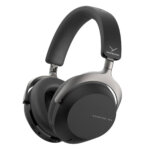
Beyerdynamic AVENTHO 300 are good and reliable over-ear headphones with large ear cushions. Main reason to buy: sturdy plastic build, comfortable fit, detailed sound with natural timbre, and a full set of modern features including multipoint and app support.
- The absolute best build quality you’ll find on any over-ear headphones.
- They respond well to EQ tuning and feature a dozen useful presets.
- You get plenty of headroom, with 70% being the sweet spot for your listening level.
- The soundstage is congested with very little space
- The ear cups clamp down hard enough that you’ll need to take a break after an hour.
- Right out of the box, the sound is a bit dry and lacks both bass and transparency.
- Active noise cancellation lags behind competitors like Sennheiser, Bose, and Sony.
The final sound score is calculated using this formula:
Frequency balance + Detail retrieval + Soundstage + Natural timbre / 4 = Final Sound Score.
. 7.46 The presentation is a bit dry, focusing on the mids and highs. Low and high frequencies remain distinct, and the texture comes through clearly. The artist sounds like they are sitting in a chair right in front of you, practically shouting in your face, yet separated by a barrier like a half-closed door. Detail and accuracy are high with minimal artificiality. The soundstage is the weakest point of the headphones, offering little room, akin to a performance in a small space. Separation is still present in both width and depth. The overall impression remains mixed. On one side, the sound is engaging, but on the other, it feels compressed. It feels like an overwhelming amount of data hits your ears, leaving your brain struggling to process the information. Using the EQ makes the sound cleaner and more spacious, adding emphasis to the lows and highs.Learn more.
Microphone – We assess speech transmission quality by testing the microphone in two main scenarios: quiet and noisy environments.
Quiet environment – This involves recording indoors with minimal background noise. Noisy environment – This means recording outdoors near a six-lane road with maximum traffic noise.
. 6.35 In quiet environments: 7.7 In noisy environments: 5Overall feature score — this is the overall score for all device features. This score comes from individual feature ratings (battery life, controls, app, connection stability, and others) and shows how easy and smart the device is for daily use.
. 7.27 Noise cancellation blocks about 30% of outside sound, and transparency mode works well for conversations. Battery life hit 86 hours in my testing using the aptX Adaptive codec. Controls rely on a mix of buttons and a touch panel, which is handy even though you can’t customize them. The app is straightforward and keeps bloatware out of the picture.Learn more.
Final build quality score is the overall score for build quality and materials: comfort, durability, and design. It shows how nice the device is to hold and use, and how long it will last.
. 8.17 The headphones are large and roomy. At the same time, the earcups clamp down on your ears, causing discomfort after 20 to 30 minutes, and after an hour you’ll want to take a break. The build quality and materials are top-notch, offering rock-solid reliability. They look good and come in black and white.Learn more.
13. Bose QuietComfort Ultra Headphones 7.73Best over-ear headphones for noise cancellation under $300
Drivers are the drivers in your headphones that are responsible for creating sound.
DD + PM + BA – means that there are several different types of drivers in these headphones.
DD – “Dynamic Driver” dynamic driver (deep bass, natural sound).
PM – “Planar Magnetic Driver” planar driver (wide soundstage and fast response).
BA – “Balanced Armature Driver” armature driver (accuracy and detail retrieval).
BC – “Bone Conduction Driver” or bone-conduction driver, which transmits vibration to the body of the headphones, transmitting sound through the bone/cartilage to the inner ear.
LDAC – high quality, high speed (Sony).
SBC is the basic Bluetooth standard, low quality.
AAC – Apple standard, good quality, low latency.
aptX – Qualcomm standard, good quality, low latency.
LC3/LC3plus – new Bluetooth LE Audio codecs, efficient compression.
Codecs are audio compression formats that affect sound quality and latency.
Headphone battery life is the playback time without recharging, measured in hours. Manufacturers measure without active noise cancellation (ANC), at medium volume (50-70%) and usually with the AAC codec, as these parameters affect battery consumption. Actual time may vary from 1% to 50%, depending on volume, active noise cancellation features enabled, codec (LDAC or other) and environmental conditions (cold, hot). It is important to consider not only the claimed playback time, but also the charging time and fast charging support.
Bluetooth is a wireless data transmission standard.
Support for new audio technologies.
Improved connection stability.
Reduced power consumption.
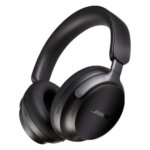
Bose QuietComfort Ultra Headphones are the best over-ear headphones for noise cancellation under $200. These headphones feature the best spatial audio on the market, excellent ANC that blocks virtually everything, and a warm, comfortable sound signature perfect for everyday listening.
- Best noise cancellation under $200
- Reference-quality transparency
- Top-tier wired sound
- Reference spatial sound
- Sound tuning via EQ required
- Weak microphone noise cancellation
The final sound score is calculated using this formula:
Frequency balance + Detail retrieval + Soundstage + Natural timbre / 4 = Final Sound Score.
. 7.58 The tuning leans slightly bass-heavy. You miss out on some transparency and airiness, which leaves the sound a bit muffled and lacking brightness. That said, the artist sounds like they are performing right in front of you. The timbre is natural with no noticeable artificiality, though you’ll hear some grain on the cymbals. Detail retrieval is sufficient to parse the texture, and the soundstage features good instrument separation and width.Learn more.
Microphone – We assess speech transmission quality by testing the microphone in two main scenarios: quiet and noisy environments.
Quiet environment – This involves recording indoors with minimal background noise. Noisy environment – This means recording outdoors near a six-lane road with maximum traffic noise.
. 7.00 In quiet conditions: 9 In noisy conditions: 5 Recordings sound clear in quiet settings, but background noise struggles to get blocked out when things get noisy.Overall feature score — this is the overall score for all device features. This score comes from individual feature ratings (battery life, controls, app, connection stability, and others) and shows how easy and smart the device is for daily use.
. 8.13 The headphones feature top-tier noise cancellation and transparency, a detailed microphone in quiet environments, and weak suppression of loud noise. Battery life reaches up to 18 hours with maximum noise cancellation. The controls are convenient, featuring a volume swipe gesture, and the app is solid, making it worth downloading for the EQ settings and noise cancellation modes. The connection remains stable within 10m.Read more.
Final build quality score is the overall score for build quality and materials: comfort, durability, and design. It shows how nice the device is to hold and use, and how long it will last.
. 7.50 The ear cups clamp down hard, so after just an hour, you’ll want to take a break. They lack dust and water resistance, but the build looks sturdy and reliable. The finish is a fingerprint magnet and hard to clean. You can choose from 5 colors.Learn more.
14. Ugreen Studio Pro 7.37Best budget over-ear wireless headphones — best sound for the price
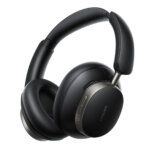
Ugreen Studio Pro are the best budget over-ear headphones, often dropping to $30-35 during AliExpress sales. Main reason to buy: surprisingly good sound quality for the price, comfortable fit, and solid battery life. A steal for anyone who wants full-size wireless headphones without breaking the bank.
- Best sound under $70-80 with EQ
- Reference-grade battery life—up to 120 hours of playback
- The ear cups clamp down on the ears
- The app is rough around the edges and requires manual installation
The final sound score is calculated using this formula:
Frequency balance + Detail retrieval + Soundstage + Natural timbre / 4 = Final Sound Score.
. 7.13 The headphones sound great and easily stand out as the best among budget models. How they sound depends entirely on how you tune the EQ. Their biggest audio strength is the detailed mid-range, keeping vocals and instruments distinct. Detail retrieval is also good, outperforming some models priced up to $70. The main drawback is natural timbre, as the sound feels slightly unnatural with a touch of artificial timbre and grain. The Ugreen Studio Pro is the top choice if you want versatile headphones for various genres. Given the price, this is a genuine hit among budget models under $40.Learn more.
Microphone – We assess speech transmission quality by testing the microphone in two main scenarios: quiet and noisy environments.
Quiet environment – This involves recording indoors with minimal background noise. Noisy environment – This means recording outdoors near a six-lane road with maximum traffic noise.
. 7.50 In quiet conditions: 8 In noisy conditions: 7Learn more.
Overall feature score — this is the overall score for all device features. This score comes from individual feature ratings (battery life, controls, app, connection stability, and others) and shows how easy and smart the device is for daily use.
. 7.46 Decent functionality, with the 120-hour battery life standing out the most. Effective active noise cancellation and an average microphone. The proprietary app is average with many flaws.Read More.
Final build quality score is the overall score for build quality and materials: comfort, durability, and design. It shows how nice the device is to hold and use, and how long it will last.
. 7.83 Build and materials are solid. The ear cups just squeeze a bit.Подробнее.
15. UGREEN HiTune Max5c 6.87Best cheap over-ear headphones under $30
UGREEN HiTune Max5c ($23) are the best cheap over-ear headphones under $30 among all models. These budget full-size headphones offer surprisingly natural sound, decent build quality, and solid battery life — an unbeatable value at this price point.
- Best sound for $30
- Pleasant, intuitive controls
- Good battery life
- Low latency in Game Mode
- No option to change EQ preset settings
- LDAC codec activation only through the app
- Questionable Spatial Audio feature
The final sound score is calculated using this formula:
Frequency balance + Detail retrieval + Soundstage + Natural timbre / 4 = Final Sound Score.
. 7.06 You get a comfortable, tonally natural, lively sound with a bass-heavy tilt. Bass dominates, but it doesn’t get in the way of the other frequencies opening up. Mids are punchy. Highs are comfortable, though they’re the least developed. Switch to the LDAC codec or plug in via cable, and the sound reaches another level.Learn more.
Frequency balance: This refers to how sound energy is distributed across the entire audible range, from 20 Hz to 20 kHz. It’s not just about covering the full spectrum, but about achieving the right proportions so that the lows, mids, and highs work together harmoniously, without clashing or obscuring important details.
The ideal balance means the bass provides a solid foundation, the mids deliver clear and present vocals, and the highs add sparkle and detail. Frequency balance skew occurs when one or two of these main ranges are either overemphasized or noticeably lacking compared to the others.
. 6.93 The frequency response has a gentle waterfall shape with dominant lows, punchy mids, and comfortable highs. Using LDAC flattens out that slope a bit, which helps balance the entire frequency spectrum.Low frequencies, or bass (20 Hz – 250 Hz), form the foundation of music, giving sound depth, weight, and a rhythmic basis.
The ideal balance results in clear, powerful, and well-rounded sound. An **excess** of low frequencies, however, makes music sound muddy and boomy, masks vocals, and quickly fatigues the listener, leading to indistinct overall sound. Conversely, a **shortage** makes music sound thin, weak, and empty, robbing it of warmth and rhythmic foundation, which in turn causes harshness in the mids and highs.
. 6 There’s plenty of low-end, but it stays at an appropriate level so it won’t drown out other ranges and instruments. It builds an immersive, deep atmosphere that envelops you while keeping a fairly well-defined texture.The midrange (250 Hz to 4 kHz) is where most musical elements live, and it’s crucial for hearing main melodies, vocals, and instruments.
Too many mids, especially in the upper range, make sound harsh, intrusive, and fatiguing fast. The mix can sound shouty or “boxy.” Conversely, a shortage of mids results in a hollow, recessed sound where vocals and main instruments lose their presence and seem distant, draining the music of energy and overall clarity.
. 8 You’ll find slightly fewer mids than lows, but nothing gets in the way of their delivery, letting them build a balanced atmosphere alongside the other ranges. They handle stringed instruments, synths, and vocals with ease, making for a pleasant, atmospheric sound.Highs, or treble (4 kHz – 20 kHz) – these frequencies are responsible for brightness, sparkle, detail, and that sense of ‘air’ in a music mix. This range helps you pick out the finest details, like string overtones, cymbal shimmer, and sibilant sounds in vocals.
An optimal balance makes music sound lively, clean, and open. Too much, however, leads to unnecessary harshness, causes sibilance (overly loud ‘s’ sounds), and makes cymbals sound unpleasantly ‘grainy’ or metallic, quickly fatiguing your ears. Too little, and the entire mix sounds dull, muffled, and ‘closed-in’ (veiled). The sound loses its detail and openness, feeling like you’re listening through a thick filter that robs the music of clarity.
. 6.8 The treble range is the least developed here, sitting flatter than the mids and especially the lows. It hovers right at the bare minimum, so you certainly can’t complain that it’s missing. Cymbals ring just enough to keep treble-phobes happy and ensure a comfortable listen.Detail retrieval – this describes how clearly and distinctly you can hear the tiniest sounds in a mix, like reverb, overtones, quiet instruments, texture, and subtle percussion sounds (such as light hi-hat taps).
Ideal detail retrieval – all subtle sounds are audible, just as they would be at a live performance.Lack: The sound is dull, muted, and veiled, as if you’re listening through a layer of fabric. The musical picture lacks depth, instruments sound flat, and subtle nuances get lost.Excess: The sound becomes unnaturally sharp, aggressive, and glassy. This can manifest as an overemphasis on sibilant sounds and background noise. This kind of sound quickly becomes fatiguing, often due to too much treble above 6 kHz.
. 6.8 Detail retrieval is spot-on, especially for a $30 price tag. Instruments feel crisp and full, and most importantly, they sound natural. They might get a bit simplified toward the highs, but gorgeous mids and very good lows make up for it.Naturalness— how authentic and realistic the sound is. It indicates how accurately the sound of voices and musical instruments is reproduced.
Best naturalness – the sound is clean, warm, and lively, without artificial coloration or extraneous noises.
Excess – an excessive amount of distracting sounds like sighs, mechanical noises, rustles, etc.
Lack – the sound feels artificial, colored, or plastic. You lose timbre recognition (instruments don’t sound like they do in real life), and the sound becomes flat and fatiguing due to incorrect equalization or excessive compression.
Soundstage, or stage, refers to the perceived three-dimensional space where instruments and vocals in a musical piece are placed. It’s a virtual soundscape that sound engineers craft during mixing. The stage encompasses width (left-to-right placement), depth (a sense of distance), and height (the feeling of instruments being above or below the horizontal plane).
The best soundstage makes music feel immersive and realistic, letting you pinpoint each element in space—whether it’s to your left or right, closer or further away, or above or below your head. A lack of it results in a monolithic sound, as if everything is coming from a single point, making it difficult to discern the position of each instrument. An excess of it, on the other hand, can make instruments and vocals sound overly distant, causing the musical composition to lose its coherence.
. 7 The soundstage is compact, sitting right inside the head, yet it lacks hard boundaries so it expands spatially in all directions. Sounds have decent decay and don’t vanish instantly, adding to the track’s atmosphere.Microphone – We assess speech transmission quality by testing the microphone in two main scenarios: quiet and noisy environments.
Quiet environment – This involves recording indoors with minimal background noise. Noisy environment – This means recording outdoors near a six-lane road with maximum traffic noise.
. 8.00 In quiet conditions: 8 In noisy conditions: 8 The microphone quality is surprisingly good, performing at a high level for both clarity and general use. You can confidently use it for extended phone calls; people will hear and understand you clearly, whether you’re on a busy street or in a quiet room.Overall feature score — this is the overall score for all device features. This score comes from individual feature ratings (battery life, controls, app, connection stability, and others) and shows how easy and smart the device is for daily use.
. 6.25 ANC at 43dB matches the Sennheiser Momentum 4 pretty closely. Transparency lets you hear your surroundings even better than without headphones. Battery life hits 75 hours without ANC, and 45 hours with LDAC. Control comes via 4 keys, giving you everything you need. The UGREEN Home app works well, though it lacks custom EQ presets. Bluetooth 5.4 holds a stable connection even through 3 walls.Learn more.
Active noise cancellation (ANC) lets headphones use microphones and signal processing to cut out external noise like traffic, street hum, or office chatter, so you can hear your music or calls better without cranking the volume. Good ANC significantly cuts low-frequency hum from things like engines or air conditioners, barely presses on your ears, and minimally distorts the sound. Weak ANC, on the other hand, only removes some of the noise or creates an unpleasant “vacuum” effect and artifacts.
. 4 The strong suit of the UGREEN HiTune Max5c, combined with decent passive noise isolation from its design and 43dB ANC, means you can tune out outside noise entirely. The implementation rivals the Sennheiser Momentum 4, effectively suppressing monotonous sounds. You get 4 tuning options: Gentle, General, Ultra, and Adaptive.Transparency mode uses the earbuds’ microphones to pipe in ambient sound, letting you hear announcements, conversations, or traffic without removing them. A good implementation sounds natural and clear, without adding noise or echo, whereas a poor one makes the outside world sound flat, metallic, or unnervingly quiet.
. 5 The stellar transparency mode lets you hear your surroundings even better than without headphones. Talking with transparency turned on is quite easy and pleasant, as if only the most important sounds are highlighted.Battery life is the actual playback time you get from the earbuds and their charging case on a single charge during typical volume and usage scenarios (music, video, calls), not just the marketing numbers. Good battery life means you can easily get through a day or several without needing an outlet, and it doesn’t drop significantly with noise cancellation and high-quality codecs enabled. Poor battery life, on the other hand, requires frequent recharging and noticeably decreases when you crank up the volume.
. 7 You get 75 hours of playback without ANC, and 45 hours with LDAC. The battery capacity sits at 600 mAh. Fast charging gives you 5 hours of playback from a 5-minute charge, with a full charge taking 1.5 hours. There is no wireless charging. Over a week of testing, the battery dropped to 70%.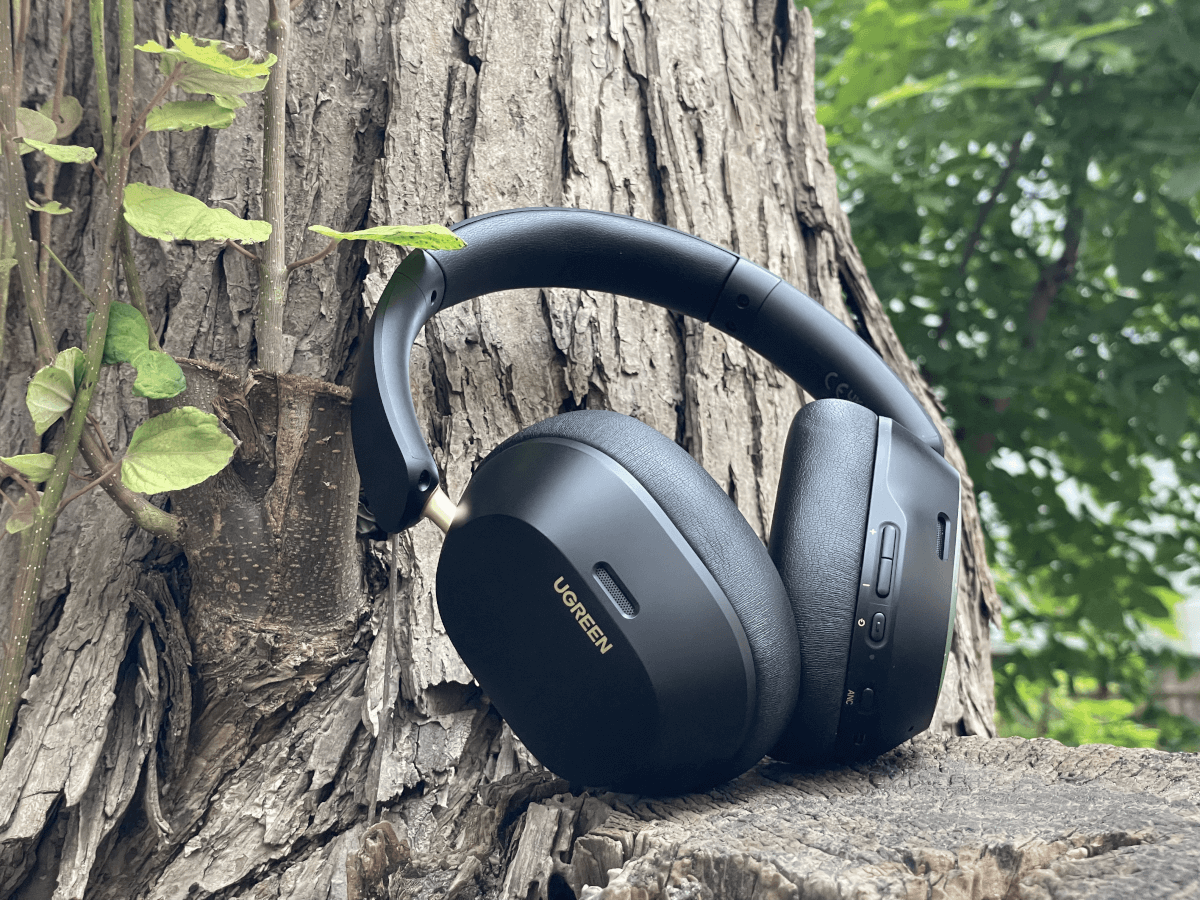
Controls — how easily and reliably the headphones respond to your presses and gestures for pausing, adjusting volume, switching tracks, changing modes, and activating your voice assistant. Good controls feel intuitive, work without fail, and avoid accidental inputs; bad controls will miss commands, lag, or simply ignore your gestures.
. 8 A block of 4 keys handles volume (which skips tracks when held), play/pause and call answering, and ANC/transparency. The layout scores a 9 out of 10, packing everything you need, though it takes a little time to get used to.Learn more.
Control is made easy by a block of 4 keys:
- – Volume +/- buttons that also let you skip tracks when held for 2 seconds
- The power button doubles as play/pause and call answer/reject with a short press
- The ANC/Transparency button works with a single press, and you can also configure it in the app to activate Game Mode and Spatial Audio Mode.

- The headphones lack auto-answer for calls (and I don’t think anyone uses it anyway).
- The same goes for auto-pause; the headphones lack an ear sensor, relying instead on a physical button for pausing.
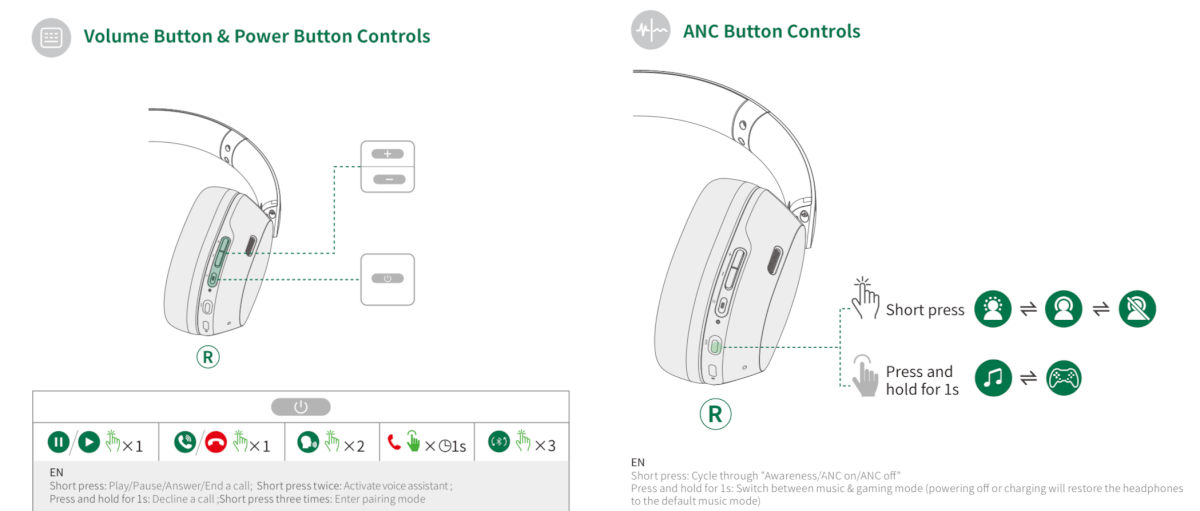
The app, which is the proprietary software you use to tweak sound, controls, noise cancellation, firmware updates, and other features. A good app is stable, well-organized, and actually lets you customize things; a bad one glitches, lacks features, or feels like it’s just there for show.
. 7 UGREEN Home is available for Android and iOS. It offers ANC settings, 8 EQ presets, LDAC activation, and multipoint. It lacks custom EQ presets, offering only 8 ready-made options. The app is necessary for the full experience.Learn more.
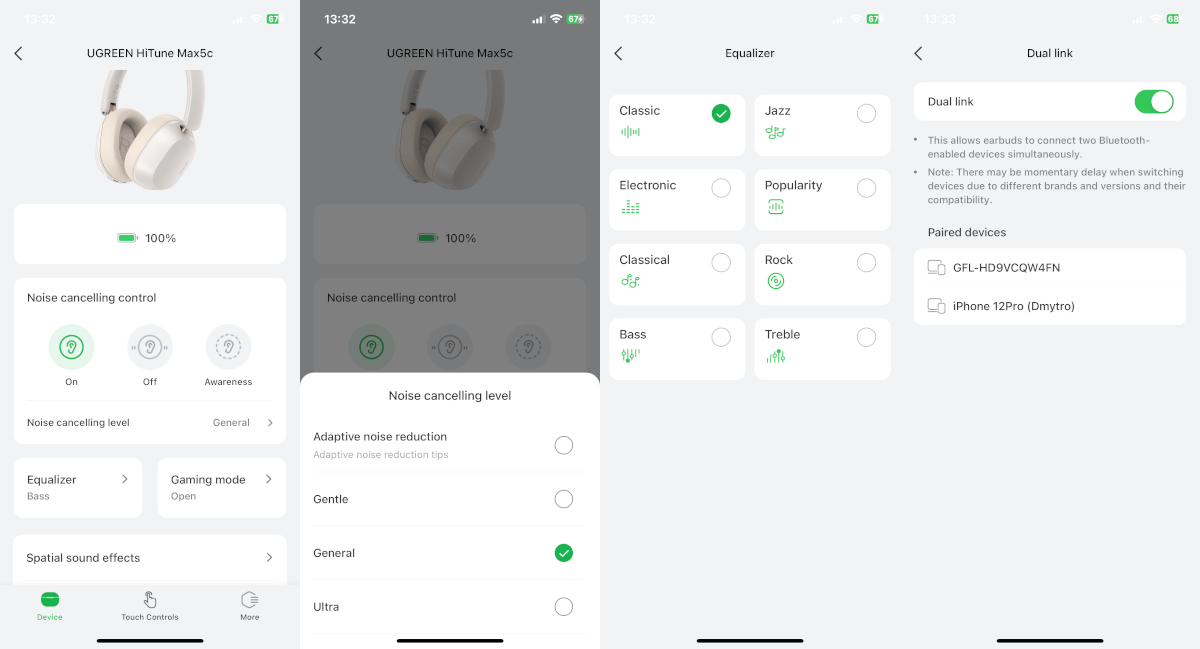
- Battery charge status.
- Control block for noise cancellation and transparency with intensity adjustment.
- EQ preset settings for the equalizer, though unfortunately, your choices are limited to 8 presets with no option to create your own.
I used the “Classic” preset, which introduces minimal distortion, and I recommend it. - Buttons for activating game mode and spatial sound mode.
- There is an option to enable and disable “Dual link” – Multipoint, featuring a list of paired devices, this feature lets you connect the headphones to 2 devices simultaneously, though the LDAC codec is unavailable in this mode. You can configure it in the app.
- Hi-Res audio – the section where you enable the LDAC codec separately, which automatically disables Multipoint since they cannot work together

- A separate menu lets you configure the ANC button functions by assigning actions to single presses, double presses, and press-and-hold gestures.
- In the third tab, you can customize the device name, choose sound notifications in English or tones, update firmware, reset settings to default, and read the manual.

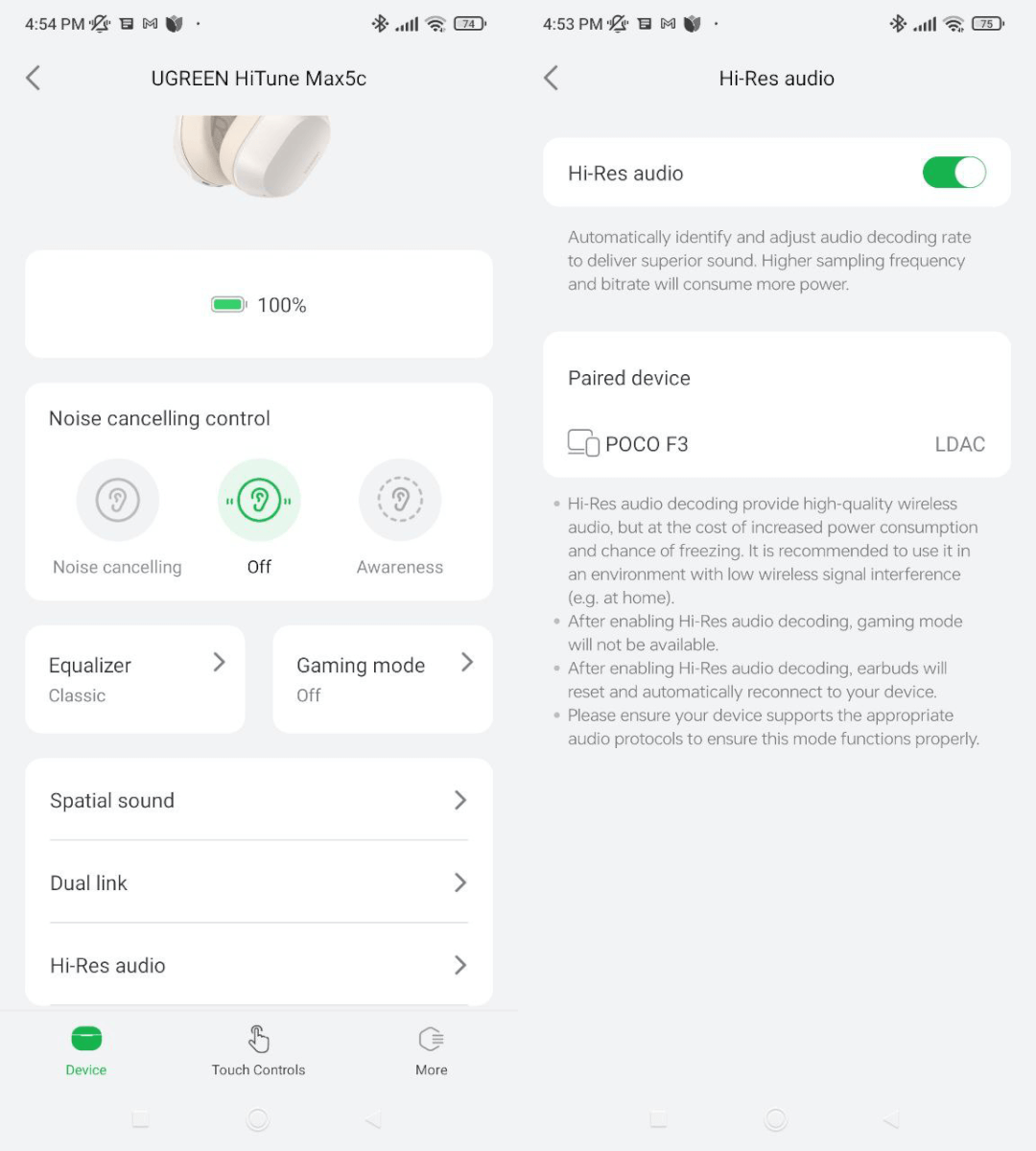
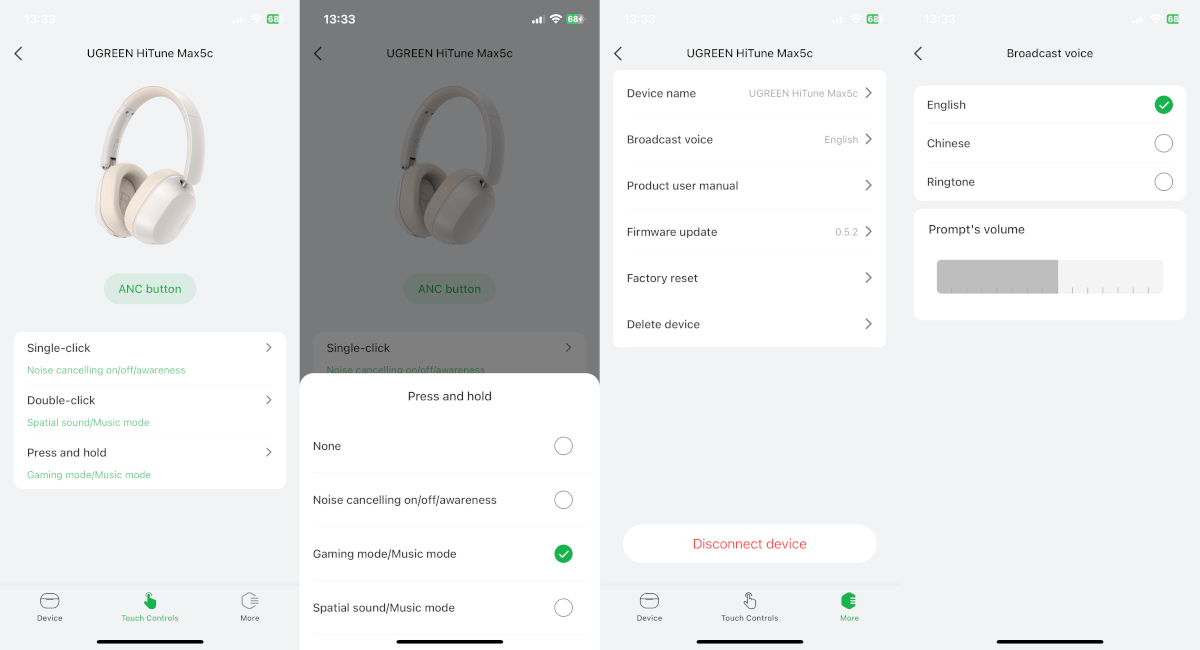
After the initial connection, the headphones defaulted to the Bass EQ profile, so the first thing I did was install the app and switch the preset to Classic. Because of that, you really can’t get by without the app, though overall the setup works well. The only downside is missing the ability to create your own custom EQ preset, which is a bit of a shame.
Connection stability — how well the headphones hold onto their Bluetooth signal without dropping out, lagging, or glitching in everyday situations like busy streets, public transport, or even at home with a Wi-Fi router nearby. Good stability means the audio won’t stutter when you turn your head or cut out in crowded areas. Poor stability, on the other hand, will show up as frequent dropouts, stuttering, audio-video sync issues, and problems reconnecting.
. 10 Bluetooth 5.4 ensures a solid connection, and the headphones maintain signal even through 3 walls. The Bluetooth version is 5.4.Final build quality score is the overall score for build quality and materials: comfort, durability, and design. It shows how nice the device is to hold and use, and how long it will last.
. 7.33 The smart casual design makes them look more expensive than they actually are, featuring soft-touch plastic, faux leather, and an aluminum hinge. They offer a comfortable fit with a weight of roughly 250g. Available in two colors: black and white. The metal hinge is reliable, leaving nothing to break.Learn more.
Comfort is how the earbuds feel during extended wear: ear pressure, fit, weight, and ventilation. A comfortable model doesn’t chafe, squeeze the ear canal or head, and doesn’t cause fatigue even after a couple of hours; an uncomfortable one quickly reminds you of itself through pain, heat, or a “plugged” feeling in the ears.
. 8 At around 250g, the weight falls well within the comfortable range, and they can accommodate any head size. You can walk and run in them, only needing to take them off for exercises where you lie down. The ear pad size presents no issues for sealing over larger ears.Durability — how well the earbuds and charging case hold up to daily use: This includes the quality of the plastic and hinge, water resistance, wear on the ear tips, and the reliability of connectors and buttons. High durability means nothing is loose, peeling, or cracking after a year or two. Conversely, low durability means you’ll see cracks, looseness, hinge noise, or connection issues after just a couple of months.
. 7 After a few weeks of active testing, minor scuffs and scratches appeared on one of the ear cups, though they aren’t noticeable at first glance. The metal hinge dispels any remaining doubts, as there’s nothing here to break.Design – This covers how the earbuds look and how well-thought-out their shape is. I’m talking about how they appear in your ears, how versatile they are with different outfits, and whether they look cheap. A good design blends a neat appearance with a comfortable shape and practical touches, like non-marking plastic or a well-designed charging case. Conversely, a bad design will snag on your clothes, scratch easily, and just look out of place.
. 7 With a smart casual style, they look utilitarian and understated. Matte black plastic, faux leather, and an aluminum hinge combine to look more expensive than their price. Color options include black and white.