

This list of the best wireless headphones features 18 models, chosen from over 900 we’ve tested in the past 12 years. Before we dive into the specific models, I suggest narrowing your search from 100% of the options down to the 5-10% that will actually suit you.
How to choose headphones: Narrow your search tenfold
Should they reproduce your favorite music with high fidelity, block out traffic noise, ensure crystal-clear calls, stay put during workouts, or offer lag-free gaming?
You might have several needs, but it’s best to prioritize one main goal and two or three secondary ones. This directly dictates which features are worth paying for and where you can save.
What design will suit you best?Over-ear headphones completely enclose your ears, in-ear models fit into the ear canal, open-fit earbuds rest in the outer ear, and open designs leave your ear entirely free. Each style impacts sound, comfort, noise isolation, size, and outdoor safety differently.
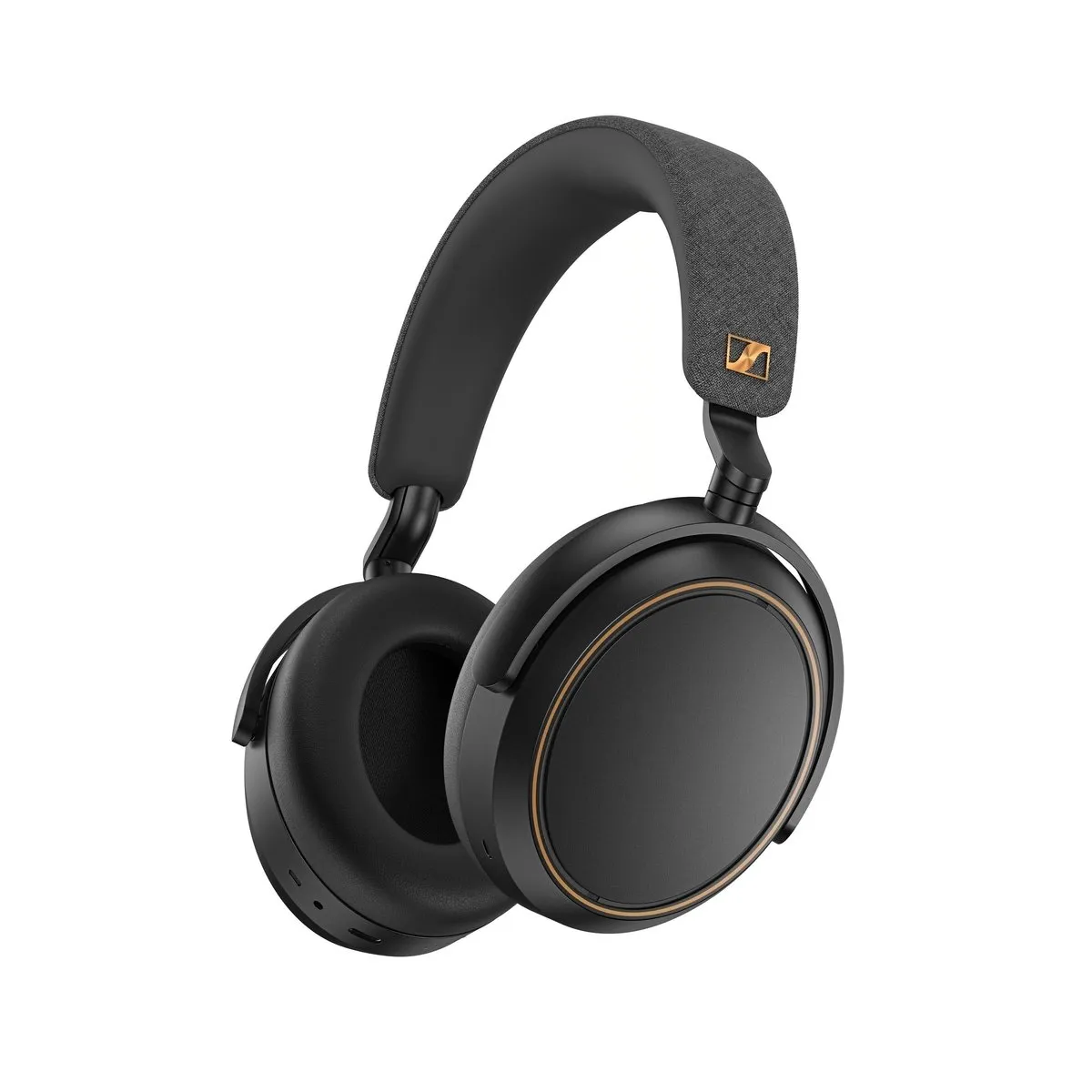
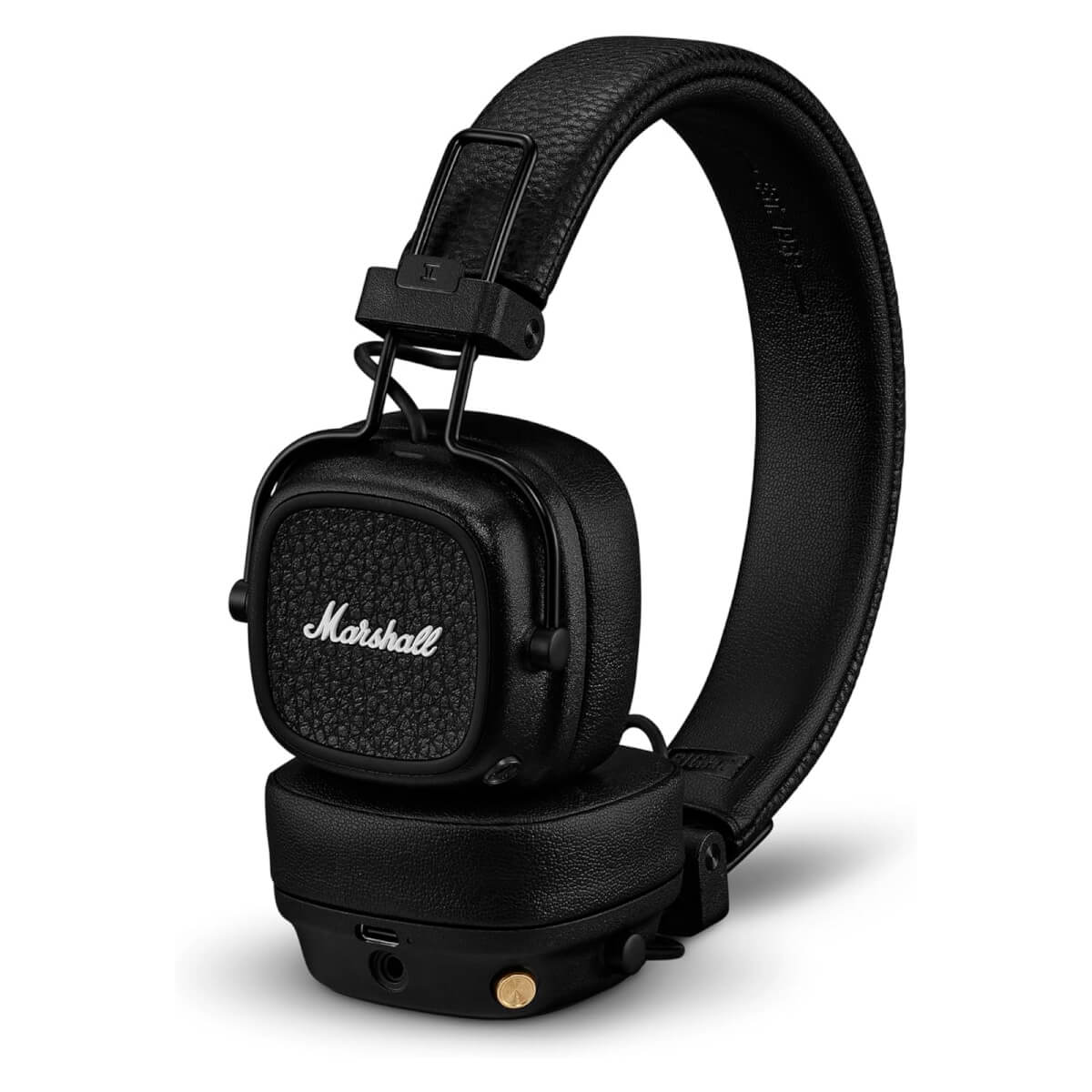
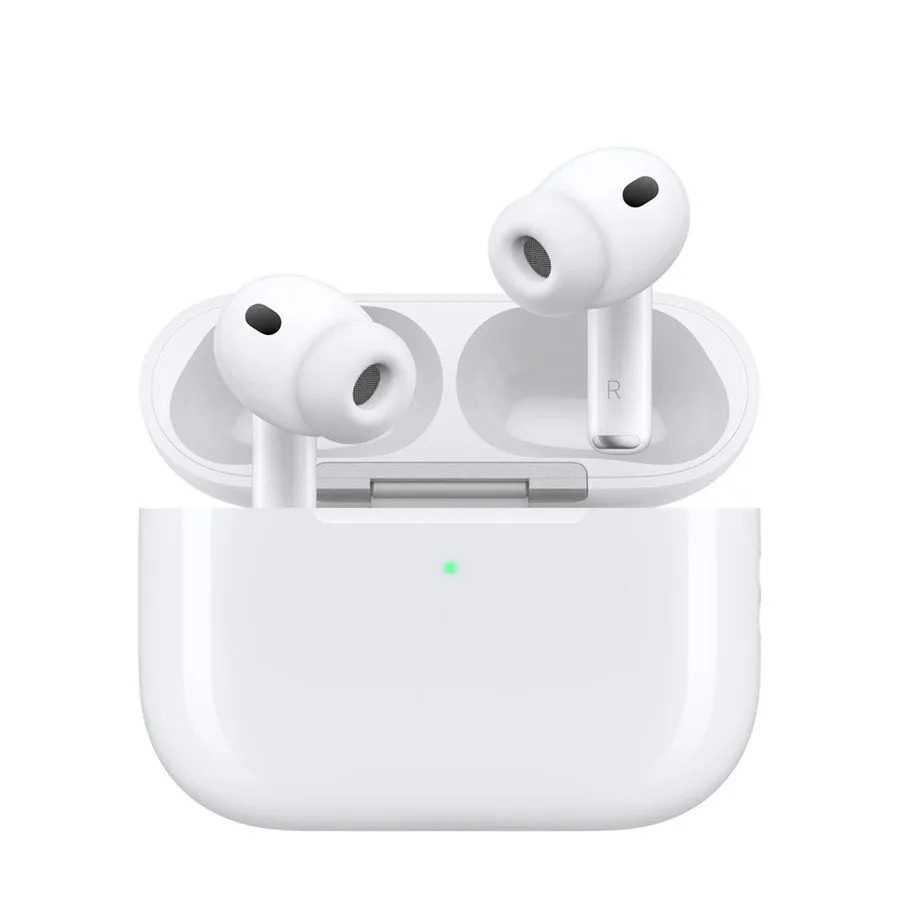
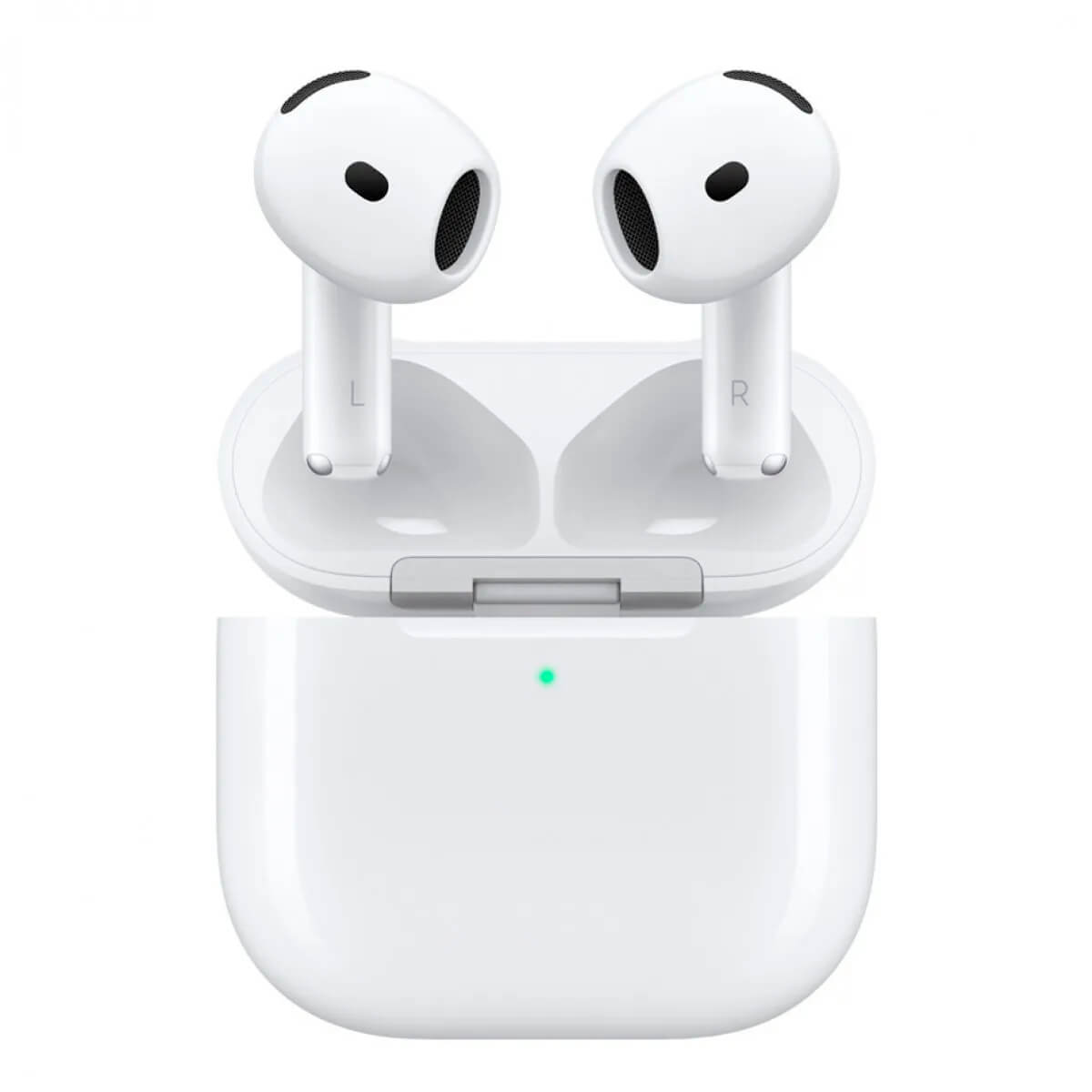
For home, sound and comfort are more important; for transport, active noise cancellation; for sports, a secure fit and water resistance; for the office, a good microphone and connection to multiple devices. A single use case can completely change the list of suitable models.
What will you connect the headphones to?Smartphones, computers, TVs, and game consoles might support different features and Bluetooth codecs. Some headphone functionalities are exclusive to specific ecosystems—for instance, working only with iPhones, Samsung phones, or devices from a particular brand. There’s no point in overpaying for a feature your device doesn’t support.
What’s your budget?Determine not only your maximum budget but also precisely what you’re willing to spend extra on: superior sound, active noise cancellation, a better microphone, enhanced comfort, longer battery life, or additional features. More expensive headphones aren’t always the best fit for your specific needs.
Of course, I can help you in the comments, don’t hesitate to ask.
EMMA — Experts + Methodology + MyChoozers + Algorithm.
Every model goes through identical tests; the score is calculated automatically with fixed weights — a spot in the rating cannot be bought.
TOP-18: Best Wireless Headphones – Ranking 2026
1. Samsung Galaxy Buds 4 Pro 8.99Best Wireless Headphones for Phone – Samsung, Android, and iPhone
Drivers are the drivers in your headphones that are responsible for creating sound.
DD + PM + BA – means that there are several different types of drivers in these headphones.
DD – “Dynamic Driver” dynamic driver (deep bass, natural sound).
PM – “Planar Magnetic Driver” planar driver (wide soundstage and fast response).
BA – “Balanced Armature Driver” armature driver (accuracy and detail retrieval).
BC – “Bone Conduction Driver” or bone-conduction driver, which transmits vibration to the body of the headphones, transmitting sound through the bone/cartilage to the inner ear.
LDAC – high quality, high speed (Sony).
SBC is the basic Bluetooth standard, low quality.
AAC – Apple standard, good quality, low latency.
aptX – Qualcomm standard, good quality, low latency.
LC3/LC3plus – new Bluetooth LE Audio codecs, efficient compression.
Codecs are audio compression formats that affect sound quality and latency.
Headphone battery life is the playback time without recharging, measured in hours. Manufacturers measure without active noise cancellation (ANC), at medium volume (50-70%) and usually with the AAC codec, as these parameters affect battery consumption. Actual time may vary from 1% to 50%, depending on volume, active noise cancellation features enabled, codec (LDAC or other) and environmental conditions (cold, hot). It is important to consider not only the claimed playback time, but also the charging time and fast charging support.
Bluetooth is a wireless data transmission standard.
Support for new audio technologies.
Improved connection stability.
Reduced power consumption.
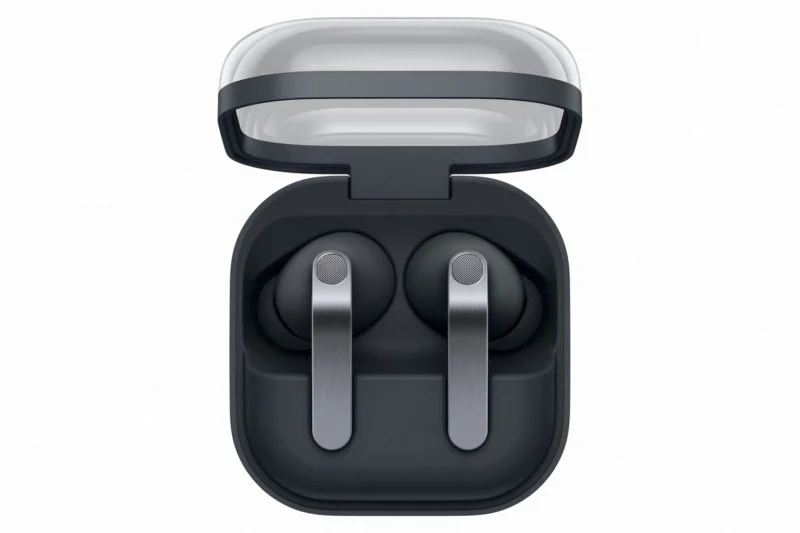
The Samsung Galaxy Buds 4 Pro are a fantastic upgrade over the 3 Pro. They offer reference sound, top-notch functionality, and a very comfortable design. They score 3 out of 3. This applies not only to flagship Samsung devices but to all Android and Apple devices. You get reference transparency mode and excellent noise cancellation, plus a great microphone. They’re like AirPods, but with boosted sound and for every ecosystem.
The downsides include artificial ecosystem limitations for non-Samsung devices: you’ll only get basic codecs with a 15% quality drop, no low-latency mode, no translator or voice assistant, no spatial audio, no Auracast, and no seamless device switching. There are minor flaws in the high-frequency sound. Otherwise, they’re just TOP.
- Top-tier sound, reference-grade with the proprietary SSC UHD codec.
- Includes a translator, voice assistant, and spatial audio.
- Reference-grade transparency, activation by pronouncing your name.
- The SSC UHD codec, translator, voice assistant, and spatial audio only work on Samsung flagship devices.
- No companion app for Apple.
The final sound score is calculated using this formula:
Frequency balance + Detail retrieval + Soundstage + Natural timbre / 4 = Final Sound Score.
. 9.13 A massive soundstage, punchy bass, and forward vocals that stay distinct from other instruments, paired with gorgeous detail retrieval. The main downside of the sound is probably the highs, as I found them slightly lacking in both quality and quantity. The main plus of the sound is everything else, and the soundstage is a literal reference-quality 10 out of 10.Learn more.
Microphone – We assess speech transmission quality by testing the microphone in two main scenarios: quiet and noisy environments.
Quiet environment – This involves recording indoors with minimal background noise. Noisy environment – This means recording outdoors near a six-lane road with maximum traffic noise.
. 9.50 In quiet environments: 10 In noisy environments: 9 Gorgeous quality, turned out better than the Galaxy Buds 3 Pro. Fell just short of the reference set by Huawei.Overall feature score — this is the overall score for all device features. This score comes from individual feature ratings (battery life, controls, app, connection stability, and others) and shows how easy and smart the device is for daily use.
. 9.25 Active noise cancellation is excellent — 9 out of 10, sitting just behind the AirPods Pro 3 reference. It handles street noise, laptop hum, and PC fans well. Transparency is reference-grade with a slight sense of digital processing. Battery life in our tests on basic codecs is 8-10 hours. Controls are touch-based, with voice control for the player and calls. The companion app is user-friendly and available exclusively for Android devices. Some features are restricted to Samsung devices only.Learn more.
Final build quality score is the overall score for build quality and materials: comfort, durability, and design. It shows how nice the device is to hold and use, and how long it will last.
. 8.25 The earbuds are very comfortable, and the charging case is compact. After a couple of hours of use, there is only minor fatigue. The build is solid and reliable, though the finish is a fingerprint magnet. Available in 3 colors: gray, white, and rose gold. Personally, I liked the design, but part of our team did not. How about you?Learn more.
2. Technics EAH-AZ100 8.88Best wireless headphone sound 2026 – the best for music!
Drivers are the drivers in your headphones that are responsible for creating sound.
DD + PM + BA – means that there are several different types of drivers in these headphones.
DD – “Dynamic Driver” dynamic driver (deep bass, natural sound).
PM – “Planar Magnetic Driver” planar driver (wide soundstage and fast response).
BA – “Balanced Armature Driver” armature driver (accuracy and detail retrieval).
BC – “Bone Conduction Driver” or bone-conduction driver, which transmits vibration to the body of the headphones, transmitting sound through the bone/cartilage to the inner ear.
LDAC – high quality, high speed (Sony).
SBC is the basic Bluetooth standard, low quality.
AAC – Apple standard, good quality, low latency.
aptX – Qualcomm standard, good quality, low latency.
LC3/LC3plus – new Bluetooth LE Audio codecs, efficient compression.
Codecs are audio compression formats that affect sound quality and latency.
Headphone battery life is the playback time without recharging, measured in hours. Manufacturers measure without active noise cancellation (ANC), at medium volume (50-70%) and usually with the AAC codec, as these parameters affect battery consumption. Actual time may vary from 1% to 50%, depending on volume, active noise cancellation features enabled, codec (LDAC or other) and environmental conditions (cold, hot). It is important to consider not only the claimed playback time, but also the charging time and fast charging support.
Bluetooth is a wireless data transmission standard.
Support for new audio technologies.
Improved connection stability.
Reduced power consumption.
The Technics EAH-AZ100 deliver the best sound among all TWS earbuds under $350, and that’s the primary reason to buy them. They rank second for sound among all TWS models and first overall when considering sound, features, and design combined. This model has no critical flaws.
- Reference-quality sound among true wireless earbuds
- Comfortable and pleasing build quality
- Average active noise cancellation
- Minor drawbacks include slightly distant vocals, minor app and build quality issues, and an average microphone.
The final sound score is calculated using this formula:
Frequency balance + Detail retrieval + Soundstage + Natural timbre / 4 = Final Sound Score.
. 9.31 Reference-quality sound. You get naturalness, soundstage, detail retrieval, and highs as the main pros. The trade-off is slightly recessed mids and vocals. You might also notice a slight lack of bass quantity and quality.Learn more.
Microphone – We assess speech transmission quality by testing the microphone in two main scenarios: quiet and noisy environments.
Quiet environment – This involves recording indoors with minimal background noise. Noisy environment – This means recording outdoors near a six-lane road with maximum traffic noise.
. 8.00 Got better than the AZ80. In quiet conditions: 8 In noisy environments: 8Overall feature score — this is the overall score for all device features. This score comes from individual feature ratings (battery life, controls, app, connection stability, and others) and shows how easy and smart the device is for daily use.
. 8.08 Active noise cancellation is enough to suppress road noise, and it is above average. Transparency is great, making conversations with a person comfortable. Battery life is stellar at 10 hours and 28 hours with the charging case, dropping to 7 and 18 hours respectively when using LDAC + ANC under the same conditions. Controls are convenient and touch-based, but take some getting used to. The app is great, and I recommend selecting the LDAC codec and tuning the EQ inside it.Learn more.
Final build quality score is the overall score for build quality and materials: comfort, durability, and design. It shows how nice the device is to hold and use, and how long it will last.
. 9.00 Comfortable, durable, and pleasant-looking. They fit well, though you’ll notice a slight sensation of earbuds in your ears. The charging case is compact, and the build feels solid. IPx4 dust and water resistance applies only to the earbuds. The earbuds look nice, even if they’re nothing special.Learn more.
3. Noble Audio Fokus REX5 8.43Best Wireless TWS Earbuds – #1 for Sound Quality
Drivers are the drivers in your headphones that are responsible for creating sound.
DD + PM + BA – means that there are several different types of drivers in these headphones.
DD – “Dynamic Driver” dynamic driver (deep bass, natural sound).
PM – “Planar Magnetic Driver” planar driver (wide soundstage and fast response).
BA – “Balanced Armature Driver” armature driver (accuracy and detail retrieval).
BC – “Bone Conduction Driver” or bone-conduction driver, which transmits vibration to the body of the headphones, transmitting sound through the bone/cartilage to the inner ear.
LDAC – high quality, high speed (Sony).
SBC is the basic Bluetooth standard, low quality.
AAC – Apple standard, good quality, low latency.
aptX – Qualcomm standard, good quality, low latency.
LC3/LC3plus – new Bluetooth LE Audio codecs, efficient compression.
Codecs are audio compression formats that affect sound quality and latency.
Headphone battery life is the playback time without recharging, measured in hours. Manufacturers measure without active noise cancellation (ANC), at medium volume (50-70%) and usually with the AAC codec, as these parameters affect battery consumption. Actual time may vary from 1% to 50%, depending on volume, active noise cancellation features enabled, codec (LDAC or other) and environmental conditions (cold, hot). It is important to consider not only the claimed playback time, but also the charging time and fast charging support.
Bluetooth is a wireless data transmission standard.
Support for new audio technologies.
Improved connection stability.
Reduced power consumption.
Noble Audio Fokus REX5 are the best wireless TWS earbuds and rank #1 for sound quality on MyChooz. They’re a great buy for their reference sound across key parameters: detail retrieval, naturalness, and soundstage. In terms of sound, they outperformed the Technics EAH-AZ100, and the 5 drivers in the earbuds are genuinely impactful. You will need to tweak the sound with an EQ, and we’ll cover sound tuning and ear tip selection in the full review. Downsides include noise cancellation, transparency, and microphone quality that are on par with models under $100.
Overall, this model is for those seeking the absolute best TWS in-ear option with uncompromisingly superior sound.
- Best sound, reference detail retrieval among TWS
- Metal case and earbud housing
- Two equalizers are included, and settings can be combined; Audiodo personal sound tuning is also available.
- The fit relies on the ear tips. You’ll need to adjust the headphones if the ear tips aren’t a good match.
- The headphones cool down quickly in the cold.
- Average functionality
The final sound score is calculated using this formula:
Frequency balance + Detail retrieval + Soundstage + Natural timbre / 4 = Final Sound Score.
. 9.29 With an emphasis on the mids and even more on the highs, there isn’t enough bass out of the box. However, you can easily add bass or adjust the balance since the app includes two equalizers: a 10-band one and a 3-point variable one. The soundstage is spacious, offering both width and depth. Vocals and instruments sound natural, just like in real life. Plus, the detail retrieval captures the smallest nuances easily missed with other headphones.Microphone – We assess speech transmission quality by testing the microphone in two main scenarios: quiet and noisy environments.
Quiet environment – This involves recording indoors with minimal background noise. Noisy environment – This means recording outdoors near a six-lane road with maximum traffic noise.
. 6.75 In quiet conditions: 7.5 In noisy conditions: 6Overall feature score — this is the overall score for all device features. This score comes from individual feature ratings (battery life, controls, app, connection stability, and others) and shows how easy and smart the device is for daily use.
. 7.40 Noise cancellation effectively suppresses light background noise, and transparency mode is minimally sufficient for comfortable conversations. Earbud battery life ranges from 4.5 to 7.5 hours, depending on the codec used. Controls are touch-based, offering three actions: pause/play, track switching, and volume adjustment. The app is straightforward, providing two equalizers and personal sound tuning.Final build quality score is the overall score for build quality and materials: comfort, durability, and design. It shows how nice the device is to hold and use, and how long it will last.
. 7.83 For headphones, choosing the right ear tips is crucial, as they are key to a secure fit. Otherwise, the headphones are comfortable, and I experienced no discomfort after 2 hours of use. The construction is metal, with no complaints about build quality or materials. The only minor issue is that in winter, the headphones cool down quickly, which might be a concern. The design is interesting, eye-catching, and stands out; I liked it.4. Noble Audio FoKus Apollo 9.12Best over-ear headphones for sound with a detachable microphone
Drivers are the drivers in your headphones that are responsible for creating sound.
DD + PM + BA – means that there are several different types of drivers in these headphones.
DD – “Dynamic Driver” dynamic driver (deep bass, natural sound).
PM – “Planar Magnetic Driver” planar driver (wide soundstage and fast response).
BA – “Balanced Armature Driver” armature driver (accuracy and detail retrieval).
BC – “Bone Conduction Driver” or bone-conduction driver, which transmits vibration to the body of the headphones, transmitting sound through the bone/cartilage to the inner ear.
LDAC – high quality, high speed (Sony).
SBC is the basic Bluetooth standard, low quality.
AAC – Apple standard, good quality, low latency.
aptX – Qualcomm standard, good quality, low latency.
LC3/LC3plus – new Bluetooth LE Audio codecs, efficient compression.
Codecs are audio compression formats that affect sound quality and latency.
Headphone battery life is the playback time without recharging, measured in hours. Manufacturers measure without active noise cancellation (ANC), at medium volume (50-70%) and usually with the AAC codec, as these parameters affect battery consumption. Actual time may vary from 1% to 50%, depending on volume, active noise cancellation features enabled, codec (LDAC or other) and environmental conditions (cold, hot). It is important to consider not only the claimed playback time, but also the charging time and fast charging support.
Bluetooth is a wireless data transmission standard.
Support for new audio technologies.
Improved connection stability.
Reduced power consumption.
The Noble Audio FoKus Apollo are the best-sounding over-ear headphones, especially in terms of detail retrieval. They offer reference sound, the earcups don’t press on your ears, and signal latency with LDAC is around 30 ms. A detachable microphone with a quick mute switch is included. There are no significant drawbacks, unless you consider the price or the slightly sharp treble, which can be adjusted via the equalizer.
The microphone isn’t stellar; it’s usable for calls in quiet environments but not in noisy ones. There’s also this detachable microphone; let’s hear how it sounds.
- Reference-level sound
- Top-tier noise cancellation
- Comfortable fit, sturdy and reliable build
- Barely comfortable transparency mode
- Fabric finish collects dust and fine debris
The final sound score is calculated using this formula:
Frequency balance + Detail retrieval + Soundstage + Natural timbre / 4 = Final Sound Score.
. 9.66 The headphones offer the best sound in terms of emotional impact and analytical depth. Bass is deep and not overloaded, mids are open with minimal transparency drop. Reference-quality soundstage, natural timbre, and detail retrieval. Imaging does not shift when instruments appear or fade out. Sound lacks noticeable artificial sheen and grainy treble, and detail is sufficient to catch subtle background artifacts on recordings. Cons – highs lack softness, and excessive percussion in a track gets tiring.Learn more.
Overall feature score — this is the overall score for all device features. This score comes from individual feature ratings (battery life, controls, app, connection stability, and others) and shows how easy and smart the device is for daily use.
. 8.64 Active noise cancellation suppresses up to about 50% of noise, while transparency mode is barely suitable for conversation. Button controls feature basic player and call management. The companion app is user-friendly, featuring a 10-band EQ and personal sound calibration.Learn more.
Final build quality score is the overall score for build quality and materials: comfort, durability, and design. It shows how nice the device is to hold and use, and how long it will last.
. 8.50 The earcups don’t press on your ears, and you’ll start to feel a little tired after 3-4 hours of use. The build quality is flawless, using premium materials. I really liked how these headphones look.Learn more.
5. Sennheiser MOMENTUM 4 Wireless 9.09Best wireless over-ear headphones – for sound and features
Drivers are the drivers in your headphones that are responsible for creating sound.
DD + PM + BA – means that there are several different types of drivers in these headphones.
DD – “Dynamic Driver” dynamic driver (deep bass, natural sound).
PM – “Planar Magnetic Driver” planar driver (wide soundstage and fast response).
BA – “Balanced Armature Driver” armature driver (accuracy and detail retrieval).
BC – “Bone Conduction Driver” or bone-conduction driver, which transmits vibration to the body of the headphones, transmitting sound through the bone/cartilage to the inner ear.
LDAC – high quality, high speed (Sony).
SBC is the basic Bluetooth standard, low quality.
AAC – Apple standard, good quality, low latency.
aptX – Qualcomm standard, good quality, low latency.
LC3/LC3plus – new Bluetooth LE Audio codecs, efficient compression.
Codecs are audio compression formats that affect sound quality and latency.
Headphone battery life is the playback time without recharging, measured in hours. Manufacturers measure without active noise cancellation (ANC), at medium volume (50-70%) and usually with the AAC codec, as these parameters affect battery consumption. Actual time may vary from 1% to 50%, depending on volume, active noise cancellation features enabled, codec (LDAC or other) and environmental conditions (cold, hot). It is important to consider not only the claimed playback time, but also the charging time and fast charging support.
Bluetooth is a wireless data transmission standard.
Support for new audio technologies.
Improved connection stability.
Reduced power consumption.
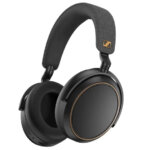
Sennheiser Momentum 4 Wireless — these are the best wireless over-ear headphones if you’re looking for excellent sound under $300, top-tier noise cancellation, and a durable, reliable build. With aptX HD and aptX Adaptive codecs, the sound improvement is only 10-15%, as the sound system already performs at its peak. On the downside, they have above-average clamping force and require a break after 1-2 hours of use.
- Best sound under $300
- Top-tier active noise cancellation and reference-quality transparency
- Detailed microphone
- Solid and reliable build
- Ear cups press too hard
The final sound score is calculated using this formula:
Frequency balance + Detail retrieval + Soundstage + Natural timbre / 4 = Final Sound Score.
. 9.55 These over-ear headphones offer the best sound under $300, with pleasant bass, intimate mids, and moderately bright highs. The soundstage is spacious and full-bodied, free of artificiality or noticeable grain, and detailed enough to pick up micro-details. The only minor drawbacks are a slight bass excess, a deficit in the highs, and a touch less transparency than I’d like.Learn more.
Microphone – We assess speech transmission quality by testing the microphone in two main scenarios: quiet and noisy environments.
Quiet environment – This involves recording indoors with minimal background noise. Noisy environment – This means recording outdoors near a six-lane road with maximum traffic noise.
. 9.25 In quiet conditions: 9.5 In noisy conditions: 9 The headphones pack four microphones, two on each earcup, and your voice comes through detailed in recordings. While quality dips in noisy environments, it remains intelligible.Overall feature score — this is the overall score for all device features. This score comes from individual feature ratings (battery life, controls, app, connection stability, and others) and shows how easy and smart the device is for daily use.
. 8.83 The Sennheiser MOMENTUM 4 Wireless offers top-tier active noise cancellation that doesn’t mess with sound quality. Its transparency mode is nearly reference-level, and you get up to 60 hours of battery life, enough for a full week of listening. Controls are a mix, mostly gestures on the right earcup. They take a couple of days to get used to, but navigation becomes convenient. The app is handy for enabling the aptX codec on Android, tweaking the EQ, and adjusting ambient sound settings.Learn more.
Final build quality score is the overall score for build quality and materials: comfort, durability, and design. It shows how nice the device is to hold and use, and how long it will last.
. 8.33 The build is solid and reliable, the finish is slightly prone to fingerprints and smudges. The clamping force is above average, which is fine for 1–2 hours of use, after which you’ll want to take a break. The headphones look great and are available in 5 colors.Read more.
6. Apple Airpods Pro 3 8.64Best wireless headphones for iPhone and Apple devices
Drivers are the drivers in your headphones that are responsible for creating sound.
DD + PM + BA – means that there are several different types of drivers in these headphones.
DD – “Dynamic Driver” dynamic driver (deep bass, natural sound).
PM – “Planar Magnetic Driver” planar driver (wide soundstage and fast response).
BA – “Balanced Armature Driver” armature driver (accuracy and detail retrieval).
BC – “Bone Conduction Driver” or bone-conduction driver, which transmits vibration to the body of the headphones, transmitting sound through the bone/cartilage to the inner ear.
LDAC – high quality, high speed (Sony).
SBC is the basic Bluetooth standard, low quality.
AAC – Apple standard, good quality, low latency.
aptX – Qualcomm standard, good quality, low latency.
LC3/LC3plus – new Bluetooth LE Audio codecs, efficient compression.
Codecs are audio compression formats that affect sound quality and latency.
Headphone battery life is the playback time without recharging, measured in hours. Manufacturers measure without active noise cancellation (ANC), at medium volume (50-70%) and usually with the AAC codec, as these parameters affect battery consumption. Actual time may vary from 1% to 50%, depending on volume, active noise cancellation features enabled, codec (LDAC or other) and environmental conditions (cold, hot). It is important to consider not only the claimed playback time, but also the charging time and fast charging support.
Bluetooth is a wireless data transmission standard.
Support for new audio technologies.
Improved connection stability.
Reduced power consumption.
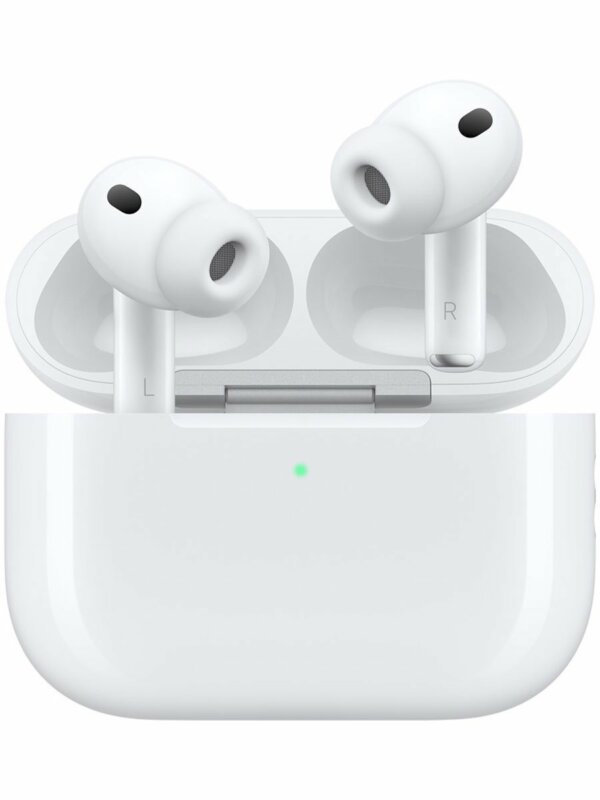
The Apple AirPods Pro 3 are the best TWS earbuds for Apple devices. They offer near-flagship sound, a reference microphone, active noise cancellation, transparency mode, and excellent controls. The model has no critical flaws, though the fit might not be ideal for everyone, and some features are exclusive to Apple devices.
- The sound quality is near-flagship, and it’s a mile better than the 2 Pro.
- Microphone — reference-quality
- Noise cancellation and transparency mode are reference-quality.
- Controls — reference-quality
- Battery life is up by 2 hours, hitting 8 hours with ANC on.
- Build quality is comfortable and beautiful
- While the fit is more comfortable than before, it won’t work for everyone.
- The app and other features are limited to Apple devices only.
- Minor drawback: the charging case scratches very easily.
The final sound score is calculated using this formula:
Frequency balance + Detail retrieval + Soundstage + Natural timbre / 4 = Final Sound Score.
. 8.50 With EQ tuning, you can push them to a 9. You get excellent sound quality on par with top-tier models from Sony, Sennheiser, Bose, and others. A strong point is the significantly enhanced detail retrieval, soundstage, and natural timbre. The presentation closely resembles the AirPods Pro 2, but it’s as if the window you’re looking through has been enlarged and thoroughly cleaned. Ultimately, this is sound you won’t have to be ashamed of. It represents a huge jump of +1.5 points compared to the Pro 2, though it still falls short of the u003ca href=u0022https://mychooz.com/en/reviews/review-realme-buds-air-7-pro-106443u0022 data-type=u0022postu0022 data-id=u0022105907u0022u003eRealme Buds Air 7 Prou003c/au003e, u003ca href=u0022https://mychooz.com/en/reviews/huawei-freebuds-pro-4-vs-3-review-109717u0022 data-type=u0022postu0022 data-id=u0022101014u0022u003eHuawei Freebuds Pro 4u003c/au003e, or the u003ca href=u0022https://mychooz.com/en/reviews/technics-eah-az100-2025-109487u0022 data-type=u0022postu0022 data-id=u0022108610u0022u003eTechnics EAH-AZ100u003c/au003e reference, while coming close.Read more.
Microphone – We assess speech transmission quality by testing the microphone in two main scenarios: quiet and noisy environments.
Quiet environment – This involves recording indoors with minimal background noise. Noisy environment – This means recording outdoors near a six-lane road with maximum traffic noise.
. 9.00 In quiet conditions: 10 In noisy conditions: 8 The microphone quality is simply superb, setting a new benchmark. Initially, I thought I’d accidentally recorded audio through my iPhone. The “voice isolation” feature is present, which improves voice quality in noisy environments by cutting out background noise.Overall feature score — this is the overall score for all device features. This score comes from individual feature ratings (battery life, controls, app, connection stability, and others) and shows how easy and smart the device is for daily use.
. 9.00 The active noise cancellation, transparency mode, and controls are all reference-level. You get up to 8 hours of playback without noise cancellation and spatial audio, and up to 24 hours with the charging case. Since there’s no dedicated app, all features are built into the OS, meaning Android users will need third-party apps to configure these earbuds.Learn more.
Final build quality score is the overall score for build quality and materials: comfort, durability, and design. It shows how nice the device is to hold and use, and how long it will last.
. 8.43 The earbuds offer an ideal fit with zero fatigue even after 5 hours of use. That said, the design won’t suit everyone, so it’s a good idea to try them on before buying. The build is flawless just like in previous generations, except that the plastic scratches immediately. You’ll want to use a case cover right away. The design is minimalist with nothing extra.Read more.
7. HUAWEI FreeBuds Pro 4 8.52The very best wireless headphones of 2025 – best microphone in quiet and noisy conditions
Drivers are the drivers in your headphones that are responsible for creating sound.
DD + PM + BA – means that there are several different types of drivers in these headphones.
DD – “Dynamic Driver” dynamic driver (deep bass, natural sound).
PM – “Planar Magnetic Driver” planar driver (wide soundstage and fast response).
BA – “Balanced Armature Driver” armature driver (accuracy and detail retrieval).
BC – “Bone Conduction Driver” or bone-conduction driver, which transmits vibration to the body of the headphones, transmitting sound through the bone/cartilage to the inner ear.
LDAC – high quality, high speed (Sony).
SBC is the basic Bluetooth standard, low quality.
AAC – Apple standard, good quality, low latency.
aptX – Qualcomm standard, good quality, low latency.
LC3/LC3plus – new Bluetooth LE Audio codecs, efficient compression.
Codecs are audio compression formats that affect sound quality and latency.
Headphone battery life is the playback time without recharging, measured in hours. Manufacturers measure without active noise cancellation (ANC), at medium volume (50-70%) and usually with the AAC codec, as these parameters affect battery consumption. Actual time may vary from 1% to 50%, depending on volume, active noise cancellation features enabled, codec (LDAC or other) and environmental conditions (cold, hot). It is important to consider not only the claimed playback time, but also the charging time and fast charging support.
Bluetooth is a wireless data transmission standard.
Support for new audio technologies.
Improved connection stability.
Reduced power consumption.
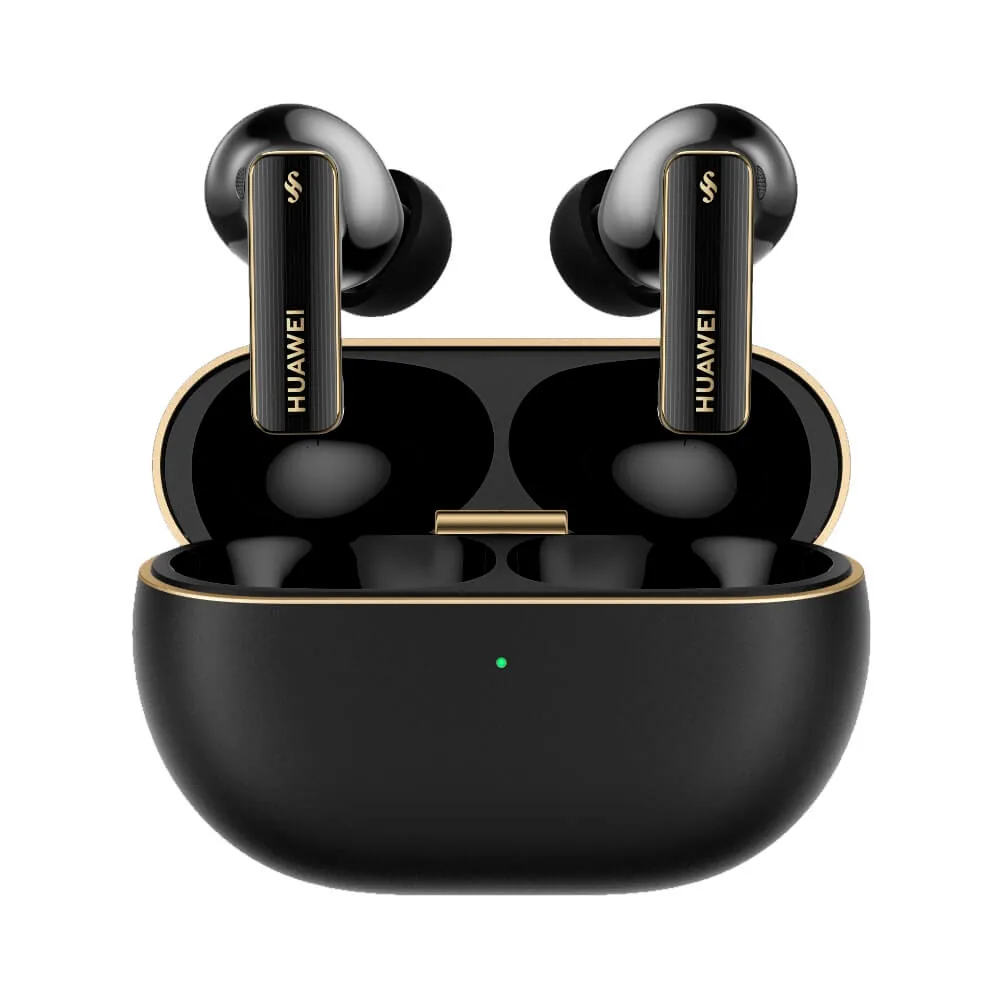
The Huawei Freebuds Pro 4 rank as the best wireless headphones under $200 based on MyChooz’s sum of 32 testing parameters across all wireless in-ear models. The primary reasons to buy are the balanced sound, features, and design, along with a reference microphone. Downsides include some features only working on Huawei devices with HarmonyOS, such as the L2HC codec, spatial audio, translator, and voice assistant.
- Top-tier sound
- Reference-quality microphone
- Top-tier controls
- Proprietary L2HC codec, translator, assistant, and other features only work on devices running HarmonyOS
- Not critical: the soundstage lacks width in its presentation, and highs sound grainy in places
The final sound score is calculated using this formula:
Frequency balance + Detail retrieval + Soundstage + Natural timbre / 4 = Final Sound Score.
. 8.46 The wireless earbuds provide great mids and clear vocals. The tone of voices and instruments is fairly natural, with no distortion or artificial sheen. Detail retrieval is good enough to enjoy live instruments. The downsides include a slight lack of bass and a somewhat narrow soundstage.Learn more.
Microphone – We assess speech transmission quality by testing the microphone in two main scenarios: quiet and noisy environments.
Quiet environment – This involves recording indoors with minimal background noise. Noisy environment – This means recording outdoors near a six-lane road with maximum traffic noise.
. 9.75 In quiet conditions: 9.5 In noisy conditions: 10Overall feature score — this is the overall score for all device features. This score comes from individual feature ratings (battery life, controls, app, connection stability, and others) and shows how easy and smart the device is for daily use.
. 8.52 This is a strong suit of the model and the manufacturer in general. Noise cancellation and transparency are sufficient for work. Battery life in our tests reached up to 6.5 hours factoring in the codec. Convenient touch controls, swipes, and head gestures. And the app is not overloaded with unnecessary features. The only catch is that on Android, the app must be installed manually after downloading it from the Huawei website.Learn more.
Final build quality score is the overall score for build quality and materials: comfort, durability, and design. It shows how nice the device is to hold and use, and how long it will last.
. 8.67 The wireless earbuds offer a comfortable fit without noticeable discomfort. No complaints about build quality or materials. However, the housing of the wireless earbuds is a fingerprint magnet, and scratches on the charging case become visible after a week of use. They look good, though the gold plating and branding look a bit excessive. Available in 3 colors.Learn more.
8. Realme Buds Air 7 Pro 8.47Best sounding headphones under $300
Drivers are the drivers in your headphones that are responsible for creating sound.
DD + PM + BA – means that there are several different types of drivers in these headphones.
DD – “Dynamic Driver” dynamic driver (deep bass, natural sound).
PM – “Planar Magnetic Driver” planar driver (wide soundstage and fast response).
BA – “Balanced Armature Driver” armature driver (accuracy and detail retrieval).
BC – “Bone Conduction Driver” or bone-conduction driver, which transmits vibration to the body of the headphones, transmitting sound through the bone/cartilage to the inner ear.
LDAC – high quality, high speed (Sony).
SBC is the basic Bluetooth standard, low quality.
AAC – Apple standard, good quality, low latency.
aptX – Qualcomm standard, good quality, low latency.
LC3/LC3plus – new Bluetooth LE Audio codecs, efficient compression.
Codecs are audio compression formats that affect sound quality and latency.
Headphone battery life is the playback time without recharging, measured in hours. Manufacturers measure without active noise cancellation (ANC), at medium volume (50-70%) and usually with the AAC codec, as these parameters affect battery consumption. Actual time may vary from 1% to 50%, depending on volume, active noise cancellation features enabled, codec (LDAC or other) and environmental conditions (cold, hot). It is important to consider not only the claimed playback time, but also the charging time and fast charging support.
Bluetooth is a wireless data transmission standard.
Support for new audio technologies.
Improved connection stability.
Reduced power consumption.
The Realme Buds Air 7 Pro are the best budget wireless earbuds for sound. They offer the best sound among TWS earbuds under $300, with a live and synchronized translation that works regardless of your phone manufacturer. Downsides include a bulky earbud design that might not fit everyone, and we’ve seen several reliability complaints on social media. Despite that, this model is the most popular among our social media users.
- Best sound in wireless earbuds under $300
- Live and simultaneous translation
- Reference-level battery life
- Some user complaints regarding reliability
- Average ANC and transparency mode
The final sound score is calculated using this formula:
Frequency balance + Detail retrieval + Soundstage + Natural timbre / 4 = Final Sound Score.
. 9.00 Support for LHDC 5.0 puts these earbuds on par with models costing up to $300. You get an optimal frequency balance alongside a spacious soundstage with great width and depth. The sound is moderately detailed and natural. Note that the first batches of the Chinese version suffer from an excess of highs, while the global version avoids this issue.Learn more.
Microphone – We assess speech transmission quality by testing the microphone in two main scenarios: quiet and noisy environments.
Quiet environment – This involves recording indoors with minimal background noise. Noisy environment – This means recording outdoors near a six-lane road with maximum traffic noise.
. 8.00 In quiet environments: 9 In noisy environments: 7Overall feature score — this is the overall score for all device features. This score comes from individual feature ratings (battery life, controls, app, connection stability, and others) and shows how easy and smart the device is for daily use.
. 7.75 Noise cancellation and transparency mode are just okay. In our tests, battery life hit up to 10 hours, factoring in the codec. Basic playback and calls are handled by the touch controls. The app is straightforward, offering an EQ, personalized sound tuning, and a translator.Learn more.
Final build quality score is the overall score for build quality and materials: comfort, durability, and design. It shows how nice the device is to hold and use, and how long it will last.
. 8.20 The headphones fit securely, and I could wear them for 2-3 hours without any discomfort. Build quality and materials are flawless, and I really liked the design. They come in four colors.Learn more.
9. OnePlus Buds 4 8.47Best wireless headphones with bass sound – new for 2025
Drivers are the drivers in your headphones that are responsible for creating sound.
DD + PM + BA – means that there are several different types of drivers in these headphones.
DD – “Dynamic Driver” dynamic driver (deep bass, natural sound).
PM – “Planar Magnetic Driver” planar driver (wide soundstage and fast response).
BA – “Balanced Armature Driver” armature driver (accuracy and detail retrieval).
BC – “Bone Conduction Driver” or bone-conduction driver, which transmits vibration to the body of the headphones, transmitting sound through the bone/cartilage to the inner ear.
LDAC – high quality, high speed (Sony).
SBC is the basic Bluetooth standard, low quality.
AAC – Apple standard, good quality, low latency.
aptX – Qualcomm standard, good quality, low latency.
LC3/LC3plus – new Bluetooth LE Audio codecs, efficient compression.
Codecs are audio compression formats that affect sound quality and latency.
Headphone battery life is the playback time without recharging, measured in hours. Manufacturers measure without active noise cancellation (ANC), at medium volume (50-70%) and usually with the AAC codec, as these parameters affect battery consumption. Actual time may vary from 1% to 50%, depending on volume, active noise cancellation features enabled, codec (LDAC or other) and environmental conditions (cold, hot). It is important to consider not only the claimed playback time, but also the charging time and fast charging support.
Bluetooth is a wireless data transmission standard.
Support for new audio technologies.
Improved connection stability.
Reduced power consumption.

The OnePlus Buds 4 are the best wireless earbuds for bass-heavy sound out of the box in 2026. They slightly trail the Realme Buds Air 7 Pro in sound quality but make up for it with features and build. This model has no critical flaws. LHDC 5.0 support is desirable, ideally with a Snapdragon-powered mobile device, as sound is noticeably worse on MediaTek.
- You get top-tier bass without touching EQ settings.
- Comfortable fit
- The sound quality improves with the golden hearing profile.
- Minor drawback: the translator only works on OnePlus phones.
- Desirable support for the LHDC 5.0 codec
- On devices with MediaTek chips, the sound is worse than on Snapdragon.
The final sound score is calculated using this formula:
Frequency balance + Detail retrieval + Soundstage + Natural timbre / 4 = Final Sound Score.
. 8.58 The sound emphasizes pleasant bass and treble, offering a naturally balanced, top-tier experience without artificiality or grain. You’ll find enough detail to pick out instrument textures, even in complex, dynamic tracks. The soundstage is spacious with good separation between vocals and instruments. However, the abundant bass can sometimes fill the stage too much, reducing mid-range transparency and slightly diminishing detail and texture.Learn more.
Microphone – We assess speech transmission quality by testing the microphone in two main scenarios: quiet and noisy environments.
Quiet environment – This involves recording indoors with minimal background noise. Noisy environment – This means recording outdoors near a six-lane road with maximum traffic noise.
. 8.50 In quiet conditions: 9 In noisy conditions: 8 No changes compared to the OnePlus Buds 3, and identical to the Oppo Enco Free 4. I’ve added a third, wind-focused test as requested in the comments.Overall feature score — this is the overall score for all device features. This score comes from individual feature ratings (battery life, controls, app, connection stability, and others) and shows how easy and smart the device is for daily use.
. 8.33 Active noise cancellation cuts background noise effectively, and transparency mode is usable for conversations. Battery life in our tests reached up to 11 hours and up to 56 hours with the charging case, depending on the codec. Touch controls support 5 actions per earphone, including swipes. The app is straightforward without unnecessary bloatware, and includes a translator for 22 languages on OnePlus phones.Learn more.
Final build quality score is the overall score for build quality and materials: comfort, durability, and design. It shows how nice the device is to hold and use, and how long it will last.
. 8.40 You can wear these headphones for 2-3 hours straight without ear fatigue, thanks to the included ear tips. They feel solid and reliable, with a nice matte finish. But honestly, the design is uninspired, and that initial wow factor disappears after a couple of weeks.Learn more.
10. Nothing Ear ( 3 ) 2025 8.44Beautiful wireless headphones for phone – with a microphone in the case
Drivers are the drivers in your headphones that are responsible for creating sound.
DD + PM + BA – means that there are several different types of drivers in these headphones.
DD – “Dynamic Driver” dynamic driver (deep bass, natural sound).
PM – “Planar Magnetic Driver” planar driver (wide soundstage and fast response).
BA – “Balanced Armature Driver” armature driver (accuracy and detail retrieval).
BC – “Bone Conduction Driver” or bone-conduction driver, which transmits vibration to the body of the headphones, transmitting sound through the bone/cartilage to the inner ear.
LDAC – high quality, high speed (Sony).
SBC is the basic Bluetooth standard, low quality.
AAC – Apple standard, good quality, low latency.
aptX – Qualcomm standard, good quality, low latency.
LC3/LC3plus – new Bluetooth LE Audio codecs, efficient compression.
Codecs are audio compression formats that affect sound quality and latency.
Headphone battery life is the playback time without recharging, measured in hours. Manufacturers measure without active noise cancellation (ANC), at medium volume (50-70%) and usually with the AAC codec, as these parameters affect battery consumption. Actual time may vary from 1% to 50%, depending on volume, active noise cancellation features enabled, codec (LDAC or other) and environmental conditions (cold, hot). It is important to consider not only the claimed playback time, but also the charging time and fast charging support.
Bluetooth is a wireless data transmission standard.
Support for new audio technologies.
Improved connection stability.
Reduced power consumption.
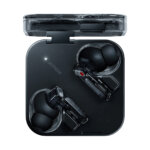
The Nothing Ear (3) 2025 are beautiful wireless headphones with top-tier design and functionality. The main draw is their excellent sound (though updating the firmware is recommended for optimal frequency balance and to improve the directional microphone for noisy environments). Downsides include average noise cancellation and transparency.
- Top-tier sound
- Detailed microphone with excellent voice isolation
- Reference-grade companion app
- Average noise cancellation and transparency
- Bright sound prior to firmware update
- Inflated price on certain marketplaces
The final sound score is calculated using this formula:
Frequency balance + Detail retrieval + Soundstage + Natural timbre / 4 = Final Sound Score.
. 8.38 The sound really shines in the mids and its naturalness, with vocals sounding intimate and transparent. While the sound might be a touch unnatural, it avoids sounding artificial. The bass is also good and detailed. On the flip side, the highs can be a bit too bright, which can make the sound fatiguing, especially with tracks heavy on percussion. Updating the firmware is a good idea, as it makes the sound balance more pleasant.Learn more.
Microphone – We assess speech transmission quality by testing the microphone in two main scenarios: quiet and noisy environments.
Quiet environment – This involves recording indoors with minimal background noise. Noisy environment – This means recording outdoors near a six-lane road with maximum traffic noise.
. 8.80 In quiet conditions: 8.6 In noisy conditions: 9 In quiet settings, the balance shifts slightly and noise cancellation filters out background sounds while keeping your voice clear. In noisy environments, you get top-tier voice isolation and total noise blocking, though your voice can sound a bit muffled at times, even if speech remains easy to make out.Learn more.
Overall feature score — this is the overall score for all device features. This score comes from individual feature ratings (battery life, controls, app, connection stability, and others) and shows how easy and smart the device is for daily use.
. 8.28 Noise cancellation and transparency mode offer minimal usability, making them the weakest aspect of the wireless earbuds. Playback time in our tests reaches up to 9.5 hours, and up to 38 hours with the charging case when using the codec. You get comfortable stem-pinch controls and a reference-quality app for usability and features.Read more.
Final build quality score is the overall score for build quality and materials: comfort, durability, and design. It shows how nice the device is to hold and use, and how long it will last.
. 8.83 The earbuds are comfortable, though fatigue sets in after 2 hours. The build quality is sturdy and reliable, with flawless assembly. The exterior look is great and stands out from the competition.Learn more.
11. Bowers & Wilkins PX8 S2 8.41Large over-ear Bluetooth headphones – stylish and with a bright sound
Drivers are the drivers in your headphones that are responsible for creating sound.
DD + PM + BA – means that there are several different types of drivers in these headphones.
DD – “Dynamic Driver” dynamic driver (deep bass, natural sound).
PM – “Planar Magnetic Driver” planar driver (wide soundstage and fast response).
BA – “Balanced Armature Driver” armature driver (accuracy and detail retrieval).
BC – “Bone Conduction Driver” or bone-conduction driver, which transmits vibration to the body of the headphones, transmitting sound through the bone/cartilage to the inner ear.
LDAC – high quality, high speed (Sony).
SBC is the basic Bluetooth standard, low quality.
AAC – Apple standard, good quality, low latency.
aptX – Qualcomm standard, good quality, low latency.
LC3/LC3plus – new Bluetooth LE Audio codecs, efficient compression.
Codecs are audio compression formats that affect sound quality and latency.
Headphone battery life is the playback time without recharging, measured in hours. Manufacturers measure without active noise cancellation (ANC), at medium volume (50-70%) and usually with the AAC codec, as these parameters affect battery consumption. Actual time may vary from 1% to 50%, depending on volume, active noise cancellation features enabled, codec (LDAC or other) and environmental conditions (cold, hot). It is important to consider not only the claimed playback time, but also the charging time and fast charging support.
Bluetooth is a wireless data transmission standard.
Support for new audio technologies.
Improved connection stability.
Reduced power consumption.
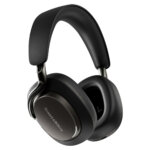
Bowers & Wilkins PX8 S2 are large over-ear Bluetooth headphones with deep bass and bright sound. They excel in sound quality—detailed and natural—use premium materials, and have a robust, reliable build. This model has no critical drawbacks.
- Top-tier sound – detailed and natural
- Premium build quality
- Solid and reliable build quality
- Transparency mode and microphone noise reduction are above average.
The final sound score is calculated using this formula:
Frequency balance + Detail retrieval + Soundstage + Natural timbre / 4 = Final Sound Score.
. 8.67 High frequencies carry a cool tint. Bass is precise and detailed, and you can distinguish instruments by timbre. High-frequency instruments are clear, but they’re sharp and quickly become fatiguing—that’s the biggest drawback to the sound. The soundstage also felt a bit cramped. I liked the mids since the sound is open, putting the performer right in front of you with minimal lack of transparency. There’s no noticeable artificiality or grain.Learn more.
Microphone – We assess speech transmission quality by testing the microphone in two main scenarios: quiet and noisy environments.
Quiet environment – This involves recording indoors with minimal background noise. Noisy environment – This means recording outdoors near a six-lane road with maximum traffic noise.
. 7.75 In quiet environments: 8.5 In noisy environments: 7Overall feature score — this is the overall score for all device features. This score comes from individual feature ratings (battery life, controls, app, connection stability, and others) and shows how easy and smart the device is for daily use.
. 7.98 Noise cancellation cuts out about 40% of the sound. Transparency mode lets you talk, even though ambient noise sounds a bit muffled. You get physical buttons for basic media playback and call handling. The companion app only gives you a 5-band EQ and integration with music streaming services as far as truly useful features go.Learn more.
Final build quality score is the overall score for build quality and materials: comfort, durability, and design. It shows how nice the device is to hold and use, and how long it will last.
. 8.40 The headphones feature medium ear cup clamping force, and you’ll want to take a break around the 2nd to 3rd hour of use. Premium-quality materials — leather and metal, flawless build. The headphones look great, available in 2 colors.Read more.
12. Nothing Headphone (1) 8.22Nothing's big headphones – the first over-ear model
Drivers are the drivers in your headphones that are responsible for creating sound.
DD + PM + BA – means that there are several different types of drivers in these headphones.
DD – “Dynamic Driver” dynamic driver (deep bass, natural sound).
PM – “Planar Magnetic Driver” planar driver (wide soundstage and fast response).
BA – “Balanced Armature Driver” armature driver (accuracy and detail retrieval).
BC – “Bone Conduction Driver” or bone-conduction driver, which transmits vibration to the body of the headphones, transmitting sound through the bone/cartilage to the inner ear.
LDAC – high quality, high speed (Sony).
SBC is the basic Bluetooth standard, low quality.
AAC – Apple standard, good quality, low latency.
aptX – Qualcomm standard, good quality, low latency.
LC3/LC3plus – new Bluetooth LE Audio codecs, efficient compression.
Codecs are audio compression formats that affect sound quality and latency.
Headphone battery life is the playback time without recharging, measured in hours. Manufacturers measure without active noise cancellation (ANC), at medium volume (50-70%) and usually with the AAC codec, as these parameters affect battery consumption. Actual time may vary from 1% to 50%, depending on volume, active noise cancellation features enabled, codec (LDAC or other) and environmental conditions (cold, hot). It is important to consider not only the claimed playback time, but also the charging time and fast charging support.
Bluetooth is a wireless data transmission standard.
Support for new audio technologies.
Improved connection stability.
Reduced power consumption.
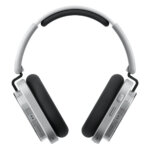
The Nothing Headphone (1) are Nothing’s over-ear model, their first and only one to date. The key selling points are the cool design, reference controls, a detailed microphone, and top-tier noise cancellation comparable to Sony and Bose. Using the LDAC codec provides a +10-15% improvement in quality. Downsides include average comfort and the necessity of EQ adjustment, as the out-of-the-box sound is on par with models under $100.
- Good and balanced sound with EQ
- Microphone is top-notch
- ANC and transparency mode are top-notch
- Controls and app are top-notch!
- Battery life is top-notch!
- Build quality is beautiful, with some nuances.
- Out of the box, the sound quality is comparable to earbuds in the sub-$100 range, and it really needs some EQ tuning.
- A minor gripe: the bass adjustment feature in the app didn’t work for me.
The final sound score is calculated using this formula:
Frequency balance + Detail retrieval + Soundstage + Natural timbre / 4 = Final Sound Score.
. 7.33 This is roughly the result I expected. You can hear that the headphones have the potential to play, that there’s capability there. But the sound was prepared a bit incorrectly. I hope they’ll fix the default EQ with firmware updates. EQ tuning is absolutely essential for this model. Which we’ll get to in a bit. It’s not difficult, you do it once and forget about it.The main plus of the sound is its naturalness and responsiveness to the EQ. If the EQ didn’t fix the situation, this model would be an outsider. With tuning, you can confidently add +1 point out of 10 to the overall rating. The main minus of the sound is that there’s just a little bit of everything missing. Bass, mids, highs. Because of this, it loses a lot in detail retrieval, and the soundstage is also a bit recessed. It’s like sound from behind a wall in the next room. And you want it to be in front of you.
Learn more.
Microphone – We assess speech transmission quality by testing the microphone in two main scenarios: quiet and noisy environments.
Quiet environment – This involves recording indoors with minimal background noise. Noisy environment – This means recording outdoors near a six-lane road with maximum traffic noise.
. 8.50 In quiet conditions: 10 In noisy conditions: 7 They don’t handle noisy environments perfectly, but they still do a good job.Overall feature score — this is the overall score for all device features. This score comes from individual feature ratings (battery life, controls, app, connection stability, and others) and shows how easy and smart the device is for daily use.
. 9.17 The noise cancellation is top-tier, landing it in our TOP 5 among all models. Transparency mode is also excellent, letting you chat with people without taking the headphones off. Battery life is stellar, hitting up to 54 hours with the LDAC codec and an impressive 80 hours with AAC. The controls are incredibly convenient and reference-level, featuring physical buttons and a wheel. The app is equally impressive, offering a handy EQ.Learn more.
Final build quality score is the overall score for build quality and materials: comfort, durability, and design. It shows how nice the device is to hold and use, and how long it will last.
. 9.00 They’re comfortable for 2-3 hours straight, and the durability is also great, even though the finish is a fingerprint magnet. The design is unique, and honestly, they look way better in person than in photos.Read more.
13. Sony WH-1000XM5 8.14Best wireless over-ear noise-cancelling headphones 2026
Drivers are the drivers in your headphones that are responsible for creating sound.
DD + PM + BA – means that there are several different types of drivers in these headphones.
DD – “Dynamic Driver” dynamic driver (deep bass, natural sound).
PM – “Planar Magnetic Driver” planar driver (wide soundstage and fast response).
BA – “Balanced Armature Driver” armature driver (accuracy and detail retrieval).
BC – “Bone Conduction Driver” or bone-conduction driver, which transmits vibration to the body of the headphones, transmitting sound through the bone/cartilage to the inner ear.
LDAC – high quality, high speed (Sony).
SBC is the basic Bluetooth standard, low quality.
AAC – Apple standard, good quality, low latency.
aptX – Qualcomm standard, good quality, low latency.
LC3/LC3plus – new Bluetooth LE Audio codecs, efficient compression.
Codecs are audio compression formats that affect sound quality and latency.
Headphone battery life is the playback time without recharging, measured in hours. Manufacturers measure without active noise cancellation (ANC), at medium volume (50-70%) and usually with the AAC codec, as these parameters affect battery consumption. Actual time may vary from 1% to 50%, depending on volume, active noise cancellation features enabled, codec (LDAC or other) and environmental conditions (cold, hot). It is important to consider not only the claimed playback time, but also the charging time and fast charging support.
Bluetooth is a wireless data transmission standard.
Support for new audio technologies.
Improved connection stability.
Reduced power consumption.
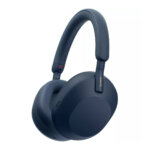
Sony WH-1000XM5 — the best wireless over-ear noise-cancelling headphones available. They offer reference-level noise cancellation and transparency, signature low-frequency sound, a detailed microphone, and a comfortable fit. The LDAC codec can improve sound quality by up to 15%. Downsides: the hinges are not durable and tend to break under intensive use.
- Noise cancellation and transparency are of reference quality.
- Signature low-frequency sound
- Detailed microphone and comfortable fit
- Best automatic equalizer tuning
- Fragile hinges
- Fingerprint-prone finish
The final sound score is calculated using this formula:
Frequency balance + Detail retrieval + Soundstage + Natural timbre / 4 = Final Sound Score.
. 8.13 These headphones give you that enveloping low-end profile you typically find in this lineup. The soundstage, natural timbre, and detail retrieval stand out as the major strengths. You won’t hear any artificial timbre or grainy treble, and the instrument separation and spatial placement of effects are solid. On the downside, the lows are a bit too much in quantity, giving the tuning a bass-heavy character where bass-heavy tracks sound somewhat boomy, and the vocals lack transparency.Learn more.
Microphone – We assess speech transmission quality by testing the microphone in two main scenarios: quiet and noisy environments.
Quiet environment – This involves recording indoors with minimal background noise. Noisy environment – This means recording outdoors near a six-lane road with maximum traffic noise.
. 7.00 In quiet conditions: 8 In noisy conditions: 6 The headphones pack 8 microphones, though only 4 are used for calls. In quiet conditions, recordings sound detailed, but the opening words are muffled and faint clicks sneak through. Background noise takes a noticeable toll on recording quality, though your words still come across clearly.Overall feature score — this is the overall score for all device features. This score comes from individual feature ratings (battery life, controls, app, connection stability, and others) and shows how easy and smart the device is for daily use.
. 8.53 Active noise cancellation and transparency are reference-grade. Battery life hit 33 hours in our testing, beating the rated 30 hours. The hybrid controls rely mostly on touch gestures on the ear cup. There’s a companion app with clunky navigation and a handy EQ.Learn more.
Final build quality score is the overall score for build quality and materials: comfort, durability, and design. It shows how nice the device is to hold and use, and how long it will last.
. 7.60 The headphones are comfortable, applying minimal pressure, though you’ll still want a break after about 2 hours. I have no complaints about the build quality and materials, but the finish is a fingerprint magnet that needs daily wiping. The hinges are a weak point in the design, frequently breaking right at the ear cup rotation point. You get 5 colors to choose from, and the headphones look good.Read more.
14. Sony WH-1000XM6 8.11Best wireless noise-cancelling headphones in 2026
Drivers are the drivers in your headphones that are responsible for creating sound.
DD + PM + BA – means that there are several different types of drivers in these headphones.
DD – “Dynamic Driver” dynamic driver (deep bass, natural sound).
PM – “Planar Magnetic Driver” planar driver (wide soundstage and fast response).
BA – “Balanced Armature Driver” armature driver (accuracy and detail retrieval).
BC – “Bone Conduction Driver” or bone-conduction driver, which transmits vibration to the body of the headphones, transmitting sound through the bone/cartilage to the inner ear.
LDAC – high quality, high speed (Sony).
SBC is the basic Bluetooth standard, low quality.
AAC – Apple standard, good quality, low latency.
aptX – Qualcomm standard, good quality, low latency.
LC3/LC3plus – new Bluetooth LE Audio codecs, efficient compression.
Codecs are audio compression formats that affect sound quality and latency.
Headphone battery life is the playback time without recharging, measured in hours. Manufacturers measure without active noise cancellation (ANC), at medium volume (50-70%) and usually with the AAC codec, as these parameters affect battery consumption. Actual time may vary from 1% to 50%, depending on volume, active noise cancellation features enabled, codec (LDAC or other) and environmental conditions (cold, hot). It is important to consider not only the claimed playback time, but also the charging time and fast charging support.
Bluetooth is a wireless data transmission standard.
Support for new audio technologies.
Improved connection stability.
Reduced power consumption.
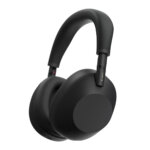
The Sony WH-1000XM6 are the best wireless noise-cancelling headphones for 2026. They provide reference noise cancellation and transparency, excellent low-frequency sound, and the convenient proprietary “find my EQ” feature, which simplifies sound tuning to just a few clicks. With the LDAC codec, you can expect up to a 10-12% improvement in overall sound quality. Downsides: the earcups press on the ears, causing discomfort from the first minutes of use, and the hinges are not durable and require careful handling.
In the Sony WH-1000XM6, the noise suppression algorithm is more effective than in in-ear models, which are sensitive to the ear tip fit. The mode primarily suppresses low-frequency hum and some mid-frequency noise. When the mode is active, there are no parasitic overtones or white noise, and no pressure sensation on the eardrums. Additionally, the bass slightly increases when noise cancellation is active.
- Reference-level noise cancellation and transparency
- Detailed microphone
- Low-frequency sound signature without bass excess
- Ear cups press on ears
- Hinges require careful handling
- Low detail retrieval
The final sound score is calculated using this formula:
Frequency balance + Detail retrieval + Soundstage + Natural timbre / 4 = Final Sound Score.
. 8.48 Down in the low end, the tuning reminds me of the WH-1000XM4. Vocals sit close, and you can tell the timbres of low-frequency and high-frequency instruments apart. The soundstage expands mostly in width, keeping things free of noticeable artificiality or distortion. It’s a comfortable listen without any major flaws. You just get a slight bass boost, a bit of murkiness in the mids, and a lack of brightness, though a couple of clicks in the app’s EQ can sort that out.Learn more.
Overall feature score — this is the overall score for all device features. This score comes from individual feature ratings (battery life, controls, app, connection stability, and others) and shows how easy and smart the device is for daily use.
. 8.68 The headphones feature reference-level noise cancellation and transparency for over-ear models. Battery life within the series remains unchanged at 30 to 40 hours with noise cancellation enabled. The controls for managing the player and calls rely mostly on touch inputs. The companion app is useful, though its multi-level menu structure is clumsy, and you’ll find it easier to tune the sound using the u0022find your EQu0022 feature across 4 to 5 tonal variants. The signal stays stable up to 10 m using the LDAC codec at quality bitrate.Learn more.
Final build quality score is the overall score for build quality and materials: comfort, durability, and design. It shows how nice the device is to hold and use, and how long it will last.
. 6.33 The clamping force of the headphones is stronger than the previous generation, making them uncomfortable. I can only wear the headphones for an hour before I need to take a break. The build and materials are solid, and I have no complaints. The hinges are the weak part of the headphones and break under heavy load. The design is neat and pleasant. There are 3 colors to choose from.Read more.
15. Huawei Freebuds 6 8.06Best Open-Fit Earbuds 2026 – For Sound
Drivers are the drivers in your headphones that are responsible for creating sound.
DD + PM + BA – means that there are several different types of drivers in these headphones.
DD – “Dynamic Driver” dynamic driver (deep bass, natural sound).
PM – “Planar Magnetic Driver” planar driver (wide soundstage and fast response).
BA – “Balanced Armature Driver” armature driver (accuracy and detail retrieval).
BC – “Bone Conduction Driver” or bone-conduction driver, which transmits vibration to the body of the headphones, transmitting sound through the bone/cartilage to the inner ear.
LDAC – high quality, high speed (Sony).
SBC is the basic Bluetooth standard, low quality.
AAC – Apple standard, good quality, low latency.
aptX – Qualcomm standard, good quality, low latency.
LC3/LC3plus – new Bluetooth LE Audio codecs, efficient compression.
Codecs are audio compression formats that affect sound quality and latency.
Headphone battery life is the playback time without recharging, measured in hours. Manufacturers measure without active noise cancellation (ANC), at medium volume (50-70%) and usually with the AAC codec, as these parameters affect battery consumption. Actual time may vary from 1% to 50%, depending on volume, active noise cancellation features enabled, codec (LDAC or other) and environmental conditions (cold, hot). It is important to consider not only the claimed playback time, but also the charging time and fast charging support.
Bluetooth is a wireless data transmission standard.
Support for new audio technologies.
Improved connection stability.
Reduced power consumption.
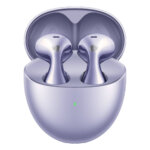
The Huawei FreeBuds 6 are the best sports earbuds with an open-fit design. They offer the best sound among open-fit earbuds, a reference microphone for TWS models, and a unique design with a comfortable fit. You’ll barely notice them in your ears from the start, with only slight fatigue appearing after 2 hours. Using the LDAC codec can improve sound by up to 20%. Downsides: some features are exclusive to Huawei phones with HarmonyOS, including the proprietary L2HC codec, translator, and voice assistant.
- The best sound among open-fit earbuds.
- Reference-quality microphone.
- Good noise cancellation for open-fit earbuds.
- Overly bright sound on certain tracks.
- Minor downsides: No transparency mode, and the L2HC 4.0 codec and many proprietary features are limited to HarmonyOS 4.3+ on Huawei devices.
The final sound score is calculated using this formula:
Frequency balance + Detail retrieval + Soundstage + Natural timbre / 4 = Final Sound Score.
. 7.98 Top-tier level like the Samsung Galaxy Buds 4 — it’s just different here: bright, narrow, precise. Great out-of-the-box tuning. With the LDAC codec, we get up to a 20% boost in sound quality. The main audio strengths are great naturalness and detail retrieval, alongside pleasant bass. Instruments and vocals sound clean, with practically no artificial sheen or coloration. The main audio flaw is a lack of soundstage scale; the presentation is quite congested and narrow, leaving you wanting more breathing room. In tracks packed with percussion or highs, the sound gets sharp and often fatiguing. EQ tweaking is required.Learn more.
Microphone – We assess speech transmission quality by testing the microphone in two main scenarios: quiet and noisy environments.
Quiet environment – This involves recording indoors with minimal background noise. Noisy environment – This means recording outdoors near a six-lane road with maximum traffic noise.
. 9.75 In quiet conditions: 10 In noisy conditions: 9.5 A reference-quality microphone among TWS models.Overall feature score — this is the overall score for all device features. This score comes from individual feature ratings (battery life, controls, app, connection stability, and others) and shows how easy and smart the device is for daily use.
. 8.11 Noise cancellation is at a good level for open-fit earbuds. There is no transparency mode, but even without it, you can easily chat with someone without taking the wireless earbuds off. Battery life is great, up to 6h of playback and up to 36h with the charging case. Controls are convenient and touch-based, but take some getting used to. The app is great; I recommend choosing the LDAC codec in it and tuning the EQ.Learn more.
Final build quality score is the overall score for build quality and materials: comfort, durability, and design. It shows how nice the device is to hold and use, and how long it will last.
. 8.17 The earbuds feel almost weightless from the first minute of use. Minor fatigue only sets in after 2 hours. Build durability is great, as the model still looks brand-new after a year. The design is quirky, but it looks better in real life than in photos.Learn more.
16. Apple AirPods 4 ANC 8.05Best Open-Fit Earbuds for iPhone
Drivers are the drivers in your headphones that are responsible for creating sound.
DD + PM + BA – means that there are several different types of drivers in these headphones.
DD – “Dynamic Driver” dynamic driver (deep bass, natural sound).
PM – “Planar Magnetic Driver” planar driver (wide soundstage and fast response).
BA – “Balanced Armature Driver” armature driver (accuracy and detail retrieval).
BC – “Bone Conduction Driver” or bone-conduction driver, which transmits vibration to the body of the headphones, transmitting sound through the bone/cartilage to the inner ear.
LDAC – high quality, high speed (Sony).
SBC is the basic Bluetooth standard, low quality.
AAC – Apple standard, good quality, low latency.
aptX – Qualcomm standard, good quality, low latency.
LC3/LC3plus – new Bluetooth LE Audio codecs, efficient compression.
Codecs are audio compression formats that affect sound quality and latency.
Headphone battery life is the playback time without recharging, measured in hours. Manufacturers measure without active noise cancellation (ANC), at medium volume (50-70%) and usually with the AAC codec, as these parameters affect battery consumption. Actual time may vary from 1% to 50%, depending on volume, active noise cancellation features enabled, codec (LDAC or other) and environmental conditions (cold, hot). It is important to consider not only the claimed playback time, but also the charging time and fast charging support.
Bluetooth is a wireless data transmission standard.
Support for new audio technologies.
Improved connection stability.
Reduced power consumption.
The Apple AirPods 4 ANC are the best open-fit earbuds for iPhone and Apple devices. They provide good sound, spatial audio, and adaptive EQ. The earbuds offer good battery life, a decent microphone, and noise cancellation.
The final sound score is calculated using this formula:
Frequency balance + Detail retrieval + Soundstage + Natural timbre / 4 = Final Sound Score.
. 7.56 Among open-ear earbuds, this is first-class sound. Soft, full-bodied, enveloping, and comfortable, allowing you to relax and get lost in your favorite music. I really liked the sound. If we take the current reference in the form of Samsung Galaxy Buds 4 or the previous Huawei Freebuds 6, the sound in these models slightly edges it out in points. The main sound pro is volume and overall harmony; the sound is soft and pleasant, non-fatiguing, and engaging. The main sound con is that the natural timbre could be better, and the vocals could be closer. However, this is not critical.Learn more.
Microphone – We assess speech transmission quality by testing the microphone in two main scenarios: quiet and noisy environments.
Quiet environment – This involves recording indoors with minimal background noise. Noisy environment – This means recording outdoors near a six-lane road with maximum traffic noise.
. 9.00 In quiet environments: 10 In noisy environments: 8Overall feature score — this is the overall score for all device features. This score comes from individual feature ratings (battery life, controls, app, connection stability, and others) and shows how easy and smart the device is for daily use.
. 8.00 Noise cancellation is at a reference level for open-ear earbuds, almost like in-ear earbuds. AN INCREDIBLE level. Transparency mode is ideal, reference-level, as if you aren’t wearing earbuds at all. Battery life is weak, 5.5 hours without ANC and 4 hours 20 minutes with ANC — that’s not much. Controls are convenient, using stem pinching, but there is no volume control (swipes). The app is great for iOS, but there is none for Android.Learn more.
Final build quality score is the overall score for build quality and materials: comfort, durability, and design. It shows how nice the device is to hold and use, and how long it will last.
. 9.33 They’re really comfortable, I can wear them for 2-3 hours straight without any issues. Build quality seems fine, though the earbuds themselves scratch *very* easily. The design is attractive, reminiscent of Apple’s style. The charging case is the *smallest* I’ve ever encountered, and the earbuds are miniature. I haven’t had any problems with the overall construction.Learn more.
17. Huawei Freebuds 5 7.90Best Open-Fit Earbuds for Android
Drivers are the drivers in your headphones that are responsible for creating sound.
DD + PM + BA – means that there are several different types of drivers in these headphones.
DD – “Dynamic Driver” dynamic driver (deep bass, natural sound).
PM – “Planar Magnetic Driver” planar driver (wide soundstage and fast response).
BA – “Balanced Armature Driver” armature driver (accuracy and detail retrieval).
BC – “Bone Conduction Driver” or bone-conduction driver, which transmits vibration to the body of the headphones, transmitting sound through the bone/cartilage to the inner ear.
LDAC – high quality, high speed (Sony).
SBC is the basic Bluetooth standard, low quality.
AAC – Apple standard, good quality, low latency.
aptX – Qualcomm standard, good quality, low latency.
LC3/LC3plus – new Bluetooth LE Audio codecs, efficient compression.
Codecs are audio compression formats that affect sound quality and latency.
Headphone battery life is the playback time without recharging, measured in hours. Manufacturers measure without active noise cancellation (ANC), at medium volume (50-70%) and usually with the AAC codec, as these parameters affect battery consumption. Actual time may vary from 1% to 50%, depending on volume, active noise cancellation features enabled, codec (LDAC or other) and environmental conditions (cold, hot). It is important to consider not only the claimed playback time, but also the charging time and fast charging support.
Bluetooth is a wireless data transmission standard.
Support for new audio technologies.
Improved connection stability.
Reduced power consumption.
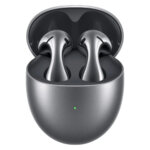
The Huawei FreeBuds 5 are the best open-fit earbuds for Android, and with the LDAC codec, you can get up to a 30% sound improvement. Released in 2023, these earbuds remain highly relevant. The sound and microphone quality are close to reference level, and wearing them for a couple of hours doesn’t cause discomfort.
- Top-tier sound among open-fit earbuds
- Microphone on par with the reference model
- Unique design and 2 hours of use without discomfort
- Muffled sound out of the box.
- Slight white noise with ANC enabled.
The final sound score is calculated using this formula:
Frequency balance + Detail retrieval + Soundstage + Natural timbre / 4 = Final Sound Score.
. 8.01 With the LDAC codec, you get up to a 30% improvement in sound. The earbuds feature a bass-heavy sound signature with slightly recessed mids and subdued highs. I didn’t notice any blatant artificial timbre, and there is minimal grain. The sound is spacious and full-bodied, with good instrument separation across the soundstage. Detail retrieval is good, although parsing instrument textures is harder compared to flagship models. The sound lacks some expressiveness, brightness, and airiness, making it get tiring quickly. Equalizer adjustments compensate for some of these flaws.Learn more.
Microphone – We assess speech transmission quality by testing the microphone in two main scenarios: quiet and noisy environments.
Quiet environment – This involves recording indoors with minimal background noise. Noisy environment – This means recording outdoors near a six-lane road with maximum traffic noise.
. 8.75 In quiet conditions: 9.5 In noisy conditions: 8 Clean and detailed recording without external noise. In noisy environments, speech remains clear, and noise cancellation doesn’t cut in instantly.Overall feature score — this is the overall score for all device features. This score comes from individual feature ratings (battery life, controls, app, connection stability, and others) and shows how easy and smart the device is for daily use.
. 7.00 Active noise cancellation (ANC) reduces background noise from PCs or laptops. There is no transparency mode. Playback time in our tests deviates slightly from the manufacturer’s specs. The touch sensor responds reliably everywhere, and you adjust volume by sliding up or down. The companion app is user-friendly and well-designed.Read more.
Final build quality score is the overall score for build quality and materials: comfort, durability, and design. It shows how nice the device is to hold and use, and how long it will last.
. 9.00 The earbuds offer a comfortable fit, with minor fatigue appearing after a couple of hours of use. Build quality and materials draw no complaints. The earbud design is unique, with 3 color options available.Read more.
18. Huawei FreeClip 2 7.62Best Clip-On Earbuds
Drivers are the drivers in your headphones that are responsible for creating sound.
DD + PM + BA – means that there are several different types of drivers in these headphones.
DD – “Dynamic Driver” dynamic driver (deep bass, natural sound).
PM – “Planar Magnetic Driver” planar driver (wide soundstage and fast response).
BA – “Balanced Armature Driver” armature driver (accuracy and detail retrieval).
BC – “Bone Conduction Driver” or bone-conduction driver, which transmits vibration to the body of the headphones, transmitting sound through the bone/cartilage to the inner ear.
LDAC – high quality, high speed (Sony).
SBC is the basic Bluetooth standard, low quality.
AAC – Apple standard, good quality, low latency.
aptX – Qualcomm standard, good quality, low latency.
LC3/LC3plus – new Bluetooth LE Audio codecs, efficient compression.
Codecs are audio compression formats that affect sound quality and latency.
Headphone battery life is the playback time without recharging, measured in hours. Manufacturers measure without active noise cancellation (ANC), at medium volume (50-70%) and usually with the AAC codec, as these parameters affect battery consumption. Actual time may vary from 1% to 50%, depending on volume, active noise cancellation features enabled, codec (LDAC or other) and environmental conditions (cold, hot). It is important to consider not only the claimed playback time, but also the charging time and fast charging support.
Bluetooth is a wireless data transmission standard.
Support for new audio technologies.
Improved connection stability.
Reduced power consumption.

The Huawei FreeClip 2 are the best clip-on earbuds among the open-back models tested on MyChooz. They deliver the best sound among OWS (Open Wireless Stereo) earbuds, a comfortable fit, and a natural transparency mode. They serve as an excellent alternative to in-ear, open-fit earbuds, and neckband headphones. Minor downsides include insufficient bass, no active noise cancellation, and a design that might not appeal to everyone.
- Best sound among open-ear clips
- Detailed microphone
- Comfortable fit for open-ear clip earbuds
- Open-fit design without active noise cancellation
- Form factor may not appeal to everyone
The final sound score is calculated using this formula:
Frequency balance + Detail retrieval + Soundstage + Natural timbre / 4 = Final Sound Score.
. 7.46 The earbuds suffer from a slight lack of bass, which is normal for open-form-factor models, shifting the focus more towards the mids. At the same time, the sound is dynamic enough for hip-hop and electronic music, full-bodied and spacious. The delivery is authentic, free of glaring artificiality, and clear with basic codecs. However, in a dense mix, detail retrieval takes a hit and the sound gets congested.Learn more.
Microphone – We assess speech transmission quality by testing the microphone in two main scenarios: quiet and noisy environments.
Quiet environment – This involves recording indoors with minimal background noise. Noisy environment – This means recording outdoors near a six-lane road with maximum traffic noise.
. 8.00 In quiet conditions: 9 In noisy conditions: 7Overall feature score — this is the overall score for all device features. This score comes from individual feature ratings (battery life, controls, app, connection stability, and others) and shows how easy and smart the device is for daily use.
. 7.16 There is no active noise cancellation or transparency mode. That said, transparency isn’t needed, as the open earbud design doesn’t interfere with conversation. Battery life in our tests was 9 hours for the earbuds and 40 hours with the case. Touch controls are convenient and responsive. The app runs stably, offering EQ settings, low-latency mode, and control customization.Learn more.
Final build quality score is the overall score for build quality and materials: comfort, durability, and design. It shows how nice the device is to hold and use, and how long it will last.
. 8.73 The earbuds are lightweight and comfortable, with ear fatigue setting in after roughly 2 hours of use. Build quality is sturdy with no defects, and the earbuds feature IP57 dust and water resistance. They look good, with 3 color options available.