

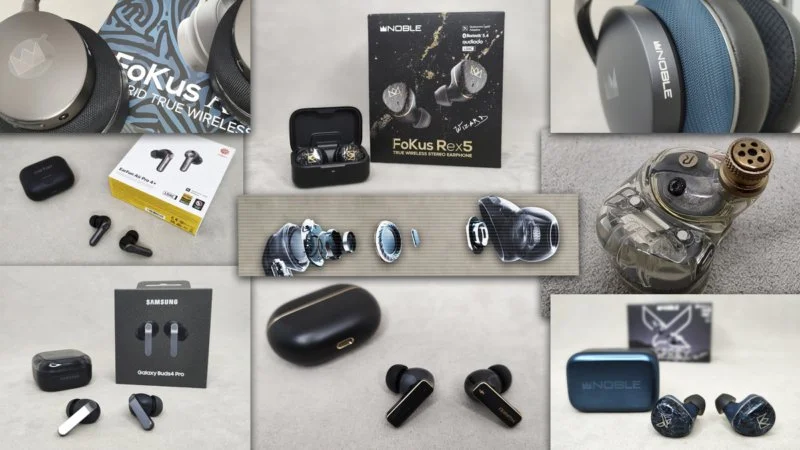
Hybrid sound systems in headphones combine two or more driver types, like dynamic and armature/planar/xMEMS, to leverage the strengths of each for better sound. And it works. The catch with these Bluetooth headphones is the higher manufacturing cost and complexity in tuning. Hybrid models can cost 1.5 to 2 times more than those with just dynamic drivers. Plus, if the tuning and driver matching aren’t precise, hybrid headphones can actually sound worse than a simpler design with a single dynamic driver.
In this ranking, we’ve compiled 15 of the best hybrid wireless headphones tested by MyChooz. Our selection includes both over-ear headphones and TWS models, covering in-ear and in-ear styles.
Pros and Cons of Hybrid Systems.
Learn moreMain Advantages
- The best of multiple drivers: A dynamic driver delivers powerful, natural bass, while an armature/planar/MEMS driver provides detailed, fast highs. This results in a wider frequency range with clear lows, mids, and highs.
- Flexible tuning: You can adjust low, mid, and high frequencies independently without over-amplifying any specific range.
- No harshness in the highs: Dynamic drivers can struggle with high frequencies, but armature/planar/MEMS drivers handle them with ease.
- Fast response: Armature/planar/MEMS drivers react almost instantaneously, offering precise and detailed sound that prevents complex arrangements from sounding muddy.
Main Disadvantages
- Intricate calibration: Accurately separating the sound signal into sonic ranges for each speaker element, termed constructing a crossover (a network of capacitors, inductors, and resistors), is vital. The varied speed of driver response and sound fading also necessitate precise alignment. If not, the audio may seem disconnected, as though from distinct origins. Intervals between sonic ranges result in drops, whereas excessive overlap produces a lack of clarity and unwanted alterations.
- Higher production cost: More drivers mean more complex tuning. Additional resources are needed for circuitry and designing the sound chamber for optimal tuning. Consequently, hybrid models typically cost at least 1.5 to 2 times more than comparable dynamic driver-only models.
- Greater quality variation: The final sound quality heavily depends on crossover tuning. Manufacturers with skilled technicians can produce significantly better-sounding products, even with identical specs. Conversely, poorly tuned headphones can fall short of even mid-range dynamic models.
- Volume differences: Each driver type has different sensitivity and impedance, making it challenging to achieve uniform volume across all frequencies.
- Power requirements: Different driver types have varying needs for current/voltage and amplification. This means hybrid TWS models often have shorter battery life than those with dynamic drivers.
- Size and weight: Combining multiple drivers, amplifiers, and crossovers increases the overall dimensions and weight of the headphones, which can impact comfort.
How to get high-resolution codecs in wireless headphones: LDAC, LHDC, aptX Adaptive, aptX Lossless, etc.?
Learn moreIf your headphones support the required codec, but your phone, tablet, or PC doesn’t, you can use a USB adapter. A device the size of a Bluetooth adapter connects to your phone or PC’s port. Then, your headphones connect to the adapter and receive the signal with the appropriate codec.
Which adapter to choose?
- QCC Dongle Pro2 – if you need it all at once. The adapter supports: LHDC 5.0, LDAC, aptX Adaptive, aptX HD, aptX Lossless; LE Audio and Auracast are declared.
- FiiO Air Link – a universal adapter, just cheaper. Codec support: SBC, aptX, aptX Low Latency, aptX HD, aptX Adaptive, LDAC, and aptX Lossless.
- 1Mii B03Pro – a desktop option with a transmitter and receiver. Supports: SBC, AAC, aptX, aptX HD, aptX LL, aptX Adaptive.
- UGREEN BT701 – a compact universal option. Codec support: Classic Bluetooth: SBC, aptX, aptX HD, aptX Adaptive-LL, aptX Adaptive-HQ. LE Audio: Auracast, Unicast-Low Latency, Unicast-Lossless.
- UGREEN BT501 – a simplified version of the BT701. Supports: SBC, aptX, aptX Low Latency, aptX HD, aptX Adaptive.
See our ranking for more details on USB adapters — Best Bluetooth Adapters for Computers and Headphones.
EMMA — Experts + Methodology + MyChoozers + Algorithm.
Every model goes through identical tests; the score is calculated automatically with fixed weights — a spot in the rating cannot be bought.
TOP 15 Best Hybrid Wireless Headphones – Ranking
1. Noble Audio FoKus Apollo Pro 8.89Best Over-Ear Headphones for Sound
Drivers are the drivers in your headphones that are responsible for creating sound.
DD + PM + BA – means that there are several different types of drivers in these headphones.
DD – “Dynamic Driver” dynamic driver (deep bass, natural sound).
PM – “Planar Magnetic Driver” planar driver (wide soundstage and fast response).
BA – “Balanced Armature Driver” armature driver (accuracy and detail retrieval).
BC – “Bone Conduction Driver” or bone-conduction driver, which transmits vibration to the body of the headphones, transmitting sound through the bone/cartilage to the inner ear.
LDAC – high quality, high speed (Sony).
SBC is the basic Bluetooth standard, low quality.
AAC – Apple standard, good quality, low latency.
aptX – Qualcomm standard, good quality, low latency.
LC3/LC3plus – new Bluetooth LE Audio codecs, efficient compression.
Codecs are audio compression formats that affect sound quality and latency.
Headphone battery life is the playback time without recharging, measured in hours. Manufacturers measure without active noise cancellation (ANC), at medium volume (50-70%) and usually with the AAC codec, as these parameters affect battery consumption. Actual time may vary from 1% to 50%, depending on volume, active noise cancellation features enabled, codec (LDAC or other) and environmental conditions (cold, hot). It is important to consider not only the claimed playback time, but also the charging time and fast charging support.
Bluetooth is a wireless data transmission standard.
Support for new audio technologies.
Improved connection stability.
Reduced power consumption.
Essentially, the Noble Audio FoKus Apollo Pro are the same as the FoKus Apollo, but with better tuning. The Pro version offers a more pleasing sound profile that doesn’t really need manual EQ adjustments. Is the extra $50 worth it? Yes, especially if you plan to use them as-is and aren’t comfortable with EQ. However, if you’re happy to tweak the EQ yourself or prefer a bass-heavy, bright sound, then no. There’s no real reason to upgrade from the basic Apollo to the Pro; the sound improvement is minimal.
- Pleasant and smooth sound right out of the box.
- Comfortable fit, sturdy and reliable build quality
- Removable boom microphone.
- Fabric finish collects dust and fine debris
The final sound score is calculated using this formula:
Frequency balance + Detail retrieval + Soundstage + Natural timbre / 4 = Final Sound Score.
. 9.50 These headphones pull you into the sound from the very first listen. The bass is smooth and balanced, and the highs aren’t fatiguing. It’s rare to find a sound profile this good right out of the box, without needing EQ tweaks. The sound is precise, detailed, and natural – I have no complaints. I enjoyed the sound more than the basic Apollo and honestly didn’t want to take them off. The Noble Audio FoKus Apollo Pro are entering the top tier and are setting a new benchmark for over-ear headphones on MyChooz.Learn more.
Microphone – We assess speech transmission quality by testing the microphone in two main scenarios: quiet and noisy environments.
Quiet environment – This involves recording indoors with minimal background noise. Noisy environment – This means recording outdoors near a six-lane road with maximum traffic noise.
. 8.00 In quiet conditions: 9 In noisy conditions: 7 The built-in microphone lacks gain, though the voice is clear. In noisy environments, the voice is harder to make out. The external boom microphone is more detailed and handles noise better. In all cases, the volume ramps up smoothly.Overall feature score — this is the overall score for all device features. This score comes from individual feature ratings (battery life, controls, app, connection stability, and others) and shows how easy and smart the device is for daily use.
. 8.03 Useful features, has everything you need. Active noise cancellation blocks about 50% of noise, mostly in the low-frequency range. In transparency mode, you can have a conversation, though the mode is not what I would call comfortable. The controls are convenient, and you can manage the player, calls, and ambient sound using the buttons. There is a physical microphone mute switch, which is handy in games or when you need to step away briefly without dropping the connection. The connection itself is stable, though there is no auto-pause sensor. The companion app has useful features, but the app’s ergonomics itself are awkward.Read more.
Final build quality score is the overall score for build quality and materials: comfort, durability, and design. It shows how nice the device is to hold and use, and how long it will last.
. 8.67 Sturdy and reliable, unchanged compared to the base version. The exception is the mesh ear pads. The greenhouse effect in summer slows down, though it doesn’t go away entirely. The ear cups do not press on the ears, and minor fatigue sets in by the 3rd or 4th hour of use. Build quality is defect-free, and the materials are premium. The headphones look good, I liked them.Read more.
2. Noble Audio FoKus Apollo 9.12Best Over-Ear Headphones for Sound with a Detachable Microphone
Drivers are the drivers in your headphones that are responsible for creating sound.
DD + PM + BA – means that there are several different types of drivers in these headphones.
DD – “Dynamic Driver” dynamic driver (deep bass, natural sound).
PM – “Planar Magnetic Driver” planar driver (wide soundstage and fast response).
BA – “Balanced Armature Driver” armature driver (accuracy and detail retrieval).
BC – “Bone Conduction Driver” or bone-conduction driver, which transmits vibration to the body of the headphones, transmitting sound through the bone/cartilage to the inner ear.
LDAC – high quality, high speed (Sony).
SBC is the basic Bluetooth standard, low quality.
AAC – Apple standard, good quality, low latency.
aptX – Qualcomm standard, good quality, low latency.
LC3/LC3plus – new Bluetooth LE Audio codecs, efficient compression.
Codecs are audio compression formats that affect sound quality and latency.
Headphone battery life is the playback time without recharging, measured in hours. Manufacturers measure without active noise cancellation (ANC), at medium volume (50-70%) and usually with the AAC codec, as these parameters affect battery consumption. Actual time may vary from 1% to 50%, depending on volume, active noise cancellation features enabled, codec (LDAC or other) and environmental conditions (cold, hot). It is important to consider not only the claimed playback time, but also the charging time and fast charging support.
Bluetooth is a wireless data transmission standard.
Support for new audio technologies.
Improved connection stability.
Reduced power consumption.
The Noble Audio FoKus Apollo are the best over-ear headphones for sound, especially for detail retrieval. Their reference-quality sound and comfortable earcups that don’t press on your ears are the main draws. They also feature a detachable microphone with a quick mute switch. There are no major downsides, unless you count the price and the slightly sharp highs, which can be smoothed out with an EQ.
- Reference-level sound
- Top-tier noise cancellation
- Comfortable fit, sturdy and reliable build quality
- Minimally usable transparency mode
- Fabric finish collects dust and fine debris
The final sound score is calculated using this formula:
Frequency balance + Detail retrieval + Soundstage + Natural timbre / 4 = Final Sound Score.
. 9.66 The headphones offer the best sound in terms of emotionality and analyticity. The bass is deep and unburdened, the mids are open with minimal transparency drop. Reference soundstage, naturalness, and detail retrieval. Positioning does not shift with instruments appearing or fading. The sound lacks noticeable artificiality and grain, and detail retrieval is sufficient to hear minor artifacts in the recording. Cons include highs lacking softness, and excessive percussion in a track getting fatiguing.Read more.
Microphone – We assess speech transmission quality by testing the microphone in two main scenarios: quiet and noisy environments.
Quiet environment – This involves recording indoors with minimal background noise. Noisy environment – This means recording outdoors near a six-lane road with maximum traffic noise.
. 8.50 In quiet conditions: 10 In noisy conditions: 7 A boom microphone is included, along with a dedicated button to mute all microphones.Overall feature score — this is the overall score for all device features. This score comes from individual feature ratings (battery life, controls, app, connection stability, and others) and shows how easy and smart the device is for daily use.
. 8.64 Active noise cancellation suppresses up to about 50% of noise, while transparency mode is minimally suited for conversation. Button controls with basic playback and call management. The companion app is user-friendly, featuring a 10-band EQ and personal sound tuning.Read more.
Final build quality score is the overall score for build quality and materials: comfort, durability, and design. It shows how nice the device is to hold and use, and how long it will last.
. 8.50 The ear cups do not press on the ears, and minor fatigue becomes noticeable by the 3rd-4th hour of use. Build quality is defect-free, and materials are premium grade. The headphones look good, I liked them.Read more.
3. Samsung Galaxy Buds 4 Pro 8.99Best Wireless Headphones for Phone – Samsung, Android, and iPhone
Drivers are the drivers in your headphones that are responsible for creating sound.
DD + PM + BA – means that there are several different types of drivers in these headphones.
DD – “Dynamic Driver” dynamic driver (deep bass, natural sound).
PM – “Planar Magnetic Driver” planar driver (wide soundstage and fast response).
BA – “Balanced Armature Driver” armature driver (accuracy and detail retrieval).
BC – “Bone Conduction Driver” or bone-conduction driver, which transmits vibration to the body of the headphones, transmitting sound through the bone/cartilage to the inner ear.
LDAC – high quality, high speed (Sony).
SBC is the basic Bluetooth standard, low quality.
AAC – Apple standard, good quality, low latency.
aptX – Qualcomm standard, good quality, low latency.
LC3/LC3plus – new Bluetooth LE Audio codecs, efficient compression.
Codecs are audio compression formats that affect sound quality and latency.
Headphone battery life is the playback time without recharging, measured in hours. Manufacturers measure without active noise cancellation (ANC), at medium volume (50-70%) and usually with the AAC codec, as these parameters affect battery consumption. Actual time may vary from 1% to 50%, depending on volume, active noise cancellation features enabled, codec (LDAC or other) and environmental conditions (cold, hot). It is important to consider not only the claimed playback time, but also the charging time and fast charging support.
Bluetooth is a wireless data transmission standard.
Support for new audio technologies.
Improved connection stability.
Reduced power consumption.
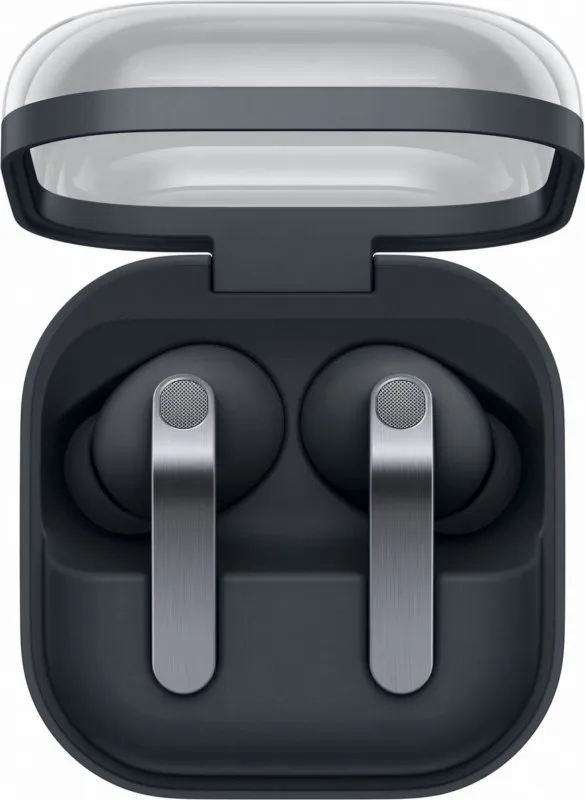
Samsung Galaxy Buds 4 Pro is a highly successful update to the 3 Pro. Key selling points: reference sound, reference functionality, and a very comfortable design. All three aspects are top-notch. This applies not only to flagship Samsung devices but to all Android and Apple devices. Reference transparency mode and excellent noise cancellation. Excellent microphone. It’s like AirPods, but with enhanced sound and for all ecosystems.
The downsides include artificial ecosystem limitations for non-Samsung devices: only basic codecs with a 15% quality drop, no low-latency mode, no translator or voice assistant, no spatial audio, Auracast, or seamless device switching. There are minor sound flaws in the highs. Everything else is simply TOP.
- Top-tier sound, reference-grade with the proprietary SSC UHD codec.
- Includes a translator, voice assistant, spatial audio.
- Reference-grade transparency, activation by saying your name.
- The SSC UHD codec, translator, voice assistant, and spatial audio only work on Samsung flagship devices.
- No companion app for Apple.
The final sound score is calculated using this formula:
Frequency balance + Detail retrieval + Soundstage + Natural timbre / 4 = Final Sound Score.
. 9.13 A wide soundstage, cool punchy bass, prominent vocals that separate cleanly from other instruments, and gorgeous detail retrieval. The main downside of the sound is perhaps the highs, which felt slightly lacking for me in both quality and quantity. The main plus of the sound is everything else, the soundstage is absolute reference material at 10 out of 10.Read more.
Microphone – We assess speech transmission quality by testing the microphone in two main scenarios: quiet and noisy environments.
Quiet environment – This involves recording indoors with minimal background noise. Noisy environment – This means recording outdoors near a six-lane road with maximum traffic noise.
. 9.50 In quiet conditions: 10 In noisy conditions: 9 Gorgeous quality, it has gotten better than the Galaxy Buds 3 Pro. It fell just a hair short of the Huawei reference.Overall feature score — this is the overall score for all device features. This score comes from individual feature ratings (battery life, controls, app, connection stability, and others) and shows how easy and smart the device is for daily use.
. 9.25 Noise cancellation is excellent—9 out of 10, falling slightly short of the AirPods Pro 3 reference. It handles street noise, laptop hum, and PC fans well. Transparency is reference-level with a slight digital processing feel. Battery life in our tests on base codecs is 8-10 hours. Touch controls, plus voice control for the player and calls. The companion app is user-friendly and only for Android devices. Moreover, some features are only available on Samsung devices.Read more.
Final build quality score is the overall score for build quality and materials: comfort, durability, and design. It shows how nice the device is to hold and use, and how long it will last.
. 8.25 The earbuds are very comfortable, the case is compact. After a couple of hours of use, only minor fatigue. The build is sturdy and reliable, though the finish is a fingerprint magnet. Available in 3 colors: gray, white, and rose gold. Personally, I liked the design, while parts of our team didn’t. What about you?Read more.
4. Noble Audio Fokus REX5 8.43Best Wireless TWS Headphones – #1 for Sound Quality
Drivers are the drivers in your headphones that are responsible for creating sound.
DD + PM + BA – means that there are several different types of drivers in these headphones.
DD – “Dynamic Driver” dynamic driver (deep bass, natural sound).
PM – “Planar Magnetic Driver” planar driver (wide soundstage and fast response).
BA – “Balanced Armature Driver” armature driver (accuracy and detail retrieval).
BC – “Bone Conduction Driver” or bone-conduction driver, which transmits vibration to the body of the headphones, transmitting sound through the bone/cartilage to the inner ear.
LDAC – high quality, high speed (Sony).
SBC is the basic Bluetooth standard, low quality.
AAC – Apple standard, good quality, low latency.
aptX – Qualcomm standard, good quality, low latency.
LC3/LC3plus – new Bluetooth LE Audio codecs, efficient compression.
Codecs are audio compression formats that affect sound quality and latency.
Headphone battery life is the playback time without recharging, measured in hours. Manufacturers measure without active noise cancellation (ANC), at medium volume (50-70%) and usually with the AAC codec, as these parameters affect battery consumption. Actual time may vary from 1% to 50%, depending on volume, active noise cancellation features enabled, codec (LDAC or other) and environmental conditions (cold, hot). It is important to consider not only the claimed playback time, but also the charging time and fast charging support.
Bluetooth is a wireless data transmission standard.
Support for new audio technologies.
Improved connection stability.
Reduced power consumption.
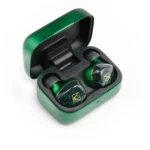
The Noble Audio Fokus REX5 are the top wireless TWS headphones and #1 for sound quality on MyChooz. Their reference sound quality, particularly in detail retrieval, naturalness, and soundstage, is the key selling point. They outperform the Technics EAH-AZ100, and the five drivers in each headphone are genuinely impactful. However, you will need to adjust the sound using EQ. We’ll cover sound tuning and ear pad selection in the full review. On the downside, their noise cancellation, transparency mode, and microphone performance are comparable to models under $100.
Overall, this model is for anyone seeking the absolute best in-ear TWS headphones with uncompromising sound quality.
- Best sound quality, reference-quality detail retrieval among true wireless models
- Metal charging case and earbud body
- 2 EQs with combinable settings; Audiodo personal sound tuning
- Fit relies heavily on ear tips. You have to adjust the earbuds if the ear tips don’t fit right
- Earbuds quickly cool down in cold weather
- Average feature set
The final sound score is calculated using this formula:
Frequency balance + Detail retrieval + Soundstage + Natural timbre / 4 = Final Sound Score.
. 9.29 Noble FoKus REX5 provided the highest sound quality among all earbuds I’ve ever heard. It is now the reference, 0.5 points better than the Technics EAH-AZ100. But not a reference in every single aspect. The overall picture is wide, detailed, bright, and clean, with a 3D effect. Among the strengths: reference-grade midrange, reference-grade detail retrieval, and soundstage for earbuds. There are flaws in the sound, the main one being that high frequencies sometimes start to get piercing.Read more.
Microphone – We assess speech transmission quality by testing the microphone in two main scenarios: quiet and noisy environments.
Quiet environment – This involves recording indoors with minimal background noise. Noisy environment – This means recording outdoors near a six-lane road with maximum traffic noise.
. 7.50 In quiet conditions: 8 In noisy conditions: 7Overall feature score — this is the overall score for all device features. This score comes from individual feature ratings (battery life, controls, app, connection stability, and others) and shows how easy and smart the device is for daily use.
. 7.40 Active noise cancellation suppresses light background noise, while transparency mode is barely adequate for a comfortable conversation. Battery life in our tests ranged from 4.5 to 7.5 hours depending on the codec used. Touch controls support 3 actions: play/pause, track switching, and volume control. The app keeps things simple: it includes 2 EQs and a personal sound tuning feature.Read more.
Final build quality score is the overall score for build quality and materials: comfort, durability, and design. It shows how nice the device is to hold and use, and how long it will last.
. 7.83 It is important to pick the right ear tips for these earbuds since the primary hold relies on them. Otherwise, the earbuds are comfortable, and there is no discomfort after 2 hours of use. The build is metal, with no complaints about manufacturing or materials. The appearance is neat and appealing, and the vibrant color scheme is not off-putting.Read more.
5. HUAWEI FreeBuds Pro 4 8.52Best Wireless Headphones 2026 – for Sound Quality and Features
Drivers are the drivers in your headphones that are responsible for creating sound.
DD + PM + BA – means that there are several different types of drivers in these headphones.
DD – “Dynamic Driver” dynamic driver (deep bass, natural sound).
PM – “Planar Magnetic Driver” planar driver (wide soundstage and fast response).
BA – “Balanced Armature Driver” armature driver (accuracy and detail retrieval).
BC – “Bone Conduction Driver” or bone-conduction driver, which transmits vibration to the body of the headphones, transmitting sound through the bone/cartilage to the inner ear.
LDAC – high quality, high speed (Sony).
SBC is the basic Bluetooth standard, low quality.
AAC – Apple standard, good quality, low latency.
aptX – Qualcomm standard, good quality, low latency.
LC3/LC3plus – new Bluetooth LE Audio codecs, efficient compression.
Codecs are audio compression formats that affect sound quality and latency.
Headphone battery life is the playback time without recharging, measured in hours. Manufacturers measure without active noise cancellation (ANC), at medium volume (50-70%) and usually with the AAC codec, as these parameters affect battery consumption. Actual time may vary from 1% to 50%, depending on volume, active noise cancellation features enabled, codec (LDAC or other) and environmental conditions (cold, hot). It is important to consider not only the claimed playback time, but also the charging time and fast charging support.
Bluetooth is a wireless data transmission standard.
Support for new audio technologies.
Improved connection stability.
Reduced power consumption.
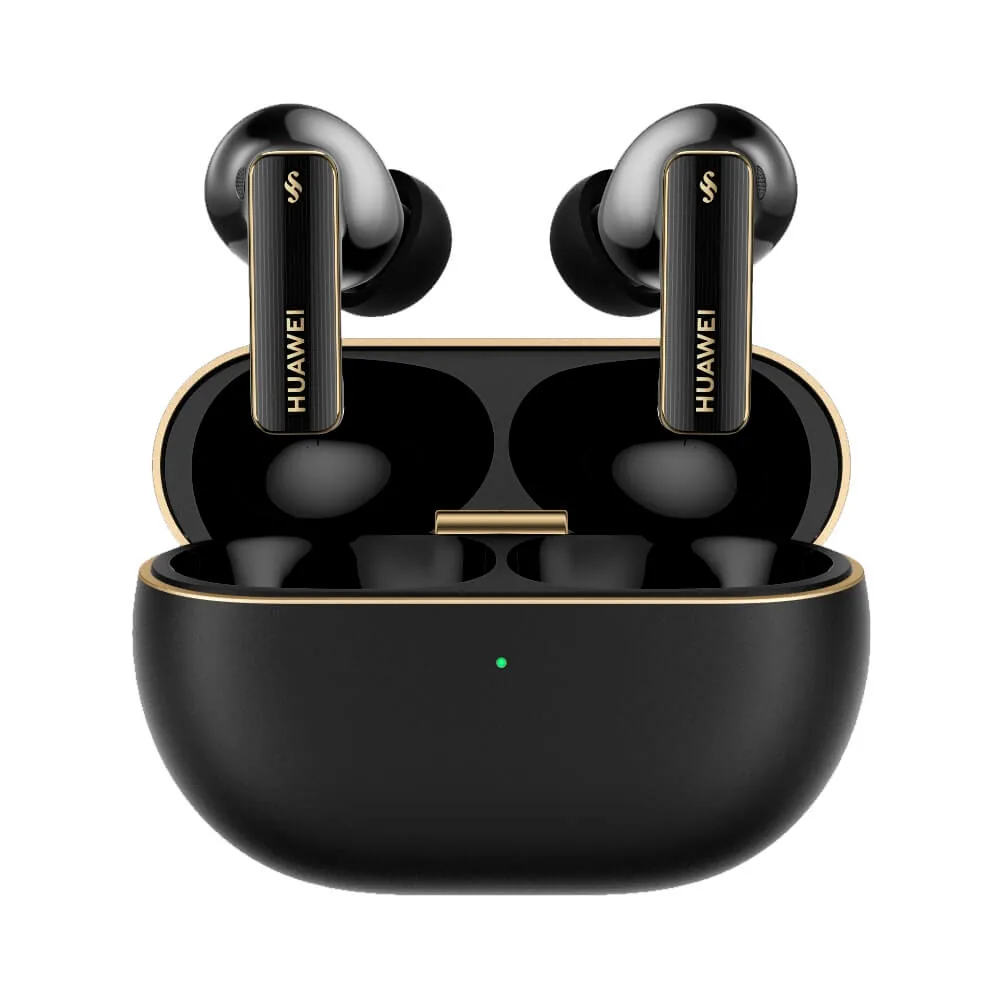
The Huawei Freebuds Pro 4 stand out as the best wireless headphones under $200 based on MyChooz’s analysis of 32 testing parameters for all wireless in-ear models. The main reason to buy is their excellent balance of sound, features, and build quality, plus a reference-grade microphone. The drawbacks are that some features, like the L2HC codec, spatial audio, translator, and voice assistant, are exclusive to proprietary devices running HarmonyOS.
- Top-tier sound
- Reference microphone
- Top-tier controls
- Proprietary L2HC codec, translator, assistant, and other features only work on devices running HarmonyOS
- Non-critical: soundstage lacks width rendering, highs have grain in places
The final sound score is calculated using this formula:
Frequency balance + Detail retrieval + Soundstage + Natural timbre / 4 = Final Sound Score.
. 8.46 The wireless earbuds feature excellent mids and transparent vocals. Moderately natural voice and instrument sound without distortion and artificial timbre. And detail retrieval is enough to enjoy live instruments. Cons include a minor bass deficit and a somewhat narrow soundstage.Read more.
Microphone – We assess speech transmission quality by testing the microphone in two main scenarios: quiet and noisy environments.
Quiet environment – This involves recording indoors with minimal background noise. Noisy environment – This means recording outdoors near a six-lane road with maximum traffic noise.
. 9.75 In quiet environments: 9.5 In noisy environments: 10Overall feature score — this is the overall score for all device features. This score comes from individual feature ratings (battery life, controls, app, connection stability, and others) and shows how easy and smart the device is for daily use.
. 8.52 A strong point of the model and the manufacturer in general. Noise cancellation and transparency are sufficient for work. Playback time in our tests up to 6.5 hours taking the codec into account. Convenient touch controls, swipes, and head gestures. And the proprietary app is not overloaded with extra functions. Only on Android you have to install the app manually after downloading it from the Huawei website.Read more.
Final build quality score is the overall score for build quality and materials: comfort, durability, and design. It shows how nice the device is to hold and use, and how long it will last.
. 8.67 The wireless earbuds have a comfortable fit without noticeable discomfort. No complaints about build or materials. Only the wireless earbuds body is a fingerprint magnet, and scratches are visible on the case after a week of use. The wireless earbuds look good, but the gilding and brand name look excessive. 3 colors to choose from.Read more.
6. Realme Buds Air 7 Pro 8.47Best Budget Wireless Headphones for SOUND 2025 — under $300
Drivers are the drivers in your headphones that are responsible for creating sound.
DD + PM + BA – means that there are several different types of drivers in these headphones.
DD – “Dynamic Driver” dynamic driver (deep bass, natural sound).
PM – “Planar Magnetic Driver” planar driver (wide soundstage and fast response).
BA – “Balanced Armature Driver” armature driver (accuracy and detail retrieval).
BC – “Bone Conduction Driver” or bone-conduction driver, which transmits vibration to the body of the headphones, transmitting sound through the bone/cartilage to the inner ear.
LDAC – high quality, high speed (Sony).
SBC is the basic Bluetooth standard, low quality.
AAC – Apple standard, good quality, low latency.
aptX – Qualcomm standard, good quality, low latency.
LC3/LC3plus – new Bluetooth LE Audio codecs, efficient compression.
Codecs are audio compression formats that affect sound quality and latency.
Headphone battery life is the playback time without recharging, measured in hours. Manufacturers measure without active noise cancellation (ANC), at medium volume (50-70%) and usually with the AAC codec, as these parameters affect battery consumption. Actual time may vary from 1% to 50%, depending on volume, active noise cancellation features enabled, codec (LDAC or other) and environmental conditions (cold, hot). It is important to consider not only the claimed playback time, but also the charging time and fast charging support.
Bluetooth is a wireless data transmission standard.
Support for new audio technologies.
Improved connection stability.
Reduced power consumption.
The Realme Buds Air 7 Pro are the best budget wireless headphones for sound. Their key advantage is the best sound quality among TWS headphones under $300, along with live and synchronous translation that isn’t tied to a specific phone manufacturer. Downsides include a large headphone design that might not fit everyone comfortably, and numerous reliability complaints on our social media. Despite this, the model is highly popular among our social media users.
- Best sound in wireless earbuds under $300
- Live and simultaneous translation
- Reference-level battery life
- User complaints regarding reliability
- Average noise cancellation and transparency
The final sound score is calculated using this formula:
Frequency balance + Detail retrieval + Soundstage + Natural timbre / 4 = Final Sound Score.
. 9.00 Using the LHDC 5.0 codec, performance sits right alongside some models priced up to $300. The wireless earbuds offer an optimal frequency balance. You get a spacious soundstage with clear width and depth rendering. The sound is moderately detailed and natural. First batches of the Chinese version suffered from an excess of highs, but the global version doesn’t have this issue.Read more.
Microphone – We assess speech transmission quality by testing the microphone in two main scenarios: quiet and noisy environments.
Quiet environment – This involves recording indoors with minimal background noise. Noisy environment – This means recording outdoors near a six-lane road with maximum traffic noise.
. 8.00 In quiet environments: 9 In noisy environments: 7Overall feature score — this is the overall score for all device features. This score comes from individual feature ratings (battery life, controls, app, connection stability, and others) and shows how easy and smart the device is for daily use.
. 7.75 Noise cancellation and transparency are mediocre. Battery life reached up to 10 hours in our tests taking the codec into account. Touch controls handle basic playback and calls. The app is handy and includes an EQ, sound personalization, and a translator.Read more.
Final build quality score is the overall score for build quality and materials: comfort, durability, and design. It shows how nice the device is to hold and use, and how long it will last.
. 8.20 The fit is solid. 2-3 hours of use without discomfort. Build and materials draw no complaints. They look great, and I like the design. Available in 4 colors.Read more.
7. OnePlus Buds Pro 3 8.27Best Wireless Headphones in 2024 – Legendary Model
Drivers are the drivers in your headphones that are responsible for creating sound.
DD + PM + BA – means that there are several different types of drivers in these headphones.
DD – “Dynamic Driver” dynamic driver (deep bass, natural sound).
PM – “Planar Magnetic Driver” planar driver (wide soundstage and fast response).
BA – “Balanced Armature Driver” armature driver (accuracy and detail retrieval).
BC – “Bone Conduction Driver” or bone-conduction driver, which transmits vibration to the body of the headphones, transmitting sound through the bone/cartilage to the inner ear.
LDAC – high quality, high speed (Sony).
SBC is the basic Bluetooth standard, low quality.
AAC – Apple standard, good quality, low latency.
aptX – Qualcomm standard, good quality, low latency.
LC3/LC3plus – new Bluetooth LE Audio codecs, efficient compression.
Codecs are audio compression formats that affect sound quality and latency.
Headphone battery life is the playback time without recharging, measured in hours. Manufacturers measure without active noise cancellation (ANC), at medium volume (50-70%) and usually with the AAC codec, as these parameters affect battery consumption. Actual time may vary from 1% to 50%, depending on volume, active noise cancellation features enabled, codec (LDAC or other) and environmental conditions (cold, hot). It is important to consider not only the claimed playback time, but also the charging time and fast charging support.
Bluetooth is a wireless data transmission standard.
Support for new audio technologies.
Improved connection stability.
Reduced power consumption.
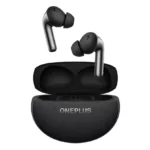
The OnePlus Buds Pro 3 are the best wireless TWS headphones of 2024. With the release of the OnePlus Buds 4, buying the Pro 3 now is less compelling, as the fourth generation offers improved sound. The Pro 3 still scores an excellent 8.5/10 for sound quality, which is very good considering its $120 price point. I’ve included this model to clarify the status of a personal favorite that many of you have asked about and that I’ve recommended frequently. The OnePlus Buds Pro 4, which we’ve all been anticipating this year, haven’t been released yet; we’ll see what they bring in 2026.
- Top-tier sound among TWS
- Not demanding on the mobile platform—Snapdragon or MTK
- Full support for the LHDC 3.0 audio codec
- Poor transparency mode
- OnePlus Buds 4 exist—better and cheaper
The final sound score is calculated using this formula:
Frequency balance + Detail retrieval + Soundstage + Natural timbre / 4 = Final Sound Score.
. 8.43 Moderately low-frequency sound. At the same time bright, with slightly recessed mids, and most importantly with the correct frequency balance. The kind of setup where you pick the right size ear tips, put them in your ears, and enjoy your favorite music. The EQ has decent presets; I recommend trying the Clarity preset. The sound is detailed, natural in timbre, and features a wide soundstage.Read more.
Microphone – We assess speech transmission quality by testing the microphone in two main scenarios: quiet and noisy environments.
Quiet environment – This involves recording indoors with minimal background noise. Noisy environment – This means recording outdoors near a six-lane road with maximum traffic noise.
. 8.40 In quiet conditions: 8.8 In noisy conditions: 8 The manufacturer claims that the AI Clear Call algorithm protects calls from wind and background noise thanks to three built-in microphones and a wind-resistant design. Surprisingly, it works.Overall feature score — this is the overall score for all device features. This score comes from individual feature ratings (battery life, controls, app, connection stability, and others) and shows how easy and smart the device is for daily use.
. 8.05 ANC suppresses light background noise, transparency is poor and unsuitable for use. Playback time is up to 10 hours and 43 hours with the case. Touch controls feature standard actions for managing calls and the player. The app is convenient and not overloaded with unnecessary features.Read more.
Final build quality score is the overall score for build quality and materials: comfort, durability, and design. It shows how nice the device is to hold and use, and how long it will last.
. 8.17 The earbuds are comfortable, as long as you pick the right ear tips. Build quality is solid and reliable. I liked the look of the earbuds and the case. Available in 2 colors: black and white.Read more.
8. Huawei Freebuds 5 Pro 8.21Wireless True Wireless Headphones with Reference Microphone, Top Functionality, and Good Sound
Drivers are the drivers in your headphones that are responsible for creating sound.
DD + PM + BA – means that there are several different types of drivers in these headphones.
DD – “Dynamic Driver” dynamic driver (deep bass, natural sound).
PM – “Planar Magnetic Driver” planar driver (wide soundstage and fast response).
BA – “Balanced Armature Driver” armature driver (accuracy and detail retrieval).
BC – “Bone Conduction Driver” or bone-conduction driver, which transmits vibration to the body of the headphones, transmitting sound through the bone/cartilage to the inner ear.
LDAC – high quality, high speed (Sony).
SBC is the basic Bluetooth standard, low quality.
AAC – Apple standard, good quality, low latency.
aptX – Qualcomm standard, good quality, low latency.
LC3/LC3plus – new Bluetooth LE Audio codecs, efficient compression.
Codecs are audio compression formats that affect sound quality and latency.
Headphone battery life is the playback time without recharging, measured in hours. Manufacturers measure without active noise cancellation (ANC), at medium volume (50-70%) and usually with the AAC codec, as these parameters affect battery consumption. Actual time may vary from 1% to 50%, depending on volume, active noise cancellation features enabled, codec (LDAC or other) and environmental conditions (cold, hot). It is important to consider not only the claimed playback time, but also the charging time and fast charging support.
Bluetooth is a wireless data transmission standard.
Support for new audio technologies.
Improved connection stability.
Reduced power consumption.
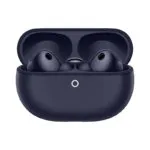
Key selling points: good and non-offensive sound, reference-level microphone, convenient controls. Good noise cancellation and top-tier transparency mode. Downsides: sound is above average, and most features are tied to the proprietary HarmonyOS firmware – translator, voice recorder, voice assistant, etc.
- Nothing in the sound is off-putting.
- Reference-level microphone.
- Good noise cancellation and an excellent transparency mode.
- Comfortable build, pleasant design.
- Third-league sound (7-8 points) at a first-league price of $200.
- Voice assistant, translator, voice recorder, hearing protection, and other proprietary features are only available on HarmonyOS devices.
The final sound score is calculated using this formula:
Frequency balance + Detail retrieval + Soundstage + Natural timbre / 4 = Final Sound Score.
. 7.21 Huawei FreeBuds 5 Pro — bass is a bit lacking, highs too, mids are pushed back, and none of these issues are critical. Listening to music is generally enjoyable, and you only start noticing flaws in the sound when doing a direct comparison with the 4 Pro or reference models like the Technics EAH-AZ100 or Noble FoKus Rex 5. The strong point of this model is probably that nothing in the sound strains you, but nothing excites you either. At $200, you expect first-league performance (9-10 points), or at least second-league (8-9). But here we get the third bronze league (7-8 points), the level of $50-100 models. If this model cost $50 — take my money, but more for the features than the sound. But $150-200… No, thanks. And yes, compared to the Huawei FreeBuds 4 Pro, this is unfortunately a step backward in sound quality.Read more.
Microphone – We assess speech transmission quality by testing the microphone in two main scenarios: quiet and noisy environments.
Quiet environment – This involves recording indoors with minimal background noise. Noisy environment – This means recording outdoors near a six-lane road with maximum traffic noise.
. 9.75 Quiet 9.5 Noisy 10 Microphone quality has not changed at all, top-tier level.Overall feature score — this is the overall score for all device features. This score comes from individual feature ratings (battery life, controls, app, connection stability, and others) and shows how easy and smart the device is for daily use.
. 9.13 Noise cancellation is good, becoming slightly better compared to the 4 Pro. Transparency mode got 1 point better, making conversations comfortable. Battery life increased to up to 9 hours of playback and up to 38 hours with the charging case. Controls are reference-grade, featuring touch and pinch gestures. The app is good, and inside it I recommend choosing the LDAC codec and setting up the EQ using my example.Read more.
Final build quality score is the overall score for build quality and materials: comfort, durability, and design. It shows how nice the device is to hold and use, and how long it will last.
. 9.33 The model is comfortable, allowing 2-3 hours of use without discomfort, and durability is excellent. The design is unique, with the case now resembling the OnePlus Buds 3 Pro and looking worse in my opinion than the 4 Pro. The earbuds themselves have become slightly nicer and more compact.Read more.
9. Noble Audio Osprey 8.15Best TWS Headphones – Bass-Heavy and Bright Sound
Drivers are the drivers in your headphones that are responsible for creating sound.
DD + PM + BA – means that there are several different types of drivers in these headphones.
DD – “Dynamic Driver” dynamic driver (deep bass, natural sound).
PM – “Planar Magnetic Driver” planar driver (wide soundstage and fast response).
BA – “Balanced Armature Driver” armature driver (accuracy and detail retrieval).
BC – “Bone Conduction Driver” or bone-conduction driver, which transmits vibration to the body of the headphones, transmitting sound through the bone/cartilage to the inner ear.
LDAC – high quality, high speed (Sony).
SBC is the basic Bluetooth standard, low quality.
AAC – Apple standard, good quality, low latency.
aptX – Qualcomm standard, good quality, low latency.
LC3/LC3plus – new Bluetooth LE Audio codecs, efficient compression.
Codecs are audio compression formats that affect sound quality and latency.
Headphone battery life is the playback time without recharging, measured in hours. Manufacturers measure without active noise cancellation (ANC), at medium volume (50-70%) and usually with the AAC codec, as these parameters affect battery consumption. Actual time may vary from 1% to 50%, depending on volume, active noise cancellation features enabled, codec (LDAC or other) and environmental conditions (cold, hot). It is important to consider not only the claimed playback time, but also the charging time and fast charging support.
Bluetooth is a wireless data transmission standard.
Support for new audio technologies.
Improved connection stability.
Reduced power consumption.
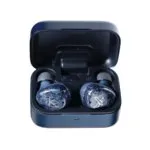
The Noble Audio Osprey offers a budget-friendly alternative to the successful Noble FoKus REX5, costing $200 instead of $450. While visually similar, the Osprey features a simplified sound profile with two drivers instead of five, no built-in EQ curve, and no personalized sound tuning. Is the sound difference significant? Yes. The FoKus Osprey sounds like its premium price tag, but it falls short in frequency balance, detail retrieval, and soundstage. Comparing the two is like comparing airflow through a slightly open window versus a fully open one. The Osprey’s advantages are a more emphasized, less recessed bass and less sharp highs. Therefore, the Osprey is a solid option for top-tier sound if the REX5 is out of your budget. However, its features are mid-tier and feel like an afterthought – most of the budget went to sound and build quality, with little left for features.
- Moderately bright sound with deep bass.
- Sturdy and reliable build.
- Stable signal with LDAC codec.
- Mediocre features: poor transparency, little use from the companion app.
The final sound score is calculated using this formula:
Frequency balance + Detail retrieval + Soundstage + Natural timbre / 4 = Final Sound Score.
. 8.83 Dynamic—bass and percussion sound emphasized while keeping balance. The exception is tracks packed with percussion like Oasis – Dont Go Away. Such tracks carry a metallic “aftertaste” and slight fatigue. Furthermore, the mids lack transparency, which can be tweaked via EQ or left as is. The soundstage feels noticeably smaller compared to the REX5. Otherwise, the sound is spacious, detailed, and natural. Just right for focused listening. The Noble Audio Osprey confidently land in the MyChooz silver league.Read more.
Microphone – We assess speech transmission quality by testing the microphone in two main scenarios: quiet and noisy environments.
Quiet environment – This involves recording indoors with minimal background noise. Noisy environment – This means recording outdoors near a six-lane road with maximum traffic noise.
. 7.00 In quiet conditions: 7 In noisy conditions: 7Overall feature score — this is the overall score for all device features. This score comes from individual feature ratings (battery life, controls, app, connection stability, and others) and shows how easy and smart the device is for daily use.
. 7.23 Implemented as an afterthought. On the bright side—signal stability and zero audio drops with LDAC set to quality preset at a 1–2 m distance. Active noise cancellation works if you pick the right ear tips. Playback time is up to 9 hours using the AAC codec. The transparency mode is poorly suited for daily use, controls work hit-or-miss—usually when you don’t need them, and the companion app offers nothing useful.Read more.
Final build quality score is the overall score for build quality and materials: comfort, durability, and design. It shows how nice the device is to hold and use, and how long it will last.
. 7.83 Feels sturdy and reliable in hand, and metal is rare in wireless earbud builds. The assembly, materials, and appearance mirror the REX5 completely. The earbuds look nice, though entirely lacking in individuality. They are comfortable, provided you pick the right size and ear tips. Otherwise, the earbuds won’t stay securely in your ears, or you’ll perpetually feel the urge to adjust them.Read more.
10. EarFun Air Pro 4 Plus 8.09BEST TWS Headphones under $100 with LDAC and AptX Codecs
Drivers are the drivers in your headphones that are responsible for creating sound.
DD + PM + BA – means that there are several different types of drivers in these headphones.
DD – “Dynamic Driver” dynamic driver (deep bass, natural sound).
PM – “Planar Magnetic Driver” planar driver (wide soundstage and fast response).
BA – “Balanced Armature Driver” armature driver (accuracy and detail retrieval).
BC – “Bone Conduction Driver” or bone-conduction driver, which transmits vibration to the body of the headphones, transmitting sound through the bone/cartilage to the inner ear.
LDAC – high quality, high speed (Sony).
SBC is the basic Bluetooth standard, low quality.
AAC – Apple standard, good quality, low latency.
aptX – Qualcomm standard, good quality, low latency.
LC3/LC3plus – new Bluetooth LE Audio codecs, efficient compression.
Codecs are audio compression formats that affect sound quality and latency.
Headphone battery life is the playback time without recharging, measured in hours. Manufacturers measure without active noise cancellation (ANC), at medium volume (50-70%) and usually with the AAC codec, as these parameters affect battery consumption. Actual time may vary from 1% to 50%, depending on volume, active noise cancellation features enabled, codec (LDAC or other) and environmental conditions (cold, hot). It is important to consider not only the claimed playback time, but also the charging time and fast charging support.
Bluetooth is a wireless data transmission standard.
Support for new audio technologies.
Improved connection stability.
Reduced power consumption.
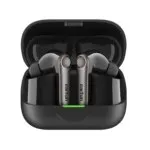
The main reason to buy: detailed sound with excellent vocal reproduction and great naturalness. The app provides sound settings, and it supports LDAC and three aptX codecs. It also includes a translator for 146 languages and dialects. These headphones are sensitive to EQ settings, so tuning the sound is worthwhile. In many respects, they outperform the Realme Buds Air 7 Pro, which is impressive for the price. Downsides include average noise cancellation and transparency, and potentially unlikable controls.
- Detailed sound
- Sound settings: 10-band EQ, preset modes, custom tuning
- Translator for 165 languages and dialects
- LDAC and 3 aptX Bluetooth codecs
- Treble is a bit harsh
- The balanced armature driver occasionally resonates
- Battery life is shorter than claimed
The final sound score is calculated using this formula:
Frequency balance + Detail retrieval + Soundstage + Natural timbre / 4 = Final Sound Score.
. 8.33 The strong suit of the EarFun Air Pro 4 Plus is its stunning vocal delivery across almost any track. If you want an emotional, lively, and soul-stirring performance, the Air Pro 4 Plus delivers. Natural timbre is also top-notch despite a slightly cool tint from the balanced armature driver. Among the weaknesses, I would point out the narrow soundstage, which leads to minor yet noticeable issues with detail retrieval and proper instrument separation across the soundstage. The headphones also lack a bit of bass, which is easily fixed via the EQ, with rock being the best preset for it.Read more.
Microphone – We assess speech transmission quality by testing the microphone in two main scenarios: quiet and noisy environments.
Quiet environment – This involves recording indoors with minimal background noise. Noisy environment – This means recording outdoors near a six-lane road with maximum traffic noise.
. 7.50 In quiet conditions: 8 In noisy conditions: 7Overall feature score — this is the overall score for all device features. This score comes from individual feature ratings (battery life, controls, app, connection stability, and others) and shows how easy and smart the device is for daily use.
. 7.63 Active noise cancellation works well, suppressing about 40-50% of low-frequency noise. Transparency mode provides good audibility. When talking through the headphones, you get a plugged-ear sensation, and your own voice heavily echoes inside your head via bone conduction. Battery life in our tests reached up to 10 hours using the codec, plus an extra 30 hours with the case. Touch controls support 4 taps per earbud. The companion app is user-friendly and features a translator supporting 146 languages and dialects.Read more.
Final build quality score is the overall score for build quality and materials: comfort, durability, and design. It shows how nice the device is to hold and use, and how long it will last.
. 8.17 The headphones are comfortable, with minor fatigue setting in after a couple of hours of use. No complaints about build quality and materials. The headphones look nice without eliciting any special excitement. Available in 3 colors.Read more.
11. Huawei Freebuds 6 8.06Best Open-Fit Headphones 2026 under $120 – Solid #2 If Samsung Doesn't Fit
Drivers are the drivers in your headphones that are responsible for creating sound.
DD + PM + BA – means that there are several different types of drivers in these headphones.
DD – “Dynamic Driver” dynamic driver (deep bass, natural sound).
PM – “Planar Magnetic Driver” planar driver (wide soundstage and fast response).
BA – “Balanced Armature Driver” armature driver (accuracy and detail retrieval).
BC – “Bone Conduction Driver” or bone-conduction driver, which transmits vibration to the body of the headphones, transmitting sound through the bone/cartilage to the inner ear.
LDAC – high quality, high speed (Sony).
SBC is the basic Bluetooth standard, low quality.
AAC – Apple standard, good quality, low latency.
aptX – Qualcomm standard, good quality, low latency.
LC3/LC3plus – new Bluetooth LE Audio codecs, efficient compression.
Codecs are audio compression formats that affect sound quality and latency.
Headphone battery life is the playback time without recharging, measured in hours. Manufacturers measure without active noise cancellation (ANC), at medium volume (50-70%) and usually with the AAC codec, as these parameters affect battery consumption. Actual time may vary from 1% to 50%, depending on volume, active noise cancellation features enabled, codec (LDAC or other) and environmental conditions (cold, hot). It is important to consider not only the claimed playback time, but also the charging time and fast charging support.
Bluetooth is a wireless data transmission standard.
Support for new audio technologies.
Improved connection stability.
Reduced power consumption.
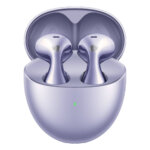
The Huawei FreeBuds 6 are notable for offering the best sound among open-fit headphones under $120. Compared to Samsung’s offerings, you get more bass and treble, but the sound is more compressed, with less space and soundstage. The main, though not critical, drawback is that some features, like the proprietary L2HC codec, translator, and voice assistant, are exclusive to Huawei phones running HarmonyOS.
- Best sound among open-fit earbuds.
- Reference-quality microphone.
- Good noise cancellation for open-fit earbuds.
- Overly bright sound in certain tracks.
- Non-critical: No transparency mode, L2HC 4.0 codec, and many proprietary features are available only on HarmonyOS 4.3+ Huawei devices.
The final sound score is calculated using this formula:
Frequency balance + Detail retrieval + Soundstage + Natural timbre / 4 = Final Sound Score.
. 7.98 Top-tier level like the Samsung Galaxy Buds 4 — just here it’s different, bright, narrow, precise. Great out-of-the-box sound. Using the LDAC codec grants a sound-quality boost of up to 20%. The main sound strengths are excellent naturalness and detail retrieval, alongside pleasant bass. Instruments and vocals sound clean, with practically no artificial sheen or coloration. The main sound flaw is a lack of soundstage size; the presentation is quite congested and narrow, leaving you wanting more space. In tracks rich in percussion or highs, the sound is harsh and frequently fatiguing. EQ tweaking is required.Read more.
Microphone – We assess speech transmission quality by testing the microphone in two main scenarios: quiet and noisy environments.
Quiet environment – This involves recording indoors with minimal background noise. Noisy environment – This means recording outdoors near a six-lane road with maximum traffic noise.
. 9.75 In quiet environments: 10 In noisy environments: 9.5 Reference-quality microphone among TWS models.Overall feature score — this is the overall score for all device features. This score comes from individual feature ratings (battery life, controls, app, connection stability, and others) and shows how easy and smart the device is for daily use.
. 8.11 Noise cancellation is at a solid level for an open-fit design. There is no transparency mode, but even without it, you can freely chat with someone without taking off the earbuds. Battery life is excellent, reaching up to 6 hours of playback and up to 36 hours with the case. Touch controls are convenient, but take some getting used to. The app is great; I recommend selecting the LDAC codec and tuning the EQ inside it.Read more.
Final build quality score is the overall score for build quality and materials: comfort, durability, and design. It shows how nice the device is to hold and use, and how long it will last.
. 8.17 The earbuds are barely noticeable in your ears from the first minutes of use. Only after 2 hours does mild fatigue set in. Durability is fantastic; after a year, the model looks like new. The design is quirky, but in person, it looks better than in photos.Read more.
12. CREATIVE Aurvana Ace 2 7.97Best TWS Headphones under $100 with AptX Lossless and AptX Adaptive Codecs
Drivers are the drivers in your headphones that are responsible for creating sound.
DD + PM + BA – means that there are several different types of drivers in these headphones.
DD – “Dynamic Driver” dynamic driver (deep bass, natural sound).
PM – “Planar Magnetic Driver” planar driver (wide soundstage and fast response).
BA – “Balanced Armature Driver” armature driver (accuracy and detail retrieval).
BC – “Bone Conduction Driver” or bone-conduction driver, which transmits vibration to the body of the headphones, transmitting sound through the bone/cartilage to the inner ear.
LDAC – high quality, high speed (Sony).
SBC is the basic Bluetooth standard, low quality.
AAC – Apple standard, good quality, low latency.
aptX – Qualcomm standard, good quality, low latency.
LC3/LC3plus – new Bluetooth LE Audio codecs, efficient compression.
Codecs are audio compression formats that affect sound quality and latency.
Headphone battery life is the playback time without recharging, measured in hours. Manufacturers measure without active noise cancellation (ANC), at medium volume (50-70%) and usually with the AAC codec, as these parameters affect battery consumption. Actual time may vary from 1% to 50%, depending on volume, active noise cancellation features enabled, codec (LDAC or other) and environmental conditions (cold, hot). It is important to consider not only the claimed playback time, but also the charging time and fast charging support.
Bluetooth is a wireless data transmission standard.
Support for new audio technologies.
Improved connection stability.
Reduced power consumption.
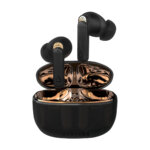
The main reason to buy: top-tier sound with an EQ suitable for analytical listening and various music genres. It supports the aptX Lossless codec, boasts a pleasant design, and offers good noise cancellation with the right ear pads. Significant drawbacks include limited functionality: an average transparency mode, inconvenient controls, a restricted app, no auto-pause, and no multi-point connection.
- Top-tier sound with EQ
- Good active noise cancellation if you pick the right ear tips
- Average transparency mode
- Inconvenient controls
- The only truly useful feature in the app is the EQ.
- No auto-pause and no multipoint connection
The final sound score is calculated using this formula:
Frequency balance + Detail retrieval + Soundstage + Natural timbre / 4 = Final Sound Score.
. 8.63 The headphones offer bright highs, natural timbre, and a good soundstage. On the downside, they lack punchy, textured bass and have recessed mids, making vocals sound distant. While the model has EQ potential, even a preset can’t fully fix the midrange issue.Read more.
Microphone – We assess speech transmission quality by testing the microphone in two main scenarios: quiet and noisy environments.
Quiet environment – This involves recording indoors with minimal background noise. Noisy environment – This means recording outdoors near a six-lane road with maximum traffic noise.
. 7.00 In quiet conditions: 8 In noisy conditions: 6Overall feature score — this is the overall score for all device features. This score comes from individual feature ratings (battery life, controls, app, connection stability, and others) and shows how easy and smart the device is for daily use.
. 6.92 Active noise cancellation effectively blocks background noise if you use the right ear tips. However, transparency mode is average and not ideal for conversations. Battery life in our tests reached up to 6 hours for the headphones and 28 hours with the charging case. The touch controls require three taps per headphone, which is inconvenient, and the app is basic.Read more.
Final build quality score is the overall score for build quality and materials: comfort, durability, and design. It shows how nice the device is to hold and use, and how long it will last.
. 7.90 The fit is good, and the headphones don’t cause pressure, though minor fatigue sets in after 30-40 minutes. Build quality is average; the plastic thickness feels a bit thin. There are no defects, but micro-scratches appear within the first week. Only one color option is available: transparent copper.Read more.
13. Creative Aurvana Ace Mimi 7.94Best In-Ear TWS Headphones – with Personalized Sound Tuning
Drivers are the drivers in your headphones that are responsible for creating sound.
DD + PM + BA – means that there are several different types of drivers in these headphones.
DD – “Dynamic Driver” dynamic driver (deep bass, natural sound).
PM – “Planar Magnetic Driver” planar driver (wide soundstage and fast response).
BA – “Balanced Armature Driver” armature driver (accuracy and detail retrieval).
BC – “Bone Conduction Driver” or bone-conduction driver, which transmits vibration to the body of the headphones, transmitting sound through the bone/cartilage to the inner ear.
LDAC – high quality, high speed (Sony).
SBC is the basic Bluetooth standard, low quality.
AAC – Apple standard, good quality, low latency.
aptX – Qualcomm standard, good quality, low latency.
LC3/LC3plus – new Bluetooth LE Audio codecs, efficient compression.
Codecs are audio compression formats that affect sound quality and latency.
Headphone battery life is the playback time without recharging, measured in hours. Manufacturers measure without active noise cancellation (ANC), at medium volume (50-70%) and usually with the AAC codec, as these parameters affect battery consumption. Actual time may vary from 1% to 50%, depending on volume, active noise cancellation features enabled, codec (LDAC or other) and environmental conditions (cold, hot). It is important to consider not only the claimed playback time, but also the charging time and fast charging support.
Bluetooth is a wireless data transmission standard.
Support for new audio technologies.
Improved connection stability.
Reduced power consumption.
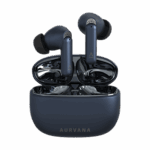
The main reason to buy: top-tier out-of-the-box sound, personalized sound tuning that enhances quality, a detailed microphone in quiet environments, and LDAC codec support. Downsides include average functionality: a weak transparency mode and active noise cancellation, aggressive microphone noise cancellation that degrades voice transmission, inconvenient controls, and a limited app. Therefore, if you’re considering these headphones, it’s primarily for listening and not much else.
- Flagship sound with sound personalization
- Top-tier microphone in quiet conditions
- Sound sterility
- No microphone noise cancellation
- Minor flaws: case scuffs visible after a week
The final sound score is calculated using this formula:
Frequency balance + Detail retrieval + Soundstage + Natural timbre / 4 = Final Sound Score.
. 8.54 The main highlight of the sound is its clean, fast, and detailed presentation, featuring transparent mids and highs. Mimi personalization improves vocal clarity. The downsides include lightweight bass, limited sub-bass depth, a wide soundstage with weak depth rendering, and an analytical, slightly sterile sound. Tweaking the EQ and sound personalization lets you squeeze out up to another 0.5 points.Learn more.
Microphone – We assess speech transmission quality by testing the microphone in two main scenarios: quiet and noisy environments.
Quiet environment – This involves recording indoors with minimal background noise. Noisy environment – This means recording outdoors near a six-lane road with maximum traffic noise.
. 6.50 In quiet conditions: 8 In noisy conditions: 5 In quiet environments, quality is high, and the voice sounds clean and natural. In noisy spots, the noise-canceling algorithm handles things moderately well: ambient sounds are muffled, but some noise still leaks through, and the timbre turns slightly flat.Overall feature score — this is the overall score for all device features. This score comes from individual feature ratings (battery life, controls, app, connection stability, and others) and shows how easy and smart the device is for daily use.
. 7.01 Noise cancellation and transparency are average, suitable for daily use. Playback time in our tests is 5-6 hours taking the codec into account. Controls cover 3 actions per earbud plus basic media playback. The app offers a minimum of useful features, with codec selection and sound personalization being the most important ones.Learn more.
Final build quality score is the overall score for build quality and materials: comfort, durability, and design. It shows how nice the device is to hold and use, and how long it will last.
. 7.83 The earbuds are lightweight, causing no discomfort after 3-4 hours of use. Build quality and materials are solid, though it’s best to grab a case cover. After a week of use, scuffs are visible. I liked the look with the copper accents.Learn more.
14. SoundPeats H3 7.61Best Affordable Wireless Headphones under $100
Drivers are the drivers in your headphones that are responsible for creating sound.
DD + PM + BA – means that there are several different types of drivers in these headphones.
DD – “Dynamic Driver” dynamic driver (deep bass, natural sound).
PM – “Planar Magnetic Driver” planar driver (wide soundstage and fast response).
BA – “Balanced Armature Driver” armature driver (accuracy and detail retrieval).
BC – “Bone Conduction Driver” or bone-conduction driver, which transmits vibration to the body of the headphones, transmitting sound through the bone/cartilage to the inner ear.
LDAC – high quality, high speed (Sony).
SBC is the basic Bluetooth standard, low quality.
AAC – Apple standard, good quality, low latency.
aptX – Qualcomm standard, good quality, low latency.
LC3/LC3plus – new Bluetooth LE Audio codecs, efficient compression.
Codecs are audio compression formats that affect sound quality and latency.
Headphone battery life is the playback time without recharging, measured in hours. Manufacturers measure without active noise cancellation (ANC), at medium volume (50-70%) and usually with the AAC codec, as these parameters affect battery consumption. Actual time may vary from 1% to 50%, depending on volume, active noise cancellation features enabled, codec (LDAC or other) and environmental conditions (cold, hot). It is important to consider not only the claimed playback time, but also the charging time and fast charging support.
Bluetooth is a wireless data transmission standard.
Support for new audio technologies.
Improved connection stability.
Reduced power consumption.
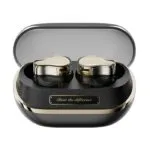
The SoundPeats H3 offer a pleasant and detailed sound, but only after EQ adjustment. Out of the box, the sound is excessively bass-heavy and quickly becomes fatiguing. I’m not sure who would enjoy this sound profile; it feels like the company just cranked up the bass without much tuning. Their features are also a weak point – they’re just… there. The headphones even pale in comparison to some budget models that offer triple multi-point, a translator, or over 10 hours of battery life. Build quality is faultless, though not particularly outstanding. The stem-less design is also an acquired taste. Overall, these headphones are best suited for music listening, and only if you adjust the EQ.
- Detailed sound with deep bass after tuning the EQ.
- Microphone noise cancellation close to flagship tier.
- Boomey sound out of the box.
- Awkward controls and useless transparency mode.
- Bulky earbud and charging case design.
The final sound score is calculated using this formula:
Frequency balance + Detail retrieval + Soundstage + Natural timbre / 4 = Final Sound Score.
. 8.18 These headphones are on par with top-tier models, but you need to unlock their potential yourself with an EQ. The out-of-the-box tuning is excessively bass-heavy and quickly becomes fatiguing. In bass-heavy tracks, there’s a constant rumble with a lack of clarity and airiness. However, the sound itself is precise and clear. The headphones confidently earn a spot in the MyChooz silver league. If you slightly reduce the bass in the EQ or try a couple of presets, the sound improves significantly, approaching the gold league. Higher up the ranking, competition comes from models with planar drivers and xMEMS, which have their own advantages over armature drivers. Even so, the SoundPEATS H3 are a pleasant surprise in sound quality and hold your attention after EQ adjustment.Learn more.
Microphone – We assess speech transmission quality by testing the microphone in two main scenarios: quiet and noisy environments.
Quiet environment – This involves recording indoors with minimal background noise. Noisy environment – This means recording outdoors near a six-lane road with maximum traffic noise.
. 7.50 In quiet conditions: 8 In noisy conditions: 7 Speech is clear in quiet conditions. Noise cancellation works poorly and catches any background noise. However, a strong noise source is blocked effectively. Speech is clear, though heavily muffled.Overall feature score — this is the overall score for all device features. This score comes from individual feature ratings (battery life, controls, app, connection stability, and others) and shows how easy and smart the device is for daily use.
. 6.83 The weak point of the earbuds. Active noise cancellation is the only useful feature. With the right ear tips, it suppresses light office noise, and the mode is comfortable without putting pressure on eardrums. Battery life matches the specs, and the connection is stable. The mic noise cancellation is also nice. The rest is useless: the app is useless, controls are imprecise, and transparency mode is uncomfortable.Read more.
Final build quality score is the overall score for build quality and materials: comfort, durability, and design. It shows how nice the device is to hold and use, and how long it will last.
. 7.33 The earbuds are comfortable if you pick the right ear tips. Otherwise, the earbuds FEel like they are about to fall out. Build quality and materials are without faults. The earbuds look good, nothing too exciting.Read more.
15. Xiaomi Buds 5 Pro 7.57In-Ear Headphones with Noise Cancellation – Good for Android
Drivers are the drivers in your headphones that are responsible for creating sound.
DD + PM + BA – means that there are several different types of drivers in these headphones.
DD – “Dynamic Driver” dynamic driver (deep bass, natural sound).
PM – “Planar Magnetic Driver” planar driver (wide soundstage and fast response).
BA – “Balanced Armature Driver” armature driver (accuracy and detail retrieval).
BC – “Bone Conduction Driver” or bone-conduction driver, which transmits vibration to the body of the headphones, transmitting sound through the bone/cartilage to the inner ear.
LDAC – high quality, high speed (Sony).
SBC is the basic Bluetooth standard, low quality.
AAC – Apple standard, good quality, low latency.
aptX – Qualcomm standard, good quality, low latency.
LC3/LC3plus – new Bluetooth LE Audio codecs, efficient compression.
Codecs are audio compression formats that affect sound quality and latency.
Headphone battery life is the playback time without recharging, measured in hours. Manufacturers measure without active noise cancellation (ANC), at medium volume (50-70%) and usually with the AAC codec, as these parameters affect battery consumption. Actual time may vary from 1% to 50%, depending on volume, active noise cancellation features enabled, codec (LDAC or other) and environmental conditions (cold, hot). It is important to consider not only the claimed playback time, but also the charging time and fast charging support.
Bluetooth is a wireless data transmission standard.
Support for new audio technologies.
Improved connection stability.
Reduced power consumption.
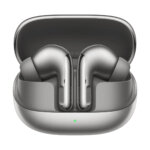
Key selling points: top-tier active noise cancellation, top-tier microphone in quiet conditions, and a built-in voice recorder. Downsides – sound is slightly above average and controls are inconvenient. The translator and enhanced bitrate only work on some Xiaomi phones. Also, the charging case feels like it’s worth $20-25.
- Top-tier active noise cancellation
- Top-tier microphone in quiet conditions
- Built-in voice recorder
- Sound quality is slightly above average
- Inconvenient controls
- Translator and several other features are only available on select Xiaomi devices
The final sound score is calculated using this formula:
Frequency balance + Detail retrieval + Soundstage + Natural timbre / 4 = Final Sound Score.
. 7.25 The earbuds feature decent mids and highs, natural timbre, and detail retrieval. The main drawback of the sound signature is a heavy emphasis on the lows and a narrow soundstage. The sound is somewhat unnatural with a bass-heavy tone. This can be partially fixed using the EQ.Read more.
Microphone – We assess speech transmission quality by testing the microphone in two main scenarios: quiet and noisy environments.
Quiet environment – This involves recording indoors with minimal background noise. Noisy environment – This means recording outdoors near a six-lane road with maximum traffic noise.
. 7.75 In quiet conditions: 9 In noisy conditions: 6.5Overall feature score — this is the overall score for all device features. This score comes from individual feature ratings (battery life, controls, app, connection stability, and others) and shows how easy and smart the device is for daily use.
. 8.00 Active noise cancellation is top-tier and falls just slightly short of reference models. The transparency mode is worse, though you can still have a conversation. Battery life in our tests reached up to 8 hours and 48 minutes for the earbuds and 42 hours with the charging case. Controls support 5 actions per earbud, executed via pinch gestures on the stem — which is inconvenient. The companion app is not overloaded with junk features and includes useful ones, such as a voice recorder.Read more.
Final build quality score is the overall score for build quality and materials: comfort, durability, and design. It shows how nice the device is to hold and use, and how long it will last.
. 7.73 The earbuds are comfortable with the included ear tips. Fatigue sets in after a couple of hours. Build quality and materials are solid — though the case feels a bit “flimsy”, and the materials clearly feel cost-cut. The earbuds look good without causing any particular excitement.