

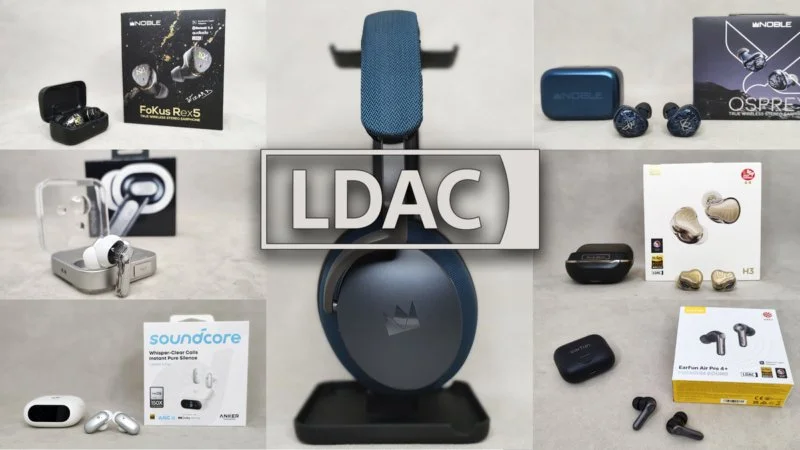
This is a ranking of the best wireless headphones with the LDAC codec. The ranking includes only tested Bluetooth headphones on MyChooz in three form factors: over-ear, in-ear, and open-fit headphones in TWS format. The position in the ranking takes into account the score for all evaluated parameters — sound, features, and build quality.
More about the LDAC codec: compatibility, actual sound improvement, where the codec works, etc.
Learn moreCompatibility. The LDAC codec is the second most accessible audio codec on Android after AAC and SBC. With LDAC, the sound is less compressed and more detailed. You’ll get the best sound quality with the “quality” preset at a bitrate of 909/990 Kbps. The codec appeared in Android 8.0 and is supported by all phones and tablets, except for some models where the manufacturer removed it from the system or it’s hardware-locked. Therefore, in 99.9% of cases, an Android source is compatible with headphones that have the LDAC codec.
Impact on sound, expectation vs. reality. Often, some potential owners of headphones with the LDAC codec mistakenly believe its presence guarantees high-quality sound. The formula “source with LDAC” + “headphones with LDAC” = “high-quality sound” doesn’t always work. The codec acts as a “data packer,” and the better its parameters, the fewer data losses during unpacking. The sound system plays the key role: type and number of drivers, driver design, DAC and amplifiers, acoustic design, and other hidden parameters — software and hardware. If any element in this system doesn’t work correctly — due to cost-saving on components or a design flaw — the codec’s efficiency decreases. How else could it be? If the sound system can’t handle it, the codec won’t help.
Where does the LDAC codec work? Usually, the codec doesn’t work in headphones under $50, or the quality improvement is minimal. A noticeable improvement is more often found in headphones costing $100+.
The quality improvement — and don’t be surprised — is more often noticeable in mid-range models and above. This is because the lower the production cost, the more limitations there are. At the same time, a high price for headphones isn’t always an objective indicator of potential quality; there are models with cheap production and high markups. And this markup usually goes into the pockets of the company’s shareholders or is distributed among famous personalities from the music and film industries. Therefore, there are exceptions in models that are cheaper or more expensive.
Real improvement with the LDAC codec. Based on my experience testing headphones with different driver types and designs, the improvement ranges from 1-3% to 15-20%. This is an approximate value, as tests rely on listening. Devices for measuring quality haven’t been invented yet. At least, I haven’t encountered any.
It’s important to understand two main points. First, with the LDAC codec, you get an improvement in detail. Naturalness doesn’t improve, nor does the soundstage. The sound balance also doesn’t change.
Second, the percentage improvement differs for each pair of headphones. A 15-20% improvement in headphones with an overall score of 5-6 out of 10 is nowhere near comparable to 3-5% in headphones scoring 8-9. Therefore, when you notice a high improvement with the codec, it’s worth checking the overall sound score.
Which codec is better – LDAC or LHDC?
Learn moreLDAC is more widely available, while LHDC offers more capabilities.
| Maximum bitrate | Up to 990 kbps | Up to 900 kbps (V 3/4), up to 1000 kbps (v5) |
| Maximum frequency / Bitrate | 24 bit / 96 kHz | 24 bit / 96 kHz (v3/v4), up to 24 bit / 192 kHz (v5) |
| Bitrate control | 330 / 660 / 990 kbps, adaptive bitrate – 330-990 kbps. | 400 / 500 / 900 / 1000 kbps, adaptive bitrate – 128-1000 kbps. |
| Audio latency | ~160–200 ms | ~200 ms (there is an LLAC / LHDC LL mode with low latency up to 30 ms |
| Integration into Android | Native support with Android 8.0+ | Basic structure in AOSP from Android 10, native support v5 from Android 17 |
| Lossless mode | No | LHDC 5.0 claims lossless |
The specs for both codecs are comparable, leaning slightly in favor of LHDC. You get more available settings, a higher sampling rate, and switches for LHDC lossless and audio latency reduction.
However, LDAC is far more prevalent. The codec has been around since Android 8.0+, so compatibility isn’t an issue. More headphones across various price points support LDAC, and more USB adapters do too. For comparison, only two USB adapters support LHDC, and only one works reliably. That said, LHDC might catch up to and even surpass LDAC in prevalence in the future, thanks to more flexible licensing and minimal royalties for manufacturers.
When it comes to signal stability, both codecs are on the same level.
In terms of sound, both codecs provide similar quality, and you’d have to listen very closely to tell the difference, assuming your headphones support both LDAC and LHDC. Therefore, you should prioritize the sound system itself, then consider the codec. Learn more about codecs.
How to get the LDAC codec where it’s not supported?
Learn moreIf your headphones support the required codec, but your phone, tablet, or PC doesn’t, you can use a USB adapter. A device the size of a Bluetooth adapter connects to your phone or PC’s port. Then, your headphones connect to the adapter and receive the signal with the appropriate codec.
Which adapter to choose?
- QCC Dongle Pro2 – if you need everything at once. The adapter supports: LHDC 5.0, LDAC, aptX Adaptive, aptX HD, aptX Lossless; LE Audio and Auracast are declared.
- FiiO Air Link – a universal adapter, just cheaper. Codec support: SBC, aptX, aptX Low Latency, aptX HD, aptX Adaptive, LDAC, and aptX Lossless.
See our ranking for more on USB adapters — Best Bluetooth Adapters for Computers and Headphones.
EMMA — Experts + Methodology + MyChoozers + Algorithm.
Every model goes through identical tests; the score is calculated automatically with fixed weights — a spot in the rating cannot be bought.
TOP 15: Best Wireless Headphones with LDAC Codec (2026) – Ranking
1. Noble Audio FoKus Apollo Pro 8.89Best over-ear headphones for sound
Drivers are the drivers in your headphones that are responsible for creating sound.
DD + PM + BA – means that there are several different types of drivers in these headphones.
DD – “Dynamic Driver” dynamic driver (deep bass, natural sound).
PM – “Planar Magnetic Driver” planar driver (wide soundstage and fast response).
BA – “Balanced Armature Driver” armature driver (accuracy and detail retrieval).
BC – “Bone Conduction Driver” or bone-conduction driver, which transmits vibration to the body of the headphones, transmitting sound through the bone/cartilage to the inner ear.
LDAC – high quality, high speed (Sony).
SBC is the basic Bluetooth standard, low quality.
AAC – Apple standard, good quality, low latency.
aptX – Qualcomm standard, good quality, low latency.
LC3/LC3plus – new Bluetooth LE Audio codecs, efficient compression.
Codecs are audio compression formats that affect sound quality and latency.
Headphone battery life is the playback time without recharging, measured in hours. Manufacturers measure without active noise cancellation (ANC), at medium volume (50-70%) and usually with the AAC codec, as these parameters affect battery consumption. Actual time may vary from 1% to 50%, depending on volume, active noise cancellation features enabled, codec (LDAC or other) and environmental conditions (cold, hot). It is important to consider not only the claimed playback time, but also the charging time and fast charging support.
Bluetooth is a wireless data transmission standard.
Support for new audio technologies.
Improved connection stability.
Reduced power consumption.
Essentially, the Noble Audio FoKus Apollo Pro are the same as the FoKus Apollo but with better balance tuning. The Pro version has a more pleasant sound and no desire for manual EQ adjustments. Is it worth paying an extra $50? Yes, especially if you plan to use the headphones as they are and don’t know about EQ. But if you can tune the EQ yourself or you like a bass-heavy and bright sound — then no. There’s no point upgrading from the basic version to the Pro; the sound improvement is minimal.
- Pleasant and smooth sound right out of the box.
- Comfortable fit, sturdy and reliable build quality
- Removable boom microphone.
- Fabric finish collects dust and fine debris
The final sound score is calculated using this formula:
Frequency balance + Detail retrieval + Soundstage + Natural timbre / 4 = Final Sound Score.
. 9.50 The headphones draw you into the sound from the first seconds of listening. The bass is soft and harmonious, and the highs are not fatiguing. This is a rare case where the out-of-the-box sound doesn’t need EQ adjustments. The sound is accurate, detailed, and natural; there’s nothing to complain about. I liked the sound more than the basic Apollo, and I simply don’t want to take the headphones off. The Noble Audio FoKus Apollo Pro enter the gold league and currently set a new standard for over-ear headphones on MyChooz.Learn more.
Microphone – We assess speech transmission quality by testing the microphone in two main scenarios: quiet and noisy environments.
Quiet environment – This involves recording indoors with minimal background noise. Noisy environment – This means recording outdoors near a six-lane road with maximum traffic noise.
. 8.00 In quiet conditions: 9 In noisy conditions: 7 The built-in microphone lacks gain, though the voice is clear. In noisy environments, the voice is harder to make out. The external boom microphone is more detailed and handles noise better. In all cases, the volume ramps up smoothly.Overall feature score — this is the overall score for all device features. This score comes from individual feature ratings (battery life, controls, app, connection stability, and others) and shows how easy and smart the device is for daily use.
. 8.03 Useful features, has everything you need. Active noise cancellation blocks about 50% of noise, mostly in the low-frequency range. In transparency mode, you can have a conversation, though the mode is not what I would call comfortable. The controls are convenient, and you can manage the player, calls, and ambient sound using the buttons. There is a physical microphone mute switch, which is handy in games or when you need to step away briefly without dropping the connection. The connection itself is stable, though there is no auto-pause sensor. The companion app has useful features, but the app’s ergonomics itself are awkward.Read more.
Final build quality score is the overall score for build quality and materials: comfort, durability, and design. It shows how nice the device is to hold and use, and how long it will last.
. 8.67 Sturdy and reliable, unchanged compared to the base version. The exception is the mesh ear pads. The greenhouse effect in summer slows down, though it doesn’t go away entirely. The ear cups do not press on the ears, and minor fatigue sets in by the 3rd or 4th hour of use. Build quality is defect-free, and the materials are premium. The headphones look good, I liked them.Read more.
2. Noble Audio FoKus Apollo 9.12Best over-ear headphones for sound with a boom microphone
Drivers are the drivers in your headphones that are responsible for creating sound.
DD + PM + BA – means that there are several different types of drivers in these headphones.
DD – “Dynamic Driver” dynamic driver (deep bass, natural sound).
PM – “Planar Magnetic Driver” planar driver (wide soundstage and fast response).
BA – “Balanced Armature Driver” armature driver (accuracy and detail retrieval).
BC – “Bone Conduction Driver” or bone-conduction driver, which transmits vibration to the body of the headphones, transmitting sound through the bone/cartilage to the inner ear.
LDAC – high quality, high speed (Sony).
SBC is the basic Bluetooth standard, low quality.
AAC – Apple standard, good quality, low latency.
aptX – Qualcomm standard, good quality, low latency.
LC3/LC3plus – new Bluetooth LE Audio codecs, efficient compression.
Codecs are audio compression formats that affect sound quality and latency.
Headphone battery life is the playback time without recharging, measured in hours. Manufacturers measure without active noise cancellation (ANC), at medium volume (50-70%) and usually with the AAC codec, as these parameters affect battery consumption. Actual time may vary from 1% to 50%, depending on volume, active noise cancellation features enabled, codec (LDAC or other) and environmental conditions (cold, hot). It is important to consider not only the claimed playback time, but also the charging time and fast charging support.
Bluetooth is a wireless data transmission standard.
Support for new audio technologies.
Improved connection stability.
Reduced power consumption.
The Noble Audio FoKus Apollo are the best over-ear headphones for sound, particularly for detail retrieval. They’re a great buy because of their reference sound and earcups that don’t press on your ears. There’s a boom microphone with a switch to quickly disable all microphones in the headphones. There are no significant drawbacks, if you don’t consider the price of the headphones and the slightly sharp treble in the sound, which can be smoothed out with an EQ.
- Reference-level sound
- Top-tier noise cancellation
- Comfortable fit, sturdy and reliable build quality
- Minimally usable transparency mode
- Fabric finish collects dust and fine debris
The final sound score is calculated using this formula:
Frequency balance + Detail retrieval + Soundstage + Natural timbre / 4 = Final Sound Score.
. 9.66 The headphones offer the best sound in terms of emotionality and analyticity. The bass is deep and unburdened, the mids are open with minimal transparency drop. Reference soundstage, naturalness, and detail retrieval. Positioning does not shift with instruments appearing or fading. The sound lacks noticeable artificiality and grain, and detail retrieval is sufficient to hear minor artifacts in the recording. Cons include highs lacking softness, and excessive percussion in a track getting fatiguing.Read more.
Microphone – We assess speech transmission quality by testing the microphone in two main scenarios: quiet and noisy environments.
Quiet environment – This involves recording indoors with minimal background noise. Noisy environment – This means recording outdoors near a six-lane road with maximum traffic noise.
. 8.50 In quiet conditions: 10 In noisy conditions: 7 A boom microphone is included, along with a dedicated button to mute all microphones.Overall feature score — this is the overall score for all device features. This score comes from individual feature ratings (battery life, controls, app, connection stability, and others) and shows how easy and smart the device is for daily use.
. 8.64 Active noise cancellation suppresses up to about 50% of noise, while transparency mode is minimally suited for conversation. Button controls with basic playback and call management. The companion app is user-friendly, featuring a 10-band EQ and personal sound tuning.Read more.
Final build quality score is the overall score for build quality and materials: comfort, durability, and design. It shows how nice the device is to hold and use, and how long it will last.
. 8.50 The ear cups do not press on the ears, and minor fatigue becomes noticeable by the 3rd-4th hour of use. Build quality is defect-free, and materials are premium grade. The headphones look good, I liked them.Read more.
3. Technics EAH-AZ100 8.88Best wireless headphones 2026 – with the best sound under $350
Drivers are the drivers in your headphones that are responsible for creating sound.
DD + PM + BA – means that there are several different types of drivers in these headphones.
DD – “Dynamic Driver” dynamic driver (deep bass, natural sound).
PM – “Planar Magnetic Driver” planar driver (wide soundstage and fast response).
BA – “Balanced Armature Driver” armature driver (accuracy and detail retrieval).
BC – “Bone Conduction Driver” or bone-conduction driver, which transmits vibration to the body of the headphones, transmitting sound through the bone/cartilage to the inner ear.
LDAC – high quality, high speed (Sony).
SBC is the basic Bluetooth standard, low quality.
AAC – Apple standard, good quality, low latency.
aptX – Qualcomm standard, good quality, low latency.
LC3/LC3plus – new Bluetooth LE Audio codecs, efficient compression.
Codecs are audio compression formats that affect sound quality and latency.
Headphone battery life is the playback time without recharging, measured in hours. Manufacturers measure without active noise cancellation (ANC), at medium volume (50-70%) and usually with the AAC codec, as these parameters affect battery consumption. Actual time may vary from 1% to 50%, depending on volume, active noise cancellation features enabled, codec (LDAC or other) and environmental conditions (cold, hot). It is important to consider not only the claimed playback time, but also the charging time and fast charging support.
Bluetooth is a wireless data transmission standard.
Support for new audio technologies.
Improved connection stability.
Reduced power consumption.
The Technics EAH-AZ100 are the best wireless headphones for sound among all TWS models under $350. They take 2nd place for sound among all TWS models and 1st for the combination of all parameters, in absolute terms: sound + features + build quality. The model has no critical flaws.
- Reference-quality sound among wireless earbuds
- Comfortable and pleasant build quality
- Average noise cancellation
- A few downsides include vocals lacking a bit of intimacy, minor issues with the app and build quality, and an average microphone.
The final sound score is calculated using this formula:
Frequency balance + Detail retrieval + Soundstage + Natural timbre / 4 = Final Sound Score.
. 9.31 Reference-level. The main highlights of the sound include its naturalness, soundstage, detail, and highs. The main drawback is the slightly recessed mid-range and vocals that result from this tuning. You also get a minimal shortfall in bass quantity and quality.Read more.
Microphone – We assess speech transmission quality by testing the microphone in two main scenarios: quiet and noisy environments.
Quiet environment – This involves recording indoors with minimal background noise. Noisy environment – This means recording outdoors near a six-lane road with maximum traffic noise.
. 8.00 Better than the AZ80. In quiet environments: 8 In noisy conditions: 8Overall feature score — this is the overall score for all device features. This score comes from individual feature ratings (battery life, controls, app, connection stability, and others) and shows how easy and smart the device is for daily use.
. 8.08 Noise cancellation is enough to block out road noise; it is above average. Transparency is excellent, making conversations with a partner comfortable. Battery life is stellar at 10 hours, extending to 28 hours with the charging case, while using LDAC + ANC under the same conditions yields 7 and 18 hours respectively. Controls are convenient and touch-based, though they require some getting used to. The app is great; I recommend choosing the LDAC codec and tweaking the EQ inside it.Read more.
Final build quality score is the overall score for build quality and materials: comfort, durability, and design. It shows how nice the device is to hold and use, and how long it will last.
. 9.00 Comfortable, sturdy, and pleasing to the eye. For comfort, they fit well with a mild sensation of wearing earbuds. The case is compact. The build is reliable. IPx4 dust and water resistance applies only to the earbuds. The earbuds look nice, even if they aren’t out of the ordinary.Read more.
4. HUAWEI FreeBuds Pro 4 8.52The very best wireless headphones 2026 – for sound quality and features
Drivers are the drivers in your headphones that are responsible for creating sound.
DD + PM + BA – means that there are several different types of drivers in these headphones.
DD – “Dynamic Driver” dynamic driver (deep bass, natural sound).
PM – “Planar Magnetic Driver” planar driver (wide soundstage and fast response).
BA – “Balanced Armature Driver” armature driver (accuracy and detail retrieval).
BC – “Bone Conduction Driver” or bone-conduction driver, which transmits vibration to the body of the headphones, transmitting sound through the bone/cartilage to the inner ear.
LDAC – high quality, high speed (Sony).
SBC is the basic Bluetooth standard, low quality.
AAC – Apple standard, good quality, low latency.
aptX – Qualcomm standard, good quality, low latency.
LC3/LC3plus – new Bluetooth LE Audio codecs, efficient compression.
Codecs are audio compression formats that affect sound quality and latency.
Headphone battery life is the playback time without recharging, measured in hours. Manufacturers measure without active noise cancellation (ANC), at medium volume (50-70%) and usually with the AAC codec, as these parameters affect battery consumption. Actual time may vary from 1% to 50%, depending on volume, active noise cancellation features enabled, codec (LDAC or other) and environmental conditions (cold, hot). It is important to consider not only the claimed playback time, but also the charging time and fast charging support.
Bluetooth is a wireless data transmission standard.
Support for new audio technologies.
Improved connection stability.
Reduced power consumption.
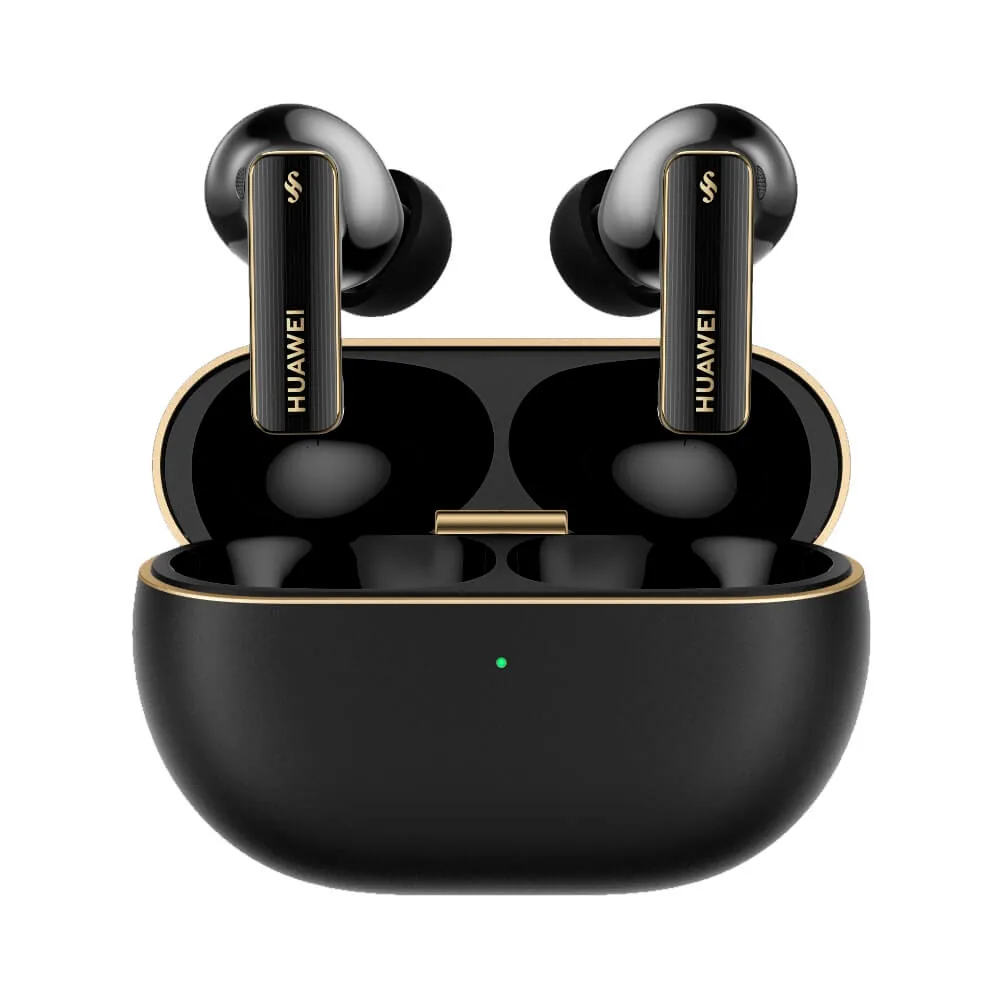
The Huawei Freebuds Pro 4 are the best wireless headphones based on the sum of 32 testing parameters on MyChooz, among all wireless in-ear models under $200. They’re a great buy due to the balance of sound, features, and build quality, plus a reference microphone. Among the drawbacks, some features only work on proprietary devices with HarmonyOS: L2HC codec, spatial audio, translator, voice assistant, etc.
- Top-tier sound
- Reference-grade microphone
- Top-tier controls
- The proprietary L2HC codec, translator, assistant, and other features only work on HarmonyOS devices
- Minor: the soundstage lacks width layering, high frequencies occasionally exhibit grain
The final sound score is calculated using this formula:
Frequency balance + Detail retrieval + Soundstage + Natural timbre / 4 = Final Sound Score.
. 8.46 The earbuds feature excellent midrange frequencies and a transparent vocal presentation. A moderately natural sound for voices and instruments, free of distortion and artificiality. Detail retrieval is sufficient to enjoy live instruments. Downsides include a minor bass deficiency and a somewhat narrow soundstage.Read more.
Microphone – We assess speech transmission quality by testing the microphone in two main scenarios: quiet and noisy environments.
Quiet environment – This involves recording indoors with minimal background noise. Noisy environment – This means recording outdoors near a six-lane road with maximum traffic noise.
. 9.75 In quiet conditions: 9.5 In noisy conditions: 10Overall feature score — this is the overall score for all device features. This score comes from individual feature ratings (battery life, controls, app, connection stability, and others) and shows how easy and smart the device is for daily use.
. 8.52 A strong suit of the model and the manufacturer overall. Noise cancellation and transparency are sufficient for work. Battery life in our tests is up to 6.5 hours taking the codec into account. Convenient touch controls via pinches, swipes, and head gestures. The companion app is not overloaded with unnecessary features. On Android, however, the app must be installed manually after downloading from the Huawei website.Read more.
Final build quality score is the overall score for build quality and materials: comfort, durability, and design. It shows how nice the device is to hold and use, and how long it will last.
. 8.67 The earbuds feature a comfortable fit without noticeable discomfort. No complaints about build quality or materials. Only the earbud body is a fingerprint magnet, and scratches on the charging case are visible after a week of use. The earbuds look good, though the gold plating and brand name look a bit excessive. Available in 3 colors.Read more.
5. ANKER SoundCore Liberty 5 Pro 8.51BEST TWS headphones for functionality
Drivers are the drivers in your headphones that are responsible for creating sound.
DD + PM + BA – means that there are several different types of drivers in these headphones.
DD – “Dynamic Driver” dynamic driver (deep bass, natural sound).
PM – “Planar Magnetic Driver” planar driver (wide soundstage and fast response).
BA – “Balanced Armature Driver” armature driver (accuracy and detail retrieval).
BC – “Bone Conduction Driver” or bone-conduction driver, which transmits vibration to the body of the headphones, transmitting sound through the bone/cartilage to the inner ear.
LDAC – high quality, high speed (Sony).
SBC is the basic Bluetooth standard, low quality.
AAC – Apple standard, good quality, low latency.
aptX – Qualcomm standard, good quality, low latency.
LC3/LC3plus – new Bluetooth LE Audio codecs, efficient compression.
Codecs are audio compression formats that affect sound quality and latency.
Headphone battery life is the playback time without recharging, measured in hours. Manufacturers measure without active noise cancellation (ANC), at medium volume (50-70%) and usually with the AAC codec, as these parameters affect battery consumption. Actual time may vary from 1% to 50%, depending on volume, active noise cancellation features enabled, codec (LDAC or other) and environmental conditions (cold, hot). It is important to consider not only the claimed playback time, but also the charging time and fast charging support.
Bluetooth is a wireless data transmission standard.
Support for new audio technologies.
Improved connection stability.
Reduced power consumption.
The SoundCore Liberty 5 Pro focuses mainly on features, comparable to reference models in each parameter. Cumulatively, the model stands out as a leader, following the Liberty 5 Pro Max. Therefore, if features are your priority, the Liberty 5 Pro or 5 Pro Max will suit you. The sound is not bad, just unremarkable. It’s comfortable background sound for everyday listening. The improvement compared to the Liberty 4 Pro is minimal, and the results of the 3 Pro are simply unattainable.
- Comfortable balanced sound.
- Reference-quality functionality.
- Comfortable fit.
- The sound is minimally better than the previous generation.
- The proprietary app uses up to 1.9 GB of RAM.
The final sound score is calculated using this formula:
Frequency balance + Detail retrieval + Soundstage + Natural timbre / 4 = Final Sound Score.
. 8.25 They stay traditionally bass-heavy, though you get less low-frequency quantity than in past generations. Out of the box, the sound isn’t boring or harsh, making for comfortable background listening that is moderately detailed and natural. Dragging the score down are a lack of clarity and a compressed soundstage. It feels a bit like attending a concert and listening from behind the backstage or sitting in the very last side seats. You get standard sound without critical flaws, moderately pleasant and melodic, especially once you mess with the EQ. The Liberty 5 Pro lands in the silver league of MyChooz.Read more.
Microphone – We assess speech transmission quality by testing the microphone in two main scenarios: quiet and noisy environments.
Quiet environment – This involves recording indoors with minimal background noise. Noisy environment – This means recording outdoors near a six-lane road with maximum traffic noise.
. 9.75 In quiet conditions: 9.5 In noisy conditions: 10 In quiet conditions, your voice sounds detailed and clear with minimal distortion. In noisy conditions with a handheld vacuum cleaner running in the background, your voice sounds unnatural and more processed. At the same time, background noise is isolated, and speech remains intelligible.Read more.
Overall feature score — this is the overall score for all device features. This score comes from individual feature ratings (battery life, controls, app, connection stability, and others) and shows how easy and smart the device is for daily use.
. 9.19 This is a strong suit of the earbuds, falling just slightly short of reference models across all metrics. The only downsides are the high RAM usage by the proprietary app, which takes up to 1.9 GB and averages 1.5 GB. That is a lot; for comparison, the app for Noble earbuds uses roughly 110 MB.Read more.
Final build quality score is the overall score for build quality and materials: comfort, durability, and design. It shows how nice the device is to hold and use, and how long it will last.
. 8.17 They feel sturdy, without visible defects, on par with the previous generation. The earbuds feature less gloss so fingerprints are minimally visible, while the case screen gets dirty more easily. The earbuds are comfortable, do not put pressure on your ears, and sit securely. The case and earbuds look good, and I liked the design.Read more.
6. Nothing Ear ( 3 ) 2025 8.44Beautiful wireless headphones for phone – with a microphone in the case
Drivers are the drivers in your headphones that are responsible for creating sound.
DD + PM + BA – means that there are several different types of drivers in these headphones.
DD – “Dynamic Driver” dynamic driver (deep bass, natural sound).
PM – “Planar Magnetic Driver” planar driver (wide soundstage and fast response).
BA – “Balanced Armature Driver” armature driver (accuracy and detail retrieval).
BC – “Bone Conduction Driver” or bone-conduction driver, which transmits vibration to the body of the headphones, transmitting sound through the bone/cartilage to the inner ear.
LDAC – high quality, high speed (Sony).
SBC is the basic Bluetooth standard, low quality.
AAC – Apple standard, good quality, low latency.
aptX – Qualcomm standard, good quality, low latency.
LC3/LC3plus – new Bluetooth LE Audio codecs, efficient compression.
Codecs are audio compression formats that affect sound quality and latency.
Headphone battery life is the playback time without recharging, measured in hours. Manufacturers measure without active noise cancellation (ANC), at medium volume (50-70%) and usually with the AAC codec, as these parameters affect battery consumption. Actual time may vary from 1% to 50%, depending on volume, active noise cancellation features enabled, codec (LDAC or other) and environmental conditions (cold, hot). It is important to consider not only the claimed playback time, but also the charging time and fast charging support.
Bluetooth is a wireless data transmission standard.
Support for new audio technologies.
Improved connection stability.
Reduced power consumption.
The Nothing Ear (3) 2025 are beautiful wireless headphones with top-tier build quality and functionality. They’re a top-tier buy for sound, but it’s important to update the firmware. Out of the box, the frequency balance and the directional microphone in the case for communication in noisy places are key. Among the drawbacks are average noise cancellation and transparency.
- Top-tier sound
- Detailed microphone with excellent voice isolation
- Reference-quality proprietary app
- Average noise cancellation and transparency
- Bright sound before firmware update
- Inflated price on certain marketplaces
The final sound score is calculated using this formula:
Frequency balance + Detail retrieval + Soundstage + Natural timbre / 4 = Final Sound Score.
. 8.38 The main plus of the sound is the mids and naturalness, offering close and transparent vocals. The sound is slightly unnatural, but free of artificial timbre, paired with good, detailed bass.The main downside of the sound is bright highs. This kind of sound causes fatigue, particularly on tracks with abundant percussion. Therefore, updating the firmware is important because it makes the sound balance more pleasant.
Read more.
Microphone – We assess speech transmission quality by testing the microphone in two main scenarios: quiet and noisy environments.
Quiet environment – This involves recording indoors with minimal background noise. Noisy environment – This means recording outdoors near a six-lane road with maximum traffic noise.
. 8.80 In quiet conditions: 8.6 In noisy conditions: 9 In quiet conditions, the balance drifts a bit, and noise cancellation removes background noise. At the same time, your voice is easy to understand. In noisy conditions, you get excellent voice isolation and complete noise blocking. At times your voice sounds a bit muffled, though speech is not hard to parse.Read more.
Overall feature score — this is the overall score for all device features. This score comes from individual feature ratings (battery life, controls, app, connection stability, and others) and shows how easy and smart the device is for daily use.
. 8.28 Noise cancellation and transparency are barely usable, making them the weakest side of the earbuds. Playback time in our tests reaches up to 9.5 hours, and up to 38 hours with the case, taking the codec into account. You get convenient pinch controls on the earbud stem and a reference-quality app for usability and features.Read more.
Final build quality score is the overall score for build quality and materials: comfort, durability, and design. It shows how nice the device is to hold and use, and how long it will last.
. 8.83 The earbuds are comfortable, fatigue sets in after 2 hours. The build is sturdy and reliable, with no defects. The appearance is excellent and stands out from competitors.Read more.
7. Noble Audio Fokus REX5 8.43Best wireless TWS headphones – #1 for sound quality
Drivers are the drivers in your headphones that are responsible for creating sound.
DD + PM + BA – means that there are several different types of drivers in these headphones.
DD – “Dynamic Driver” dynamic driver (deep bass, natural sound).
PM – “Planar Magnetic Driver” planar driver (wide soundstage and fast response).
BA – “Balanced Armature Driver” armature driver (accuracy and detail retrieval).
BC – “Bone Conduction Driver” or bone-conduction driver, which transmits vibration to the body of the headphones, transmitting sound through the bone/cartilage to the inner ear.
LDAC – high quality, high speed (Sony).
SBC is the basic Bluetooth standard, low quality.
AAC – Apple standard, good quality, low latency.
aptX – Qualcomm standard, good quality, low latency.
LC3/LC3plus – new Bluetooth LE Audio codecs, efficient compression.
Codecs are audio compression formats that affect sound quality and latency.
Headphone battery life is the playback time without recharging, measured in hours. Manufacturers measure without active noise cancellation (ANC), at medium volume (50-70%) and usually with the AAC codec, as these parameters affect battery consumption. Actual time may vary from 1% to 50%, depending on volume, active noise cancellation features enabled, codec (LDAC or other) and environmental conditions (cold, hot). It is important to consider not only the claimed playback time, but also the charging time and fast charging support.
Bluetooth is a wireless data transmission standard.
Support for new audio technologies.
Improved connection stability.
Reduced power consumption.
The Noble Audio Fokus REX5 are the best wireless TWS headphones and #1 for sound quality on MyChooz. They’re a great buy for reference sound quality in key parameters: detail retrieval, naturalness, and soundstage. In terms of sound, they surpassed the Technics EAH-AZ100, and the 5 drivers in the headphones are not just for show. Although you’ll need to adjust the sound in the EQ. Sound tuning and ear tip selection will be covered in the full review. Among the drawbacks: noise cancellation, transparency, and microphone are at the level of models under $100.
In general, this model is for those looking for the BEST in-ear TWS and wanting uncompromisingly the best sound.
- Best sound quality, reference-quality detail retrieval among true wireless models
- Metal charging case and earbud body
- 2 EQs with combinable settings; Audiodo personal sound tuning
- Fit relies heavily on ear tips. You have to adjust the earbuds if the ear tips don’t fit right
- Earbuds quickly cool down in cold weather
- Average feature set
The final sound score is calculated using this formula:
Frequency balance + Detail retrieval + Soundstage + Natural timbre / 4 = Final Sound Score.
. 9.29 Noble FoKus REX5 provided the highest sound quality among all earbuds I’ve ever heard. It is now the reference, 0.5 points better than the Technics EAH-AZ100. But not a reference in every single aspect. The overall picture is wide, detailed, bright, and clean, with a 3D effect. Among the strengths: reference-grade midrange, reference-grade detail retrieval, and soundstage for earbuds. There are flaws in the sound, the main one being that high frequencies sometimes start to get piercing.Read more.
Microphone – We assess speech transmission quality by testing the microphone in two main scenarios: quiet and noisy environments.
Quiet environment – This involves recording indoors with minimal background noise. Noisy environment – This means recording outdoors near a six-lane road with maximum traffic noise.
. 7.50 In quiet conditions: 8 In noisy conditions: 7Overall feature score — this is the overall score for all device features. This score comes from individual feature ratings (battery life, controls, app, connection stability, and others) and shows how easy and smart the device is for daily use.
. 7.40 Active noise cancellation suppresses light background noise, while transparency mode is barely adequate for a comfortable conversation. Battery life in our tests ranged from 4.5 to 7.5 hours depending on the codec used. Touch controls support 3 actions: play/pause, track switching, and volume control. The app keeps things simple: it includes 2 EQs and a personal sound tuning feature.Read more.
Final build quality score is the overall score for build quality and materials: comfort, durability, and design. It shows how nice the device is to hold and use, and how long it will last.
. 7.83 It is important to pick the right ear tips for these earbuds since the primary hold relies on them. Otherwise, the earbuds are comfortable, and there is no discomfort after 2 hours of use. The build is metal, with no complaints about manufacturing or materials. The appearance is neat and appealing, and the vibrant color scheme is not off-putting.Read more.
8. Nothing Headphone (1) 8.22Large over-ear Nothing headphones
Drivers are the drivers in your headphones that are responsible for creating sound.
DD + PM + BA – means that there are several different types of drivers in these headphones.
DD – “Dynamic Driver” dynamic driver (deep bass, natural sound).
PM – “Planar Magnetic Driver” planar driver (wide soundstage and fast response).
BA – “Balanced Armature Driver” armature driver (accuracy and detail retrieval).
BC – “Bone Conduction Driver” or bone-conduction driver, which transmits vibration to the body of the headphones, transmitting sound through the bone/cartilage to the inner ear.
LDAC – high quality, high speed (Sony).
SBC is the basic Bluetooth standard, low quality.
AAC – Apple standard, good quality, low latency.
aptX – Qualcomm standard, good quality, low latency.
LC3/LC3plus – new Bluetooth LE Audio codecs, efficient compression.
Codecs are audio compression formats that affect sound quality and latency.
Headphone battery life is the playback time without recharging, measured in hours. Manufacturers measure without active noise cancellation (ANC), at medium volume (50-70%) and usually with the AAC codec, as these parameters affect battery consumption. Actual time may vary from 1% to 50%, depending on volume, active noise cancellation features enabled, codec (LDAC or other) and environmental conditions (cold, hot). It is important to consider not only the claimed playback time, but also the charging time and fast charging support.
Bluetooth is a wireless data transmission standard.
Support for new audio technologies.
Improved connection stability.
Reduced power consumption.
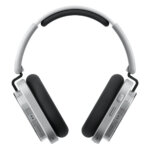
The Nothing Headphone (1) are large Nothing headphones, an over-ear model. They’re a great buy for their cool design and reference controls, detailed microphone, and top-tier noise cancellation on par with leaders Sony and Bose. With the LDAC codec, we get a +10-15% improvement in quality. Among the drawbacks: average comfort in the headphones and mandatory EQ adjustment, as the out-of-the-box sound is at the level of models under $100.
- Good and even sound with EQ
- Microphone – top-tier
- Active noise cancellation and transparency mode are top-tier.
- Controls and app – top-tier!
- Battery life – top-tier!
- Build – beautiful with nuances.
- The sound requires EQ tuning, out of the box it’s at the level of sub-$100 models.
- Minor flaws: the bass adjustment feature in the app didn’t work.
The final sound score is calculated using this formula:
Frequency balance + Detail retrieval + Soundstage + Natural timbre / 4 = Final Sound Score.
. 7.33 Roughly this result is what I expected. You can hear that the headphones are capable of playing, that there is potential. But the sound was tuned a bit incorrectly. I hope the default EQ gets fixed via firmware updates. In this model, EQ tuning is simply a must. Which we will handle shortly. It is not difficult, you do it once and forget it.The main plus of the sound is naturalness and responsiveness to EQ. If the EQ did not fix the situation, this model would be an underdog. With tuning, you can safely add +1 point out of 10 to the final score. The main downside of the sound is that EVERYTHING lacks just a little bit. Bass, mids, highs. Because of which a lot is lost in detail retrieval, plus the soundstage is a bit pushed back. This is sound behind a wall in the next room. And you want it to be right in front of you.
Read more.
Microphone – We assess speech transmission quality by testing the microphone in two main scenarios: quiet and noisy environments.
Quiet environment – This involves recording indoors with minimal background noise. Noisy environment – This means recording outdoors near a six-lane road with maximum traffic noise.
. 8.50 In quiet conditions: 10 In noisy conditions: 7 In noisy conditions, it handles not ideally, but well.Overall feature score — this is the overall score for all device features. This score comes from individual feature ratings (battery life, controls, app, connection stability, and others) and shows how easy and smart the device is for daily use.
. 9.17 Top-tier noise cancellation, made it into the TOP 5 among all models. Transparency mode is also excellent, allowing you to freely talk to a companion without taking off the headphones. Battery life is excellent, up to 54 hours of playback with the LDAC codec and up to 80 hours with the AAC codec. Controls are very convenient, reference-quality, and moreover they are physical, button-based, and feature a wheel. The app is also reference-quality, with a convenient equalizer.Read more.
Final build quality score is the overall score for build quality and materials: comfort, durability, and design. It shows how nice the device is to hold and use, and how long it will last.
. 9.00 Comfortable, you can wear them for 2-3 hours without discomfort, and build quality is also great, even though the coating is a fingerprint magnet. The design is unique, but in person they look MUCH better than in photos.Read more.
9. Huawei Freebuds 5 Pro 8.21Wireless TWS Earbuds with Reference Microphone, Top Functionality, and Good Sound
Drivers are the drivers in your headphones that are responsible for creating sound.
DD + PM + BA – means that there are several different types of drivers in these headphones.
DD – “Dynamic Driver” dynamic driver (deep bass, natural sound).
PM – “Planar Magnetic Driver” planar driver (wide soundstage and fast response).
BA – “Balanced Armature Driver” armature driver (accuracy and detail retrieval).
BC – “Bone Conduction Driver” or bone-conduction driver, which transmits vibration to the body of the headphones, transmitting sound through the bone/cartilage to the inner ear.
LDAC – high quality, high speed (Sony).
SBC is the basic Bluetooth standard, low quality.
AAC – Apple standard, good quality, low latency.
aptX – Qualcomm standard, good quality, low latency.
LC3/LC3plus – new Bluetooth LE Audio codecs, efficient compression.
Codecs are audio compression formats that affect sound quality and latency.
Headphone battery life is the playback time without recharging, measured in hours. Manufacturers measure without active noise cancellation (ANC), at medium volume (50-70%) and usually with the AAC codec, as these parameters affect battery consumption. Actual time may vary from 1% to 50%, depending on volume, active noise cancellation features enabled, codec (LDAC or other) and environmental conditions (cold, hot). It is important to consider not only the claimed playback time, but also the charging time and fast charging support.
Bluetooth is a wireless data transmission standard.
Support for new audio technologies.
Improved connection stability.
Reduced power consumption.
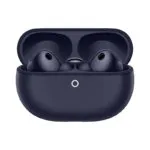
They’re a great buy for good and non-offensive sound, a reference-level microphone, and convenient controls. They offer good noise cancellation and a top-tier transparency mode. Among the drawbacks: sound is above average, and most features are tied to the proprietary HarmonyOS firmware — translator, voice recorder, voice assistant, etc.
- Nothing in the sound is off-putting.
- Reference-level microphone.
- Good noise cancellation and an excellent transparency mode.
- Comfortable build, pleasant design.
- Third-league sound (7-8 points) at a first-league price of $200.
- Voice assistant, translator, voice recorder, hearing protection, and other proprietary features are only available on HarmonyOS devices.
The final sound score is calculated using this formula:
Frequency balance + Detail retrieval + Soundstage + Natural timbre / 4 = Final Sound Score.
. 7.21 Huawei FreeBuds 5 Pro — bass is a bit lacking, highs too, mids are pushed back, and none of these issues are critical. Listening to music is generally enjoyable, and you only start noticing flaws in the sound when doing a direct comparison with the 4 Pro or reference models like the Technics EAH-AZ100 or Noble FoKus Rex 5. The strong point of this model is probably that nothing in the sound strains you, but nothing excites you either. At $200, you expect first-league performance (9-10 points), or at least second-league (8-9). But here we get the third bronze league (7-8 points), the level of $50-100 models. If this model cost $50 — take my money, but more for the features than the sound. But $150-200… No, thanks. And yes, compared to the Huawei FreeBuds 4 Pro, this is unfortunately a step backward in sound quality.Read more.
Microphone – We assess speech transmission quality by testing the microphone in two main scenarios: quiet and noisy environments.
Quiet environment – This involves recording indoors with minimal background noise. Noisy environment – This means recording outdoors near a six-lane road with maximum traffic noise.
. 9.75 Quiet 9.5 Noisy 10 Microphone quality has not changed at all, top-tier level.Overall feature score — this is the overall score for all device features. This score comes from individual feature ratings (battery life, controls, app, connection stability, and others) and shows how easy and smart the device is for daily use.
. 9.13 Noise cancellation is good, becoming slightly better compared to the 4 Pro. Transparency mode got 1 point better, making conversations comfortable. Battery life increased to up to 9 hours of playback and up to 38 hours with the charging case. Controls are reference-grade, featuring touch and pinch gestures. The app is good, and inside it I recommend choosing the LDAC codec and setting up the EQ using my example.Read more.
Final build quality score is the overall score for build quality and materials: comfort, durability, and design. It shows how nice the device is to hold and use, and how long it will last.
. 9.33 The model is comfortable, allowing 2-3 hours of use without discomfort, and durability is excellent. The design is unique, with the case now resembling the OnePlus Buds 3 Pro and looking worse in my opinion than the 4 Pro. The earbuds themselves have become slightly nicer and more compact.Read more.
10. Soundpeats Capsule 3 Pro Plus 8.16Best wireless headphones under $80 – for openness and detail retrieval
Drivers are the drivers in your headphones that are responsible for creating sound.
DD + PM + BA – means that there are several different types of drivers in these headphones.
DD – “Dynamic Driver” dynamic driver (deep bass, natural sound).
PM – “Planar Magnetic Driver” planar driver (wide soundstage and fast response).
BA – “Balanced Armature Driver” armature driver (accuracy and detail retrieval).
BC – “Bone Conduction Driver” or bone-conduction driver, which transmits vibration to the body of the headphones, transmitting sound through the bone/cartilage to the inner ear.
LDAC – high quality, high speed (Sony).
SBC is the basic Bluetooth standard, low quality.
AAC – Apple standard, good quality, low latency.
aptX – Qualcomm standard, good quality, low latency.
LC3/LC3plus – new Bluetooth LE Audio codecs, efficient compression.
Codecs are audio compression formats that affect sound quality and latency.
Headphone battery life is the playback time without recharging, measured in hours. Manufacturers measure without active noise cancellation (ANC), at medium volume (50-70%) and usually with the AAC codec, as these parameters affect battery consumption. Actual time may vary from 1% to 50%, depending on volume, active noise cancellation features enabled, codec (LDAC or other) and environmental conditions (cold, hot). It is important to consider not only the claimed playback time, but also the charging time and fast charging support.
Bluetooth is a wireless data transmission standard.
Support for new audio technologies.
Improved connection stability.
Reduced power consumption.
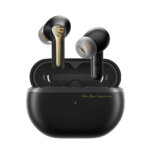
Soundpeats Capsule 3 Pro Plus are the best wireless headphones under $80. Their main difference from the OnePlus Buds 3 is a more detailed and balanced sound with less low-frequency emphasis. Soundpeats deliver rich, detailed sound with a deep bass foundation, distinct mids, and clear highs.
- Top-tier detail retrieval and soundstage width
- Deep bass
- Sturdy and reliable build
- Bright and harsh highs
- Fingerprint-prone finish
- Mediocre features and companion app
The final sound score is calculated using this formula:
Frequency balance + Detail retrieval + Soundstage + Natural timbre / 4 = Final Sound Score.
. 8.71 The earBuds FEature a wide soundstage with top-tier detail retrieval. The sound grabs you immediately with deep bass, expressive mids, and clean highs. You can separate main and secondary tracks, and small micro-details are clearly audible. The soundstage is wide with good instrument placement. The sound signature is moderately natural and bright, though the highs can get fatiguing quickly.Read more.
Microphone – We assess speech transmission quality by testing the microphone in two main scenarios: quiet and noisy environments.
Quiet environment – This involves recording indoors with minimal background noise. Noisy environment – This means recording outdoors near a six-lane road with maximum traffic noise.
. 7.50 In quiet conditions: 8 In noisy conditions: 7Overall feature score — this is the overall score for all device features. This score comes from individual feature ratings (battery life, controls, app, connection stability, and others) and shows how easy and smart the device is for daily use.
. 7.52 The weak point of the wireless earbuds. Active noise cancellation barely suppresses background noise, and the transparency mode is just barely usable enough to get by. Touch controls support 4 actions for basic media playback and calls. The app is clunky, and the only useful feature is a 10-band EQ.Read more.
Final build quality score is the overall score for build quality and materials: comfort, durability, and design. It shows how nice the device is to hold and use, and how long it will last.
. 7.73 The wireless earbuds fit snugly with the included ear tips in ears with large conchas. Mild fatigue sets in after a couple of hours of use. The shell of the wireless earbuds and the charging case feel solid, durable, and reliable. The finish is a fingerprint magnet and gets dirty quickly. The wireless earbuds look fine, though I think the gold accents are unnecessary.Read more.
11. Noble Audio Osprey 8.15Best TWS headphones – bass-heavy and bright sound
Drivers are the drivers in your headphones that are responsible for creating sound.
DD + PM + BA – means that there are several different types of drivers in these headphones.
DD – “Dynamic Driver” dynamic driver (deep bass, natural sound).
PM – “Planar Magnetic Driver” planar driver (wide soundstage and fast response).
BA – “Balanced Armature Driver” armature driver (accuracy and detail retrieval).
BC – “Bone Conduction Driver” or bone-conduction driver, which transmits vibration to the body of the headphones, transmitting sound through the bone/cartilage to the inner ear.
LDAC – high quality, high speed (Sony).
SBC is the basic Bluetooth standard, low quality.
AAC – Apple standard, good quality, low latency.
aptX – Qualcomm standard, good quality, low latency.
LC3/LC3plus – new Bluetooth LE Audio codecs, efficient compression.
Codecs are audio compression formats that affect sound quality and latency.
Headphone battery life is the playback time without recharging, measured in hours. Manufacturers measure without active noise cancellation (ANC), at medium volume (50-70%) and usually with the AAC codec, as these parameters affect battery consumption. Actual time may vary from 1% to 50%, depending on volume, active noise cancellation features enabled, codec (LDAC or other) and environmental conditions (cold, hot). It is important to consider not only the claimed playback time, but also the charging time and fast charging support.
Bluetooth is a wireless data transmission standard.
Support for new audio technologies.
Improved connection stability.
Reduced power consumption.
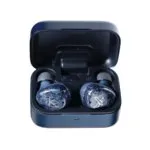
- Moderately bright sound with deep bass.
- Sturdy and reliable build.
- Stable signal with LDAC codec.
- Mediocre features: poor transparency, little use from the companion app.
The final sound score is calculated using this formula:
Frequency balance + Detail retrieval + Soundstage + Natural timbre / 4 = Final Sound Score.
. 8.83 Dynamic—bass and percussion sound emphasized while keeping balance. The exception is tracks packed with percussion like Oasis – Dont Go Away. Such tracks carry a metallic “aftertaste” and slight fatigue. Furthermore, the mids lack transparency, which can be tweaked via EQ or left as is. The soundstage feels noticeably smaller compared to the REX5. Otherwise, the sound is spacious, detailed, and natural. Just right for focused listening. The Noble Audio Osprey confidently land in the MyChooz silver league.Read more.
Microphone – We assess speech transmission quality by testing the microphone in two main scenarios: quiet and noisy environments.
Quiet environment – This involves recording indoors with minimal background noise. Noisy environment – This means recording outdoors near a six-lane road with maximum traffic noise.
. 7.00 In quiet conditions: 7 In noisy conditions: 7Overall feature score — this is the overall score for all device features. This score comes from individual feature ratings (battery life, controls, app, connection stability, and others) and shows how easy and smart the device is for daily use.
. 7.23 Implemented as an afterthought. On the bright side—signal stability and zero audio drops with LDAC set to quality preset at a 1–2 m distance. Active noise cancellation works if you pick the right ear tips. Playback time is up to 9 hours using the AAC codec. The transparency mode is poorly suited for daily use, controls work hit-or-miss—usually when you don’t need them, and the companion app offers nothing useful.Read more.
Final build quality score is the overall score for build quality and materials: comfort, durability, and design. It shows how nice the device is to hold and use, and how long it will last.
. 7.83 Feels sturdy and reliable in hand, and metal is rare in wireless earbud builds. The assembly, materials, and appearance mirror the REX5 completely. The earbuds look nice, though entirely lacking in individuality. They are comfortable, provided you pick the right size and ear tips. Otherwise, the earbuds won’t stay securely in your ears, or you’ll perpetually feel the urge to adjust them.Read more.
12. Sony WH-1000XM5 8.14Best wireless over-ear headphones with noise cancellation 2026
Drivers are the drivers in your headphones that are responsible for creating sound.
DD + PM + BA – means that there are several different types of drivers in these headphones.
DD – “Dynamic Driver” dynamic driver (deep bass, natural sound).
PM – “Planar Magnetic Driver” planar driver (wide soundstage and fast response).
BA – “Balanced Armature Driver” armature driver (accuracy and detail retrieval).
BC – “Bone Conduction Driver” or bone-conduction driver, which transmits vibration to the body of the headphones, transmitting sound through the bone/cartilage to the inner ear.
LDAC – high quality, high speed (Sony).
SBC is the basic Bluetooth standard, low quality.
AAC – Apple standard, good quality, low latency.
aptX – Qualcomm standard, good quality, low latency.
LC3/LC3plus – new Bluetooth LE Audio codecs, efficient compression.
Codecs are audio compression formats that affect sound quality and latency.
Headphone battery life is the playback time without recharging, measured in hours. Manufacturers measure without active noise cancellation (ANC), at medium volume (50-70%) and usually with the AAC codec, as these parameters affect battery consumption. Actual time may vary from 1% to 50%, depending on volume, active noise cancellation features enabled, codec (LDAC or other) and environmental conditions (cold, hot). It is important to consider not only the claimed playback time, but also the charging time and fast charging support.
Bluetooth is a wireless data transmission standard.
Support for new audio technologies.
Improved connection stability.
Reduced power consumption.
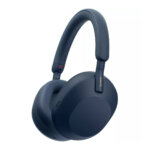
Sony WH-1000XM5 are the best wireless over-ear headphones with noise cancellation among over-ear models. They’re a great buy for reference-level noise cancellation and transparency, signature low-frequency sound, detailed microphone, and comfortable fit. With the LDAC codec, we get up to 15% improvement in sound quality. Among the drawbacks, the hinges are not durable under intense load and break.
- Reference-quality noise cancellation and transparency.
- Signature low-frequency sound
- Detailed microphone and comfortable fit
- Best automatic EQ tuning
- Fragile hinges
- Fingerprint-attracting coating
The final sound score is calculated using this formula:
Frequency balance + Detail retrieval + Soundstage + Natural timbre / 4 = Final Sound Score.
. 8.13 The headphones feature a low-frequency, all-encompassing sound signature typical of the headphone series. The main pluses of the sound are the soundstage, natural timbre, and detail retrieval. There is no artificiality or grain, and there is clear instrument and spatial effect separation. The main downside of the sound is the lows. There is a slight excess in quantity, giving the sound a bassy tint, and bass-heavy tracks sound a bit boomy. Plus, the vocals lack transparency.Read more.
Microphone – We assess speech transmission quality by testing the microphone in two main scenarios: quiet and noisy environments.
Quiet environment – This involves recording indoors with minimal background noise. Noisy environment – This means recording outdoors near a six-lane road with maximum traffic noise.
. 7.00 In quiet conditions: 8 In noisy conditions: 6 The headphones feature 8 microphones, though only 4 are used for calls. In quiet environments, the recording is detailed, the first words are muted, and faint clicking sounds can be heard. In noisy environments, the recording quality is noticeably worse, but you can still make out the words.Overall feature score — this is the overall score for all device features. This score comes from individual feature ratings (battery life, controls, app, connection stability, and others) and shows how easy and smart the device is for daily use.
. 8.53 Active noise cancellation and transparency are of reference-quality. Playback time in our tests is 33 hours, against the claimed 30. Controls are a mix, mostly using touch gestures on the earcup. There is a companion app with awkward navigation and a convenient EQ.Read more.
Final build quality score is the overall score for build quality and materials: comfort, durability, and design. It shows how nice the device is to hold and use, and how long it will last.
. 7.60 The headphones are comfortable, the earcups apply minimal pressure to the ears, and you’ll want to take a break after about 2 hours. No complaints about build and materials. Only the coating is a fingerprint magnet and requires daily care. The weak spot in the design is the hinges, with frequent breakages at the earcup swivel point. The headphones look good, choice of 5 colors.Read more.
13. Audeze Maxwell 2 8.12Best gaming headphones for soundstage width
Drivers are the drivers in your headphones that are responsible for creating sound.
DD + PM + BA – means that there are several different types of drivers in these headphones.
DD – “Dynamic Driver” dynamic driver (deep bass, natural sound).
PM – “Planar Magnetic Driver” planar driver (wide soundstage and fast response).
BA – “Balanced Armature Driver” armature driver (accuracy and detail retrieval).
BC – “Bone Conduction Driver” or bone-conduction driver, which transmits vibration to the body of the headphones, transmitting sound through the bone/cartilage to the inner ear.
LDAC – high quality, high speed (Sony).
SBC is the basic Bluetooth standard, low quality.
AAC – Apple standard, good quality, low latency.
aptX – Qualcomm standard, good quality, low latency.
LC3/LC3plus – new Bluetooth LE Audio codecs, efficient compression.
Codecs are audio compression formats that affect sound quality and latency.
Headphone battery life is the playback time without recharging, measured in hours. Manufacturers measure without active noise cancellation (ANC), at medium volume (50-70%) and usually with the AAC codec, as these parameters affect battery consumption. Actual time may vary from 1% to 50%, depending on volume, active noise cancellation features enabled, codec (LDAC or other) and environmental conditions (cold, hot). It is important to consider not only the claimed playback time, but also the charging time and fast charging support.
Bluetooth is a wireless data transmission standard.
Support for new audio technologies.
Improved connection stability.
Reduced power consumption.
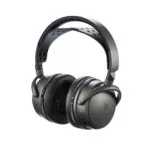
The Audeze Maxwell 2 are versatile headphones for gaming, music, and video. Although there aren’t many changes compared to the previous generation. The second generation is heavier, and using the headphones is as uncomfortable as the first version. After 30-40 minutes, you need to take a break. And between uses, you’ll be stretching your neck like Formula 1 drivers. Therefore, these headphones can only be considered for short gaming sessions; they’re not an option for outdoor use at all. And only for the sake of sound can you endure all the construction inconveniences of the headphones. However, you’ll need to tweak the EQ a bit, as the out-of-the-box sound is a bit muffled.
- You get a wide soundstage alongside detailed, natural audio.
- Controls mapped to 18 actions.
- They support 3 connection methods: wired, wireless, and radio frequency.
- Detailed microphone in quiet conditions.
- Heavy build – 560 g.
- Overload-sensitive drivers.
- They lack the physical slam you get from dynamic driver headphones.
The final sound score is calculated using this formula:
Frequency balance + Detail retrieval + Soundstage + Natural timbre / 4 = Final Sound Score.
. 8.85 Emphasis on highs. Bass is slightly lacking. The headphones’ strong suit is the soundstage. The sound is spacious, like in a large concert hall. No artificiality or grain; you can discern small details. Out of the box, the Audeze Maxwell 2 are close to the MyChooz gold league. A couple of EQ adjustments will help unlock the headphones’ potential.Learn more.
Microphone – We assess speech transmission quality by testing the microphone in two main scenarios: quiet and noisy environments.
Quiet environment – This involves recording indoors with minimal background noise. Noisy environment – This means recording outdoors near a six-lane road with maximum traffic noise.
. 8.00 In quiet conditions: 9 In noisy conditions: 7 There’s a built-in mic along with an optional detachable boom mic. The built-in mic captures speech in detail when you’re in a quiet spot or dealing with minimal background noise, though you’ll notice excessive reverb. In loud environments, speech turns unintelligible, and switching on the \”microphone noise reduction filter\” doesn’t help. The boom mic performs better, matching the quality of affordable dynamic mics. When it’s loud, the \”microphone noise reduction filter\” handles ambient sound more effectively, keeping your voice intelligible.Overall feature score — this is the overall score for all device features. This score comes from individual feature ratings (battery life, controls, app, connection stability, and others) and shows how easy and smart the device is for daily use.
. 7.42 You get convenient controls for basic media playback or switching EQ presets. All of your custom presets save directly to the headphones, meaning they stay available when you switch audio sources. The connection stays rock solid whether you’re using the 2.4 GHz USB receiver or the LDAC Bluetooth codec. Active noise cancellation isn’t built in, but passive isolation handles ambient sound just fine. There’s also a Transparency Mode equivalent called \”Sidetone\” so you can chat comfortably while wearing them.Read more.
Final build quality score is the overall score for build quality and materials: comfort, durability, and design. It shows how nice the device is to hold and use, and how long it will last.
. 7.33 They feel sturdy and reliable, with no complaints about build quality and materials. That said, they are terribly heavy at 560 g—easily some of the heaviest wireless headphones out there. Because of this, you’ll feel the pressure on your head and a greenhouse effect in the ear pads after about 30 to 40 minutes, especially in the summer.Read more.
14. Sony WH-1000XM6 8.11Good large Bluetooth headphones – new model from Sony
Drivers are the drivers in your headphones that are responsible for creating sound.
DD + PM + BA – means that there are several different types of drivers in these headphones.
DD – “Dynamic Driver” dynamic driver (deep bass, natural sound).
PM – “Planar Magnetic Driver” planar driver (wide soundstage and fast response).
BA – “Balanced Armature Driver” armature driver (accuracy and detail retrieval).
BC – “Bone Conduction Driver” or bone-conduction driver, which transmits vibration to the body of the headphones, transmitting sound through the bone/cartilage to the inner ear.
LDAC – high quality, high speed (Sony).
SBC is the basic Bluetooth standard, low quality.
AAC – Apple standard, good quality, low latency.
aptX – Qualcomm standard, good quality, low latency.
LC3/LC3plus – new Bluetooth LE Audio codecs, efficient compression.
Codecs are audio compression formats that affect sound quality and latency.
Headphone battery life is the playback time without recharging, measured in hours. Manufacturers measure without active noise cancellation (ANC), at medium volume (50-70%) and usually with the AAC codec, as these parameters affect battery consumption. Actual time may vary from 1% to 50%, depending on volume, active noise cancellation features enabled, codec (LDAC or other) and environmental conditions (cold, hot). It is important to consider not only the claimed playback time, but also the charging time and fast charging support.
Bluetooth is a wireless data transmission standard.
Support for new audio technologies.
Improved connection stability.
Reduced power consumption.
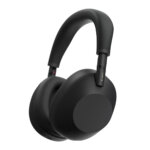
The Sony WH-1000XM6 are good large Bluetooth headphones and the latest model in the series. They’re a great buy for reference noise cancellation and transparency, low-frequency sound, and a convenient proprietary “find my EQ” feature that reduces sound adjustment to a couple of clicks. With the LDAC codec, we get up to 10-12% improvement in overall sound quality. Among the drawbacks: the earcups press on the ears, and discomfort arises from the first minutes of use; the hinges are not durable and require careful handling.
- Reference-level noise cancellation and transparency
- Detailed microphone
- Low-frequency sound without excessive bass
- Earcups press against the ears
- Hinges require careful handling
- Lack of detail retrieval
The final sound score is calculated using this formula:
Frequency balance + Detail retrieval + Soundstage + Natural timbre / 4 = Final Sound Score.
. 8.48 Low-frequency sound, similar in signature to the WH-1000XM4. Vocals sound close, timbres of low and high-frequency instruments are distinguishable. Soundstage processing is mostly in width, with no noticeable artificiality or distortion. Comfortable sound without significant downsides. There is only a slight excess of bass, a lack of transparency in the mids, and a shortage of brightness. Although even this can be fixed in the built-in equalizer in a “couple” of clicks.Read more.
Microphone – We assess speech transmission quality by testing the microphone in two main scenarios: quiet and noisy environments.
Quiet environment – This involves recording indoors with minimal background noise. Noisy environment – This means recording outdoors near a six-lane road with maximum traffic noise.
. 7.40 In quiet conditions: 7.8 In noisy conditions: 7Overall feature score — this is the overall score for all device features. This score comes from individual feature ratings (battery life, controls, app, connection stability, and others) and shows how easy and smart the device is for daily use.
. 8.68 The headphones feature reference-level active noise cancellation and transparency among over-ear models. Battery life in the series remains unchanged – 30-40 hours with noise cancellation enabled. Controls are mostly touch-based for music and calls. The companion app is useful, though the multi-level menu structure is awkward, and with the “find your EQ” feature it’s easier to tune the sound out of 4-5 options of different tonality. The signal is stable at distances up to 10 m using the LDAC codec at the Quality bitrate setting.Read more.
Final build quality score is the overall score for build quality and materials: comfort, durability, and design. It shows how nice the device is to hold and use, and how long it will last.
. 6.33 Awkward, the headphone clamping force is stronger than the previous generation. My maximum time in the headphones is an hour, then I need to take a break. No complaints about build and materials. The weak spot of the headphones is the hinges, which break under heavy use. Design is nice and neat. Choice of 3 colors.Read more.
15. EarFun Air Pro 4 Plus 8.09BEST TWS Earbuds under $100 with LDAC and AptX Codecs
Drivers are the drivers in your headphones that are responsible for creating sound.
DD + PM + BA – means that there are several different types of drivers in these headphones.
DD – “Dynamic Driver” dynamic driver (deep bass, natural sound).
PM – “Planar Magnetic Driver” planar driver (wide soundstage and fast response).
BA – “Balanced Armature Driver” armature driver (accuracy and detail retrieval).
BC – “Bone Conduction Driver” or bone-conduction driver, which transmits vibration to the body of the headphones, transmitting sound through the bone/cartilage to the inner ear.
LDAC – high quality, high speed (Sony).
SBC is the basic Bluetooth standard, low quality.
AAC – Apple standard, good quality, low latency.
aptX – Qualcomm standard, good quality, low latency.
LC3/LC3plus – new Bluetooth LE Audio codecs, efficient compression.
Codecs are audio compression formats that affect sound quality and latency.
Headphone battery life is the playback time without recharging, measured in hours. Manufacturers measure without active noise cancellation (ANC), at medium volume (50-70%) and usually with the AAC codec, as these parameters affect battery consumption. Actual time may vary from 1% to 50%, depending on volume, active noise cancellation features enabled, codec (LDAC or other) and environmental conditions (cold, hot). It is important to consider not only the claimed playback time, but also the charging time and fast charging support.
Bluetooth is a wireless data transmission standard.
Support for new audio technologies.
Improved connection stability.
Reduced power consumption.
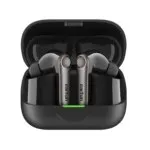
They’re a great buy for detailed sound with superb vocal reproduction and excellent naturalness. The app offers sound settings. There are LDAC and 3 aptX codecs. A translator for 146 languages and dialects. The headphones are sensitive to EQ settings, so the sound should be adjusted. In many aspects, these headphones outperform the Realme Buds Air 7 Pro — and that’s saying something. Among the drawbacks: average noise cancellation and transparency; the controls might not be to your liking.
- Detailed sound
- Sound settings: 10-band EQ, preset modes, custom tuning
- Translator for 165 languages and dialects
- LDAC and 3 aptX Bluetooth codecs
- Treble is a bit harsh
- The balanced armature driver occasionally resonates
- Battery life is shorter than claimed
The final sound score is calculated using this formula:
Frequency balance + Detail retrieval + Soundstage + Natural timbre / 4 = Final Sound Score.
. 8.33 The strong suit of the EarFun Air Pro 4 Plus is its stunning vocal delivery across almost any track. If you want an emotional, lively, and soul-stirring performance, the Air Pro 4 Plus delivers. Natural timbre is also top-notch despite a slightly cool tint from the balanced armature driver. Among the weaknesses, I would point out the narrow soundstage, which leads to minor yet noticeable issues with detail retrieval and proper instrument separation across the soundstage. The headphones also lack a bit of bass, which is easily fixed via the EQ, with rock being the best preset for it.Read more.
Microphone – We assess speech transmission quality by testing the microphone in two main scenarios: quiet and noisy environments.
Quiet environment – This involves recording indoors with minimal background noise. Noisy environment – This means recording outdoors near a six-lane road with maximum traffic noise.
. 7.50 In quiet conditions: 8 In noisy conditions: 7Overall feature score — this is the overall score for all device features. This score comes from individual feature ratings (battery life, controls, app, connection stability, and others) and shows how easy and smart the device is for daily use.
. 7.63 Active noise cancellation works well, suppressing about 40-50% of low-frequency noise. Transparency mode provides good audibility. When talking through the headphones, you get a plugged-ear sensation, and your own voice heavily echoes inside your head via bone conduction. Battery life in our tests reached up to 10 hours using the codec, plus an extra 30 hours with the case. Touch controls support 4 taps per earbud. The companion app is user-friendly and features a translator supporting 146 languages and dialects.Read more.
Final build quality score is the overall score for build quality and materials: comfort, durability, and design. It shows how nice the device is to hold and use, and how long it will last.
. 8.17 The headphones are comfortable, with minor fatigue setting in after a couple of hours of use. No complaints about build quality and materials. The headphones look nice without eliciting any special excitement. Available in 3 colors.Read more.
See more models with the LDAC codec in our TOP 100 Headphones MyChooz ranking
See what place the headphones occupy in our main rankings:
- Best True Wireless Earbuds 2026 regardless of price
- Best TWS Earbuds Under $100 2026
- Best Budget Wireless Headphones Under $50 2026
- Best Large Headphones — TOP Over-Ear 2026
- Best Over-Ear Headphones Under $100 2026
- Best Open-Fit Earbuds 2026