

I’ve wanted to make an earbud ranking for a long time. It focuses on the most important thing: SOUND. That’s why we buy earbuds and listen to our favorite music. Sound quality is 50% of the score in a regular ranking. But in this one, it’s 100%.
I had 3 main questions:
- Which model sounds best? Over-ear headphones or in-ear earbuds?
- Open-ear earbuds usually sound worse than in-ear ones. But what in-ear model do the best open-ear earbuds sound like?
- What about the best OWS clip-on earbuds? What in-ear earbuds do they sound like?
All the answers are below, my friends.
Some might say comparing different categories isn’t fair. But I have a genuine, childlike curiosity. I don’t care about made-up limits. I compare whatever I want, with whatever I want. Plus, next year, I want to compare wired and wireless earbuds. I’ll bring them all into one system on MyChooz. This will cover ALL earbud models. Wired earbuds with an average source, compared to wireless ones. Let me know in the comments if you’d be interested in such a comparison. Also, if you’d like to see this rating in every review. Then you’ll know what sound quality you’re getting across ALL models.
EMMA — Experts + Methodology + MyChoozers + Algorithm.
Every model goes through identical tests; the score is calculated automatically with fixed weights — a spot in the rating cannot be bought.
Best Wireless Headphones for Sound Quality — Our Ranking
How We Test Sound Quality
At MyChooz, every pair of wireless headphones goes through our EMMA evaluation — blind listening tests across multiple genres, frequency response analysis, and real-world usage over 2+ weeks. We assess soundstage, imaging, instrument separation, bass extension, treble clarity, and overall musicality. No AI-generated reviews — every word comes from hands-on experience with 50+ models.
What to Look For in Wireless Headphones for Sound Quality
Codec support: LDAC and aptX Adaptive deliver hi-res audio over Bluetooth. AAC is the minimum for Apple devices. Without a high-quality codec, even premium drivers can’t reach their potential. Driver type: Dynamic drivers offer punchy bass, while planar magnetic drivers excel in speed and detail retrieval. Open-back vs closed-back: Open designs provide wider soundstage but leak sound. Closed-back isolates better for commuting. Frequency response: Look for a balanced, neutral signature — or pick headphones with customizable EQ if you prefer bass-heavy or bright tuning. Lossless audio: True lossless over Bluetooth isn’t here yet, but LDAC at 990kbps gets remarkably close.
Do Wireless Headphones Compromise Sound Quality?
Short answer: not anymore. In 2026, flagship wireless headphones deliver sound quality that rivals mid-range wired setups. The gap has closed dramatically thanks to better Bluetooth codecs (LDAC, aptX Adaptive), improved DAC/amp circuits inside the headphones, and advanced driver technology including planar magnetic designs. The trade-off is minimal — you lose some absolute detail retrieval compared to a dedicated wired chain, but gain convenience, ANC, and multipoint connectivity.
1. Samsung Galaxy Buds 4 Pro 8.99Best Wireless Earbuds for Phones – Samsung, Android, and iPhone
Drivers are the drivers in your headphones that are responsible for creating sound.
DD + PM + BA – means that there are several different types of drivers in these headphones.
DD – “Dynamic Driver” dynamic driver (deep bass, natural sound).
PM – “Planar Magnetic Driver” planar driver (wide soundstage and fast response).
BA – “Balanced Armature Driver” armature driver (accuracy and detail retrieval).
BC – “Bone Conduction Driver” or bone-conduction driver, which transmits vibration to the body of the headphones, transmitting sound through the bone/cartilage to the inner ear.
LDAC – high quality, high speed (Sony).
SBC is the basic Bluetooth standard, low quality.
AAC – Apple standard, good quality, low latency.
aptX – Qualcomm standard, good quality, low latency.
LC3/LC3plus – new Bluetooth LE Audio codecs, efficient compression.
Codecs are audio compression formats that affect sound quality and latency.
Headphone battery life is the playback time without recharging, measured in hours. Manufacturers measure without active noise cancellation (ANC), at medium volume (50-70%) and usually with the AAC codec, as these parameters affect battery consumption. Actual time may vary from 1% to 50%, depending on volume, active noise cancellation features enabled, codec (LDAC or other) and environmental conditions (cold, hot). It is important to consider not only the claimed playback time, but also the charging time and fast charging support.
Bluetooth is a wireless data transmission standard.
Support for new audio technologies.
Improved connection stability.
Reduced power consumption.
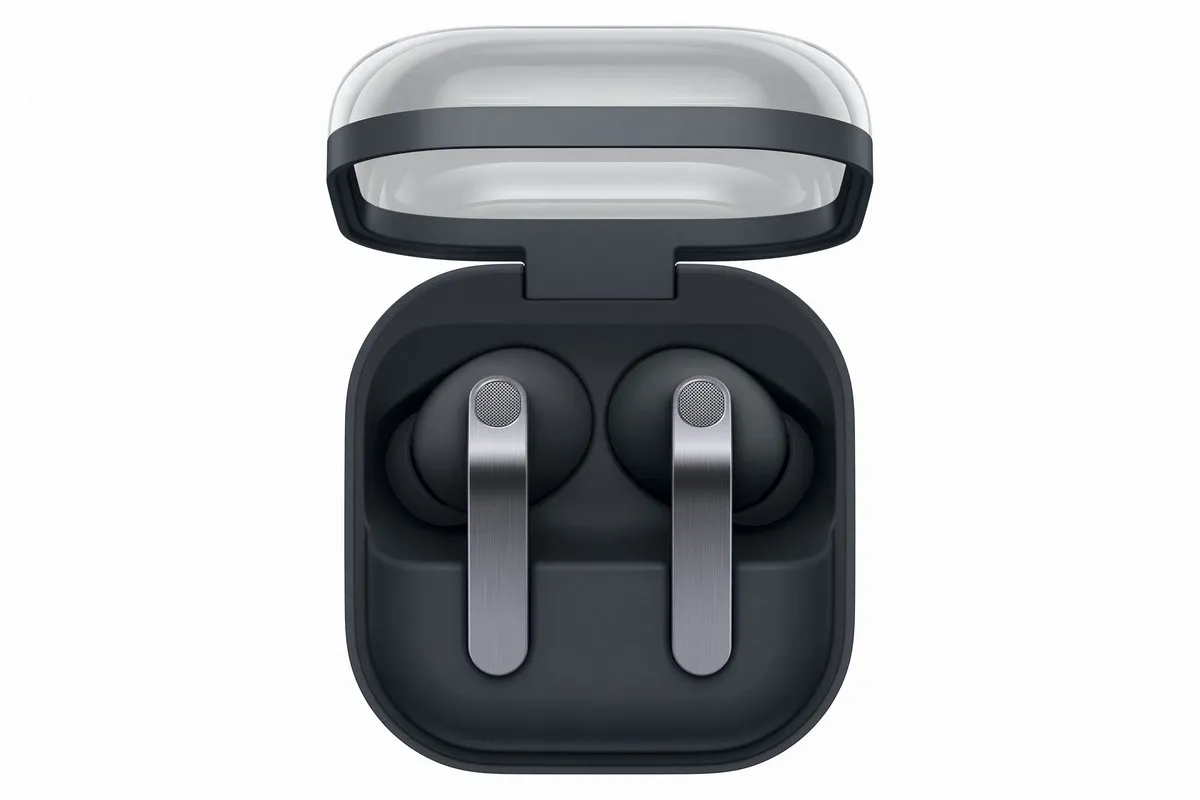
The Samsung Galaxy Buds 4 Pro is a super successful upgrade from the 3 Pro. The main reasons to buy them are reference-quality sound, reference-quality features, and a super comfy build quality. That’s 3 out of 3. And all this works great, not just on flagship Samsung devices. It works on all Android and Apple devices too. You get reference-quality transparency mode and excellent active noise cancellation. The microphone is great. They’re like AirPods, but with upgraded sound and for all ecosystems.
On the downside, there are artificial ecosystem limitations for non-Samsung devices. You only get basic codecs, with a 15% drop in quality. There’s no low latency mode. No translator or voice assistant. No Spatial Audio, Auracast, or seamless device switching. There are also minor sound flaws in the highs. Everything else is just top-notch.
- Top-tier sound, reference-grade with the proprietary SSC UHD codec.
- Includes a translator, voice assistant, spatial audio.
- Reference-grade transparency, activation by saying your name.
- The SSC UHD codec, translator, voice assistant, and spatial audio only work on Samsung flagship devices.
- No companion app for Apple.
The final sound score is calculated using this formula:
Frequency balance + Detail retrieval + Soundstage + Natural timbre / 4 = Final Sound Score.
. 9.13 A wide soundstage, cool punchy bass, prominent vocals that separate cleanly from other instruments, and gorgeous detail retrieval. The main downside of the sound is perhaps the highs, which felt slightly lacking for me in both quality and quantity. The main plus of the sound is everything else, the soundstage is absolute reference material at 10 out of 10.Read more.
Microphone – We assess speech transmission quality by testing the microphone in two main scenarios: quiet and noisy environments.
Quiet environment – This involves recording indoors with minimal background noise. Noisy environment – This means recording outdoors near a six-lane road with maximum traffic noise.
. 9.50 In quiet conditions: 10 In noisy conditions: 9 Gorgeous quality, it has gotten better than the Galaxy Buds 3 Pro. It fell just a hair short of the Huawei reference.Overall feature score — this is the overall score for all device features. This score comes from individual feature ratings (battery life, controls, app, connection stability, and others) and shows how easy and smart the device is for daily use.
. 9.25 Noise cancellation is excellent—9 out of 10, falling slightly short of the AirPods Pro 3 reference. It handles street noise, laptop hum, and PC fans well. Transparency is reference-level with a slight digital processing feel. Battery life in our tests on base codecs is 8-10 hours. Touch controls, plus voice control for the player and calls. The companion app is user-friendly and only for Android devices. Moreover, some features are only available on Samsung devices.Read more.
Final build quality score is the overall score for build quality and materials: comfort, durability, and design. It shows how nice the device is to hold and use, and how long it will last.
. 8.25 The earbuds are very comfortable, the case is compact. After a couple of hours of use, only minor fatigue. The build is sturdy and reliable, though the finish is a fingerprint magnet. Available in 3 colors: gray, white, and rose gold. Personally, I liked the design, while parts of our team didn’t. What about you?Read more.
2. Noble Audio Fokus REX5 8.43Best Wireless Earbuds for Sound Today – 10 out of 10
Drivers are the drivers in your headphones that are responsible for creating sound.
DD + PM + BA – means that there are several different types of drivers in these headphones.
DD – “Dynamic Driver” dynamic driver (deep bass, natural sound).
PM – “Planar Magnetic Driver” planar driver (wide soundstage and fast response).
BA – “Balanced Armature Driver” armature driver (accuracy and detail retrieval).
BC – “Bone Conduction Driver” or bone-conduction driver, which transmits vibration to the body of the headphones, transmitting sound through the bone/cartilage to the inner ear.
LDAC – high quality, high speed (Sony).
SBC is the basic Bluetooth standard, low quality.
AAC – Apple standard, good quality, low latency.
aptX – Qualcomm standard, good quality, low latency.
LC3/LC3plus – new Bluetooth LE Audio codecs, efficient compression.
Codecs are audio compression formats that affect sound quality and latency.
Headphone battery life is the playback time without recharging, measured in hours. Manufacturers measure without active noise cancellation (ANC), at medium volume (50-70%) and usually with the AAC codec, as these parameters affect battery consumption. Actual time may vary from 1% to 50%, depending on volume, active noise cancellation features enabled, codec (LDAC or other) and environmental conditions (cold, hot). It is important to consider not only the claimed playback time, but also the charging time and fast charging support.
Bluetooth is a wireless data transmission standard.
Support for new audio technologies.
Improved connection stability.
Reduced power consumption.
The Noble Audio Fokus REX5 are the best wireless TWS earbuds. They’re #1 for sound quality on MyChooz. The main reason to buy them is their reference-quality sound. This includes detail retrieval, natural timbre, and soundstage. They even surpassed the Technics EAH-AZ100 in sound. And those 5 drivers aren’t just for show. You will need to tweak the sound with the EQ, though. Sound tuning and ear tip selection will be covered in the full review. On the downside, ANC, transparency, and the microphone are only on par with models under $100.
Overall, this model is for anyone looking for the BEST in-ear TWS earbuds. And who wants uncompromisingly the best sound.
- Best sound, reference-quality detail among TWS earbuds.
- Metal build for the charging case and earbuds.
- Two EQs, you can combine settings. Plus, Audiodo personal sound tuning.
- The ear tips provide the fit. You’ll need to adjust the earbuds if the ear tips don’t fit right.
- The earbuds cool down fast in cold weather.
- Average features.
The final sound score is calculated using this formula:
Frequency balance + Detail retrieval + Soundstage + Natural timbre / 4 = Final Sound Score.
. 9.29 The sound emphasizes mids and especially highs. Out of the box, there’s not enough bass. But it’s easy to add bass or adjust the balance. The app has two EQs: a 10-band one and a variable 3-point one. The soundstage is spacious, with good width and depth. Vocals and instruments sound natural, just like in real life. And the detail retrieval picks up tiny nuances. These are easily missed with other earbuds.Microphone – We assess speech transmission quality by testing the microphone in two main scenarios: quiet and noisy environments.
Quiet environment – This involves recording indoors with minimal background noise. Noisy environment – This means recording outdoors near a six-lane road with maximum traffic noise.
. 6.75 In quiet environments: 7.5 In noisy environments: 6Overall feature score — this is the overall score for all device features. This score comes from individual feature ratings (battery life, controls, app, connection stability, and others) and shows how easy and smart the device is for daily use.
. 7.40 The active noise cancellation suppresses light background noise. Transparency mode is just enough for comfortable conversations. The earbuds last 4.5-7.5 hours, depending on the codec. Controls are touch-based with three actions: pause/play, track skipping, and volume. The app is straightforward. It has two EQ presets and a personal sound customization feature.Final build quality score is the overall score for build quality and materials: comfort, durability, and design. It shows how nice the device is to hold and use, and how long it will last.
. 7.83 It’s important to pick the right ear tips for these earbuds. That’s because the ear tips provide the main secure fit in your ears. Overall, the earbuds are comfortable. I didn’t feel any discomfort after two hours of use. The build quality is metal, and there are no complaints about the assembly or materials. Just be aware that the earbuds cool down quickly in winter. You wouldn’t want to catch a cold in your ears. The design is interesting, bold, and stands out. I really liked it.3. Technics EAH-AZ100 8.88Best sound under $350-400.
Drivers are the drivers in your headphones that are responsible for creating sound.
DD + PM + BA – means that there are several different types of drivers in these headphones.
DD – “Dynamic Driver” dynamic driver (deep bass, natural sound).
PM – “Planar Magnetic Driver” planar driver (wide soundstage and fast response).
BA – “Balanced Armature Driver” armature driver (accuracy and detail retrieval).
BC – “Bone Conduction Driver” or bone-conduction driver, which transmits vibration to the body of the headphones, transmitting sound through the bone/cartilage to the inner ear.
LDAC – high quality, high speed (Sony).
SBC is the basic Bluetooth standard, low quality.
AAC – Apple standard, good quality, low latency.
aptX – Qualcomm standard, good quality, low latency.
LC3/LC3plus – new Bluetooth LE Audio codecs, efficient compression.
Codecs are audio compression formats that affect sound quality and latency.
Headphone battery life is the playback time without recharging, measured in hours. Manufacturers measure without active noise cancellation (ANC), at medium volume (50-70%) and usually with the AAC codec, as these parameters affect battery consumption. Actual time may vary from 1% to 50%, depending on volume, active noise cancellation features enabled, codec (LDAC or other) and environmental conditions (cold, hot). It is important to consider not only the claimed playback time, but also the charging time and fast charging support.
Bluetooth is a wireless data transmission standard.
Support for new audio technologies.
Improved connection stability.
Reduced power consumption.
The Technics EAH-AZ100 are the best-sounding wireless earbuds among all TWS models under $350. That’s the main reason to buy them. They’re second in sound quality among all TWS models. But they’re number one overall when you combine everything: sound, features, and build quality. This model has no critical drawbacks.
- Reference-quality sound among true wireless earbuds
- Comfortable and pleasant build
- Average active noise cancellation
- Non-critical cons: Slight lack of vocal intimacy. Minor flaws in the app and design. Average microphone
The final sound score is calculated using this formula:
Frequency balance + Detail retrieval + Soundstage + Natural timbre / 4 = Final Sound Score.
. 9.31 Reference-quality. The main pro of the sound is its natural timbre, soundstage, detail retrieval, and highs. The main con is a slightly recessed mid-range and vocals as a result. Plus a minimal lack of bass quantity and quality.Read more.
Microphone – We assess speech transmission quality by testing the microphone in two main scenarios: quiet and noisy environments.
Quiet environment – This involves recording indoors with minimal background noise. Noisy environment – This means recording outdoors near a six-lane road with maximum traffic noise.
. 8.00 Got better than the AZ80. In quiet environments: 8 In noisy environments: 8Overall feature score — this is the overall score for all device features. This score comes from individual feature ratings (battery life, controls, app, connection stability, and others) and shows how easy and smart the device is for daily use.
. 8.08 Active noise cancellation is enough to suppress road noise, it is better than average. Transparency is great, talking to someone will be comfortable. Battery life is excellent at 10 hours and 28 hours with the charging case, with LDAC + ANC under the same conditions — 7 and 18 hours respectively. Touch controls are convenient, but take some getting used to. The app is great, in it I recommend choosing the LDAC codec and tuning the EQ.Read more.
Final build quality score is the overall score for build quality and materials: comfort, durability, and design. It shows how nice the device is to hold and use, and how long it will last.
. 9.00 Comfortable, durable, and nice-looking. As for comfort, they are comfortable, with a slight feeling of the wireless earbuds in your ears. The charging case is compact. Reliable build. IPx4 dust and water resistance for the wireless earbuds only. The wireless earbuds look nice, although nothing special.Read more.
4. Noble Audio FoKus Apollo 9.12Best over-ear headphones for sound quality.
Drivers are the drivers in your headphones that are responsible for creating sound.
DD + PM + BA – means that there are several different types of drivers in these headphones.
DD – “Dynamic Driver” dynamic driver (deep bass, natural sound).
PM – “Planar Magnetic Driver” planar driver (wide soundstage and fast response).
BA – “Balanced Armature Driver” armature driver (accuracy and detail retrieval).
BC – “Bone Conduction Driver” or bone-conduction driver, which transmits vibration to the body of the headphones, transmitting sound through the bone/cartilage to the inner ear.
LDAC – high quality, high speed (Sony).
SBC is the basic Bluetooth standard, low quality.
AAC – Apple standard, good quality, low latency.
aptX – Qualcomm standard, good quality, low latency.
LC3/LC3plus – new Bluetooth LE Audio codecs, efficient compression.
Codecs are audio compression formats that affect sound quality and latency.
Headphone battery life is the playback time without recharging, measured in hours. Manufacturers measure without active noise cancellation (ANC), at medium volume (50-70%) and usually with the AAC codec, as these parameters affect battery consumption. Actual time may vary from 1% to 50%, depending on volume, active noise cancellation features enabled, codec (LDAC or other) and environmental conditions (cold, hot). It is important to consider not only the claimed playback time, but also the charging time and fast charging support.
Bluetooth is a wireless data transmission standard.
Support for new audio technologies.
Improved connection stability.
Reduced power consumption.
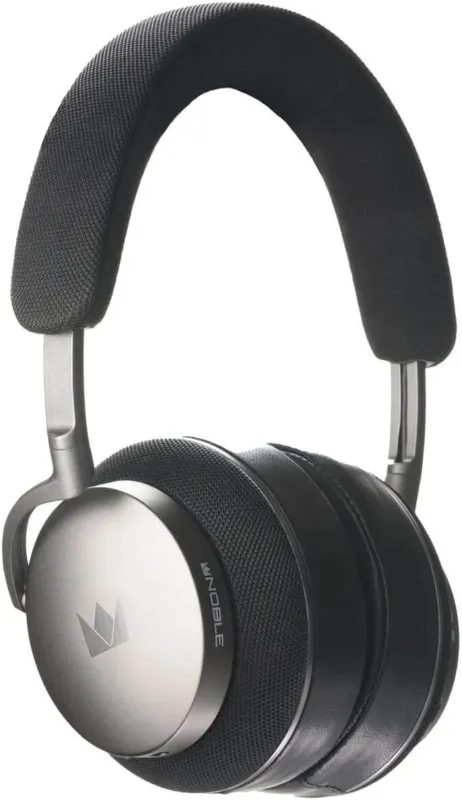
The Noble Audio FoKus Apollo are the best-sounding over-ear headphones. They’re especially great for detail retrieval. The main reason to buy them is their reference-quality sound. The earcups don’t press on your ears. Plus, LDAC latency is around 30 ms. They come with an external microphone that has a switch. This lets you quickly mute all microphones on the headphones. There are no major downsides. Just consider the price and the slightly harsh highs in the sound. You can smooth those out with the EQ.
The microphone isn’t amazing. You can talk, but not in noisy places. There’s also this detachable microphone. Let’s hear how it sounds.
- Reference-level sound
- Top-tier noise cancellation
- Comfortable fit, sturdy and reliable build quality
- Minimally usable transparency mode
- Fabric finish collects dust and fine debris
The final sound score is calculated using this formula:
Frequency balance + Detail retrieval + Soundstage + Natural timbre / 4 = Final Sound Score.
. 9.66 The headphones offer the best sound in terms of emotionality and analyticity. The bass is deep and unburdened, the mids are open with minimal transparency drop. Reference soundstage, naturalness, and detail retrieval. Positioning does not shift with instruments appearing or fading. The sound lacks noticeable artificiality and grain, and detail retrieval is sufficient to hear minor artifacts in the recording. Cons include highs lacking softness, and excessive percussion in a track getting fatiguing.Read more.
Overall feature score — this is the overall score for all device features. This score comes from individual feature ratings (battery life, controls, app, connection stability, and others) and shows how easy and smart the device is for daily use.
. 8.64 Active noise cancellation suppresses up to about 50% of noise, while transparency mode is minimally suited for conversation. Button controls with basic playback and call management. The companion app is user-friendly, featuring a 10-band EQ and personal sound tuning.Read more.
Final build quality score is the overall score for build quality and materials: comfort, durability, and design. It shows how nice the device is to hold and use, and how long it will last.
. 8.50 The ear cups do not press on the ears, and minor fatigue becomes noticeable by the 3rd-4th hour of use. Build quality is defect-free, and materials are premium grade. The headphones look good, I liked them.Read more.
5. Realme Buds Air 7 Pro 8.47Best earbuds for sound quality under $300.
Drivers are the drivers in your headphones that are responsible for creating sound.
DD + PM + BA – means that there are several different types of drivers in these headphones.
DD – “Dynamic Driver” dynamic driver (deep bass, natural sound).
PM – “Planar Magnetic Driver” planar driver (wide soundstage and fast response).
BA – “Balanced Armature Driver” armature driver (accuracy and detail retrieval).
BC – “Bone Conduction Driver” or bone-conduction driver, which transmits vibration to the body of the headphones, transmitting sound through the bone/cartilage to the inner ear.
LDAC – high quality, high speed (Sony).
SBC is the basic Bluetooth standard, low quality.
AAC – Apple standard, good quality, low latency.
aptX – Qualcomm standard, good quality, low latency.
LC3/LC3plus – new Bluetooth LE Audio codecs, efficient compression.
Codecs are audio compression formats that affect sound quality and latency.
Headphone battery life is the playback time without recharging, measured in hours. Manufacturers measure without active noise cancellation (ANC), at medium volume (50-70%) and usually with the AAC codec, as these parameters affect battery consumption. Actual time may vary from 1% to 50%, depending on volume, active noise cancellation features enabled, codec (LDAC or other) and environmental conditions (cold, hot). It is important to consider not only the claimed playback time, but also the charging time and fast charging support.
Bluetooth is a wireless data transmission standard.
Support for new audio technologies.
Improved connection stability.
Reduced power consumption.
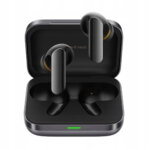
The Realme Buds Air 7 Pro are the best affordable wireless earbuds for sound. The main reason to buy them is the BEST sound among TWS earbuds under $300. They also have live, synchronized translation that works with any phone brand. Downsides include a bulky earbud build. This model might not fit everyone. We’ve seen many reliability complaints about these earbuds on our social media. Still, they’re the number one most popular model among our social media users.
- Best sound in wireless earbuds under $300
- Live and simultaneous translation
- Reference-level battery life
- User complaints regarding reliability
- Average noise cancellation and transparency
The final sound score is calculated using this formula:
Frequency balance + Detail retrieval + Soundstage + Natural timbre / 4 = Final Sound Score.
. 9.00 Using the LHDC 5.0 codec, performance sits right alongside some models priced up to $300. The wireless earbuds offer an optimal frequency balance. You get a spacious soundstage with clear width and depth rendering. The sound is moderately detailed and natural. First batches of the Chinese version suffered from an excess of highs, but the global version doesn’t have this issue.Read more.
Microphone – We assess speech transmission quality by testing the microphone in two main scenarios: quiet and noisy environments.
Quiet environment – This involves recording indoors with minimal background noise. Noisy environment – This means recording outdoors near a six-lane road with maximum traffic noise.
. 8.00 In quiet environments: 9 In noisy environments: 7Overall feature score — this is the overall score for all device features. This score comes from individual feature ratings (battery life, controls, app, connection stability, and others) and shows how easy and smart the device is for daily use.
. 7.75 Noise cancellation and transparency are mediocre. Battery life reached up to 10 hours in our tests taking the codec into account. Touch controls handle basic playback and calls. The app is handy and includes an EQ, sound personalization, and a translator.Read more.
Final build quality score is the overall score for build quality and materials: comfort, durability, and design. It shows how nice the device is to hold and use, and how long it will last.
. 8.20 The fit is solid. 2-3 hours of use without discomfort. Build and materials draw no complaints. They look great, and I like the design. Available in 4 colors.Read more.
6. Sennheiser MOMENTUM 4 Wireless 8.87Best over-ear headphones for sound under $600.
Drivers are the drivers in your headphones that are responsible for creating sound.
DD + PM + BA – means that there are several different types of drivers in these headphones.
DD – “Dynamic Driver” dynamic driver (deep bass, natural sound).
PM – “Planar Magnetic Driver” planar driver (wide soundstage and fast response).
BA – “Balanced Armature Driver” armature driver (accuracy and detail retrieval).
BC – “Bone Conduction Driver” or bone-conduction driver, which transmits vibration to the body of the headphones, transmitting sound through the bone/cartilage to the inner ear.
LDAC – high quality, high speed (Sony).
SBC is the basic Bluetooth standard, low quality.
AAC – Apple standard, good quality, low latency.
aptX – Qualcomm standard, good quality, low latency.
LC3/LC3plus – new Bluetooth LE Audio codecs, efficient compression.
Codecs are audio compression formats that affect sound quality and latency.
Headphone battery life is the playback time without recharging, measured in hours. Manufacturers measure without active noise cancellation (ANC), at medium volume (50-70%) and usually with the AAC codec, as these parameters affect battery consumption. Actual time may vary from 1% to 50%, depending on volume, active noise cancellation features enabled, codec (LDAC or other) and environmental conditions (cold, hot). It is important to consider not only the claimed playback time, but also the charging time and fast charging support.
Bluetooth is a wireless data transmission standard.
Support for new audio technologies.
Improved connection stability.
Reduced power consumption.
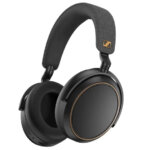
The Sennheiser Momentum 4 Wireless are the best big wireless headphones. There are three main reasons to buy them. They have the best sound under $300. They also offer top-tier noise cancellation and a strong, reliable build. With aptX HD and aptX Adaptive codecs, you only get a 10-15% boost in sound. That’s because the sound system already delivers maximum performance. A drawback is the earcup clamping force. It’s above average, so you’ll need a break after 1-2 hours of use.
- Best sound under $300
- Top-tier noise cancellation and reference-level transparency.
- Detailed microphone
- Sturdy and reliable build
- Ear cups press too firmly
The final sound score is calculated using this formula:
Frequency balance + Detail retrieval + Soundstage + Natural timbre / 4 = Final Sound Score.
. 9.55 These headphones deliver the best sound quality of any over-ear model under $300. You get a pleasing bass-heavy sound with an intimate mid-range and moderately bright highs. The soundstage is spacious and full-bodied, completely free of artificial timbre or noticeable grain. Detail retrieval is sharp enough to catch micro-details. A few minor drawbacks include a slight excess in the bass, a shortfall in the highs, and a touch less transparency.Read more.
Microphone – We assess speech transmission quality by testing the microphone in two main scenarios: quiet and noisy environments.
Quiet environment – This involves recording indoors with minimal background noise. Noisy environment – This means recording outdoors near a six-lane road with maximum traffic noise.
. 9.25 In quiet conditions: 9.5 In noisy conditions: 9 These headphones feature 4 microphones, with 2 in each ear cup. Voice on recordings sounds detailed. In noisy environments, quality drops a bit while staying clear.Overall feature score — this is the overall score for all device features. This score comes from individual feature ratings (battery life, controls, app, connection stability, and others) and shows how easy and smart the device is for daily use.
. 8.08 Active noise cancellation is top-tier and leaves sound quality untouched. The transparency mode comes close to reference-quality. Up to 60 hours of battery life will easily carry you through a week of active listening. Controls are hybrid and mostly gesture-based on the right ear cup. Navigation feels convenient, though it takes a couple of days to get the hang of it. The app is useful: you can turn on the aptX codec on Android, tweak the EQ, and adjust the ambient mode.Read more.
Final build quality score is the overall score for build quality and materials: comfort, durability, and design. It shows how nice the device is to hold and use, and how long it will last.
. 8.33 Build quality feels sturdy and reliable, though the finish picks up fingerprints rather easily. The clamping force is above average, which is fine for 1 to 2 hours of use before you feel the need to take a break. The headphones look good and come in 5 colors.Read more.
7. OnePlus Buds 4 8.47Best wireless earbuds with bassy sound – new for 2025.
Drivers are the drivers in your headphones that are responsible for creating sound.
DD + PM + BA – means that there are several different types of drivers in these headphones.
DD – “Dynamic Driver” dynamic driver (deep bass, natural sound).
PM – “Planar Magnetic Driver” planar driver (wide soundstage and fast response).
BA – “Balanced Armature Driver” armature driver (accuracy and detail retrieval).
BC – “Bone Conduction Driver” or bone-conduction driver, which transmits vibration to the body of the headphones, transmitting sound through the bone/cartilage to the inner ear.
LDAC – high quality, high speed (Sony).
SBC is the basic Bluetooth standard, low quality.
AAC – Apple standard, good quality, low latency.
aptX – Qualcomm standard, good quality, low latency.
LC3/LC3plus – new Bluetooth LE Audio codecs, efficient compression.
Codecs are audio compression formats that affect sound quality and latency.
Headphone battery life is the playback time without recharging, measured in hours. Manufacturers measure without active noise cancellation (ANC), at medium volume (50-70%) and usually with the AAC codec, as these parameters affect battery consumption. Actual time may vary from 1% to 50%, depending on volume, active noise cancellation features enabled, codec (LDAC or other) and environmental conditions (cold, hot). It is important to consider not only the claimed playback time, but also the charging time and fast charging support.
Bluetooth is a wireless data transmission standard.
Support for new audio technologies.
Improved connection stability.
Reduced power consumption.
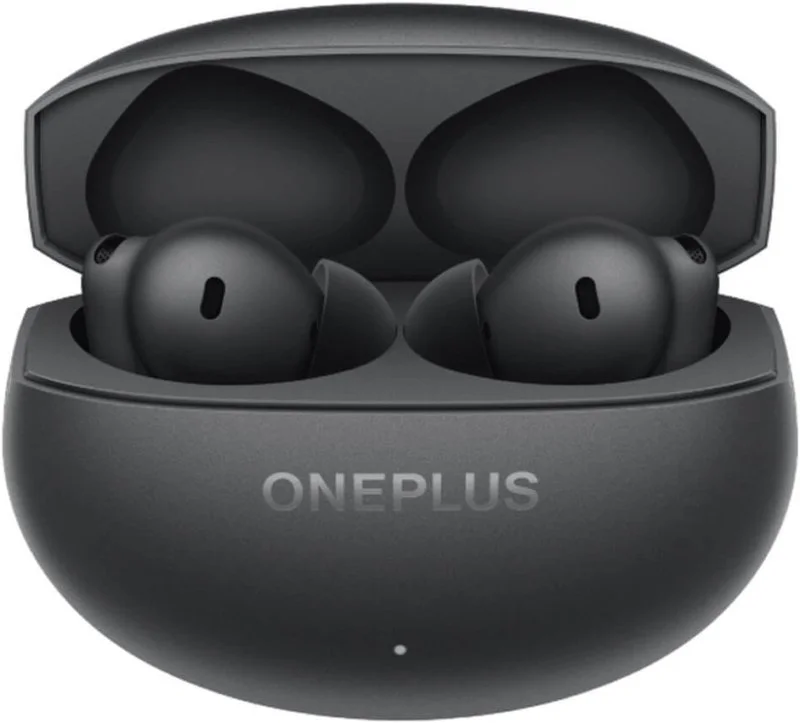
The OnePlus Buds 4 are the best wireless earbuds with bassy sound in 2026. The main reason to buy them is their top-tier bass sound right out of the box. You won’t need to tweak it with an EQ. They’re slightly behind the Realme Buds Air 7 Pro in sound. But they make up for it with their features and build quality. This model has no critical drawbacks. You’ll want LHDC 5.0 codec support and a Snapdragon mobile platform source. The sound is noticeably worse on MediaTek.
- Top-tier bass sound without needing EQ tweaks
- Comfortable fit
- Sound improves with the golden hearing profile
- Minor downsides: translator only works on OnePlus phones
- LHDC 5.0 codec support is recommended
- Sound quality is worse on MediaTek devices compared to Snapdragon
The final sound score is calculated using this formula:
Frequency balance + Detail retrieval + Soundstage + Natural timbre / 4 = Final Sound Score.
. 8.58 The emphasis is on pleasant bass and the highs. Top-tier sound, reasonably natural without noticeable artificiality or grain. There is enough detail retrieval to pick apart instrument textures, even in busy tracks with complex arrangements. The soundstage is spacious with clean separation between vocals and instruments. Downsides include an abundance of bass that overly crowds the stage and reduces transparency in the mids. There is also a slight lack of detail and texture in the sound.Read more.
Microphone – We assess speech transmission quality by testing the microphone in two main scenarios: quiet and noisy environments.
Quiet environment – This involves recording indoors with minimal background noise. Noisy environment – This means recording outdoors near a six-lane road with maximum traffic noise.
. 8.50 In quiet conditions: 9 In noisy conditions: 8 No changes from the OnePlus Buds 3 version, identical to the Oppo Enco Free 4. An additional wind test (the 3rd one) was included per request.Overall feature score — this is the overall score for all device features. This score comes from individual feature ratings (battery life, controls, app, connection stability, and others) and shows how easy and smart the device is for daily use.
. 8.33 ANC effectively suppresses background noise, and you can chat comfortably in transparency mode. Earbud battery life reached up to 11 hours in our tests, and up to 56 hours with the charging case depending on the codec. Touch controls support 5 actions per earbud, including swipes. The companion app is user-friendly without fluff, featuring a 22-language translator for OnePlus phones.Read more.
Final build quality score is the overall score for build quality and materials: comfort, durability, and design. It shows how nice the device is to hold and use, and how long it will last.
. 8.40 Your ears do not get tired with the stock ear tips after 2-3 hours of use. The construction is sturdy and reliable, and the matte finish gives the earbuds a nice look. That said, there is nothing groundbreaking about the design, and the initial excitement fades by the second week of use.Read more.
8. Bowers & Wilkins PX8 S2 8.41Big over-ear Bluetooth headphones – stylish with bright tuning.
Drivers are the drivers in your headphones that are responsible for creating sound.
DD + PM + BA – means that there are several different types of drivers in these headphones.
DD – “Dynamic Driver” dynamic driver (deep bass, natural sound).
PM – “Planar Magnetic Driver” planar driver (wide soundstage and fast response).
BA – “Balanced Armature Driver” armature driver (accuracy and detail retrieval).
BC – “Bone Conduction Driver” or bone-conduction driver, which transmits vibration to the body of the headphones, transmitting sound through the bone/cartilage to the inner ear.
LDAC – high quality, high speed (Sony).
SBC is the basic Bluetooth standard, low quality.
AAC – Apple standard, good quality, low latency.
aptX – Qualcomm standard, good quality, low latency.
LC3/LC3plus – new Bluetooth LE Audio codecs, efficient compression.
Codecs are audio compression formats that affect sound quality and latency.
Headphone battery life is the playback time without recharging, measured in hours. Manufacturers measure without active noise cancellation (ANC), at medium volume (50-70%) and usually with the AAC codec, as these parameters affect battery consumption. Actual time may vary from 1% to 50%, depending on volume, active noise cancellation features enabled, codec (LDAC or other) and environmental conditions (cold, hot). It is important to consider not only the claimed playback time, but also the charging time and fast charging support.
Bluetooth is a wireless data transmission standard.
Support for new audio technologies.
Improved connection stability.
Reduced power consumption.
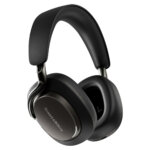
The Bowers & Wilkins PX8 S2 are big over-ear Bluetooth headphones. They have deep bass and bright tuning. The main reason to buy them is their top-tier sound. It’s detailed and natural. They also feature premium materials and a strong, reliable build. This model has no critical drawbacks.
- Top-tier sound — detailed and natural
- Premium quality materials
- Sturdy and reliable build
- Transparency mode and microphone noise cancellation above average.
The final sound score is calculated using this formula:
Frequency balance + Detail retrieval + Soundstage + Natural timbre / 4 = Final Sound Score.
. 8.67 High-frequency with a cold tint. Bass is accurate and detailed, and instruments are distinguishable by timbre. High-frequency instruments are clear, just harsh and quickly fatiguing — this is the most significant flaw in the sound. Furthermore, the soundstage felt insufficiently spacious. Mids are pleasant — the sound is open, and the vocalist sings right in front of you, with a minimal lack of transparency. There is no noticeable artificiality or grain in the sound.Read more.
Microphone – We assess speech transmission quality by testing the microphone in two main scenarios: quiet and noisy environments.
Quiet environment – This involves recording indoors with minimal background noise. Noisy environment – This means recording outdoors near a six-lane road with maximum traffic noise.
. 7.75 In quiet conditions: 8.5 In noisy conditions: 7Overall feature score — this is the overall score for all device features. This score comes from individual feature ratings (battery life, controls, app, connection stability, and others) and shows how easy and smart the device is for daily use.
. 7.98 Noise cancellation suppresses up to about 40% of noise. In transparency mode, you can chat, although surroundings are slightly muffled. Button controls for basic player navigation and call management. In the proprietary app, the only useful features are a 5-band EQ and linking music streaming services.Read more.
Final build quality score is the overall score for build quality and materials: comfort, durability, and design. It shows how nice the device is to hold and use, and how long it will last.
. 8.40 The headphones feature medium clamp force on the ear cups, and you will want to take a break after roughly 2-3 hours of use. Premium quality materials — leather and metal, no complaints about the build. The headphones look nice, with 2 colors to choose from.Read more.
9. Nothing Ear ( 3 ) 2025 8.44Stylish wireless earbuds for your phone – with a microphone in the charging case.
Drivers are the drivers in your headphones that are responsible for creating sound.
DD + PM + BA – means that there are several different types of drivers in these headphones.
DD – “Dynamic Driver” dynamic driver (deep bass, natural sound).
PM – “Planar Magnetic Driver” planar driver (wide soundstage and fast response).
BA – “Balanced Armature Driver” armature driver (accuracy and detail retrieval).
BC – “Bone Conduction Driver” or bone-conduction driver, which transmits vibration to the body of the headphones, transmitting sound through the bone/cartilage to the inner ear.
LDAC – high quality, high speed (Sony).
SBC is the basic Bluetooth standard, low quality.
AAC – Apple standard, good quality, low latency.
aptX – Qualcomm standard, good quality, low latency.
LC3/LC3plus – new Bluetooth LE Audio codecs, efficient compression.
Codecs are audio compression formats that affect sound quality and latency.
Headphone battery life is the playback time without recharging, measured in hours. Manufacturers measure without active noise cancellation (ANC), at medium volume (50-70%) and usually with the AAC codec, as these parameters affect battery consumption. Actual time may vary from 1% to 50%, depending on volume, active noise cancellation features enabled, codec (LDAC or other) and environmental conditions (cold, hot). It is important to consider not only the claimed playback time, but also the charging time and fast charging support.
Bluetooth is a wireless data transmission standard.
Support for new audio technologies.
Improved connection stability.
Reduced power consumption.
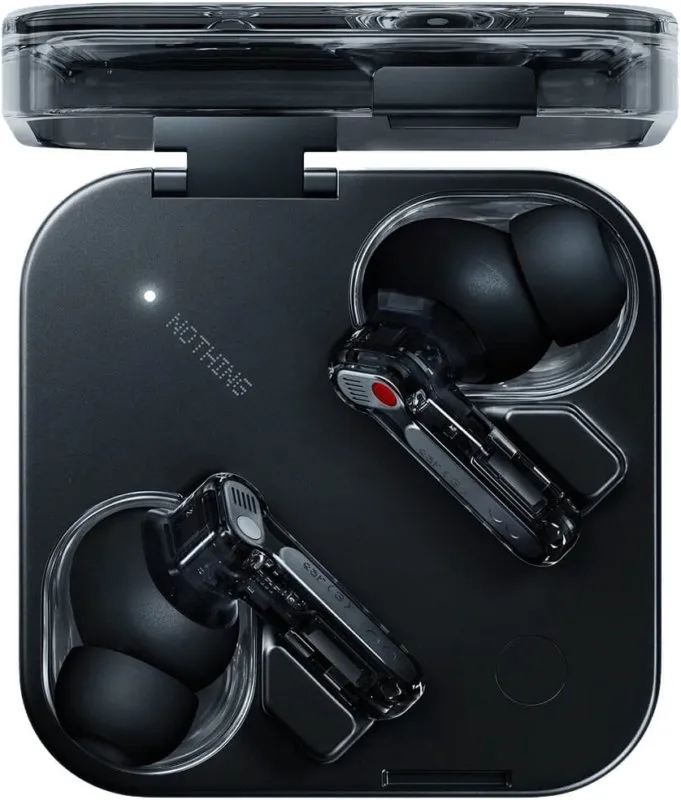
The Nothing Ear ( 3 ) 2025 are stylish wireless earbuds. They have a top-tier build and features. The main reason to buy them is their excellent sound. But it’s important to update the firmware. Out of the box, they have balanced frequencies. They also include a directional microphone in the charging case for calls in noisy places. Downsides are average noise cancellation and transparency.
- Top-tier sound
- Detailed microphone with excellent voice isolation
- Reference-quality proprietary app
- Average noise cancellation and transparency
- Bright sound before firmware update
- Inflated price on certain marketplaces
The final sound score is calculated using this formula:
Frequency balance + Detail retrieval + Soundstage + Natural timbre / 4 = Final Sound Score.
. 8.38 The main plus of the sound is the mids and naturalness, offering close and transparent vocals. The sound is slightly unnatural, but free of artificial timbre, paired with good, detailed bass.The main downside of the sound is bright highs. This kind of sound causes fatigue, particularly on tracks with abundant percussion. Therefore, updating the firmware is important because it makes the sound balance more pleasant.
Read more.
Microphone – We assess speech transmission quality by testing the microphone in two main scenarios: quiet and noisy environments.
Quiet environment – This involves recording indoors with minimal background noise. Noisy environment – This means recording outdoors near a six-lane road with maximum traffic noise.
. 8.80 In quiet conditions: 8.6 In noisy conditions: 9 In quiet conditions, the balance drifts a bit, and noise cancellation removes background noise. At the same time, your voice is easy to understand. In noisy conditions, you get excellent voice isolation and complete noise blocking. At times your voice sounds a bit muffled, though speech is not hard to parse.Read more.
Overall feature score — this is the overall score for all device features. This score comes from individual feature ratings (battery life, controls, app, connection stability, and others) and shows how easy and smart the device is for daily use.
. 8.28 Noise cancellation and transparency are barely usable, making them the weakest side of the earbuds. Playback time in our tests reaches up to 9.5 hours, and up to 38 hours with the case, taking the codec into account. You get convenient pinch controls on the earbud stem and a reference-quality app for usability and features.Read more.
Final build quality score is the overall score for build quality and materials: comfort, durability, and design. It shows how nice the device is to hold and use, and how long it will last.
. 8.83 The earbuds are comfortable, fatigue sets in after 2 hours. The build is sturdy and reliable, with no defects. The appearance is excellent and stands out from competitors.Read more.
10. HUAWEI FreeBuds Pro 4 8.52The best wireless earbuds of 2026 – for sound quality and features.
Drivers are the drivers in your headphones that are responsible for creating sound.
DD + PM + BA – means that there are several different types of drivers in these headphones.
DD – “Dynamic Driver” dynamic driver (deep bass, natural sound).
PM – “Planar Magnetic Driver” planar driver (wide soundstage and fast response).
BA – “Balanced Armature Driver” armature driver (accuracy and detail retrieval).
BC – “Bone Conduction Driver” or bone-conduction driver, which transmits vibration to the body of the headphones, transmitting sound through the bone/cartilage to the inner ear.
LDAC – high quality, high speed (Sony).
SBC is the basic Bluetooth standard, low quality.
AAC – Apple standard, good quality, low latency.
aptX – Qualcomm standard, good quality, low latency.
LC3/LC3plus – new Bluetooth LE Audio codecs, efficient compression.
Codecs are audio compression formats that affect sound quality and latency.
Headphone battery life is the playback time without recharging, measured in hours. Manufacturers measure without active noise cancellation (ANC), at medium volume (50-70%) and usually with the AAC codec, as these parameters affect battery consumption. Actual time may vary from 1% to 50%, depending on volume, active noise cancellation features enabled, codec (LDAC or other) and environmental conditions (cold, hot). It is important to consider not only the claimed playback time, but also the charging time and fast charging support.
Bluetooth is a wireless data transmission standard.
Support for new audio technologies.
Improved connection stability.
Reduced power consumption.
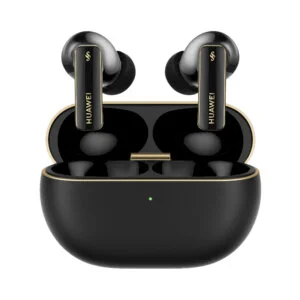
The Huawei Freebuds Pro 4 are the best wireless earbuds. They scored highest across 32 testing parameters on MyChooz. This is among all wireless in-ear models under $200. The main reason to buy them is their balance of sound, features, and build quality. Plus, they have a reference-quality microphone. A drawback is that some features only work on Huawei devices with HarmonyOS. This includes the L2HC codec, Spatial Audio, translator, voice assistant, and more.
- Top-tier sound
- Reference microphone
- Top-tier controls
- Proprietary L2HC codec, translator, assistant, and other features only work on devices running HarmonyOS
- Non-critical: soundstage lacks width rendering, highs have grain in places
The final sound score is calculated using this formula:
Frequency balance + Detail retrieval + Soundstage + Natural timbre / 4 = Final Sound Score.
. 8.46 The wireless earbuds feature excellent mids and transparent vocals. Moderately natural voice and instrument sound without distortion and artificial timbre. And detail retrieval is enough to enjoy live instruments. Cons include a minor bass deficit and a somewhat narrow soundstage.Read more.
Microphone – We assess speech transmission quality by testing the microphone in two main scenarios: quiet and noisy environments.
Quiet environment – This involves recording indoors with minimal background noise. Noisy environment – This means recording outdoors near a six-lane road with maximum traffic noise.
. 9.75 In quiet environments: 9.5 In noisy environments: 10Overall feature score — this is the overall score for all device features. This score comes from individual feature ratings (battery life, controls, app, connection stability, and others) and shows how easy and smart the device is for daily use.
. 8.52 A strong point of the model and the manufacturer in general. Noise cancellation and transparency are sufficient for work. Playback time in our tests up to 6.5 hours taking the codec into account. Convenient touch controls, swipes, and head gestures. And the proprietary app is not overloaded with extra functions. Only on Android you have to install the app manually after downloading it from the Huawei website.Read more.
Final build quality score is the overall score for build quality and materials: comfort, durability, and design. It shows how nice the device is to hold and use, and how long it will last.
. 8.67 The wireless earbuds have a comfortable fit without noticeable discomfort. No complaints about build or materials. Only the wireless earbuds body is a fingerprint magnet, and scratches are visible on the case after a week of use. The wireless earbuds look good, but the gilding and brand name look excessive. 3 colors to choose from.Read more.
11. Apple Airpods Pro 3 8.64Best wireless earbuds for iPhone and Apple devices.
Drivers are the drivers in your headphones that are responsible for creating sound.
DD + PM + BA – means that there are several different types of drivers in these headphones.
DD – “Dynamic Driver” dynamic driver (deep bass, natural sound).
PM – “Planar Magnetic Driver” planar driver (wide soundstage and fast response).
BA – “Balanced Armature Driver” armature driver (accuracy and detail retrieval).
BC – “Bone Conduction Driver” or bone-conduction driver, which transmits vibration to the body of the headphones, transmitting sound through the bone/cartilage to the inner ear.
LDAC – high quality, high speed (Sony).
SBC is the basic Bluetooth standard, low quality.
AAC – Apple standard, good quality, low latency.
aptX – Qualcomm standard, good quality, low latency.
LC3/LC3plus – new Bluetooth LE Audio codecs, efficient compression.
Codecs are audio compression formats that affect sound quality and latency.
Headphone battery life is the playback time without recharging, measured in hours. Manufacturers measure without active noise cancellation (ANC), at medium volume (50-70%) and usually with the AAC codec, as these parameters affect battery consumption. Actual time may vary from 1% to 50%, depending on volume, active noise cancellation features enabled, codec (LDAC or other) and environmental conditions (cold, hot). It is important to consider not only the claimed playback time, but also the charging time and fast charging support.
Bluetooth is a wireless data transmission standard.
Support for new audio technologies.
Improved connection stability.
Reduced power consumption.
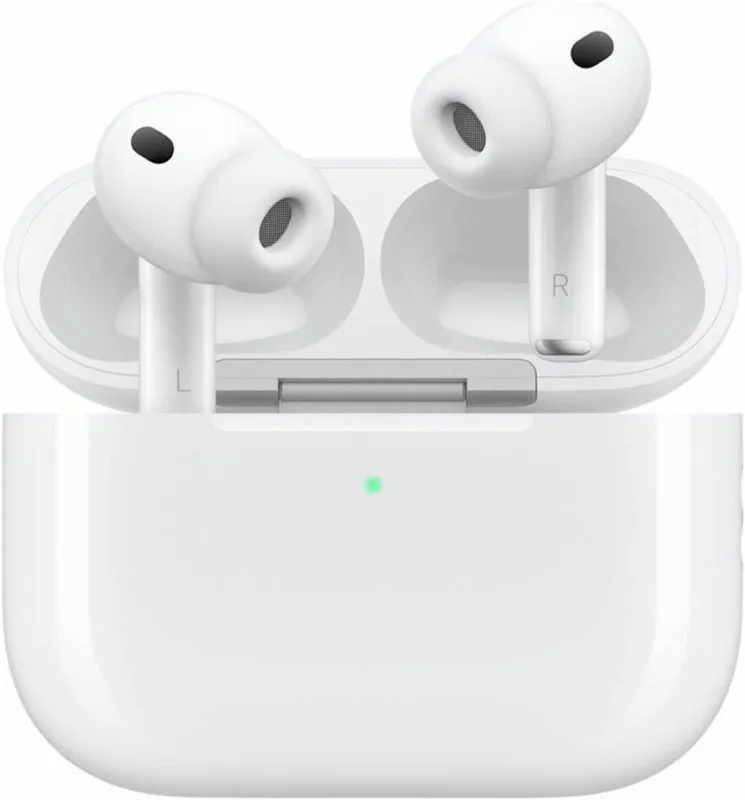
The Apple AirPods Pro 3 are the best TWS earbuds for Apple devices. The main reason to buy them is their near-flagship sound. They also have a reference-quality microphone, active noise cancellation, transparency, and great controls. This model has no critical drawbacks. However, the fit might not work for everyone. Also, some features only work with Apple devices.
- Near-flagship sound quality — vastly superior to the 2 Pro.
- Microphone is a benchmark
- Noise cancellation and transparency mode operate at benchmark levels.
- Controls are benchmark-level
- Battery life increased by 2 hours, reaching up to 8 hours with ANC active.
- Comfortable and sleek design
- Comfort has improved across the model line, though it won’t suit everyone.
- The app and other features work exclusively on Apple devices.
- Minor drawbacks: the case scratches very quickly.
The final sound score is calculated using this formula:
Frequency balance + Detail retrieval + Soundstage + Natural timbre / 4 = Final Sound Score.
. 8.50 With EQ tuning, you can push the score up to a 9. You get excellent sound quality on par with top models from Sony, Sennheiser, Bose, and others. The strong suit is a significant boost in detail retrieval, soundstage, and naturalness. The tuning closely resembles the AirPods Pro 2, but it’s as if the window you’re looking through has been enlarged and thoroughly cleaned. Finally, you get a sound profile you don’t have to feel ashamed of. That’s a huge leap of +1.5 points compared to the Pro 2. It still doesn’t quite reach the level of the Realme Buds Air 7 Pro, Huawei Freebuds 4 Pro, or the reference Technics EAH-AZ100, but it’s getting close.Read more.
Microphone – We assess speech transmission quality by testing the microphone in two main scenarios: quiet and noisy environments.
Quiet environment – This involves recording indoors with minimal background noise. Noisy environment – This means recording outdoors near a six-lane road with maximum traffic noise.
. 9.00 In quiet conditions: 10 In noisy conditions: 8 The microphone delivers simply stunning quality, setting a new benchmark. At first, I thought I had accidentally recorded sound using the iPhone instead. The “voice isolation” feature is available, which improves voice quality in noisy conditions by cutting out background sounds.Overall feature score — this is the overall score for all device features. This score comes from individual feature ratings (battery life, controls, app, connection stability, and others) and shows how easy and smart the device is for daily use.
. 9.00 Active noise cancellation, transparency mode, and controls all match reference-quality. Battery life reaches up to 8 hours for the earbuds and up to 24 hours with the charging case when you turn off ANC and spatial audio. There is no app; all features are built directly into the OS, so Android users will need to configure the earbuds through third-party apps.Read more.
Final build quality score is the overall score for build quality and materials: comfort, durability, and design. It shows how nice the device is to hold and use, and how long it will last.
. 8.43 The earbuds offer an ideal fit with zero fatigue even after 5 hours of use. However, the design won’t suit everyone, so it’s a good idea to try them on before buying. Build quality draws no complaints, just like previous generations, but the glossy plastic scratches immediately. You’re better off putting a case cover on right away. The design is minimalist with nothing extra.Read more.
12. Sony WH-1000XM6 8.11Good big Bluetooth headphones – a new model from Sony.
Drivers are the drivers in your headphones that are responsible for creating sound.
DD + PM + BA – means that there are several different types of drivers in these headphones.
DD – “Dynamic Driver” dynamic driver (deep bass, natural sound).
PM – “Planar Magnetic Driver” planar driver (wide soundstage and fast response).
BA – “Balanced Armature Driver” armature driver (accuracy and detail retrieval).
BC – “Bone Conduction Driver” or bone-conduction driver, which transmits vibration to the body of the headphones, transmitting sound through the bone/cartilage to the inner ear.
LDAC – high quality, high speed (Sony).
SBC is the basic Bluetooth standard, low quality.
AAC – Apple standard, good quality, low latency.
aptX – Qualcomm standard, good quality, low latency.
LC3/LC3plus – new Bluetooth LE Audio codecs, efficient compression.
Codecs are audio compression formats that affect sound quality and latency.
Headphone battery life is the playback time without recharging, measured in hours. Manufacturers measure without active noise cancellation (ANC), at medium volume (50-70%) and usually with the AAC codec, as these parameters affect battery consumption. Actual time may vary from 1% to 50%, depending on volume, active noise cancellation features enabled, codec (LDAC or other) and environmental conditions (cold, hot). It is important to consider not only the claimed playback time, but also the charging time and fast charging support.
Bluetooth is a wireless data transmission standard.
Support for new audio technologies.
Improved connection stability.
Reduced power consumption.
The Sony WH-1000XM6 are good big Bluetooth headphones. They’re the newest model in the series. The main reason to buy them is their reference-quality noise cancellation and transparency. They also offer low-frequency sound and a handy “find my EQ” feature. This feature lets you tune the sound in just a couple of clicks. With the LDAC codec, you get up to a 10-12% boost in overall sound quality. Downsides include earcups that press on your ears. Discomfort starts from the first minutes of use. The hinges aren’t durable and need careful handling.
- Reference-level noise cancellation and transparency
- Detailed microphone
- Low-frequency sound without excessive bass
- Earcups press against the ears
- Hinges require careful handling
- Lack of detail retrieval
The final sound score is calculated using this formula:
Frequency balance + Detail retrieval + Soundstage + Natural timbre / 4 = Final Sound Score.
. 8.48 Low-frequency sound, similar in signature to the WH-1000XM4. Vocals sound close, timbres of low and high-frequency instruments are distinguishable. Soundstage processing is mostly in width, with no noticeable artificiality or distortion. Comfortable sound without significant downsides. There is only a slight excess of bass, a lack of transparency in the mids, and a shortage of brightness. Although even this can be fixed in the built-in equalizer in a “couple” of clicks.Read more.
Microphone – We assess speech transmission quality by testing the microphone in two main scenarios: quiet and noisy environments.
Quiet environment – This involves recording indoors with minimal background noise. Noisy environment – This means recording outdoors near a six-lane road with maximum traffic noise.
. 7.40 In quiet conditions: 7.8 In noisy conditions: 7Overall feature score — this is the overall score for all device features. This score comes from individual feature ratings (battery life, controls, app, connection stability, and others) and shows how easy and smart the device is for daily use.
. 8.68 The headphones feature reference-level active noise cancellation and transparency among over-ear models. Battery life in the series remains unchanged – 30-40 hours with noise cancellation enabled. Controls are mostly touch-based for music and calls. The companion app is useful, though the multi-level menu structure is awkward, and with the “find your EQ” feature it’s easier to tune the sound out of 4-5 options of different tonality. The signal is stable at distances up to 10 m using the LDAC codec at the Quality bitrate setting.Read more.
Final build quality score is the overall score for build quality and materials: comfort, durability, and design. It shows how nice the device is to hold and use, and how long it will last.
. 6.33 Awkward, the headphone clamping force is stronger than the previous generation. My maximum time in the headphones is an hour, then I need to take a break. No complaints about build and materials. The weak spot of the headphones is the hinges, which break under heavy use. Design is nice and neat. Choice of 3 colors.Read more.
13. Sony WH-1000XM5 8.14Best wireless over-ear headphones with noise cancellation 2026.
Drivers are the drivers in your headphones that are responsible for creating sound.
DD + PM + BA – means that there are several different types of drivers in these headphones.
DD – “Dynamic Driver” dynamic driver (deep bass, natural sound).
PM – “Planar Magnetic Driver” planar driver (wide soundstage and fast response).
BA – “Balanced Armature Driver” armature driver (accuracy and detail retrieval).
BC – “Bone Conduction Driver” or bone-conduction driver, which transmits vibration to the body of the headphones, transmitting sound through the bone/cartilage to the inner ear.
LDAC – high quality, high speed (Sony).
SBC is the basic Bluetooth standard, low quality.
AAC – Apple standard, good quality, low latency.
aptX – Qualcomm standard, good quality, low latency.
LC3/LC3plus – new Bluetooth LE Audio codecs, efficient compression.
Codecs are audio compression formats that affect sound quality and latency.
Headphone battery life is the playback time without recharging, measured in hours. Manufacturers measure without active noise cancellation (ANC), at medium volume (50-70%) and usually with the AAC codec, as these parameters affect battery consumption. Actual time may vary from 1% to 50%, depending on volume, active noise cancellation features enabled, codec (LDAC or other) and environmental conditions (cold, hot). It is important to consider not only the claimed playback time, but also the charging time and fast charging support.
Bluetooth is a wireless data transmission standard.
Support for new audio technologies.
Improved connection stability.
Reduced power consumption.
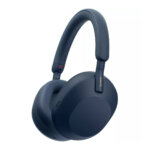
The Sony WH-1000XM5 are the best wireless over-ear headphones with noise cancellation among over-ear models. The main reason to buy them is their reference-quality noise cancellation and transparency. They also have a signature low-frequency sound, a detailed microphone, and a comfortable fit. With the LDAC codec, you get up to a 15% boost in sound quality. A drawback is that the hinges can’t handle intense use and tend to break.
- Reference-quality noise cancellation and transparency.
- Signature low-frequency sound
- Detailed microphone and comfortable fit
- Best automatic EQ tuning
- Fragile hinges
- Fingerprint-attracting coating
The final sound score is calculated using this formula:
Frequency balance + Detail retrieval + Soundstage + Natural timbre / 4 = Final Sound Score.
. 8.13 The headphones feature a low-frequency, all-encompassing sound signature typical of the headphone series. The main pluses of the sound are the soundstage, natural timbre, and detail retrieval. There is no artificiality or grain, and there is clear instrument and spatial effect separation. The main downside of the sound is the lows. There is a slight excess in quantity, giving the sound a bassy tint, and bass-heavy tracks sound a bit boomy. Plus, the vocals lack transparency.Read more.
Microphone – We assess speech transmission quality by testing the microphone in two main scenarios: quiet and noisy environments.
Quiet environment – This involves recording indoors with minimal background noise. Noisy environment – This means recording outdoors near a six-lane road with maximum traffic noise.
. 7.00 In quiet conditions: 8 In noisy conditions: 6 The headphones feature 8 microphones, though only 4 are used for calls. In quiet environments, the recording is detailed, the first words are muted, and faint clicking sounds can be heard. In noisy environments, the recording quality is noticeably worse, but you can still make out the words.Overall feature score — this is the overall score for all device features. This score comes from individual feature ratings (battery life, controls, app, connection stability, and others) and shows how easy and smart the device is for daily use.
. 8.53 Active noise cancellation and transparency are of reference-quality. Playback time in our tests is 33 hours, against the claimed 30. Controls are a mix, mostly using touch gestures on the earcup. There is a companion app with awkward navigation and a convenient EQ.Read more.
Final build quality score is the overall score for build quality and materials: comfort, durability, and design. It shows how nice the device is to hold and use, and how long it will last.
. 7.60 The headphones are comfortable, the earcups apply minimal pressure to the ears, and you’ll want to take a break after about 2 hours. No complaints about build and materials. Only the coating is a fingerprint magnet and requires daily care. The weak spot in the design is the hinges, with frequent breakages at the earcup swivel point. The headphones look good, choice of 5 colors.Read more.
14. Creative Aurvana Ace Mimi 7.94Awesome sound — Personal Tuning and LDAC Support.
Drivers are the drivers in your headphones that are responsible for creating sound.
DD + PM + BA – means that there are several different types of drivers in these headphones.
DD – “Dynamic Driver” dynamic driver (deep bass, natural sound).
PM – “Planar Magnetic Driver” planar driver (wide soundstage and fast response).
BA – “Balanced Armature Driver” armature driver (accuracy and detail retrieval).
BC – “Bone Conduction Driver” or bone-conduction driver, which transmits vibration to the body of the headphones, transmitting sound through the bone/cartilage to the inner ear.
LDAC – high quality, high speed (Sony).
SBC is the basic Bluetooth standard, low quality.
AAC – Apple standard, good quality, low latency.
aptX – Qualcomm standard, good quality, low latency.
LC3/LC3plus – new Bluetooth LE Audio codecs, efficient compression.
Codecs are audio compression formats that affect sound quality and latency.
Headphone battery life is the playback time without recharging, measured in hours. Manufacturers measure without active noise cancellation (ANC), at medium volume (50-70%) and usually with the AAC codec, as these parameters affect battery consumption. Actual time may vary from 1% to 50%, depending on volume, active noise cancellation features enabled, codec (LDAC or other) and environmental conditions (cold, hot). It is important to consider not only the claimed playback time, but also the charging time and fast charging support.
Bluetooth is a wireless data transmission standard.
Support for new audio technologies.
Improved connection stability.
Reduced power consumption.
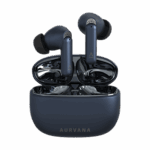
The Creative Aurvana Ace Mimi offers awesome personalized sound without paying extra for the brand. The main reason to buy them is their top-tier sound with the LDAC codec. They’re a great fit for Samsung, Google Pixel, or any Android phone without LHDC codecs. Plus, with Mimi’s sound personalization, you can boost the overall sound quality even more. This model has no critical drawbacks. It has average features and build quality.
- Flagship sound with sound personalization
- Top-tier microphone in quiet conditions
- Sound sterility
- No microphone noise cancellation
- Minor flaws: case scuffs visible after a week
The final sound score is calculated using this formula:
Frequency balance + Detail retrieval + Soundstage + Natural timbre / 4 = Final Sound Score.
. 8.54 The main highlight of the sound is its clean, fast, and detailed presentation, featuring transparent mids and highs. Mimi personalization improves vocal clarity. The downsides include lightweight bass, limited sub-bass depth, a wide soundstage with weak depth rendering, and an analytical, slightly sterile sound. Tweaking the EQ and sound personalization lets you squeeze out up to another 0.5 points.Learn more.
Microphone – We assess speech transmission quality by testing the microphone in two main scenarios: quiet and noisy environments.
Quiet environment – This involves recording indoors with minimal background noise. Noisy environment – This means recording outdoors near a six-lane road with maximum traffic noise.
. 6.50 In quiet conditions: 8 In noisy conditions: 5 In quiet environments, quality is high, and the voice sounds clean and natural. In noisy spots, the noise-canceling algorithm handles things moderately well: ambient sounds are muffled, but some noise still leaks through, and the timbre turns slightly flat.Final build quality score is the overall score for build quality and materials: comfort, durability, and design. It shows how nice the device is to hold and use, and how long it will last.
. 7.83 The earbuds are lightweight, causing no discomfort after 3-4 hours of use. Build quality and materials are solid, though it’s best to grab a case cover. After a week of use, scuffs are visible. I liked the look with the copper accents.Learn more.
15. Bose QuietComfort Ultra Earbuds 8.10Best noise-cancelling earbuds 2025 — comfortable, great low-frequency sound.
Drivers are the drivers in your headphones that are responsible for creating sound.
DD + PM + BA – means that there are several different types of drivers in these headphones.
DD – “Dynamic Driver” dynamic driver (deep bass, natural sound).
PM – “Planar Magnetic Driver” planar driver (wide soundstage and fast response).
BA – “Balanced Armature Driver” armature driver (accuracy and detail retrieval).
BC – “Bone Conduction Driver” or bone-conduction driver, which transmits vibration to the body of the headphones, transmitting sound through the bone/cartilage to the inner ear.
LDAC – high quality, high speed (Sony).
SBC is the basic Bluetooth standard, low quality.
AAC – Apple standard, good quality, low latency.
aptX – Qualcomm standard, good quality, low latency.
LC3/LC3plus – new Bluetooth LE Audio codecs, efficient compression.
Codecs are audio compression formats that affect sound quality and latency.
Headphone battery life is the playback time without recharging, measured in hours. Manufacturers measure without active noise cancellation (ANC), at medium volume (50-70%) and usually with the AAC codec, as these parameters affect battery consumption. Actual time may vary from 1% to 50%, depending on volume, active noise cancellation features enabled, codec (LDAC or other) and environmental conditions (cold, hot). It is important to consider not only the claimed playback time, but also the charging time and fast charging support.
Bluetooth is a wireless data transmission standard.
Support for new audio technologies.
Improved connection stability.
Reduced power consumption.
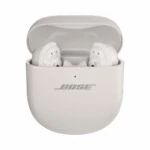
The Bose QuietComfort Ultra Earbuds are the best noise-cancelling earbuds of 2025. This is among in-ear TWS models, and they’re a reference on mychooz.com. The main reason to buy them is their reference-quality noise cancellation. They also have pleasant bassy sound, a comfortable fit for sports, and the best Spatial Audio mode. With the aptX Adaptive codec, you get up to a 15% boost in sound quality. Downsides include poor microphone noise cancellation and an inconvenient app.
- Reference-quality active noise cancellation (ANC) among true wireless earbuds
- Top-tier low-frequency sound
- Best Spatial Audio performance
- Comfortable fit for running and sports
- Poor microphone active noise cancellation (ANC)
- Clunky app
- IPx4 dust and water resistance. No case protection.
The final sound score is calculated using this formula:
Frequency balance + Detail retrieval + Soundstage + Natural timbre / 4 = Final Sound Score.
. 8.26 Bass-heavy, with a slight excess of bass and mids. You can tweak the sound in the app EQ to get a comfortable listening experience. Vocals and instruments are clear, with no noticeable digital processing or grain. The soundstage only feels somewhat enclosed, just a bit wider than your head. Still, you get width and depth with good instrument separation.Read more.
Microphone – We assess speech transmission quality by testing the microphone in two main scenarios: quiet and noisy environments.
Quiet environment – This involves recording indoors with minimal background noise. Noisy environment – This means recording outdoors near a six-lane road with maximum traffic noise.
. 6.50 In quiet conditions: 9 In noisy conditions: 4 Each earbud has 4 microphones and features active noise cancellation (ANC). In a quiet room, recordings are detailed and clear, with a slight echo. In noisy conditions with a handheld vacuum cleaner, the voice is unintelligible, as the ANC struggles. An additional road noise test will follow later.Overall feature score — this is the overall score for all device features. This score comes from individual feature ratings (battery life, controls, app, connection stability, and others) and shows how easy and smart the device is for daily use.
. 7.92 The earbuds feature reference-quality active noise cancellation (ANC), and the transparency mode is on par with the reference. Claimed battery life is 6 hours and 24 hours with the charging case. Controls are convenient, allowing you to perform basic playback actions. The app is clunky, and features are duplicated 2-3 times. Connection stability is solid, though with aptX Adaptive, occasional dropouts happen at a distance of 8-9 meters.Read more.
Final build quality score is the overall score for build quality and materials: comfort, durability, and design. It shows how nice the device is to hold and use, and how long it will last.
. 8.00 The earbuds fit snugly in your ears and do not fall out while running or working out. After 2-3 hours of use, minor fatigue sets in. No complaints about materials and build quality, except for the glossy finish which is a fingerprint magnet and gets dirty quickly. The earbuds look good, though they do not spark any particular excitement.Read more.
16. Huawei Freebuds 6 8.06Best Open-Fit Earbuds 2026 – For Sound.
Drivers are the drivers in your headphones that are responsible for creating sound.
DD + PM + BA – means that there are several different types of drivers in these headphones.
DD – “Dynamic Driver” dynamic driver (deep bass, natural sound).
PM – “Planar Magnetic Driver” planar driver (wide soundstage and fast response).
BA – “Balanced Armature Driver” armature driver (accuracy and detail retrieval).
BC – “Bone Conduction Driver” or bone-conduction driver, which transmits vibration to the body of the headphones, transmitting sound through the bone/cartilage to the inner ear.
LDAC – high quality, high speed (Sony).
SBC is the basic Bluetooth standard, low quality.
AAC – Apple standard, good quality, low latency.
aptX – Qualcomm standard, good quality, low latency.
LC3/LC3plus – new Bluetooth LE Audio codecs, efficient compression.
Codecs are audio compression formats that affect sound quality and latency.
Headphone battery life is the playback time without recharging, measured in hours. Manufacturers measure without active noise cancellation (ANC), at medium volume (50-70%) and usually with the AAC codec, as these parameters affect battery consumption. Actual time may vary from 1% to 50%, depending on volume, active noise cancellation features enabled, codec (LDAC or other) and environmental conditions (cold, hot). It is important to consider not only the claimed playback time, but also the charging time and fast charging support.
Bluetooth is a wireless data transmission standard.
Support for new audio technologies.
Improved connection stability.
Reduced power consumption.
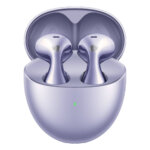
The Huawei FreeBuds 6 are the best sports open-fit earbuds. The main reason to buy them is their top sound among open-fit earbuds. They also have a reference-quality microphone among TWS models. Plus, they feature a unique design with a comfortable fit. The earbuds are barely noticeable in your ears from the first minute of use. Only after 2 hours does minor fatigue appear. With the LDAC codec, you get up to a 20% boost in sound. A drawback is that some features are only available on Huawei phones with HarmonyOS. This includes the proprietary L2HC codec, translator, voice assistant, and more.
- Best sound among open-fit earbuds.
- Reference-quality microphone.
- Good noise cancellation for open-fit earbuds.
- Overly bright sound in certain tracks.
- Non-critical: No transparency mode, L2HC 4.0 codec, and many proprietary features are available only on HarmonyOS 4.3+ Huawei devices.
The final sound score is calculated using this formula:
Frequency balance + Detail retrieval + Soundstage + Natural timbre / 4 = Final Sound Score.
. 7.98 Top-tier level like the Samsung Galaxy Buds 4 — just here it’s different, bright, narrow, precise. Great out-of-the-box sound. Using the LDAC codec grants a sound-quality boost of up to 20%. The main sound strengths are excellent naturalness and detail retrieval, alongside pleasant bass. Instruments and vocals sound clean, with practically no artificial sheen or coloration. The main sound flaw is a lack of soundstage size; the presentation is quite congested and narrow, leaving you wanting more space. In tracks rich in percussion or highs, the sound is harsh and frequently fatiguing. EQ tweaking is required.Read more.
Microphone – We assess speech transmission quality by testing the microphone in two main scenarios: quiet and noisy environments.
Quiet environment – This involves recording indoors with minimal background noise. Noisy environment – This means recording outdoors near a six-lane road with maximum traffic noise.
. 9.75 In quiet environments: 10 In noisy environments: 9.5 Reference-quality microphone among TWS models.Overall feature score — this is the overall score for all device features. This score comes from individual feature ratings (battery life, controls, app, connection stability, and others) and shows how easy and smart the device is for daily use.
. 8.11 Noise cancellation is at a solid level for an open-fit design. There is no transparency mode, but even without it, you can freely chat with someone without taking off the earbuds. Battery life is excellent, reaching up to 6 hours of playback and up to 36 hours with the case. Touch controls are convenient, but take some getting used to. The app is great; I recommend selecting the LDAC codec and tuning the EQ inside it.Read more.
Final build quality score is the overall score for build quality and materials: comfort, durability, and design. It shows how nice the device is to hold and use, and how long it will last.
. 8.17 The earbuds are barely noticeable in your ears from the first minutes of use. Only after 2 hours does mild fatigue set in. Durability is fantastic; after a year, the model looks like new. The design is quirky, but in person, it looks better than in photos.Read more.
17. Apple AirPods 4 ANC 8.05Best Open-Fit Earbuds for iPhone
Drivers are the drivers in your headphones that are responsible for creating sound.
DD + PM + BA – means that there are several different types of drivers in these headphones.
DD – “Dynamic Driver” dynamic driver (deep bass, natural sound).
PM – “Planar Magnetic Driver” planar driver (wide soundstage and fast response).
BA – “Balanced Armature Driver” armature driver (accuracy and detail retrieval).
BC – “Bone Conduction Driver” or bone-conduction driver, which transmits vibration to the body of the headphones, transmitting sound through the bone/cartilage to the inner ear.
LDAC – high quality, high speed (Sony).
SBC is the basic Bluetooth standard, low quality.
AAC – Apple standard, good quality, low latency.
aptX – Qualcomm standard, good quality, low latency.
LC3/LC3plus – new Bluetooth LE Audio codecs, efficient compression.
Codecs are audio compression formats that affect sound quality and latency.
Headphone battery life is the playback time without recharging, measured in hours. Manufacturers measure without active noise cancellation (ANC), at medium volume (50-70%) and usually with the AAC codec, as these parameters affect battery consumption. Actual time may vary from 1% to 50%, depending on volume, active noise cancellation features enabled, codec (LDAC or other) and environmental conditions (cold, hot). It is important to consider not only the claimed playback time, but also the charging time and fast charging support.
Bluetooth is a wireless data transmission standard.
Support for new audio technologies.
Improved connection stability.
Reduced power consumption.
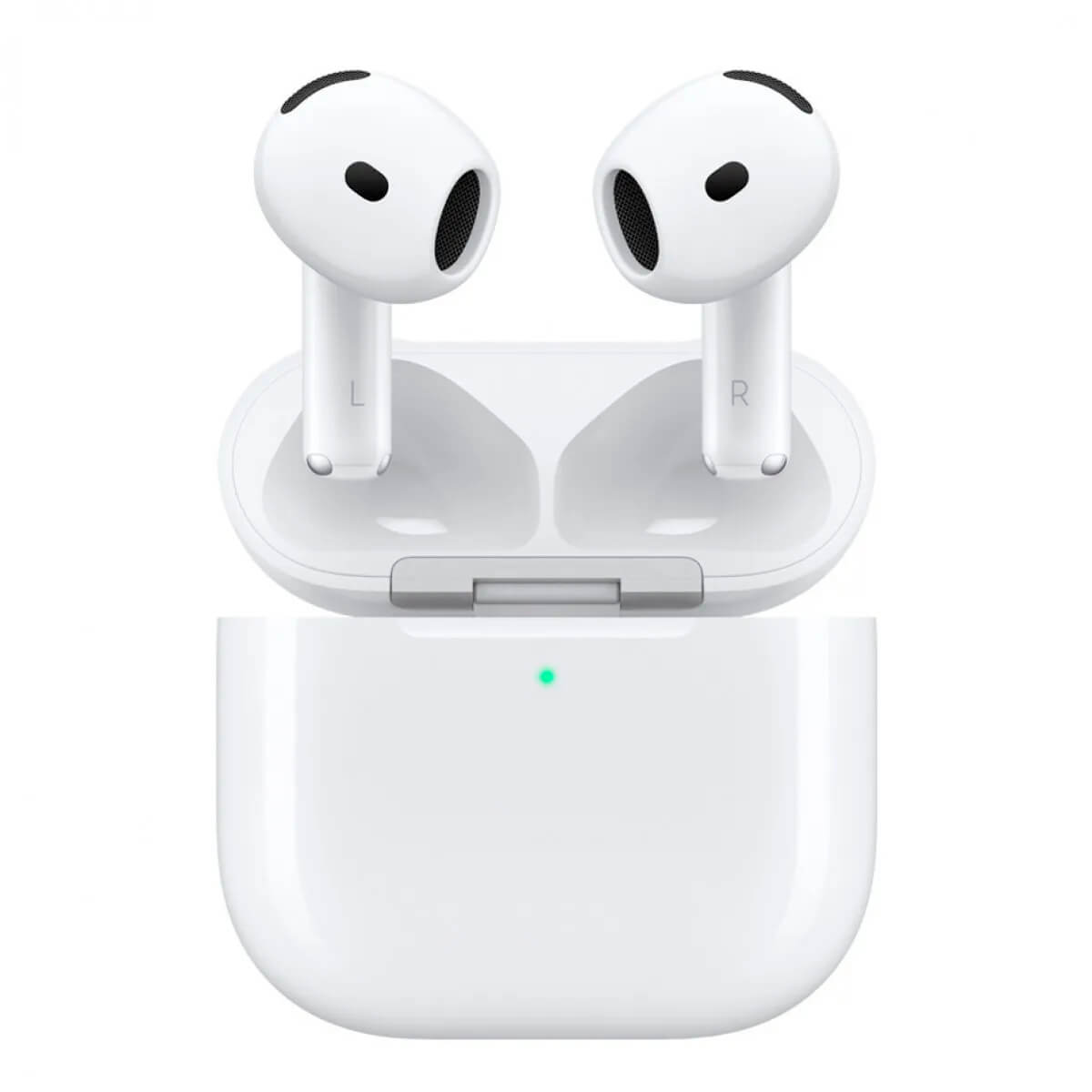
Apple AirPods 4 ANC are the best open-fit earbuds for iPhone and Apple devices. You get good sound, Spatial Audio, and adaptive EQ. The earbuds have good battery life, a decent microphone, and active noise cancellation.
The final sound score is calculated using this formula:
Frequency balance + Detail retrieval + Soundstage + Natural timbre / 4 = Final Sound Score.
. 7.56 Among open-fit earbuds, this is first-class sound. Soft, voluminous, enveloping, and comfortable, allowing you to relax and lose yourself in your favorite music. I really liked the sound. If we take the current reference like the Samsung Galaxy Buds 4 or the previous Huawei FreeBuds 6, those models edge ahead slightly in points. The main plus of the sound is the spaciousness and overall harmony; it is soft and pleasant, you never get tired of it, and it draws you in. The main minus of the sound is that naturalness could be better, and vocals closer. However, this is not critical.Read more.
Microphone – We assess speech transmission quality by testing the microphone in two main scenarios: quiet and noisy environments.
Quiet environment – This involves recording indoors with minimal background noise. Noisy environment – This means recording outdoors near a six-lane road with maximum traffic noise.
. 9.00 In quiet conditions: 10 In noisy conditions: 8Overall feature score — this is the overall score for all device features. This score comes from individual feature ratings (battery life, controls, app, connection stability, and others) and shows how easy and smart the device is for daily use.
. 8.00 Noise cancellation is at a reference level for open-fit earbuds, feeling almost like in-ear earbuds. An unbelievable level. Transparency mode is perfect and reference-grade, making it feel as if you aren’t wearing earbuds. Battery life is poor: 5 hours and 30 minutes without ANC, and 4 hours and 20 minutes with ANC is low. Controls are convenient via stem pinches, but there is no volume control through swipes. The app is great for iOS, but there is no app for Android.Read more.
Final build quality score is the overall score for build quality and materials: comfort, durability, and design. It shows how nice the device is to hold and use, and how long it will last.
. 9.33 They are very comfortable for 2 to 3 hours without discomfort. Durability is fine overall, except the earbuds scratch very easily. The design follows the Apple style and looks beautiful. The charging case is the smallest I have ever seen, and the earbuds themselves are miniature. I have no complaints about the build quality.Read more.
18. Huawei Freebuds 5 7.90Best Open-Fit Earbuds for Android
Drivers are the drivers in your headphones that are responsible for creating sound.
DD + PM + BA – means that there are several different types of drivers in these headphones.
DD – “Dynamic Driver” dynamic driver (deep bass, natural sound).
PM – “Planar Magnetic Driver” planar driver (wide soundstage and fast response).
BA – “Balanced Armature Driver” armature driver (accuracy and detail retrieval).
BC – “Bone Conduction Driver” or bone-conduction driver, which transmits vibration to the body of the headphones, transmitting sound through the bone/cartilage to the inner ear.
LDAC – high quality, high speed (Sony).
SBC is the basic Bluetooth standard, low quality.
AAC – Apple standard, good quality, low latency.
aptX – Qualcomm standard, good quality, low latency.
LC3/LC3plus – new Bluetooth LE Audio codecs, efficient compression.
Codecs are audio compression formats that affect sound quality and latency.
Headphone battery life is the playback time without recharging, measured in hours. Manufacturers measure without active noise cancellation (ANC), at medium volume (50-70%) and usually with the AAC codec, as these parameters affect battery consumption. Actual time may vary from 1% to 50%, depending on volume, active noise cancellation features enabled, codec (LDAC or other) and environmental conditions (cold, hot). It is important to consider not only the claimed playback time, but also the charging time and fast charging support.
Bluetooth is a wireless data transmission standard.
Support for new audio technologies.
Improved connection stability.
Reduced power consumption.
Huawei Freebuds 5 are the best open-fit earbuds for Android. With the LDAC codec, you get up to a 30% boost in sound. These earbuds came out in 2023 and are still relevant. The sound and microphone are near reference-quality. Plus, a couple of hours of use won’t cause discomfort.
- Top-tier sound among open-fit earbuds
- Microphone on par with the reference model
- Unique design and 2 hours of use without discomfort
- Boxy sound out of the box.
- Slight white noise with noise cancellation enabled.
The final sound score is calculated using this formula:
Frequency balance + Detail retrieval + Soundstage + Natural timbre / 4 = Final Sound Score.
. 8.01 With the LDAC codec, sound improves by up to 30%. The earbuds feature a bass-heavy sound profile, slightly recessed mids, and subdued highs. I did not notice any blatant artificial timbre, and grain is kept to a minimum. The sound is spacious and full-bodied, with good instrument separation across the soundstage. Detail retrieval is good, though parsing instrument textures is harder compared to top models. It lacks sonic expressiveness, a bit of brightness, and airiness, without which this kind of sound gets old fast. EQ tuning compensates for some of these shortcomings.Read more.
Microphone – We assess speech transmission quality by testing the microphone in two main scenarios: quiet and noisy environments.
Quiet environment – This involves recording indoors with minimal background noise. Noisy environment – This means recording outdoors near a six-lane road with maximum traffic noise.
. 8.75 In quiet conditions: 9.5 In noisy conditions: 8 Clean and detailed recording without external noise. In noisy conditions, speech remains highly resolved, and noise cancellation does not suppress noise instantly.Overall feature score — this is the overall score for all device features. This score comes from individual feature ratings (battery life, controls, app, connection stability, and others) and shows how easy and smart the device is for daily use.
. 7.00 Active noise cancellation reduces PC or laptop background noise. Transparency mode is absent. Playback time in our tests differs slightly from the manufacturer’s specs. The control sensor on the earbuds responds everywhere, and the volume is changed by swiping up and down. The companion app is convenient and well-thought-out.Read more.
Final build quality score is the overall score for build quality and materials: comfort, durability, and design. It shows how nice the device is to hold and use, and how long it will last.
. 9.00 The earbuds feature a comfortable fit, with minor fatigue setting in after a couple of hours of use. No complaints about build quality and materials. The earbud design is unique, with 3 colors to choose from.Read more.
19. Huawei FreeClip 2 7.62Best Clip-On Earbuds
Drivers are the drivers in your headphones that are responsible for creating sound.
DD + PM + BA – means that there are several different types of drivers in these headphones.
DD – “Dynamic Driver” dynamic driver (deep bass, natural sound).
PM – “Planar Magnetic Driver” planar driver (wide soundstage and fast response).
BA – “Balanced Armature Driver” armature driver (accuracy and detail retrieval).
BC – “Bone Conduction Driver” or bone-conduction driver, which transmits vibration to the body of the headphones, transmitting sound through the bone/cartilage to the inner ear.
LDAC – high quality, high speed (Sony).
SBC is the basic Bluetooth standard, low quality.
AAC – Apple standard, good quality, low latency.
aptX – Qualcomm standard, good quality, low latency.
LC3/LC3plus – new Bluetooth LE Audio codecs, efficient compression.
Codecs are audio compression formats that affect sound quality and latency.
Headphone battery life is the playback time without recharging, measured in hours. Manufacturers measure without active noise cancellation (ANC), at medium volume (50-70%) and usually with the AAC codec, as these parameters affect battery consumption. Actual time may vary from 1% to 50%, depending on volume, active noise cancellation features enabled, codec (LDAC or other) and environmental conditions (cold, hot). It is important to consider not only the claimed playback time, but also the charging time and fast charging support.
Bluetooth is a wireless data transmission standard.
Support for new audio technologies.
Improved connection stability.
Reduced power consumption.
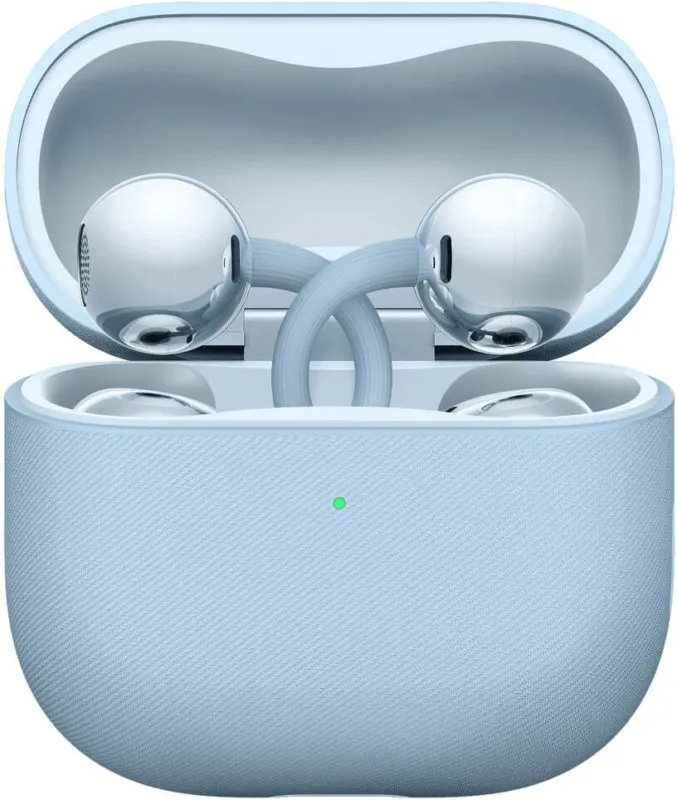
Huawei FreeClip 2 are the best clip-on earbuds among open-fit models tested on MyChooz. The main reasons to buy them are the best sound among OWS, a comfortable fit, and a natural transparency mode. They are the best alternative to in-ear, open-fit, and ear-hook earbuds. Minor drawbacks include not enough bass and no active noise cancellation. Also, the build quality might not appeal to everyone.
- Best sound among clip-on earbuds
- Detailed microphone
- Comfortable fit among clip-on earbuds
- Open-fit design without active noise cancellation
- The form factor might not appeal to everyone
The final sound score is calculated using this formula:
Frequency balance + Detail retrieval + Soundstage + Natural timbre / 4 = Final Sound Score.
. 7.46 The earbuds are a bit light on bass, which is standard for open-fit models, shifting the focus more toward the mids. Even so, the sound stays dynamic enough for hip-hop and electronic music, keeping things full-bodied and spacious. You get reliable audio without obvious artificial timbre, and resolution is high when using basic codecs. Busy mixes do tend to trip things up, though, causing detail retrieval to drop and the sound to get congested.Read more.
Microphone – We assess speech transmission quality by testing the microphone in two main scenarios: quiet and noisy environments.
Quiet environment – This involves recording indoors with minimal background noise. Noisy environment – This means recording outdoors near a six-lane road with maximum traffic noise.
. 8.00 In quiet conditions: 9 In noisy conditions: 7Overall feature score — this is the overall score for all device features. This score comes from individual feature ratings (battery life, controls, app, connection stability, and others) and shows how easy and smart the device is for daily use.
. 7.16 Active noise cancellation and transparency modes are missing in action. Not that you really need transparency with an open-fit design like this, since the earbuds never block you from having a normal conversation. Battery life clocked in during testing at 9 hours for the earbuds themselves and 40 hours total with the charging case. Touch controls feel convenient and responsive, and the app runs stably, packing an EQ, a low-latency mode, and control customization.Read more.
Final build quality score is the overall score for build quality and materials: comfort, durability, and design. It shows how nice the device is to hold and use, and how long it will last.
. 8.73 The earbuds FEel lightweight and comfortable, though your ears will start feeling tired after about 2 hours of wear. Build quality feels solid with no visible defects, and you get IP57 dust and water resistance. They look sharp and come in 3 different color options.