

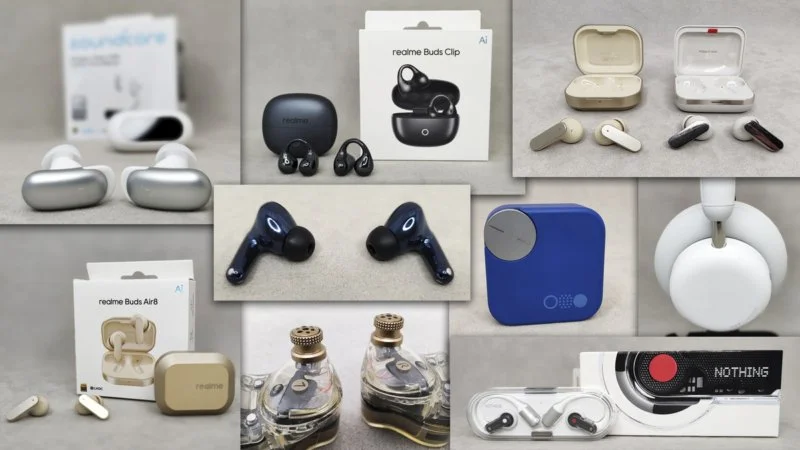
Your headphone budget is only $100? That’s enough to buy a model with top-tier sound. The ranking features 20 of the best wired and wireless models. There are 6 main form factors: wired in-ear, wireless over-ear, open-fit with an ear hook, clip-on headphones, wireless in-ear, and headphones.
How to achieve high-resolution audio with wireless headphones: LDAC, LHDC, aptX Adaptive, aptX Lossless, and more?
More detailsIf your headphones support the necessary codec but your phone, tablet, or PC doesn’t, you can use a USB adapter. These adapters, about the size of a Bluetooth dongle, plug into your phone or PC’s port. Your headphones then connect to the adapter, receiving the signal with the desired codec.
Which adapter to choose?
- QCC Dongle Pro2 – if you want it all at once. The adapter supports: LHDC 5.0, LDAC, aptX Adaptive, aptX HD, aptX Lossless; LE Audio and Auracast are claimed.
- FiiO Air Link – a universal adapter, but cheaper. Codec support: SBC, aptX, aptX Low Latency, aptX HD, aptX Adaptive, LDAC, and aptX Lossless.
- 1Mii B03Pro: A desktop solution featuring both a transmitter and receiver. Supports SBC, AAC, aptX, aptX HD, aptX LL, and aptX Adaptive.
- UGREEN BT701: A compact, universal option. Codec support includes Classic Bluetooth (SBC, aptX, aptX HD, aptX Adaptive-LL, aptX Adaptive-HQ) and LE Audio (Auracast, Unicast-Low Latency, Unicast-Lossless).
- UGREEN BT501: A simplified version of the BT701. Supports SBC, aptX, aptX Low Latency, aptX HD, and aptX Adaptive.
Check out our ranking for more details on USB adapters — Best Bluetooth Adapters for Computers and Headphones.
EMMA — Experts + Methodology + MyChoozers + Algorithm.
Every model goes through identical tests; the score is calculated automatically with fixed weights — a spot in the rating cannot be bought.
Best Budget Headphones Ranking — TOP-20 Wireless and Wired
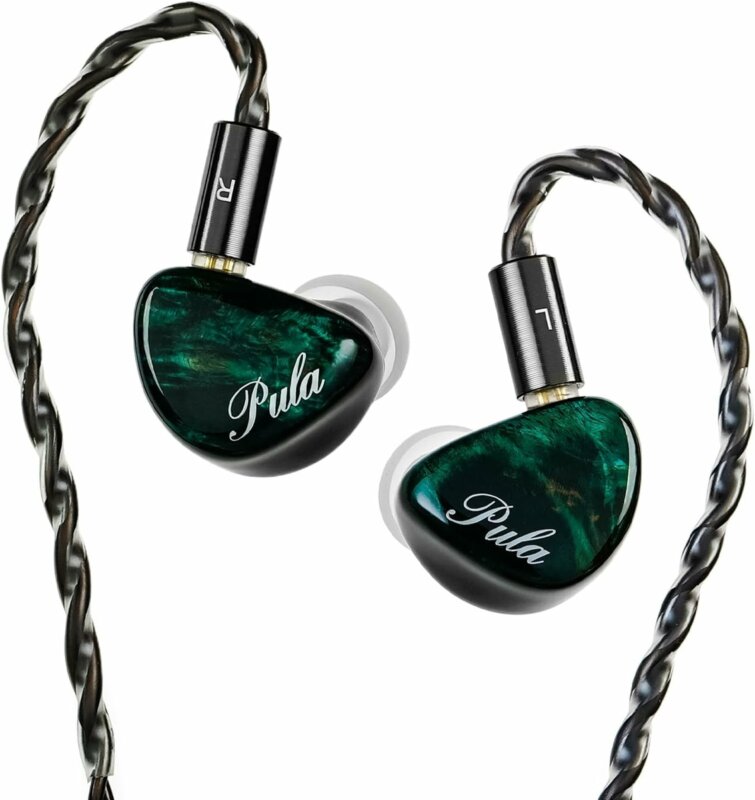
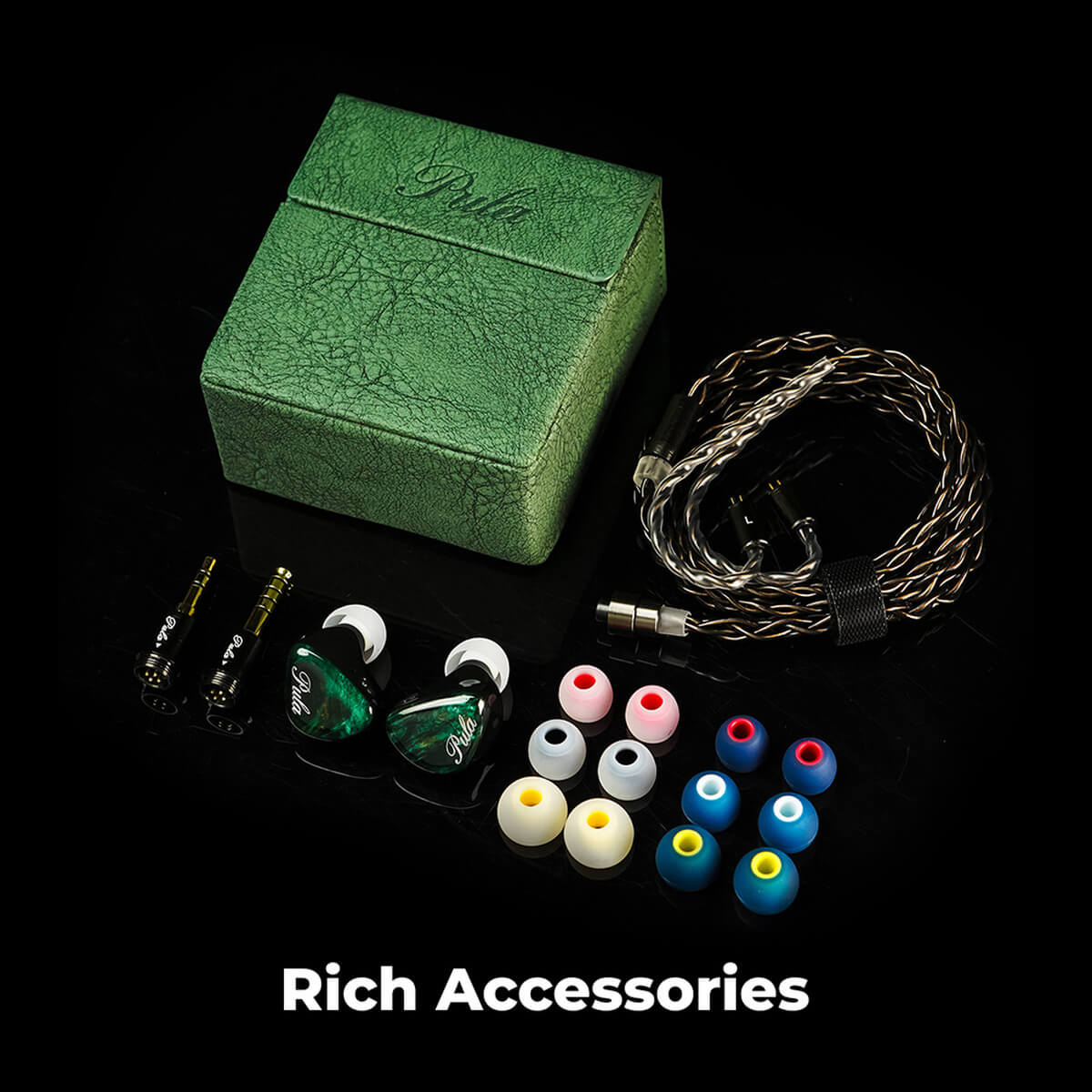
1. Pula Audio Unicrom 9.01Dynamic in-ear headphones with a cozy, musical sound and powerful warm bass
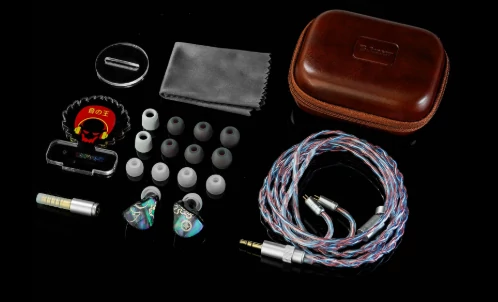
Juzear x Z Reviews Defiant: These are the best budget in-ear headphones under $100, featuring a hybrid quad-driver setup with one 10mm dynamic driver and three balanced armature drivers.
- Powerful bass
- Vivid mids
- Narrow soundstage
Read more.
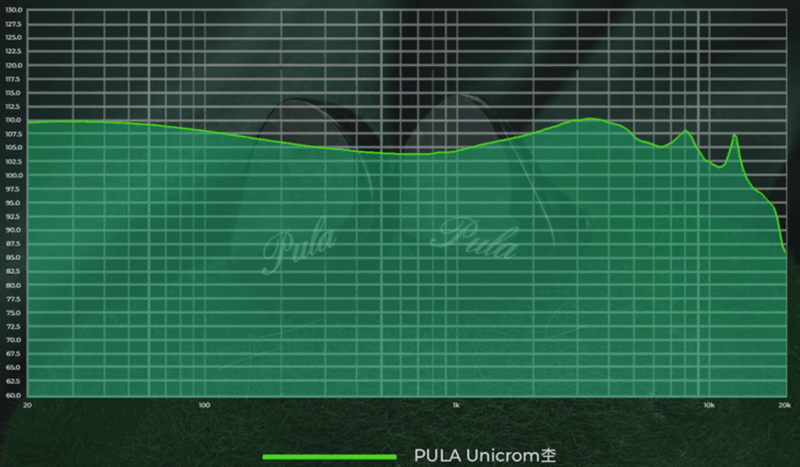
The warm, natural signature with powerful, tactile bass and vivid timbres creates a cozy atmosphere. The downside is the smoothed highs and lack of airiness, causing subtle details and the sense of presence to get lost in busy tracks.
Read more.
- In action Michael Jackson – P.Y.T, the bass guitar in the intro (0:10) hits with a tight punch, adds weight in the chorus (0:45), but in fast passages (1:30) the notes blur together with imperfect ear tips, and background effects are smeared (-0.5 points).
- In the track The Weeknd – Blinding Lights, the intro (0:00–0:10) delivers a pulsating synth bass that brings the track to life, but in the chorus (0:50) at high volume the bass is excessive, smearing the pulsations and losing detail in the echo (-0.5 points).
Read more.
- Oasis – Dont Go Away, the guitar in the intro (0:00–0:17) is juicy with natural body, Liam’s vocals in the verse (0:17) are emotional with his signature raspy texture, but in the chorus (1:00) the voice is slightly pushed back, and backing vocals blend with the guitars, losing clarity (-0.5 points), which reduces analytical performance.
- Michael Jackson – Man in the Mirror, the piano in the intro (0:10) is full-bodied, the choir in the chorus (1:20) is layered, but at the climax (3:00) the vocal echo and keyboard nuances are smoothed out, and instruments compress, losing separation (-0.5 points).
Read more.
- Eagles – Hotel California, the guitar fingerpicking in the intro (0:00–0:30) sounds transparent with signature clarity, cymbals in the chorus (1:30) are distinct without harshness, but the guitar solo (2:50) loses its metallic sheen, as if covered by a cloth, stripping away airiness and chilling sibilance (-0.5 points).
- Daft Punk – Get Lucky, Lose Yourself to Dance, the cymbals in the Get Lucky verse (0:20) and percussion in the Lose Yourself chorus (1:10) sparkle, the synthesizers (1:00) sound airy, but the faint noise of analog synths disappears, and the highs produce a slight hiss, smoothing out nuances (-1 point for both tracks).
Read more.
- Oasis – Dont Go Away, the intro (0:00–0:20) is a treat: the acoustic guitar sounds with a soft attack, the rustle of strings is distinct with signature warmth, but in the chorus (1:20) backing vocals and cymbals blend, losing clarity due to the subdued highs, which steals air and the sense of presence (-0.5 points).
- Johnny Cash – Hurt, the intro (0:10) conveys the crunch of strings and Cash’s breathing in an intimate way, amplifying emotion, but at the climax (2:30) the dense arrangement compresses details—background noises and light string hits become indistinct, reducing the sense of liveness (-1 point).
Read more.
- Sting – Englishman in New York, Sting’s voice in the verse (0:30) sounds warm with signature emotion, as if he is singing right next to you, and the saxophone (1:10) flows in layers with a realistic timbre, but in the chorus (1:40) the percussion and Sting’s breathing are subdued, losing airiness and subtle nuances, which reduces the sense of liveness (-0.5 points).
- Lenny Kravitz — Low, the bass guitar in the intro (0:10) creates a powerful rhythm, the drums (0:40) hit with punch, but synth parts and background effects in the chorus (1:30) are smeared, pushing into the background, weakening brightness and texture.-0.5 points).
Read more.
- Michael Jackson – Man in the Mirror, backing vocals in the chorus (1:20) layer clearly, creating a space behind the head with signature layering, but at the climax (3:00) the soundstage narrows, and the choir and keys blend, losing depth and volume, which weakens the impact of busy mixes (-1 point).
- Yosi Horikawa – Bubbles, the bubbling sounds in the verse (0:30) bounce from left to right with precise panning, as if flying around the ears, but in the middle of the track (1:50) the low register makes instruments flat, without pronounced volume, stealing openness (-1 point).
Read more.
2. Juzear x Z Reviews Defiant 8.74Best Budget In-Ear Headphones Under $100 – Hybrid Headphones
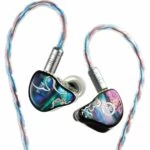
Juzear x Z Reviews Defiant: These are the best budget in-ear headphones under $100, featuring a hybrid quad-driver setup with one 10mm dynamic driver and three balanced armature drivers.
- Musical tuning
- Comfortable bass
- Weak detail retrieval
Read more.
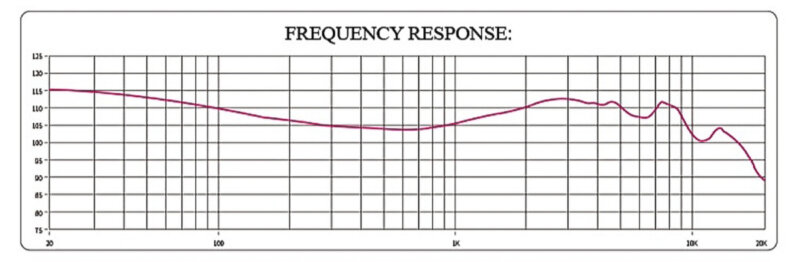
The Juzear x Z Reviews Defiant sound features a musical, enveloping W-shaped presentation with tight, comfortable bass and natural timbres, ideal for long, enjoyable listening sessions. The downside is smoothed-out detail retrieval and soft, non-sparkling highs, which causes a loss of micro-dynamics, air, and aggressive punch in complex tracks.
Read more.
- In action Michael Jackson – P.Y.T, the smoothness of the bass does not always deliver the sharpest and hardest punch required for a pronounced transient response, for which I am deducting 0.5 points. However, these nuances do not ruin the overall impression, and the lows sound very decent overall.
- In the track The Weeknd – Blinding Lights, it lacks ultimate sub-bass depth and lightning-fast speed for aggressive drive, for which I am deducting0.5 points.
Read more.
- Oasis – Dont Go Away, the safety of the sound may fail to extract the tiniest microphone nuances or vocal grain inherent to more analytical earbuds—for this I deduct 0.5 points.
- Michael Jackson – Man in the Mirror, the smoothness of the mids slightly dampens maximum impact and sharp dynamic contrasts during vocal climaxes, making them a bit less explosive—here I deduct 1 point. Despite these slight compromises, the earbuds still deliver a pleasant and comfortable sound.
Read more.
- Eagles – Hotel California, the highs are safe and clean, but since they lack sparkle, they lack airiness, cymbal shimmer, and the signature electric guitar bite on high notes, which is important for this track. The sound is comfortable rather than lively—for this I deduct 1.5 points.
- Daft Punk – Get Lucky, Lose Yourself to Dance, the energy and groove of the tracks are conveyed well, with highs free of harshness. However, the safe tuning smooths out sharp digital detail and aggressive effect sparkle, making the sound slightly less sharp and dynamic than intended by the artists—for this I deduct 0.5 points.
Read more.
- Oasis – Dont Go Away, the finest nuances of micro-dynamics, light rustles, or barely perceptible layers in dense arrangements may be lost, and transparency might not be the highest—for this I deduct 1.5 points.
- Johnny Cash – Hurt, I deduct 1 point Despite the track’s intimacy, the Defiant may fail to reveal all the tiny background noises, barely audible echoes, or subtle timbre shifts that create a full sense of presence.
Read more.
- Sting – Englishman in New York, I deduct 0.5 points The safe tuning smooths out the rawest or most lifelike micro-details that could give the sound even greater studio authenticity.
- Lenny Kravitz — Low, I deduct 0.5 points The lack of a maximum drum attack and multi-layered decay. Despite the subtle smoothing of micro-details and raw dynamics, the overall playback impression remains top-notch.
Read more.
- Michael Jackson – Man in the Mirror, being a bit intimate, the soundstage may not be as wide, lacking depth and layering—for this I deduct 1.5 points.
- Yosi Horikawa – Bubbles, the earbuds handle this well, conveying a realistic 3D soundstage and providing an immersive effect; I deduct 0.5 points A lack of aggressive sharpness and clarity of effects that could make the soundstage even sharper and more etched in space.
Read more.
3. Realme Buds Air 7 Pro 8.47Best Sound Under $100 in TWS Headphones
Drivers are the drivers in your headphones that are responsible for creating sound.
DD + PM + BA – means that there are several different types of drivers in these headphones.
DD – “Dynamic Driver” dynamic driver (deep bass, natural sound).
PM – “Planar Magnetic Driver” planar driver (wide soundstage and fast response).
BA – “Balanced Armature Driver” armature driver (accuracy and detail retrieval).
BC – “Bone Conduction Driver” or bone-conduction driver, which transmits vibration to the body of the headphones, transmitting sound through the bone/cartilage to the inner ear.
LDAC – high quality, high speed (Sony).
SBC is the basic Bluetooth standard, low quality.
AAC – Apple standard, good quality, low latency.
aptX – Qualcomm standard, good quality, low latency.
LC3/LC3plus – new Bluetooth LE Audio codecs, efficient compression.
Codecs are audio compression formats that affect sound quality and latency.
Headphone battery life is the playback time without recharging, measured in hours. Manufacturers measure without active noise cancellation (ANC), at medium volume (50-70%) and usually with the AAC codec, as these parameters affect battery consumption. Actual time may vary from 1% to 50%, depending on volume, active noise cancellation features enabled, codec (LDAC or other) and environmental conditions (cold, hot). It is important to consider not only the claimed playback time, but also the charging time and fast charging support.
Bluetooth is a wireless data transmission standard.
Support for new audio technologies.
Improved connection stability.
Reduced power consumption.
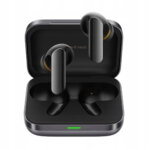
Realme Buds Air 7 Pro – the best budget wireless headphones for sound quality. They offer the best sound among TWS under $150, with live and synchronized translation that works independently of your phone manufacturer. Downsides include a bulky earbud design, a fit that might not work for everyone, and numerous reliability complaints on our social media. Despite this, the model is the most popular among our social media users.
- Best sound in wireless earbuds under $300
- Live and simultaneous translation
- Reference-level battery life
- User complaints regarding reliability
- Average noise cancellation and transparency
The final sound score is calculated using this formula:
Frequency balance + Detail retrieval + Soundstage + Natural timbre / 4 = Final Sound Score.
. 9.00 Using the LHDC 5.0 codec, performance sits right alongside some models priced up to $300. The wireless earbuds offer an optimal frequency balance. You get a spacious soundstage with clear width and depth rendering. The sound is moderately detailed and natural. First batches of the Chinese version suffered from an excess of highs, but the global version doesn’t have this issue.Read more.
Microphone – We assess speech transmission quality by testing the microphone in two main scenarios: quiet and noisy environments.
Quiet environment – This involves recording indoors with minimal background noise. Noisy environment – This means recording outdoors near a six-lane road with maximum traffic noise.
. 8.00 In quiet environments: 9 In noisy environments: 7Overall feature score — this is the overall score for all device features. This score comes from individual feature ratings (battery life, controls, app, connection stability, and others) and shows how easy and smart the device is for daily use.
. 7.75 Noise cancellation and transparency are mediocre. Battery life reached up to 10 hours in our tests taking the codec into account. Touch controls handle basic playback and calls. The app is handy and includes an EQ, sound personalization, and a translator.Read more.
Final build quality score is the overall score for build quality and materials: comfort, durability, and design. It shows how nice the device is to hold and use, and how long it will last.
. 8.20 The fit is solid. 2-3 hours of use without discomfort. Build and materials draw no complaints. They look great, and I like the design. Available in 4 colors.Read more.
4. OnePlus Buds 4 8.47Best Wireless Headphones Under $100 – With Bass-Heavy Sound
Drivers are the drivers in your headphones that are responsible for creating sound.
DD + PM + BA – means that there are several different types of drivers in these headphones.
DD – “Dynamic Driver” dynamic driver (deep bass, natural sound).
PM – “Planar Magnetic Driver” planar driver (wide soundstage and fast response).
BA – “Balanced Armature Driver” armature driver (accuracy and detail retrieval).
BC – “Bone Conduction Driver” or bone-conduction driver, which transmits vibration to the body of the headphones, transmitting sound through the bone/cartilage to the inner ear.
LDAC – high quality, high speed (Sony).
SBC is the basic Bluetooth standard, low quality.
AAC – Apple standard, good quality, low latency.
aptX – Qualcomm standard, good quality, low latency.
LC3/LC3plus – new Bluetooth LE Audio codecs, efficient compression.
Codecs are audio compression formats that affect sound quality and latency.
Headphone battery life is the playback time without recharging, measured in hours. Manufacturers measure without active noise cancellation (ANC), at medium volume (50-70%) and usually with the AAC codec, as these parameters affect battery consumption. Actual time may vary from 1% to 50%, depending on volume, active noise cancellation features enabled, codec (LDAC or other) and environmental conditions (cold, hot). It is important to consider not only the claimed playback time, but also the charging time and fast charging support.
Bluetooth is a wireless data transmission standard.
Support for new audio technologies.
Improved connection stability.
Reduced power consumption.

OnePlus Buds 4 are the best bass-focused wireless headphones of 2026. The main reason to buy is their top-tier bass sound straight out of the box, requiring no EQ adjustments. They slightly trail the Realme Buds Air 7 Pro in sound quality but compensate with better features and build. This model has no critical flaws. Support for the LHDC 5.0 codec and a Snapdragon-powered mobile source is recommended, as the sound quality is noticeably worse on MediaTek devices.
- Top-tier bass sound without needing EQ tweaks
- Comfortable fit
- Sound improves with the golden hearing profile
- Minor downsides: translator only works on OnePlus phones
- LHDC 5.0 codec support is recommended
- Sound quality is worse on MediaTek devices compared to Snapdragon
The final sound score is calculated using this formula:
Frequency balance + Detail retrieval + Soundstage + Natural timbre / 4 = Final Sound Score.
. 8.58 The emphasis is on pleasant bass and the highs. Top-tier sound, reasonably natural without noticeable artificiality or grain. There is enough detail retrieval to pick apart instrument textures, even in busy tracks with complex arrangements. The soundstage is spacious with clean separation between vocals and instruments. Downsides include an abundance of bass that overly crowds the stage and reduces transparency in the mids. There is also a slight lack of detail and texture in the sound.Read more.
Microphone – We assess speech transmission quality by testing the microphone in two main scenarios: quiet and noisy environments.
Quiet environment – This involves recording indoors with minimal background noise. Noisy environment – This means recording outdoors near a six-lane road with maximum traffic noise.
. 8.50 In quiet conditions: 9 In noisy conditions: 8 No changes from the OnePlus Buds 3 version, identical to the Oppo Enco Free 4. An additional wind test (the 3rd one) was included per request.Overall feature score — this is the overall score for all device features. This score comes from individual feature ratings (battery life, controls, app, connection stability, and others) and shows how easy and smart the device is for daily use.
. 8.33 ANC effectively suppresses background noise, and you can chat comfortably in transparency mode. Earbud battery life reached up to 11 hours in our tests, and up to 56 hours with the charging case depending on the codec. Touch controls support 5 actions per earbud, including swipes. The companion app is user-friendly without fluff, featuring a 22-language translator for OnePlus phones.Read more.
Final build quality score is the overall score for build quality and materials: comfort, durability, and design. It shows how nice the device is to hold and use, and how long it will last.
. 8.40 Your ears do not get tired with the stock ear tips after 2-3 hours of use. The construction is sturdy and reliable, and the matte finish gives the earbuds a nice look. That said, there is nothing groundbreaking about the design, and the initial excitement fades by the second week of use.Read more.
5. OnePlus Buds Pro 3 8.27Best Wireless Headphones in 2024 – A Legendary Model
Drivers are the drivers in your headphones that are responsible for creating sound.
DD + PM + BA – means that there are several different types of drivers in these headphones.
DD – “Dynamic Driver” dynamic driver (deep bass, natural sound).
PM – “Planar Magnetic Driver” planar driver (wide soundstage and fast response).
BA – “Balanced Armature Driver” armature driver (accuracy and detail retrieval).
BC – “Bone Conduction Driver” or bone-conduction driver, which transmits vibration to the body of the headphones, transmitting sound through the bone/cartilage to the inner ear.
LDAC – high quality, high speed (Sony).
SBC is the basic Bluetooth standard, low quality.
AAC – Apple standard, good quality, low latency.
aptX – Qualcomm standard, good quality, low latency.
LC3/LC3plus – new Bluetooth LE Audio codecs, efficient compression.
Codecs are audio compression formats that affect sound quality and latency.
Headphone battery life is the playback time without recharging, measured in hours. Manufacturers measure without active noise cancellation (ANC), at medium volume (50-70%) and usually with the AAC codec, as these parameters affect battery consumption. Actual time may vary from 1% to 50%, depending on volume, active noise cancellation features enabled, codec (LDAC or other) and environmental conditions (cold, hot). It is important to consider not only the claimed playback time, but also the charging time and fast charging support.
Bluetooth is a wireless data transmission standard.
Support for new audio technologies.
Improved connection stability.
Reduced power consumption.
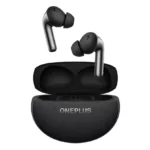
OnePlus Buds Pro 3 — the best wireless TWS headphones of 2024. With the release of the OnePlus Buds 4, the Pro 3 is now pointless because the fourth version boasts improved sound. The Pro 3 scores an 8.5/10 for sound, which is still very good considering the $120 price. I’ve included this model because it’s one of my favorites, which you’ve often asked about and I’ve recommended to many. The OnePlus Buds Pro 4, which we all expected this year, never materialized; we’ll see what they bring in 2026.
- Top-tier sound among TWS
- Not demanding on the mobile platform—Snapdragon or MTK
- Full support for the LHDC 3.0 audio codec
- Poor transparency mode
- OnePlus Buds 4 exist—better and cheaper
The final sound score is calculated using this formula:
Frequency balance + Detail retrieval + Soundstage + Natural timbre / 4 = Final Sound Score.
. 8.43 Moderately low-frequency sound. At the same time bright, with slightly recessed mids, and most importantly with the correct frequency balance. The kind of setup where you pick the right size ear tips, put them in your ears, and enjoy your favorite music. The EQ has decent presets; I recommend trying the Clarity preset. The sound is detailed, natural in timbre, and features a wide soundstage.Read more.
Microphone – We assess speech transmission quality by testing the microphone in two main scenarios: quiet and noisy environments.
Quiet environment – This involves recording indoors with minimal background noise. Noisy environment – This means recording outdoors near a six-lane road with maximum traffic noise.
. 8.40 In quiet conditions: 8.8 In noisy conditions: 8 The manufacturer claims that the AI Clear Call algorithm protects calls from wind and background noise thanks to three built-in microphones and a wind-resistant design. Surprisingly, it works.Overall feature score — this is the overall score for all device features. This score comes from individual feature ratings (battery life, controls, app, connection stability, and others) and shows how easy and smart the device is for daily use.
. 8.05 ANC suppresses light background noise, transparency is poor and unsuitable for use. Playback time is up to 10 hours and 43 hours with the case. Touch controls feature standard actions for managing calls and the player. The app is convenient and not overloaded with unnecessary features.Read more.
Final build quality score is the overall score for build quality and materials: comfort, durability, and design. It shows how nice the device is to hold and use, and how long it will last.
. 8.17 The earbuds are comfortable, as long as you pick the right ear tips. Build quality is solid and reliable. I liked the look of the earbuds and the case. Available in 2 colors: black and white.Read more.
6. CVJ Shadow Blade 8.26In-ear dynamic headphones with immersive V-shaped sound and powerful bass
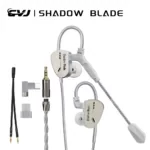
CVJ Shadow Blade: These versatile in-ear headphones under $100 can truly do it all. They use a hybrid (1DD + 2BA) configuration for incredible flexibility, delivering everything from crushing, thunderous bass to a delicate, almost imperceptible presentation when you just want to get lost in the music. They’re also the most agile and ‘versatile’ wired in-ear models in their class, offering an excellent soundstage, comfort, and interchangeable tuning nozzles.
- Powerful bass
- Vivid mids
- Narrow soundstage
Read more.
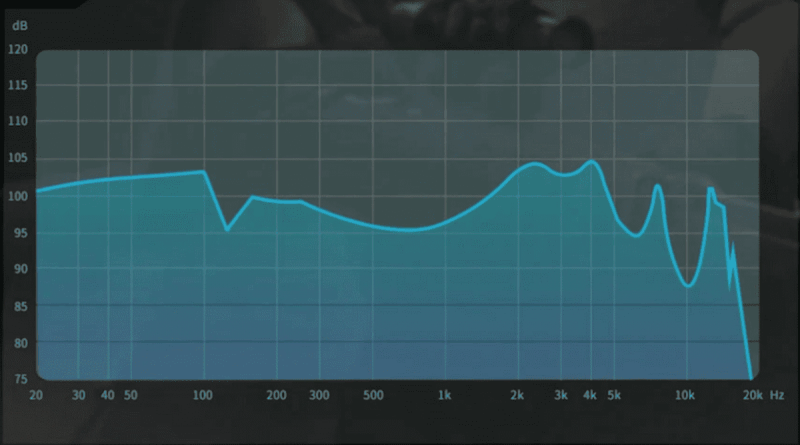
The sound’s main pro for the CVJ Shadow Blade is powerful, tactile, and deep bass combined with a warm, enveloping presentation and a surprisingly wide soundstage that extends beyond the head. The main con is muted and insufficiently bright highs, which causes a loss of air, sparkle, and micro-details, making the sound too soft and lacking a spark.
Read more.
- In action Michael Jackson – P.Y.T, the bassline played by the bass guitar sounds tight and distinct, with every hit felt as a physical punch. Nevertheless, sometimes excessive bass density can blur fast and complex basslines, reducing their separation and micro-details, for which I am also deducting 0.5 points.
- In the track The Weeknd – Blinding Lights, from the very first seconds of the track when the powerful synth bass kicks in, you will feel its depth and pulsation, like the heartbeat of the track. In most cases, the bass remains tight, but at high volume, the vibration sensation can become too intense, distracting from overall sound purity, for which I am deducting1 point.
Read more.
- Oasis – Dont Go Away, Liam Gallagher’s vocals sound clean, with pleasant warmth and naturalness, without being intrusive. Likewise, the vocal position, especially in the verses (for example, from 0:17 onwards), might feel slightly detached, as if slightly drowning in the overall warm sound, for which I deduct 1 point.
- Michael Jackson – Man in the Mirror, Michael’s vocals sound voluminous and expressive, without harshness. Backing instruments, especially the choir and piano, are well separated while maintaining arrangement richness. But there is a nuance: the warm sound with boosted bass slightly masks the finest details—such as a light vocal echo or quiet percussion nuances, for which I deduct 0.5 points.
Read more.
- Eagles – Hotel California, strings ring transparently here, but I miss their metallic sheen. The guitar solo in the middle of the track: it is clean, yes, but without that soul-chilling sibilance that makes hair stand on end—as if the guitar is slightly covered by a cloth, for which I deduct 1.5 points.
- Daft Punk – Get Lucky, Lose Yourself to Dance, in my opinion, the faint noise of analog synths that adds life to electronic music is nearly unnoticeable—I deduct 1 point for this.
Read more.
- Oasis – Dont Go Away, the intro sounds pleasant: the acoustic guitar has body and a soft attack. The voice in the verses is clearly distinguishable, but when backing vocals and drums kick in during the chorus, the soundstage gets slightly blurred, cymbals sound muted, and the highs lack air—I deduct 1.5 points.
- Johnny Cash – Hurt, it sounds emotional and intimate, preserving the intimacy of the performance. However, at the climax where a denser arrangement emerges, the earbuds lose part of their separation—the soundstage narrows, and instruments blend—minus 1 point.
Read more.
- Sting – Englishman in New York, Sting’s voice sounds warm and vivid, especially in the verses—timbre and emotion are well conveyed. The saxophone and backing vocals sound layered and atmospheric. However, in the chorus and quiet moments, the air is lost: percussion, breathing, rustles sound subdued. The bass is soft, but slightly smears drum attacks, for which I deduct 1 point.
- Lenny Kravitz — Low, main drums and bass guitar create a powerful rhythmic foundation. But details in the electronic backing and synth parts become less distinct, as if pushed into the background—minus 0.5 points.
Read more.
- Michael Jackson – Man in the Mirror, backing vocals sound in layers, which is immediately noticeable. In the middle of the song, when drums and keys are added, the soundstage narrows slightly, and depth becomes less noticeable—I deduct 0.5 points.
- Yosi Horikawa – Bubbles, bubbling sounds move clearly from left to right, jumping across the panning, especially in the middle of the track where the low register adds in. However, the sub-bass, while lifting and densifying the soundstage, can slightly overshadow upper details, causing individual instruments to often sound flat without pronounced individual volume, despite overall spatial depth—for this I deduct 1 point.
Read more.
7. Realme Buds Air 8 8.25Best Budget TWS Headphones Under $50
Drivers are the drivers in your headphones that are responsible for creating sound.
DD + PM + BA – means that there are several different types of drivers in these headphones.
DD – “Dynamic Driver” dynamic driver (deep bass, natural sound).
PM – “Planar Magnetic Driver” planar driver (wide soundstage and fast response).
BA – “Balanced Armature Driver” armature driver (accuracy and detail retrieval).
BC – “Bone Conduction Driver” or bone-conduction driver, which transmits vibration to the body of the headphones, transmitting sound through the bone/cartilage to the inner ear.
LDAC – high quality, high speed (Sony).
SBC is the basic Bluetooth standard, low quality.
AAC – Apple standard, good quality, low latency.
aptX – Qualcomm standard, good quality, low latency.
LC3/LC3plus – new Bluetooth LE Audio codecs, efficient compression.
Codecs are audio compression formats that affect sound quality and latency.
Headphone battery life is the playback time without recharging, measured in hours. Manufacturers measure without active noise cancellation (ANC), at medium volume (50-70%) and usually with the AAC codec, as these parameters affect battery consumption. Actual time may vary from 1% to 50%, depending on volume, active noise cancellation features enabled, codec (LDAC or other) and environmental conditions (cold, hot). It is important to consider not only the claimed playback time, but also the charging time and fast charging support.
Bluetooth is a wireless data transmission standard.
Support for new audio technologies.
Improved connection stability.
Reduced power consumption.
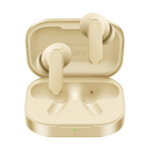
The main draw here is the pleasant bass-heavy sound, with audio quality on par with top-tier and silver-league models. You also get triple multipoint, a translator, and a built-in voice assistant. They’re comfortable and look good, potentially setting a benchmark for battery life. Downsides include an average transparency mode and mediocre controls.
- Pleasant bass-heavy sound
- Triple multipoint, translator, and voice assistant.
- Comfortable fit and appealing look.
- Mediocre transparency mode and average noise cancellation
- Noticeable synthetic timbre in the sound
The final sound score is calculated using this formula:
Frequency balance + Detail retrieval + Soundstage + Natural timbre / 4 = Final Sound Score.
. 8.19 The overall sound presentation strongly reminds me of the Realme Buds 7 Pro. I thought the Realme Buds Air 8 would be stripped-down 7 Pros, but this is clearly high settings compared to the 7 Pro’s ultra graphics settings, to use a video game analogy. The overall difference in quality is roughly 0.5 points out of 10. The model has no weaknesses, and its main strength is the sound itself. At $43, it is an absolute steal and buy 3 pairs. The model confidently flies into the silver league with 8-9 points, which is nonsense for a $40 model.Read more.
Microphone – We assess speech transmission quality by testing the microphone in two main scenarios: quiet and noisy environments.
Quiet environment – This involves recording indoors with minimal background noise. Noisy environment – This means recording outdoors near a six-lane road with maximum traffic noise.
. 8.50 In quiet environments: 8.5 In noisy environments: 8.5Overall feature score — this is the overall score for all device features. This score comes from individual feature ratings (battery life, controls, app, connection stability, and others) and shows how easy and smart the device is for daily use.
. 8.15 Noise cancellation effectively dampens background noise. In transparency mode, surroundings sound clear, but talking is uncomfortable. Battery life in our tests is 14 hours and 51 hours with the case. Touch controls rely on 3 taps per earbud, without accidental presses. The app allows you to tune the sound, enable the LHDC codec, and includes a translator and a built-in voice assistant.Read more.
Final build quality score is the overall score for build quality and materials: comfort, durability, and design. It shows how nice the device is to hold and use, and how long it will last.
. 8.57 The earbuds are comfortable, with no discomfort after a couple of hours of listening using the stock ear tips. Build and materials draw no complaints. I like the earbud design, and there are 3 colors to choose from.Read more.
8. TRN White Tiger 8.14Hybrid in-ear headphones with a V-shaped sound, emphasis on bass, and bright highs
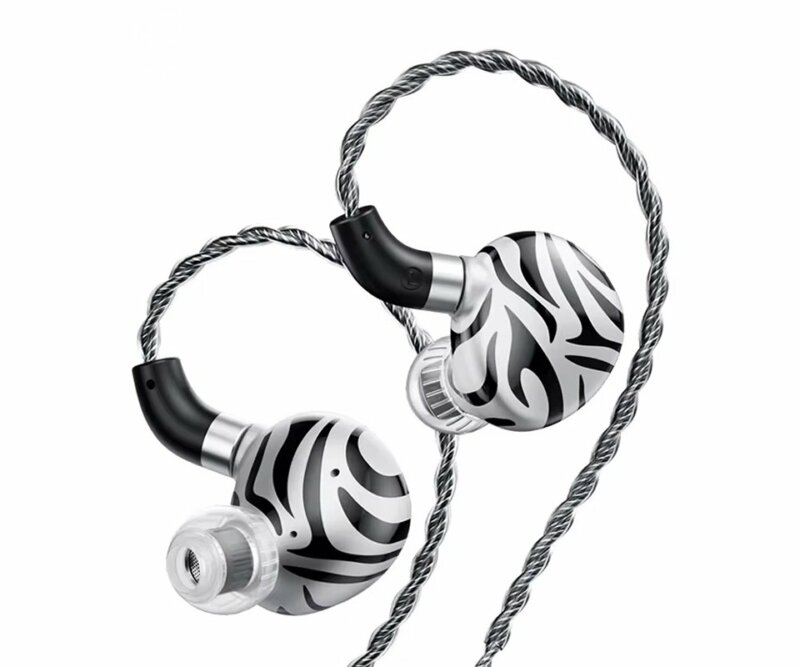
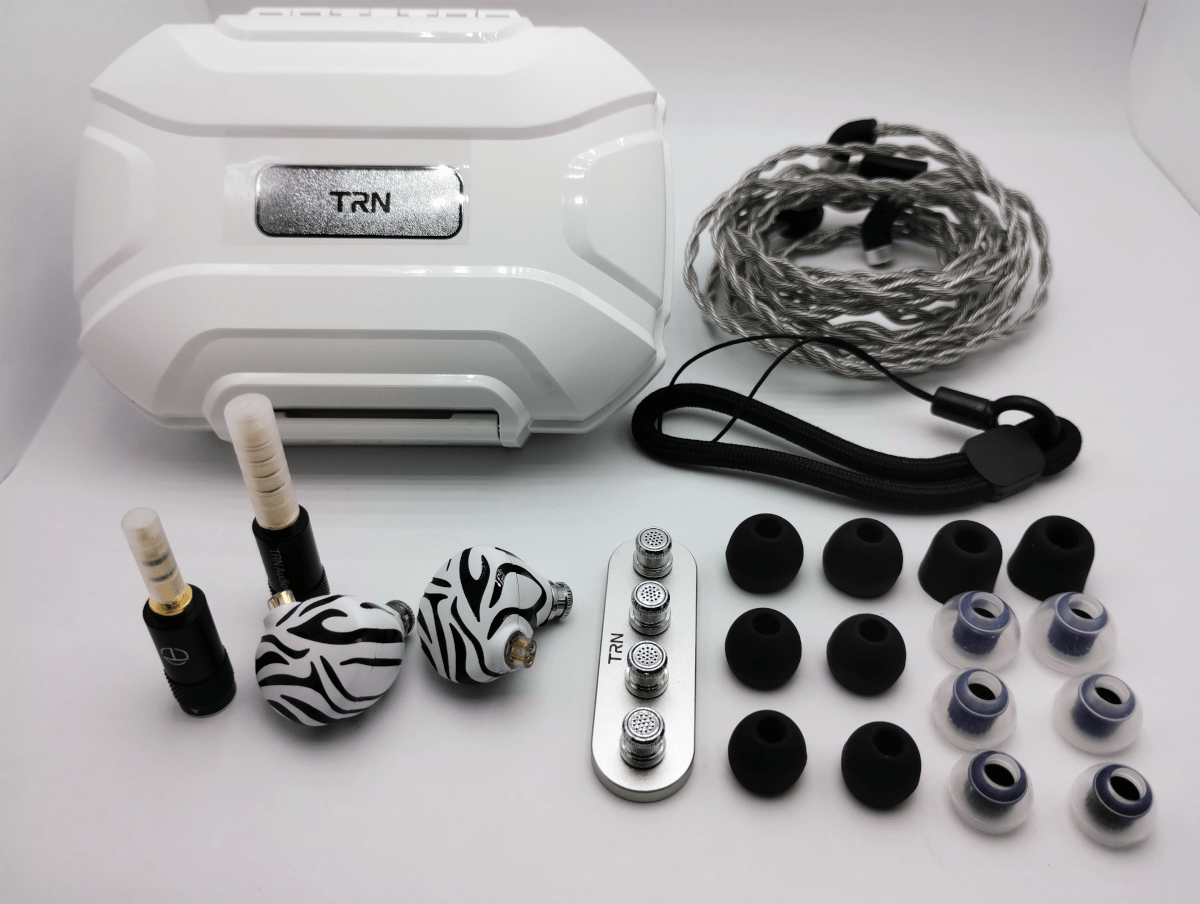
TRN White Tiger $70 — these hybrid in-ear headphones combine two dynamic drivers (10.5mm + 8mm) and one planar driver (6mm). They produce a powerful, V-shaped sound with emphasis on bass and treble. I was pleasantly surprised by their sound; these headphones are atmospheric and capable of immersing you in music, creating an impressive audio experience.
- Energetic sound
- Low and high frequency quality
- Recessed mids
- Nozzle threads are prone to damage
Read more.
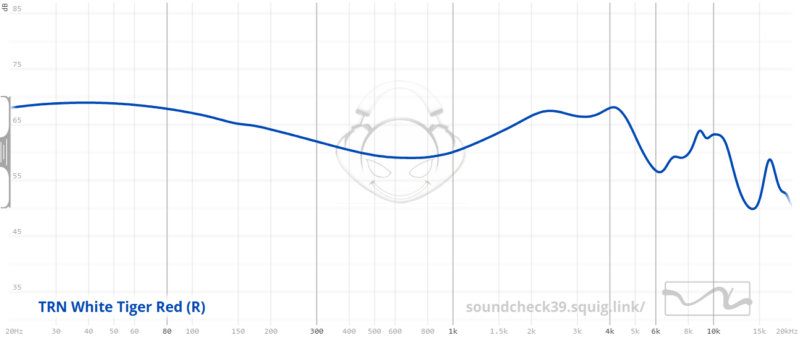
The main sound pro of the TRN White Tiger is deep, energetic, and punchy bass paired with detailed highs, which makes tracks lively and engaging.
The main sound con is that the mids are somewhat recessed, making vocals and instruments sound less natural, while complex tracks lose some fullness and texture.
Read more.
9. EarFun Air Pro 4 Plus 8.09BEST TWS Headphones Under $100 with LDAC and AptX Codecs
Drivers are the drivers in your headphones that are responsible for creating sound.
DD + PM + BA – means that there are several different types of drivers in these headphones.
DD – “Dynamic Driver” dynamic driver (deep bass, natural sound).
PM – “Planar Magnetic Driver” planar driver (wide soundstage and fast response).
BA – “Balanced Armature Driver” armature driver (accuracy and detail retrieval).
BC – “Bone Conduction Driver” or bone-conduction driver, which transmits vibration to the body of the headphones, transmitting sound through the bone/cartilage to the inner ear.
LDAC – high quality, high speed (Sony).
SBC is the basic Bluetooth standard, low quality.
AAC – Apple standard, good quality, low latency.
aptX – Qualcomm standard, good quality, low latency.
LC3/LC3plus – new Bluetooth LE Audio codecs, efficient compression.
Codecs are audio compression formats that affect sound quality and latency.
Headphone battery life is the playback time without recharging, measured in hours. Manufacturers measure without active noise cancellation (ANC), at medium volume (50-70%) and usually with the AAC codec, as these parameters affect battery consumption. Actual time may vary from 1% to 50%, depending on volume, active noise cancellation features enabled, codec (LDAC or other) and environmental conditions (cold, hot). It is important to consider not only the claimed playback time, but also the charging time and fast charging support.
Bluetooth is a wireless data transmission standard.
Support for new audio technologies.
Improved connection stability.
Reduced power consumption.
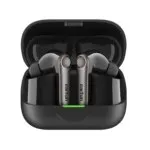
The main reason to buy is the detailed sound with superb vocal reproduction and excellent naturalness. The app provides sound settings, and they include LDAC and 3 aptX codecs. A translator for 146 languages and dialects is also included. These headphones are sensitive to EQ settings, so tuning the sound is worthwhile. In many aspects, they outperform the Realme Buds Air 7 Pro — and that’s saying something. Downsides: average noise cancellation and transparency, and controls you might not like.
- Detailed sound
- Sound settings: 10-band EQ, preset modes, custom tuning
- Translator for 165 languages and dialects
- LDAC and 3 aptX Bluetooth codecs
- Treble is a bit harsh
- The balanced armature driver occasionally resonates
- Battery life is shorter than claimed
The final sound score is calculated using this formula:
Frequency balance + Detail retrieval + Soundstage + Natural timbre / 4 = Final Sound Score.
. 8.33 The strong suit of the EarFun Air Pro 4 Plus is its stunning vocal delivery across almost any track. If you want an emotional, lively, and soul-stirring performance, the Air Pro 4 Plus delivers. Natural timbre is also top-notch despite a slightly cool tint from the balanced armature driver. Among the weaknesses, I would point out the narrow soundstage, which leads to minor yet noticeable issues with detail retrieval and proper instrument separation across the soundstage. The headphones also lack a bit of bass, which is easily fixed via the EQ, with rock being the best preset for it.Read more.
Microphone – We assess speech transmission quality by testing the microphone in two main scenarios: quiet and noisy environments.
Quiet environment – This involves recording indoors with minimal background noise. Noisy environment – This means recording outdoors near a six-lane road with maximum traffic noise.
. 7.50 In quiet conditions: 8 In noisy conditions: 7Overall feature score — this is the overall score for all device features. This score comes from individual feature ratings (battery life, controls, app, connection stability, and others) and shows how easy and smart the device is for daily use.
. 7.63 Active noise cancellation works well, suppressing about 40-50% of low-frequency noise. Transparency mode provides good audibility. When talking through the headphones, you get a plugged-ear sensation, and your own voice heavily echoes inside your head via bone conduction. Battery life in our tests reached up to 10 hours using the codec, plus an extra 30 hours with the case. Touch controls support 4 taps per earbud. The companion app is user-friendly and features a translator supporting 146 languages and dialects.Read more.
Final build quality score is the overall score for build quality and materials: comfort, durability, and design. It shows how nice the device is to hold and use, and how long it will last.
. 8.17 The headphones are comfortable, with minor fatigue setting in after a couple of hours of use. No complaints about build quality and materials. The headphones look nice without eliciting any special excitement. Available in 3 colors.Read more.
10. Huawei Freebuds 5 7.90Best In-Ear Earbuds for Android Under $80
Drivers are the drivers in your headphones that are responsible for creating sound.
DD + PM + BA – means that there are several different types of drivers in these headphones.
DD – “Dynamic Driver” dynamic driver (deep bass, natural sound).
PM – “Planar Magnetic Driver” planar driver (wide soundstage and fast response).
BA – “Balanced Armature Driver” armature driver (accuracy and detail retrieval).
BC – “Bone Conduction Driver” or bone-conduction driver, which transmits vibration to the body of the headphones, transmitting sound through the bone/cartilage to the inner ear.
LDAC – high quality, high speed (Sony).
SBC is the basic Bluetooth standard, low quality.
AAC – Apple standard, good quality, low latency.
aptX – Qualcomm standard, good quality, low latency.
LC3/LC3plus – new Bluetooth LE Audio codecs, efficient compression.
Codecs are audio compression formats that affect sound quality and latency.
Headphone battery life is the playback time without recharging, measured in hours. Manufacturers measure without active noise cancellation (ANC), at medium volume (50-70%) and usually with the AAC codec, as these parameters affect battery consumption. Actual time may vary from 1% to 50%, depending on volume, active noise cancellation features enabled, codec (LDAC or other) and environmental conditions (cold, hot). It is important to consider not only the claimed playback time, but also the charging time and fast charging support.
Bluetooth is a wireless data transmission standard.
Support for new audio technologies.
Improved connection stability.
Reduced power consumption.
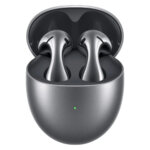
Huawei Freebuds 5 – the best in-ear earbuds for Android under $80. Their price has dropped in 2026, and for the money, they offer the best sound available. Released in 2023, they remain relevant. The sound and microphone are close to reference quality, and you can wear them for a couple of hours without discomfort.
- Top-tier sound among open-fit earbuds
- Microphone on par with the reference model
- Unique design and 2 hours of use without discomfort
- Boxy sound out of the box.
- Slight white noise with noise cancellation enabled.
The final sound score is calculated using this formula:
Frequency balance + Detail retrieval + Soundstage + Natural timbre / 4 = Final Sound Score.
. 8.01 With the LDAC codec, sound improves by up to 30%. The earbuds feature a bass-heavy sound profile, slightly recessed mids, and subdued highs. I did not notice any blatant artificial timbre, and grain is kept to a minimum. The sound is spacious and full-bodied, with good instrument separation across the soundstage. Detail retrieval is good, though parsing instrument textures is harder compared to top models. It lacks sonic expressiveness, a bit of brightness, and airiness, without which this kind of sound gets old fast. EQ tuning compensates for some of these shortcomings.Read more.
Microphone – We assess speech transmission quality by testing the microphone in two main scenarios: quiet and noisy environments.
Quiet environment – This involves recording indoors with minimal background noise. Noisy environment – This means recording outdoors near a six-lane road with maximum traffic noise.
. 8.75 In quiet conditions: 9.5 In noisy conditions: 8 Clean and detailed recording without external noise. In noisy conditions, speech remains highly resolved, and noise cancellation does not suppress noise instantly.Overall feature score — this is the overall score for all device features. This score comes from individual feature ratings (battery life, controls, app, connection stability, and others) and shows how easy and smart the device is for daily use.
. 7.00 Active noise cancellation reduces PC or laptop background noise. Transparency mode is absent. Playback time in our tests differs slightly from the manufacturer’s specs. The control sensor on the earbuds responds everywhere, and the volume is changed by swiping up and down. The companion app is convenient and well-thought-out.Read more.
Final build quality score is the overall score for build quality and materials: comfort, durability, and design. It shows how nice the device is to hold and use, and how long it will last.
. 9.00 The earbuds feature a comfortable fit, with minor fatigue setting in after a couple of hours of use. No complaints about build quality and materials. The earbud design is unique, with 3 colors to choose from.Read more.
11. VIVO TWS 5 Hi-Fi 7.85Best TWS Headphones for Noise Cancellation Under $200
Drivers are the drivers in your headphones that are responsible for creating sound.
DD + PM + BA – means that there are several different types of drivers in these headphones.
DD – “Dynamic Driver” dynamic driver (deep bass, natural sound).
PM – “Planar Magnetic Driver” planar driver (wide soundstage and fast response).
BA – “Balanced Armature Driver” armature driver (accuracy and detail retrieval).
BC – “Bone Conduction Driver” or bone-conduction driver, which transmits vibration to the body of the headphones, transmitting sound through the bone/cartilage to the inner ear.
LDAC – high quality, high speed (Sony).
SBC is the basic Bluetooth standard, low quality.
AAC – Apple standard, good quality, low latency.
aptX – Qualcomm standard, good quality, low latency.
LC3/LC3plus – new Bluetooth LE Audio codecs, efficient compression.
Codecs are audio compression formats that affect sound quality and latency.
Headphone battery life is the playback time without recharging, measured in hours. Manufacturers measure without active noise cancellation (ANC), at medium volume (50-70%) and usually with the AAC codec, as these parameters affect battery consumption. Actual time may vary from 1% to 50%, depending on volume, active noise cancellation features enabled, codec (LDAC or other) and environmental conditions (cold, hot). It is important to consider not only the claimed playback time, but also the charging time and fast charging support.
Bluetooth is a wireless data transmission standard.
Support for new audio technologies.
Improved connection stability.
Reduced power consumption.
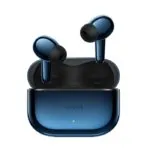
These headphones are interesting for their active noise cancellation and battery life, which are on par with top manufacturers. The microphone performance in noisy conditions is also comparable to reference standards. They feature triple multipoint and LHDC and LDAC codecs. The sound is present, and it’s advisable to burn them in and fine-tune with an EQ. However, the headphones have average detail retrieval and a narrow soundstage, which can’t be fixed with sound tuning.
- Low-frequency sound.
- Top-tier active noise cancellation and battery life
- Triple multipoint
- Microphone in noisy conditions on par with reference models
- Low detail retrieval and narrow soundstage
- Poor transparency mode
- Fingerprint-prone glossy plastic
The final sound score is calculated using this formula:
Frequency balance + Detail retrieval + Soundstage + Natural timbre / 4 = Final Sound Score.
. 7.56 With an emphasis on lows and highs. The strong points are emphasized highs without noticeable artificiality or grain, along with intimate and clear vocals and good naturalness. Weak points include detail retrieval: it lacks clarity, and discerning texture is difficult. The soundstage is narrow, with sound appearing close to your head. Some drawbacks can be corrected with EQ, allowing you to achieve a pleasant, engaging sound. The VIVO TWS 5 Hi-Fi fall into the bronze league, and with sound improvements, they approach the silver league.More details.
Microphone – We assess speech transmission quality by testing the microphone in two main scenarios: quiet and noisy environments.
Quiet environment – This involves recording indoors with minimal background noise. Noisy environment – This means recording outdoors near a six-lane road with maximum traffic noise.
. 9.40 In quiet conditions: 8.8 In noisy conditions: 10 Vocals are clear in quiet environments, with faint clicking sounds audible in some spots. In noisy environments with a handheld vacuum cleaner, the microphone isolates the voice without degrading vocal quality. There is a significant quality upgrade compared to the previous generation.Overall feature score — this is the overall score for all device features. This score comes from individual feature ratings (battery life, controls, app, connection stability, and others) and shows how easy and smart the device is for daily use.
. 8.34 An optimal and modern feature set that includes everything necessary, such as 3-device multipoint. The standout feature is active noise cancellation (ANC), which outperforms the Sony WF-1000XM5 and Soundcore Liberty 5. The microphone noise cancellation suppresses loud noises without distorting speech, performing at the level of reference models. Battery life matches the top tier. The weak points are transparency mode and controls, which perform at the level of $50-60 models.Read more.
Final build quality score is the overall score for build quality and materials: comfort, durability, and design. It shows how nice the device is to hold and use, and how long it will last.
. 7.83 Just like other earbuds in this price category. Standard design, with no complaints regarding build quality and construction. However, the glossy plastic is excessively fingerprint-prone and slippery.Read more.
12. 1MORE Sonoflow Pro HQ51 7.69Best Over-Ear Headphones Under $100
Drivers are the drivers in your headphones that are responsible for creating sound.
DD + PM + BA – means that there are several different types of drivers in these headphones.
DD – “Dynamic Driver” dynamic driver (deep bass, natural sound).
PM – “Planar Magnetic Driver” planar driver (wide soundstage and fast response).
BA – “Balanced Armature Driver” armature driver (accuracy and detail retrieval).
BC – “Bone Conduction Driver” or bone-conduction driver, which transmits vibration to the body of the headphones, transmitting sound through the bone/cartilage to the inner ear.
LDAC – high quality, high speed (Sony).
SBC is the basic Bluetooth standard, low quality.
AAC – Apple standard, good quality, low latency.
aptX – Qualcomm standard, good quality, low latency.
LC3/LC3plus – new Bluetooth LE Audio codecs, efficient compression.
Codecs are audio compression formats that affect sound quality and latency.
Headphone battery life is the playback time without recharging, measured in hours. Manufacturers measure without active noise cancellation (ANC), at medium volume (50-70%) and usually with the AAC codec, as these parameters affect battery consumption. Actual time may vary from 1% to 50%, depending on volume, active noise cancellation features enabled, codec (LDAC or other) and environmental conditions (cold, hot). It is important to consider not only the claimed playback time, but also the charging time and fast charging support.
Bluetooth is a wireless data transmission standard.
Support for new audio technologies.
Improved connection stability.
Reduced power consumption.
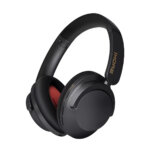
1More SonoFlow Pro – the best over-ear headphones in 2026 under $100. The main reason to buy is the best sound among over-ear models under $100, with a bass bias and 100 hours of battery life. The SonoFlow Pro HQ51 is essentially the Realme Buds Air 7 Pro for the over-ear world. With the LDAC codec, you get up to 20% better quality compared to AAC. It’s important not to confuse them with the 1MORE Sonoflow headphones released in 2022; this model usually has the HQ51 prefix and is from 2024.
- Best sound under $100
- Best noise cancellation under $100
- Long battery life up to 100 h.
- Holds securely on the head – suitable for running
- Wired audio only via 2.5/3.5 mm jack.
- No dust and water resistance.
- Minor cons: outdated app design, LDAC bitrate does not noticeably impact quality
The final sound score is calculated using this formula:
Frequency balance + Detail retrieval + Soundstage + Natural timbre / 4 = Final Sound Score.
. 7.28 Leaning toward the low end. Bass is powerful, punchy, and moderately textured. There is a slight mid-range setback, and a veil sits between you and the vocalist. Treble can sometimes feel lacking, but nothing critical. Frequency balance-wise, the model is pleasant, though I recommend tuning the EQ in the companion app to boost the mids and highs, and dial back the bass to taste. The main highlight of the sound, in my view, is that you feel depth and space. It is a 3D image, wide and deep. The sound is not boring and very engaging; you just want to keep listening to your favorite music.Read more.
Microphone – We assess speech transmission quality by testing the microphone in two main scenarios: quiet and noisy environments.
Quiet environment – This involves recording indoors with minimal background noise. Noisy environment – This means recording outdoors near a six-lane road with maximum traffic noise.
. 7.20 In quiet conditions: 7.4 In noisy conditions: 7Read more.
Overall feature score — this is the overall score for all device features. This score comes from individual feature ratings (battery life, controls, app, connection stability, and others) and shows how easy and smart the device is for daily use.
. 7.83 Good-quality microphone. ANC is not top-tier like Bose or Sony, but it deserves a 7.8 out of 10. It suppresses lows well, mids slightly worse, and highs even worse. Transparency scores a 7. Not super, but you won’t need to take off the headphones to talk. Battery life is 100 hours. No wireless charging. Controls are convenient, though button-based and requiring some getting used to. That actually pleased me, since touch controls on budget gear are often just bad. The layout is as follows. In the companion app, you can tweak the EQ, enable the LDAC codec for Android, and turn on low latency mode for gaming.Read more.
Final build quality score is the overall score for build quality and materials: comfort, durability, and design. It shows how nice the device is to hold and use, and how long it will last.
. 8.50 The earbuds are comfortable, lasting 1-2 hours without discomfort. Available in 5 colors. Matte plastic. Decent build, with no obvious defects found during a month of testing. The design is styled after older Sony models, which is an acquired taste, but nothing off-putting.Read more.
13. Samsung Galaxy Buds 3 7.64Best Earbuds for Samsung Phones Under $100
Drivers are the drivers in your headphones that are responsible for creating sound.
DD + PM + BA – means that there are several different types of drivers in these headphones.
DD – “Dynamic Driver” dynamic driver (deep bass, natural sound).
PM – “Planar Magnetic Driver” planar driver (wide soundstage and fast response).
BA – “Balanced Armature Driver” armature driver (accuracy and detail retrieval).
BC – “Bone Conduction Driver” or bone-conduction driver, which transmits vibration to the body of the headphones, transmitting sound through the bone/cartilage to the inner ear.
LDAC – high quality, high speed (Sony).
SBC is the basic Bluetooth standard, low quality.
AAC – Apple standard, good quality, low latency.
aptX – Qualcomm standard, good quality, low latency.
LC3/LC3plus – new Bluetooth LE Audio codecs, efficient compression.
Codecs are audio compression formats that affect sound quality and latency.
Headphone battery life is the playback time without recharging, measured in hours. Manufacturers measure without active noise cancellation (ANC), at medium volume (50-70%) and usually with the AAC codec, as these parameters affect battery consumption. Actual time may vary from 1% to 50%, depending on volume, active noise cancellation features enabled, codec (LDAC or other) and environmental conditions (cold, hot). It is important to consider not only the claimed playback time, but also the charging time and fast charging support.
Bluetooth is a wireless data transmission standard.
Support for new audio technologies.
Improved connection stability.
Reduced power consumption.
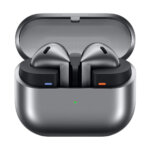
Samsung Galaxy Buds 3 – the best earbuds for Samsung phones under $100 for sound and features. The main reason to buy is the proprietary codec with 24-bit/96 kHz sound quality and proprietary features like a synchronized translator, voice assistant, adaptive noise cancellation, and EQ. It only makes sense to buy these headphones with a flagship Samsung phone, offering up to a 25% sound improvement.
- Best sound among open-fit earbuds with the proprietary SSC codec
- Sturdy earbud and case build quality
- Detailed microphone
- Sound and features are tied to the proprietary ecosystem.
- Minor cons: Lacking air (highs), low punch (lows), weak noise cancellation, high latency (gaming)
The final sound score is calculated using this formula:
Frequency balance + Detail retrieval + Soundstage + Natural timbre / 4 = Final Sound Score.
. 7.73 With the proprietary audio codec, these earbuds satisfy a music lover’s needs and will delight audiophiles. The sound is bright and engaging! I appreciate the expressive mid-range that brings vocals and instruments to the foreground. I also liked the detail retrieval and expansive soundstage. Cons include uneven highs that strip the sound of “air” or add harshness in certain tracks. There is a slight lack of truly deep bass—in complex arrangements, this can affect clarity and soundstage depth.Read more.
Microphone – We assess speech transmission quality by testing the microphone in two main scenarios: quiet and noisy environments.
Quiet environment – This involves recording indoors with minimal background noise. Noisy environment – This means recording outdoors near a six-lane road with maximum traffic noise.
. 8.00 In quiet conditions: 9 In noisy conditions: 7Overall feature score — this is the overall score for all device features. This score comes from individual feature ratings (battery life, controls, app, connection stability, and others) and shows how easy and smart the device is for daily use.
. 6.92 Active noise cancellation blocks light background noise, with no transparency mode. Controls are convenient, and the claimed battery life checks out. The companion app is ergonomic and functional with Samsung phones, but useless for other phones. The signal is stable at 10-15 meters.Read more.
Final build quality score is the overall score for build quality and materials: comfort, durability, and design. It shows how nice the device is to hold and use, and how long it will last.
. 8.50 The earbuds are comfortable, lightweight, and ergonomic. Minor discomfort arises after 4-5 hours of use. Dust and water resistance is IP57. No complaints regarding build and materials. The build feels solid and reliable in hand. They look great and modern.Read more.
14. SoundPeats H3 7.61Best Wireless Headphones Under $100 Without Stems
Drivers are the drivers in your headphones that are responsible for creating sound.
DD + PM + BA – means that there are several different types of drivers in these headphones.
DD – “Dynamic Driver” dynamic driver (deep bass, natural sound).
PM – “Planar Magnetic Driver” planar driver (wide soundstage and fast response).
BA – “Balanced Armature Driver” armature driver (accuracy and detail retrieval).
BC – “Bone Conduction Driver” or bone-conduction driver, which transmits vibration to the body of the headphones, transmitting sound through the bone/cartilage to the inner ear.
LDAC – high quality, high speed (Sony).
SBC is the basic Bluetooth standard, low quality.
AAC – Apple standard, good quality, low latency.
aptX – Qualcomm standard, good quality, low latency.
LC3/LC3plus – new Bluetooth LE Audio codecs, efficient compression.
Codecs are audio compression formats that affect sound quality and latency.
Headphone battery life is the playback time without recharging, measured in hours. Manufacturers measure without active noise cancellation (ANC), at medium volume (50-70%) and usually with the AAC codec, as these parameters affect battery consumption. Actual time may vary from 1% to 50%, depending on volume, active noise cancellation features enabled, codec (LDAC or other) and environmental conditions (cold, hot). It is important to consider not only the claimed playback time, but also the charging time and fast charging support.
Bluetooth is a wireless data transmission standard.
Support for new audio technologies.
Improved connection stability.
Reduced power consumption.
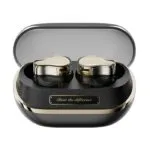
The SoundPeats H3 have a pleasant and detailed sound, but only after EQ adjustment. Out of the box, the sound is excessively bassy and quickly becomes fatiguing. I don’t know who would like this sound; it seems the company didn’t try to tune the sound but just cranked up the bass. The headphones’ weak point is features; they just exist. They even pale in comparison to some budget models with triple multipoint, a translator, or 10+ hours of battery life. The build quality is faultless, though nothing special stands out. The stem-less form factor is an acquired taste. Overall, these headphones are only for music, and only if you adjust the EQ.
- Detailed sound with deep bass after tuning the EQ.
- Microphone noise cancellation close to flagship tier.
- Boomey sound out of the box.
- Awkward controls and useless transparency mode.
- Bulky earbud and charging case design.
The final sound score is calculated using this formula:
Frequency balance + Detail retrieval + Soundstage + Natural timbre / 4 = Final Sound Score.
. 8.18 They’re on par with top-tier models, but you need to unlock their potential yourself with an EQ. The out-of-the-box tuning is excessively bassy and quickly becomes fatiguing. In bass-heavy tracks, it’s a constant rumble with a lack of clarity and airiness. However, the sound is precise and discernible, confidently entering the MyChooz silver league. If you slightly reduce the bass in the EQ or try a couple of presets, the sound gets closer to the gold league. Higher up the ranking, competition comes from models with planar drivers and xMEMS, which have certain advantages over balanced armatures. Even so, the SoundPEATS H3 pleasantly surprise with sound quality and hold your attention after EQ adjustment.More details.
Microphone – We assess speech transmission quality by testing the microphone in two main scenarios: quiet and noisy environments.
Quiet environment – This involves recording indoors with minimal background noise. Noisy environment – This means recording outdoors near a six-lane road with maximum traffic noise.
. 7.50 In quiet conditions: 8 In noisy conditions: 7 Speech is clear in quiet conditions. Noise cancellation works poorly and catches any background noise. However, a strong noise source is blocked effectively. Speech is clear, though heavily muffled.Overall feature score — this is the overall score for all device features. This score comes from individual feature ratings (battery life, controls, app, connection stability, and others) and shows how easy and smart the device is for daily use.
. 6.83 The weak point of the earbuds. Active noise cancellation is the only useful feature. With the right ear tips, it suppresses light office noise, and the mode is comfortable without putting pressure on eardrums. Battery life matches the specs, and the connection is stable. The mic noise cancellation is also nice. The rest is useless: the app is useless, controls are imprecise, and transparency mode is uncomfortable.Read more.
Final build quality score is the overall score for build quality and materials: comfort, durability, and design. It shows how nice the device is to hold and use, and how long it will last.
. 7.33 The earbuds are comfortable if you pick the right ear tips. Otherwise, the earbuds FEel like they are about to fall out. Build quality and materials are without faults. The earbuds look good, nothing too exciting.Read more.
15. CMF Nothing Buds Pro 2 7.57Best TWS Under $100 for Ease of Control
Drivers are the drivers in your headphones that are responsible for creating sound.
DD + PM + BA – means that there are several different types of drivers in these headphones.
DD – “Dynamic Driver” dynamic driver (deep bass, natural sound).
PM – “Planar Magnetic Driver” planar driver (wide soundstage and fast response).
BA – “Balanced Armature Driver” armature driver (accuracy and detail retrieval).
BC – “Bone Conduction Driver” or bone-conduction driver, which transmits vibration to the body of the headphones, transmitting sound through the bone/cartilage to the inner ear.
LDAC – high quality, high speed (Sony).
SBC is the basic Bluetooth standard, low quality.
AAC – Apple standard, good quality, low latency.
aptX – Qualcomm standard, good quality, low latency.
LC3/LC3plus – new Bluetooth LE Audio codecs, efficient compression.
Codecs are audio compression formats that affect sound quality and latency.
Headphone battery life is the playback time without recharging, measured in hours. Manufacturers measure without active noise cancellation (ANC), at medium volume (50-70%) and usually with the AAC codec, as these parameters affect battery consumption. Actual time may vary from 1% to 50%, depending on volume, active noise cancellation features enabled, codec (LDAC or other) and environmental conditions (cold, hot). It is important to consider not only the claimed playback time, but also the charging time and fast charging support.
Bluetooth is a wireless data transmission standard.
Support for new audio technologies.
Improved connection stability.
Reduced power consumption.
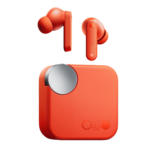
CMF Nothing Buds Pro 2 — best wireless Bluetooth headphones under $40, suitable for Android phones and iPhones. The main reason to buy: dense low-frequency sound for bassheads, a wheel-button on the case for player control, and a quality microphone among budget options under $50. Downsides: average noise cancellation and transparency. With the LDAC codec, you get up to 5% sound improvement.
- Handy scroll wheel button on the case for music control.
- Punchy low-frequency sound
- Detailed microphone for under $40
- Overly bass-heavy sound without EQ
- Average active noise cancellation (ANC) and transparency
- Up to a 5% gain with the LDAC codec
The final sound score is calculated using this formula:
Frequency balance + Detail retrieval + Soundstage + Natural timbre / 4 = Final Sound Score.
. 7.05 The sound is overly bass-heavy, with slightly recessed mids and gorgeous highs. In its sound signature, it remotely resembles the OnePlus Buds 3 or Soundcore Liberty 4 Pro. If you’re a fan of bass-heavy and simultaneously bright sound, you’ll like the CMF Buds Pro 2. And yes friends, the CMF Buds Pro 2 sound slightly better than the $249 Apple AirPods Pro 2.Read more.
Microphone – We assess speech transmission quality by testing the microphone in two main scenarios: quiet and noisy environments.
Quiet environment – This involves recording indoors with minimal background noise. Noisy environment – This means recording outdoors near a six-lane road with maximum traffic noise.
. 8.75 In quiet conditions: 9 In noisy conditions: 8.5Overall feature score — this is the overall score for all device features. This score comes from individual feature ratings (battery life, controls, app, connection stability, and others) and shows how easy and smart the device is for daily use.
. 8.10 Noise cancellation capabilities are enough to muffle light background noise at home or in a quiet office. In transparency mode, talking is difficult, and your own voice echoes inside your head. Battery life is excellent; in our tests at full volume, the earbuds last up to 10 hours and 44 hours with the charging case. Touch controls are present, and accidental touches are ruled out. Controlling the player with the button on the charging case is convenient — you can adjust the volume, pause a track, or resume playback. The app is of reference quality, well-thought-out, and convenient, allowing you to tune the EQ or reassign controls.Read more.
Final build quality score is the overall score for build quality and materials: comfort, durability, and design. It shows how nice the device is to hold and use, and how long it will last.
. 8.07 I liked the build and appearance of the earbuds. The design is simple yet modern. Plus, there are 4 colors to choose from. The fit is good; with the included ear tips, ears get tired after about 2 hours of use.Read more.
16. CMF Headphone Pro 7.57BEST Wireless Over-Ear Headphones for Ease of Control Under $100
Drivers are the drivers in your headphones that are responsible for creating sound.
DD + PM + BA – means that there are several different types of drivers in these headphones.
DD – “Dynamic Driver” dynamic driver (deep bass, natural sound).
PM – “Planar Magnetic Driver” planar driver (wide soundstage and fast response).
BA – “Balanced Armature Driver” armature driver (accuracy and detail retrieval).
BC – “Bone Conduction Driver” or bone-conduction driver, which transmits vibration to the body of the headphones, transmitting sound through the bone/cartilage to the inner ear.
LDAC – high quality, high speed (Sony).
SBC is the basic Bluetooth standard, low quality.
AAC – Apple standard, good quality, low latency.
aptX – Qualcomm standard, good quality, low latency.
LC3/LC3plus – new Bluetooth LE Audio codecs, efficient compression.
Codecs are audio compression formats that affect sound quality and latency.
Headphone battery life is the playback time without recharging, measured in hours. Manufacturers measure without active noise cancellation (ANC), at medium volume (50-70%) and usually with the AAC codec, as these parameters affect battery consumption. Actual time may vary from 1% to 50%, depending on volume, active noise cancellation features enabled, codec (LDAC or other) and environmental conditions (cold, hot). It is important to consider not only the claimed playback time, but also the charging time and fast charging support.
Bluetooth is a wireless data transmission standard.
Support for new audio technologies.
Improved connection stability.
Reduced power consumption.

The main draw is the engaging sound and convenient adjustment of low or high frequencies with a slider. The controls are on par with the Nothing Headphone (1) reference, the transparency mode is good, and battery life reaches up to 100 hours. Downsides: average microphone quality and active noise cancellation, and excessive bass out of the box.
- Reference-quality controls among over-ear models
- Convenient sound tuning via slider
- Top-tier transparency mode
- Average microphone
- Excessive bass out of the box
The final sound score is calculated using this formula:
Frequency balance + Detail retrieval + Soundstage + Natural timbre / 4 = Final Sound Score.
. 7.25 Excessively low-frequency with a muffled midrange and subdued highs. This sound can become tiring quickly. At the same time, the sound is spacious, quite detailed, and natural. Moreover, the headphones are amenable to EQ adjustment. You can simply lower the bass or boost the highs. The dynamic slider on the left earcup helps.More details.
Microphone – We assess speech transmission quality by testing the microphone in two main scenarios: quiet and noisy environments.
Quiet environment – This involves recording indoors with minimal background noise. Noisy environment – This means recording outdoors near a six-lane road with maximum traffic noise.
. 5.75 In quiet conditions: 6.5 In noisy conditions: 5 In quiet conditions, the voice sounds muffled with excessive reverberation. Artifacts resembling an echo are audible. In noisy conditions, the voice is muted while background noise remains distinct and audible. These headphones are not well-suited for calls.Overall feature score — this is the overall score for all device features. This score comes from individual feature ratings (battery life, controls, app, connection stability, and others) and shows how easy and smart the device is for daily use.
. 7.47 Active noise cancellation is enough to muffle light background noise, with passive isolation doing most of the blocking. Transparency mode is comfortable, allowing you to converse freely while wearing the headphones. Battery life matches the manufacturer’s claims and even exceeds them slightly in our tests, reaching 77 hours instead of 70 hours over LDAC. Control performance is top-tierRead more.
Final build quality score is the overall score for build quality and materials: comfort, durability, and design. It shows how nice the device is to hold and use, and how long it will last.
. 8.50 Comfortable, though there is a slight discomfort for the first 20 minutes, after which you get used to them. No complaints about build quality and materials, and the construction feels solid. The only drawback is the fingerprint-prone glossy plastic finish. The headphones look stylish and come in 3 colors. You can optionally buy ear pads in another color and swap them on the go.Read more.
17. realme Buds T500 Pro 7.29Affordable High-Quality TWS Headphones
Drivers are the drivers in your headphones that are responsible for creating sound.
DD + PM + BA – means that there are several different types of drivers in these headphones.
DD – “Dynamic Driver” dynamic driver (deep bass, natural sound).
PM – “Planar Magnetic Driver” planar driver (wide soundstage and fast response).
BA – “Balanced Armature Driver” armature driver (accuracy and detail retrieval).
BC – “Bone Conduction Driver” or bone-conduction driver, which transmits vibration to the body of the headphones, transmitting sound through the bone/cartilage to the inner ear.
LDAC – high quality, high speed (Sony).
SBC is the basic Bluetooth standard, low quality.
AAC – Apple standard, good quality, low latency.
aptX – Qualcomm standard, good quality, low latency.
LC3/LC3plus – new Bluetooth LE Audio codecs, efficient compression.
Codecs are audio compression formats that affect sound quality and latency.
Headphone battery life is the playback time without recharging, measured in hours. Manufacturers measure without active noise cancellation (ANC), at medium volume (50-70%) and usually with the AAC codec, as these parameters affect battery consumption. Actual time may vary from 1% to 50%, depending on volume, active noise cancellation features enabled, codec (LDAC or other) and environmental conditions (cold, hot). It is important to consider not only the claimed playback time, but also the charging time and fast charging support.
Bluetooth is a wireless data transmission standard.
Support for new audio technologies.
Improved connection stability.
Reduced power consumption.
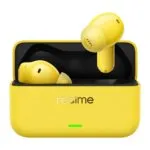
The realme Buds T500 Pro have improved in all aspects compared to the T310. In fact, the T500 is like the Air 7, but with a translator, triple multipoint, and battery life close to the Air 8. However, the sound balance in the T500 out of the box is below average and doesn’t come close to the Air 7. With an EQ, the sound is roughly on the same level, although the Air 7 feel better due to their sound system’s efficiency. Functionality, comfort, and design have seen minimal increases.
- Bass-heavy sound.
- Translator and triple multipoint
- Top-tier battery life.
- Top-tier microphone.
- Boomy sound without EQ tuning
- Poor transparency mode
The final sound score is calculated using this formula:
Frequency balance + Detail retrieval + Soundstage + Natural timbre / 4 = Final Sound Score.
. 6.92 Out of the box, it’s excessively bassy and becomes fatiguing after 5-10 minutes of listening. The bass overwhelms other frequencies, and with such poor balance, dense mixes turn into a muddy mess. The headphones minimally approach the MyChooz bronze league with the LHDC 5.0 codec. There is potential for sound tuning, and for a pleasant sound, it’s enough to reduce the bass in the EQ. If you minimally adjust the EQ, they can compete with last year’s leader in TWS under $30.More details.
Microphone – We assess speech transmission quality by testing the microphone in two main scenarios: quiet and noisy environments.
Quiet environment – This involves recording indoors with minimal background noise. Noisy environment – This means recording outdoors near a six-lane road with maximum traffic noise.
. 8.25 In quiet environments: 8.5 In noisy environments: 8 The microphone performs well in quiet and noisy environments. In noisy environments, the voice sounds boomy while remaining intelligible.Overall feature score — this is the overall score for all device features. This score comes from individual feature ratings (battery life, controls, app, connection stability, and others) and shows how easy and smart the device is for daily use.
. 7.49 Good for the budget segment. Strengths: battery life and connectivity. Features 3-device multipoint and a translator. Weaknesses: noise cancellation, transparency, and controls. Furthermore, the transparency mode is unusable.Read more.
Final build quality score is the overall score for build quality and materials: comfort, durability, and design. It shows how nice the device is to hold and use, and how long it will last.
. 7.93 The earbuds are comfortable and compact. Comfortable with the stock ear tips. The earbud case is compact, and in hand the build feels sturdy and reliable. Both the earbuds and case look nice; I liked them.Read more.
18. Nothing Ear ( open ) 7.18Comfortable Open-Fit Earbuds – For Sports and Running
Drivers are the drivers in your headphones that are responsible for creating sound.
DD + PM + BA – means that there are several different types of drivers in these headphones.
DD – “Dynamic Driver” dynamic driver (deep bass, natural sound).
PM – “Planar Magnetic Driver” planar driver (wide soundstage and fast response).
BA – “Balanced Armature Driver” armature driver (accuracy and detail retrieval).
BC – “Bone Conduction Driver” or bone-conduction driver, which transmits vibration to the body of the headphones, transmitting sound through the bone/cartilage to the inner ear.
LDAC – high quality, high speed (Sony).
SBC is the basic Bluetooth standard, low quality.
AAC – Apple standard, good quality, low latency.
aptX – Qualcomm standard, good quality, low latency.
LC3/LC3plus – new Bluetooth LE Audio codecs, efficient compression.
Codecs are audio compression formats that affect sound quality and latency.
Headphone battery life is the playback time without recharging, measured in hours. Manufacturers measure without active noise cancellation (ANC), at medium volume (50-70%) and usually with the AAC codec, as these parameters affect battery consumption. Actual time may vary from 1% to 50%, depending on volume, active noise cancellation features enabled, codec (LDAC or other) and environmental conditions (cold, hot). It is important to consider not only the claimed playback time, but also the charging time and fast charging support.
Bluetooth is a wireless data transmission standard.
Support for new audio technologies.
Improved connection stability.
Reduced power consumption.
Nothing Ear open — these are non-standard open-fit headphones with an over-ear design. They’re an ideal option for sports, running, and other activities. The headphones are comfortable, feature a signature design, and have reference-level microphones. Voice is isolated in noisy environments and remains discernible. They aren’t the best for sound among open-fit headphones — a lack of detail is felt with the basic codec. However, they have a good microphone, making them excellent for calls.
- Good sound quality for open-fit earbuds around $100.
- Microphone of excellent quality
- Comfortable design with a secure ear hook fit.
- Signature Nothing design
- The sound can feel a bit low-end heavy.
- Bulky charging case, 3 times larger than usual.
The final sound score is calculated using this formula:
Frequency balance + Detail retrieval + Soundstage + Natural timbre / 4 = Final Sound Score.
. 7.13 Mid-range with moderate bass and subdued highs. Vocals are clear, no noticeable artificiality, just a bit of grain on the cymbals. Detail retrieval is average, and with basic codecs, the sound gets congested with 4+ instruments. The soundstage feels cramped, with detail primarily in width. Out of the box, the sound is boring and sounds distant. But with EQ, the sound is noticeably better, even if you just boost the highs and add a bit of bass. Immediately, more detail is apparent. Nothing Ear ( open ) lands in the MyChooz silver league. And that’s a good result for a model with basic codecs.More details.
Microphone – We assess speech transmission quality by testing the microphone in two main scenarios: quiet and noisy environments.
Quiet environment – This involves recording indoors with minimal background noise. Noisy environment – This means recording outdoors near a six-lane road with maximum traffic noise.
. 9.00 In quiet conditions: 9 In noisy conditions: 9 Highly resolved, minimal interference, and a narrow perceived frequency range. In noisy environments, your voice isolates well while noise gets effectively suppressed.Overall feature score — this is the overall score for all device features. This score comes from individual feature ratings (battery life, controls, app, connection stability, and others) and shows how easy and smart the device is for daily use.
. 6.71 The earbuds lack active noise cancellation and transparency mode. At the same time, there is no tight seal, so your surroundings sound just like they would without them. Battery life stays close to the stated time; in our tests, we got 6-7 hours from the earbuds and up to 30 hours using the charging case. The app feels practical, offering a minimum of necessary features including an advanced EQ. Pinch controls handle media and calls without any accidental touches.Read more.
Final build quality score is the overall score for build quality and materials: comfort, durability, and design. It shows how nice the device is to hold and use, and how long it will last.
. 8.00 The earbuds are comfortable to use, though you might feel slight discomfort from the unusual design. Build quality and materials match flagship standards, with the only annoying flaws being a finish that attracts fingerprints and micro-scratches showing up right away. They look nice, matching the rest of the earbud series, but the design brings nothing new and feels a bit tired. You can choose between two colors: white and blue.Read more.
19. HAYLOU Flowbuds N55 6.98Best TWS Noise-Cancelling Headphones Under $50
Drivers are the drivers in your headphones that are responsible for creating sound.
DD + PM + BA – means that there are several different types of drivers in these headphones.
DD – “Dynamic Driver” dynamic driver (deep bass, natural sound).
PM – “Planar Magnetic Driver” planar driver (wide soundstage and fast response).
BA – “Balanced Armature Driver” armature driver (accuracy and detail retrieval).
BC – “Bone Conduction Driver” or bone-conduction driver, which transmits vibration to the body of the headphones, transmitting sound through the bone/cartilage to the inner ear.
LDAC – high quality, high speed (Sony).
SBC is the basic Bluetooth standard, low quality.
AAC – Apple standard, good quality, low latency.
aptX – Qualcomm standard, good quality, low latency.
LC3/LC3plus – new Bluetooth LE Audio codecs, efficient compression.
Codecs are audio compression formats that affect sound quality and latency.
Headphone battery life is the playback time without recharging, measured in hours. Manufacturers measure without active noise cancellation (ANC), at medium volume (50-70%) and usually with the AAC codec, as these parameters affect battery consumption. Actual time may vary from 1% to 50%, depending on volume, active noise cancellation features enabled, codec (LDAC or other) and environmental conditions (cold, hot). It is important to consider not only the claimed playback time, but also the charging time and fast charging support.
Bluetooth is a wireless data transmission standard.
Support for new audio technologies.
Improved connection stability.
Reduced power consumption.
The main reason to buy: active noise cancellation on par with $50 models, good sound after a firmware update, 13.5 hours of battery life with the AAC codec, and a working LDAC codec. Reasons not to buy: poor transparency mode and a mediocre proprietary app.
- Active noise cancellation on par with $50 models
- 13.5 hours of playback using AAC
- The LDAC codec delivers a sound upgrade
- Background noise on the default firmware
- Poor transparency mode
- Mediocre companion app
- Poor microphone performance in noisy environments
The final sound score is calculated using this formula:
Frequency balance + Detail retrieval + Soundstage + Natural timbre / 4 = Final Sound Score.
. 7.04 The overall sound presentation surprised me. The strongest points are mid-range transparency and vocal intimacy; this is genuinely on par with the Realme Buds Air 7 Pro. And it is unattainable for other budget models even under $50. Bass is a bit lacking, but sufficient. Treble quality is average, overly bright, and features a lot of artificial timbre. Naturalness is average, and instruments are recognizable, but you have to make an effort to figure out what low-frequency instrument is playing; treble intelligibility is slightly better, but has a lot of digital sheen. Detail retrieval is decent, with good audibility of parts and sound, but they have nowhere to stretch out as the sound is congested.And now we come to the main drawback of the sound, which is the soundstage — it is very narrow. Instruments in a busy mix get mashed together right on top of each other, and their spatial positioning is poorly defined. This impacts detail retrieval and the overall sound impression. A constrained soundstage is what comes to mind. Fortunately, you get used to the sound, and after 1-2 tracks, it stops bothering you.
Read more.
Microphone – We assess speech transmission quality by testing the microphone in two main scenarios: quiet and noisy environments.
Quiet environment – This involves recording indoors with minimal background noise. Noisy environment – This means recording outdoors near a six-lane road with maximum traffic noise.
. 6.75 In quiet conditions: 7.5 In noisy conditions: 6 In quiet environments, the microphone sounds decent, but it struggles in very noisy conditions.Overall feature score — this is the overall score for all device features. This score comes from individual feature ratings (battery life, controls, app, connection stability, and others) and shows how easy and smart the device is for daily use.
. 6.75 Noise cancellation is on par with models under $50, and it is deep enough to cut through low-frequency hum. Transparency mode is useless and not suitable for actual use. Battery life in our tests reached 13.5 hours / 36 hours with the charging case. Touch controls support 8 gestures with occasional misfires on triple-taps. The app is not the most user-friendly, but it comes in handy for enabling the LDAC codec and remapping controls.Read more.
Final build quality score is the overall score for build quality and materials: comfort, durability, and design. It shows how nice the device is to hold and use, and how long it will last.
. 7.17 You can wear the earbuds for a couple of hours without discomfort using the stock ear tips. The materials are budget-oriented, yet the build feels sturdy. The experience is spoiled by the fingerprint-magnet glossy finish, and it is awkward to pull the earbuds out of the case. They look ordinary, and the design is uninspiring. Available in black and white.Read more.
20. realme Buds Clip 6.19Best Sound in Clip-On Headphones Under $50
Drivers are the drivers in your headphones that are responsible for creating sound.
DD + PM + BA – means that there are several different types of drivers in these headphones.
DD – “Dynamic Driver” dynamic driver (deep bass, natural sound).
PM – “Planar Magnetic Driver” planar driver (wide soundstage and fast response).
BA – “Balanced Armature Driver” armature driver (accuracy and detail retrieval).
BC – “Bone Conduction Driver” or bone-conduction driver, which transmits vibration to the body of the headphones, transmitting sound through the bone/cartilage to the inner ear.
LDAC – high quality, high speed (Sony).
SBC is the basic Bluetooth standard, low quality.
AAC – Apple standard, good quality, low latency.
aptX – Qualcomm standard, good quality, low latency.
LC3/LC3plus – new Bluetooth LE Audio codecs, efficient compression.
Codecs are audio compression formats that affect sound quality and latency.
Headphone battery life is the playback time without recharging, measured in hours. Manufacturers measure without active noise cancellation (ANC), at medium volume (50-70%) and usually with the AAC codec, as these parameters affect battery consumption. Actual time may vary from 1% to 50%, depending on volume, active noise cancellation features enabled, codec (LDAC or other) and environmental conditions (cold, hot). It is important to consider not only the claimed playback time, but also the charging time and fast charging support.
Bluetooth is a wireless data transmission standard.
Support for new audio technologies.
Improved connection stability.
Reduced power consumption.
realme Buds Clip is a successful model among clip-on and open-fit headphones under $50. While competitors in this price range have harsh or muffled sound, Realme sounds clean and non-irritating. The headphones handle mid-range tracks better, where there are minimal musical instruments and more vocals, making them suitable for podcasts or audiobooks. Complex tracks or those with a wide frequency range are beyond their capabilities. Functionality is average, covering basic needs. Interesting features include live and synchronized translation, a discernible microphone with noise cancellation, and precise controls. The build quality is faultless and comfortable among budget options.
- Comfortable mid-range sound.
- Clear microphone with noise cancellation.
- No complaints about build quality and materials.
- Lacks lows and highs.
- Low detail retrieval with basic codecs.
- At 80%+ volume, the sound gets distorted.
The final sound score is calculated using this formula:
Frequency balance + Detail retrieval + Soundstage + Natural timbre / 4 = Final Sound Score.
. 5.88 Mid-range focused, reasonably full-bodied and detailed in simple tracks featuring just a few instruments and vocals. The earbuds handle such tracks easily for casual background listening, podcasts, or audiobooks. However, in dynamic tracks with multiple instruments and effects, the sound gets congested. This kind of sound tires you out halfway through a track. Lows and highs are lacking. You can crank up the frequencies in the EQ, but the sound turns synthetic and boomy on half the tracks.Read more.
Microphone – We assess speech transmission quality by testing the microphone in two main scenarios: quiet and noisy environments.
Quiet environment – This involves recording indoors with minimal background noise. Noisy environment – This means recording outdoors near a six-lane road with maximum traffic noise.
. 6.90 In quiet conditions: 7.8 In noisy conditions: 6 Speech is clear in quiet environments with a background noise level around 35 dB. Microphone gain is sufficient, and you do not need to shout. In noisy conditions with a vacuum cleaner running, background noise rises to 73-75 dB. Speech remains intelligible if you listen closely, though the vacuum noise is quite prominent in the background.Read more.
Overall feature score — this is the overall score for all device features. This score comes from individual feature ratings (battery life, controls, app, connection stability, and others) and shows how easy and smart the device is for daily use.
. 5.96 Average and meet basic wireless earbud needs. The only standout features are live and simultaneous translation and precise touch controls, with zero misfires during testing.Read more.
Final build quality score is the overall score for build quality and materials: comfort, durability, and design. It shows how nice the device is to hold and use, and how long it will last.
. 7.33 No complaints here; taking the earbuds out of the case is convenient. The only downside is the smudge-prone finish on the earbuds. There is no major discomfort when wearing them, though slight fatigue sets in after an hour of use.